39 Results for "

AR Signaling Pathway

" in MedChemExpress (MCE) Product Catalog:
Products (39)

39 Results for "AR Signaling Pathway" in MCE Product Catalog:

13
13 Publications Verification
Art. -Nr.: HY-16985
CAS. Nr.: 1297538-32-9
Synonyms: ODM-201; BAY-1841788
Target:  

Androgen Receptor

Forschungsgebiete:  

Cancer

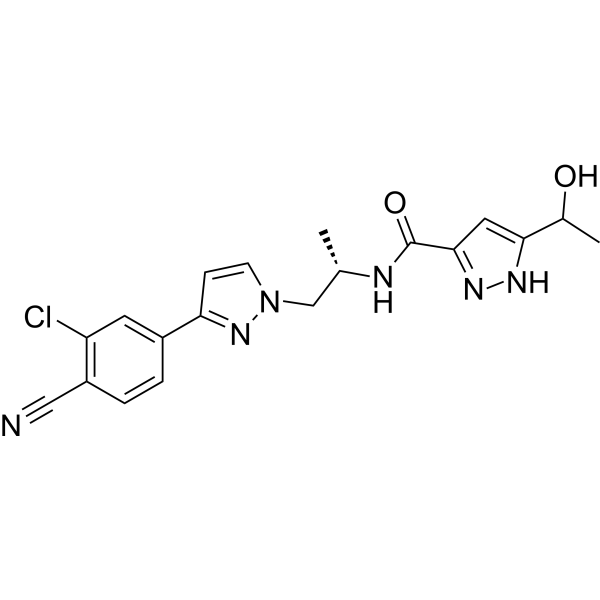
Darolutamide (ODM-201) is an orally active competitive androgen receptor (AR) antagonist. Darolutamide has a Ki of 11 nM for rat wild-type AR (wtAR) and IC50 of 26 nM for human wild-type AR (hAR)-mediated transcriptional activation . Darolutamide inhibits testosterone-induced AR nuclear translocation and transcriptional activation . Darolutamide exerts selective effects on AR-positive cells by inhibiting AR-dependent signaling pathways, and its active metabolite retains full antagonistic activity against AR mutants . Darolutamide can be used for the research of prostate cancer, including androgen receptor-dependent prostate cancer .
loading...
    loading...
12
12 Cited Publications
Art. -Nr.: HY-N2037
CAS. Nr.: 5843-65-2
Synonyms: Norcoclaurine; Demethyl-Coclaurine
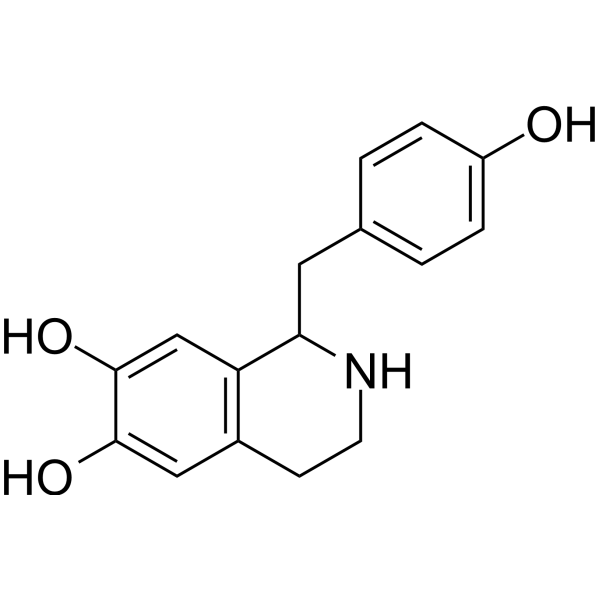
Higenamine (Norcoclaurine), a β2-AR agonist with antioxidant capability, is a key component of the Chinese herb aconite root that prescribes for treating symptoms of heart failure in the oriental Asian countries. Higenamine is also a α1-adrenergic receptor antagonist with hypotensive effect. is a selective LSD1 inhibitor (IC50=1.47 μM) that can be isolated from aconite. Higenamine hydrochloride has anti-inflammatory and antibacterial activity. Higenamine protects myocyte Apoptosis and ischemia/reperfusion (I/R) injury through selective activation of beta2-adrenergic receptor (β2-AR). Higenamine also reduces I/R-induced myocardial infarction in mice. Higenamine can attenuate IL-1β-induced Apoptosis through ROS-mediated PI3K/Akt signaling pathway. Higenamine protects brain cells from oxygen deprivation. Higenamine can promote bone formation in osteoporosis through the SMAD2/3 pathway. Higenamine can be used to study cancer, inflammation, cardiorenal syndrome and other diseases .
loading...
    loading...
4
4 Cited Publications
Art. -Nr.: HY-116522
CAS. Nr.: 1798310-55-0
Reinheit:  98.29%
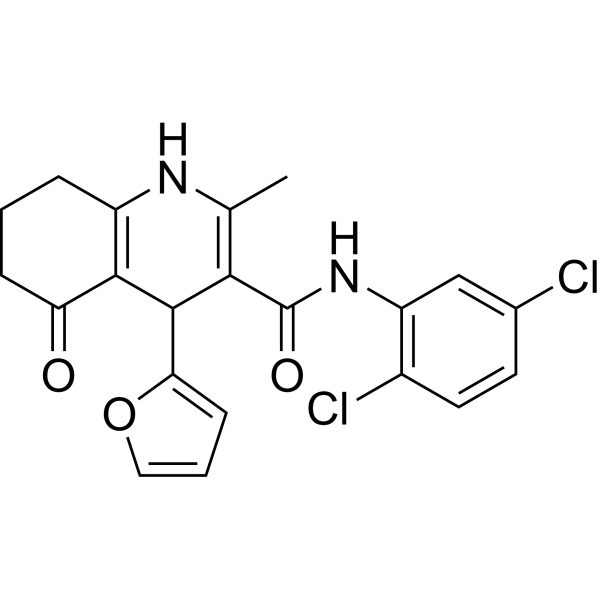
AR420626 is a selective agonist of free fatty acid receptor 3 (FFAR3) (IC50=117 nM). AR420626 has anti-inflammatory, anticancer and antidiabetic activities. AR420626 improves neurogenic diarrhea by inhibiting nAChR mediated neural pathways. AR420626 inhibits the growth of HepG2 xenografts and inhibits the proliferation of hepatoma cells by inducing apoptosis. AR420626 also suppresses allergic asthma and eczema and has the ability to activate GPR41 to increase Ca 2+ signal-mediated glucose uptake and improve diabetes .
loading...
    loading...
2
2 Cited Publications
Art. -Nr.: HY-N0113
CAS. Nr.: 539-15-1
Synonyms: Ordenina; Peyocactine
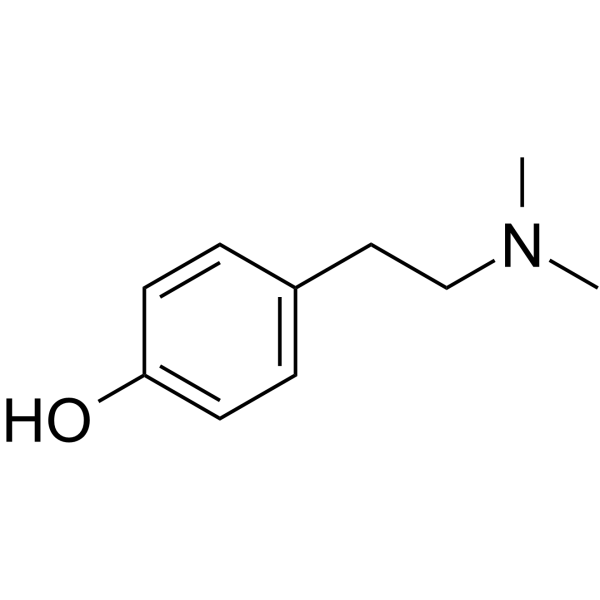
Hordenine (Ordenina; Peyocactine) is a multifunctional alkaloid with oral activity and blood-brain barrier penetration. Hordenine inhibits LPS-induced phosphorylation of p38, JNK, ERK1/2, p65, IκB, and AKT, prevents p65 nuclear translocation, and suppresses inflammatory cytokines and mediators. Hordenine promotes M2 macrophage polarization, restores blood-milk barrier integrity, alleviates oxidative stress by reducing ROS and MDA, and attenuates LPS-induced lung injury and pulmonary edema. Hordenine inhibits cAMP production, CREB phosphorylation, and MITF expression, thereby suppressing melanin synthesis in melanocytes and reconstructed epidermis. Hordenine activates the Wnt/β-catenin signaling pathway, promotes dermal papilla cell proliferation and hair shaft elongation, and accelerates hair regeneration. Hordenine activates DRD2, acts as a D3R partial agonist, α2A-AR full agonist, and 5-HT2A-R antagonist, and inhibits SERT and DAT. Hordenine inhibits α-synuclein accumulation and ameliorates motor deficits in Parkinson's disease models. Hordenine limits alcohol intake, reduces relapse drinking behavior, and modulates alcohol-induced conditioned place preference. Hordenine can be used for research on mastitis, skin pigmentation, acute lung injury, foodborne diseases, hair loss, Parkinson's disease, bacterial infections, and alcohol use disorder .
loading...
    loading...
2
2 Cited Publications
Art. -Nr.: HY-N7043
CAS. Nr.: 142796-21-2
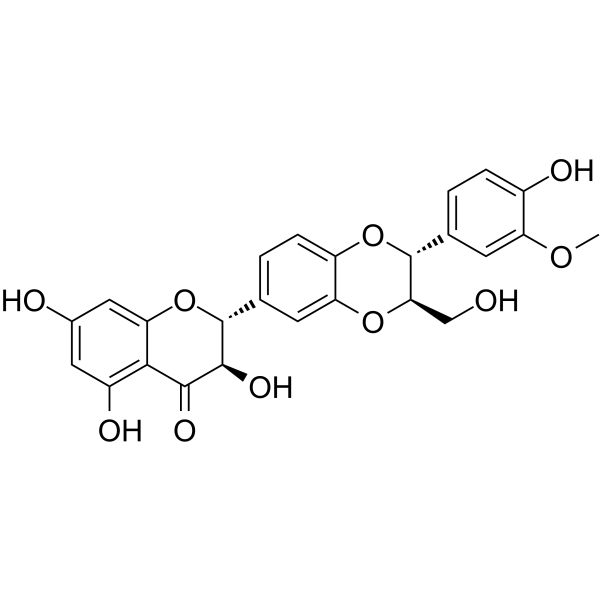
Isosilybin A is a PPARγ agonist that can be isolated from silymarin. Isosilybin A activates extrinsic and intrinsic pathways of apoptosis through targeting of the Akt-NF-kB-AR axis. Isosilybin A can relieve the inflammatory response in the rosacea model via inhibiting Erk and p38 signaling pathways and M1 macrophage polarization, with its targets related to RELA and VEGFA. Isosilybin A has anti-prostate cancer (PCA) activity [1][2][3].
loading...
    loading...
2
2 Cited Publications
Art. -Nr.: HY-N0113B
CAS. Nr.: 6027-23-2
Synonyms: Ordenina hydrochloride; Peyocactine hydrochloride
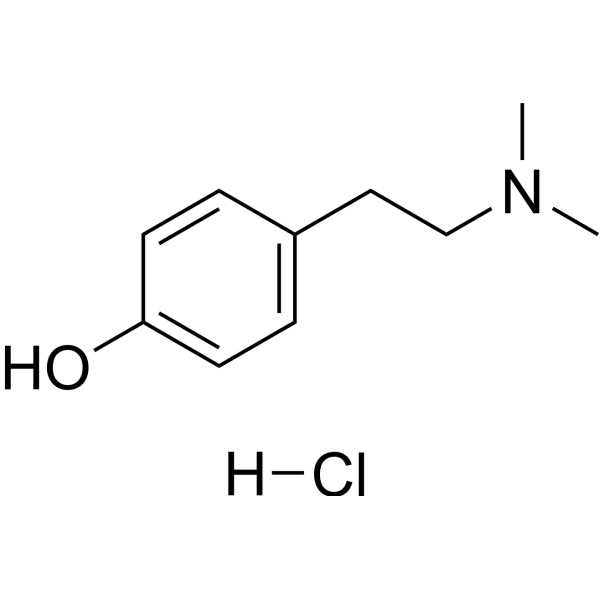
Hordenine hydrochloride (Ordenina hydrochloride; Peyocactine hydrochloride) is a multifunctional alkaloid with oral activity and blood-brain barrier penetration. Hordenine hydrochloride inhibits LPS-induced phosphorylation of p38, JNK, ERK1/2, p65, IκB, and AKT, prevents p65 nuclear translocation, and suppresses inflammatory cytokines and mediators. Hordenine hydrochloride promotes M2 macrophage polarization, restores blood-milk barrier integrity, alleviates oxidative stress by reducing ROS and MDA, and attenuates LPS-induced lung injury and pulmonary edema. Hordenine hydrochloride inhibits cAMP production, CREB phosphorylation, and MITF expression, thereby suppressing melanin synthesis in melanocytes and reconstructed epidermis. Hordenine hydrochloride activates the Wnt/β-catenin signaling pathway, promotes dermal papilla cell proliferation and hair shaft elongation, and accelerates hair regeneration. Hordenine hydrochloride activates DRD2, acts as a D3R partial agonist, α2A-AR full agonist, and 5-HT2A-R antagonist, and inhibits SERT and DAT. Hordenine hydrochloride inhibits α-synuclein accumulation and ameliorates motor deficits in Parkinson's disease models. Hordenine hydrochloride limits alcohol intake, reduces relapse drinking behavior, and modulates alcohol-induced conditioned place preference. Hordenine hydrochloride can be used for research on mastitis, skin pigmentation, acute lung injury, foodborne diseases, hair loss, Parkinson's disease, bacterial infections, and alcohol use disorder .
loading...
    loading...
1
1 Cited Publications
Art. -Nr.: HY-N2908
CAS. Nr.: 4707-47-5
Synonyms: Methyl atrARate
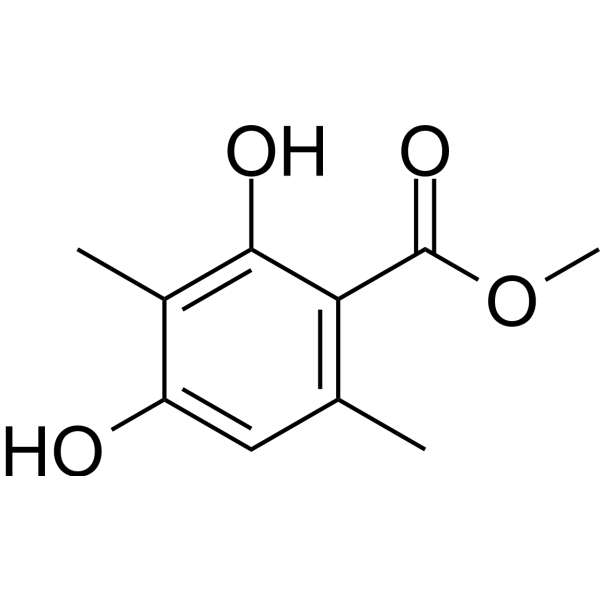
Atraric acid (Methyl atrarate) is a specific androgen receptor (AR) antagonist with anti-inflammatory and anticancer effects. Atraric acid represses the expression of the endogenous prostate specific antigen gene in both LNCaP and C4-2 cells. Atraric acid can also inhibit the synthesis of NO and cytokine, and suppress the MAPK-NFκB signaling pathway. Atraric acid can be used to research prostate diseases and inflammatory diseases .
loading...
    loading...
1
1 Cited Publications
Art. -Nr.: HY-N0819
CAS. Nr.: 89412-79-3
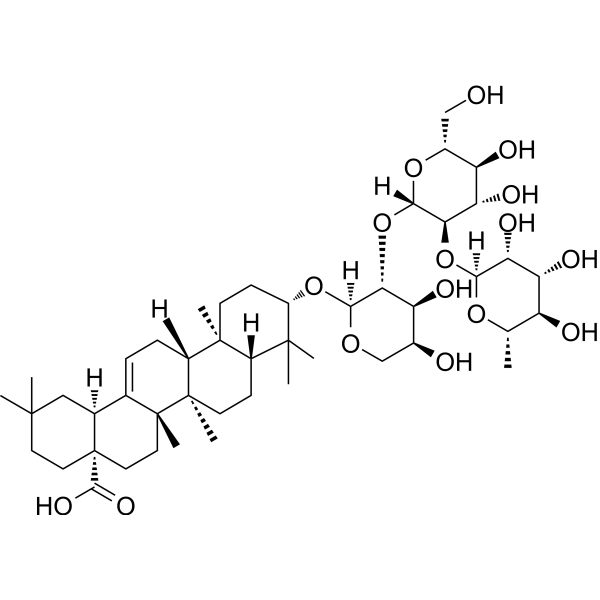
Raddeanin A is an oleanane-type triterpenoid saponin with oral activity. Raddeanin A inhibits SRC, mTOR, JNK, VEGFR2, NLRP3 inflammasome, Wnt/β-catenin, Wee1, PI3K/AKT signaling pathway, MAPK/ERK signaling pathway, AR-FL, AR-Vs, and downregulates the expression of p-PI3K and p-AKT. Raddeanin A inhibits osteoclast formation, bone resorption, osteolysis, cancer cell invasion, migration, proliferation, angiogenesis and epithelial-mesenchymal transition, while induces apoptosis, cell cycle arrest, ROS production, immunogenic cell death and dendritic cell maturation. Raddeanin A improves blood-retinal barrier function, alleviates inflammation, regulates the tumor microenvironment, and enhances the activity of anti-PD-1 antibody. Raddeanin A is applicable to the research of breast cancer-associated osteolysis, human osteosarcoma, colorectal cancer, glioblastoma, Alzheimer's disease, cholangiocarcinoma, melanoma, non-small cell lung cancer, castration-resistant prostate cancer and multiple myeloma .
loading...
    loading...
1
1 Cited Publications
Art. -Nr.: HY-120006A
CAS. Nr.: 1408311-94-3
Reinheit:  99.42%
Target:  

ERK

Forschungsgebiete:  

Cardiovascular Disease

(rel)-AR234960 is a selective and competitive agonist of the G protein-coupled receptor MAS. (rel)-AR234960 binds to the MAS receptor to activate the downstream ERK1/2 signaling pathway, inducing the expression of connective tissue growth factor (CTGF) and its downstream collagen subtype genes (such as COL1A1, COL3A1). (rel)-AR234960 promotes collagen synthesis in cardiac fibroblasts through the MAS-ERK1/2-CTGF pathway and aggravates extracellular matrix remodeling. (rel)-AR234960's in vitro effect can be blocked by the MAS inverse agonist AR244555 and MEK1 inhibitor. (rel)-AR234960 regulates the expression of cardiac fibrosis-related genes and can be used in the study of heart failure .
loading...
    loading...
1
1 Cited Publications
Art. -Nr.: HY-125236
CAS. Nr.: 1643947-30-1
Reinheit:  99.74%
Synonyms: BET-IN-19
Forschungsgebiete:  

Cancer

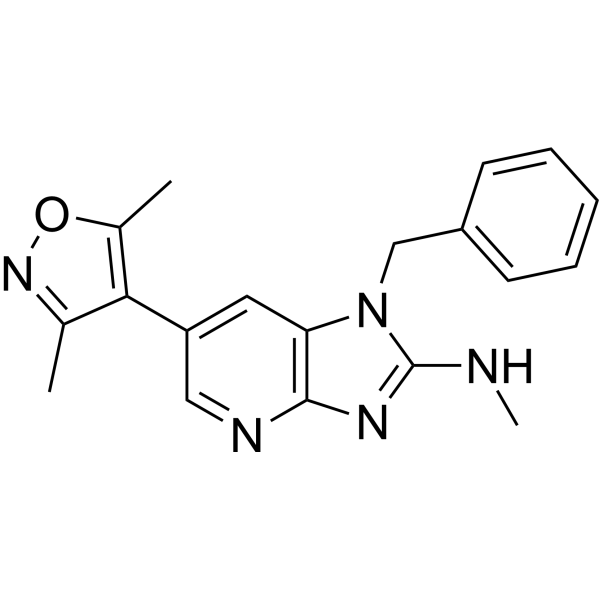
ZEN-3694 (BET-IN-19) is an orally active BET inhibitor. ZEN-3694 regulates the function of BET proteins, thereby downregulating pathways involved in cell cycle regulation, ER signaling, AR signaling, AR splice variants, MYC, GR, cell growth, inflammation, and cellular immune responses. ZEN-3694 inhibits proliferation, induces apoptosis, reverses the upregulation of CDK6 and CCND1, restores cell cycle arrest, and inhibits CDK6 via miR-34a-5p. ZEN-3694 can be used in research related to HER2 breast cancer and metastatic castration-resistant prostate cancer .
loading...
    loading...
Art. -Nr.: HY-114402
CAS. Nr.: 2316837-10-0
Reinheit:  99.61%
Forschungsgebiete:  

Cancer

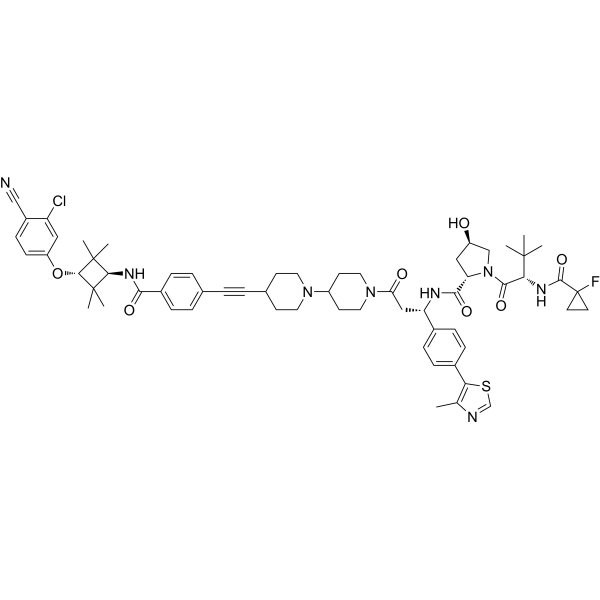
ARD-69 is a PROTAC degrader based on the E3 ubiquitin ligase VHL and targeting the androgen receptor, which can induce androgen receptor (AR) protein degradation in AR-positive prostate cancer cells. ARD-69 inhibits AR-regulated gene expression, binds to the AR ligand binding domain at one end and binds to VHL at the other end, prompting AR to be recruited to the E3 ubiquitin ligase complex, triggering proteasome degradation, thereby inhibiting AR signaling pathways and downstream gene expression (such as PSA, TMPRSS2). ARD-69 can be used to study of castration-resistant prostate cancer (mCRPC) .
loading...
    loading...
Art. -Nr.: HY-N15686
CAS. Nr.: 547-23-9
Synonyms: Torulin
Torulene (Torulin) is an orally active carotenoid with anti-cancer activity. Torulene inhibits proliferation and induces apoptosis of tumor cells via a mitochondrial signal pathway and the down-regulation of androgen receptor (AR) expression. Torulene can be used for the study of prostate cancer .
loading...
    loading...
Art. -Nr.: HY-175652
CAS. Nr.: 3056515-10-4
Forschungsgebiete:  

Cancer

AZD9750 is an orally active, Cereblon (CRBN)-recruiting, androgen receptor (AR)-targeted PROTAC degrader. AZD9750 induces the proteasome-dependent degradation of both wild-type AR and the drug-resistant mutant AR L702H, thereby inhibiting the AR signaling pathway. AZD9750 suppresses tumor growth in mouse prostate cancer xenograft models and has been utilized in prostate cancer research .
loading...
    loading...
Art. -Nr.: HY-W077477
CAS. Nr.: 313368-85-3
Target:  

5-HT Receptor Arrestin

Forschungsgebiete:  

Neurological Disease

IHCH-7113 is a 5-HT2AR agonist with EC50 values of 58.9 nM (Gq bioluminescence resonance energy transfer assay) and 44.7 nM (β-arrestin 2 bioluminescence resonance energy transfer assay). IHCH-7113 activates both Gαq-mediated signaling pathways and β-arrestin 2 recruitment pathways. IHCH-7113 is applicable for research related to depression .
loading...
    loading...
Art. -Nr.: HY-16985S
CAS. Nr.: 2484757-20-0
Synonyms: ODM-201-d4; BAY-1841788-d4
Darolutamide-d4 (ODM-201-d4) is deuterium labeled Darolutamide (HY-16985). Darolutamide (ODM-201) is an orally active competitive androgen receptor (AR) antagonist, with a Ki of 11 nM for rat wild-type AR (wtAR) and an IC50 of 26 nM for human wild-type AR (hAR)-mediated transcriptional activation . Darolutamide inhibits testosterone-induced AR nuclear translocation and transcriptional activation . Darolutamide exerts selective effects on AR-positive cells by inhibiting AR-dependent signaling pathways, and its active metabolite retains full antagonistic activity against AR mutants . Darolutamide can be used for the research of prostate cancer, including androgen receptor-dependent prostate cancer .
loading...
    loading...
Art. -Nr.: HY-N2673
CAS. Nr.: 41442-57-3
Synonyms: 5-n-Heptadecylresorcinol; AR-C17
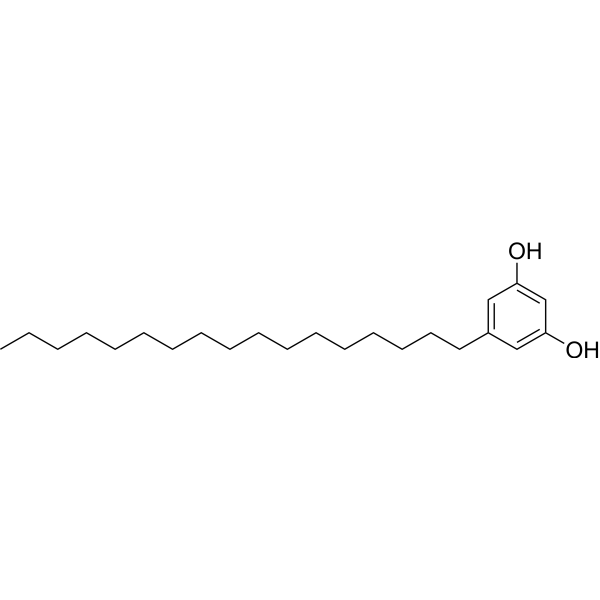
5-Heptadecylresorcinol (AR-C17), a phenolic lipid component, is also an orally active mitochondrial protector. 5-Heptadecylresorcinol improves mitochondrial function via sirtuin3 signaling pathway, thus alleviates endothelial cell damage and apoptosis. 5-Heptadecylresorcinol induces sirtuin3-mediated autophagy. 5-Heptadecylresorcinol reduces the atherosclerotic plaques in the aortic root region of mice heart. 5-Heptadecylresorcinol can be used for research of atherosclerosis prevention and obesity .
loading...
    loading...
Art. -Nr.: HY-175231
Target:  

5-HT Receptor

Forschungsgebiete:  

Neurological Disease

ST171 is a bitopic 5-HT1AR agonist with an Ki of 0.41  nM. ST171 selectively activates Gi/o signaling pathway and inhibits 5-HT1AR-mediated cAMP accumulation without Gs activation and marginal β-arrestin recruitment. T171 reduces hypersensitivity in chronic neuropathic and inflammatory pain mice model. ST171 can be used for pain research .
loading...
    loading...
Art. -Nr.: HY-16985R
CAS. Nr.: 1297538-32-9
Synonyms: ODM-201 (StandARd); BAY-1841788 (StandARd)
Forschungsgebiete:  

Cancer

Darolutamide (Standard) is the analytical standard of Darolutamide (HY-16985). This product is intended for research and analytical applications. Darolutamide (ODM-201) is an orally active competitive androgen receptor (AR) antagonist, with a Ki of 11 nM for rat wild-type AR (wtAR) and an IC50 of 26 nM for human wild-type AR (hAR)-mediated transcriptional activation . Darolutamide inhibits testosterone-induced AR nuclear translocation and transcriptional activation . Darolutamide exerts selective effects on AR-positive cells by inhibiting AR-dependent signaling pathways, and its active metabolite retains full antagonistic activity against AR mutants . Darolutamide can be used for the research of prostate cancer, including androgen receptor-dependent prostate cancer .
loading...
    loading...
Art. -Nr.: HY-179433
Forschungsgebiete:  

Cancer

PROTAC AR Degrader-12 is a highly efficient PROTAC targeting AR coactivator binding site (AR-CBS). PROTAC AR Degrader-12 induces AR degradation in a ubiquitin proteasome system (UPS) pathway-dependent manner. PROTAC AR Degrader-12 inhibits tumor cell growth by affecting DNA replication and cell division PROTAC AR Degrader-12 could not only effectively degrade AR, but also potently inhibit the proliferation of MCF-7 and multiple mutant or resistant BC cells. PROTAC AR Degrader-12 effectively blocked estrogen receptor α (ERα) signaling through a dual mechanism involving ERα protein downregulation and suppression of its transcriptional activity. PROTAC AR Degrader-12 significantly inhibits the mRNA expression of FOXA1, GREB1, SRC, and PELP1. PROTAC AR Degrader-12 can be used for the study of breast cancer .
loading...
    loading...
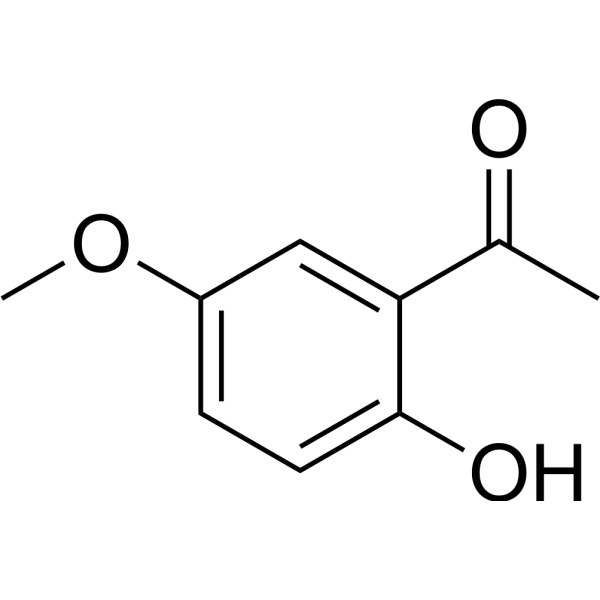
Art. -Nr.: HY-N1731
CAS. Nr.: 705-15-7
2'-Hydroxy-5'-methoxyacetophenone is an acetophenone derivative with acaricidal activities. 2'-Hydroxy-5'-methoxyacetophenone attenuates the inflammatory response via NF-κB signaling pathway. 2'-Hydroxy-5'-methoxyacetophenone exhibits significant inhibitory activity against α-amylase, collagenase and aldose reductase (AR) with IC50s of 0.928, 3.264 and 20.046 μM, highlighting its potential in combating diabetes. 2'-Hydroxy-5'-methoxyacetophenone exhibits anti-ovarian cancer activity .
loading...
    loading...

