



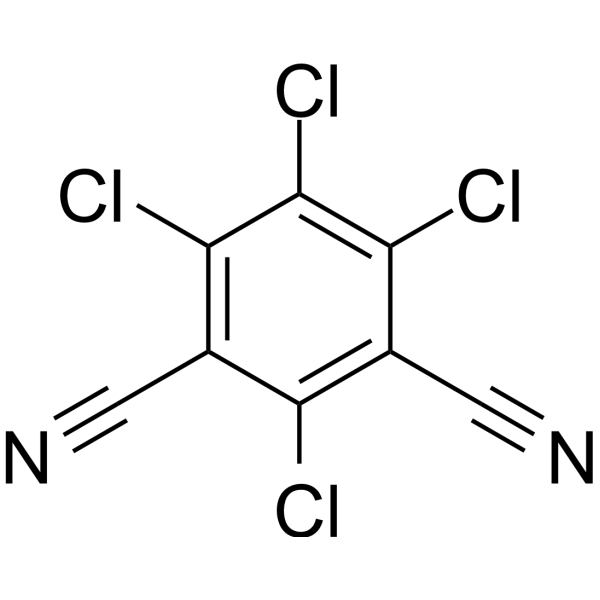
Chlorothalonil
Based on 1 publication(s) in Google Scholar
Chlorothalonil is a broad-spectrum foliar fungicide with oral activity. Chlorothalonil can be used to combat fungal diseases in vegetable and crop leaves. Chlorothalonil can alter the microbial community in the soil. Chlorothalonil inhibits spermatogenesis. Chlorothalonil can cause intestinal epithelial barrier dysfunction and fetal toxicity.
Nos produits utilisent uniquement pour la recherche. Nous ne vendons pas aux patients.
- Pureté : 98.15%
- CAS No.: 1897-45-6
- Formule: C8Cl4N2
- Masse moléculaire:265.91
-
Stockage:Powder -20°C, 3 years , 4°C, 2 years ; In solvent -80°C, 6 months , -20°C, 1 month

To place orders, for customer services and technical support, please contact: MedChemExpress USA
Tel: 609-228-6898 E-mail: [email protected] [email protected]


-
 Activité biologique
-
Chemical Information
-
Solvant et solubilité
- Protocole
- Pureté et documentation
- Références
-
 Help & FAQs


-
HY-B0510
TrimethoprimBacteriostatic Antibiotic -
HY-B0849
AzoxystrobinFungicide -
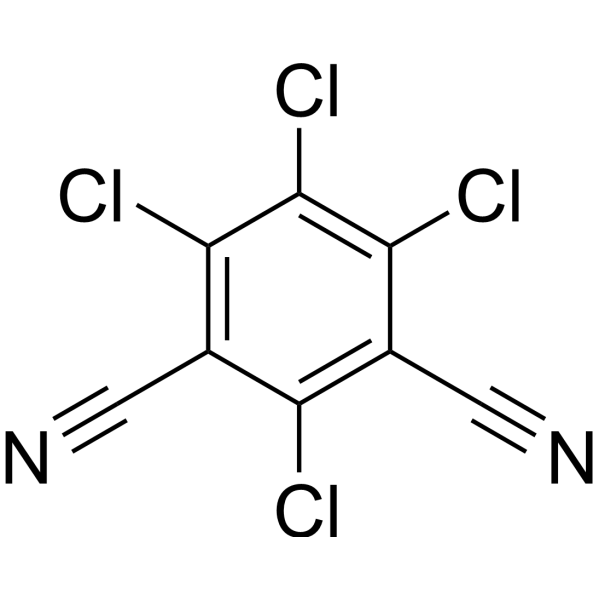
HY-N6625R
Chlorothalonil (Standard)Broad-spectrum foliar fungicide -
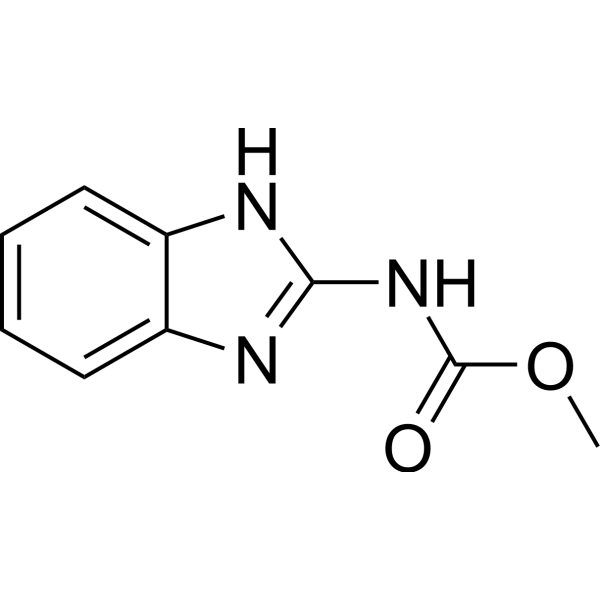
HY-13582
CarbendazimBenzimidazole Fungicide -
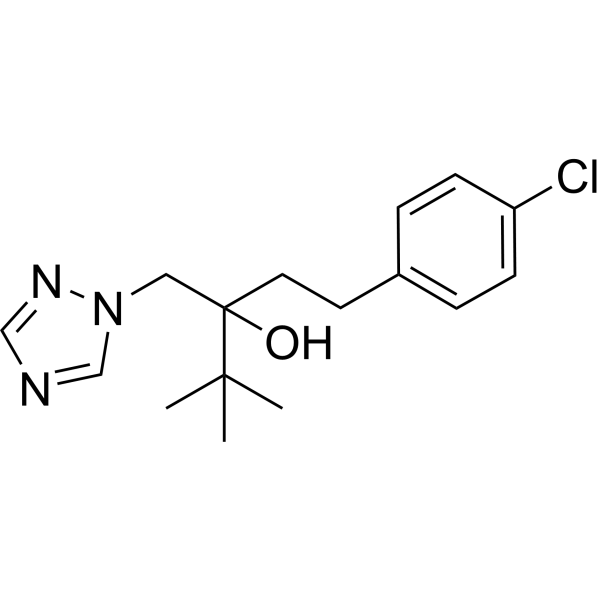
HY-B0852
TebuconazoleCytochrome P450 Inhibitor -

HY-13582R
Carbendazim (Standard)Benzimidazole Fungicide -
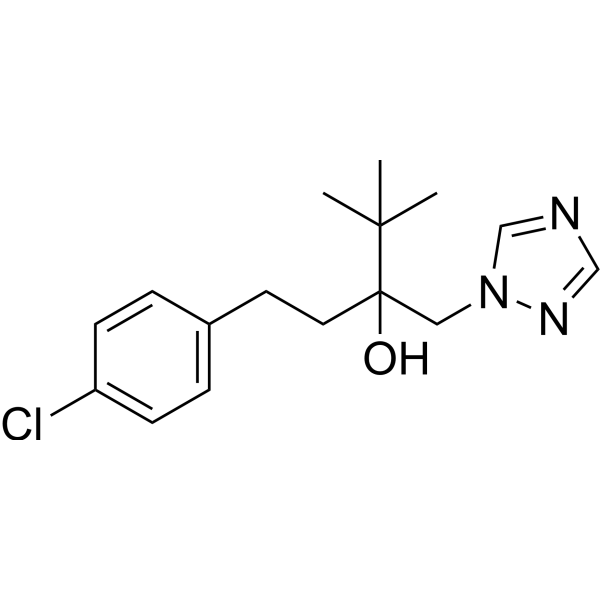
HY-B0852R
Tebuconazole (Standard)Cytochrome P450 Inhibitor -
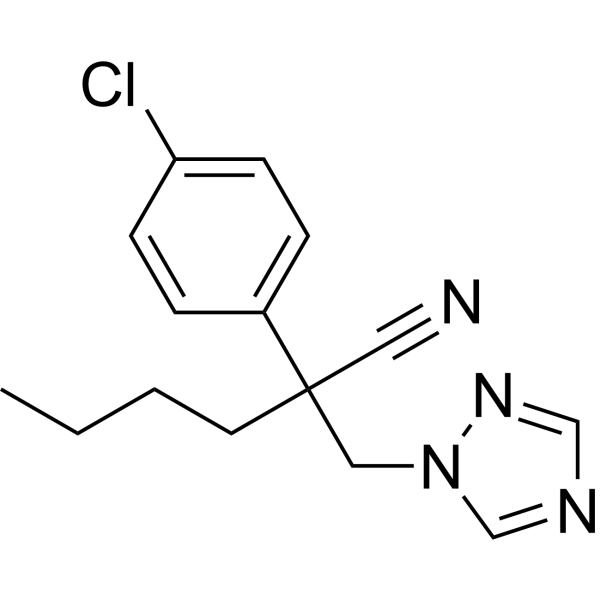
HY-B2148
MyclobutanilFungal Inhibitor -

HY-B2148R
Myclobutanil (Standard)Fungal Inhibitor -
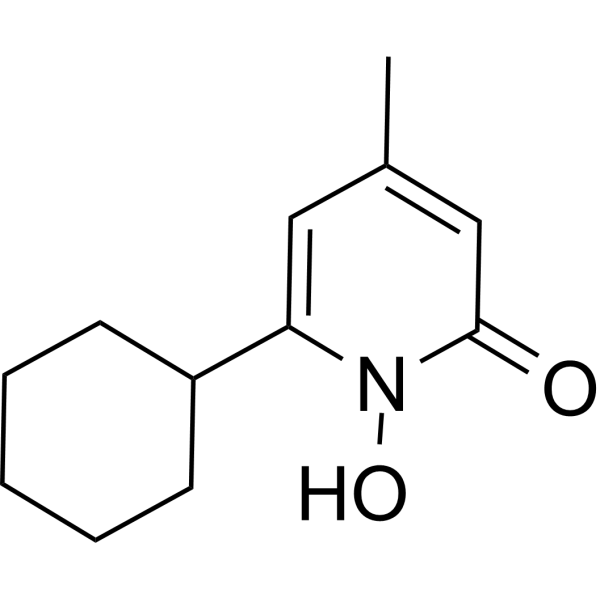
HY-B0450
CiclopiroxAntifungal Agent -
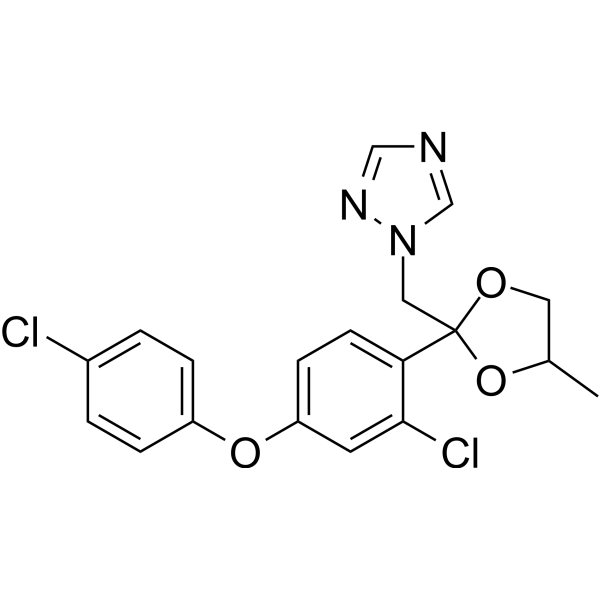
HY-B0850
DifenoconazoleTriazole Fungicide -
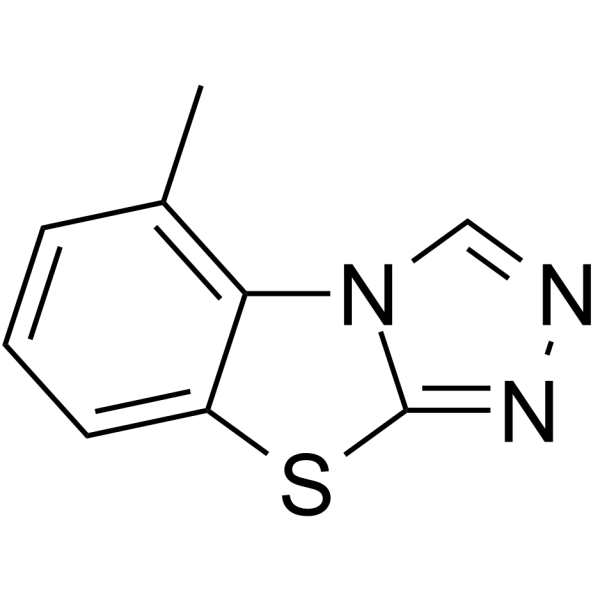
HY-B0848
TricyclazoleBacterial Inhibitor
Publications Citing Use of MedChemExpress (MCE) Chlorothalonil
More

Activité biologique
Description
In Vitro
Chlorothalonil (10mg/kg soil) inhibits the activity of phosphatase and dehydrogenase activity in soil, reduces the number of microorganisms in soil[3].
Chlorothalonil (0.6-4.8 µg/mL; 4 days) induces intestinal epithelial barrier (IEB) dysfunction in Caco-2 cells by activating the mitogen-activated protein kinase (MAPK) pathway[4].
Chlorothalonil (0.1-10 μM; 4 h and 24 h) reduces porcine sperm motility and increases apoptosis in a concentration- and time-dependent manner[5].
MedChemExpress (MCE) has not independently confirmed the accuracy of these methods. They are for reference only. Further protocols information, click here.
-
Cell Line:Caco-2 (Human colorectal adenocarcinoma cell line)
-
Concentration:0.6 µg/mL, 1.2 µg/mL , 2.4 µg/mL, 4.8 µg/mL
-
Incubation Time:1 day, 2 days, 3 days, 4 days, 5 days, 6 days, 7 days, 8 days
-
Result:Down-regulated the mRNA levels of TJ genes (ZO-1, OCLN, and CLDN1), polar marker genes (SI), and anti-apoptotic genes (BCL-2), and up-regulated the mRNA levels of apoptosis-related genes (BAD, BAX, CASP3, and CASP8).
-
Cell Line:Caco-2 (Human colorectal adenocarcinoma cell line)
-
Concentration:0.6 µg/mL, 1.2 µg/mL , 2.4 µg/mL
-
Incubation Time:4 days
-
Result:Decreased levels of the TJ protein network (ZO-1 and CLDN1).
Increased the expression levels of P-ERK1/2, PJNK and P-p38 and reduced levels of ERK1/2, JNK and p38.( All are mitogen-activated protein kinase (MAPK) signaling pathway-related proteins)
In Vivo
Chlorothalonil (0.1-10 mg/kg; p.o.; Once daily for 5 weeks) reduces sperm motility and inhibits spermatogenesis in ICR mice[6].
MedChemExpress (MCE) has not independently confirmed the accuracy of these methods. They are for reference only.
-
Animal Model:ICR mouse model of pregnancy[1]
-
Dosage:100 mg/kg, 400 mg/ kg, 600 mg/kg
-
Administration:Oral gavage (p.o.); Once daily for 18 days
-
Result:Reduced weight gain in pregnant mice at doses of 400 mg/kg and 600 mg/kg throughout pregnancy by 36% and 48%, respectively.
Significantly increased embryo mortality at doses of 400 mg/kg and 600 mg/kg.
Significantly reduced number of live births (28%).
Reduced mean fetal weight (22% to 39%) at doses of 400 and 600 mg/kg.
-
Animal Model:ICR male mice model[5]
-
Dosage:0.1mg/kg, 1 mg/ kg, 10 mg/kg
-
Administration:Oral gavage (p.o.); Once daily for 5 weeks
-
Result:Decreased sperm motility in ICR mice.
At doses of 1 mg/kg and 10 mg/kg, decreased the protein factors A-myb, GDNF and DDX4, and finally interrupted the spermatogenesis process.
Decreased the sperm marker Acrosin and PNA in a dose-dependent manner at doses of 1 mg/kg and 10 mg/kg.
At doses of 1 mg/kg and 10 mg/kg, Significantly reduced the number of estrogen receptor Alpha (ERα) positive stromal cells in mouse testis.
Decreased AKT levels in the testis, but did not change p-AKT levels.
Disrupted the methylation of histones and DNA.


Chemical Information
-
CAS No. 1897-45-6
-
Appearance Solid
-
Masse moléculaire 265.91
-
Formule C8Cl4N2
-
Color White to off-white
-
SMILES
N#CC1=C(Cl)C(Cl)=C(Cl)C(C#N)=C1Cl
-
Livraison
Room temperature in continental US; may vary elsewhere.
-
Stockage
Powder -20°C 3 years 4°C 2 years In solvent -80°C 6 months -20°C 1 month


Publications (1)
-
Journal Impact Factor
-
Most Recent
-
Ecotoxicol Environ Saf
Chlorothalonil exposure compromised mouse oocyte in vitro maturation through inducing oxidative stress and activating MAPK pathway. [Abstract]2024 Mar 15:273:116100. PMID: 38367607


Solvant et solubilité
In Vitro:
DMSO : 33.33 mg/mL (125.34 mM; Need ultrasonic; Hygroscopic DMSO has a significant impact on the solubility of product, please use newly opened DMSO)
Please refer to the solubility information to select the appropriate solvent. Once prepared, please aliquot and store the solution to prevent product inactivation from repeated freeze-thaw cycles.
Storage method and period of stock solution: -80°C, 6 months; -20°C, 1 month. When stored at -80°C, please use it within 6 months. When stored at -20°C, please use it within 1 month.
Please refer to the solubility information to select the appropriate solvent. Once prepared, please aliquot and store the solution to prevent product inactivation from repeated freeze-thaw cycles.
Storage method and period of stock solution: -80°C, 6 months; -20°C, 1 month. When stored at -80°C, please use it within 6 months. When stored at -20°C, please use it within 1 month.
Concentration (start) × Volume (start) = Concentration (final) × Volume (final)
In Vivo:
Select the appropriate dissolution method based on your experimental animal and administration route.
- For the following dissolution methods, please ensure to first prepare a clear stock solution using an In Vitro approach and then sequentially add co-solvents:
- To ensure reliable experimental results, the clarified stock solution can be appropriately stored based on storage conditions. As for the working solution for In Vivo experiments, it is recommended to prepare freshly and use it on the same day.
- The percentages shown for the solvents indicate their volumetric ratio in the final prepared solution. If precipitation or phase separation occurs during preparation, heat and/or sonication can be used to aid dissolution.
Add each solvent one by one: 10% DMSO 40% PEG300 5% Tween-80 45% Saline
Solubility: ≥ 2.5 mg/mL (9.40 mM); Clear solution
This protocol yields a clear solution of ≥ 2.5 mg/mL (saturation unknown).
Taking 1 mL working solution as an example, add 100 μL DMSO stock solution (25.0 mg/mL) to 400 μL PEG300, and mix evenly; then add 50 μL Tween-80 and mix evenly; then add 450 μL Saline to adjust the volume to 1 mL.
Preparation of Saline: Dissolve 0.9 g sodium chloride in ddH₂O and dilute to 100 mL to obtain a clear Saline solution.
In Vivo Dissolution Calculator
Please enter the basic information of animal experiments:
-
-
-
-
Recommended: Prepare an additional quantity of animals to account for potential losses during experiments.
Please enter your animal formula composition:
-
%DMSO +
Recommended: Keep the proportion of DMSO in working solution below 2% if your animal is weak.
-
%+
-
+%Tween-80 + +
-
%Saline +
The co-solvents required include: DMSO, . All of co-solvents are available by MedChemExpress (MCE). , Tween 80. All of co-solvents are available by MedChemExpress (MCE).
Working solution concentration: 0.22 mg/mL
Method for preparing stock solution: mg drug dissolved in μL DMSO. Stock solution concentration: mg/mL.
1. Take μL DMSO stock solution;
2. Add μL .
μL , mix evenly;
3. Then add μL Tween 80, mix evenly;
4. Then add μL
Please ensure that the stock solution in the first step is dissolved to a clear state, and add co-solvents in sequence. You can use ultrasonic heating (ultrasonic cleaner, recommended frequency 20-40 kHz), vortexing, etc. to assist dissolution.

Protocole
-
Research Protocol for Microbiome Analysis
Microbiome analysis characterizes microbial communities in biological or environmental samples by measuring community composition, diversity, taxonomic structure, functional potential, and associations with host or environmental phenotypes. 16S rRNA gene amplicon sequencing is commonly used for bacterial and archaeal taxonomic profiling, while shotgun metagenomics provides higher taxonomic resolution and direct functional information, including microbial genes, pathways, viruses, fungi, and antimicrobial-resistance genes when sequencing depth and host-DNA contamination are adequately controlled. Microbiome results are strongly affected by sample collection, storage, DNA extraction, contamination, sequencing method, reference database, and bioinformatic pipeline; therefore, standardized protocols, negative controls, mock communities, and transparent analysis workflows are required. Unresolved issues include low-biomass contamination, compositional-data bias, inconsistent species-level c
-
Transepithelial/transendothelial electrical resistance assay
TEER measures electrical resistance across epithelial or endothelial monolayers cultured on permeable supports, and the readout reflects ionic conductance through the cell barrier, especially the paracellular pathway regulated by junctional integrity. TEER can be measured without destroying the monolayer and is commonly used before or during transport, permeability, barrier-disruption, and barrier-maturation experiments. TEER values are influenced by biological maturation and technical conditions; reported factors include temperature, medium formulation, passage number, electrode geometry, membrane properties, and junctional length during early monolayer maturation. Therefore, TEER should be interpreted with blank-insert subtraction, area normalization, repeated readings, and, when possible, orthogonal barrier readouts such as FITC-dextran flux or tight-junction staining.


Pureté et documentation
-
Fiche technique (283 KB)
-
SDS (949 KB)
- English - EN (949 KB)
- Français - FR (949 KB)
- Deutsch - DE (949 KB)
- Norwegian - NO (949 KB)
- Español - ES (949 KB)
- Swedish - SV (949 KB)
- Italian - IT (949 KB)
- Korean - KR (949 KB)
- Portuguese - PT (949 KB)
-
Instruction de manipulation (2659 KB)
Références
[1]. Farag A T, et al. Embryotoxicity of oral administered chlorothalonil in mice[J]. Birth Defects Research Part B: Developmental and Reproductive Toxicology, 2006, 77(2): 104-109. [Content Brief]
[3]. Singh BK, et al. Degradation of chlorpyrifos, fenamiphos, and chlorothalonil alone and in combination and their effects on soil microbial activity. Environ Toxicol Chem. 2002 Dec;21(12):2600-5. PMID: 12463554. [Content Brief]
[4]. Tao H, et al. Chlorothalonil induces the intestinal epithelial barrier dysfunction in Caco-2 cell-based in vitro monolayer model by activating MAPK pathway. Acta Biochim Biophys Sin (Shanghai). 2021 Nov 10;53(11):1459-1468. [Content Brief]
[5]. Zhang P, et al. Low dose chlorothalonil impairs mouse spermatogenesis through the intertwining of Estrogen Receptor Pathways with histone and DNA methylation. Chemosphere. 2019 Sep;230:384-395. [Content Brief]


Complete Stock Solution Preparation Table
Please refer to the solubility information to select the appropriate solvent. Once prepared, please aliquot and store the solution to prevent product inactivation from repeated freeze-thaw cycles.
Storage method and period of stock solution: -80°C, 6 months; -20°C, 1 month. When stored at -80°C, please use it within 6 months. When stored at -20°C, please use it within 1 month.
| Optional Solvent | Concentration Solvent Mass | 1 mg | 5 mg | 10 mg | 25 mg |
|---|---|---|---|---|---|
| DMSO | 1 mM | 3.7607 mL | 18.8034 mL | 37.6067 mL | 94.0168 mL |
| 5 mM | 0.7521 mL | 3.7607 mL | 7.5213 mL | 18.8034 mL | |
| 10 mM | 0.3761 mL | 1.8803 mL | 3.7607 mL | 9.4017 mL | |
| 15 mM | 0.2507 mL | 1.2536 mL | 2.5071 mL | 6.2678 mL | |
| 20 mM | 0.1880 mL | 0.9402 mL | 1.8803 mL | 4.7008 mL | |
| 25 mM | 0.1504 mL | 0.7521 mL | 1.5043 mL | 3.7607 mL | |
| 30 mM | 0.1254 mL | 0.6268 mL | 1.2536 mL | 3.1339 mL | |
| 40 mM | 0.0940 mL | 0.4701 mL | 0.9402 mL | 2.3504 mL | |
| 50 mM | 0.0752 mL | 0.3761 mL | 0.7521 mL | 1.8803 mL | |
| 60 mM | 0.0627 mL | 0.3134 mL | 0.6268 mL | 1.5669 mL | |
| 80 mM | 0.0470 mL | 0.2350 mL | 0.4701 mL | 1.1752 mL | |
| 100 mM | 0.0376 mL | 0.1880 mL | 0.3761 mL | 0.9402 mL |


Chlorothalonil Related Classifications
HY-N6625 Related Classifications
 Powered by Bioz
Keywords
- Chlorothalonil
- 1897-45-6
- Environmental Pollutants
- Fungal
- Estrogen Receptor/ERR
- Soil microorganisms
- Soil degradation rate
- Caco-2
- Estrogen receptor alpha (ERα)
- Histone methylation
- DNA methylation
- Intestinal epithelial barrier
- Mitogen-activated protein kinase (MAPK)
- Developmental toxicity
- Fungicide
- Inhibitor
- inhibitor
- inhibit