



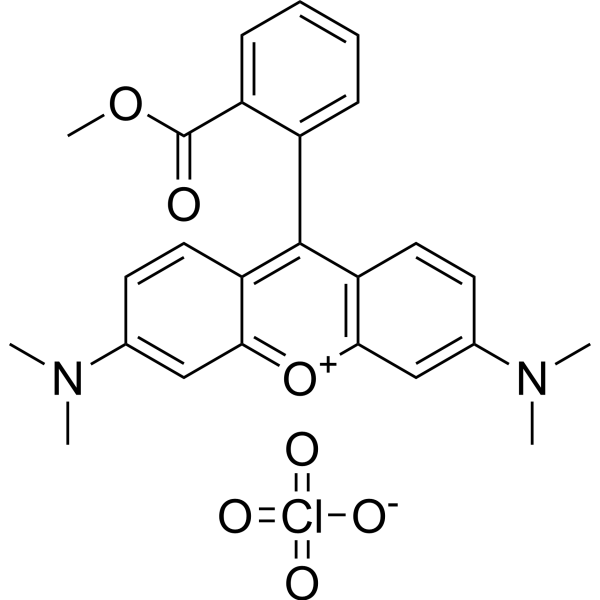
TMRM Perchlorate
Based on 44 publication(s) in Google Scholar
Rhodamine dyes are membrane-permeable cationic fluorescent probes that specifically recognize mitochondrial membrane potentials, thereby attaching to mitochondria and producing bright fluorescence, and at certain concentrations, rhodamine dyes have low toxicity to cells, so they are commonly used to detect mitochondria in animal cells, plant cells, and microorganisms.
For research use only. We do not sell to patients.
- Purity : 99.72%
- CAS No.: 115532-50-8
- Formula: C25H25ClN2O7
- Molecular Weight:500.93
-
Storage:
4°C, sealed storage, away from moisture and light
* In solvent : -80°C, 2 years; -20°C, 1 year (sealed storage, away from moisture and light)

To place orders, for customer services and technical support, please contact: MedChemExpress USA
Tel: 609-228-6898 E-mail: [email protected] [email protected]


-
 Biological Activity
-
Chemical Information
-
Solvent & Solubility
- Purity & Documentation
- References
-
 Help & FAQs


-
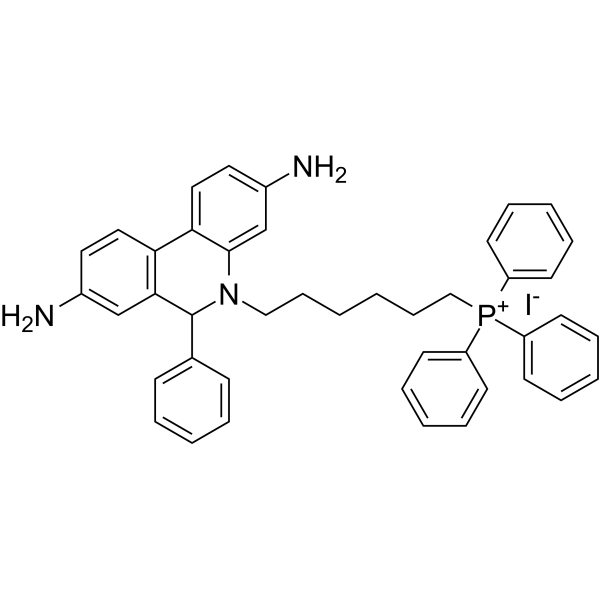
HY-D1055
MitoSOX RedMitochondrial ROS Indicator -
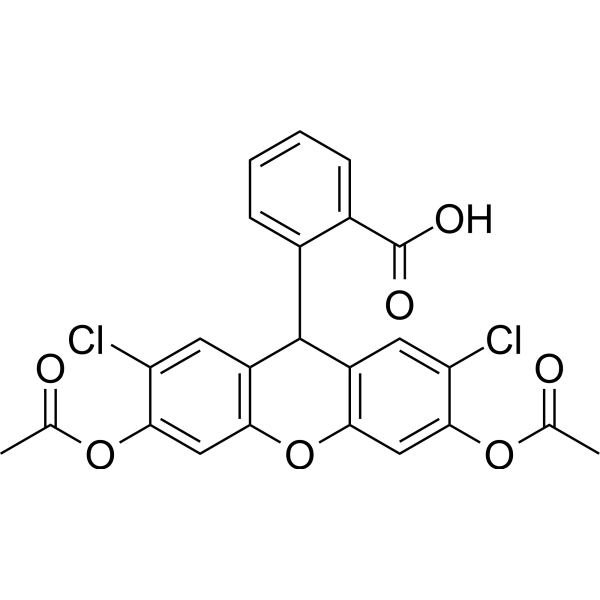
HY-D0940
H2DCFDAROS-Sensitive Probe -
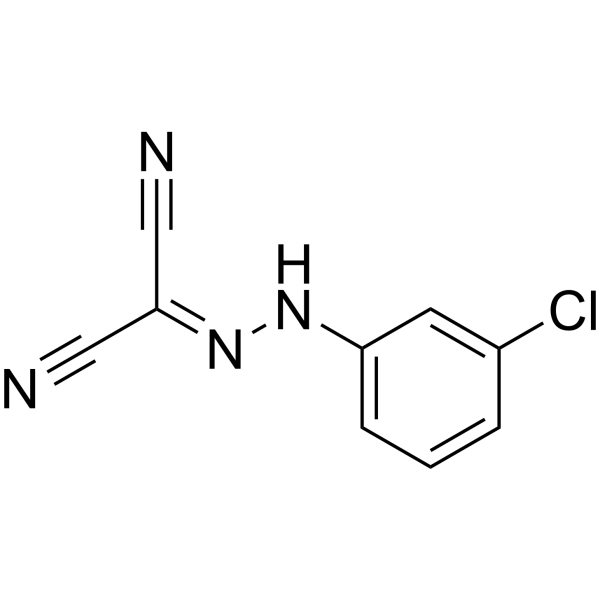
HY-100941
CCCPOXPHOS Uncoupler -
HY-D0985A
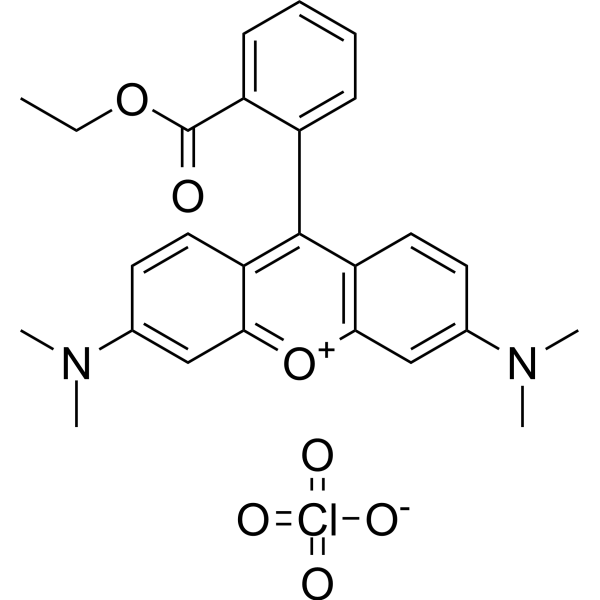
TMREMitochondrial Membrane Potential Fluorescent Dye -
HY-15534
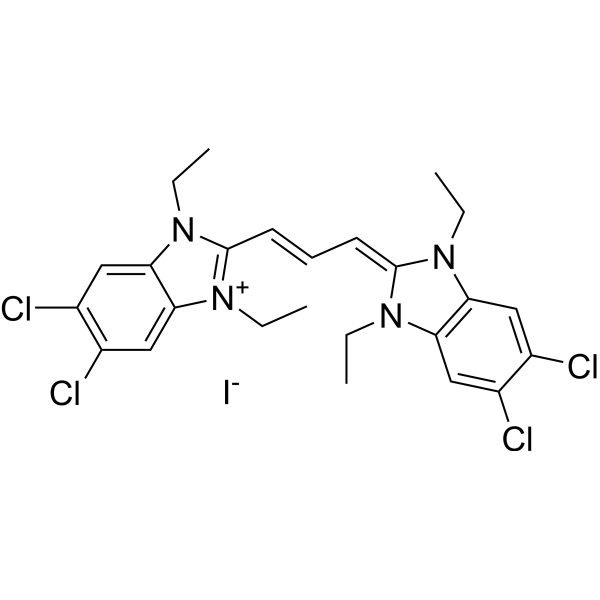
JC-1Mitochondrial Membrane Potential Probe -
HY-15559
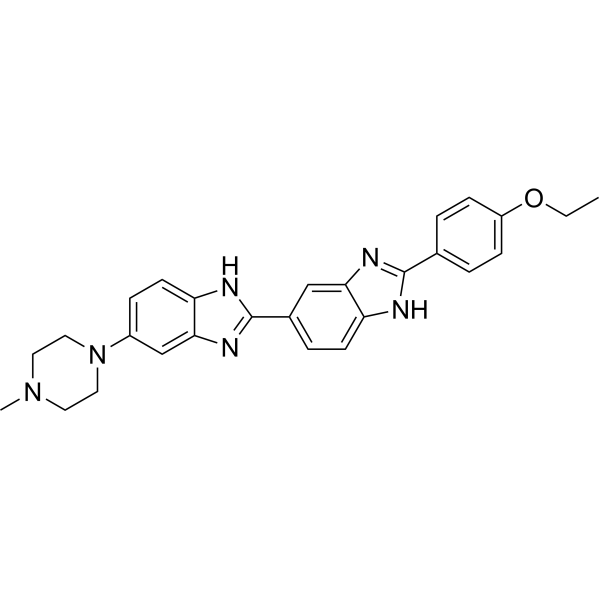
Hoechst 33342DNA Fluorescent Stain -
HY-100410
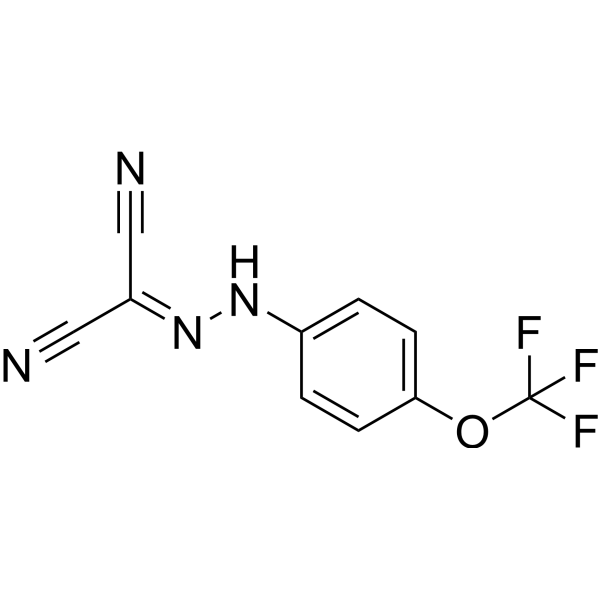
FCCPOXPHOS Uncoupler -
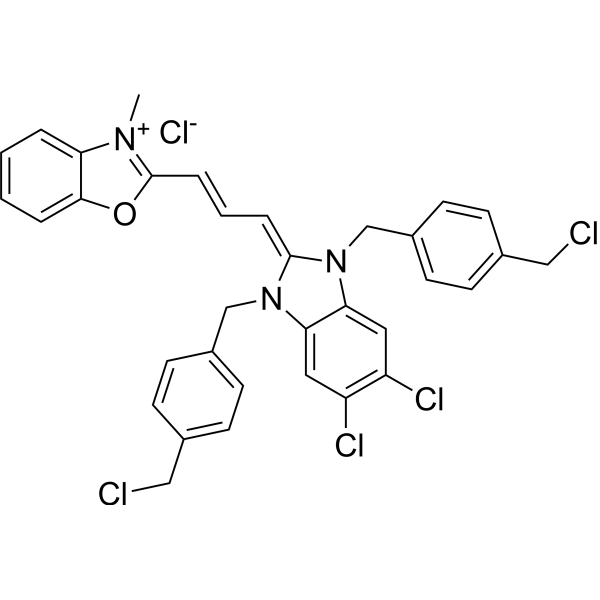
HY-135056
MitoTracker Green FMMitochondrial Dye -

HY-DY1042
TMRM Perchlorate (solution)Mitochondrial Membrane Potential Fluorescent Dye -

HY-K0601
JC-1 Mitochondrial Membrane Potential Assay Kit -
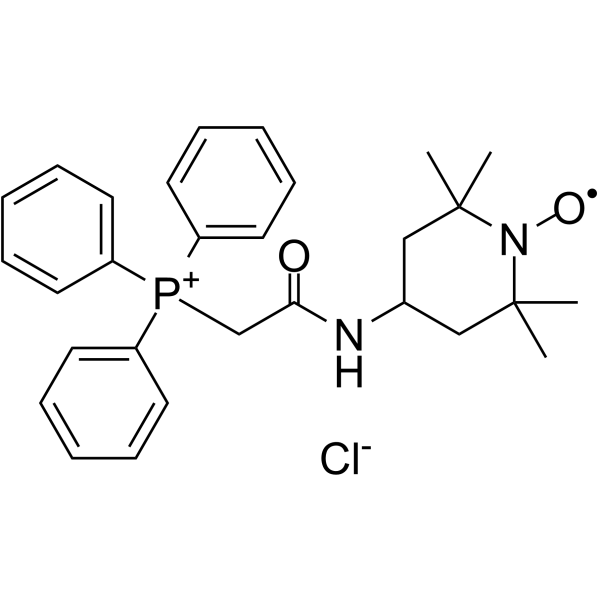
HY-112879
Mito-TEMPOAntioxidant -
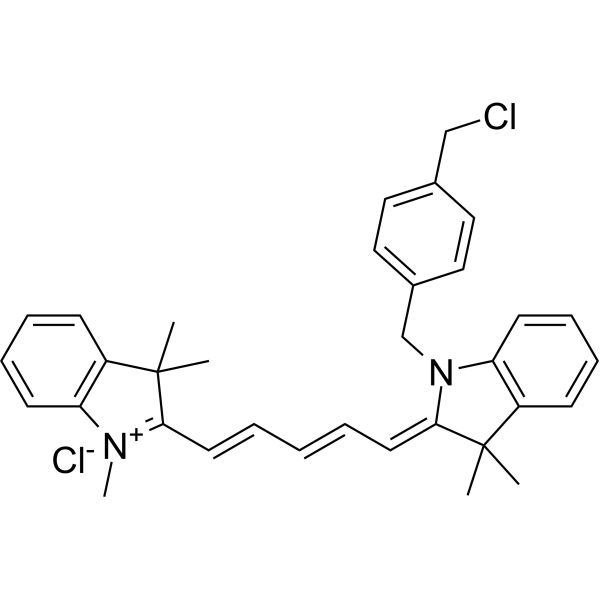
HY-D1783
MitoTracker Deep Red FMRed Fluorescent Dye
Publications Citing Use of MedChemExpress (MCE) TMRM Perchlorate
More- Signal Transduct Target Ther. 2026 Mar 26;11(1):113. [Abstract]
- Mol Cancer. 2025 Jan 28;24(1):34. [Abstract]
- Cell Metab. 2025 Oct 7;37(10):2076-2092.e8. [Abstract]
- Cancer Discov. 2026 Apr 7. [Abstract]
- Adv Mater. 2024 May;36(22):e2211609. [Abstract]
- Bioact Mater. 2024 Oct 30:44:447-460. [Abstract]
- Autophagy. 2026 Jun 25:1-16. [Abstract]
- Autophagy. 2026 May 25. [Abstract]
- Autophagy. 2021 Nov;17(11):3592-3606. [Abstract]
- ACS Nano. 2025 Mar 11;19(9):9390-9411. [Abstract]
- J Adv Res. 2025 Aug:74:609-620. [Abstract]
- Redox Biol. 2025 Sep 22:87:103877. [Abstract]
- Mol Cell. 2025 Apr 3;85(7):1395-1410.e5. [Abstract]
- Gut Microbes. 2026 Dec 31;18(1):2657625. [Abstract]
- Adv Sci (Weinh). 2023 Mar;10(7):e2203869. [Abstract]
- Cell Rep Med. 2025 Mar 18;6(3):102020. [Abstract]
- Pharmacol Res. 2026 May:227:108177. [Abstract]
- Phytomedicine. 2026 May 15:157:158305. [Abstract]
- Phytomedicine. 2025 Apr:139:156517. [Abstract]
- Mater Today Bio. 2025 Oct 30:35:102483. [Abstract]
- Acta Pharmacol Sin. 2025 Sep 1. [Abstract]
- Basic Res Cardiol. 2024 Feb;119(1):113-131. [Abstract]
- Antioxidants (Basel). 2026 Apr 21;15(4):515. [Abstract]
- Stem Cell Res Ther. 2025 May 1;16(1):222. [Abstract]
- Redox Rep. 2025 Dec;30(1):2536400. [Abstract]
- Int J Mol Sci. 2026 Jul 15;27(14):6289. [Abstract]
- Int J Mol Sci. 2026 Mar 25;27(7):2967. [Abstract]
- Int Immunopharmacol. 2025 Mar 26:150:114266. [Abstract]
- Int J Mol Sci. 2023 Jul 17;24(14):11554. [Abstract]
- Inflammation. 2025 Jan 10. [Abstract]
- J Thromb Haemost. 2021 Dec;19(12):3113-3125. [Abstract]
- Cell Signal. 2024 Jan:113:110969. [Abstract]
- Cell Signal. 2020 Nov:75:109733. [Abstract]
- Environ Toxicol Pharmacol. 2026 Mar:122:104954. [Abstract]
- Aquaculture. 5 October 2022, 738900.
- Biochim Biophys Acta Mol Cell Res. 2025 Mar;1872(3):119911. [Abstract]
- Fish Shellfish Immunol. 2025 Jun:161:110275. [Abstract]
- Endocrinology. 2020 Sep 1;161(9):bqaa119. [Abstract]
- AAPS J. 2025 Jun 13;27(4):109. [Abstract]
- Exp Eye Res. 2021 Aug:209:108640. [Abstract]
- Toxicon. 2022 Sep:216:28-36. [Abstract]
- World J Tradit Chin Med. 2026 May 22.
- Biochem Biophys Res Commun. 2022 Sep 17:621:130-136. [Abstract]
- Res Sq. 2026 Jun 4.
 Customer Validation & Images

-
Flow Cytometry
-
Cell Imaging/Staining
-
Cell Imaging/Staining
-
Cell Imaging/Staining
-
IF


Biological Activity
Description
In Vitro
Guide (The following is the experimental plan we recommend. This plan serves only as a reference guide. The specific operations should be adjusted according to your actual needs.)
1. Preparation of TMRM working solution
1.1 Preparation of storage solution
Prepare a 5 mM solution by diluting TMRM with anhydrous DMSO.
1.2 Preparation of Working Solution
Dilute the stored solution with preheated serum-free cell culture medium or PBS to prepare a TMRM working solution of 1-20 μM.
Note: Please adjust the concentration of the TMRM working solution according to the actual situation, and prepare it as needed.
2. Cell Staining (Suspension Cells)
2.1 At 4℃, perform a 1000 g centrifugation for 3-5 minutes to collect the cells. Add PBS for two washes, each for 5 minutes. The cell density is 1×10⁶ per mL.
2.2 Add 1 mL of TMRM working solution and incubate at room temperature for 5 to 30 minutes.
2.3 At 4°C, centrifuge at 400 g for 3 to 4 minutes, and discard the supernatant.
2.4 Add PBS to wash the cells twice, for 5 minutes each time.
2.5 After resuspending the cells in 1 mL of serum-free medium or PBS, observe them using a fluorescence microscope or a flow cytometer.
3. Cell Staining (Monolayer Cells)
3.1 Place the monolayer cells on a sterile cover slip.
3.2 Remove the cover glass from the culture medium and aspirate away the excess medium.
3.3 Add 100 μL of the dye working solution and gently shake to ensure complete coverage of the cells. Incubate for 5 to 30 minutes.
3.4 Remove the dye working solution and wash with the culture medium 2-3 times, for 5 minutes each time. Then observe using a fluorescence microscope or flow cytometer.
MedChemExpress (MCE) has not independently confirmed the accuracy of these methods. They are for reference only. .
Emission (Em)
576
Excitation (Ex)
550
Dyeing Example


Chemical Information
-
CAS No. 115532-50-8
-
Appearance Solid
-
Molecular Weight 500.93
-
Formula C25H25ClN2O7
-
Color Green to dark green
-
SMILES
O=C(C1=CC=CC=C1C2=C3C=CC(N(C)C)=CC3=[O+]C4=C2C=CC(N(C)C)=C4)OC.O=Cl(=O)([O-])=O
-
Synonyms
T668
-
Shipping
Room temperature in continental US; may vary elsewhere.
-
Storage
4°C, sealed storage, away from moisture and light
* In solvent : -80°C, 2 years; -20°C, 1 year (sealed storage, away from moisture and light)


Publications (44)
-
Journal Impact Factor
-
Most Recent
-
Signal Transduct Target Ther
Short-chain acyl-CoA dehydrogenase initiates mtDNA demethylation and leakage to fuel antitumor immunity in colorectal cancer. [Abstract]2026 Mar 26;11(1):113. PMID: 41888107 -
Mol Cancer
Sorafenib enhanced the function of myeloid-derived suppressor cells in hepatocellular carcinoma by facilitating PPARα-mediated fatty acid oxidation. [Abstract]2025 Jan 28;24(1):34. PMID: 39876004 -
Cell Metab
Mitochondrial dysfunction reveals H2S-mediated synaptic sulfhydration as a potential mechanism for autism-associated social defects. [Abstract]2025 Oct 7;37(10):2076-2092.e8. PMID: 40907489 -
Cancer Discov
Correcting Mitochondrial Complex I Defect in Tumor-Associated Natural Killer Cells Potentiates Immunotherapy for Glioblastoma. [Abstract]2026 Apr 7. PMID: 41944586 -
Adv Mater
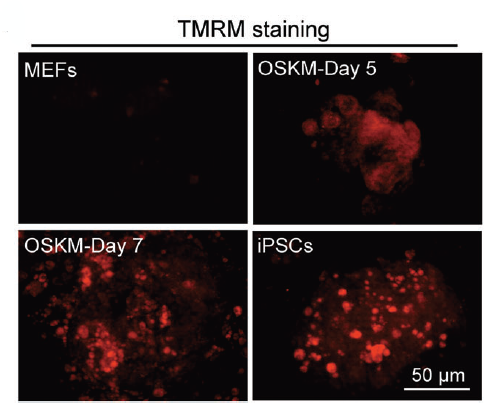
Cell Reprogramming-Inspired Dynamically Responsive Hydrogel Boosts the Induction of Pluripotency via Phase-Separated Biomolecular Condensates. [Abstract]2024 May;36(22):e2211609. PMID: 36989141
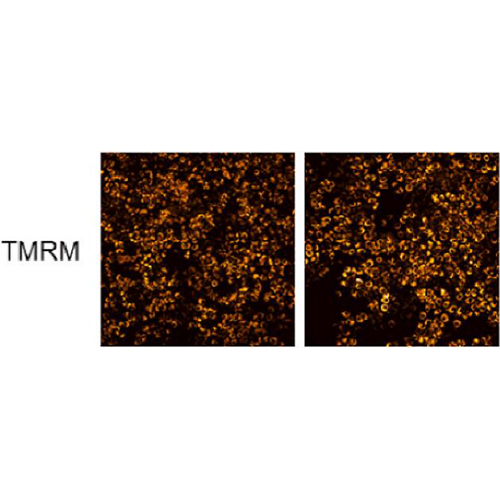
TMRM Perchlorate purchased from MedChemExpress. Usage Cited in: Adv Mater. 2024 May;36(22):e2211609. [Abstract]
TMRM (25 nM, 30 min) fluorescence analysis of mitochondrial membrane potential in MEFs, iPSCs, or cells undergoing reprogramming on day 5 and 7.
-
Bioact Mater
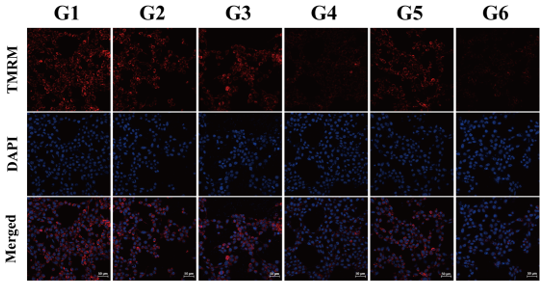
Metal-phenolic-network-coated gold nanoclusters for enhanced photothermal/chemodynamic/immunogenic cancer therapy. [Abstract]2024 Oct 30:44:447-460. PMID: 39534788
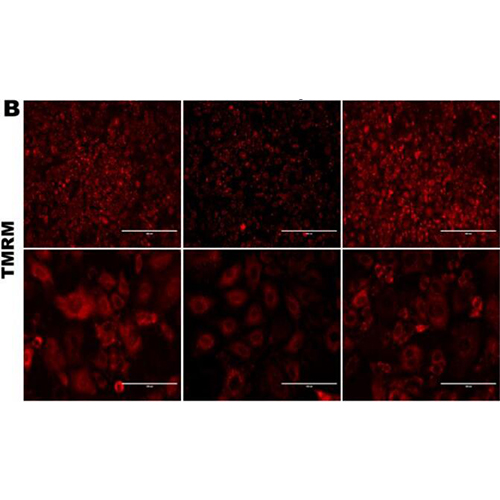
TMRM Perchlorate purchased from MedChemExpress. Usage Cited in: Bioact Mater. 2024 Oct 30:44:447-460. [Abstract]
images of 4T1 cells stained with TMRM fluorescence probe after different treatments. The red fluorescence indicates the mitochondrial membrane potential. Scale bar: 50 μm. G1: PBS; G2: PBS + L; G3: AuNCs@PDA; G4: AuNCs@PDA + L; G5: AuNCs@PDA-Mn; G6: AuNCs@PDA-Mn + L, in which the symbols “L”, indicated the presence of NIR.
-
Autophagy
2026 Jun 25:1-16. PMID: 42290138 -
Autophagy
Exercise hormone irisin alleviates rheumatoid arthritis by removing dysfunctional mitochondria. [Abstract]2026 May 25. PMID: 42186185 -
Autophagy
Cannabidiol inhibits human glioma by induction of lethal mitophagy through activating TRPV4. [Abstract]2021 Nov;17(11):3592-3606. PMID: 33629929 -
ACS Nano
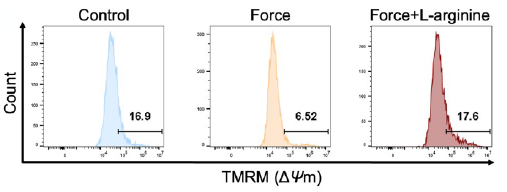
Microneedles Loaded with Nitric-Oxide Driven Nanomotors Improve Force-Induced Efferocytosis Impairment and Sterile Inflammation by Revitalizing Macrophage Energy Metabolism. [Abstract]2025 Mar 11;19(9):9390-9411. PMID: 40025734
TMRM Perchlorate purchased from MedChemExpress. Usage Cited in: ACS Nano. 2025 Mar 11;19(9):9390-9411. [Abstract]
Analysis of mitochondrial membrane potential. The proportion of TMRM positive cells in flow cytometry reflect the high or low mitochondrial membrane potential. Scale bar = 40 μm.
-
J Adv Res
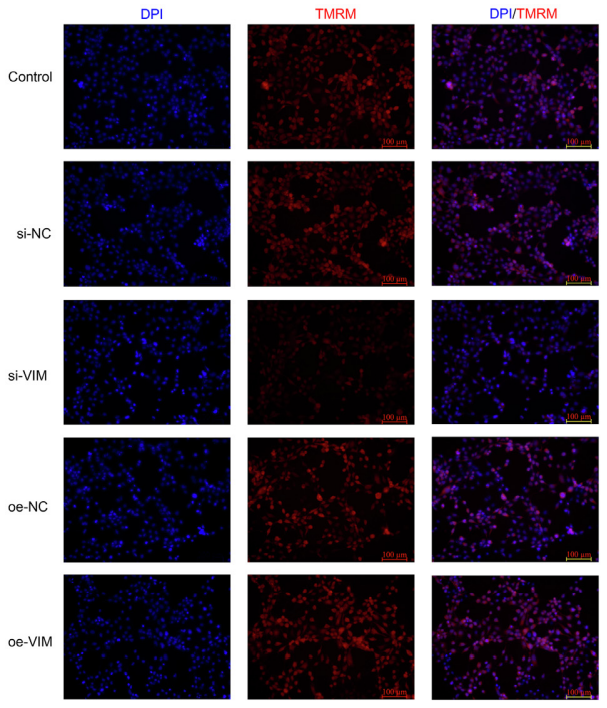
Columbianadin ameliorates rheumatoid arthritis by attenuating synoviocyte hyperplasia through targeted vimentin to inhibit the VAV2/Rac-1 signaling pathway. [Abstract]2025 Aug:74:609-620. PMID: 39369957
TMRM Perchlorate purchased from MedChemExpress. Usage Cited in: J Adv Res. 2025 Aug:74:609-620. [Abstract]
Effects of silencing and overexpression of vimentin on apoptosis of MH7A cells. TMRM/DAPI staining (n = 4).
-
Redox Biol
Synthetic anticoagulant octaparin targets mitochondrial cardiolipin-GSDMD axis to rescue redox homeostasis in sepsis. [Abstract]2025 Sep 22:87:103877. PMID: 40992080 -
Mol Cell
β-hydroxybutyrate facilitates mitochondrial-derived vesicle biogenesis and improves mitochondrial functions. [Abstract]2025 Apr 3;85(7):1395-1410.e5. PMID: 40118051 -
Gut Microbes
Dietary conjugated linoleic acid enhances resistance to Salmonella infection by promoting PPARγ-mediated metabolic reprogramming and effector function in CD8⁺ T cells. [Abstract]2026 Dec 31;18(1):2657625. PMID: 41964110 -
Adv Sci (Weinh)
MCU Upregulation Overactivates Mitophagy by Promoting VDAC1 Dimerization and Ubiquitination in the Hepatotoxicity of Cadmium. [Abstract]2023 Mar;10(7):e2203869. PMID: 36642847 -
Cell Rep Med
CD4+ anti-TGF-β CAR T cells and CD8+ conventional CAR T cells exhibit synergistic antitumor effects. [Abstract]2025 Mar 18;6(3):102020. PMID: 40107245 -
Pharmacol Res
SERCA2 dysfunction drives vascular calcification via coupling with TSPO-MCU at mitochondria-associated endoplasmic reticulum membranes. [Abstract]2026 May:227:108177. PMID: 41932666 -
Phytomedicine
Kaempferol functionally reprograms CD47 signaling to promote cytoprotection and attenuate oxeiptosis in severe acute pancreatitis. [Abstract]2026 May 15:157:158305. PMID: 42184499 -
Phytomedicine
Berberine protects against dysentery by targeting both Shigella filamentous temperature sensitive protein Z and host pyroptosis: Resolving in vitro-vivo effect discrepancy. [Abstract]2025 Apr:139:156517. PMID: 39986228 -
Mater Today Bio
ATG7-driven mitophagy in BMSC@CS hydrogel reprograms metabolism to boost bone regeneration. [Abstract]2025 Oct 30:35:102483. PMID: 41281656 -
Acta Pharmacol Sin
Selective recognition memory impairment in mitochondrial hydroxylase Clk1 mutant mice, rescued by antipsychotics. [Abstract]2025 Sep 1. PMID: 40890445 -
Basic Res Cardiol
Pinacidil ameliorates cardiac microvascular ischemia-reperfusion injury by inhibiting chaperone-mediated autophagy of calreticulin. [Abstract]2024 Feb;119(1):113-131. PMID: 38168863 -
Antioxidants (Basel)
ScFv T1 Protects Against Mitochondrial Damage of SH-SY5Y Cells Caused by Extracellular Tau Aggregates. [Abstract]2026 Apr 21;15(4):515. PMID: 42072156 -
Stem Cell Res Ther
Enhance the therapeutic efficacy of human umbilical cord-derived mesenchymal stem cells in prevention of acute graft-versus-host disease through CRISPLD2 modulation. [Abstract]2025 May 1;16(1):222. PMID: 40312744 -
Redox Rep
ROS-Drp1-mitophagy feedback loop regulates myogenic differentiation via actin cytoskeleton remodeling-mediated MRTF-A/SRF axis. [Abstract]2025 Dec;30(1):2536400. PMID: 40691128 -
Int J Mol Sci
Mitochondrial Abundant Heat Soluble (MAHS) Protein Expression Modulates Metabolic Dynamics in Human Adipose-Derived Stem Cells. [Abstract]2026 Jul 15;27(14):6289. PMID: 42511631 -
Int J Mol Sci
Baloxavir Acid-Induced Mitochondrial Toxicity and Cell Cycle Arrest Contribute to Its Adverse Effects. [Abstract]2026 Mar 25;27(7):2967. PMID: 41977157 -
Int Immunopharmacol
Lipin1 ameliorates cognitive ability of diabetic encephalopathy via regulating Ca2+ transfer through mitochondria-associated endoplasmic reticulum membranes. [Abstract]2025 Mar 26:150:114266. PMID: 39961213 -
Int J Mol Sci
Calcium/P53/Ninjurin 1 Signaling Mediates Plasma Membrane Rupture of Acinar Cells in Severe Acute Pancreatitis. [Abstract]2023 Jul 17;24(14):11554. PMID: 37511311 -
Inflammation
Dnmt3a-mediated DNA Methylation Regulates P. gingivalis-suppressed Cementoblast Mineralization Partially Via Mitochondria-dependent Apoptosis Pathway. [Abstract]2025 Jan 10. PMID: 39789287 -
J Thromb Haemost
2021 Dec;19(12):3113-3125. PMID: 34411418 -
Cell Signal
2024 Jan:113:110969. PMID: 37967691 -
Cell Signal
Capsaicin induces mitochondrial dysfunction and apoptosis in anaplastic thyroid carcinoma cells via TRPV1-mediated mitochondrial calcium overload. [Abstract]2020 Nov:75:109733. PMID: 32771398 -
Environ Toxicol Pharmacol
2026 Mar:122:104954. PMID: 41644025 -
-
Biochim Biophys Acta Mol Cell Res
MARCH5 ameliorates aortic valve calcification via RACGAP1-DRP1 associated mitochondrial quality control. [Abstract]2025 Mar;1872(3):119911. PMID: 39880131 -
Fish Shellfish Immunol
Hypoxia-induced mitochondrial dysfunction and mitophagy in the small yellow croaker (Larimichthys polyactis). [Abstract]2025 Jun:161:110275. PMID: 40086497 -
Endocrinology
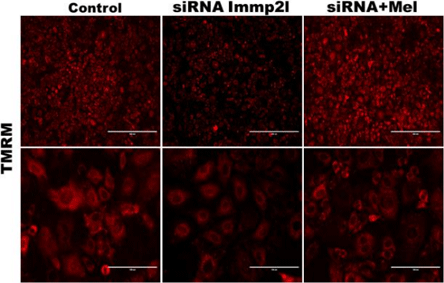
The Immp2l Mutation Causes Ovarian Aging Through ROS-Wnt/β-Catenin-Estrogen Pathway: Preventive Effect of Melatonin. [Abstract]2020 Sep 1;161(9):bqaa119. PMID: 32652035
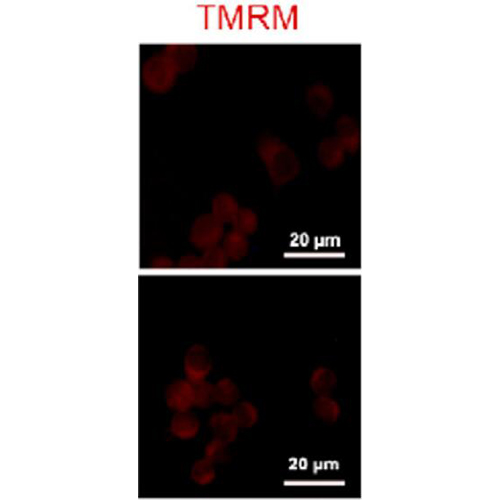
TMRM Perchlorate purchased from MedChemExpress. Usage Cited in: Endocrinology. 2020 Sep 1;161(9):bqaa119. [Abstract]
Mitochondrial membrane potential detected by TMRE. TMRM staining reveals a decreased signal in the Immp2l knockdown granulosa cells compared to control cells, suggesting mitochondrial membrane potential depolarization. Melatonin treatment prevented the membrane depolarization in Immp2l knockdown granulosa cells.
-
AAPS J
Dose Optimization of ClpP Agonists Using an In Vitro Microfluidic Perfusion Platform and In Silico Pharmacokinetic-Pharmacodynamic Modeling. [Abstract]2025 Jun 13;27(4):109. PMID: 40514581 -
Exp Eye Res
VDAC1 regulates mitophagy in NLRP3 inflammasome activation in retinal capillary endothelial cells under high-glucose conditions. [Abstract]2021 Aug:209:108640. PMID: 34058229 -
Toxicon
Isobavachalcone disrupts mitochondrial respiration and induces cytotoxicity through ROS accumulation and Akt suppression. [Abstract]2022 Sep:216:28-36. PMID: 35780971 -
-
Biochem Biophys Res Commun
2022 Sep 17:621:130-136. PMID: 35820283 -


Solvent & Solubility
In Vitro:
DMSO : 41.67 mg/mL (83.19 mM; Need ultrasonic; Hygroscopic DMSO has a significant impact on the solubility of product, please use newly opened DMSO)
Please refer to the solubility information to select the appropriate solvent. Once prepared, please aliquot and store the solution to prevent product inactivation from repeated freeze-thaw cycles.
Storage method and period of stock solution: -80°C, 2 years; -20°C, 1 year (sealed storage, away from moisture and light). When stored at -80°C, please use it within 2 years. When stored at -20°C, please use it within 1 year.
Please refer to the solubility information to select the appropriate solvent. Once prepared, please aliquot and store the solution to prevent product inactivation from repeated freeze-thaw cycles.
Storage method and period of stock solution: -80°C, 2 years; -20°C, 1 year (sealed storage, away from moisture and light). When stored at -80°C, please use it within 2 years. When stored at -20°C, please use it within 1 year.
Concentration (start) × Volume (start) = Concentration (final) × Volume (final)


Purity & Documentation
-
Data Sheet (279 KB)
-
SDS (396 KB)
- English - EN (396 KB)
- Français - FR (396 KB)
- Deutsch - DE (396 KB)
- Norwegian - NO (396 KB)
- Español - ES (396 KB)
- Swedish - SV (396 KB)
- Italian - IT (396 KB)
- Korean - KR (396 KB)
- Portuguese - PT (396 KB)
-
Handling Instructions (2659 KB)
References
[1]. Crowley LC, et al. Measuring Mitochondrial Transmembrane Potential by TMRE Staining. Cold Spring Harb Protoc. 2016 Dec 1;2016(12):pdb.prot087361. [Content Brief]
[2]. Chowdhury SR, et al. Simultaneous evaluation of substrate-dependent oxygen consumption rates and mitochondrial membrane potential by TMRM and safranin in cortical mitochondria. Biosci Rep. 2015 Dec 8;36(1):e00286. [Content Brief]
[3]. Monteith A, et al. Imaging of mitochondrial and non-mitochondrial responses in cultured rat hippocampal neurons exposed to micromolar concentrations of TMRM. PLoS One. 2013;8(3):e58059. [Content Brief]


Complete Stock Solution Preparation Table
Please refer to the solubility information to select the appropriate solvent. Once prepared, please aliquot and store the solution to prevent product inactivation from repeated freeze-thaw cycles.
Storage method and period of stock solution: -80°C, 2 years; -20°C, 1 year (sealed storage, away from moisture and light). When stored at -80°C, please use it within 2 years. When stored at -20°C, please use it within 1 year.
| Optional Solvent | Concentration Solvent Mass | 1 mg | 5 mg | 10 mg | 25 mg |
|---|---|---|---|---|---|
| DMSO | 1 mM | 1.9963 mL | 9.9814 mL | 19.9629 mL | 49.9072 mL |
| 5 mM | 0.3993 mL | 1.9963 mL | 3.9926 mL | 9.9814 mL | |
| 10 mM | 0.1996 mL | 0.9981 mL | 1.9963 mL | 4.9907 mL | |
| 15 mM | 0.1331 mL | 0.6654 mL | 1.3309 mL | 3.3271 mL | |
| 20 mM | 0.0998 mL | 0.4991 mL | 0.9981 mL | 2.4954 mL | |
| 25 mM | 0.0799 mL | 0.3993 mL | 0.7985 mL | 1.9963 mL | |
| 30 mM | 0.0665 mL | 0.3327 mL | 0.6654 mL | 1.6636 mL | |
| 40 mM | 0.0499 mL | 0.2495 mL | 0.4991 mL | 1.2477 mL | |
| 50 mM | 0.0399 mL | 0.1996 mL | 0.3993 mL | 0.9981 mL | |
| 60 mM | 0.0333 mL | 0.1664 mL | 0.3327 mL | 0.8318 mL | |
| 80 mM | 0.0250 mL | 0.1248 mL | 0.2495 mL | 0.6238 mL |


TMRM Perchlorate Related Classifications
HY-D0984A Related Classifications
 Powered by Bioz