



AA147
Based on 4 publication(s) in Google Scholar
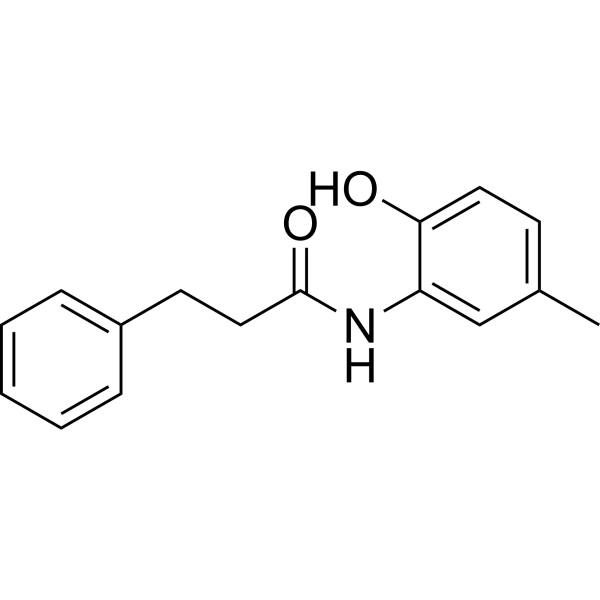
AA147 is a endoplasmic reticulum (ER) proteostasis regulator. AA147 promotes protection against oxidative damage in neuronal cells and prevents endothelial barrier dysfunction by activating ATF6 arm (selectively) of the unfolded protein response (UPR) and the NRF2 oxidative stress response. AA147 can rebalances XBP1s expression in vivo, and also induces survival motor neuron (SMN) expression and spinal motorneuron (MN) protection.
For research use only. We do not sell to patients.
- Purity : 99.81%
- CAS No.: 393121-74-9
- Formula: C16H17NO2
- Molecular Weight:255.31
-
Storage:Powder -20°C, 3 years , 4°C, 2 years ; In solvent -80°C, 2 years , -20°C, 1 year

To place orders, for customer services and technical support, please contact: MedChemExpress USA
Tel: 609-228-6898 E-mail: [email protected] [email protected]


-
 Biological Activity
-
Chemical Information
-
Solvent & Solubility
- Protocols
- Purity & Documentation
- References
-
 Help & FAQs


-
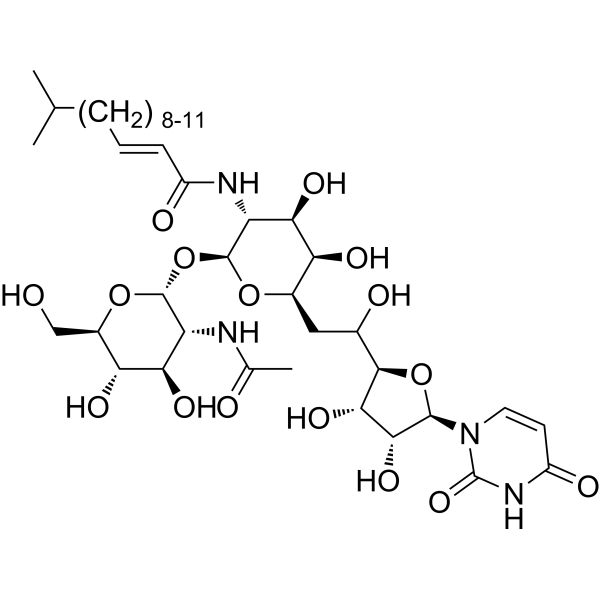
HY-A0098
TunicamycinER Stress Inducer -
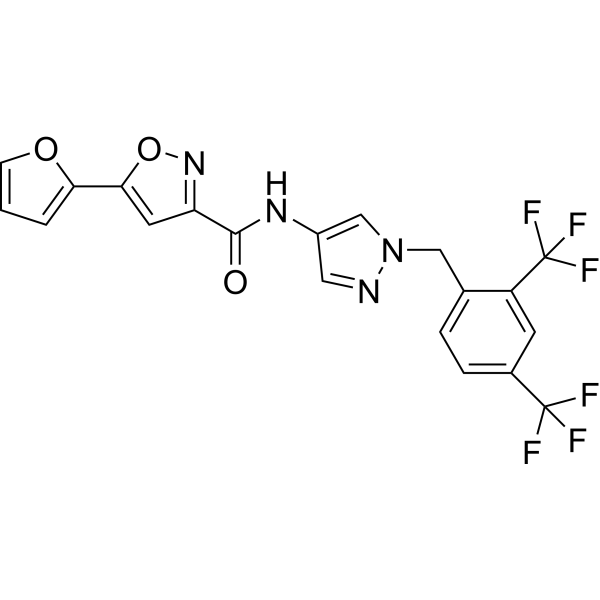
HY-108434
Ceapin-A7ATF6α Signaling Blocker -
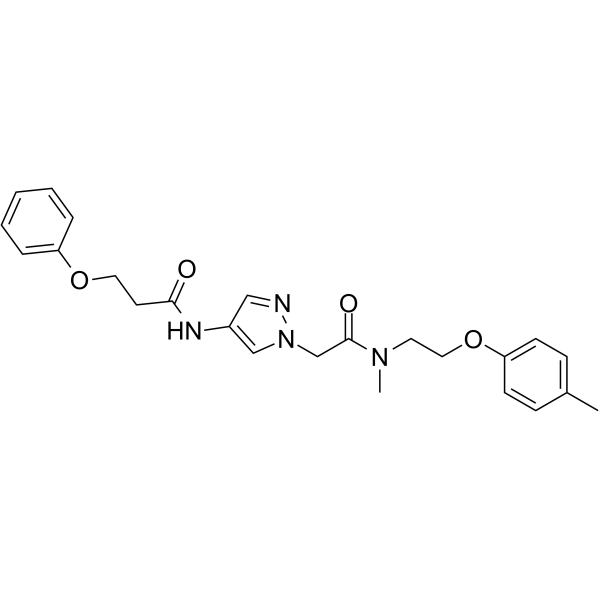
HY-139214
IXA4IRE1/XBP1s Activator -
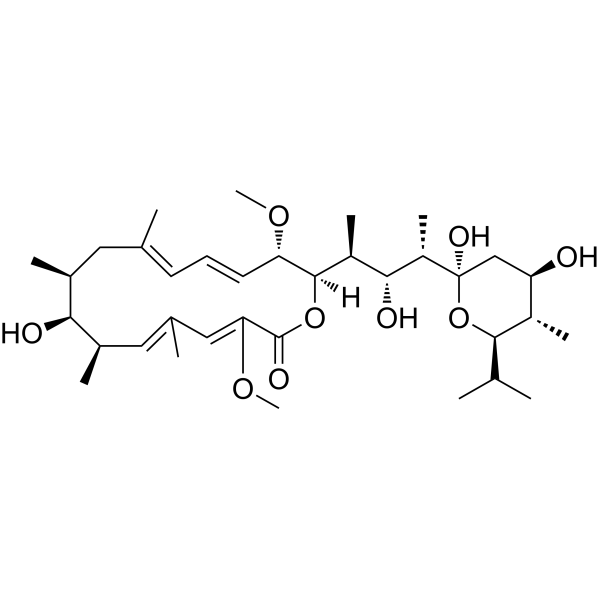
HY-100558
Bafilomycin A1V-ATPase Inhibitor -
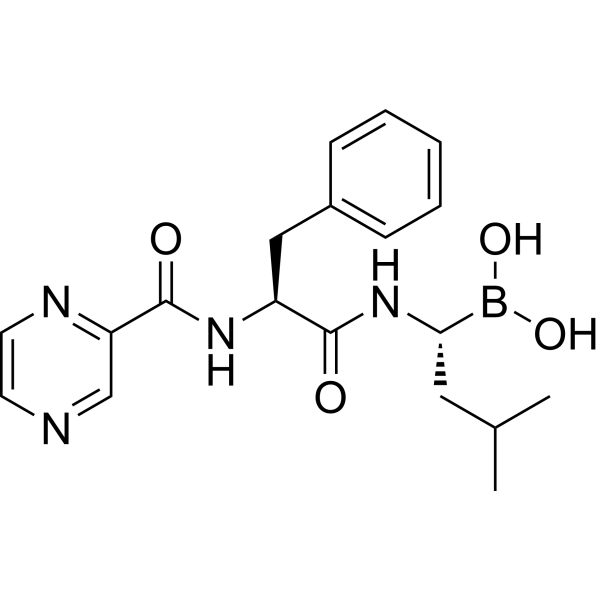
HY-10227
BortezomibProteasome Inhibitor -
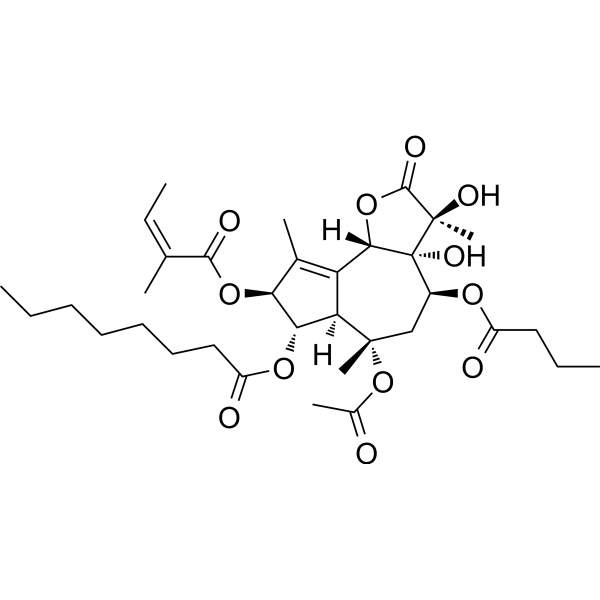
HY-13433
ThapsigarginER Stress Inducer -
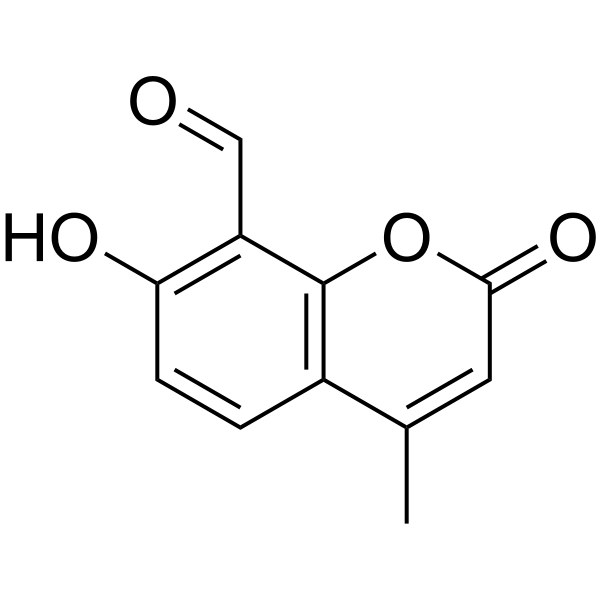
HY-19707
4μ8CIRE1 Inhibitor -
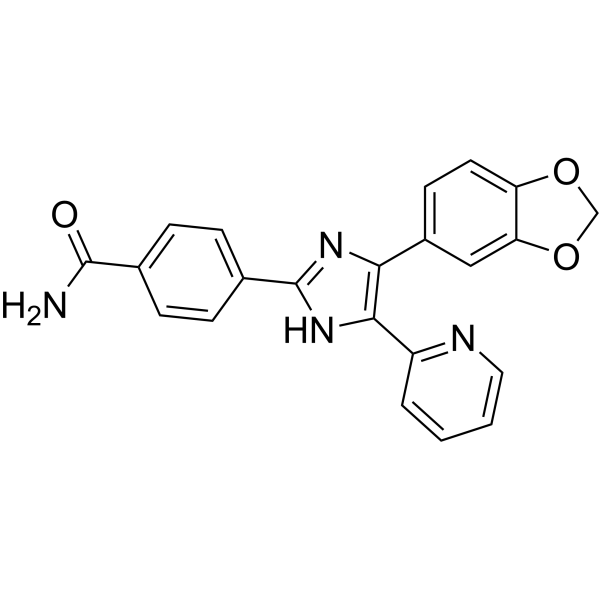
HY-10431
SB-431542TGF-β Receptor Kinase Inhibitor -
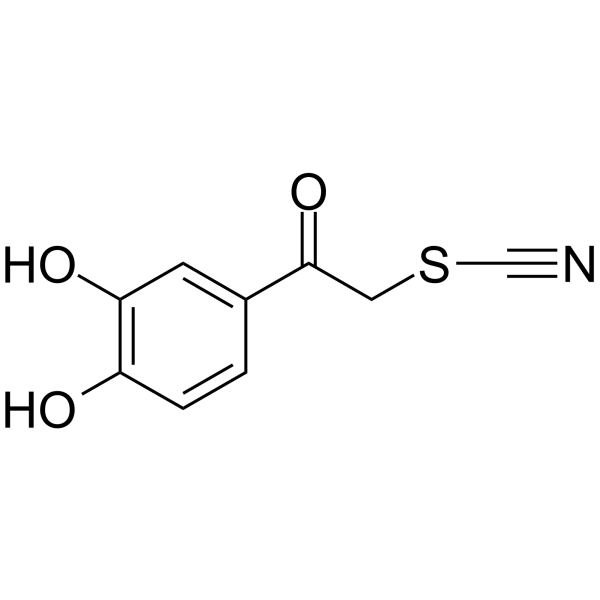
HY-110188
BiP inducer XBiP/GRP78 Inducer -

HY-Y1891
Tween 80 -
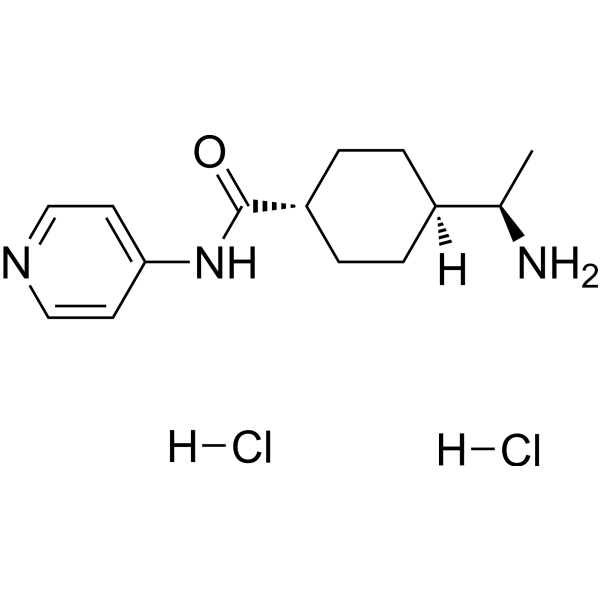
HY-10583
Y-27632 dihydrochlorideROCK Inhibitor -
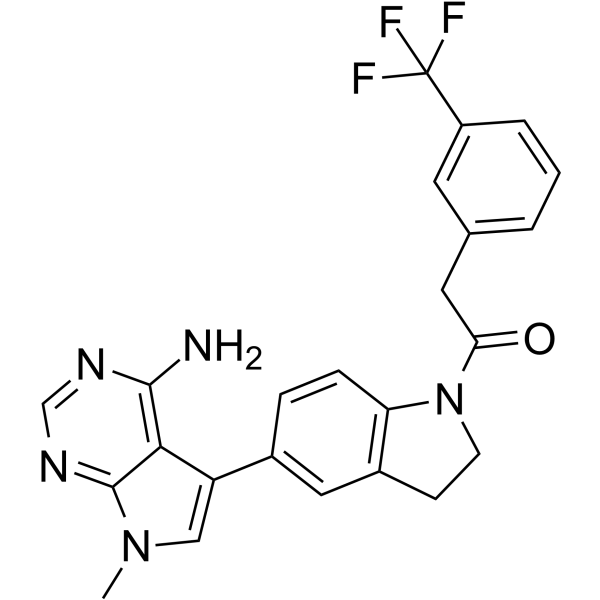
HY-18072
GSK2606414PERK Inhibitor
Publications Citing Use of MedChemExpress (MCE) AA147
More Customer Validation & Images

-
WB
-
Cell Proliferation/Viability Assay
-
RT-PCR
-
Cell Proliferation/Viability Assay
-
RT-PCR


Biological Activity
Description
In Vitro
AA147 (20-0.078 μM (dilution in half); 6 or 16 h) protects against glutamate-induced oxidative toxicity in HT22 cells by decreasing the reactive oxygen species (ROS)-associated damage[1].
AA147 (10 μM; 16 h) induces NRF2-dependent upregulation of oxidative stress response genes in HT22 cells[1].
AA147 (10 μM; 16 h) covalently modifies KEAP1 to promote NRF2 activation in HT22 cells[1].
AA147 (5, 10, 15 μM; 4, 8, 16, 24, 48 h) induces ATF6 activation and upregulates phosphorylation of cofilin in BPAEC[2].
AA147 (10 μM; 24 h) reduces LPS-induced endothelial barrier disruption in BPAEC[2].
AA147 (5, 10 μM; 135 h) enhances lung endothelial barrier integrity[2].
MedChemExpress (MCE) has not independently confirmed the accuracy of these methods. They are for reference only. Further protocols information, click here.
-
Cell Line:HT22 cells
-
Concentration:0.078, 0.156, 0.312, 0.625, 1.25, 2.5, 5, 10, 20 μM
-
Incubation Time:6 or 16 h (pre-incubation)
-
Result:Showed dose-dependent increases in the viability of glutamate-treated HT22 cells when pretreated with AA147 for 6 or 16 h prior to the glutamate challenge (addition concurrently with the glutamate challenge did not improve the viability of glutamate-treated cells).
Reduced ROS accumulation in cells when pre-incubation of 16 h.
-
Cell Line:HT22 cells
-
Concentration:10 μM
-
Incubation Time:16 h
-
Result:Significant increased the expression of genes associated with antioxidant activity in neuronal models, including prolactins and glutathione transferases.
Activated NRF2 through a mechanism involving metabolic activation and covalent KEAP1 protein modification.
-
Cell Line:BPAEC
-
Concentration:5, 10 μM
-
Incubation Time:135 h
-
Result:Decreased permeability of cells by activation of ATF6.
-
Cell Line:BPAEC
-
Concentration:5, 10, 15 μM
-
Incubation Time:4, 8, 16, 24, 48 h
-
Result:Significantly induced ATF6 activation and upregulated cofilin phosphorylation (in a concentration-dependent manner).
-
Cell Line:BPAEC
-
Concentration:10 μM
-
Incubation Time:24 h
-
Result:Reduced LPS-induced cATF6 suppression (Fig.5A) and VE-cadherin phosphorylation.
Inhibited cofilin and MLC2 activation in the inflamed cells.
Inhibited LPS-induced hyperpermeability in BPAEC.
In Vivo
MedChemExpress (MCE) has not independently confirmed the accuracy of these methods. They are for reference only.


Chemical Information
-
CAS No. 393121-74-9
-
Appearance Solid
-
Molecular Weight 255.31
-
Formula C16H17NO2
-
Color Light brown to brown
-
SMILES
O=C(NC1=CC(C)=CC=C1O)CCC2=CC=CC=C2
-
Shipping
Room temperature in continental US; may vary elsewhere.
-
Storage
Powder -20°C 3 years 4°C 2 years In solvent -80°C 2 years -20°C 1 year


Publications (4)
-
Journal Impact Factor
-
Most Recent
-
Fish Shellfish Immunol
Grass Carp Reovirus (GCRV) infection activates the PERK-eIF2α pathway to promote the viral replication. [Abstract]2024 Dec:155:110020. PMID: 39528019
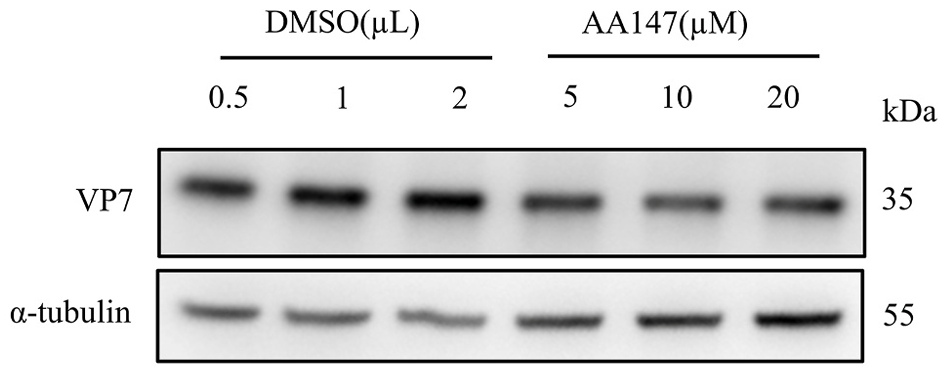
AA147 purchased from MedChemExpress. Usage Cited in: Fish Shellfish Immunol. 2024 Dec:155:110020. [Abstract]
Effects of AA147 (5–20 μM) treatment on the expression level of viral protein VP7 in CIK cells. CIK cells were treated with AA147 for 6 h and then infected with GCRV (MOI = 3) for 18 h. Cells were harvested for Western blot analysis to detect VP7 protein. α-tubulin was used as the reference, and DMSO-treated cells served as the control group.
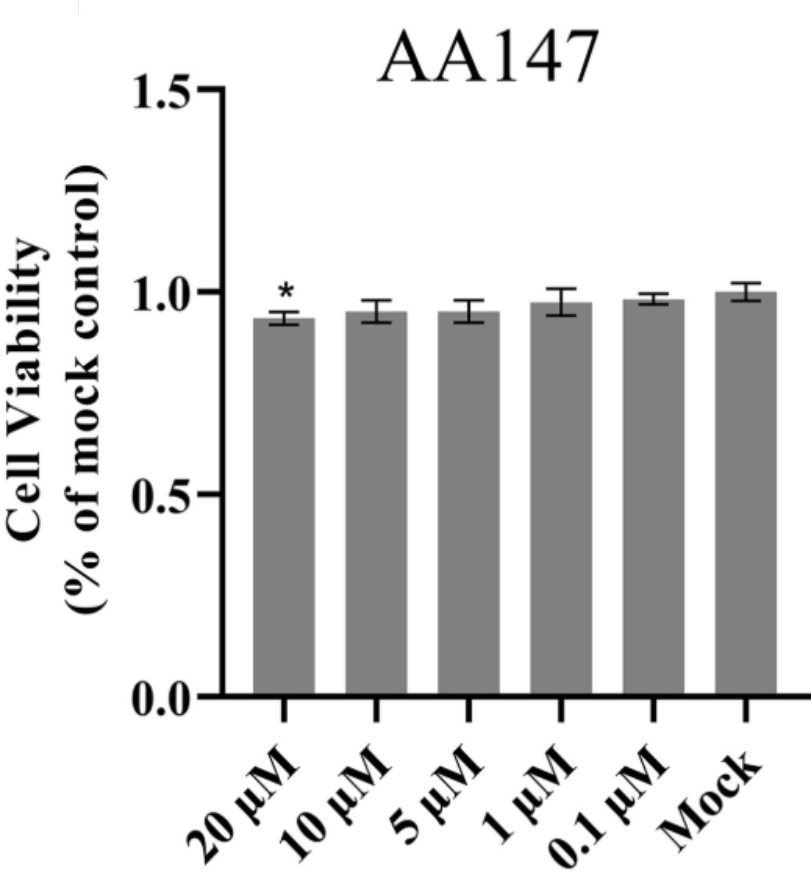
AA147 purchased from MedChemExpress. Usage Cited in: Fish Shellfish Immunol. 2024 Dec:155:110020. [Abstract]
Effects of chemical drugs on cell viability were determined by a CCK-8 assay. AA147 (0.1-20 μM) at various concentrations was applied to CIK cells for 6 h, after which OD450 absorbance was measured. Untreated cells served as the control group.
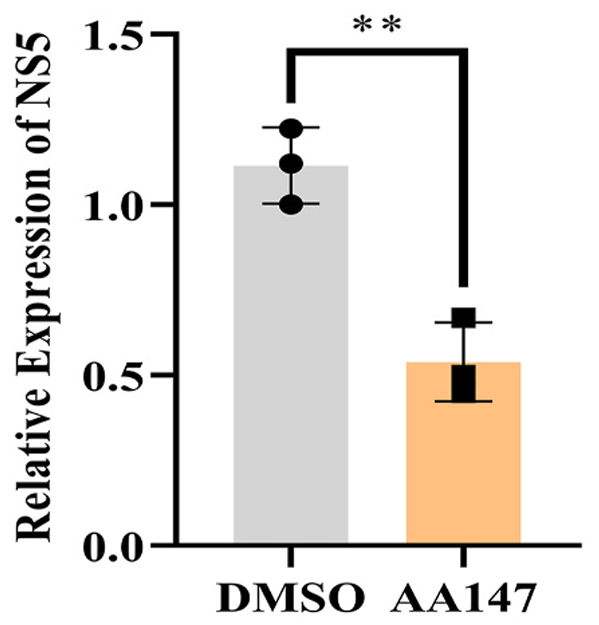
AA147 purchased from MedChemExpress. Usage Cited in: Fish Shellfish Immunol. 2024 Dec:155:110020. [Abstract]
Effects of AA147 (5–20 μM) treatment on the expression level of viral gene NS5 in CIK cells. CIK cells were treated with AA147 for 6 h and then infected with GCRV (MOI = 3) for 18 h. Cells were harvested for RT-qPCR to detect the NS5 gene. EF1α was used as the reference, and DMSO-treated cells served as the control group.
-
J Virol
The PERK/PKR-eIF2α Pathway Negatively Regulates Porcine Hemagglutinating Encephalomyelitis Virus Replication by Attenuating Global Protein Translation and Facilitating Stress Granule Formation. [Abstract]2022 Jan 12;96(1):e0169521. PMID: 34643429
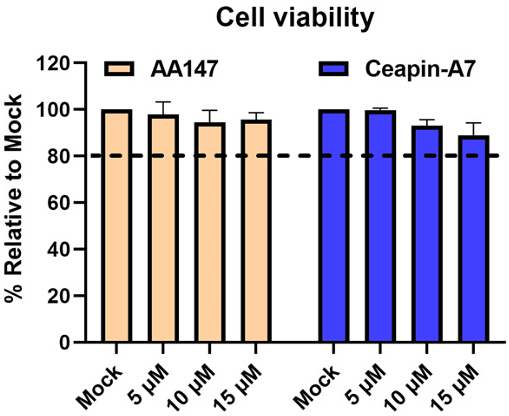
AA147 purchased from MedChemExpress. Usage Cited in: J Virol. 2022 Jan 12;96(1):e0169521. [Abstract]
Cytotoxicities of AA147 (5-15 μM; 24 h) and Ceapin-A7 were determined by CCK-8 assays. The results showed that these two compounds had no obvious cytotoxicity.
AA147 purchased from MedChemExpress. Usage Cited in: J Virol. 2022 Jan 12;96(1):e0169521. [Abstract]
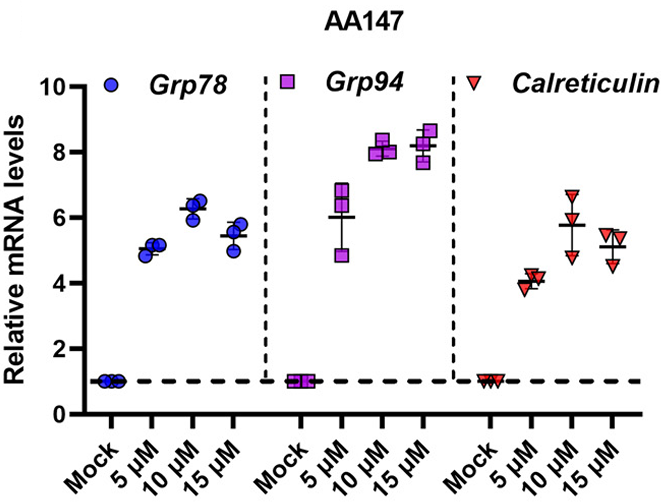
The mRNA levels of Grp78, Grp94 and Calreticulin were detected via qRT-PCR in PHEV-infected N2a cells treated with AA147 (5-15 μM; 24 h). The results showed that AA147 treatment increased the mRNA levels of Grp78, Grp94, and Calreticulin.
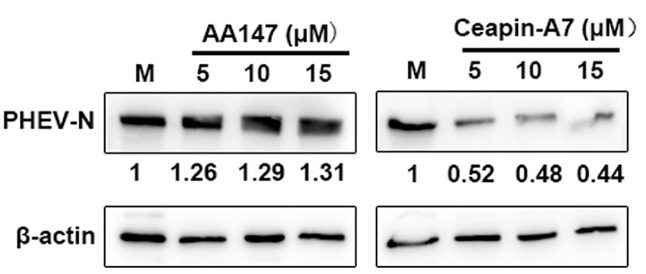
AA147 purchased from MedChemExpress. Usage Cited in: J Virol. 2022 Jan 12;96(1):e0169521. [Abstract]
Western blot analysis of PHEV N protein in AA147 (5-15 μM; 24 h)- and Ceapin-A7-treated and PHEV-infected N2a cells. The results showed that AA147 treatment increased the N protein levels.
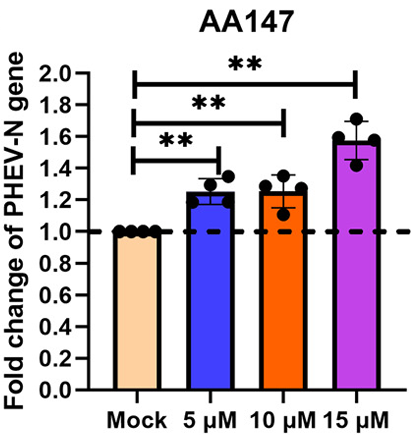
AA147 purchased from MedChemExpress. Usage Cited in: J Virol. 2022 Jan 12;96(1):e0169521. [Abstract]
qRT-PCR analysis of PHEV N gene expression in AA147 (5-15 μM; 24 h)-treated N2a cells. The results showed that AA147 treatment increased the mRNA levels of the PHEV N gene.
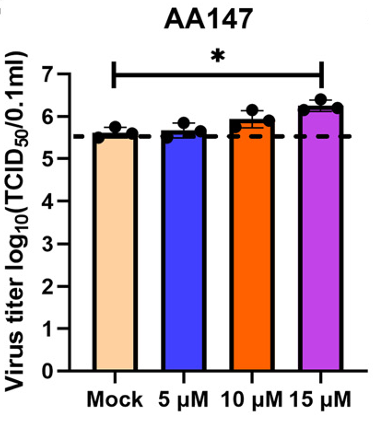
AA147 purchased from MedChemExpress. Usage Cited in: J Virol. 2022 Jan 12;96(1):e0169521. [Abstract]
Virus titers in AA147 (5-15 μM; 24 h)-treated N2a cells. The results showed that AA147 treatment markedly increased infectious virus titers.
-
Vet Microbiol
African swine fever virus maintains de novo global cellular protein synthesis and inhibits stress granules formation via dephosphorylating eIF2α. [Abstract]2024 Mar:290:109988. PMID: 38244395 -
Environ Toxicol
Hydroquinone-induced endoplasmic reticulum stress affects TK6 cell autophagy and apoptosis via ATF6-mTOR. [Abstract]2023 Aug;38(8):1874-1890. PMID: 37148176


Solvent & Solubility
In Vitro:
DMSO : 50 mg/mL (195.84 mM; Need ultrasonic; Hygroscopic DMSO has a significant impact on the solubility of product, please use newly opened DMSO)
Please refer to the solubility information to select the appropriate solvent. Once prepared, please aliquot and store the solution to prevent product inactivation from repeated freeze-thaw cycles.
Storage method and period of stock solution: -80°C, 2 years; -20°C, 1 year. When stored at -80°C, please use it within 2 years. When stored at -20°C, please use it within 1 year.
Please refer to the solubility information to select the appropriate solvent. Once prepared, please aliquot and store the solution to prevent product inactivation from repeated freeze-thaw cycles.
Storage method and period of stock solution: -80°C, 2 years; -20°C, 1 year. When stored at -80°C, please use it within 2 years. When stored at -20°C, please use it within 1 year.
Concentration (start) × Volume (start) = Concentration (final) × Volume (final)
In Vivo:
Select the appropriate dissolution method based on your experimental animal and administration route.
- For the following dissolution methods, please ensure to first prepare a clear stock solution using an In Vitro approach and then sequentially add co-solvents:
- To ensure reliable experimental results, the clarified stock solution can be appropriately stored based on storage conditions. As for the working solution for In Vivo experiments, it is recommended to prepare freshly and use it on the same day.
- The percentages shown for the solvents indicate their volumetric ratio in the final prepared solution. If precipitation or phase separation occurs during preparation, heat and/or sonication can be used to aid dissolution.
Add each solvent one by one: 10% DMSO 40% PEG300 5% Tween-80 45% Saline
Solubility: ≥ 5 mg/mL (19.58 mM); Clear solution
This protocol yields a clear solution of ≥ 5 mg/mL (saturation unknown).
Taking 1 mL working solution as an example, add 100 μL DMSO stock solution (50.0 mg/mL) to 400 μL PEG300, and mix evenly; then add 50 μL Tween-80 and mix evenly; then add 450 μL Saline to adjust the volume to 1 mL.
Preparation of Saline: Dissolve 0.9 g sodium chloride in ddH₂O and dilute to 100 mL to obtain a clear Saline solution.
Add each solvent one by one: 10% DMSO 90% (20% SBE-β-CD in Saline)
Solubility: 5 mg/mL (19.58 mM); Suspended solution; Need ultrasonic
This protocol yields a suspended solution of 5 mg/mL. Suspended solution can be used for oral and intraperitoneal injection.
Taking 1 mL working solution as an example, add 100 μL DMSO stock solution (50.0 mg/mL) to 900 μL 20% SBE-β-CD in Saline, and mix evenly.
Preparation of 20% SBE-β-CD in Saline (4°C, storage for one week): 2 g SBE-β-CD powder is dissolved in 10 mL Saline, completely dissolve until clear.
In Vivo Dissolution Calculator
Please enter the basic information of animal experiments:
-
-
-
-
Recommended: Prepare an additional quantity of animals to account for potential losses during experiments.
Please enter your animal formula composition:
-
%DMSO +
Recommended: Keep the proportion of DMSO in working solution below 2% if your animal is weak.
-
%+
-
+%Tween-80 + +
-
%Saline +
The co-solvents required include: DMSO, . All of co-solvents are available by MedChemExpress (MCE). , Tween 80. All of co-solvents are available by MedChemExpress (MCE).
Working solution concentration: 0.22 mg/mL
Method for preparing stock solution: mg drug dissolved in μL DMSO. Stock solution concentration: mg/mL.
1. Take μL DMSO stock solution;
2. Add μL .
μL , mix evenly;
3. Then add μL Tween 80, mix evenly;
4. Then add μL
Please ensure that the stock solution in the first step is dissolved to a clear state, and add co-solvents in sequence. You can use ultrasonic heating (ultrasonic cleaner, recommended frequency 20-40 kHz), vortexing, etc. to assist dissolution.

Protocols
-
RNA extraction experimental
By lysing cells, releasing RNA, and removing impurities such as proteins and DNA, high-purity RNA products are finally obtained. The commonly used traditional method is the guanidine isothiocyanate/phenol/chloroform method (Trizol), which is suitable for a variety of animal materials including animal tissues, microorganisms, cultured cells, etc., and most plant materials.
-
ROS/oxidative-stress fluorescent staining
ROS/oxidative-stress fluorescent staining uses cell-permeant fluorogenic probes that become fluorescent after oxidation inside cells or tissues; commonly used examples include DCFH-DA/DCFDA for broad cellular oxidant detection, DHE for superoxide-related signal detection, MitoSOX for mitochondrial superoxide-related signal detection, and CellROX probes for oxidative-stress-associated fluorescence readouts. The assay detects probe oxidation rather than a single ROS species unless the probe and analysis method have been chemically validated for that species. DCFH-DA enters cells, is deacetylated by intracellular esterases to DCFH, and produces fluorescent DCF after oxidation, so the readout is used as an operational measure of total cellular oxidative stress rather than a species-specific ROS measurement. DHE and MitoSOX can report superoxide-related oxidation, but red fluorescence alone can include non-specific ethidium-like oxidation products; HPLC or optimized spectral approaches are
-
Transepithelial/transendothelial electrical resistance assay
TEER measures electrical resistance across epithelial or endothelial monolayers cultured on permeable supports, and the readout reflects ionic conductance through the cell barrier, especially the paracellular pathway regulated by junctional integrity. TEER can be measured without destroying the monolayer and is commonly used before or during transport, permeability, barrier-disruption, and barrier-maturation experiments. TEER values are influenced by biological maturation and technical conditions; reported factors include temperature, medium formulation, passage number, electrode geometry, membrane properties, and junctional length during early monolayer maturation. Therefore, TEER should be interpreted with blank-insert subtraction, area normalization, repeated readings, and, when possible, orthogonal barrier readouts such as FITC-dextran flux or tight-junction staining.


Purity & Documentation
-
Data Sheet (279 KB)
-
SDS (393 KB)
- English - EN (393 KB)
- Français - FR (393 KB)
- Deutsch - DE (393 KB)
- Norwegian - NO (393 KB)
- Español - ES (393 KB)
- Swedish - SV (393 KB)
- Italian - IT (393 KB)
- Korean - KR (393 KB)
- Portuguese - PT (393 KB)
-
Handling Instructions (2659 KB)
References
[1]. Rosarda JD, et al. Metabolically Activated Proteostasis Regulators Protect against Glutamate Toxicity by Activating NRF2. ACS Chem Biol. 2021 Dec 17;16(12):2852-2863. [Content Brief]
[2]. Kubra KT, et al. Activating transcription factor 6 protects against endothelial barrier dysfunction. Cell Signal. 2022 Aug 4;99:110432. [Content Brief]
[3]. D'Amico D, et al. Activating ATF6 in spinal muscular atrophy promotes SMN expression and motor neuron survival through the IRE1α-XBP1 pathway. Neuropathol Appl Neurobiol. 2022 Aug;48(5):e12816. [Content Brief]


Complete Stock Solution Preparation Table
Please refer to the solubility information to select the appropriate solvent. Once prepared, please aliquot and store the solution to prevent product inactivation from repeated freeze-thaw cycles.
Storage method and period of stock solution: -80°C, 2 years; -20°C, 1 year. When stored at -80°C, please use it within 2 years. When stored at -20°C, please use it within 1 year.
| Optional Solvent | Concentration Solvent Mass | 1 mg | 5 mg | 10 mg | 25 mg |
|---|---|---|---|---|---|
| DMSO | 1 mM | 3.9168 mL | 19.5840 mL | 39.1681 mL | 97.9202 mL |
| 5 mM | 0.7834 mL | 3.9168 mL | 7.8336 mL | 19.5840 mL | |
| 10 mM | 0.3917 mL | 1.9584 mL | 3.9168 mL | 9.7920 mL | |
| 15 mM | 0.2611 mL | 1.3056 mL | 2.6112 mL | 6.5280 mL | |
| 20 mM | 0.1958 mL | 0.9792 mL | 1.9584 mL | 4.8960 mL | |
| 25 mM | 0.1567 mL | 0.7834 mL | 1.5667 mL | 3.9168 mL | |
| 30 mM | 0.1306 mL | 0.6528 mL | 1.3056 mL | 3.2640 mL | |
| 40 mM | 0.0979 mL | 0.4896 mL | 0.9792 mL | 2.4480 mL | |
| 50 mM | 0.0783 mL | 0.3917 mL | 0.7834 mL | 1.9584 mL | |
| 60 mM | 0.0653 mL | 0.3264 mL | 0.6528 mL | 1.6320 mL | |
| 80 mM | 0.0490 mL | 0.2448 mL | 0.4896 mL | 1.2240 mL | |
| 100 mM | 0.0392 mL | 0.1958 mL | 0.3917 mL | 0.9792 mL |


AA147 Related Classifications
HY-124293 Related Classifications
 Powered by Bioz