



RMC-7977
Based on 17 publication(s) in Google Scholar
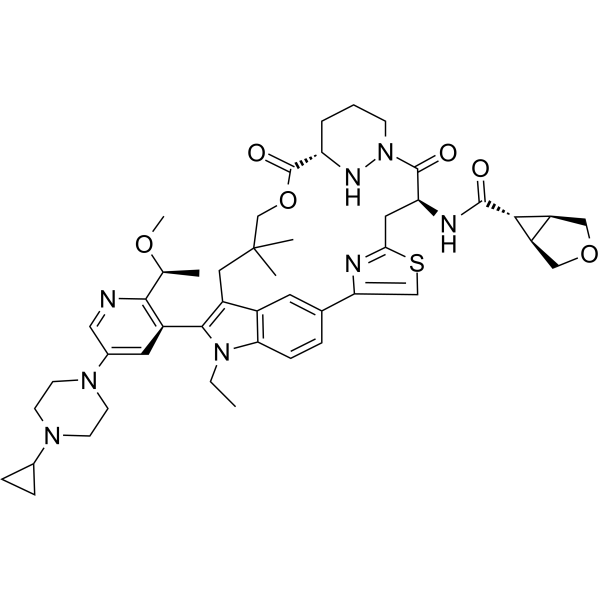
RMC-7977 is an orally active triple-complex RAS inhibitor that can simultaneously bind to cyclophilin A (CYPA) (Kd = 195 nM) and KRAS (G12V) (Kd = 292 μM). It exhibits broad-spectrum inhibitory activity against KRAS, NRAS, and HRAS proteins and their various wild-type and mutant variants. RMC-7977 induces apoptosis by inhibiting the phosphorylation of ERK, CRAF, and RSK, as well as increasing PARP cleavage. This leads to tumor regression, reduces resistance in KRASG12C cancer models, and demonstrates good tolerability across various RAS cancer models.
For research use only. We do not sell to patients.
- Purity: 99.48%
- CAS No.: 2765082-12-8
- Formula: C47H60N8O6S
- Molecular Weight:865.11
-
Storage:Powder -20°C, 3 years , 4°C, 2 years ; In solvent -80°C, 6 months , -20°C, 1 month

To place orders, for customer services and technical support, please contact: MedChemExpress USA
Tel: 609-228-6898 E-mail: [email protected] [email protected]


-
 Biological Activity
-
Chemical Information
-
Solvent & Solubility
- Purity & Documentation
- References
-
 Help & FAQs


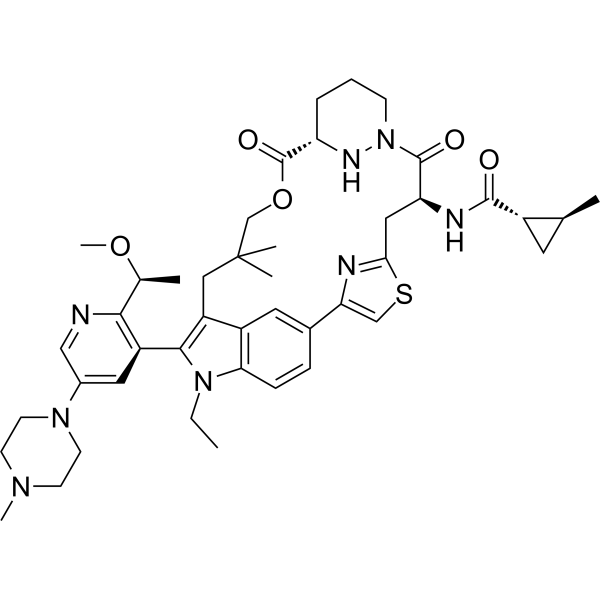
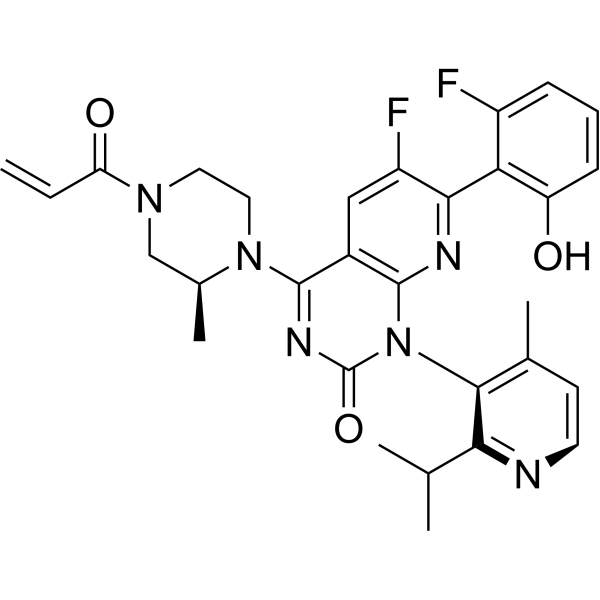
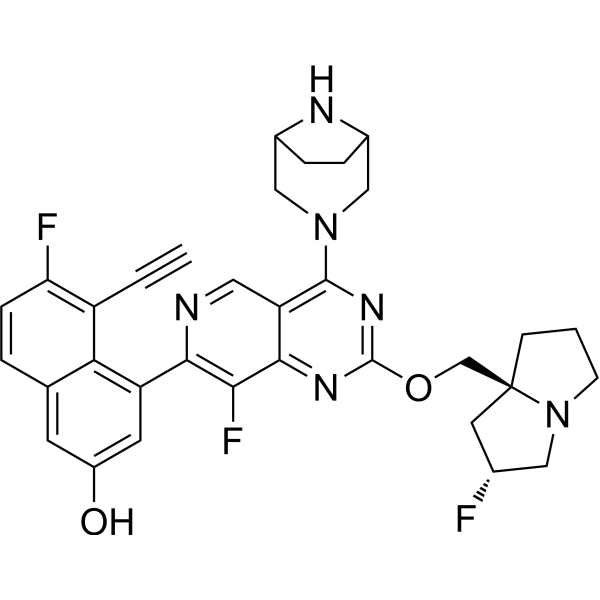
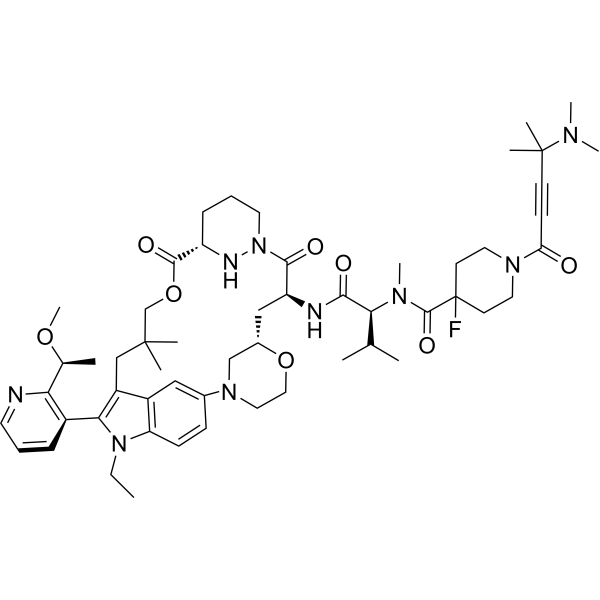
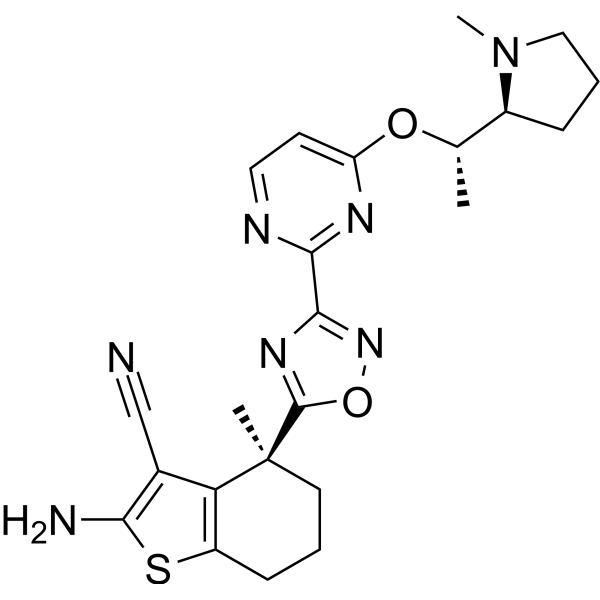
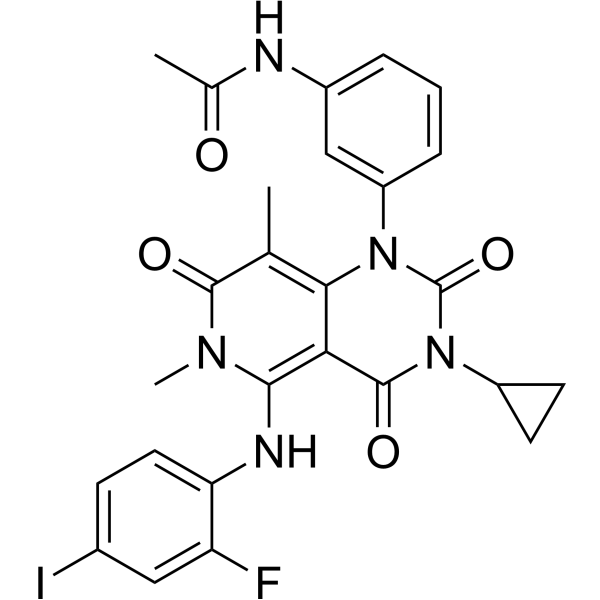
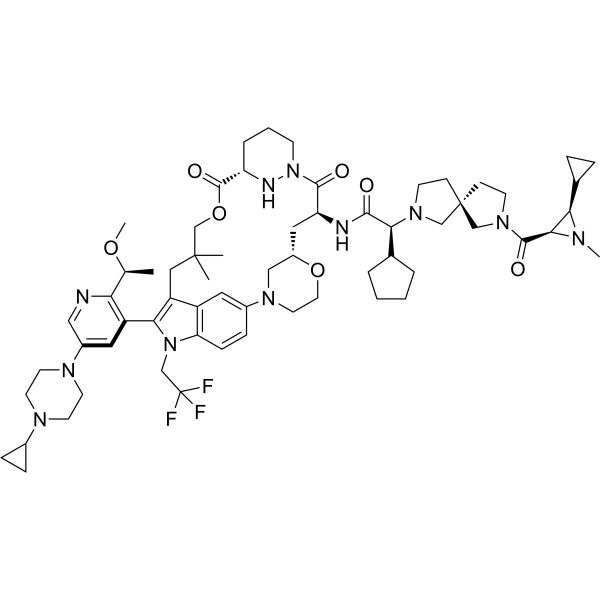
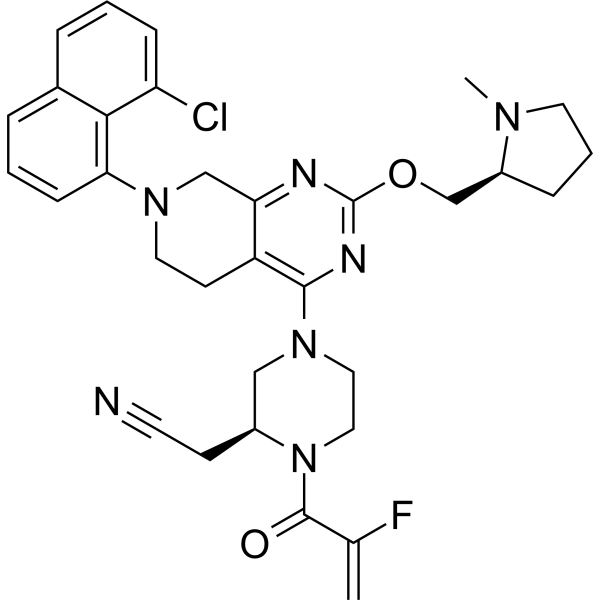
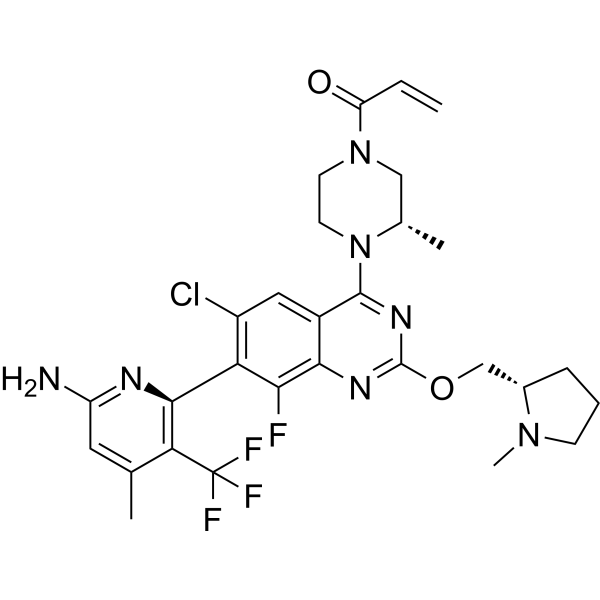
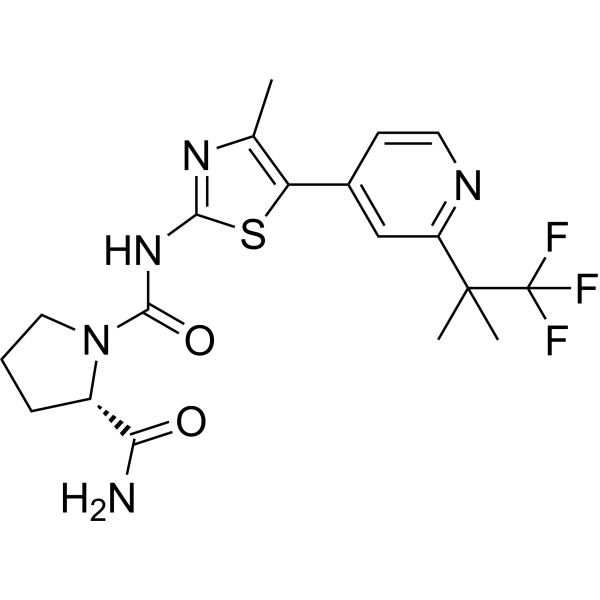
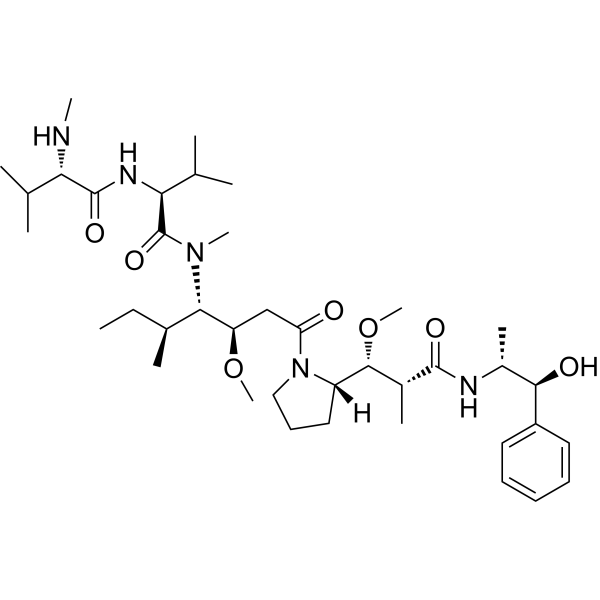
Publications Citing Use of MedChemExpress (MCE) RMC-7977
More- Signal Transduct Target Ther. 2026 Jan 16;11(1):33. [Abstract]
- Cancer Cell. 2026 May 21:S1535-6108(26)00220-5.
- Cancer Res. 2026 Feb 11. [Abstract]
- Nat Commun. 2025 Dec 15. [Abstract]
- Sci Adv. 2025 Jan 24;11(4):eadq2395. [Abstract]
- Cell Death Dis. 2025 Dec 23. [Abstract]
- Int J Mol Sci. 2025 Jun 16;26(12):5758. [Abstract]
- SSRN. 2026 Apr 18.
- bioRxiv. 2026 Apr 21:2026.04.18.719329. [Abstract]
- bioRxiv. 2025 Sep 8:2025.09.04.673818. [Abstract]
- medRxiv. 2025 Aug 13:2025.08.08.25332963. [Abstract]
- bioRxiv. 2025 Aug 2:2025.07.31.667978. [Abstract]
- bioRxiv. 2025 Jul 30:2025.07.25.666783. [Abstract]
- bioRxiv. 2025 Jun 7:2025.06.04.657911. [Abstract]
- bioRxiv. 2025 April 17.
- ASPET Discov. 2025 Mar 19.
- Research Square Preprint. 2024 Dec 02.
 Customer Validation & Images

-
WB
-
Cell Proliferation/Viability Assay
-
IF
-
ELISA
-
IF
All AMPK Isoforms
More

Biological Activity
|
C-Raf |
KRAS(G12C) |
H-Ras |
NRAS rG4 |
RMC-7977 (3-300 nM, 24 h) exhibits inhibitory activity on the KRAS signaling pathway in mouse embryonic fibroblasts (MEFs, Ras gene-deficient, restored by introducing wild-type or mutant KRAS genes to express KRAS protein)[1]. RMC-7977 (0.1-10 nM, 48 h) inhibits proliferation and downstream signaling (i.e., decreases pERK levels) in RAS-dependent cancer cells (i.e., cancer cells with RAS pathway activation due to mutations in KRAS, NRAS, or EGFR) in a concentration-dependent manner[1]. RMC-7977 (1-100 nM, 48 h) can induce apoptosis in KRASG12V and KRASG12C cells by inhibiting the phosphorylation of RAF, ERK, and RSK, and increasing PARP cleavage[1]. RMC-7977 (5-33 nM, 96 h) inhibits the proliferation of acute myeloid leukemia (AML) cell lines driven by FLT3-ITD (Molm-14, MV4-11), KIT (Kasumi-1, SKNO-1), and RAS mutations (NRAS - OCIAML-3, HL-60, KRAS - NOMO-1) with an IC50 value in the range of 5-33 nM and also inhibits MAPK pathway signaling[2].
MedChemExpress (MCE) has not independently confirmed the accuracy of these methods. They are for reference only.
-
Cell Line:KRASG12X mutant cell lines; KRAS wild-type cell lines, NRAS and HRAS mutant cell lines; Human cancer cell lines with mutations or fusions of EGFR, ERBB3, FGFR1, FGFR2, FGFR3, ROS1, RET, NTRK1, and ALK; Wild-type MET gene amplification cell line
-
Concentration:0-1 μM
-
Incubation Time:4 h
-
Result:Exhibited strong inhibitory effects on KRASG12X mutant cell lines, with a median EC50 of 2.40 nM. Exhibited inhibitory effects on KRAS wild-type genotypes, including NRAS and HRAS mutant cell lines (median EC50 = 6.76 nM), as well as cell lines with mutations or fusions of EGFR, ERBB3, FGFR1, FGFR2, FGFR3, ROS1, RET, NTRK1, and ALK (median EC50 = 6.14 nM). Exhibited inhibitory effects on cell lines with wild-type MET gene amplification (median EC50 = 6.61 nM).
-
Cell Line:RAS-less mouse embryonic fibroblasts (MEFs) (introduced with exogenous wild-type or mutant KRAS genes or BRAF(V600E))
-
Concentration:3, 10, 30, 100, 300 nM
-
Incubation Time:24 h
-
Result:Suppressed pERK in all KRAS-expressing cells, but not in BRAF(V600E)-expressing RAS-less MEFs.
MedChemExpress (MCE) has not independently confirmed the accuracy of these methods. They are for reference only.
-
Animal Model:Subcutaneously implanted NCI-H441 CDX model of non-small cell lung cancer xenograft tumor (NSCLC) in BALB/c mice[1]
-
Dosage:10 mg/kg
-
Administration:Oral gavage (p.o.), single dose or once daily for 5 days, followed by a 2-day break, totally for 28 days
-
Result:Had an EC50 value of 130 nM for DUSP6 in the NCI-H441 non-small cell lung cancer (NSCLC) model. Was well tolerated and resulted in 83% mean tumour regression following 28 days of treatment in the NCI-H441 model. Was sufficient to maximally suppress tumour DUSP6 levels (91%) at 8 h at a single oral dose. Was observed to have prolonged exposure in tumors, with overall exposure in subcutaneous tumors increasing approximately threefold compared to blood.
-
Animal Model:PDAC, CRC, NSCLC CDX and patient-derived xenograft (PDX) mice models (bearing KRASG12X mutations)[1]
-
Dosage:10 mg/kg
-
Administration:Oral gavage (p.o.), once daily for 90 days
-
Result:Caused tumor regression in 9 out of 15 (60%) RAS-addicted cancer mouse models after 4 to 6 weeks of administration. Had minimal effects on body weight across all models. Exhibited anti-tumor activity and maintained cytostatic responses after extending the administration to 90 days.
-
Animal Model:Human Clinical-Derived Xenograft mice model of PDAC (Capan-1 (KRASG12V))[3]
-
Dosage:10, 25, 50 mg/kg
-
Administration:Oral gavage, single dose
-
Result:Was exposed in Capan-1 xenograft tumors for three times longer than in the blood. Inhibited DUSP6 levels within 24-48 hours, with an EC50 of 142 nM.


Chemical Information
-
CAS No. 2765082-12-8
-
Appearance Solid
-
Molecular Weight 865.11
-
Formula C47H60N8O6S
-
Color White to light yellow
-
SMILES
CO[C@H](C1=[C@@](C=C(N2CCN(C3CC3)CC2)C=N1)[C@@](N4CC)=C(C5=C4C=CC6=C5)CC(C)(C)COC([C@@H](N7)CCCN7C([C@@H](NC([C@@H]8[C@@H]9[C@H]8COC9)=O)CC%10=NC6=CS%10)=O)=O)C
-
Shipping
Room temperature in continental US; may vary elsewhere.
-
Storage
Powder -20°C 3 years 4°C 2 years In solvent -80°C 6 months -20°C 1 month


Publications (17)
-
Journal Impact Factor
-
Most Recent
-
Signal Transduct Target Ther
Vertical RAS pathway inhibition in pancreatic cancer drives therapeutically exploitable mitochondrial alterations. [Abstract]2026 Jan 16;11(1):33. PMID: 41545339 -
-
Cancer Res
Combined Inhibition of HRAS and MEK Induces Tumor Regression and Restores Myogenic Differentiation in HRAS-Mutant Rhabdomyosarcoma. [Abstract]2026 Feb 11. PMID: 41671396 -
Nat Commun
2025 Dec 15. PMID: 41397976
RMC-7977 purchased from MedChemExpress. Usage Cited in: Nat Commun. 2025 Dec 15. [Abstract]
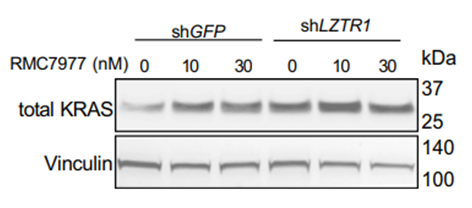
Immunoblotting for total KRAS in H727 cells expressing shGFP or shLZTR1 and treated with RMC7977 (10 or 30 nM, 24 h). Vinculin and total KRAS were detected on the same gel.
RMC-7977 purchased from MedChemExpress. Usage Cited in: Nat Commun. 2025 Dec 15. [Abstract]
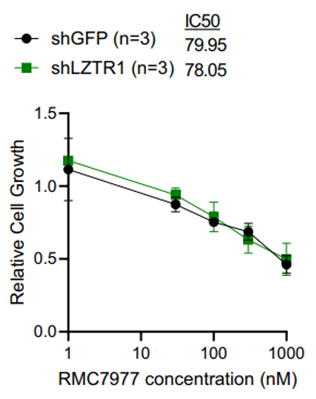
The IC50 of RMC7977 was measured by monitoring the growth of A427 cells expressing shGFP or shLZTR1 using Incucyte. Data are presented as means ± SEM; n = 3 technical replicates per group.
RMC-7977 purchased from MedChemExpress. Usage Cited in: Nat Commun. 2025 Dec 15. [Abstract]
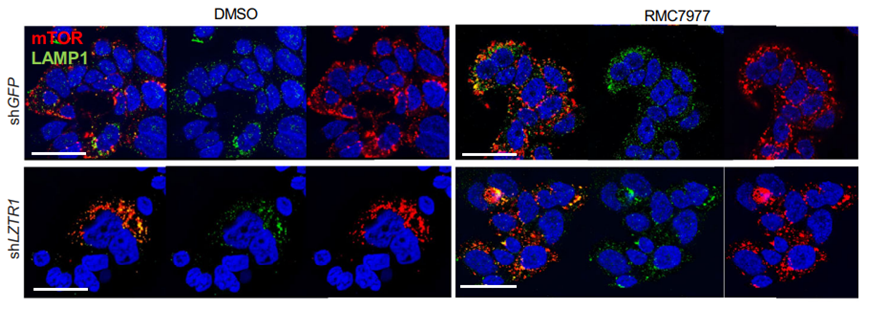
Immunofluorescence analysis using antibodies against LAMP1 and mTOR in H727 cells expressing shGFP or shLZTR1 treated with RMC7977 (10 nM, 24 h) or DMSO. Scale bar 20 µm.
RMC-7977 purchased from MedChemExpress. Usage Cited in: Nat Commun. 2025 Dec 15. [Abstract]
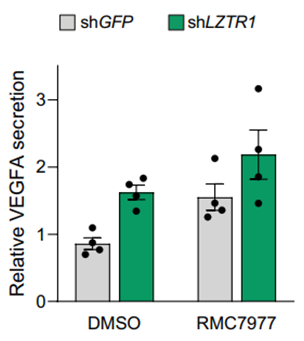
ELISA-measured VEGFA levels in the supernatant of H727 cells treated with DMSO or RMC7977 (10 nM, 24 h).
RMC-7977 purchased from MedChemExpress. Usage Cited in: Nat Commun. 2025 Dec 15. [Abstract]
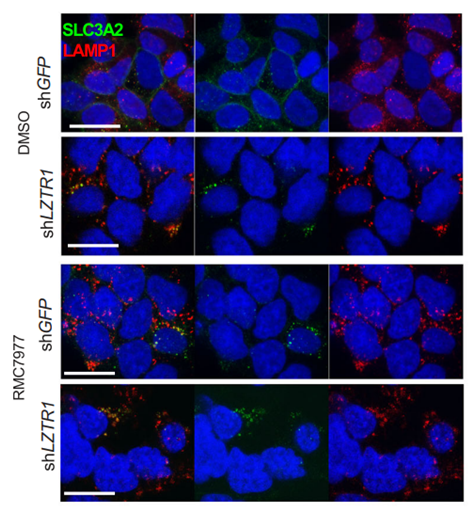
Immunofluorescence analysis of H727 cells expressing shGFP or shLZTR1 after DMSO- or RMC7977 (10 nM, 24 h)-treated H727 cells using the indicated antibodies. Scale bar 20 µm.
-
Sci Adv
Noncanonical role of Golgi-associated macrophage TAZ in chronic inflammation and tumorigenesis. [Abstract]2025 Jan 24;11(4):eadq2395. PMID: 39841821 -
Cell Death Dis
Simultaneous targeting of KRAS and CDK4 synergistically induces durable growth arrest in pancreatic cancer cells. [Abstract]2025 Dec 23. PMID: 41436723 -
Int J Mol Sci
The Rab18/Ras/ERK/FosB/MMP3 Signaling Pathway Mediates Cell Migration Regulation by 2'3'-cGAMP. [Abstract]2025 Jun 16;26(12):5758. PMID: 40565221 -
-
bioRxiv
Characterization and therapeutic suppression of KEAP1-NRF2-driven resistance to KRAS inhibitors in pancreatic and lung cancer. [Abstract]2026 Apr 21:2026.04.18.719329. PMID: 42079131 -
bioRxiv
2025 Sep 8:2025.09.04.673818. PMID: 40964288 -
medRxiv
Modelling Acral Melanoma in Admixed Brazilians Uncovers Genomic Drivers and Targetable Pathways. [Abstract]2025 Aug 13:2025.08.08.25332963. PMID: 40832384 -
bioRxiv
2025 Aug 2:2025.07.31.667978. PMID: 40766426 -
bioRxiv
Thioredoxin Reductase 1 inhibition triggers ferroptosis in KRAS-independent lung cancers. [Abstract]2025 Jul 30:2025.07.25.666783. PMID: 40766571 -
bioRxiv
Modeling acquired TKI resistance and effective combination therapeutic strategies in murine RET+ lung adenocarcinoma. [Abstract]2025 Jun 7:2025.06.04.657911. PMID: 40502048 -
-
-


Solvent & Solubility
DMSO : 100 mg/mL (115.59 mM; Need ultrasonic; Hygroscopic DMSO has a significant impact on the solubility of product, please use newly opened DMSO)
Please refer to the solubility information to select the appropriate solvent. Once prepared, please aliquot and store the solution to prevent product inactivation from repeated freeze-thaw cycles.
Storage method and period of stock solution: -80°C, 6 months; -20°C, 1 month. When stored at -80°C, please use it within 6 months. When stored at -20°C, please use it within 1 month.
Please refer to the solubility information to select the appropriate solvent. Once prepared, please aliquot and store the solution to prevent product inactivation from repeated freeze-thaw cycles.
Storage method and period of stock solution: -80°C, 6 months; -20°C, 1 month. When stored at -80°C, please use it within 6 months. When stored at -20°C, please use it within 1 month.
Concentration (start) × Volume (start) = Concentration (final) × Volume (final)
Select the appropriate dissolution method based on your experimental animal and administration route.
- For the following dissolution methods, please ensure to first prepare a clear stock solution using an In Vitro approach and then sequentially add co-solvents:
- To ensure reliable experimental results, the clarified stock solution can be appropriately stored based on storage conditions. As for the working solution for In Vivo experiments, it is recommended to prepare freshly and use it on the same day.
- The percentages shown for the solvents indicate their volumetric ratio in the final prepared solution. If precipitation or phase separation occurs during preparation, heat and/or sonication can be used to aid dissolution.
Please enter the basic information of animal experiments:
-
-
-
-
Recommended: Prepare an additional quantity of animals to account for potential losses during experiments.
Please enter your animal formula composition:
-
%DMSO +
Recommended: Keep the proportion of DMSO in working solution below 2% if your animal is weak.
-
%+
-
+%Tween-80 + +
-
%Saline +
The co-solvents required include: DMSO, . All of co-solvents are available by MedChemExpress (MCE). , Tween 80. All of co-solvents are available by MedChemExpress (MCE).
Working solution concentration: 0.22 mg/mL
Method for preparing stock solution: mg drug dissolved in μL DMSO. Stock solution concentration: mg/mL.
1. Take μL DMSO stock solution;
2. Add μL .
μL , mix evenly;
3. Then add μL Tween 80, mix evenly;
4. Then add μL
Please ensure that the stock solution in the first step is dissolved to a clear state, and add co-solvents in sequence. You can use ultrasonic heating (ultrasonic cleaner, recommended frequency 20-40 kHz), vortexing, etc. to assist dissolution.


Purity & Documentation
-
Data Sheet (288 KB)
-
SDS (254 KB)
- English - EN (254 KB)
- Français - FR (254 KB)
- Deutsch - DE (254 KB)
- Norwegian - NO (254 KB)
- Español - ES (254 KB)
- Swedish - SV (254 KB)
- Italian - IT (254 KB)
- Korean - KR (254 KB)
- Portuguese - PT (254 KB)
-
Handling Instructions (2659 KB)
References


Complete Stock Solution Preparation Table
Please refer to the solubility information to select the appropriate solvent. Once prepared, please aliquot and store the solution to prevent product inactivation from repeated freeze-thaw cycles.
Storage method and period of stock solution: -80°C, 6 months; -20°C, 1 month. When stored at -80°C, please use it within 6 months. When stored at -20°C, please use it within 1 month.
| Optional Solvent | Concentration Solvent Mass | 1 mg | 5 mg | 10 mg | 25 mg |
|---|---|---|---|---|---|
| DMSO | 1 mM | 1.1559 mL | 5.7796 mL | 11.5592 mL | 28.8981 mL |
| 5 mM | 0.2312 mL | 1.1559 mL | 2.3118 mL | 5.7796 mL | |
| 10 mM | 0.1156 mL | 0.5780 mL | 1.1559 mL | 2.8898 mL | |
| 15 mM | 0.0771 mL | 0.3853 mL | 0.7706 mL | 1.9265 mL | |
| 20 mM | 0.0578 mL | 0.2890 mL | 0.5780 mL | 1.4449 mL | |
| 25 mM | 0.0462 mL | 0.2312 mL | 0.4624 mL | 1.1559 mL | |
| 30 mM | 0.0385 mL | 0.1927 mL | 0.3853 mL | 0.9633 mL | |
| 40 mM | 0.0289 mL | 0.1445 mL | 0.2890 mL | 0.7225 mL | |
| 50 mM | 0.0231 mL | 0.1156 mL | 0.2312 mL | 0.5780 mL | |
| 60 mM | 0.0193 mL | 0.0963 mL | 0.1927 mL | 0.4816 mL | |
| 80 mM | 0.0144 mL | 0.0722 mL | 0.1445 mL | 0.3612 mL | |
| 100 mM | 0.0116 mL | 0.0578 mL | 0.1156 mL | 0.2890 mL |


RMC-7977 Related Classifications
HY-156498 Related Classifications
 Powered by Bioz