



Sirtuin modulator 5
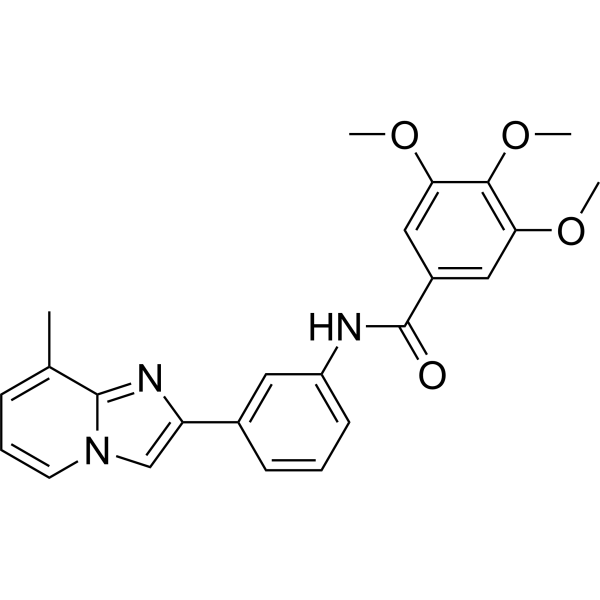
Sirtuin modulator 5 is a sirtuin modulating agent. Sirtuin modulator 5 can activate SIRT1 with a DC50 value of <50 μM. Sirtuin modulator 5 can be used for increasing the lifespan of a cell and used for the research of variety of diseases including, for example, diseases or disorders related to aging or stress, diabetes, obesity, neurodegenerative diseases, cardiovascular disease, blood clotting disorders, inflammation, cancer, and/or flushing as well as diseases or disorders that would benfit from increased mitochondrial activity.
商品は「研究用試薬」です。人や動物の医療用・臨床診断用・食品用の製品ではありません。
研究用途以外に使用した場合、当社は一切の責任を負いかねます。
- CAS 番号: 694469-31-3
- 分子式: C24H23N3O4
- 分子量:417.46
-
保管条件:
Please store the product under the recommended conditions in the Certificate of Analysis.

To place orders, for customer services and technical support, please contact: MedChemExpress USA
Tel: 609-228-6898 E-mail: [email protected] [email protected]


-
 生物活性
生物活性
-
化学情報
- プロトコル
- 純度とドキュメンテーション
- 参考文献
-
 Help & FAQs


-
HY-B0150
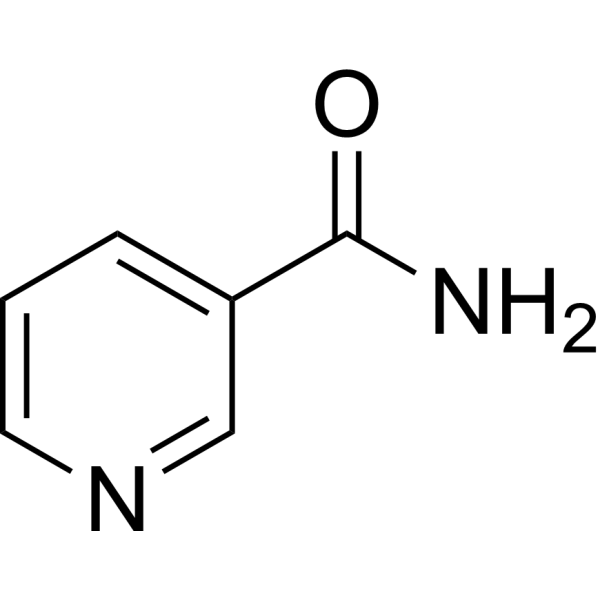
NicotinamideSIRT Inhibitor -
HY-123033A
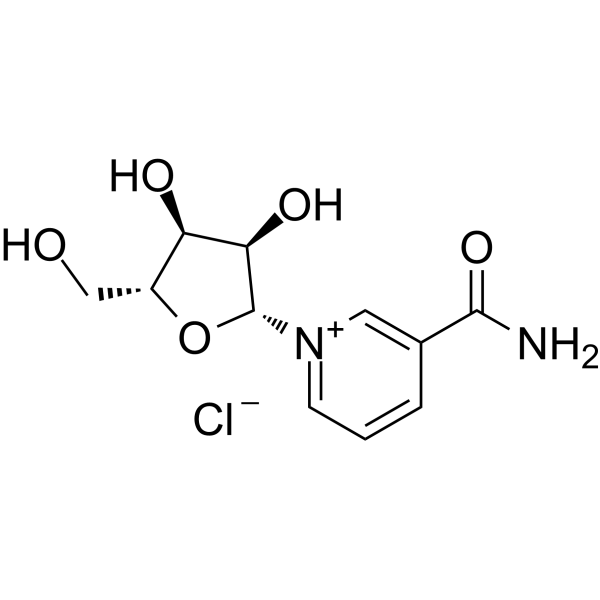
Nicotinamide riboside chlorideEndogenous Metabolite -
HY-15452
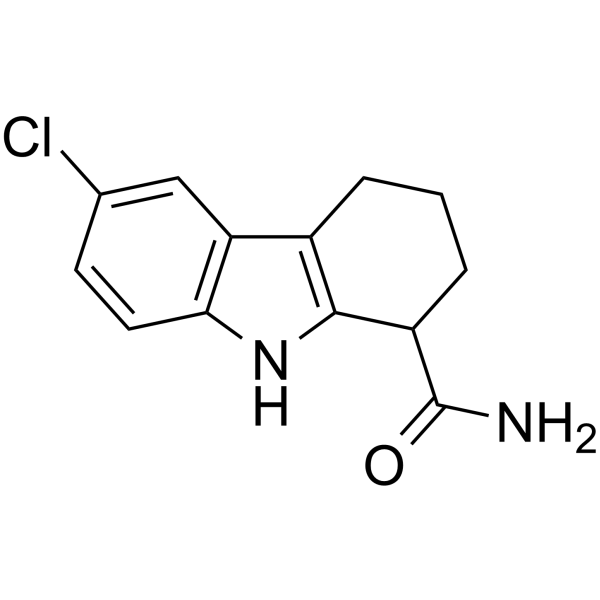
SelisistatSirT1/Sir2 Inhibitor -
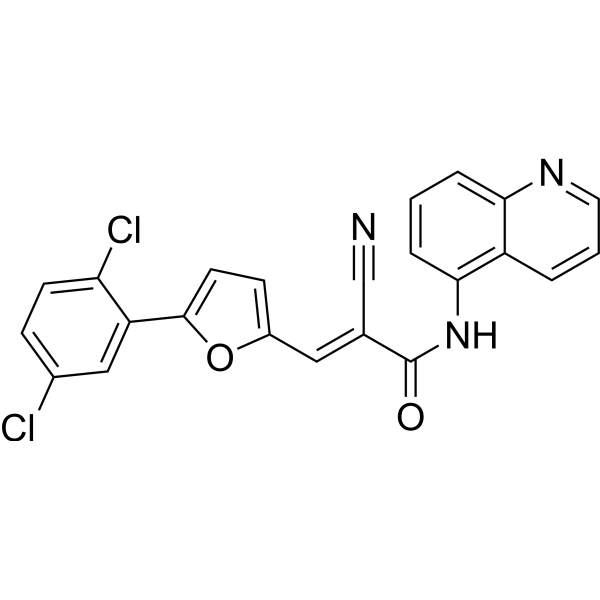
HY-100578
AGK2SIRT2 Inhibitor -
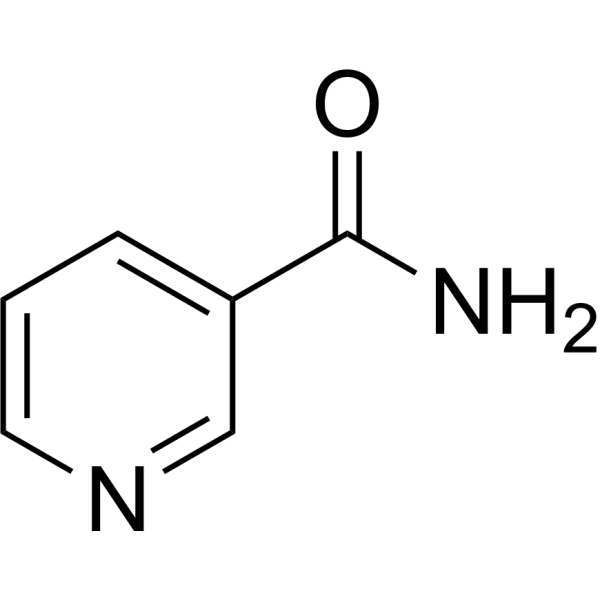
HY-B0150R
Nicotinamide (Standard) -
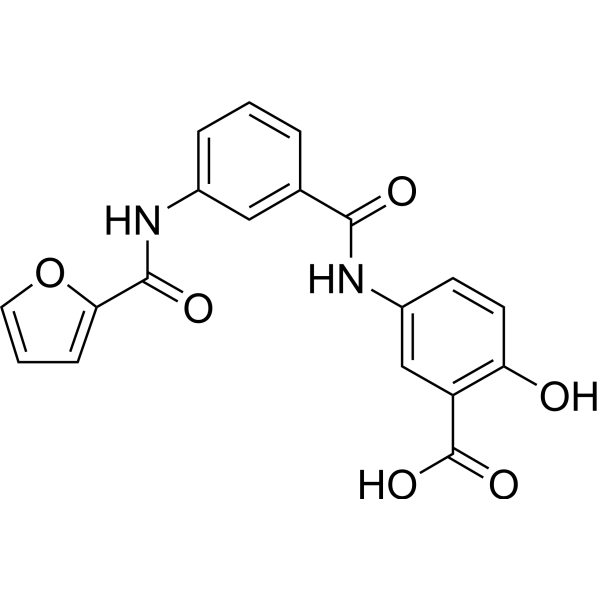
HY-107454
OSS_128167SIRT6 Inhibitor -
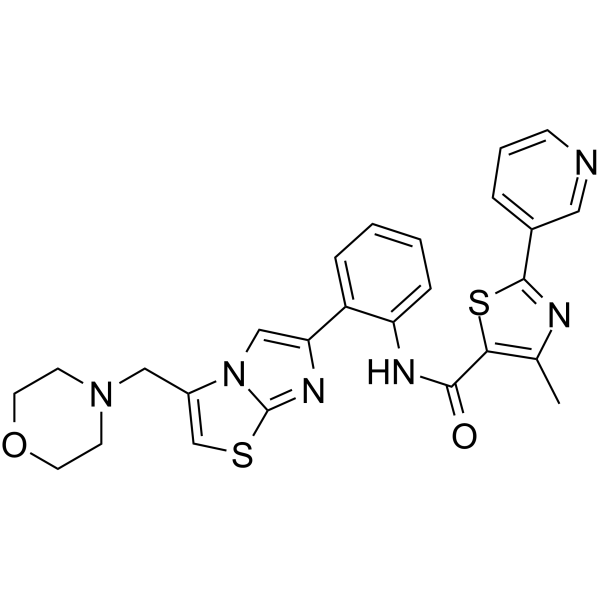
HY-15262
SRT 2104SIRT1 Activator -
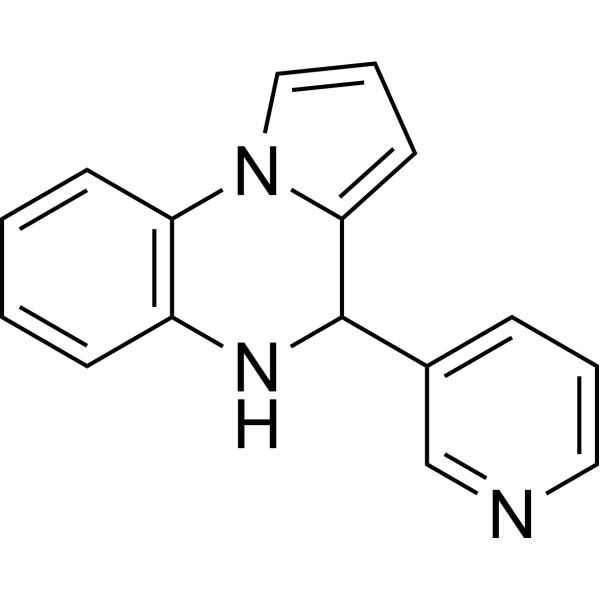
HY-115453
UBCS039Sirt6 Activator -

HY-123033AR
Nicotinamide riboside chloride (Standard)Endogenous Metabolite -
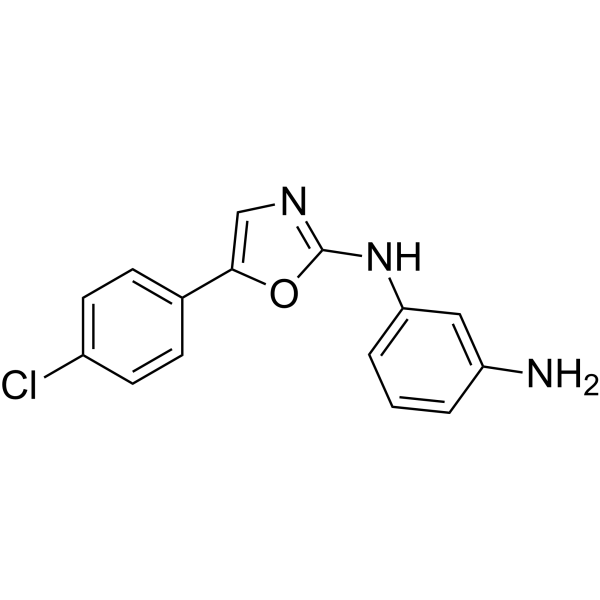
HY-135899
SIRT7 inhibitor 97491SIRT7 Inhibitor -
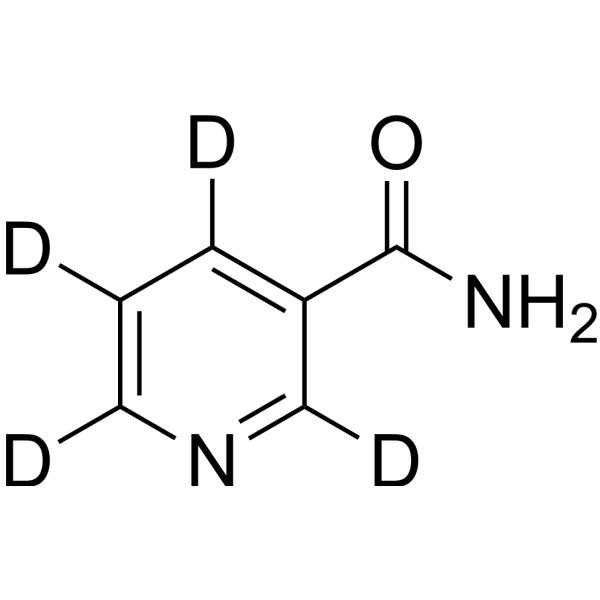
HY-B0150S
Nicotinamide-d4Stable Isotope -
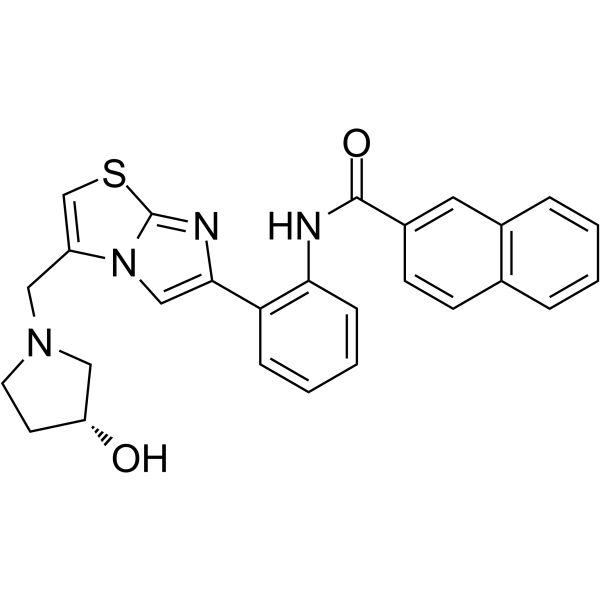
HY-19759
SRT 2183SIRT1 Activator


生物活性
製品説明
IC50 & Target
|
SIRT1 <50 μM (DC50) |
体外実験


化学情報
-
CAS 番号 694469-31-3
-
分子量 417.46
-
分子式 C24H23N3O4
-
SMILES
O=C(C1=CC(OC)=C(C(OC)=C1)OC)NC2=CC=CC(C3=CN4C=CC=C(C)C4=N3)=C2
-
輸送条件
Room temperature in continental US; may vary elsewhere.
-
保管条件
Please store the product under the recommended conditions in the Certificate of Analysis.

プロトコル
-
Research Protocol for Cardiovascular Diseases
Cardiovascular disease can be modeled as maladaptive cardiac remodeling, where ischemic injury or pressure overload activates inflammatory signaling, fibroblast activation, extracellular-matrix deposition, cardiomyocyte hypertrophy, vascular remodeling, and progressive ventricular dysfunction. The TGF-β/SMAD axis is a central profibrotic pathway after myocardial injury and pressure overload, while innate immune and cytokine pathways regulate leukocyte recruitment, scar formation, and adverse remodeling. Key unresolved questions include which inflammatory signals are reparative versus harmful, when fibrosis is protective versus maladaptive, and whether pathway inhibition improves function without weakening necessary infarct healing or compensatory remodeling.
-
Research Protocol for Inflammation-related Diseases
The NLRP3 inflammasome is a cytosolic innate immune signaling platform that integrates priming signals and danger-signal activation to promote caspase-1 activation, maturation of IL-1β and IL-18, and gasdermin D-mediated pyroptotic cell death. The core experimental logic is to determine whether inflammatory disease phenotypes are driven by increased NLRP3 expression, ASC-containing inflammasome assembly, caspase-1 cleavage, GSDMD cleavage, and extracellular release of IL-1β/IL-18 rather than by nonspecific cell injury alone. The pathway is strongly linked to inflammation-related disease phenotypes because monosodium urate crystals activate NALP3/NLRP3 inflammasome signaling in gout-like crystal inflammation, cholesterol crystals activate NLRP3 inflammasomes in atherogenesis models, and DSS-induced intestinal inflammation has been reported to involve NLRP3 inflammasome activity. However, experimental colitis studies also show context-dependent protective effects of NLRP3 inflammasome co
-
Research Protocol for Metabolic Diseases
AMP-activated protein kinase, AMPK, is a conserved cellular energy sensor that responds to reduced cellular energy status and coordinates metabolism by increasing ATP-generating catabolic pathways while suppressing ATP-consuming anabolic processes. In metabolic disease research, the AMPK pathway is experimentally relevant because it regulates hepatic lipid synthesis, fatty acid oxidation, glucose production, skeletal-muscle glucose disposal, mTORC1-linked biosynthesis, autophagy, mitochondrial homeostasis, and whole-body energy balance. The central pathway logic is that energy stress, metformin, exercise-like stimulation, or direct AMPK activators increase AMPKα Thr172 phosphorylation and downstream substrate phosphorylation, including ACC and RAPTOR. Phosphorylation of ACC suppresses lipogenesis and supports fatty acid oxidation, whereas phosphorylation of RAPTOR suppresses mTORC1 signaling and links cellular energy status to growth and protein synthesis control. The pathway is linked


純度とドキュメンテーション
参考文献

Calculators
濃度 (開始) × 体積 (開始) = 濃度 (終了) × 体積 (終了)


Sirtuin modulator 5 関連分類
HY-148322 関連分類
 Powered by Bioz