



9-Nitrooleate

Based on 1 Customer Validation
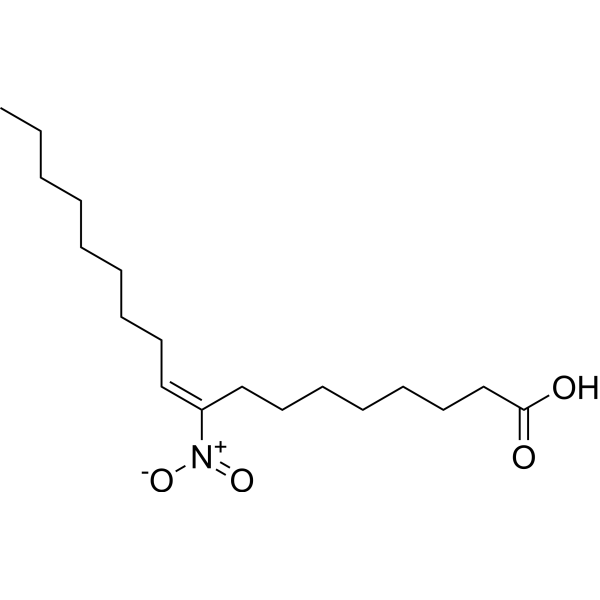
9-Nitrooleate, a nitro fatty acid, is a nitro derivative of Oleic acid (HY-N1446). 9-Nitrooleate has potential for use in vascular disease research.
연구목적의 판매만을 진행합니다. 환자를 대상으로 한 판매는 하지 않습니다.
- Purity : 99.79%
- CAS No.: 875685-44-2
- 화학식: C18H33NO4
- 분자량:327.46
-
보관:
Solution, -20°C, 2 years

To place orders, for customer services and technical support, please contact: MedChemExpress USA
Tel: 609-228-6898 E-mail: [email protected] [email protected]


-
 Biological Activity
-
Chemical Information
- Protocol
- 순도&문서
- References
-
 Help & FAQs


-
HY-101559
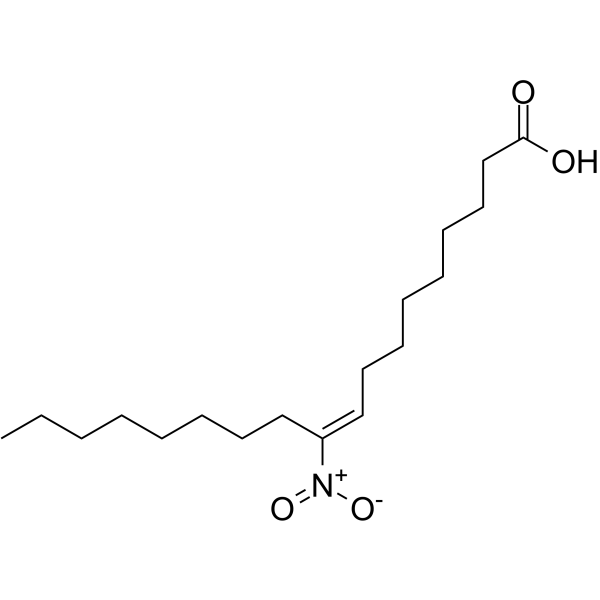
10-Nitrooleic acidNitro Fatty Acid -
HY-113439
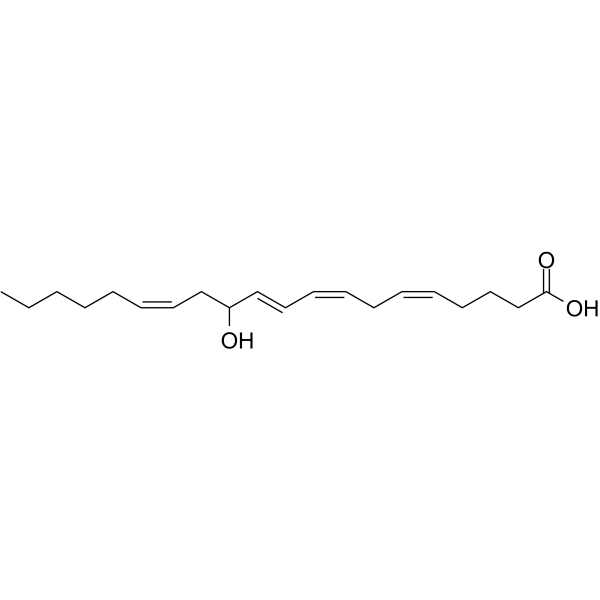
12-HETEVascular Function Regulator -
HY-132949S
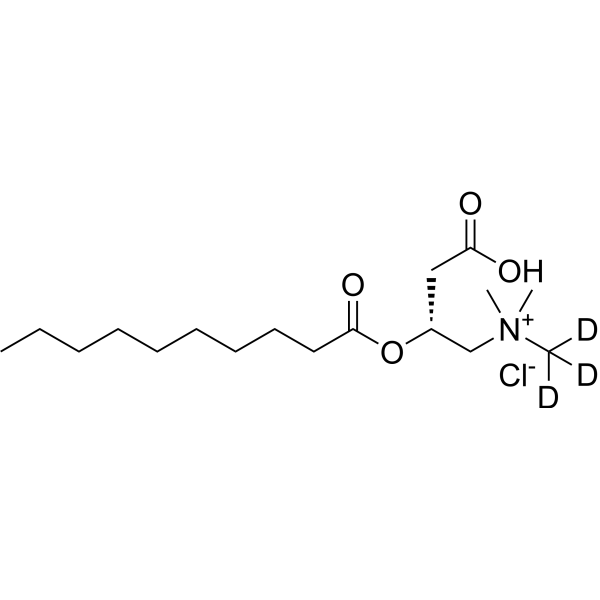
Decanoyl-L-carnitine-d3 chlorideStable Isotope -
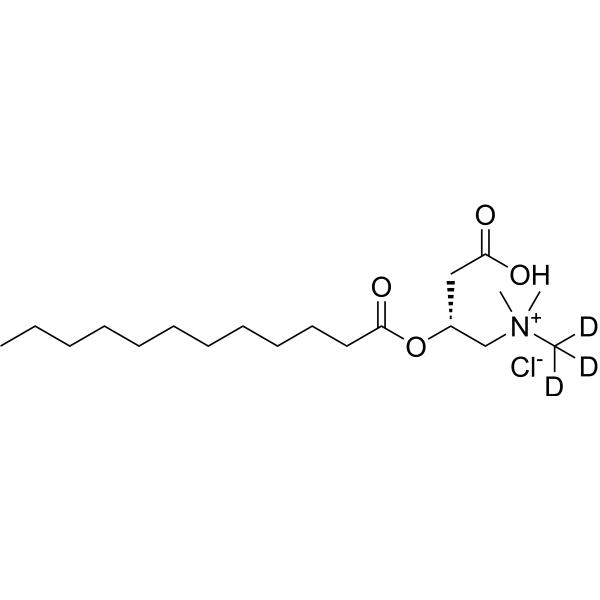
HY-130321S
Lauroyl-L-carnitine-d3 chlorideStable Isotope -
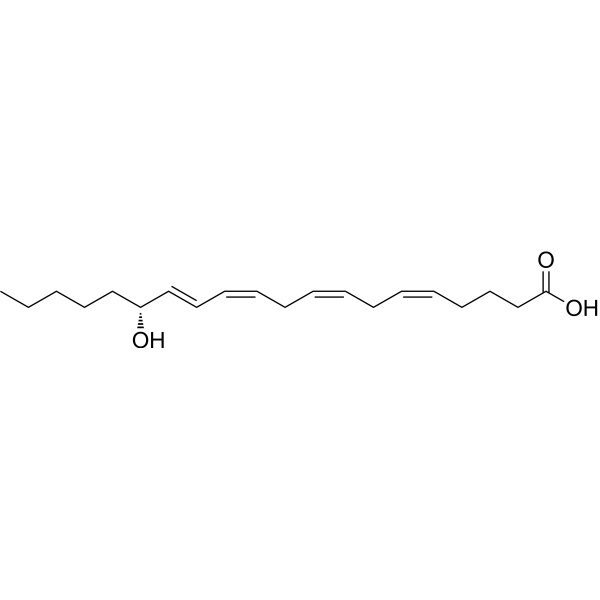
HY-113336A
15(R)-HETE15-HETE Isomer -
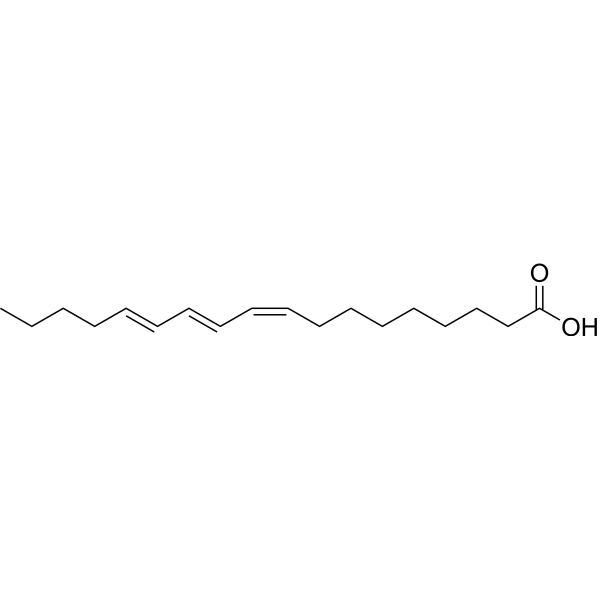
HY-27787
α-Eleostearic acidApoptosis Inducer -
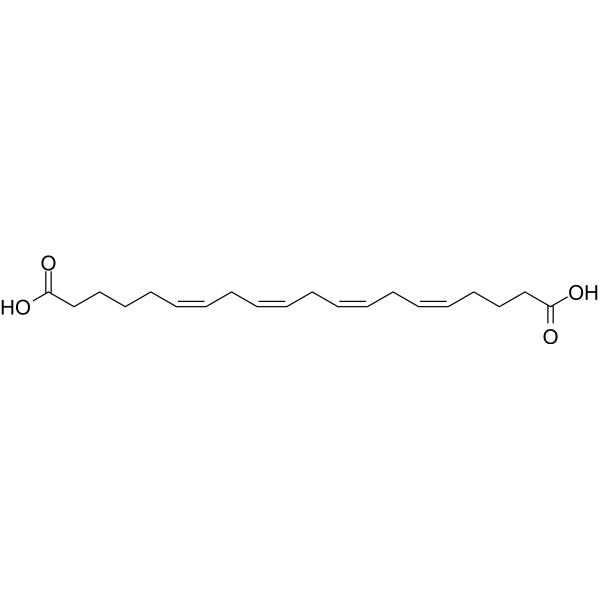
HY-139114
20-Carboxyarachidonic acidPPARalpha/PPARgamma Activator -
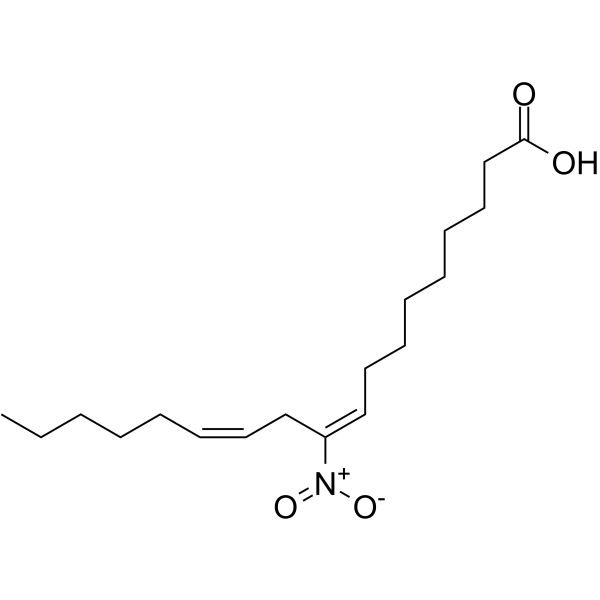
HY-113473
10-Nitrolinoleic acidPPARγ Agonist -
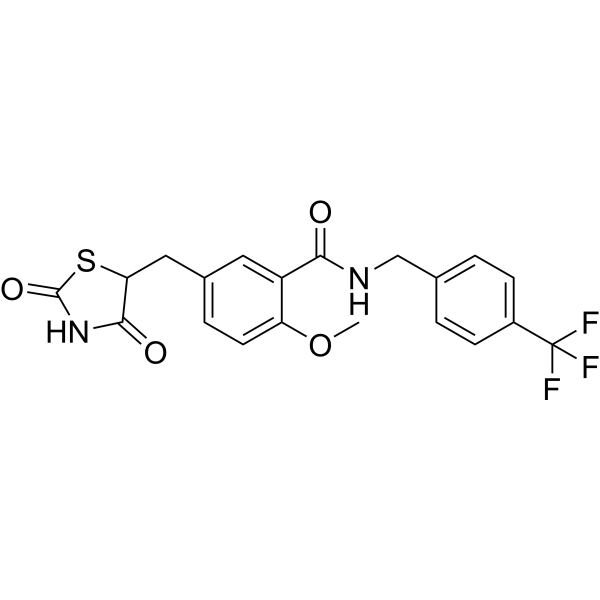
HY-119248
KRP-297PPARα/γ agonist -
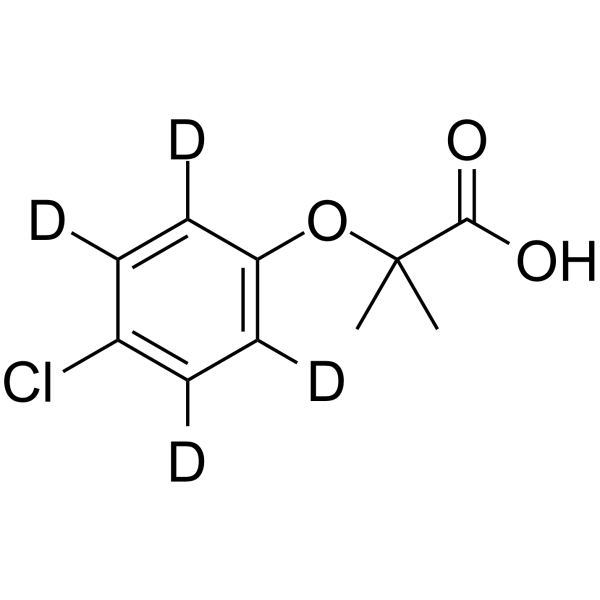
HY-B1415S
Clofibric acid-d4Stable Isotope -
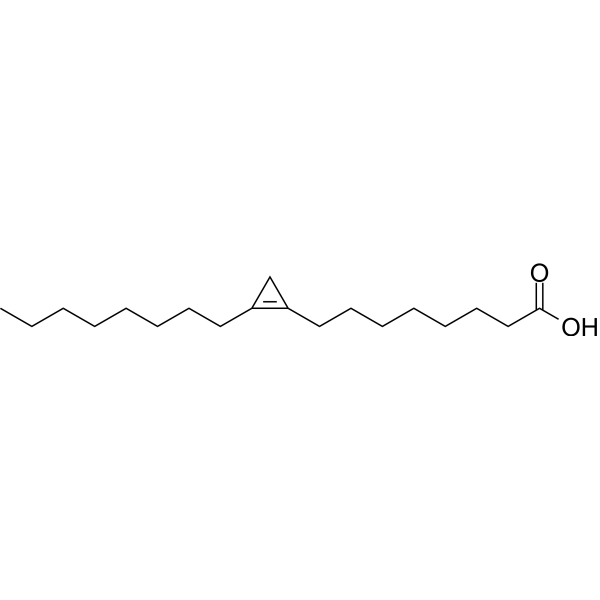
HY-127143
Sterculic acidSCD1 Inhibitor -
HY-145512
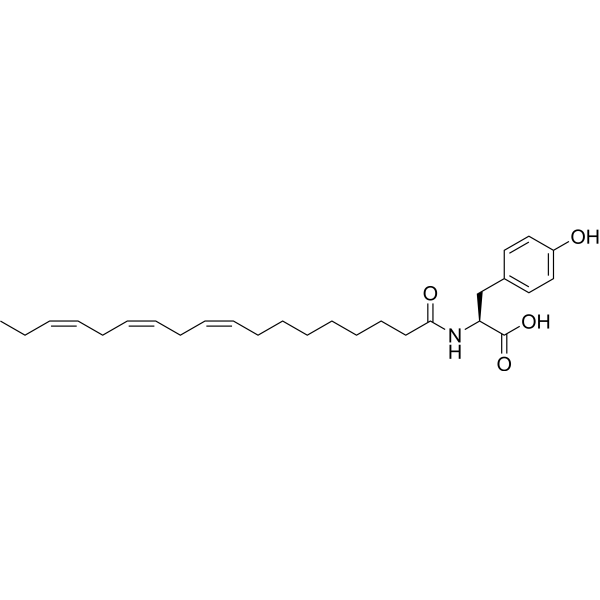
N-(α-Linolenoyl) tyrosineDopaminergic Agonist


Biological Activity
제품 설명
Cellular Effect
|
Cell Line

|
Type | Value | Description | References |
|---|---|---|---|---|
| HEK293 | EC50 |
1 μM
Compound: 42
|
Agonist activity at human TRPA1 channel in HEK293 cells assessed as increase in intracellular calcium influx by radiometric Ca2+ imaging
Agonist activity at human TRPA1 channel in HEK293 cells assessed as increase in intracellular calcium influx by radiometric Ca2+ imaging
|
[PMID: 20356305] |
In Vitro
9-Nitrooleate is formed by the reaction of NO with unsaturated fatty acids under oxidative stress conditions. 9-Nitrooleate belongs to a type of nitro-fatty acid. Nitro-fatty acids can exert anti-inflammatory and vascular protective effects by activating the PPARγ pathway or non-PPAR pathways. Especially in cardiovascular disease models, they can antagonize angiotensin II receptors and alleviate hypertension[1].
MedChemExpress (MCE) has not independently confirmed the accuracy of these methods. They are for reference only. Further protocols information, click here.


Chemical Information
-
CAS No. 875685-44-2
-
Appearance Liquid
-
분자량 327.46
-
화학식 C18H33NO4
-
Color Colorless to light yellow
-
SMILES
CCCCCCCC/C=C(CCCCCCCC(O)=O)/[N+]([O-])=O
-
선적
Room temperature in continental US; may vary elsewhere.
-
보관
Solution, -20°C, 2 years

Protocol
-
Research Protocol for Cardiovascular Diseases
Cardiovascular disease can be modeled as maladaptive cardiac remodeling, where ischemic injury or pressure overload activates inflammatory signaling, fibroblast activation, extracellular-matrix deposition, cardiomyocyte hypertrophy, vascular remodeling, and progressive ventricular dysfunction. The TGF-β/SMAD axis is a central profibrotic pathway after myocardial injury and pressure overload, while innate immune and cytokine pathways regulate leukocyte recruitment, scar formation, and adverse remodeling. Key unresolved questions include which inflammatory signals are reparative versus harmful, when fibrosis is protective versus maladaptive, and whether pathway inhibition improves function without weakening necessary infarct healing or compensatory remodeling.


순도&문서
-
Data Sheet (263 KB)
-
SDS (420 KB)
- English - EN (420 KB)
- Français - FR (420 KB)
- Deutsch - DE (420 KB)
- Norwegian - NO (420 KB)
- Español - ES (420 KB)
- Swedish - SV (420 KB)
- Italian - IT (420 KB)
- Korean - KR (420 KB)
- Portuguese - PT (420 KB)
-
Handling Instructions (2659 KB)
References

Calculators
Concentration (start) × Volume (start) = Concentration (final) × Volume (final)


9-Nitrooleate Related Classifications
HY-121457 Related Classifications
 Powered by Bioz