



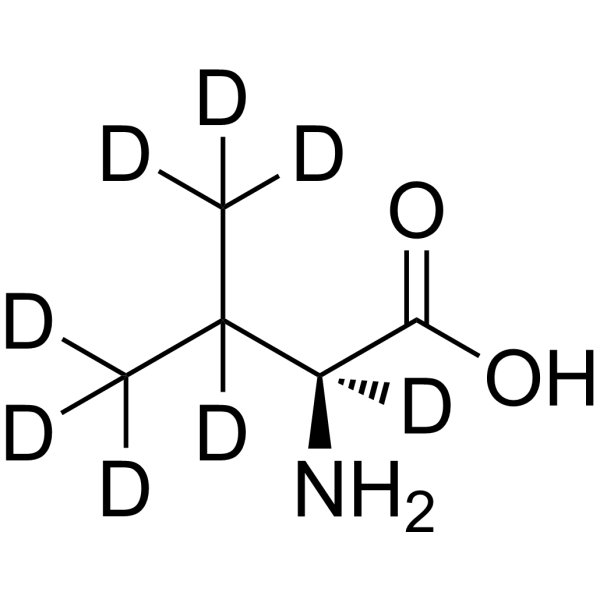
L-Valine-d8
Based on 1 publication(s) in Google Scholar
L-Valine-d8 is a deuterated form of L-Valine (HY-N0717). L-Valine ((S)-Valine) is a nonlinear semiorganic material. L-Valine causes lipid peroxidation and accumulation of malondialdehyde (MDA), exhibits inhibitory activity against cyanobacteria. L-Valine inhibits multidrug-resistant bacteria through activation of PI3K/Akt signaling pathway and inhibition of arginase.
For research use only. We do not sell to patients.
- Purity : 99.91%
- CAS No.: 35045-72-8
- Formula: C5H3D8NO2
- Molecular Weight:125.20
-
Storage:Powder -20°C, 3 years , 4°C, 2 years ; In solvent -80°C, 6 months , -20°C, 1 month

To place orders, for customer services and technical support, please contact: MedChemExpress USA
Tel: 609-228-6898 E-mail: [email protected] [email protected]


-
 Biological Activity
-
Chemical Information
-
Solvent & Solubility
- Protocols
- Purity & Documentation
- References
-
 Help & FAQs


-
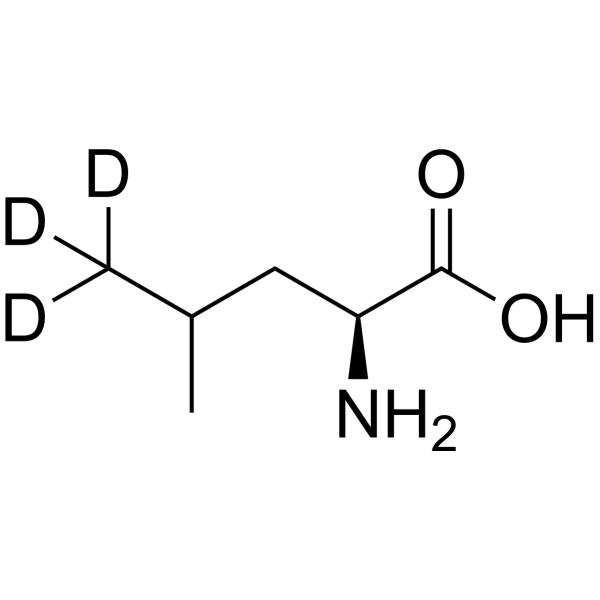
HY-N0486S9
L-Leucine-d3Stable Isotope -
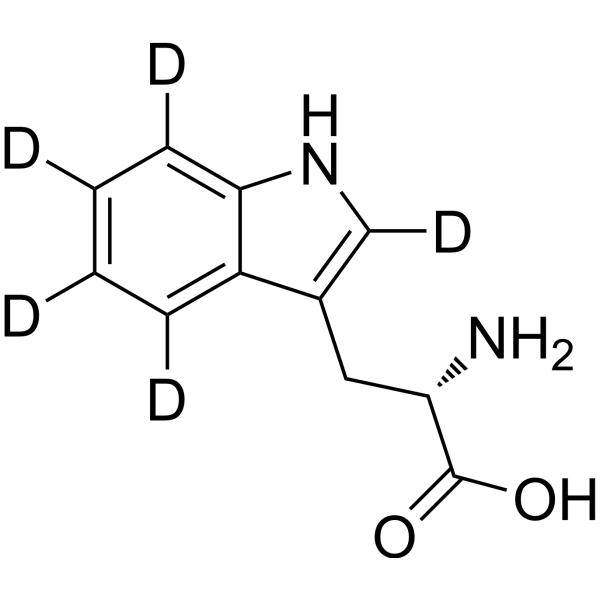
HY-N0623S
L-Tryptophan-d5Stable Isotope -
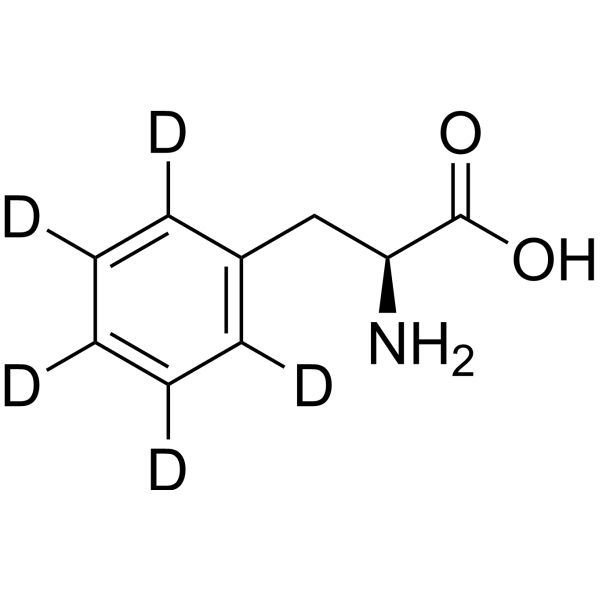
HY-N0215S12
L-Phenylalanine-d5Stable Isotope -
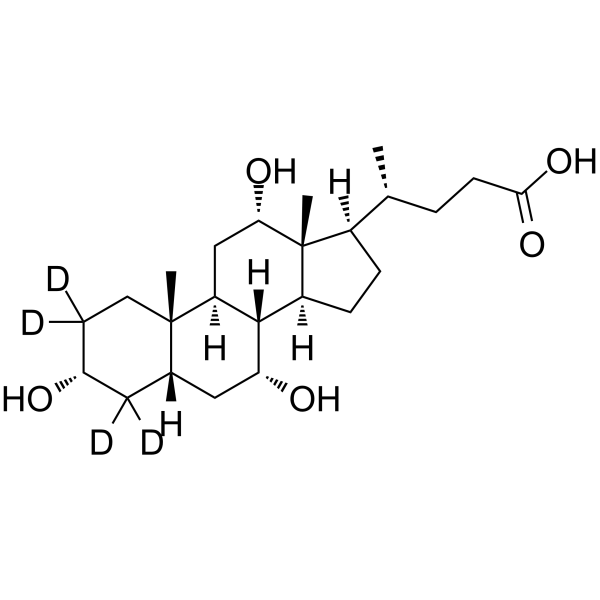
HY-N0324S
Cholic acid-d4Stable Isotope -
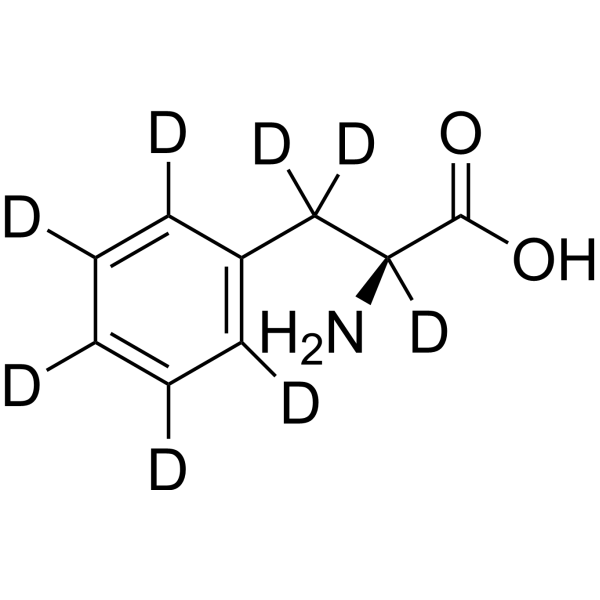
HY-N0215S1
L-Phenylalanine-d8Stable Isotope -
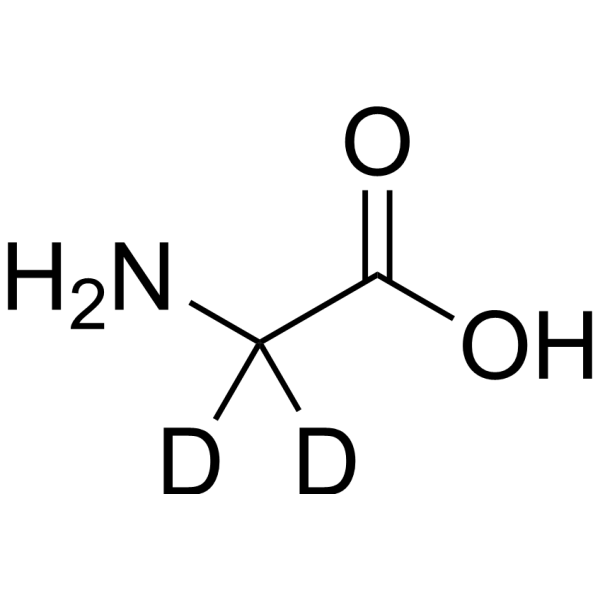
HY-Y0966S1
Glycine-d2Stable Isotope -
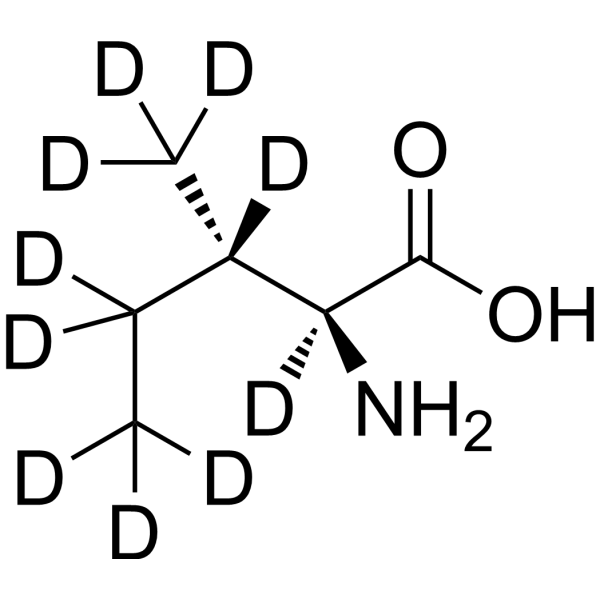
HY-N0771S3
L-Isoleucine-d10Stable Isotope -
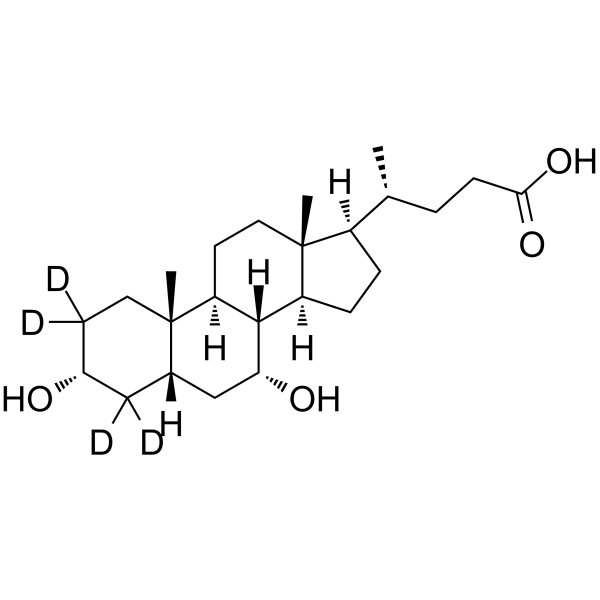
HY-76847S
Chenodeoxycholic Acid-d4Stable Isotope -
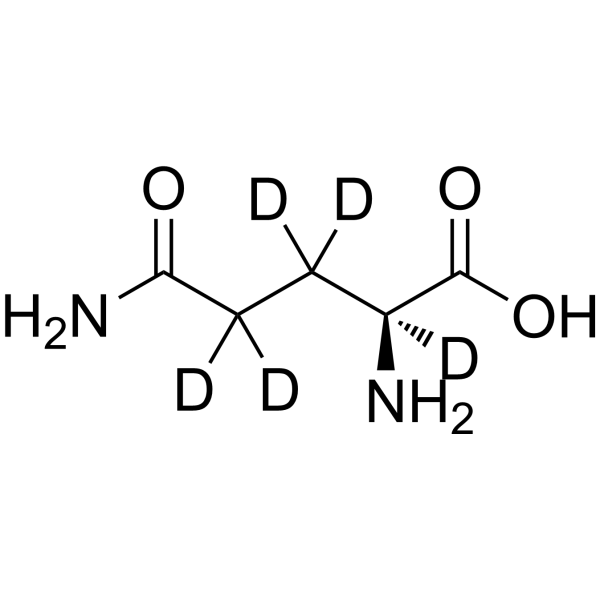
HY-N0390S2
L-Glutamine-d5Stable?Isotope -
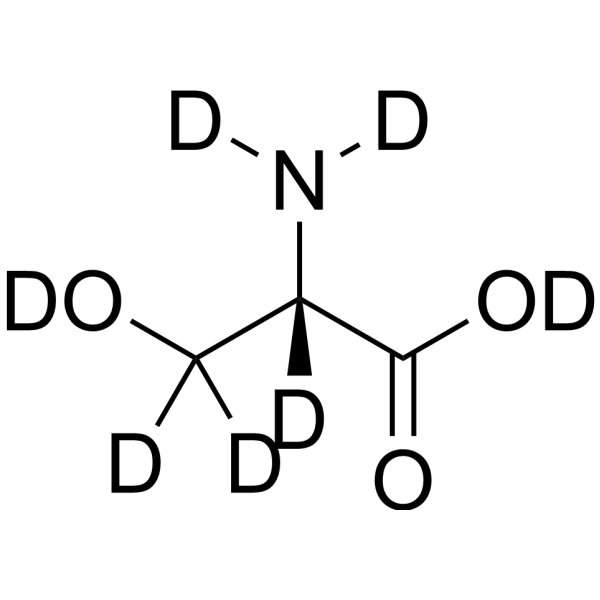
HY-N0650S11
L-Serine-d7Stable Isotope -
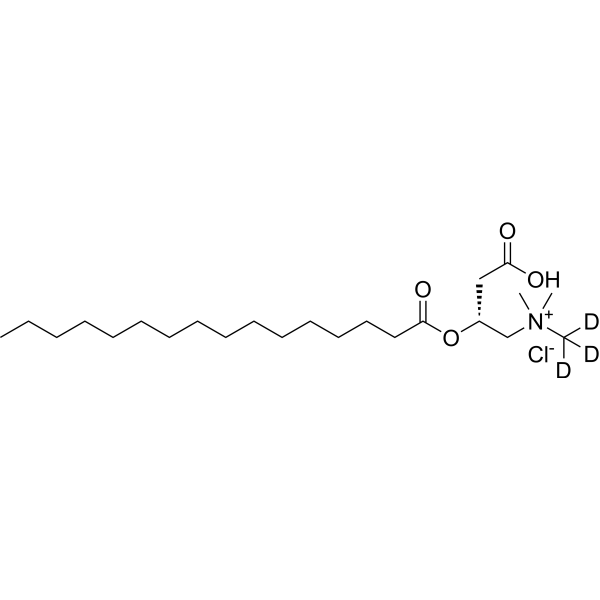
HY-113147AS
L-Palmitoylcarnitine-d3 hydrochlorideStable Isotope -
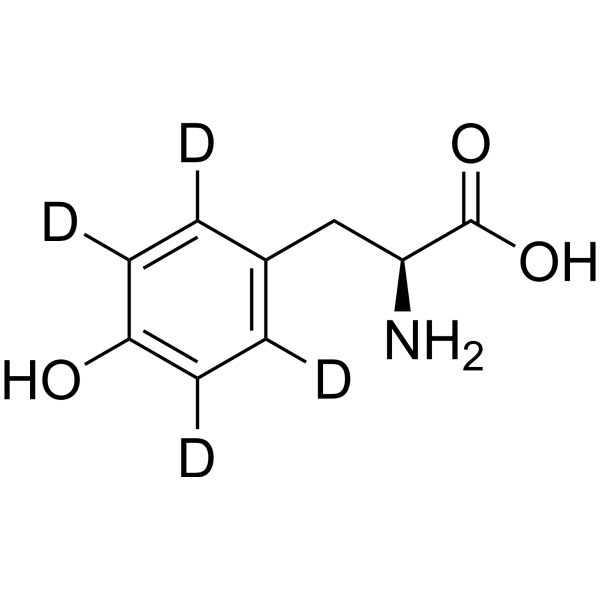
HY-N0473S
L-Tyrosine-d4Citrate Synthase Inhibitor
Publications Citing Use of MedChemExpress (MCE) L-Valine-d8
More

Biological Activity
Description
In Vitro
Stable heavy isotopes of hydrogen, carbon, and other elements have been incorporated into drug molecules, largely as tracers for quantitation during the drug development process. Deuteration has gained attention because of its potential to affect the pharmacokinetic and metabolic profiles of drugs.
MedChemExpress (MCE) has not independently confirmed the accuracy of these methods. They are for reference only. Further protocols information, click here.
Application
1. This compound can be used as a tracer
2. This compound can be used as an internal standard for quantitative analysis by NMR, GC-MS, or LC-MS.


Chemical Information
-
CAS No. 35045-72-8
-
Unlabeled CAS 72-18-4
-
Appearance Solid
-
Molecular Weight 125.20
-
Formula C5H3D8NO2
-
Color White to off-white
-
SMILES
[2H]C([2H])([2H])C(C([2H])([2H])[2H])([2H])[C@@](N)([2H])C(O)=O
-
Synonyms
L-VALINE-2,3,4,4,4,5,5,5-d8
-
Shipping
Room temperature in continental US; may vary elsewhere.
-
Storage
Powder -20°C 3 years 4°C 2 years In solvent -80°C 6 months -20°C 1 month


Publications (1)
-
Journal Impact Factor
-
Most Recent
-
ACS Chem Biol
Exploring the Biosynthetic Potential of Tistrella Species for Producing Didemnin Antitumor Agents. [Abstract]2024 Oct 18;19(10):2176-2185. PMID: 39312286


Solvent & Solubility
In Vitro:
H2O : ≥ 41.67 mg/mL (332.83 mM)
* "≥" means soluble, but saturation unknown.
Please refer to the solubility information to select the appropriate solvent. Once prepared, please aliquot and store the solution to prevent product inactivation from repeated freeze-thaw cycles.
Storage method and period of stock solution: -80°C, 6 months; -20°C, 1 month. When stored at -80°C, please use it within 6 months. When stored at -20°C, please use it within 1 month.
* Note: If you choose water as the stock solution, please dilute it to the working solution, then filter and sterilize it with a 0.22 μm filter before use.
Please refer to the solubility information to select the appropriate solvent. Once prepared, please aliquot and store the solution to prevent product inactivation from repeated freeze-thaw cycles.
Storage method and period of stock solution: -80°C, 6 months; -20°C, 1 month. When stored at -80°C, please use it within 6 months. When stored at -20°C, please use it within 1 month.
* Note: If you choose water as the stock solution, please dilute it to the working solution, then filter and sterilize it with a 0.22 μm filter before use.
Concentration (start) × Volume (start) = Concentration (final) × Volume (final)

Protocols
-
Ferroptosis Solutions
Ferroptosis is an iron-dependent, non-apoptotic form of regulated cell death characterized by lethal lipid peroxidation and sensitivity to suppression by iron chelators or lipophilic radical-trapping antioxidants. The core pathway links cystine uptake through system Xc−, glutathione availability, GPX4-dependent detoxification of phospholipid hydroperoxides, iron-dependent oxidative reactions, and polyunsaturated-phospholipid metabolism into a cell-death program that is biochemically and morphologically distinct from apoptosis, necrosis, and autophagy. The ferroptosis pathway is experimentally linked to phenotype through chemical and genetic perturbation. Erastin induces ferroptosis by inhibiting cystine uptake through system Xc− and weakening antioxidant defenses, while GPX4 inhibition or depletion causes lipid peroxide accumulation and ferroptotic cancer-cell death. ACSL4 and oxidizable arachidonoyl- or adrenoyl-containing phosphatidylethanolamines shape ferroptosis sensitivity by con


Purity & Documentation
-
Data Sheet (279 KB)
-
SDS (394 KB)
- English - EN (394 KB)
- Français - FR (394 KB)
- Deutsch - DE (394 KB)
- Norwegian - NO (394 KB)
- Español - ES (394 KB)
- Swedish - SV (394 KB)
- Italian - IT (394 KB)
- Korean - KR (394 KB)
- Portuguese - PT (394 KB)
-
Handling Instructions (2659 KB)
References
[1]. K Kirubavathi, et al. Synthesis, growth, structural, spectroscopic and optical studies of a new semiorganic nonlinear optical crystal: L-valine hydrochloride. Spectrochim Acta A Mol Biomol Spectrosc. 2008 Apr;69(4):1283-6. [Content Brief]
[2]. Zhang BH, et al., L-valine, an antialgal amino acid from Streptomyces jiujiangensis JXJ 0074(T). Appl Microbiol Biotechnol. 2016 May;100(10):4627-36. [Content Brief]
[3]. Chen XH, et al., Exogenous l-Valine Promotes Phagocytosis to Kill Multidrug-Resistant Bacterial Pathogens. Front Immunol. 2017 Mar 6;8:207. [Content Brief]


Complete Stock Solution Preparation Table
Please refer to the solubility information to select the appropriate solvent. Once prepared, please aliquot and store the solution to prevent product inactivation from repeated freeze-thaw cycles.
Storage method and period of stock solution: -80°C, 6 months; -20°C, 1 month. When stored at -80°C, please use it within 6 months. When stored at -20°C, please use it within 1 month.
| Optional Solvent | Concentration Solvent Mass | 1 mg | 5 mg | 10 mg | 25 mg |
|---|---|---|---|---|---|
| H2O | 1 mM | 7.9872 mL | 39.9361 mL | 79.8722 mL | 199.6805 mL |
| 5 mM | 1.5974 mL | 7.9872 mL | 15.9744 mL | 39.9361 mL | |
| 10 mM | 0.7987 mL | 3.9936 mL | 7.9872 mL | 19.9681 mL | |
| 15 mM | 0.5325 mL | 2.6624 mL | 5.3248 mL | 13.3120 mL | |
| 20 mM | 0.3994 mL | 1.9968 mL | 3.9936 mL | 9.9840 mL | |
| 25 mM | 0.3195 mL | 1.5974 mL | 3.1949 mL | 7.9872 mL | |
| 30 mM | 0.2662 mL | 1.3312 mL | 2.6624 mL | 6.6560 mL | |
| 40 mM | 0.1997 mL | 0.9984 mL | 1.9968 mL | 4.9920 mL | |
| 50 mM | 0.1597 mL | 0.7987 mL | 1.5974 mL | 3.9936 mL | |
| 60 mM | 0.1331 mL | 0.6656 mL | 1.3312 mL | 3.3280 mL | |
| 80 mM | 0.0998 mL | 0.4992 mL | 0.9984 mL | 2.4960 mL | |
| 100 mM | 0.0799 mL | 0.3994 mL | 0.7987 mL | 1.9968 mL |
* Note: If you choose water as the stock solution, please dilute it to the working solution, then filter and sterilize it with a 0.22 μm filter before use.


L-Valine-d8 Related Classifications
HY-I1124 Related Classifications
 Powered by Bioz