



Branched Fatty Acids
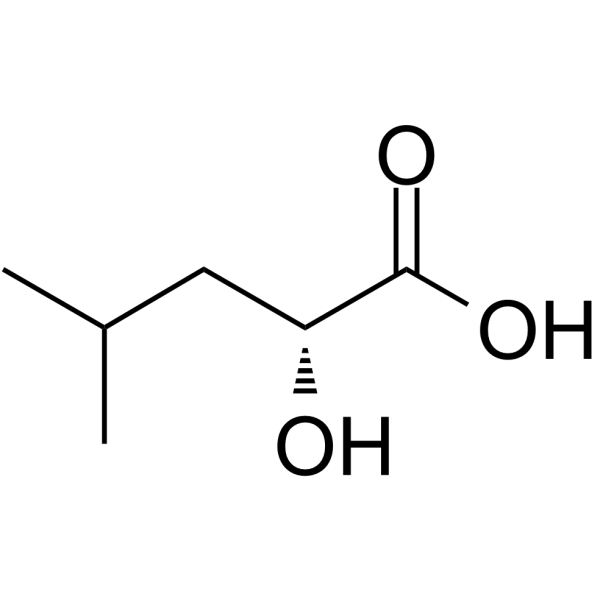
- Formula: C6H12O3
- Molecular Weight: 132.16
(R)-Leucic acid (D-α-Hydroxyisocaproic acid) is an orally active D-isomer of the α-hydroxy analogue of Leucine (HY-N0486). (R)-Leucic acid is a metabolite of Lactobacillus and can promote intestinal fatty acid absorption by upregulating CD36 expression. (R)-Leucic acid can be used to study microbe-host interactions and the regulation of lipid metabolism by probiotics.
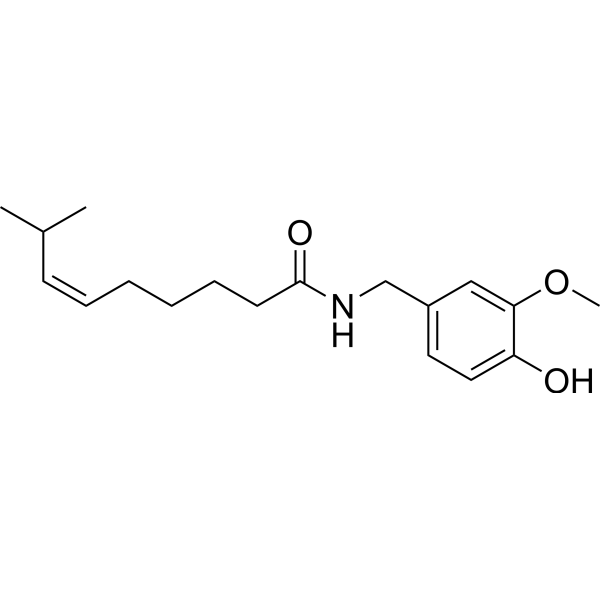
- Formula: C18H27NO3
- Molecular Weight: 305.41
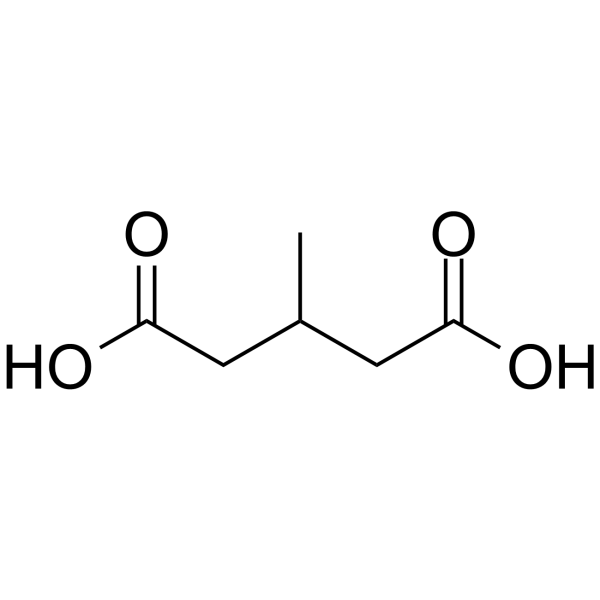
- Formula: C6H10O4
- Molecular Weight: 146.14
3-Methylglutaric acid is a non-selective inhibitor of mitochondrial function and Na+, K+-ATPase, with an inhibition rate of 30% on rat cortical synaptosomal Na+, K+-ATPase. 3-Methylglutaric acid can induce reactive oxygen species (ROS) generation, thereby causing oxidative damage and inhibiting mitochondrial redox potential and ion pump function of cell membranes. 3-Methylglutaric acid can be used to study the neuropathological mechanisms of metabolic diseases and the role of oxidative stress-mediated neuronal damage in neurodegeneration.
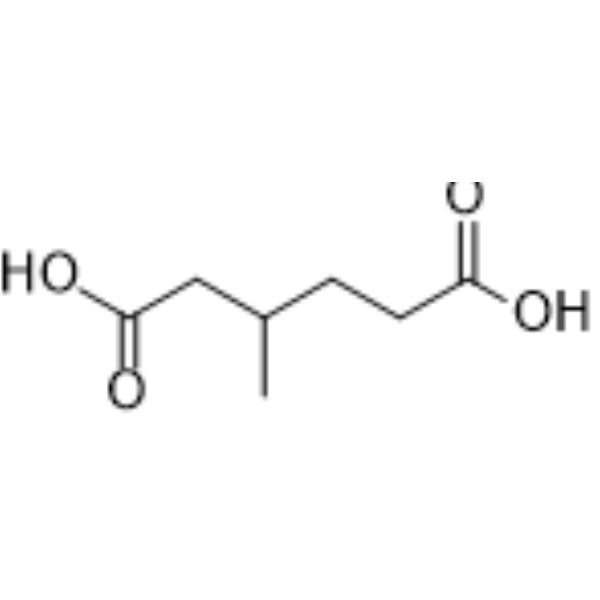
- Formula: C7H12O4
- Molecular Weight: 160.17
3-Methyladipic acid is the final metabolite produced by the degradation of phytanic acid via the ω-oxidation pathway when α-oxidation is impaired, and it is mainly excreted in urine. 3-Methyladipic acid is also present at low levels in healthy individuals, but is significantly elevated in Refsum disease, and can serve as a marker of ω-oxidation activity.
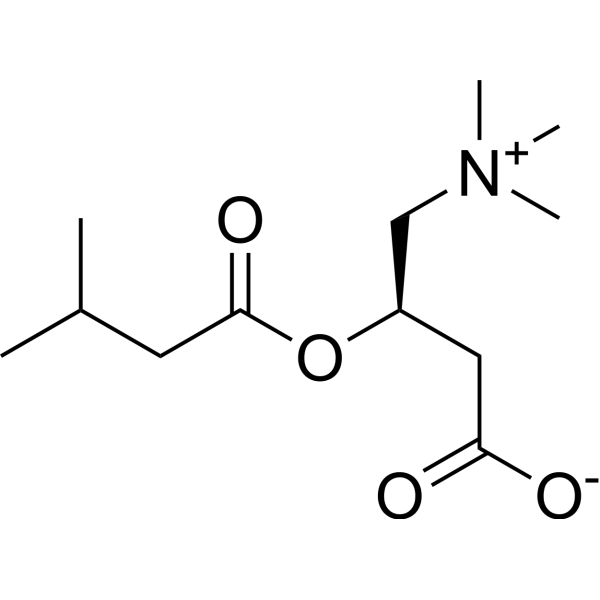
- Formula: C12H23NO4
- Molecular Weight: 245.32
Isovalerylcarnitine is a metabolite of leucine. Isovalerylcarnitine can specifically activate calpain in human neutrophils. Isovalerylcarnitine inhibits tumor cell proliferation and induces apoptosis. Elevated circulating levels of Isovalerylcarnitine are negatively correlated with reduced lung cancer risk.
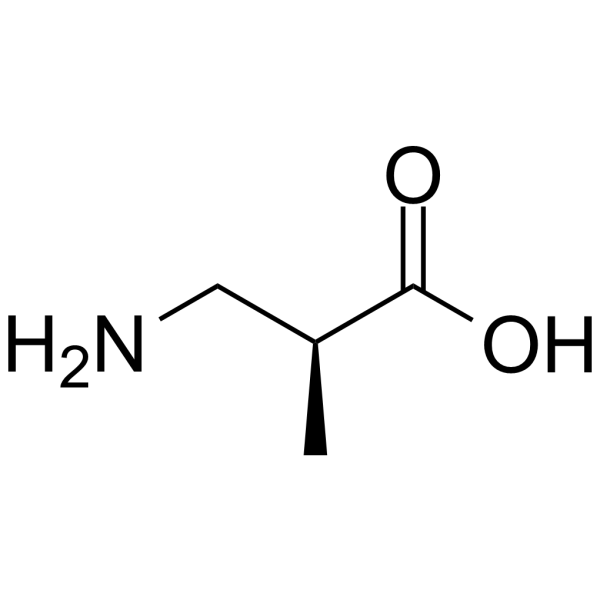
- Formula: C4H9NO2
- Molecular Weight: 103.12
(S)-β-Aminoisobutyric acid is an orally active S-isomer of β-Aminoisobutyric acid (HY-W012974). (S)-β-Aminoisobutyric acid can be produced through the catabolism of thymine and valine. (S)-β-Aminoisobutyric acid reduces apoptosis and increases the ratio of p-AMPK. (S)-β-Aminoisobutyric acid has cardioprotective effects. (S)-β-Aminoisobutyric acid is associated with acute aerobic exercise.
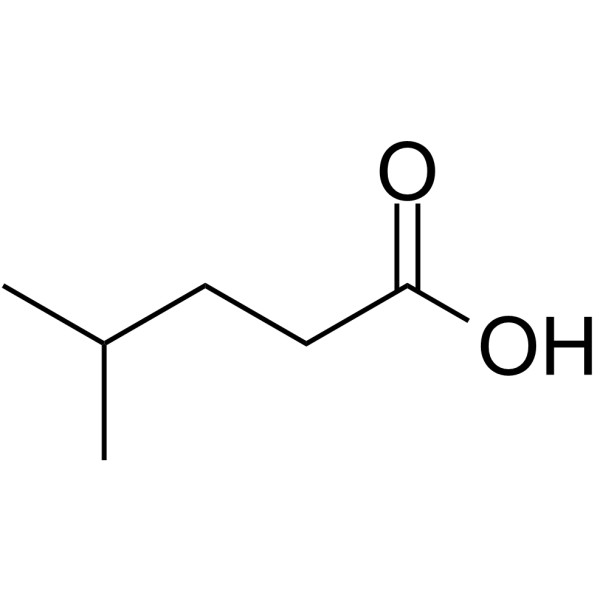
- Formula: C6H12O2
- Molecular Weight: 116.16
4-Methylpentanoic acid (Isocaproic Acid) is a short-chain fatty acid and a metabolite of 20 α-hydroxycholesterol (HY-12316) that can be detected in feces. The concentration of 4-Methylpentanoic acid is closely associated with several diseases, such as depression. 4-Methylpentanoic acid is also applicable to studies on cholesterol metabolism.
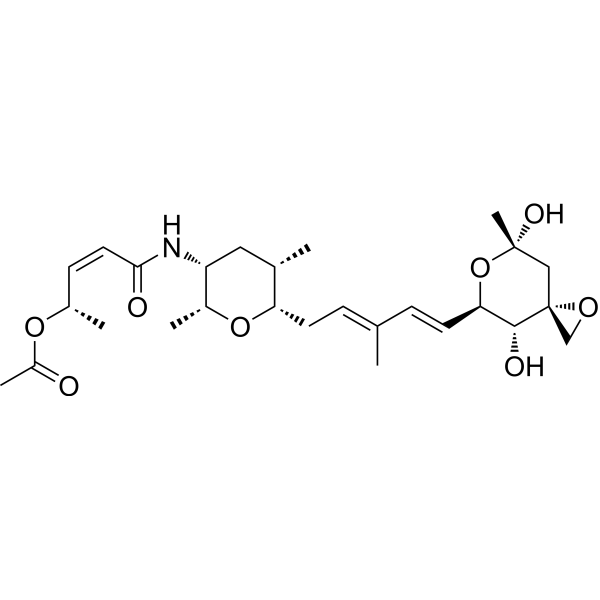
- Formula: C27H41NO8
- Molecular Weight: 507.62
FR901464 is a potent spliceosome inhibitor with prominent anti-tumor and anti-cancer effects.
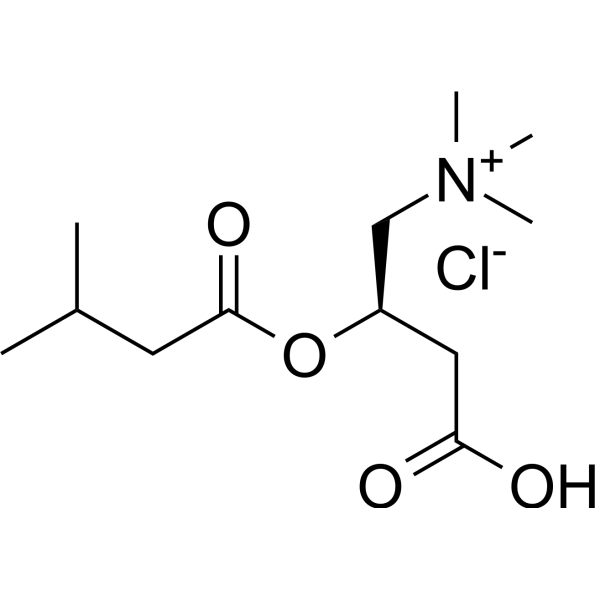
- Formula: C12H24ClNO4
- Molecular Weight: 281.78
Isovalerylcarnitine chloride is a metabolite of leucine. Isovalerylcarnitine chloride can specifically activate calpain in human neutrophils. Isovalerylcarnitine chloride inhibits tumor cell proliferation and induces apoptosis. Elevated circulating levels of Isovalerylcarnitine chloride are negatively correlated with reduced lung cancer risk.
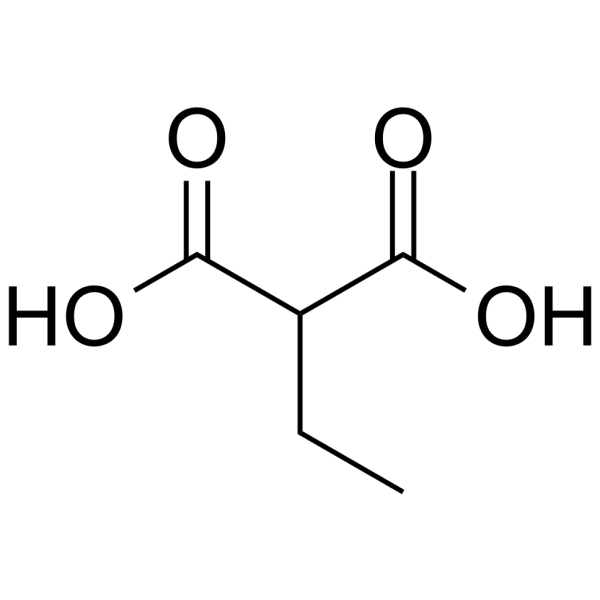
- Formula: C5H8O4
- Molecular Weight: 132.11
Ethylmalonic acid is a short-chain organic dicarboxylic acid. Ethylmalonic acid synergistically induces mitochondrial permeability transition (MP) with Ca2+, inhibits Mi-CK, and disrupts mitochondrial energy metabolism. Ethylmalonic acid can be used in the research of SCADD, EE and other genetic metabolic diseases characterized by EMA accumulation.
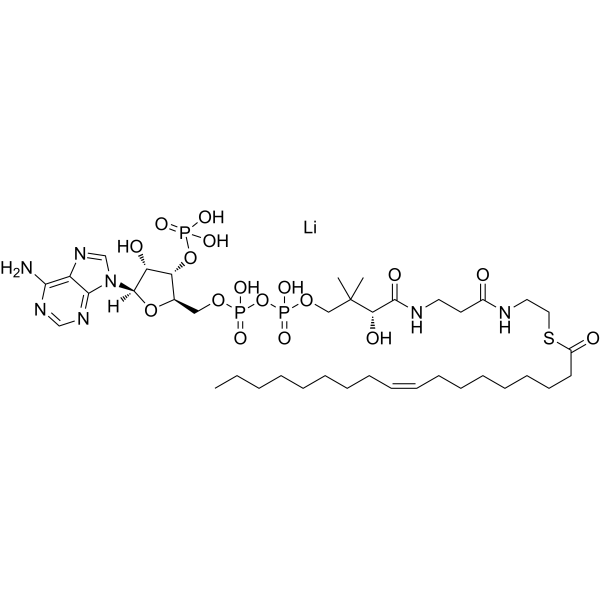
- Formula: C39H68LiN7O17P3S
- Molecular Weight: 1038.92
Oleoyl coenzyme A (Oleoyl-CoA) lithium is a thioester of oleic acid and coenzyme A. Oleoyl coenzyme A lithium has a role as an Escherichia coli metabolite and a mouse metabolite.
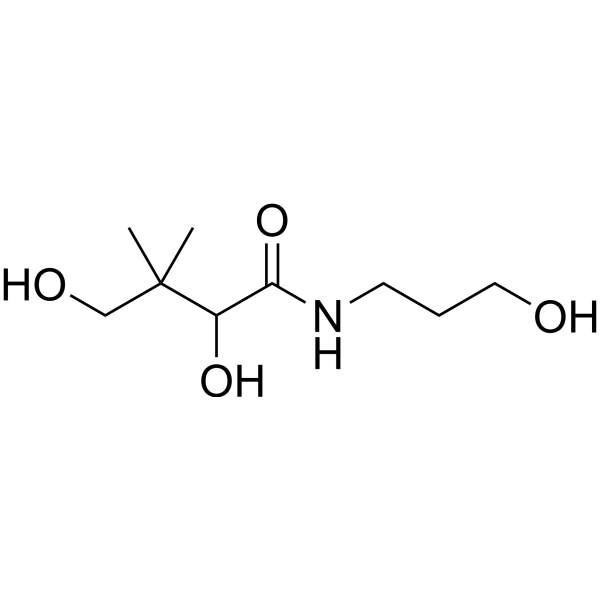
- Formula: C9H19NO4
- Molecular Weight: 205.25
DL-Panthenol (DL-Pantothenol) is a precursor of pantothenic acid. DL-Panthenol easily penetrates the skin and has effects of deep moisturizing, promoting wound healing and anti-inflammation. DL-Panthenol can also be used as a hair conditioner in cosmetics. DL-Panthenol has low acute toxicity, non-sensitizing property, and no significant genotoxicity or reproductive and developmental toxicity. DL-Panthenol can be applied to the research of cosmetics.
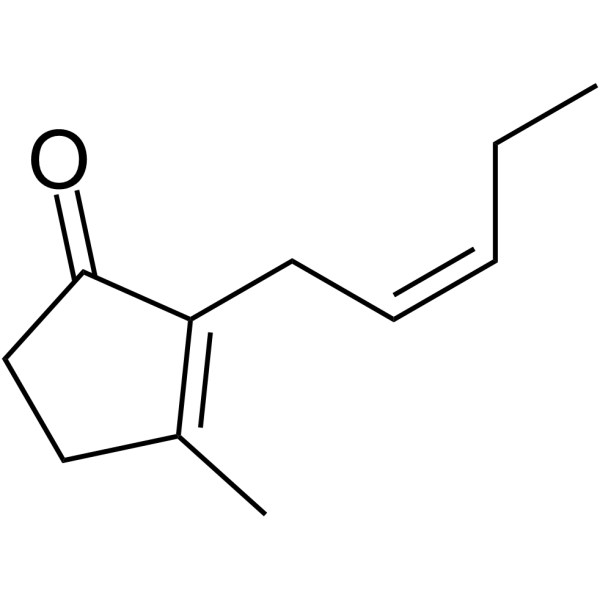
- Formula: C11H16O
- Molecular Weight: 164.24
Cis-Jasmone is a plant-derived natural product. Cis-Jasmone is constitutively released by many flowers and sometimes by leaves as an attractant for pollinators or as a chemical cue for host location by insect flower herbivores. Cis-Jasmone treatment of crop plants not only induces direct defense against herbivores, but also induces indirect defense by releasing VOCs that attract natural enemies.
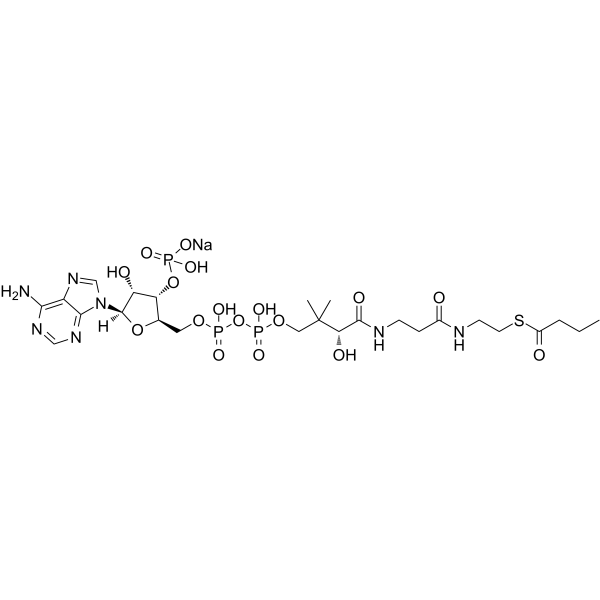
- Formula: C25H41N7NaO17P3S
- Molecular Weight: 859.61
Butyryl-Coenzyme A (Butyryl CoA) sodium is a coenzyme A-containing derivative of Butyric acid. Butyryl-Coenzyme A sodium is responsible for the final step of Butyrate production in bacteria.
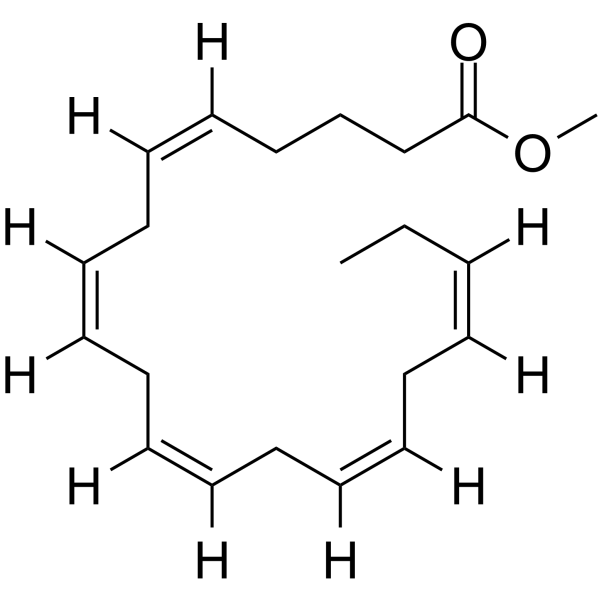
- Formula: C21H32O2
- Molecular Weight: 316.49
Eicosapentaenoic acid methyl ester is a degradation product of monogalactosyldiacylglycerol (Compound 1). Compound 1 can be isolated from the marine diatom Phaeodactylum tricornutum. Compound 1 induces Apoptosis.
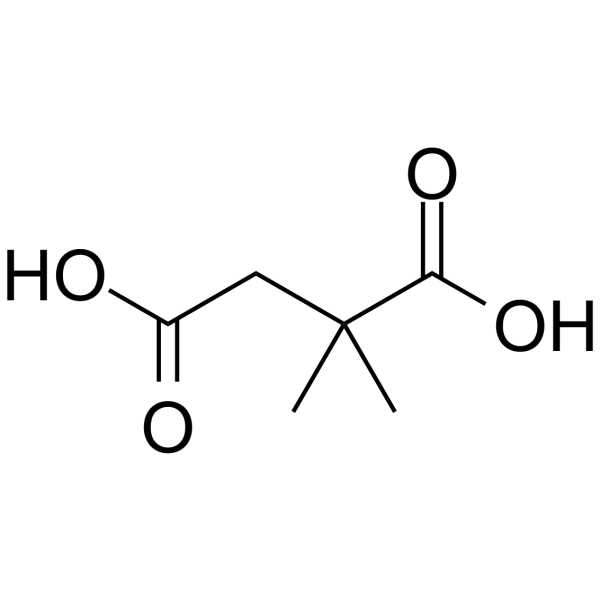
- Formula: C6H10O4
- Molecular Weight: 146.14
2,2-Dimethylsuccinic acid belongs to the class of organic compounds known as methyl-branched fatty acids.
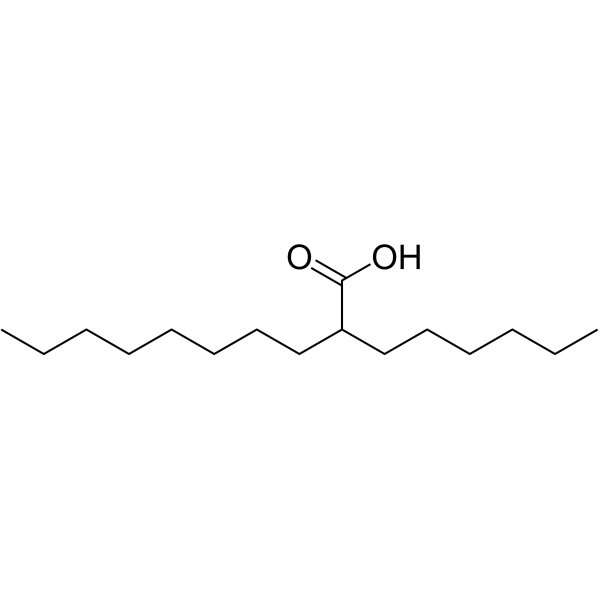
- Formula: C16H32O2
- Molecular Weight: 256.42
2-Hexyldecanoic acid is a lipid containing one carboxylic acid group and two non-polar tails. In the presence of EDC, HATU and DCC, carboxylic acid groups can undergo continuous amide coupling reactions with amine-containing biomolecules to form stable amide bonds. 2-Hexyldecanoic acid can be used as an aerolysin inhibitor to prevent bacterial pathogens. 2-Hexyldecanoic acid can cause contact dermatitis.

- Formula: C4H9NO2
- Molecular Weight: 103.12
(R)-β-Aminoisobutyric acid is a β-amino acid. (R)-β-Aminoisobutyric acid boosts myeloperoxidase microbicidal activity against susceptible microorganisms. (R)-β-Aminoisobutyric acid can be used for the research of bacterial infections.
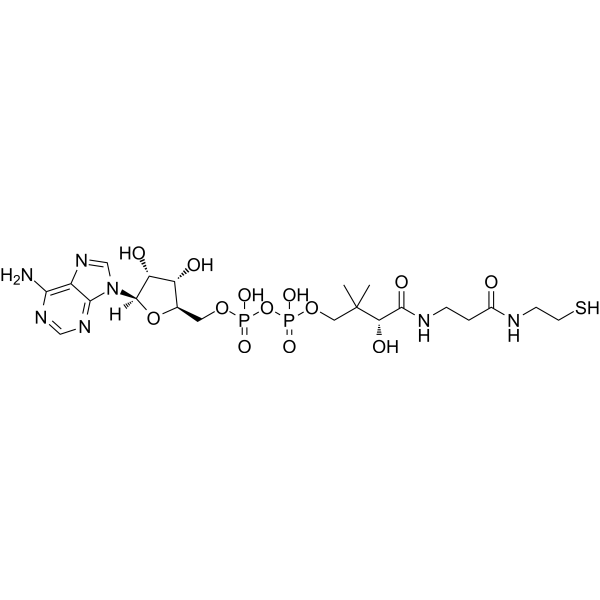
- Formula: C21H35N7O13P2S
- Molecular Weight: 687.55
Dephospho-CoA is a key intermediate in the biosynthesis of coenzyme A (CoA), which is catalyzed to form CoA by GTP-dependent Dephospho-CoA kinase (DPCK). Dephospho-CoA completes the final synthetic step of CoA via phosphorylation and participates in energy metabolism and cellular signal transduction. Dephospho-CoA can be used in studies involving cancer (e.g., regulation of cell proliferation) and metabolic diseases (e.g., mitochondrial dysfunction).



