



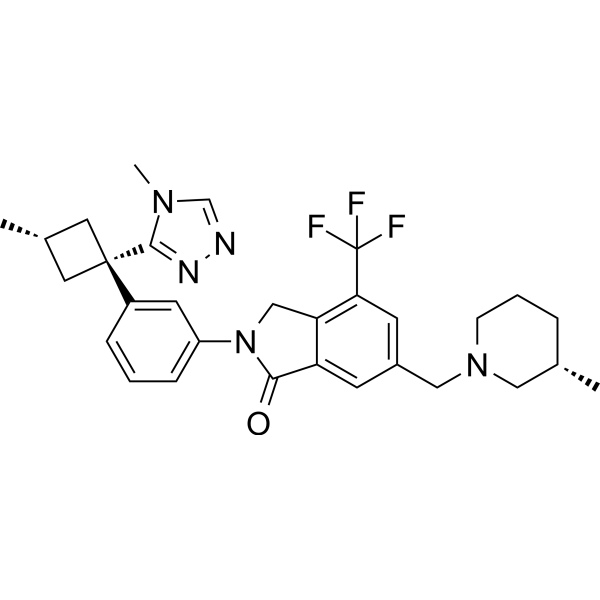
NX-1607 (Cbl-b-IN-3) (GMP) is a GMP-grade NX-1607 (HY-141432). GMP-grade small molecules can be used as adjuvant agents in cell therapy. NX-1607 (GMP) enhances antigen recall, reduces T cell exhaustion and increases cytokine production. NX-1607 is an inhibitor of Cbl-b (an E3 enzyme).
연구목적의 판매만을 진행합니다. 환자를 대상으로 한 판매는 하지 않습니다.
- CAS No.: 2573775-59-2
- 화학식: C30H34F3N5O
- 분자량:537.62
-
보관:
Please store the product under the recommended conditions in the Certificate of Analysis.


To place orders, for customer services and technical support, please contact: MedChemExpress USA
Tel: 609-228-6898 E-mail: [email protected] [email protected]


-
 Biological Activity
-
Chemical Information
- Protocol
- 순도&문서
- References
-
 Help & FAQs


-
HY-141432
NX-1607Cbl-b Inhibitor -
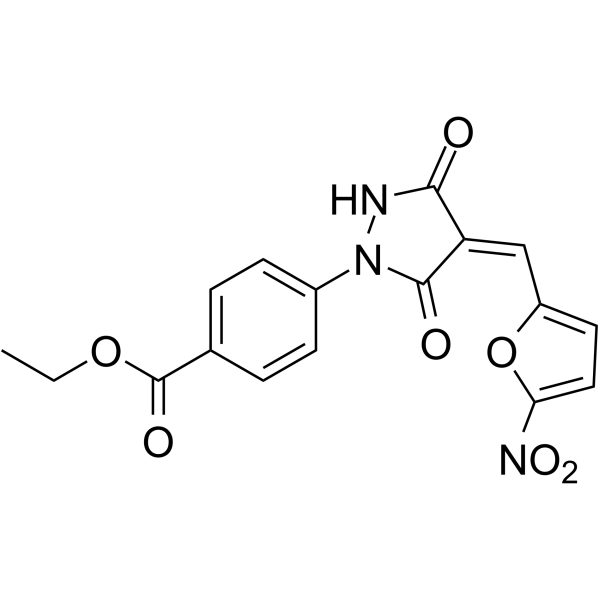
HY-13296
PYR-41Ubiquitin-Activating Enzyme E1 Inhibitor -
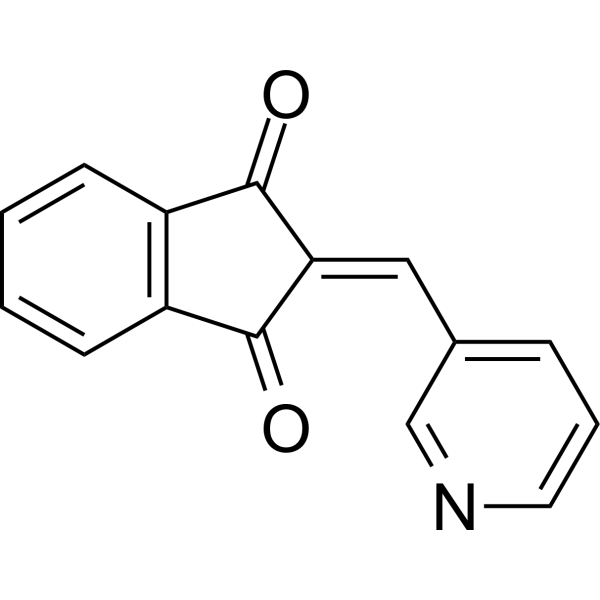
HY-19817
PRT4165E1/E2/E3 Enzyme Inhibitor -
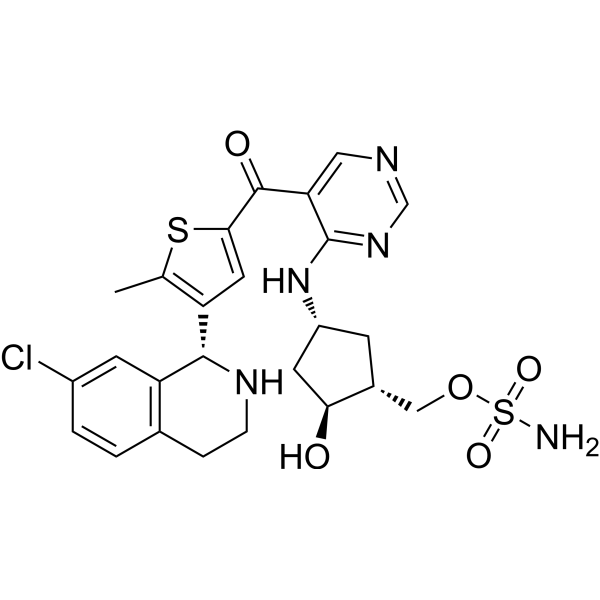
HY-111789
SubasumstatSUMOylation Inhibitor -
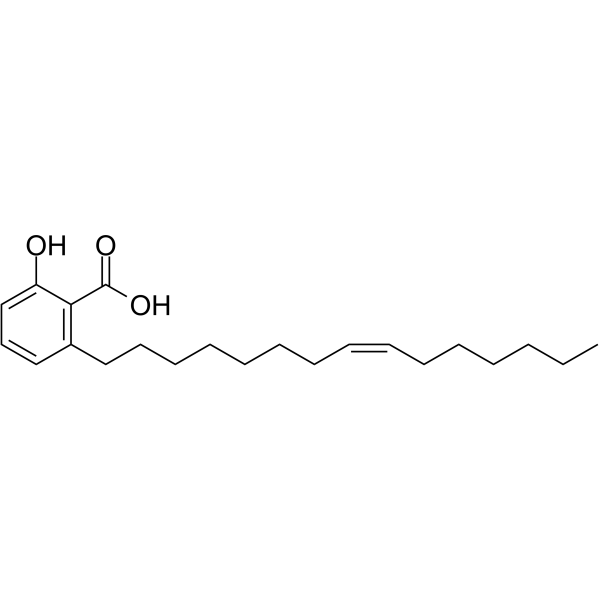
HY-N0077
Ginkgolic acidE1/E2/E3 Enzyme Inhibitor -
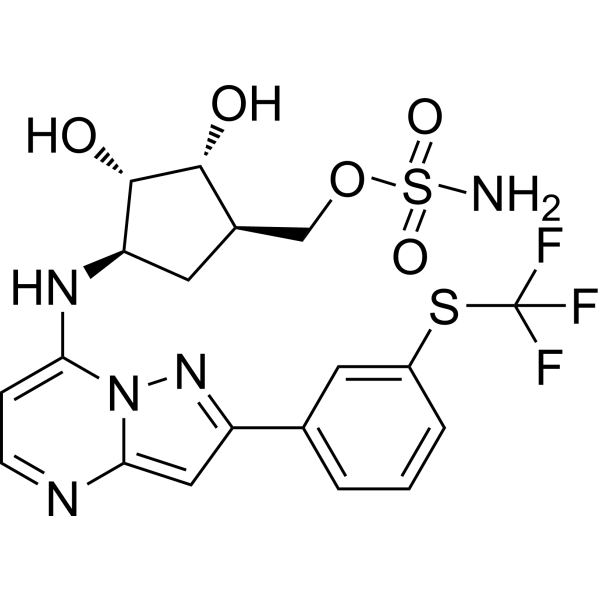
HY-100487
TAK-243UAE/E1 Inhibitor -
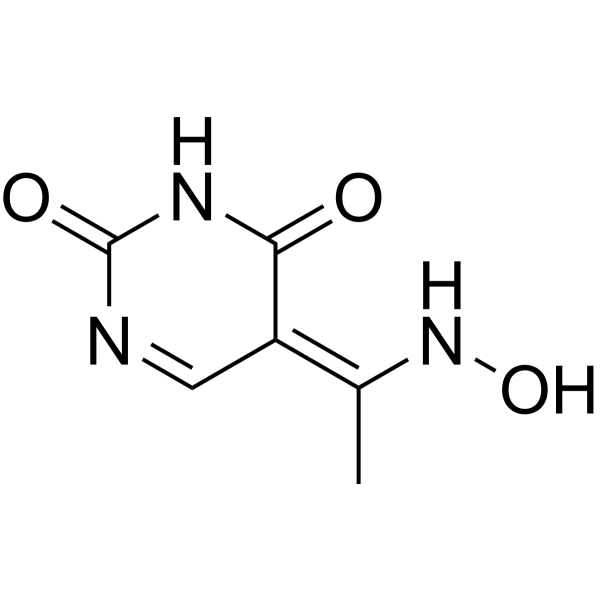
HY-103236
NSC232003UHRF1 Inhibitor -
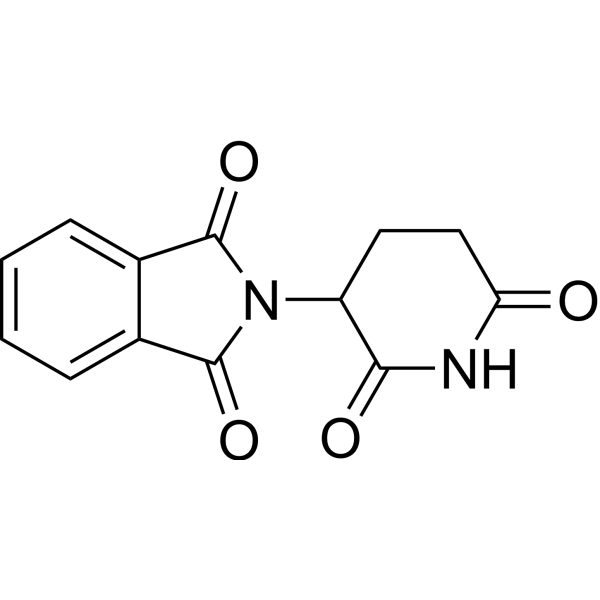
HY-14658
ThalidomideCereblon Inhibitor -
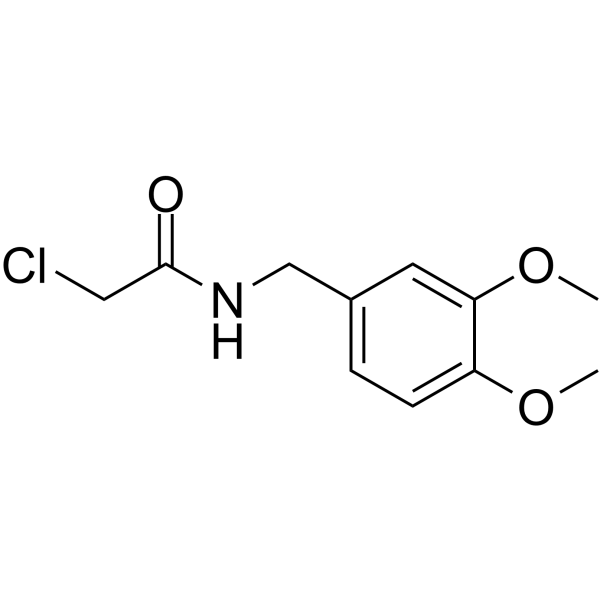
HY-101836
DKM 2-93UBA5 Inhibitor -
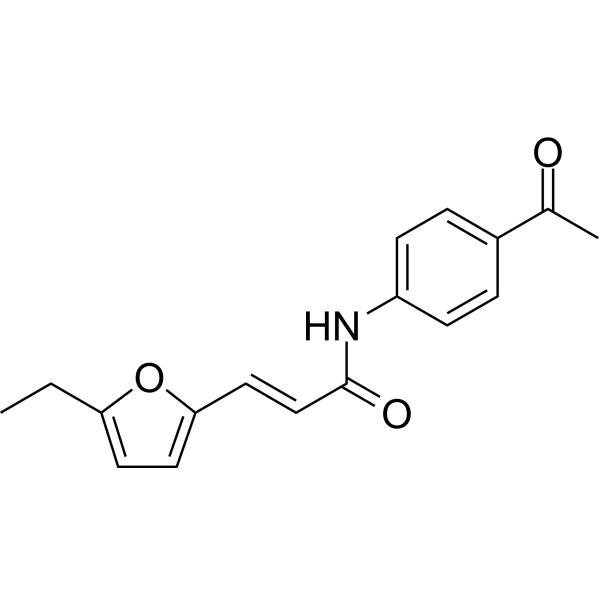
HY-110204
HeclinE1/E2/E3 Enzyme Inhibitor -
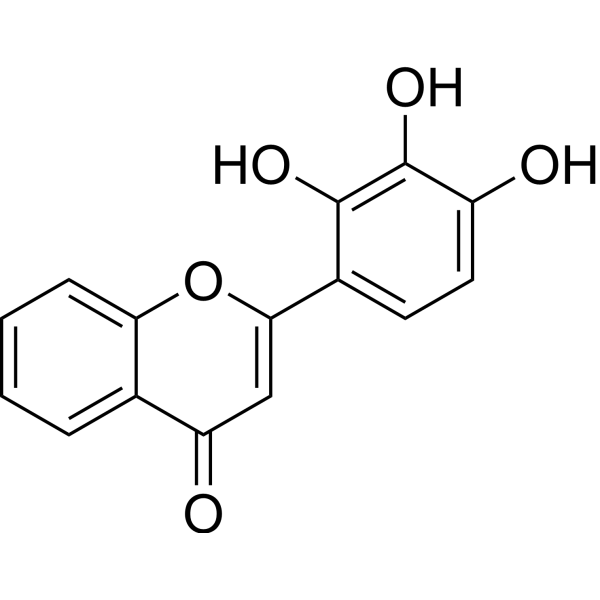
HY-114166
2-D08Sumoylation Inhibitor -
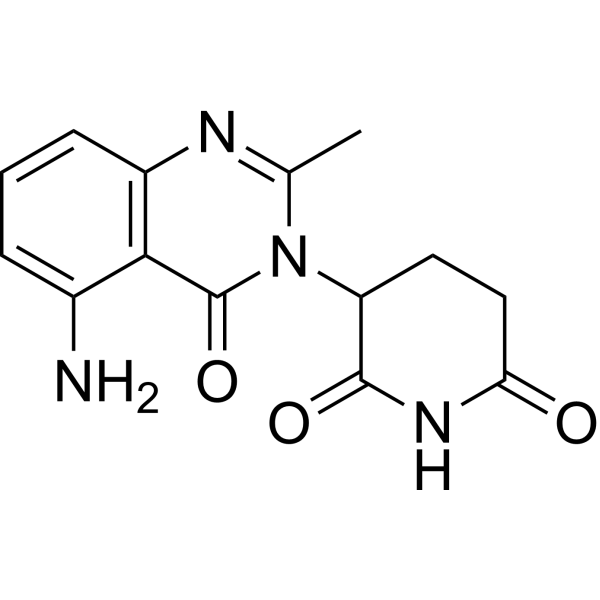
HY-100507
AvadomideCereblon Modulator


Biological Activity
제품 설명


Chemical Information
-
CAS No. 2573775-59-2
-
분자량 537.62
-
화학식 C30H34F3N5O
-
SMILES
CN1C([C@@]2(C3=CC(N4CC5=C(C(F)(F)F)C=C(CN6C[C@H](CCC6)C)C=C5C4=O)=CC=C3)C[C@H](C2)C)=NN=C1
-
Synonyms
Cbl-b-IN-3 (GMP)
-
선적
Room temperature in continental US; may vary elsewhere.
-
보관
Please store the product under the recommended conditions in the Certificate of Analysis.

Protocol
-
Research Protocol for Inflammation-related Diseases
The NLRP3 inflammasome is a cytosolic innate immune signaling platform that integrates priming signals and danger-signal activation to promote caspase-1 activation, maturation of IL-1β and IL-18, and gasdermin D-mediated pyroptotic cell death. The core experimental logic is to determine whether inflammatory disease phenotypes are driven by increased NLRP3 expression, ASC-containing inflammasome assembly, caspase-1 cleavage, GSDMD cleavage, and extracellular release of IL-1β/IL-18 rather than by nonspecific cell injury alone. The pathway is strongly linked to inflammation-related disease phenotypes because monosodium urate crystals activate NALP3/NLRP3 inflammasome signaling in gout-like crystal inflammation, cholesterol crystals activate NLRP3 inflammasomes in atherogenesis models, and DSS-induced intestinal inflammation has been reported to involve NLRP3 inflammasome activity. However, experimental colitis studies also show context-dependent protective effects of NLRP3 inflammasome co
-
Research Protocol for Cancer Immunology
Cancer immunology studies how the immune system recognizes, suppresses, edits, or fails to eliminate malignant cells through tumor antigen release, antigen presentation, T-cell priming, immune trafficking, tumor-cell killing, and feedback inhibition in the tumor microenvironment. The cancer-immunity cycle links tumor antigenicity, dendritic-cell priming, CD8+ T-cell infiltration, cytotoxic function, and immune-checkpoint regulation to tumor rejection or immune escape. Immune-checkpoint pathways such as PD-1/PD-L1 and CTLA-4 suppress antitumor T-cell activity and can be therapeutically blocked, but many tumors remain resistant because of poor antigen presentation, weak T-cell infiltration, suppressive myeloid cells, regulatory T cells, and tumor-intrinsic immune-exclusion programs. Unresolved questions include which immune-cell states predict response, how tumor-intrinsic pathways exclude immune cells, how myeloid suppression limits checkpoint blockade, and which combination strategies
-
Directly Induced Neuron Culture
Directly induced neuron culture converts somatic cells, most commonly fibroblasts, into induced neurons without passing through a pluripotent or neural progenitor stage; classic evidence shows that mouse fibroblasts can be converted by Ascl1, Brn2/Pou3f2, and Myt1l, human fibroblasts can be converted by defined neuronal transcription factors, and human fibroblasts can also be converted by miR-9/9-124 with neurogenic or subtype-specifying transcription factors. The readout is acquisition of neuronal identity and function, assessed by neuronal morphology, neuronal markers such as Tuj1/βIII-tubulin, MAP2, synapsin, and subtype markers when relevant, together with functional assays such as action-potential firing, synaptic activity, and electrophysiology.


순도&문서
References

Calculators
Concentration (start) × Volume (start) = Concentration (final) × Volume (final)


NX-1607 (GMP) Related Classifications
HY-141432G Related Classifications
 Powered by Bioz