



Phospholipase D, Streptomyces chromofuscus

Based on 1 Customer Validation
Phospholipase D, Streptomyces chromofuscus (PLD) is an enzyme of the phospholipase superfamily, which widely exists in bacteria, yeast, plants, animals and viruses, and is often used in biochemical research. Phospholipase D can catalyze the hydrolysis of phosphodiester bonds in glycerophospholipids to produce phosphatidic acid and soluble choline. Phospholipase D is involved in a variety of disease-related processes, including diabetes, atherogenesis, obesity, tumorigenesis, immune response, and neuroendocrine function.
For research use only. We do not sell to patients.
- CAS No.: 9001-87-0
-
Storage:
Please store the product under the recommended conditions in the Certificate of Analysis.


To place orders, for customer services and technical support, please contact: MedChemExpress USA
Tel: 609-228-6898 E-mail: [email protected] [email protected]


-
 Biological Activity
-
Chemical Information
-
Solvent & Solubility
- Protocols
- Purity & Documentation
- References
-
 Help & FAQs


-
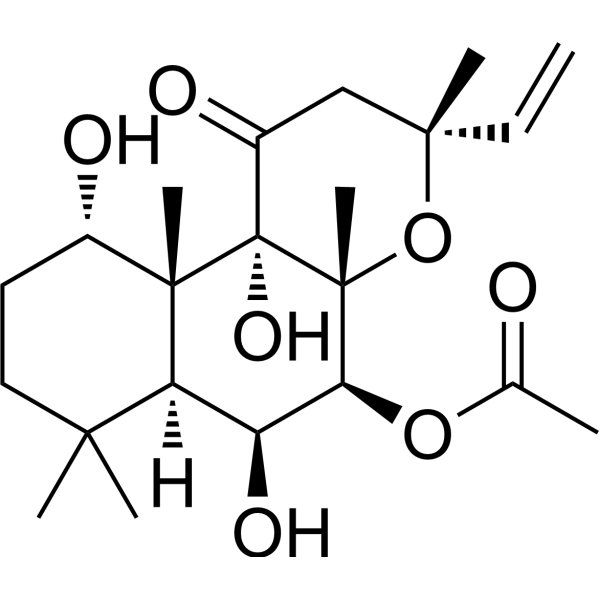
HY-15371
ForskolinAdenylate Cyclase Activator -
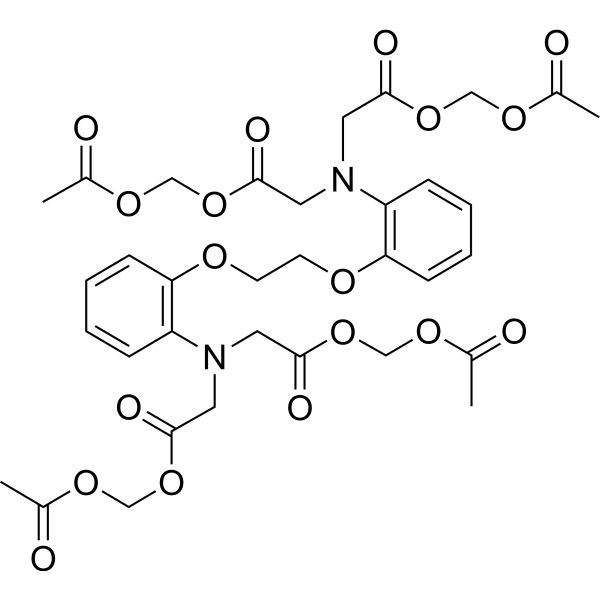
HY-100545
BAPTA-AMCa2+ Chelator -
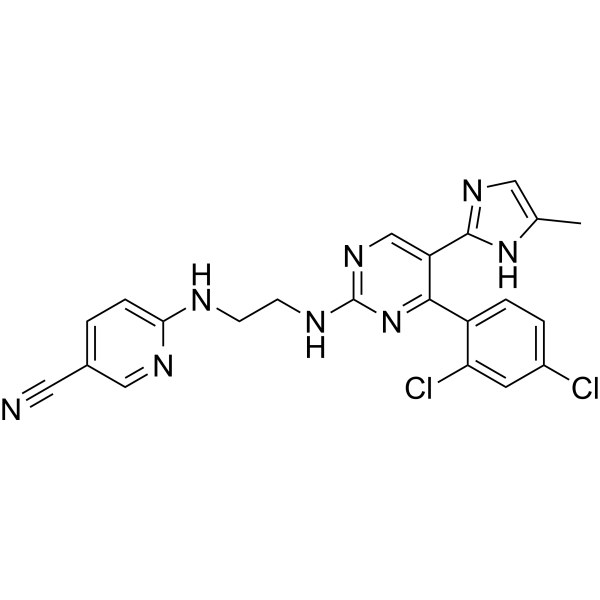
HY-10182
LaduviglusibGSK-3 Inhibitor -
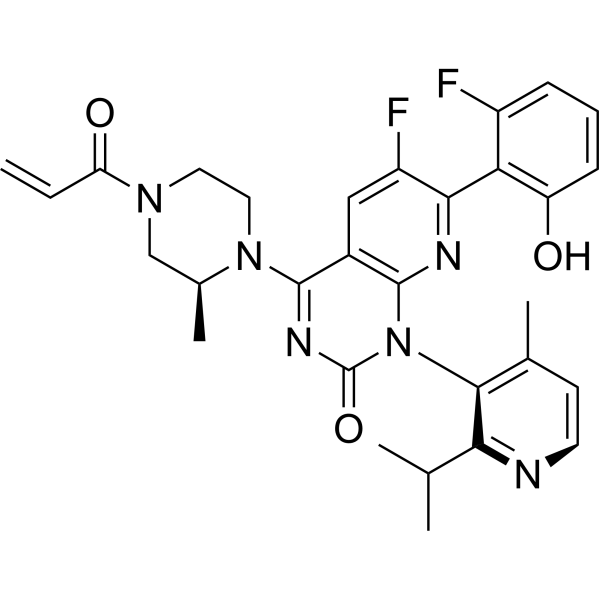
HY-114277
SotorasibKRAS G12C Inhibitor -
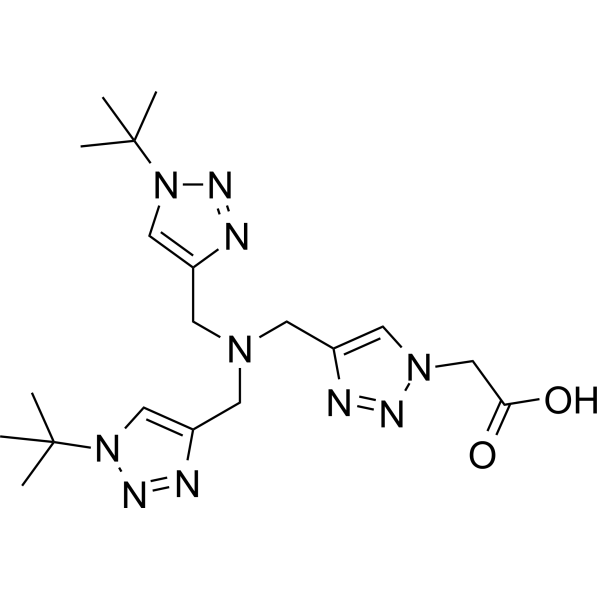
HY-100486
BTTAACu(I)-stabilizing Ligand -
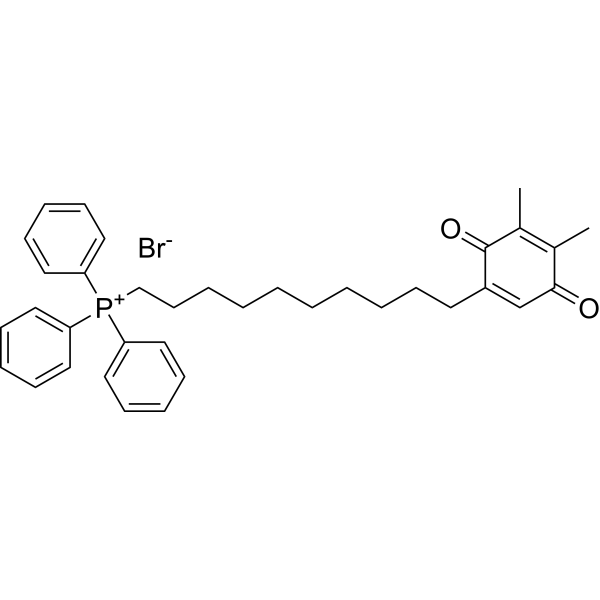
HY-100474
SKQ1Mitochondrial-targeted Antioxidant -

HY-P2812A
Phospholipase D, peanutPhospholipase -

HY-P2812B
Phospholipase D, cabbagePhosphatidylcholine Hydrolase
All Phospholipase Isoforms
More

Biological Activity
Description
In Vitro
Product Information
This product is an enzyme preparation refined from natural strains through deep liquid fermentation, and contains highly active phospholipase. It can specifically catalyze the hydrolysis of the phosphatidyl diester bond at the end of phosphatidylcholine to generate phosphatidic acid and choline.
Temperature range: effective temperature range 35°C-55°C, optimum temperature 40°C-50°C
pH range: effective pH range pH4.0-7.5, optimum pH 5.0-6.0
Instructions
Diluted with water.
MedChemExpress (MCE) has not independently confirmed the accuracy of these methods. They are for reference only. Further protocols information, click here.
Clinical Trial
| NCT Number | Sponsor | Condition | Start Date |
Phase

|
|---|---|---|---|---|
| NCT01329991 | Plexxikon| | 2011-05 | PHASE1 |
EC Number
3.1.4.4
Enzyme Activity
≥50000 U/mL
Unit Definition
One unit is defined as the amount of enzyme that will release 1 μmol of choline from L-αphosphatidylcholine per hour at pH 8.0 and 37°C


Chemical Information
-
CAS No. 9001-87-0
-
Appearance Liquid
-
Color Light yellow to yellow
-
SMILES
[Phospholipase D, Streptomyces chromofuscus]
-
Synonyms
PLD
-
Shipping
Room temperature in continental US; may vary elsewhere.
-
Storage
Please store the product under the recommended conditions in the Certificate of Analysis.


Solvent & Solubility
In Vitro:
H2O : ≥ 100 mg/mL
* "≥" means soluble, but saturation unknown.

Protocols
-
Research Protocol for Metabolic Diseases
AMP-activated protein kinase, AMPK, is a conserved cellular energy sensor that responds to reduced cellular energy status and coordinates metabolism by increasing ATP-generating catabolic pathways while suppressing ATP-consuming anabolic processes. In metabolic disease research, the AMPK pathway is experimentally relevant because it regulates hepatic lipid synthesis, fatty acid oxidation, glucose production, skeletal-muscle glucose disposal, mTORC1-linked biosynthesis, autophagy, mitochondrial homeostasis, and whole-body energy balance. The central pathway logic is that energy stress, metformin, exercise-like stimulation, or direct AMPK activators increase AMPKα Thr172 phosphorylation and downstream substrate phosphorylation, including ACC and RAPTOR. Phosphorylation of ACC suppresses lipogenesis and supports fatty acid oxidation, whereas phosphorylation of RAPTOR suppresses mTORC1 signaling and links cellular energy status to growth and protein synthesis control. The pathway is linked


Purity & Documentation
-
Data Sheet (265 KB)
-
SDS (419 KB)
- English - EN (419 KB)
- Français - FR (419 KB)
- Deutsch - DE (419 KB)
- Norwegian - NO (419 KB)
- Español - ES (419 KB)
- Swedish - SV (419 KB)
- Italian - IT (419 KB)
- Korean - KR (419 KB)
- Portuguese - PT (419 KB)
-
Handling Instructions (2659 KB)
References

Calculators
Concentration (start) × Volume (start) = Concentration (final) × Volume (final)


Phospholipase D, Streptomyces chromofuscus Related Classifications
HY-P2812 Related Classifications
 Powered by Bioz