



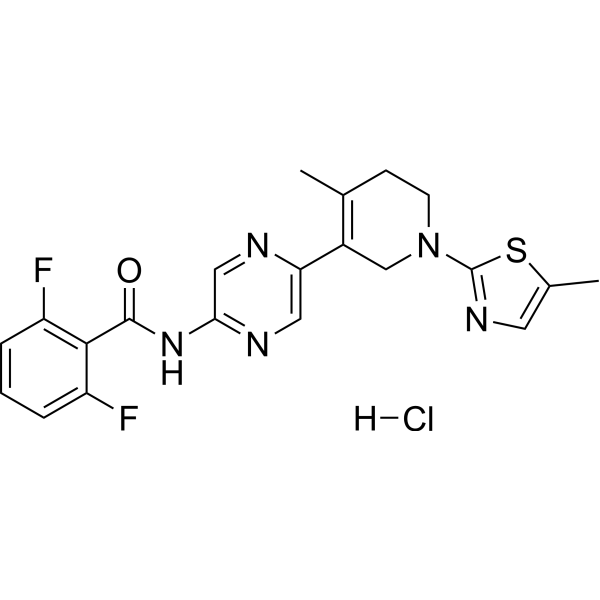
RO2959 monohydrochloride
Based on 5 publication(s) in Google Scholar
RO2959 monohydrochloride is a potent and selective CRAC channel inhibitor with an IC50 of 402 nM. RO2959 monohydrochloride is a potent blocker of store operated calcium entry (SOCE) mediated by Orai1/Stim1 channels with an IC50 of 25 nM. RO2959 monohydrochloride is also a potent inhibitor of human IL-2 production, and potently blocks T cell receptor triggered gene expression and T cell functional pathways.
For research use only. We do not sell to patients.
- Purity : 98.03%
- CAS No.: 2309172-44-7
- Formula: C21H20ClF2N5OS
- Molecular Weight:463.93
-
Storage:
4°C, sealed storage, away from moisture
* In solvent : -80°C, 6 months; -20°C, 1 month (sealed storage, away from moisture)

To place orders, for customer services and technical support, please contact: MedChemExpress USA
Tel: 609-228-6898 E-mail: [email protected] [email protected]


-
 Biological Activity
-
Chemical Information
-
Solvent & Solubility
- Protocols
- Purity & Documentation
- References
-
 Help & FAQs


-
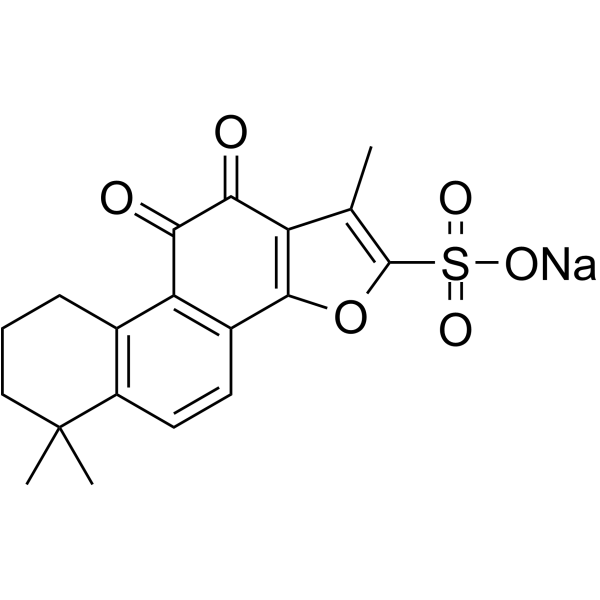
HY-N1370
Tanshinone IIA sulfonate sodiumSOCE Inhibitor -
HY-K2014
PEI Transfection Reagent -
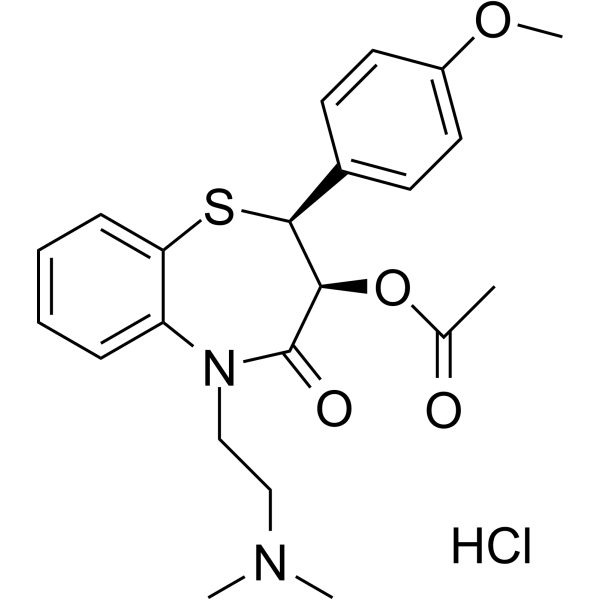
HY-14656
Diltiazem hydrochloride -
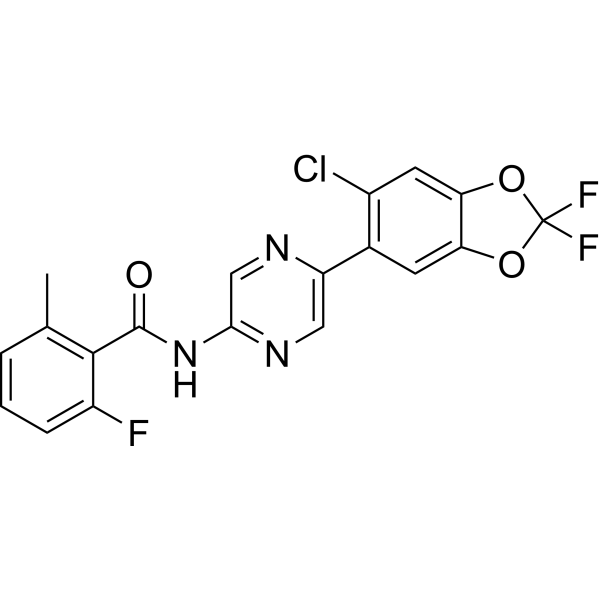
HY-101942
ZegocractinSOCE Inhibitor -
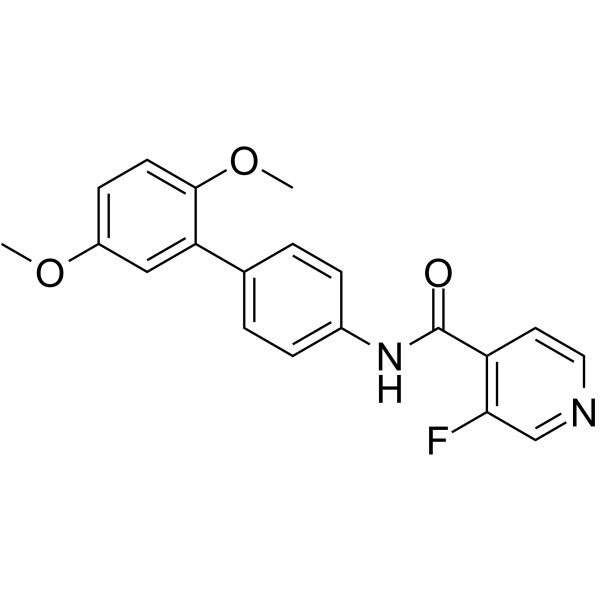
HY-111325
Synta66CRAC Channel Inhibitor -
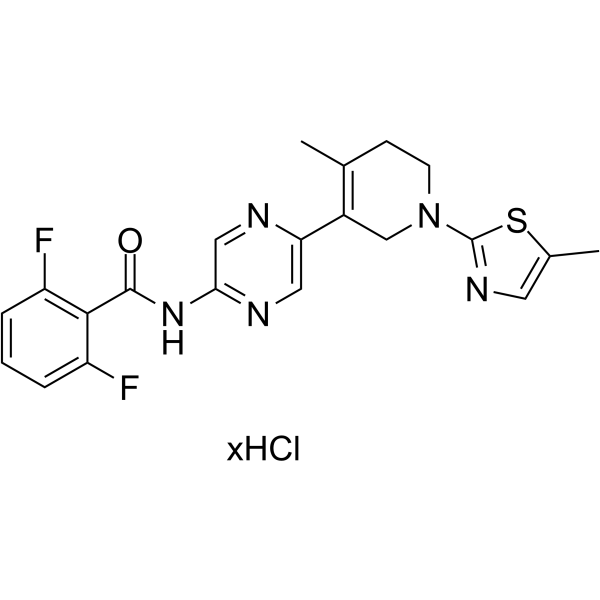
HY-113618A
RO2959 hydrochloride -
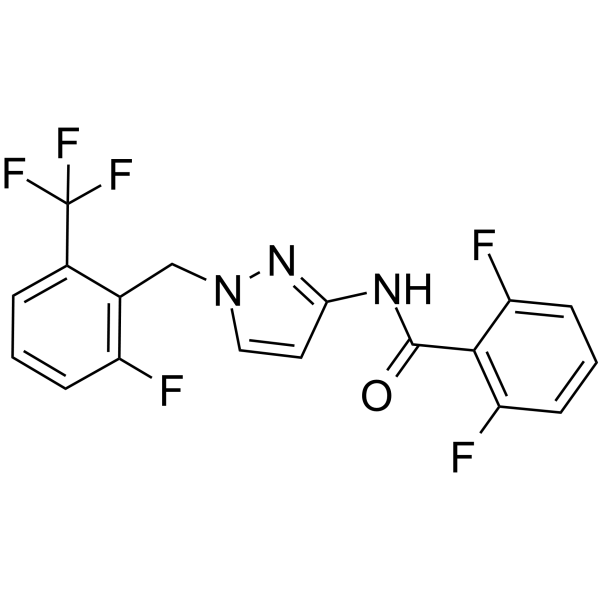
HY-12521
GSK-5498ACARC Inhibitor -
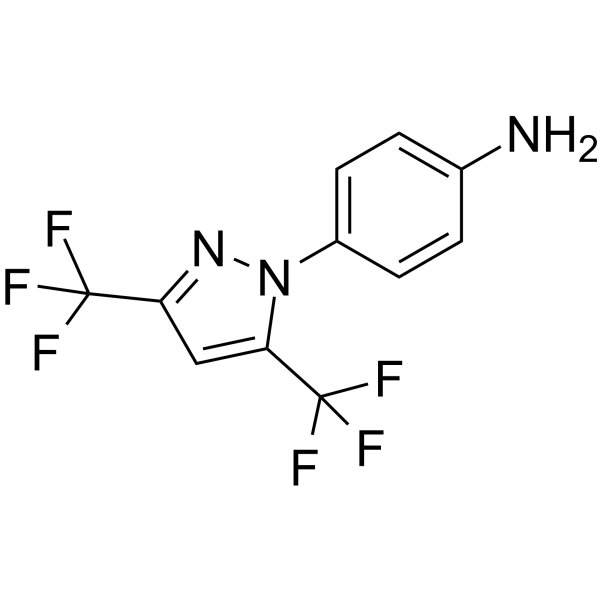
HY-20588
CRAC intermediate 2CRAC Inhibitor Synthesis Intermediate -
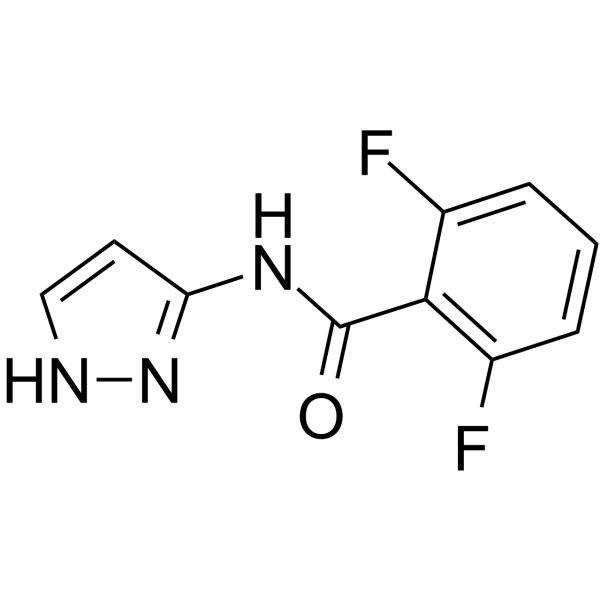
HY-20587
CRAC intermediate 1Synthetic Intermediate -
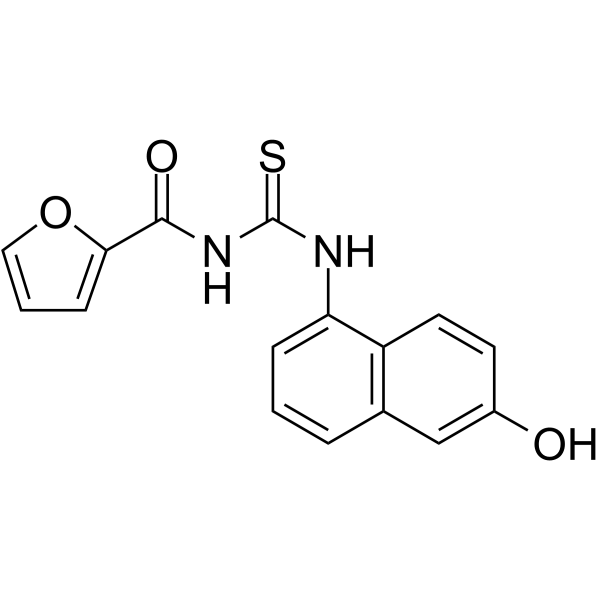
HY-110216
5J-4CRAC Inhibit -
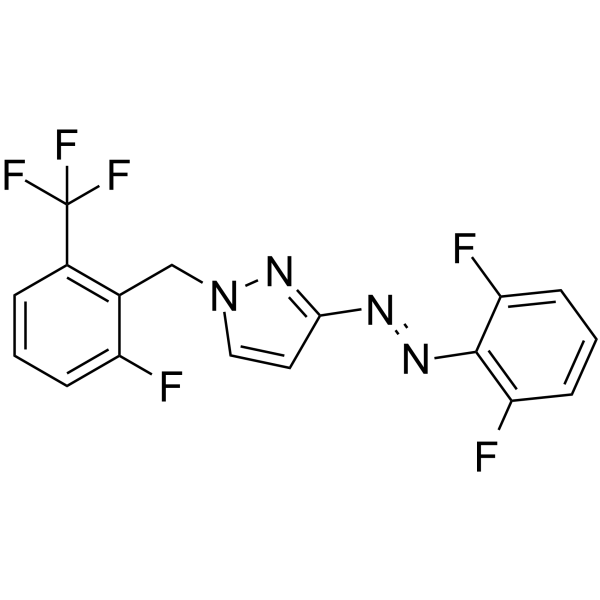
HY-147005
piCRAC-1CRAC Channel Inhibitor -

HY-101942R
Zegocractin (Standard)Reference Standard
Publications Citing Use of MedChemExpress (MCE) RO2959 monohydrochloride
More

Biological Activity
Description
IC50 & Target
[1]|
CRAC channel 402 nM (IC50) |
Orai1/Stim1 channels 25 nM (IC50) |
IL-2 |
In Vitro
RO2959 inhibits Orai1 and Orai3 with IC50 values of 25 nM and 530 nM, respectively. RO2959 blocks store operated calcium entry (SOCE) in activated CD4+T lymphocytes with an IC50 value of 265 nM[1].
RO2959 is a potent SOCE inhibitor that blocks an IP3-dependent current in CRAC-expressing RBL-2H3 cells and CHO cells stably expressing human Orai1 and Stim1, as well as SOCE in human primary CD4+ T cells triggered by either T cell receptor (TCR) stimulation or thapsigargin treatment. RO2959 completely inhibits cytokine production as well as T cell proliferation mediated by TCR stimulation or MLR (mixed lymphocyte reaction)[1].
MedChemExpress (MCE) has not independently confirmed the accuracy of these methods. They are for reference only. Further protocols information, click here.


Chemical Information
-
CAS No. 2309172-44-7
-
Appearance Solid
-
Molecular Weight 463.93
-
Formula C21H20ClF2N5OS
-
Color Light yellow to brown
-
SMILES
O=C(NC1=NC=C(C2=C(C)CCN(C3=NC=C(C)S3)C2)N=C1)C4=C(F)C=CC=C4F.[H]Cl
-
Shipping
Room temperature in continental US; may vary elsewhere.
-
Storage
4°C, sealed storage, away from moisture
* In solvent : -80°C, 6 months; -20°C, 1 month (sealed storage, away from moisture)


Publications (5)
-
Journal Impact Factor
-
Most Recent
-
Nature
2024 Jul;631(8022):826-834. PMID: 38987597 -
J Virol
BTP2 restricts Tulane virus and human norovirus replication independent of store-operated calcium entry. [Abstract]2025 Jun 17;99(6):e0044425. PMID: 40439405 -
Exp Lung Res
2025;51(1):23-37. PMID: 40205756 -
-
bioRxiv
The CRAC channel inhibitor BTP2 restricts Tulane virus and human norovirus replication independent of store-operated calcium entry. [Abstract]2025 Feb 24:2025.02.23.639787. PMID: 40060697


Solvent & Solubility
In Vitro:
DMSO : 50 mg/mL (107.77 mM; Need ultrasonic; Hygroscopic DMSO has a significant impact on the solubility of product, please use newly opened DMSO)
H2O : < 0.1 mg/mL (insoluble)
Please refer to the solubility information to select the appropriate solvent. Once prepared, please aliquot and store the solution to prevent product inactivation from repeated freeze-thaw cycles.
Storage method and period of stock solution: -80°C, 6 months; -20°C, 1 month (sealed storage, away from moisture). When stored at -80°C, please use it within 6 months. When stored at -20°C, please use it within 1 month.
Please refer to the solubility information to select the appropriate solvent. Once prepared, please aliquot and store the solution to prevent product inactivation from repeated freeze-thaw cycles.
Storage method and period of stock solution: -80°C, 6 months; -20°C, 1 month (sealed storage, away from moisture). When stored at -80°C, please use it within 6 months. When stored at -20°C, please use it within 1 month.
Concentration (start) × Volume (start) = Concentration (final) × Volume (final)
In Vivo:
Select the appropriate dissolution method based on your experimental animal and administration route.
- For the following dissolution methods, please ensure to first prepare a clear stock solution using an In Vitro approach and then sequentially add co-solvents:
- To ensure reliable experimental results, the clarified stock solution can be appropriately stored based on storage conditions. As for the working solution for In Vivo experiments, it is recommended to prepare freshly and use it on the same day.
- The percentages shown for the solvents indicate their volumetric ratio in the final prepared solution. If precipitation or phase separation occurs during preparation, heat and/or sonication can be used to aid dissolution.
Add each solvent one by one: 10% DMSO 40% PEG300 5% Tween-80 45% Saline
Solubility: 2.5 mg/mL (5.39 mM); Suspended solution; Need ultrasonic
This protocol yields a suspended solution of 2.5 mg/mL. Suspended solution can be used for oral and intraperitoneal injection.
Taking 1 mL working solution as an example, add 100 μL DMSO stock solution (25.0 mg/mL) to 400 μL PEG300, and mix evenly; then add 50 μL Tween-80 and mix evenly; then add 450 μL Saline to adjust the volume to 1 mL.
Preparation of Saline: Dissolve 0.9 g sodium chloride in ddH₂O and dilute to 100 mL to obtain a clear Saline solution.
Add each solvent one by one: 10% DMSO 90% (20% SBE-β-CD in Saline)
Solubility: 2.5 mg/mL (5.39 mM); Suspended solution; Need ultrasonic
This protocol yields a suspended solution of 2.5 mg/mL. Suspended solution can be used for oral and intraperitoneal injection.
Taking 1 mL working solution as an example, add 100 μL DMSO stock solution (25.0 mg/mL) to 900 μL 20% SBE-β-CD in Saline, and mix evenly.
Preparation of 20% SBE-β-CD in Saline (4°C, storage for one week): 2 g SBE-β-CD powder is dissolved in 10 mL Saline, completely dissolve until clear.
In Vivo Dissolution Calculator
Please enter the basic information of animal experiments:
-
-
-
-
Recommended: Prepare an additional quantity of animals to account for potential losses during experiments.
Please enter your animal formula composition:
-
%DMSO +
Recommended: Keep the proportion of DMSO in working solution below 2% if your animal is weak.
-
%+
-
+%Tween-80 + +
-
%Saline +
The co-solvents required include: DMSO, . All of co-solvents are available by MedChemExpress (MCE). , Tween 80. All of co-solvents are available by MedChemExpress (MCE).
Working solution concentration: 0.22 mg/mL
Method for preparing stock solution: mg drug dissolved in μL DMSO. Stock solution concentration: mg/mL. * In solvent : -80°C, 6 months; -20°C, 1 month (sealed storage, away from moisture)
1. Take μL DMSO stock solution;
2. Add μL .
μL , mix evenly;
3. Then add μL Tween 80, mix evenly;
4. Then add μL
Please ensure that the stock solution in the first step is dissolved to a clear state, and add co-solvents in sequence. You can use ultrasonic heating (ultrasonic cleaner, recommended frequency 20-40 kHz), vortexing, etc. to assist dissolution.

Protocols
-
RT-PCR
Reverse transcription technology uses RNA as a template to synthesize DNA. RT-PCR is simple, specific and sensitive, and can be used to detect gene expression levels and expression differences in cells; detect RNA virus content; clone cDNA sequences of specific genes.
-
RNA extraction experimental
By lysing cells, releasing RNA, and removing impurities such as proteins and DNA, high-purity RNA products are finally obtained. The commonly used traditional method is the guanidine isothiocyanate/phenol/chloroform method (Trizol), which is suitable for a variety of animal materials including animal tissues, microorganisms, cultured cells, etc., and most plant materials.
-
Cell Cytotoxicity Assay
Cytotoxicity assays are usually based on the assessment of cell membrane damage, which can also be indirectly detected by measuring cell viability. Detection methods include MTT assay, CKK-8 assay, LDH assay and ATP assay, etc.
-
Research Protocol for Cancer Immunology
Cancer immunology studies how the immune system recognizes, suppresses, edits, or fails to eliminate malignant cells through tumor antigen release, antigen presentation, T-cell priming, immune trafficking, tumor-cell killing, and feedback inhibition in the tumor microenvironment. The cancer-immunity cycle links tumor antigenicity, dendritic-cell priming, CD8+ T-cell infiltration, cytotoxic function, and immune-checkpoint regulation to tumor rejection or immune escape. Immune-checkpoint pathways such as PD-1/PD-L1 and CTLA-4 suppress antitumor T-cell activity and can be therapeutically blocked, but many tumors remain resistant because of poor antigen presentation, weak T-cell infiltration, suppressive myeloid cells, regulatory T cells, and tumor-intrinsic immune-exclusion programs. Unresolved questions include which immune-cell states predict response, how tumor-intrinsic pathways exclude immune cells, how myeloid suppression limits checkpoint blockade, and which combination strategies
-
Real Time qPCR (Q-PCR)
Real-time quantitative PCR (qPCR) quantifies an amplifiable nucleic-acid target by monitoring fluorescence during PCR cycling rather than measuring product only after amplification. The increase in fluorescence tracks accumulation of PCR product, and the quantification cycle (Cq; historically also Ct/CP) is related to the initial amount of target: samples containing more starting target generally reach the defined fluorescence threshold in fewer cycles.


Purity & Documentation
-
Data Sheet (274 KB)
-
SDS (252 KB)
- English - EN (252 KB)
- Français - FR (252 KB)
- Deutsch - DE (252 KB)
- Norwegian - NO (252 KB)
- Español - ES (252 KB)
- Swedish - SV (252 KB)
- Italian - IT (252 KB)
- Korean - KR (252 KB)
- Portuguese - PT (252 KB)
-
Handling Instructions (2659 KB)
References
[1]. Gang Chen, et al. Characterization of a Novel CRAC Inhibitor That Potently Blocks Human T Cell Activation and Effector Functions. Mol Immunol. 2013 Jul;54(3-4):355-67. [Content Brief]
[2]. Changbo Zheng, et al. Gastrodin Inhibits Store-Operated Ca 2+ Entry and Alleviates Cardiac Hypertrophy. Front Pharmacol. 2017 Apr 25;8:222. [Content Brief]


Complete Stock Solution Preparation Table
Please refer to the solubility information to select the appropriate solvent. Once prepared, please aliquot and store the solution to prevent product inactivation from repeated freeze-thaw cycles.
Storage method and period of stock solution: -80°C, 6 months; -20°C, 1 month (sealed storage, away from moisture). When stored at -80°C, please use it within 6 months. When stored at -20°C, please use it within 1 month.
| Optional Solvent | Concentration Solvent Mass | 1 mg | 5 mg | 10 mg | 25 mg |
|---|---|---|---|---|---|
| DMSO | 1 mM | 2.1555 mL | 10.7775 mL | 21.5550 mL | 53.8874 mL |
| 5 mM | 0.4311 mL | 2.1555 mL | 4.3110 mL | 10.7775 mL | |
| 10 mM | 0.2155 mL | 1.0777 mL | 2.1555 mL | 5.3887 mL | |
| 15 mM | 0.1437 mL | 0.7185 mL | 1.4370 mL | 3.5925 mL | |
| 20 mM | 0.1078 mL | 0.5389 mL | 1.0777 mL | 2.6944 mL | |
| 25 mM | 0.0862 mL | 0.4311 mL | 0.8622 mL | 2.1555 mL | |
| 30 mM | 0.0718 mL | 0.3592 mL | 0.7185 mL | 1.7962 mL | |
| 40 mM | 0.0539 mL | 0.2694 mL | 0.5389 mL | 1.3472 mL | |
| 50 mM | 0.0431 mL | 0.2155 mL | 0.4311 mL | 1.0777 mL | |
| 60 mM | 0.0359 mL | 0.1796 mL | 0.3592 mL | 0.8981 mL | |
| 80 mM | 0.0269 mL | 0.1347 mL | 0.2694 mL | 0.6736 mL | |
| 100 mM | 0.0216 mL | 0.1078 mL | 0.2155 mL | 0.5389 mL |


RO2959 monohydrochloride Related Classifications
HY-113618B Related Classifications
 Powered by Bioz