250 Results for "

complex II

" in MedChemExpress (MCE) Product Catalog:
Products (250)

250 Results for "complex II" in MCE Product Catalog:

72
72 Publications Verification
Art. -Nr.: HY-13323
CAS. Nr.: 1138549-36-6
Reinheit:  99.49%
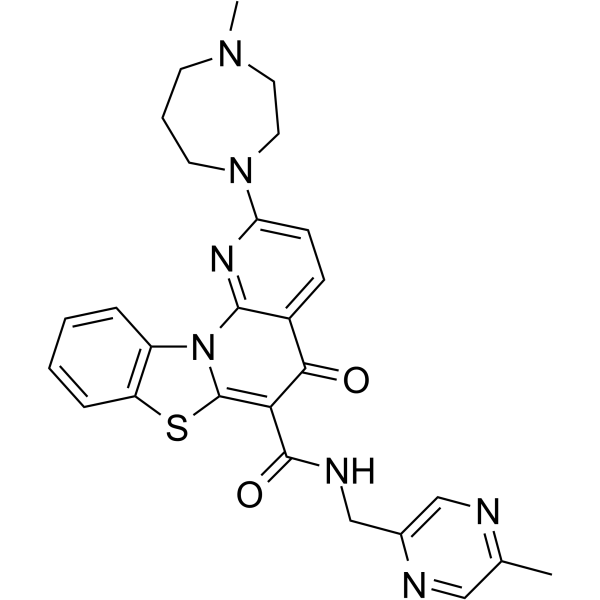
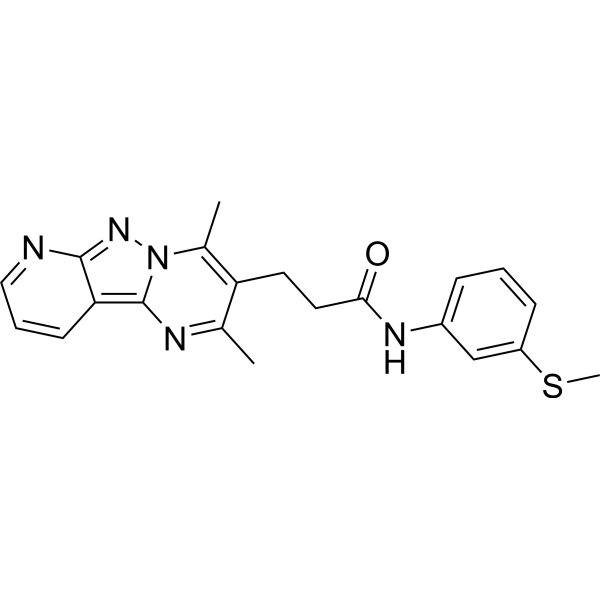
CX-5461 is a selective, orally active RNA polymerase I inhibitor. CX-5461 disrupts the formation of the SL1-rDNA complex, thereby blocking the transcription initiation of ribosomal RNA without altering the activity of RNA polymerase II, DNA replication, or protein translation processes. CX-5461 upregulates the expression of p21, MDM2, Sestrin1/2, and phosphorylated AMPKα, and reduces the level of phosphorylated Akt. CX-5461 induces G2/G2/M cell cycle arrest, Autophagy, Apoptosis, and cellular senescence, and activates CHK1, CHK2, and RPA. CX-5461 can be used in research related to osteosarcoma, cervical cancer, hematologic malignancies, high-grade serous ovarian cancer, and solid tumors .
loading...
    loading...
72
72 Publications Verification
Art. -Nr.: HY-13323A
Reinheit:  99.41%
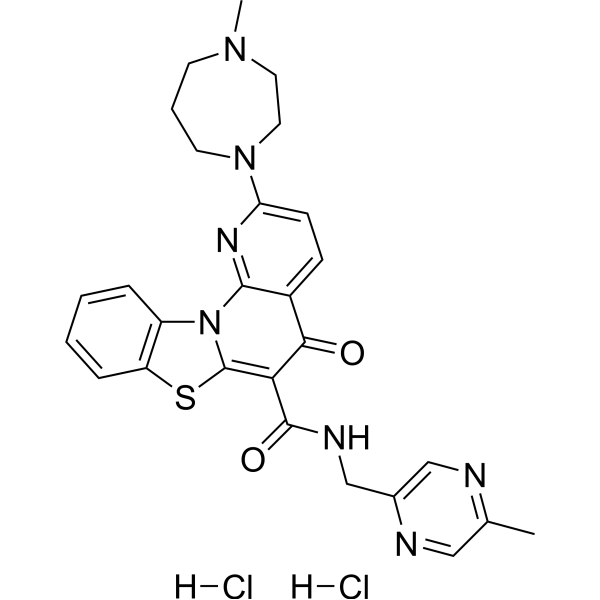
CX-5461 dihydrochloride is a selective, orally active RNA polymerase I inhibitor. CX-5461 dihydrochloride disrupts the formation of the SL1-rDNA complex, thereby blocking the transcription initiation of ribosomal RNA without altering the activity of RNA polymerase II, DNA replication, or protein translation processes. CX-5461 dihydrochloride upregulates the expression of p21, MDM2, Sestrin1/2, and phosphorylated AMPKα, and reduces the level of phosphorylated Akt. CX-5461 dihydrochloride induces G2/G2/M cell cycle arrest, Autophagy, Apoptosis, and cellular senescence, and activates CHK1, CHK2, and RPA. CX-5461 dihydrochloride can be used in research related to osteosarcoma, cervical cancer, hematologic malignancies, high-grade serous ovarian cancer, and solid tumors .
loading...
    loading...
62
62 Cited Publications
Art. -Nr.: HY-134813
CAS. Nr.: 2621928-55-8
Reinheit:  99.97%
Target:  

Ras

Forschungsgebiete:  

Cancer

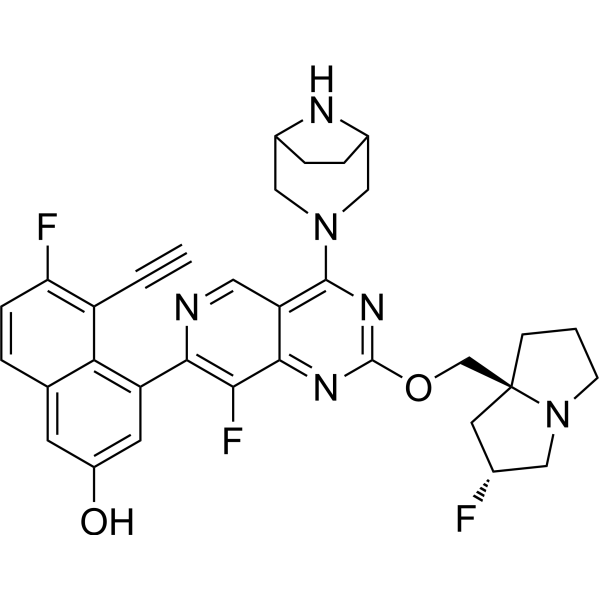
MRTX1133 is a noncovalent, potent, and selective alkyne-based KRAS G12D inhibitor. MRTX1133 optimally fills the switch II pocket and extends three substituents to favorably interact with the protein, resulting in an estimated KD against KRAS G12D of 0.2 pM. MRTX1133 prevents SOS1-catalyzed nucleotide exchange and/or formation of the KRAS G12D/GTP/RAF1 complex, thereby inhibiting mutant KRAS-dependent signal transduction. MRTX1133 selectively inhibits KRAS G12D mutant, but not KRAS wild-type, tumor cells. MRTX1133 has single digit nanomolar activity in cellular assays and marked in vivo efficacy in tumor models harboring KRAS G12D mutations .
loading...
    loading...
57
57 Cited Publications
Art. -Nr.: HY-N6716
CAS. Nr.: 11078-21-0
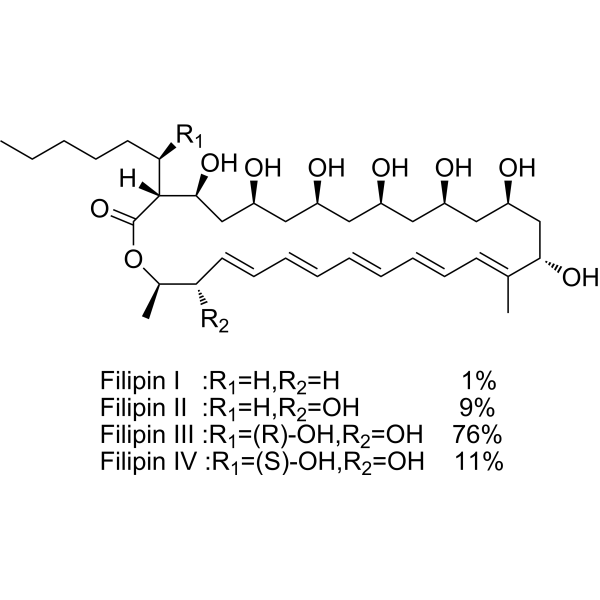
Filipin complex is a potent polyene macrolide antifungal antibiotic. Filipin complex inserts into membranes and sequester cholesterol into complexes and inhibits PRRSV entry. The Filipin complex consists of about 75.8% Filipin III (HY-N6718), 10.8% Filipin IV, 9.1% Filipin II, and 1.2% Filipin I (Ex/Em = 380/430 nm) .
loading...
    loading...
16
16 Cited Publications
Art. -Nr.: HY-13650
CAS. Nr.: 165668-41-7
Reinheit:  99.80%
Synonyms: E 7070
Forschungsgebiete:  

Cancer

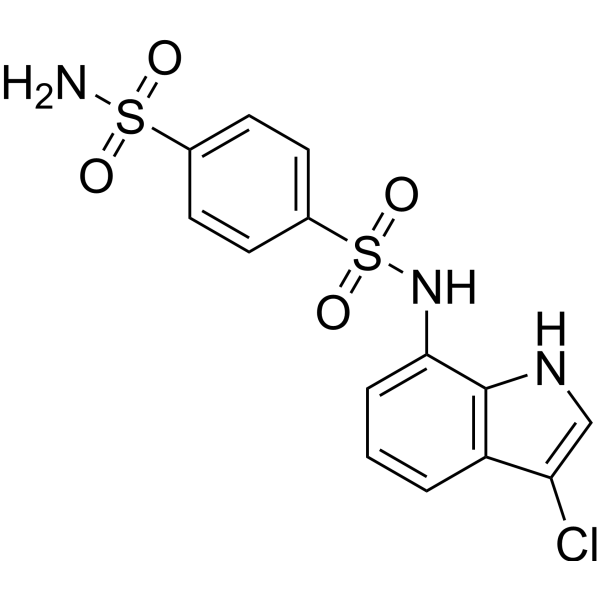
Indisulam (E 7070) is a carbonic anhydrase inhibitor and RBM39 molecular glue degrader, with Ki values of 31, 15, and 24 nM against human carbonic anhydrase I, II, and IX, respectively, and a Ki value of 65 nM against bovine carbonic anhydrase IV. Indisulam promotes the recruitment of RBM39 to the CUL4-DCAF15 E3 ubiquitin ligase complex, triggering polyubiquitination and proteasomal degradation of RBM39. Indisulam induces aberrant pre-mRNA splicing, G1 cell cycle arrest, and cell death in cancer cells. As an anticancer agent, Indisulam drives tumor regression and growth inhibition in xenograft models. Indisulam can be used in research related to solid tumors, hematologic and lymphoid malignancies, colorectal cancer, and non-small cell lung cancer .
loading...
    loading...
9
9 Cited Publications
Art. -Nr.: HY-126653
CAS. Nr.: 119509-24-9
Reinheit:  99.94%
Target:  

Potassium Channel

Forschungsgebiete:  

Cardiovascular Disease

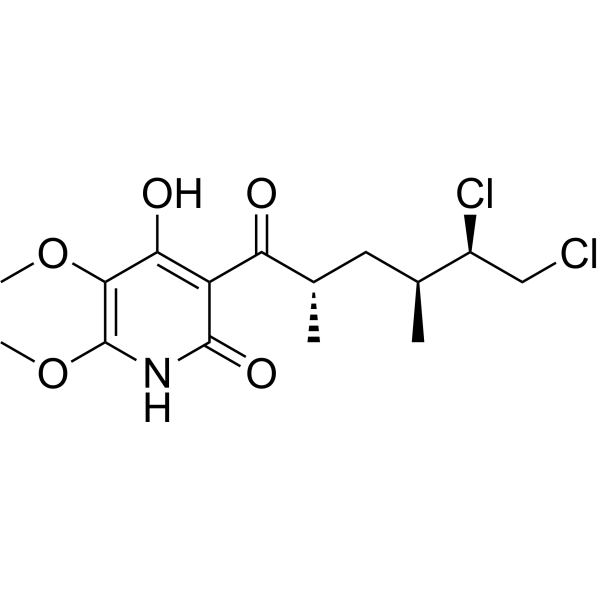
Atpenin A5 is a potent and highly specific complex II inhibitor (IC50 ~10 nM), and is an effective mKATP channel agonist and cardioprotective agent .
loading...
    loading...
7
7 Cited Publications
Art. -Nr.: HY-156376
CAS. Nr.: 1224195-72-5
Reinheit:  99.99%
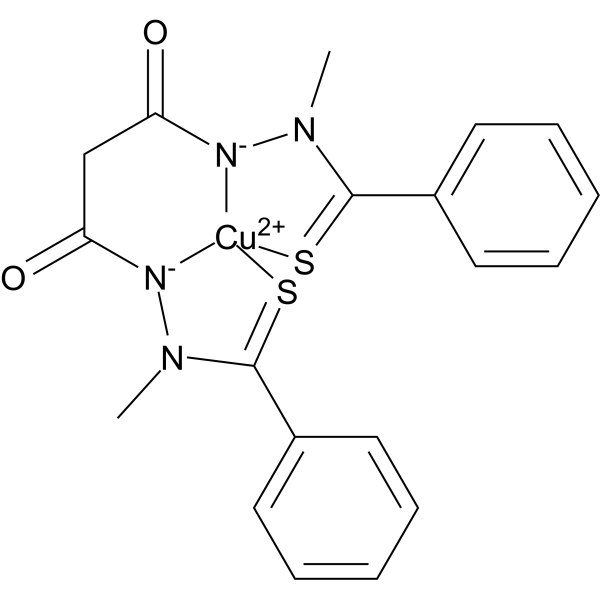
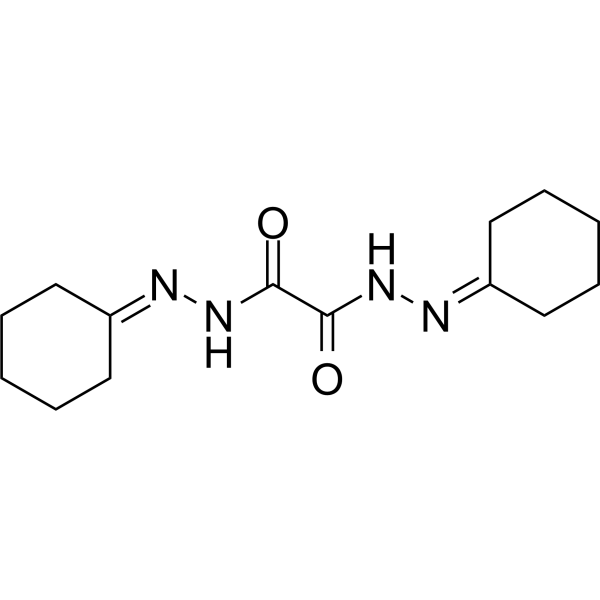
Cu(II)-Elesclomol is a complex formed by Elesclomol (HY-12040) and Cu 2+ (copper ions). Cu(II)-Elesclomol is also a weak inhibitor of DNA topoisomerase I. Cu(II)-Elesclomol exerts anticancer effects by inducing oxidative stress and DNA damage through copper chelation. Cu(II)-Elesclomol can inhibit tumor cell proliferation and induce cell cycle arrest and apoptosis. Cu(II)-Elesclomol can be used in the study of cancer .
loading...
    loading...
6
6 Cited Publications
Art. -Nr.: HY-126397
CAS. Nr.: 55266-18-7
Reinheit:  ≥98.0%
Target:  

NF-κB

Forschungsgebiete:  

Inflammation/Immunology

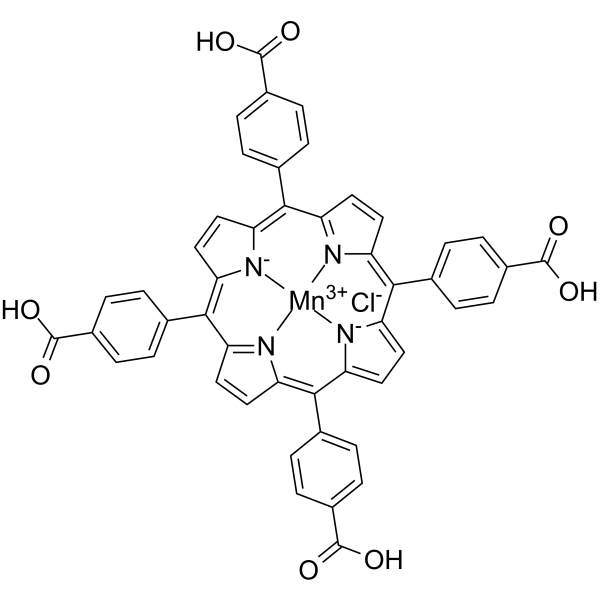
MnTBAP chloride is a superoxide dismutase (SOD) mimetic and peroxynitrite scavenger. MnTBAP chloride is a manganic porphyrin complex and has anti-oxidative property. MnTBAP chloride mediates anti-inflammatory effects through upregulation of BMPR-II and inhibition of the NFκB signaling. MnTBAP chloride has the potential for the fibrotic response in chronic kidney diseases (CKDs) research .
loading...
    loading...
5
5 Cited Publications
Art. -Nr.: HY-N2306
CAS. Nr.: 57576-44-0
Synonyms: Aclarubicin
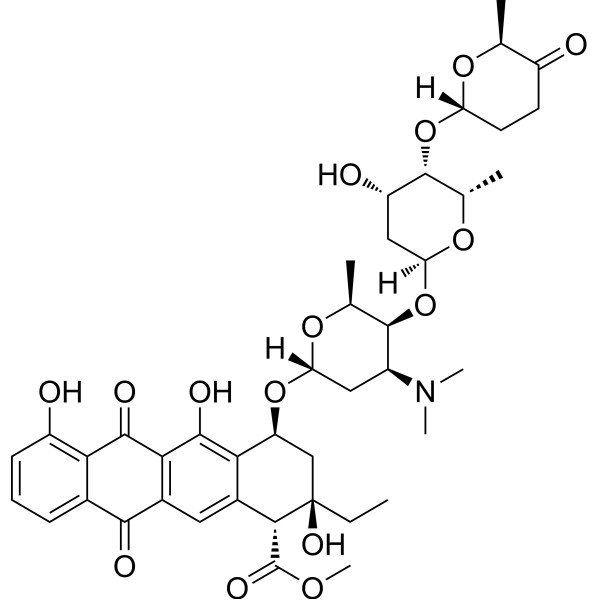
Aclacinomycin A (Aclarubicin) is an orally active and potent anthracycline antitumor antibiotic. Aclacinomycin A is an inhibitor of topoisomerase I and II. Aclacinomycin A inhibits synthesis of nucleic acid, especially RNA. Aclacinomycin A might inhibit the 26S protease complex as well as the ubiquitin-ATP-dependent proteolysis .
loading...
    loading...
5
5 Cited Publications
Art. -Nr.: HY-W115718
CAS. Nr.: 370-81-0
Forschungsgebiete:  

Neurological Disease

Cuprizone is a copper chelating agent that forms a deep blue copper ketone complex with copper (II). The copper ketone reaction can be used in colorimetric tests for the presence of trace copper. Cuprizone can be used to induce some schizophrenia-like behavior in mice. Cuprizone acts on copper enzymes, including SOD1, cytochrome oxidase, and DβH, thereby causing oxidative stress and increasing DA levels in certain brain regions such as the medial prefrontal cortex (PFC) .
loading...
    loading...
3
3 Cited Publications
Art. -Nr.: HY-122826
CAS. Nr.: 2243076-67-5
Reinheit:  98.90%
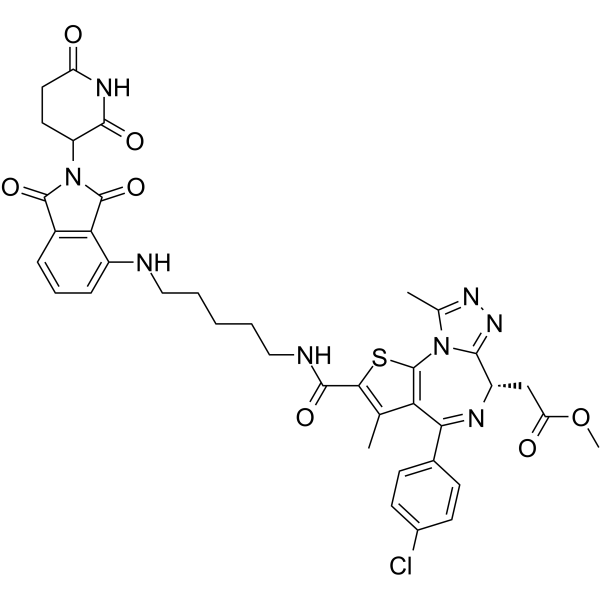
ZXH-3-26 is a CRBN-recruiting BRD4 PROTAC degrader with a DC50/5h of approximately 5 nM. ZXH-3-26 drives the ubiquitination and degradation of BRD4 by recruiting BRD4BD1 to the CRL4 CRBN E3 ubiquitin ligase complex, thereby inhibiting the dynamic distribution of super-enhancers. ZXH-3-26 reverses TNF-α-induced impairment of the immunosuppressive function of mesenchymal stem cells, and affects RNA synthesis and the transcriptional elongation process of Pol II. ZXH-3-26 can be used in studies related to inflammatory arthritis, malignant tumors, and HIV latency .
loading...
    loading...
3
3 Cited Publications
Art. -Nr.: HY-13721
CAS. Nr.: 81267-65-4
Reinheit:  99.89%
Synonyms: Idronoxil; Dehydroequol; Haginin E
Forschungsgebiete:  

Cancer

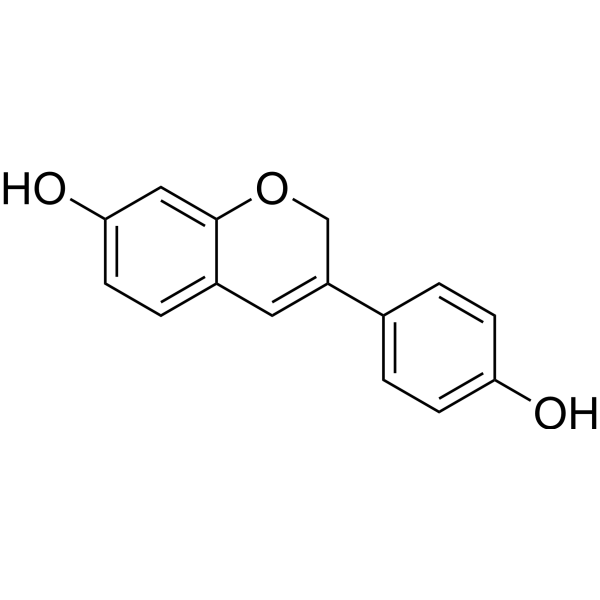
Phenoxodiol (Idronoxil), a synthetic analog of Genestein, activates the mitochondrial caspase system, inhibits XIAP (an apoptosis inhibitor), and sensitizes the cancer cells to Fas-mediated apoptosis. Phenoxodiol also inhibits DNA topoisomerase II by stabilizing the cleavable complex. Phenoxodiol induces cell cycle arrest in the G1/S phase of the cell cycle and upregulates p21 WAF1 via a p53 independent manner .
loading...
    loading...
3
3 Cited Publications
Art. -Nr.: HY-P2141
CAS. Nr.: 1234510-46-3
Synonyms: TRV027
Forschungsgebiete:  

Cardiovascular Disease

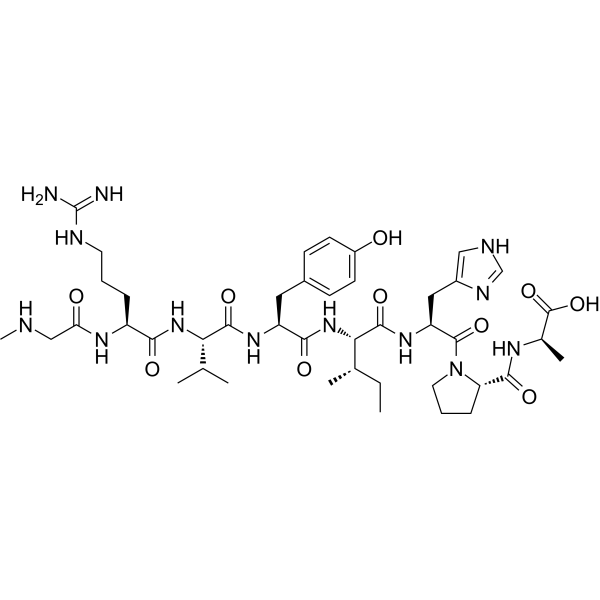
TRV120027, a β-arrestin-1-biased agonist of the angiotensin II receptor type 1 (AT1R), engages β-arrestins while blocking G-protein signaling . TRV120027 induces acute catecholamine secretion through cation channel subfamily C3 (TRPC3) coupling, promotes the formation of a macromolecular complex composed of AT1R-β-arrestin-1-TRPC3-PLCγ at the plasma membrane. TRV120027 inhibits angiotensin II-mediated vasoconstriction and increases cardiomyocyte contractility. TRV120027 has the potential for the acute decompensated heart failure (ADHF) treatment .
loading...
    loading...
3
3 Cited Publications
Art. -Nr.: HY-P2141A
Forschungsgebiete:  

Cardiovascular Disease

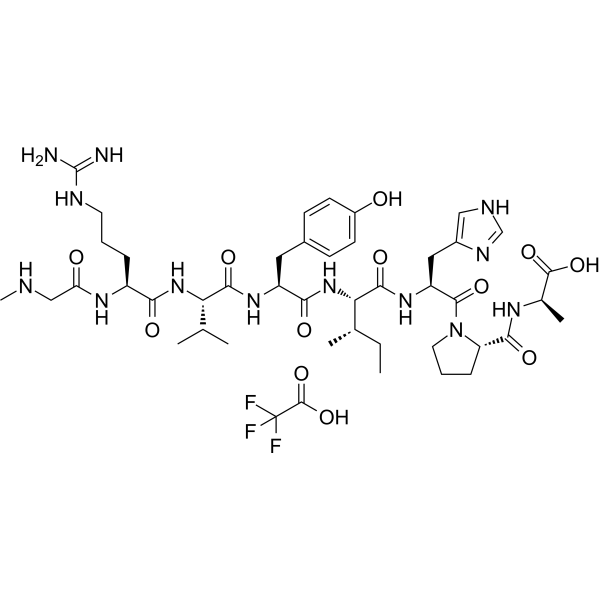
TRV120027 TFA, a β-arrestin-1-biased agonist of the angiotensin II receptor type 1 (AT1R), engages ?-arrestins while blocking G-protein signaling . TRV120027?TFA induces?acute?catecholamine?secretion?through cation channel subfamily C3 (TRPC3) coupling, promotes the formation of a macromolecular complex composed of AT1R–β-arrestin-1–TRPC3–PLCγ at the plasma membrane. TRV120027 TFA inhibits angiotensin II–mediated vasoconstriction and increases cardiomyocyte contractility. TRV120027 TFA has the potential for the?acute decompensated heart failure (ADHF) treatment .
loading...
    loading...
3
3 Cited Publications
Art. -Nr.: HY-124798
CAS. Nr.: 2216763-38-9
Reinheit:  99.26%
Target:  

mTOR

Rheb inhibitor NR1 is a Rheb inhibitor with an IC50 of 2.1 µM in the Rheb-IVK assay. Rheb inhibitor NR1 can directly bind Rheb in the switch II domain and selectively inhibit the activation of mechanistic target of rapamycin complex 1 (mTORC1). Rheb inhibitor NR1 inhibits the phosphorylation of mTORC1 driven T389pS6K1 and increases the phosphorylation of S473pAKT in a dose-dependent manner. Rheb inhibitor NR1 does not influence mTORC2 activity .
(Rheb-IVK: Rheb-dependent mTORC1 kinase activity)
loading...
    loading...
2
2 Cited Publications
Art. -Nr.: HY-156237
CAS. Nr.: 1243063-73-1
Reinheit:  99.88%
Target:  

Autophagy

Forschungsgebiete:  

Others

Beclin1-ATG14L interaction inhibitor 1 (com 19) is a selective Beclin1-ATG14L interaction inhibitor. This protein interaction mechanism specifically targets complex I of the lipid kinase VPS34 without affecting complex II. Because the integrity of VPS34 complex II depends on the Beclin 1-UVRAG interaction. Beclin1-ATG14L interaction inhibitor 1 can disrupt the formation of VPS34 complex I and inhibit autophagy, but does not affect complex II-related vesicle transport .
loading...
    loading...
2
2 Cited Publications
Art. -Nr.: HY-44170
CAS. Nr.: 902614-04-4
Target:  

PANK

Forschungsgebiete:  

Neurological Disease Metabolic Disease

Pantothenate kinase-IN-2 is a pantothenate kinase inhibitor with IC50 values of 92 nM for PanK2, 70 nM for PanK1β, and 25 nM for PanK3. Pantothenate kinase-IN-2 can bind specifically to the ATP-PanK3 complex and block CoA biosynthesis. Pantothenate kinase-IN-2 can be used for the research of pank-associated neurodegeneration and type 2 diabetes .
loading...
    loading...
1
1 Cited Publications
Art. -Nr.: HY-119976
CAS. Nr.: 188425-85-6
Reinheit:  99.29%
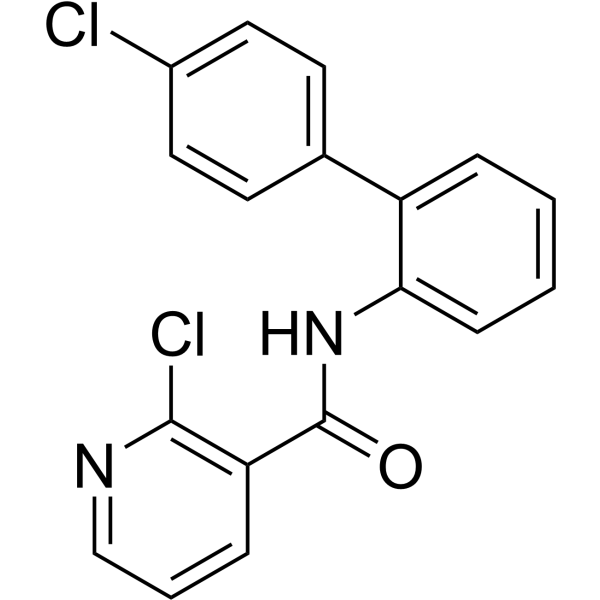
Boscalid is a succinate dehydrogenase (SDHI) inhibitor with antifungal activity. Boscalid binds to the ubiquinone-binding site of fungal mitochondrial complex II, blocks ATP production and aerobic respiration, exhibits good control efficacy against a variety of plant fungal diseases including gray mold, sclerotinia rot and powdery mildew, and is widely used for disease control in agriculture. Boscalid induces apoptosis, altered lipid metabolism, mitochondrial dysfunction, respiratory impairment, oxidative stress, ROS accumulation and neurodevelopmental disorders in zebrafish. Boscalid reduces foraging ability, shortens median death time and causes chronic toxicity in exposed honeybees. Boscalid also possesses genotoxicity, cytotoxicity, elevated mitochondrial superoxide levels and early-stage apoptosis .
loading...
    loading...
1
1 Cited Publications
Art. -Nr.: HY-N6800A
CAS. Nr.: 18133-22-7
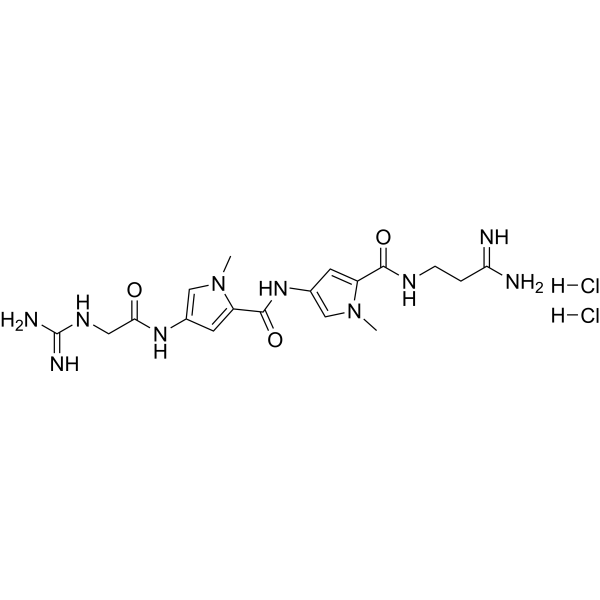
Netropsin dihydrochloride is a small-molecule MGB (minor-groove binder) and antibiotic, inhibits the catalytic activity of isolated topoisomerase and interferes with the stabilization of the cleavable complexes of topoisomerase II and I in nuclei. Netropsin dihydrochloride has antibacterial and antiviral activity .
loading...
    loading...
1
1 Cited Publications
Art. -Nr.: HY-135549
CAS. Nr.: 907204-31-3
Reinheit:  99.96%
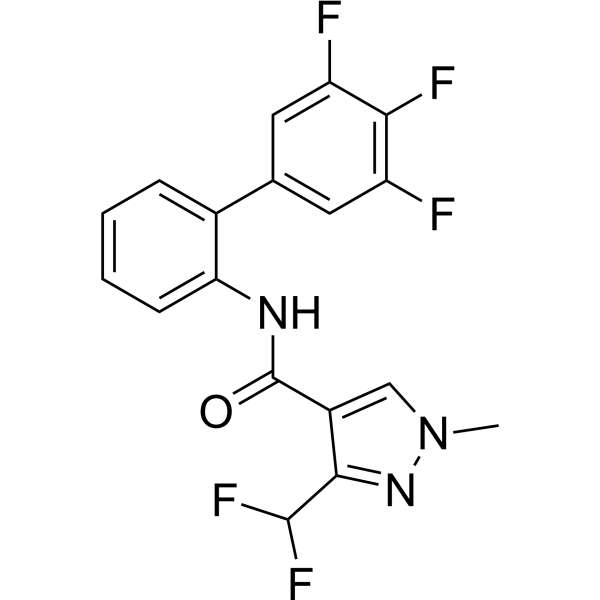
Fluxapyroxad is a synthetic broad-spectrum fungicide for the control of fungal diseases. Fluxapyroxad inhibits succinate dehydrogenase in complex II of the mitochondrial respiratory chain, resulting in inhibition of spore germination, germ tubes and mycelia growth within the fungus target species .
loading...
    loading...

