142 Results for "

DNA intercalating

" in MedChemExpress (MCE) Product Catalog:
Products (142)

142 Results for "DNA intercalating" in MCE Product Catalog:

15
15 Publications Verification
Art. -Nr.: HY-12484
CAS. Nr.: 896705-16-1
Reinheit:  99.25%
Target:  

DNA/RNA Synthesis

Forschungsgebiete:  

Cancer

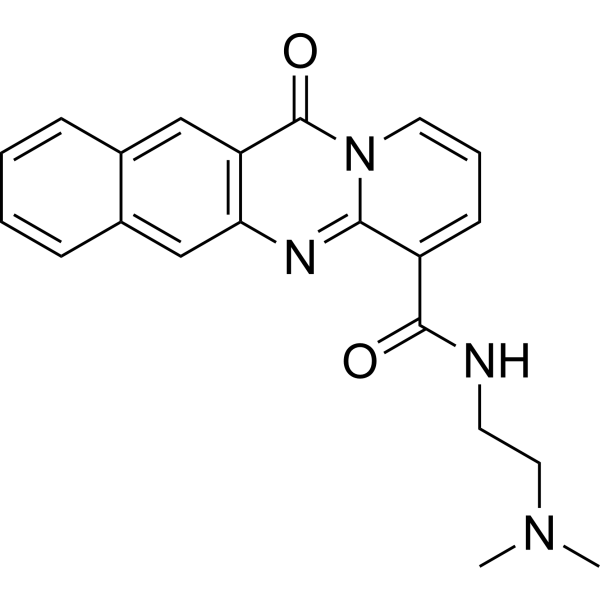
BMH-21 is a first-in-class DNA intercalator which inhibits RNA polymerase I (Pol I) transcription. BMH-21 possesses anticancer activity .
loading...
    loading...
14
14 Cited Publications
Art. -Nr.: HY-12404
CAS. Nr.: 908-54-3
Reinheit:  99.16%
Synonyms: Diminazene diaceturate
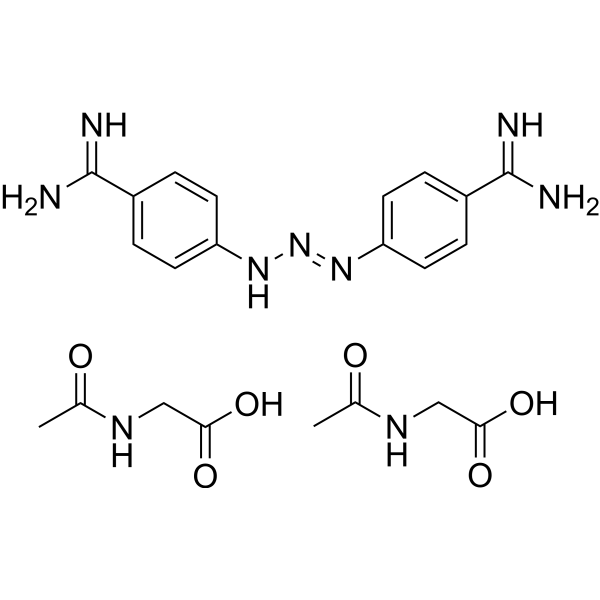
Diminazene aceturate (Diminazene diaceturate) is an anti-trypanosome agent for livestock. The main biochemical mechanism of the trypanocidal actions of Diminazene aceturate is by binding to trypanosomal kinetoplast DNA (kDNA) in a non-intercalative manner through specific interaction with sites rich in adenine-thymine base pairs. Diminazene aceturate is also an angiotensin-converting enzyme 2 (ACE2) activator and has strong and potent anti-inflammatory properties .
loading...
    loading...
8
8 Cited Publications
Art. -Nr.: HY-13551
CAS. Nr.: 51264-14-3
Reinheit:  99.91%
Synonyms: m-AMSA; acridinyl anisidide
Target:  

Topoisomerase Autophagy

Forschungsgebiete:  

Cancer

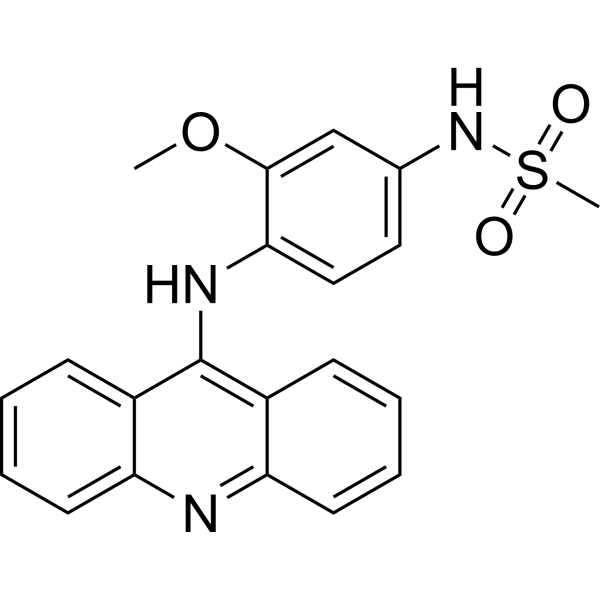
Amsacrine (m-AMSA; acridinyl anisidide) is an inhibitor of topoisomerase II, and acts as an antineoplastic agent which can intercalates into the DNA of tumor cells.
loading...
    loading...
8
8 Cited Publications
Art. -Nr.: HY-13551A
CAS. Nr.: 54301-15-4
Reinheit:  99.92%
Synonyms: m-AMSA hydrochloride; acridinyl anisidide hydrochloride
Target:  

Topoisomerase Autophagy

Forschungsgebiete:  

Cancer

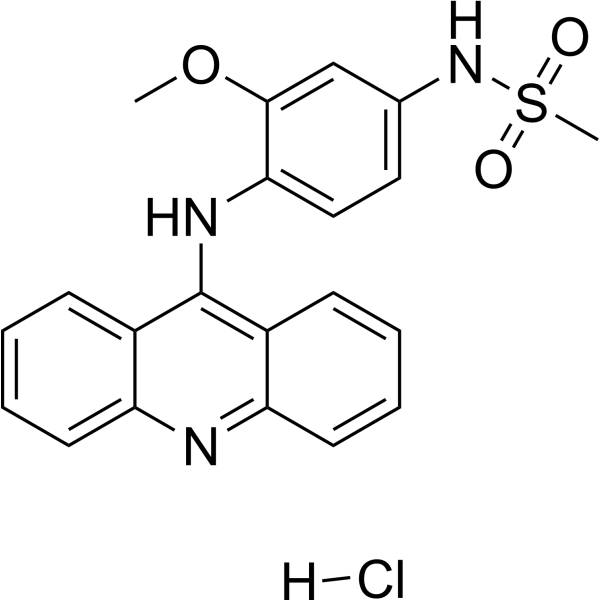
Amsacrine hydrochloride (m-AMSA hydrochloride; acridinyl anisidide hydrochloride) is an inhibitor of topoisomerase II, and acts as an antineoplastic agent which can intercalates into the DNA of tumor cells.
loading...
    loading...
6
6 Cited Publications
Art. -Nr.: HY-100875
CAS. Nr.: 78186-34-2
Reinheit:  98.08%
Synonyms: CL216942
Target:  

Topoisomerase

Forschungsgebiete:  

Cancer

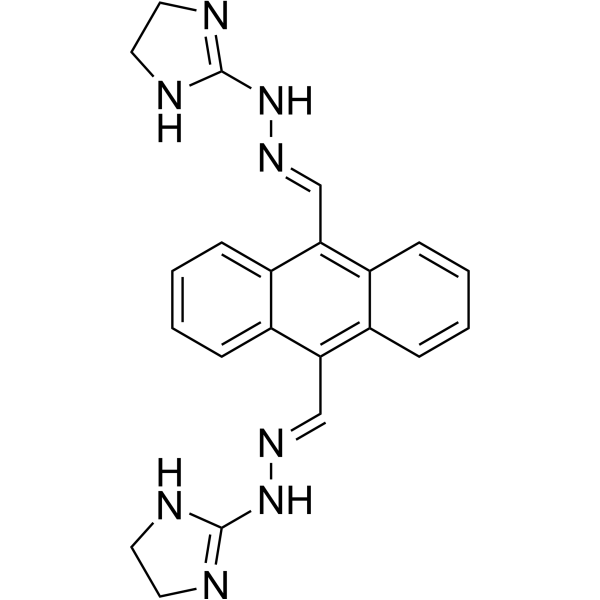
Bisantrene is a highly effective antitumor agent, it exerts its cytotoxicity by affecting DNA intercalation. Bisantrene targets eukaryotic type II topoisomerases. Bisantrene is a substrate of MDR1 .
loading...
    loading...
6
6 Cited Publications
Art. -Nr.: HY-100875A
CAS. Nr.: 71439-68-4
Reinheit:  98.86%
Synonyms: CL-216942 dihydrochloride
Target:  

Topoisomerase

Forschungsgebiete:  

Cancer

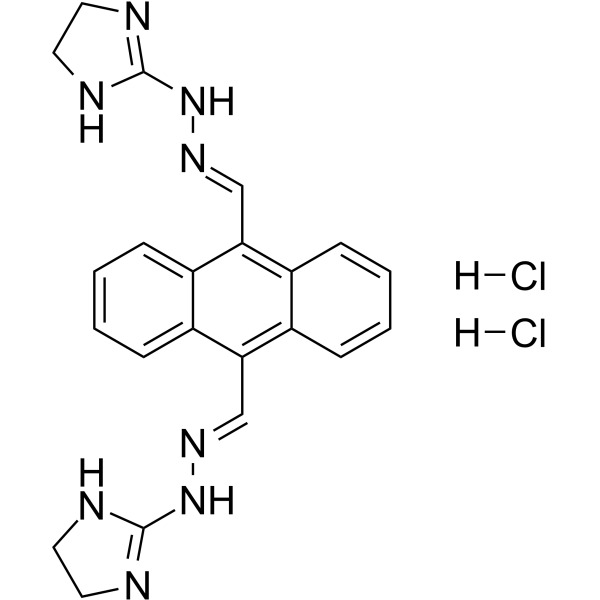
Bisantrene dihydrochloride is a highly effective antitumor agent, it exerts its cytotoxicity by affecting DNA intercalation. Bisantrene dihydrochloride targets eukaryotic type II topoisomerases. Bisantrene dihydrochloride is a substrate of MDR1 .
loading...
    loading...
5
5 Cited Publications
Art. -Nr.: HY-10982
CAS. Nr.: 69408-81-7
Reinheit:  99.92%
Synonyms: AS1413
Target:  

Topoisomerase

Forschungsgebiete:  

Cancer

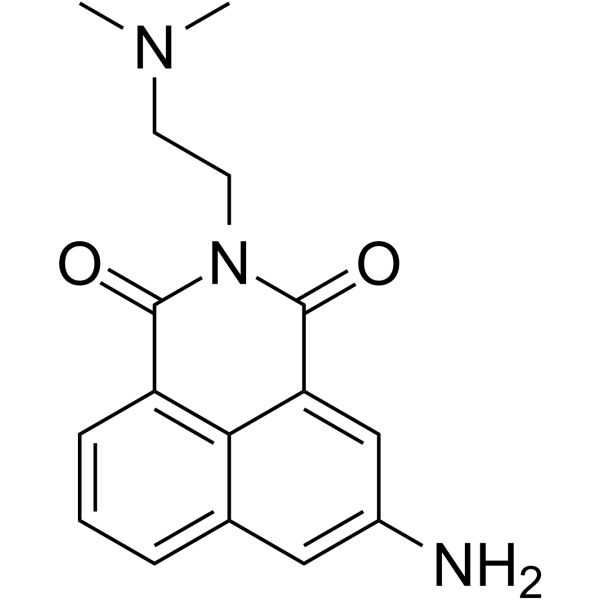
Amonafide is a topoisomerase II inhibitor and DNA intercalator that induces apoptotic signaling by blocking the binding of Topo II to DNA.
loading...
    loading...
5
5 Cited Publications
Art. -Nr.: HY-D1191
CAS. Nr.: 2225748-05-8
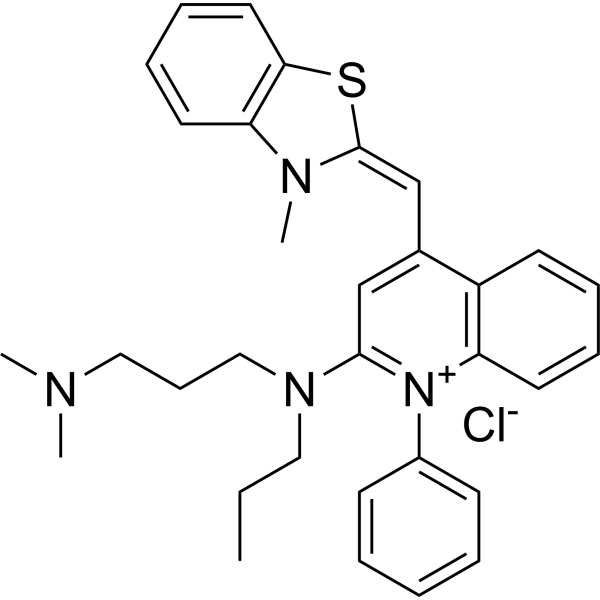
SYBR Green I chloride is a highly sensitive fluorescent nucleic acid dye that binds specifically to the minor groove of double-stranded DNA or intercalates between base pairs. SYBR Green I chloride exhibits weak fluorescence in the unbound state but emits bright fluorescence upon binding, and it preferentially binds to large-fragment DNA and DNA with high G+C content. SYBR Green I chloride is suitable for real-time PCR technology; its fluorescence intensity correlates with the amount and size of amplification products, enabling accurate quantification of gene expression and discrimination of amplicons via melting curve analysis without additional post-processing. SYBR Green I chloride is widely used in preclinical in vitro nucleic acid detection .
loading...
    loading...
4
4 Cited Publications
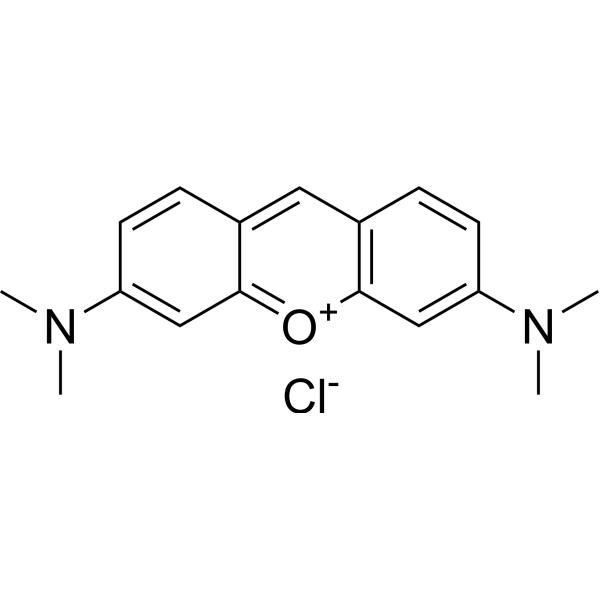
Art. -Nr.: HY-D0971
CAS. Nr.: 92-32-0
Synonyms: Pyronine G; C.I. 45005
Pyronin Y (Pyronine G) is a cationic dye that intercalates RNA and has been used to target cell structures including RNA, DNA and organelles. Pyronin Y forms fluorescent complexes with double-stranded nucleic acids (especially RNA) enabling semi-quantitative analysis of cellular RNA. Pyronin Y can be used to identify specific RNA subspecies of ribonuclear proteins complexes in live cells .
loading...
    loading...
3
3 Cited Publications
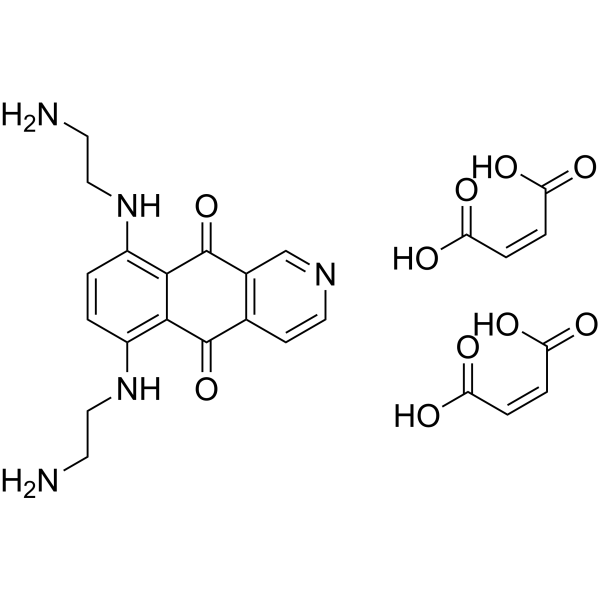
Art. -Nr.: HY-13727A
CAS. Nr.: 144675-97-8
Reinheit:  98.75%
Synonyms: BBR 2778
Target:  

Topoisomerase

Forschungsgebiete:  

Cancer

Pixantrone (BBR 2778) dimaleate is a topoisomerase II inhibitor and DNA intercalator, with anti-tumor activity.
loading...
    loading...
3
3 Cited Publications
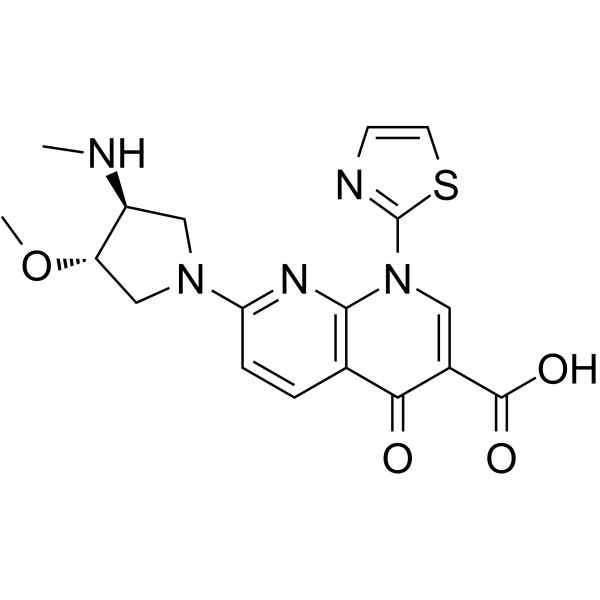
Art. -Nr.: HY-10534
CAS. Nr.: 175414-77-4
Reinheit:  99.26%
Synonyms: SNS-595; Vosaroxin; AG 7352
Target:  

Topoisomerase Apoptosis

Forschungsgebiete:  

Cancer

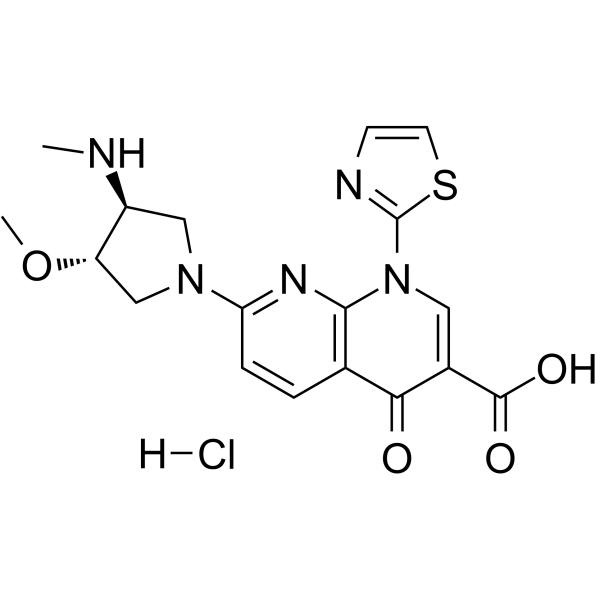
Voreloxin (SNS-595; Vosaroxin; AG 7352) is a first-in-class topoisomerase II inhibitor that intercalates DNA and induces site-selective DNA DSB, G2 arrest, and apoptosis.
loading...
    loading...
3
3 Cited Publications
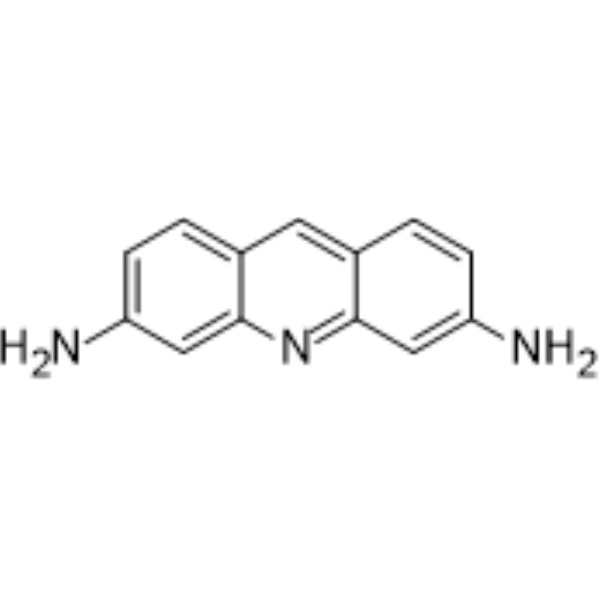
Art. -Nr.: HY-B1741
CAS. Nr.: 92-62-6
Forschungsgebiete:  

Infection Cancer

3,6-Diaminoacridine is a versatile acridine compound. 3,6-Diaminoacridine exerts antibacterial activity by intercalating into bacterial DNA, interfering with replication and transcription, and inducing bacterial lysis. 3,6-Diaminoacridine is an acridine dye and also a DNA intercalator .
loading...
    loading...
3
3 Cited Publications
Art. -Nr.: HY-16518
CAS. Nr.: 175519-16-1
Synonyms: SNS-595 Hydrochloride; Vosaroxin Hydrochloride; AG 7352 Hydrochloride
Target:  

Topoisomerase Apoptosis

Forschungsgebiete:  

Cancer

Voreloxin Hydrochloride is a first-in-class topoisomerase II inhibitor that intercalates DNA and induces site-selective DNA DSB, G2 arrest, and apoptosis.
loading...
    loading...
3
3 Cited Publications
Art. -Nr.: HY-119182
CAS. Nr.: 54824-17-8
Reinheit:  99.79%
Synonyms: NSC 300288
Target:  

DNA/RNA Synthesis

Forschungsgebiete:  

Cancer

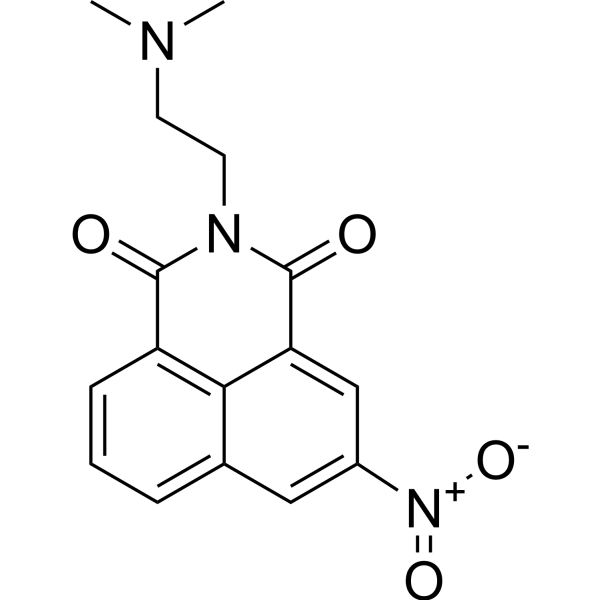
Mitonafide (NSC 300288) is a cytostatic agent. Mitonafide binds to double-stranded DNA through intercalation, and inhibits DNA and RNA synthesis. Mitonafide is an antitumor agent that can be used in the research of cancers, such as non-small cell lung cancer (NSCLC), leukemia .
loading...
    loading...
3
3 Cited Publications
Art. -Nr.: HY-N0354
CAS. Nr.: 84-65-1
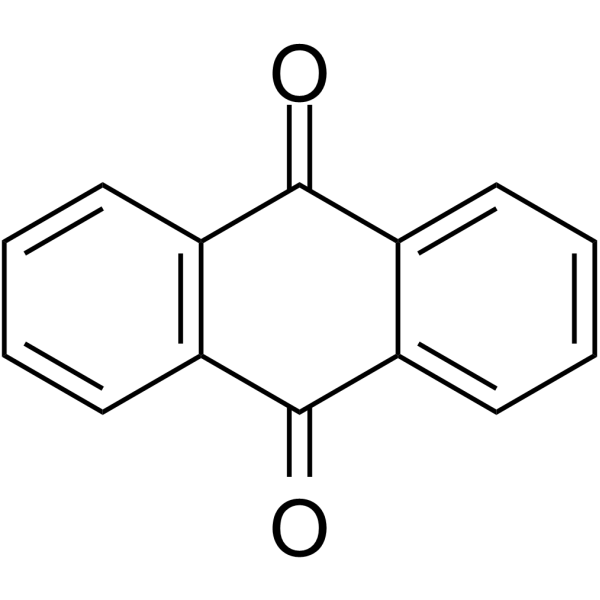
Anthraquinone is used as a precursor for dye formation and agrochemicals, existing in different organisms, such as bacteria, fungi, plants, and some animals. Anthraquinone has biological activities: anticancer, antiinflammatory, diuretic, antiarthritic, antifungal, antibacterial, antimalarial and antioxidant. Anthraquinone also plays an important role in the primary metabolism of plants by acting on the electron transport chain through the inhibition of energy transfer in the photosynthetic process. Anthraquinone can intercalates into DNA and inhibits the topoisomerase II (topo II) enzyme, resulting in cell death via Apoptosis .
loading...
    loading...
2
2 Cited Publications
Art. -Nr.: HY-135218A
CAS. Nr.: 19350-66-4
Reinheit:  99.65%
Target:  

DNA/RNA Synthesis

Forschungsgebiete:  

Cancer

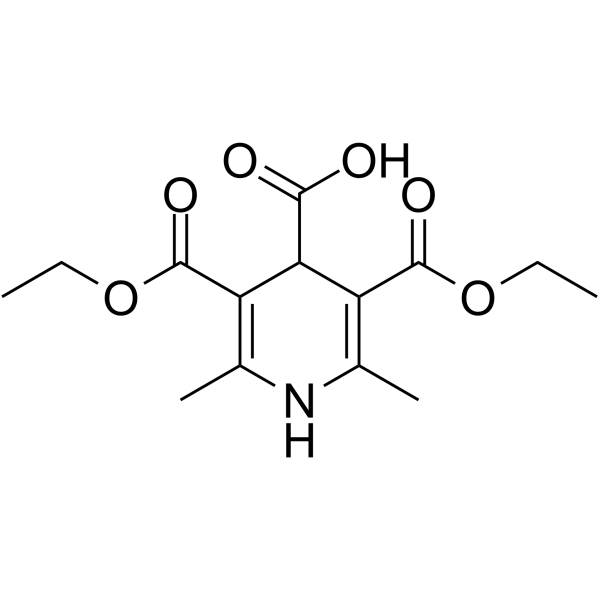
AV-153 free base, a 1,4-dihydropyridine (1,4-DHP) derivative, is an antimutagenic. AV-153 free base intercalates to DNA in a single strand break and reduces DNA damage, stimulates DNA repair in human cells in vitro. AV-153 free base interacts with thymine and cytosine and has an influence on poly(ADP)ribosylation. AV-153 free base has anti-cancer activity .
loading...
    loading...
2
2 Cited Publications
Art. -Nr.: HY-B1099
CAS. Nr.: 3105-97-3
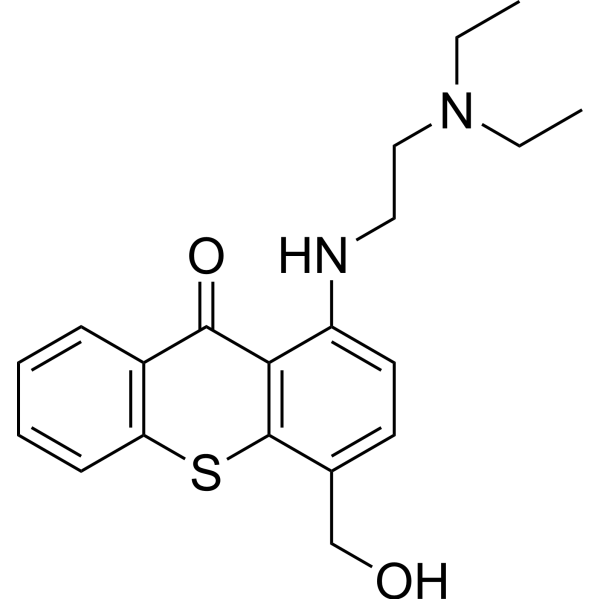
Hycanthone is an apurinic/apyrimidinic endonuclease 1 (APE1) inhibitor, DNA intercalator and Antischistosomal agent, with an IC50 of 80 nM against APE1. Hycanthone irreversibly inhibits thymidine incorporation into DNA in adult sensitive *Schistosoma mansoni*, while exerts weak inhibitory effects on uridine and leucine incorporation. Hycanthone reduces influenza virus-induced interferon production. Hycanthone exhibits mutagenic effects in various organisms, shows teratogenicity in mice and rabbits, and induces neoplastic liver lesions in partially hepatectomized mice. Hycanthone can be used in research related to schistosomiasis and cancer .
loading...
    loading...
1
1 Cited Publications
Art. -Nr.: HY-15794
CAS. Nr.: 108852-90-0
Reinheit:  96.84%
Synonyms: Methoxymorpholinyl doxorubicin; FCE 23762; PNU 152243
Target:  

G-quadruplex

Forschungsgebiete:  

Cancer

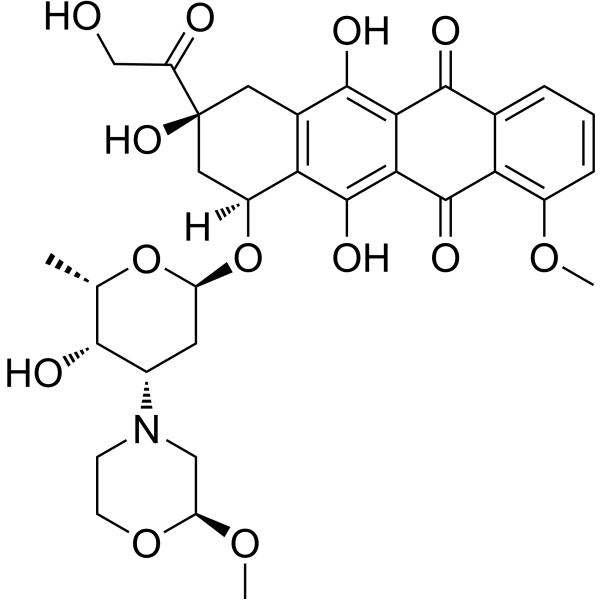
Nemorubicin (Methoxymorpholinyl doxorubicin) is a Doxorubicin derivative with potent antitumor activity. Nemorubicin is highly cytotoxic to a variety of tumor cell lines presenting a multidrug-resistant phenotype. Nemorubicin not only intercalate into the duplex DNA, but also result in significant ligands for G-quadruplex DNA segments, stabilizing their structure. Nemorubicin requirs an intact nucleotide excision repair (NER) system to exert its activity .
loading...
    loading...
1
1 Cited Publications
Art. -Nr.: HY-108999A
CAS. Nr.: 96389-68-3
Reinheit:  99.51%
Synonyms: BWA770U
Target:  

DNA/RNA Synthesis

Forschungsgebiete:  

Cancer

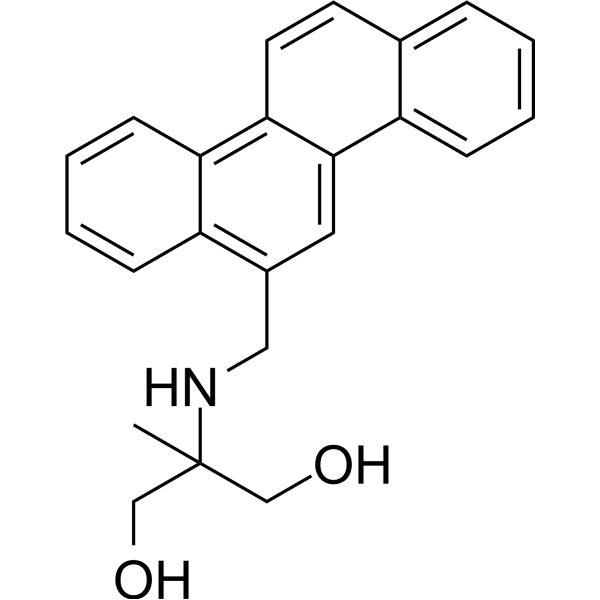
Crisnatol (BWA770U) is an orally active and anticancer agent, and a member of the arylmethylaminopropanediol class of DNA intercalators. Crisnatol shows in vitro cytotoxicity against human breast cancer cells, but not normal human skin fibroblasts .
loading...
    loading...
1
1 Cited Publications
Art. -Nr.: HY-D0163
CAS. Nr.: 14855-76-6
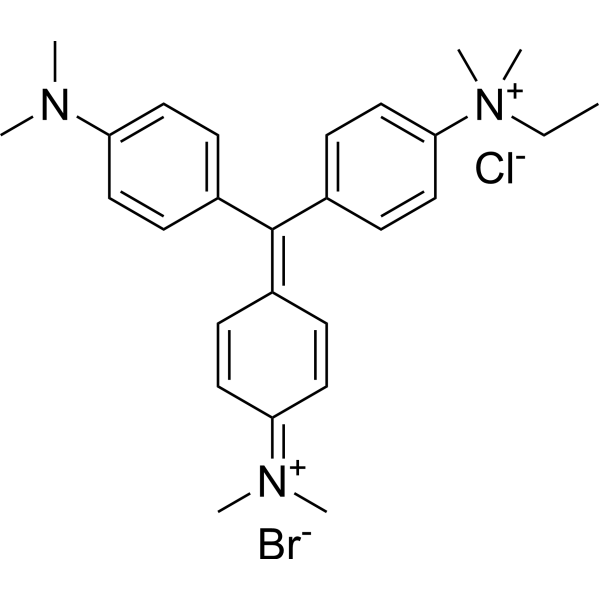
Methyl Green is a non-intercalating fluorescent labeling agent that selectively binds to the major groove of DNA. Methyl Green electrostatically interacts with the major groove of DNA through positively charged groups, exhibiting key activities such as high affinity, resistance to photobleaching, and stable fluorescence emission. Methyl Green can be directly measured by microscopy and flow cytometry, with peaks at 633 and 677 nm. Methyl Green can be used for fluorescent labeling of the nuclei of embryonic tissues or cells, or DNA staining and cell activity detection in gel electrophoresis[1][2][3].
loading...
    loading...

