
298 Results for "

stabilizer

" in MedChemExpress (MCE) Product Catalog:
Products (298)

298 Results for "stabilizer" in MCE Product Catalog:

Cat. No.: HY-W010572R
CAS No.: 96-27-5
Synonyms: alpha-Thioglycerol (Standard)
1-Thioglycerol (Standard) is the analytical standard of 1-Thioglycerol. This product is intended for research and analytical applications. 1-Thioglycerol, commonly used as a reducing agent in various biochemical and biophysical applications, especially in protein chemistry and molecular biology, it can protect proteins from oxidation and denaturation, and can reduce disulfide bonds to thiols base, which can then be modified or analyzed. In addition, 1-Thioglycerol has been investigated for potential medical applications, including as an inhibitor of cystic fibrosis, which may help improve the function of lung cells, and has also been studied for Used in the preparation of metal nanoparticles and as a stabilizer for certain pharmaceutical preparations.
loading...
    loading...
Cat. No.: HY-W738271
CAS No.: 91384-88-2
Synonyms: 3,4-Dimethoxybenzyl alcohol-13C
Veratryl alcohol- 13C (3,4-Dimethoxybenzyl alcohol- 13C) is the 13C-labeled Veratryl alcohol (HY-107858). Veratryl alcohol (3,4-Dimethoxybenzyl alcohol) is a secondary metabolite of lignin-degrading fungi, commonly used as a substrate for lignin peroxidase (LiP) to measure lignin degradation activity. Veratryl alcohol protects LiP from inactivation by H2O2 and prevents the accumulation of LiP III compounds. Veratryl alcohol also acts as a stabilizer for manganese-dependent peroxidases (MnP). Veratryl alcohol is a quorum-sensing inhibitor (QSI) and exhibits antibacterial efficacy .
loading...
    loading...
Cat. No.: HY-100634
CAS No.: 14133-90-5
Synonyms: (±)-4-hydroxy Propranolol hydrochloride
Target:  

Adrenergic Receptor

Research Areas:  

Cardiovascular Disease

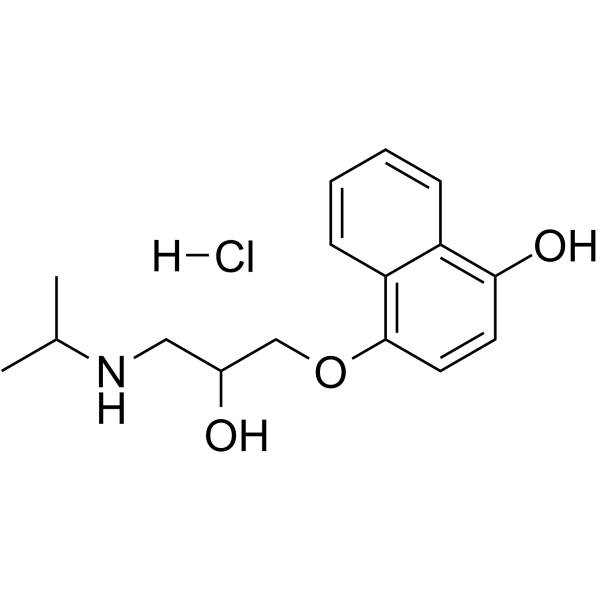
4-Hydroxypropranolol hydrochloride is a non-cardiac selective β-adrenergic receptor antagonist and a metabolite produced after oral administration of Propranolol (HY-B0573B). 4-Hydroxypropranolol hydrochloride also acts as a membrane stabilizer and possesses intrinsic sympathomimetic inhibitory activity. 4-Hydroxypropranolol hydrochloride blocks β-adrenergic receptors to antagonize the effects of catecholamines, acts as a partial β-adrenergic receptor agonist, and induces membrane stabilization. 4-Hydroxypropranolol hydrochloride alters heart rate, left ventricular contractility, and atrioventricular conduction time. 4-Hydroxypropranolol hydrochloride can be used in research related to cardiovascular and cerebrovascular diseases .
loading...
    loading...
Cat. No.: HY-184611
Selenium (Se) is an essential trace element for the human body, playing a vital role in various physiological activities. In the body, selenium is bound to selenocysteine, an amino acid used to synthesize several selenoproteins. Selenium is often the active site of these proteins, playing a crucial role in maintaining intracellular redox balance. Chitosan-stabilized selenium nanoparticles (CS-SeNPs) are nanomaterials using the biopolymer chitosan (CS) as a stabilizer. Through electrostatic interactions, chitosan coats the surface of selenium nanoparticles (Se NPs), improving their dispersibility, stability, and biocompatibility. Se NPs themselves are characterized by low toxicity and high bioactivity, and the introduction of chitosan further enhances their functionality and application potential, making them widely recognized in biomedicine, food, and agriculture.
loading...
    loading...
Cat. No.: HY-B0320AR
CAS No.: 15826-37-6
Synonyms: Cromoglycate disodium (Standard); Cromoglicic acid disodium (Standard); FPL-670 (Standard)
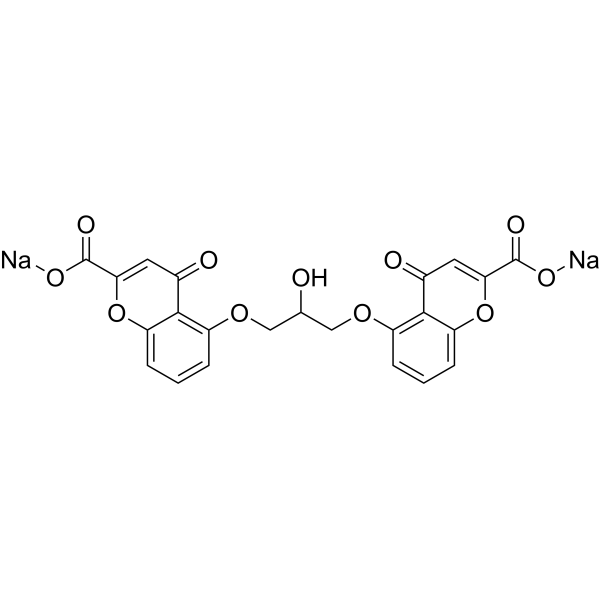
Cromolyn disodium (Standard) (Cromoglycate disodium (Standard)) is the analytical standard of Cromolyn disodium (HY-B0320A). This product is intended for research and analytical applications. Cromolyn (Cromoglycate) disodium is an orally active GSK-3β inhibitor with an IC50 of 2.0 μM. Cromolyn disodium is also a mast cell stabilizer that can inhibit the release of mediators from mast cells, regulate reflex bronchoconstriction, and reduce non-specific bronchial hyperreactivity, and Cromolyn disodium can be used in the research of bronchial asthma. In addition, Cromolyn disodium has multiple activities such as anti-inflammatory, anti-allergic, anti-histamine, anti-cancer, and neuroprotective effects .
loading...
    loading...
Cat. No.: HY-D0877
CAS No.: 29915-38-6
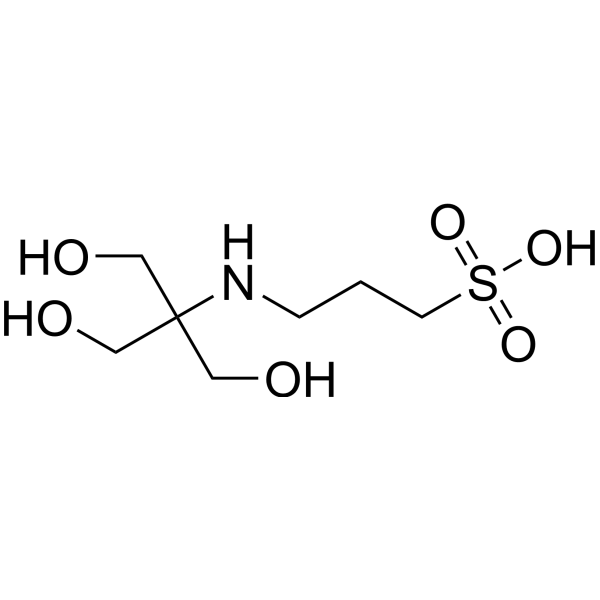
TAPS is an aminosulfonate-based lysozyme stabilizer and connexin channel inhibitor. TAPS maintains the native structure of lysozyme in aqueous solution at pH 7.0 and significantly protects it from heat-induced denaturation. TAPS directly inhibits the activity of heteromeric connexin 32/connexin 26 channels (Cx32/Cx26) via its protonated form, and this inhibitory effect is dependent on the presence of connexin 26. TAPS reduces connexin channel-mediated solute exchange in a recombinant liposome system, resulting in a decreased degree of liposome density shift in transport-specific separation assays. TAPS is a critical compound for investigating the structure and function of connexin channels .
loading...
    loading...
Cat. No.: HY-N6664
CAS No.: 9000-01-5
Synonyms: Arabic gum
Gum Arabic is an orally active complex branched polysaccharide. Gum Arabic can be isolated from the Acacia senegal tree. Gum Arabic upregulates the expression of maturation markers (CD86, CD40, and CD54), promotes ERK1/2 phosphorylation, and inhibits Apoptosis. Gum Arabic exhibits antimalarial effects against Plasmodium berghei ANKA. Gum Arabic exhibits hepatoprotective, renal, and cardiovascular protective activities. Gum Arabic improves obesity. Gum Arabic is commonly used as a stabilizer and thickener. Gum Arabic can be used in the research of brain tumor imaging .
loading...
    loading...
Cat. No.: HY-W016773
CAS No.: 112-47-0
1,10-Decanediol is a diol compound that can react with α-ketoglutarate (aKG) to generate polymeric microparticles (termed paKG MPs) for the sustained release of aKG, thereby promoting immunosuppressive regulation. Additionally, paKG MPs can bind to dendritic cells (DCs), reducing their glycolysis and mitochondrial respiration in vitro. These metabolic changes lead to the modulation of MHC-II and CD86 expression in DCs and alter the frequency of regulatory T cells (Tregs) as well as T-helper type 1/2/17 cells in vitro. 1,10-Decanediol can be used in research within the field of immunometabolism. can be used as a surfactant/stabilizer in the synthesis of nanomaterials .
loading...
    loading...
Cat. No.: HY-W018746R
CAS No.: 139-33-3
Synonyms: Ethylenediaminetetraacetic acid disodium (Standard)
EDTA (disodium) (Standard) is the analytical standard of EDTA (disodium). This product is intended for research and analytical applications. EDTA disodium salt, also known as ethylenediaminetetraacetic acid disodium, belongs to the chelating agent category, which is formed by chelating a central metal ion with four carboxylate groups and two amine groups. This compound, with its ability to bind and chelate metal ions such as calcium, magnesium and iron, is commonly used in a variety of applications, including industrial, medical and research settings. It is used as a preservative in food and beverage, as a stabilizer in medicine, as a chelating agent in water treatment, and as a reagent in biochemical and biomedical research. In addition, EDTA disodium salt has been studied for potential research effects such as improving heavy metal poisoning and cardiovascular disease.
loading...
    loading...
Cat. No.: HY-W086988
CAS No.: 136-85-6
Synonyms: 5-Methylbenzotriazole
Research Areas:  

Others

5-Methyl-1H-benzotriazole (5-Methylbenzotriazole) is a benzotriazole derivative, and serves as a key building block for ultraviolet absorbers and light stabilizers. 5-Methyl-1H-benzotriazole reduces the photosensitizing ability of nitrate and dissolved organic matter (DOM), enhances the persistence of microorganic pollutants, inhibits the photodegradation of DOM and drug residues, and quenches the triplet excited states of DOM and methotrexate substructures. 5-Methyl-1H-benzotriazole acts as a corrosion inhibitor for copper and copper alloys, and is present in formulations of anti-icing fluids, dishwasher detergents, aircraft deicing fluids and automotive antifreezes .
loading...
    loading...
Cat. No.: HY-W111692
CAS No.: 68915-31-1
Sodium polyphosphate, crystal,+200 mesh, 96% is an inorganic polyphosphate that also serves as a stabilizer, dispersant, chelating agent, and coacervate-forming agent. Sodium polyphosphate provides electrostatic stabilization for mineral and material suspensions, but its dispersing efficacy decreases under acidic pH, high temperature, high calcium concentration, or a combination of these conditions. Sodium polyphosphate can chelate alkaline earth metals, reduce solution pH, and alter the rate of pH decline at a divalent cation/phosphorus molar ratio of 0.18. Sodium polyphosphate forms coacervates with smaller divalent cations and precipitates with larger divalent cations, where the functional requirements of cations depend on polyphosphate concentration, average degree of polymerization, and cation type .
loading...
    loading...
Cat. No.: HY-115569
CAS No.: 1966107-70-9
Target:  

G-quadruplex c-Myc

Research Areas:  

Cancer

DC-34 is a selective stabilizer of MYC G-quadruplexes (G4s), with measured Kd values of 9.4 μM (FIA), 1.4 μM (SPR), and 16.5 μM (NMR) across different assays. DC-34 downregulates MYC levels in cancer cells in a G4-dependent manner, reduces cell viability, and induces G0-G1 cell cycle arrest and p16-marked senescence in MYC-driven multiple myeloma cells. DC-34 can serve as a probe for G4-dependent gene regulation studies and is applicable to research on multiple myeloma .
loading...
    loading...
Cat. No.: HY-13448R
CAS No.: 69049-73-6
Synonyms: FPL 59002 (Standard)
Nedocromil (FPL 59002) (Standard) is the analytical standard of Nedocromil (HY-13448). This product is intended for research and analytical applications. Nedocromil (FPL 59002) calcium is a mast cell stabilizer and an inhibitor of IL-8 production. Nedocromil calcium inhibits mast cell degranulation and collagen synthesis induced by activated mast cells, indirectly interfering with IL-1β signaling. Nedocromil calcium reduces conjunctival eosinophil infiltration and improves the cutaneous manifestations of chronic graft-versus-host disease (including reducing fibrosis, loss of fat and hair follicles, and inflammatory infiltration). Nedocromil calcium can be used in research on chronic graft-versus-host disease, asthma, and allergic conjunctivitis .
loading...
    loading...
Cat. No.: HY-101810
CAS No.: 82989-25-1
Purity:  99.50%
Synonyms: TO 188; Tazalest; Tazanol
Target:  

Calcium Channel PKC

Research Areas:  

Inflammation/Immunology

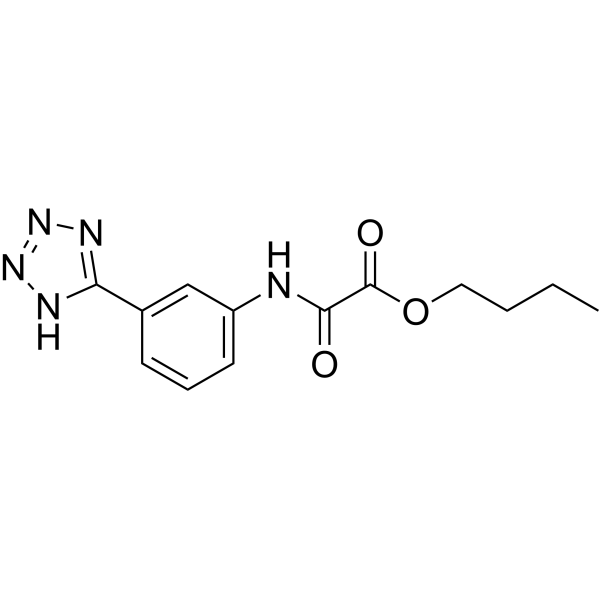
Tazanolast (TO 188) is an orally active selective mast cell stabilizer. Tazanolast prevents the elevation of intracellular calcium concentration, inhibits calcium uptake and Protein kinase C translocation, without directly inhibiting phospholipase C. Tazanolast inhibits ozone-induced airway hyperresponsiveness to Methacholine in guinea pigs, as well as passive cutaneous anaphylaxis, Schultz-Dale reaction, experimental asthma, passive cutaneous anaphylaxis in rats, and increased cutaneous vascular permeability in rats. Tazanolast does not alter airway responsiveness in sham-exposed guinea pigs, cell distribution in bronchoalveolar lavage fluid after ozone exposure, type II-IV allergic reactions, or histamine release from atopic leukocytes. Tazanolast can be used in research related to allergic diseases .
loading...
    loading...
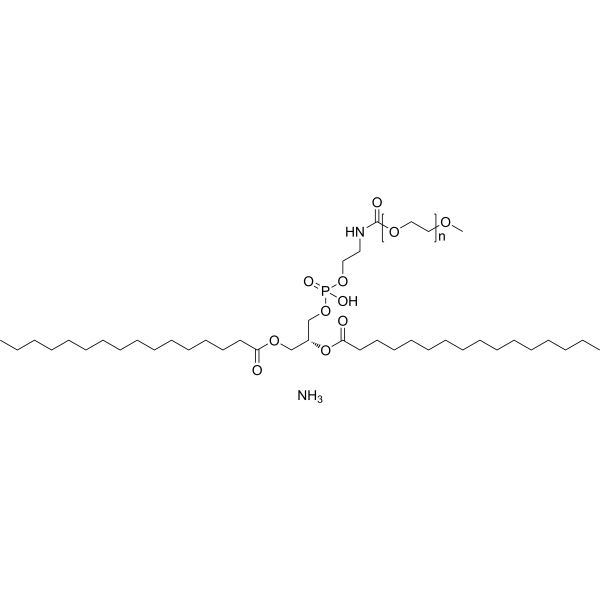
Cat. No.: HY-144012H
CAS No.: 474922-84-4
Synonyms: 16:0 PEG5000 PE; 1,2-Dipalmitoyl-sn-glycero-3-phosphoethanolamine-N-[methoxy(polyethylene glycol)-5000] ammonium
Target:  

Liposome

Research Areas:  

Others

DPPE-PEG5000 (16:0 PEG5000 PE) is a polymer-lipid conjugate and LipoParticle stabilizer with a PEG chain of 5,000 g/mol molecular weight attached to its polar head, and it can be internalized by biological membranes. DPPE-PEG5000 enables LipoParticle to maintain colloidal stability after 20-fold dilution in PBS or cell culture medium, and prevents aggregate formation during lyophilization and rehydration. DPPE-PEG5000 helps enhance the non-cytotoxic property of LipoParticle formulations against human osteoblasts. DPPE-PEG5000 serves as a PEG lipid functional end group for synthesizing liposomes (LPs), is used in the design of conjugated polymer nanoparticles, and applies to research related to bone and joint infections .
loading...
    loading...
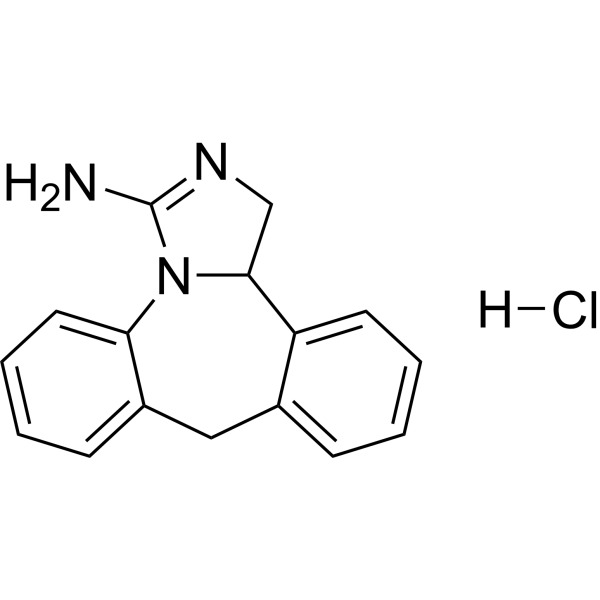
Cat. No.: HY-B0640AR
CAS No.: 108929-04-0
Synonyms: WAL801 hydrochloride (Standard)
Epinastine (hydrochloride) (Standard) is the analytical standard of Epinastine hydrochloride (HY-B0640A). This product is intended for research and analytical applications. Epinastine hydrochloride (WAL801 hydrochloride) is a selective and orally active histamine H1 receptor antagonist, CD96/PVR inhibitor and mast cell stabilizer. Epinastine hydrochloride has high affinity for neuronal octopamine receptors in locusts (Ki = 2 nM) and honeybees (Ki = 1.1 nM). Epinastine hydrochloride inhibits TARC, IL-8, and IL-4. Epinastine hydrochloride activates anti-colon cancer immunity and inhibits Substance P (HY-P0201)-induced scratching behavior and increased vascular permeability. Epinastine hydrochloride can be used in the research of allergic diseases .
loading...
    loading...
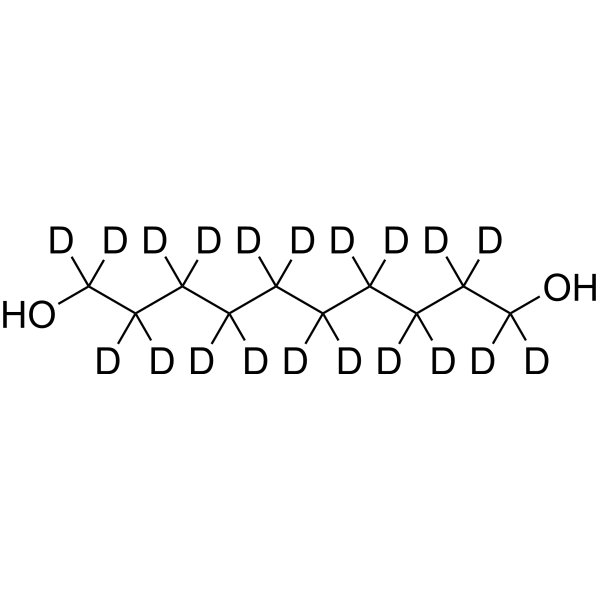
Cat. No.: HY-W016773S
CAS No.: 347841-78-5
1,10-Decanediol-d20 is the deuterium labeled 1,10-Decanediol . 1,10-Decanediol is a diol compound that can react with α-ketoglutarate (aKG) to generate polymeric microparticles (termed paKG MPs) for the sustained release of aKG, thereby promoting immunosuppressive regulation. Additionally, paKG MPs can bind to dendritic cells (DCs), reducing their glycolysis and mitochondrial respiration in vitro. These metabolic changes lead to the modulation of MHC-II and CD86 expression in DCs and alter the frequency of regulatory T cells (Tregs) as well as T-helper type 1/2/17 cells in vitro. 1,10-Decanediol can be used in research within the field of immunometabolism. can be used as a surfactant/stabilizer in the synthesis of nanomaterials .
loading...
    loading...
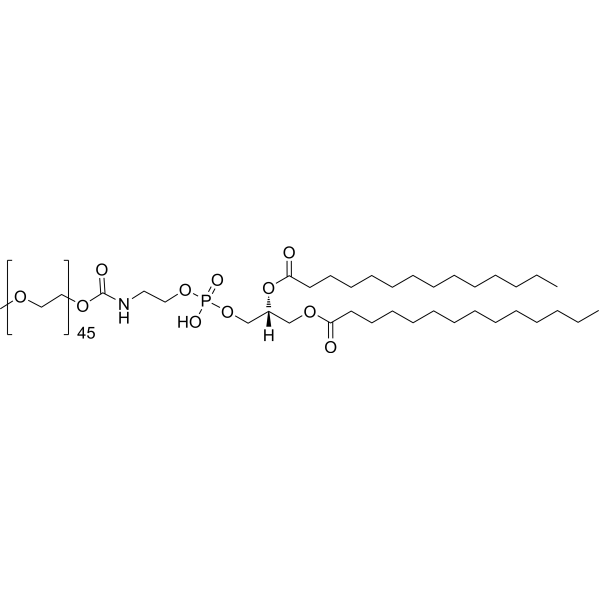
Cat. No.: HY-112768
Purity:  ≥95.0%
Research Areas:  

Others

PEG2000-DMPE is a polyethylene glycol-lipid conjugate combined with phosphatidylethanolamine. PEG2000-DMPE undergoes a conformational transition from mushroom-like to brush-like at a concentration of 7 mol%, thereby exerting multiple functions such as inhibitor, stabilizer and surface defect modifier. PEG2000-DMPE can form a steric hindrance barrier on the vesicle surface to block calcium ion-induced liposome fusion, and dynamically regulate the fusion process through spontaneous transfer rate. PEG2000-DMPE can delay the thinning of foam thin liquid films and smoothly seal surface defects of solid support layers. PEG2000-DMPE can be used in the design and related research of stealth liposomes and micelles .
loading...
    loading...
Cat. No.: HY-13769
CAS No.: 769856-81-7
Synonyms: TPU260
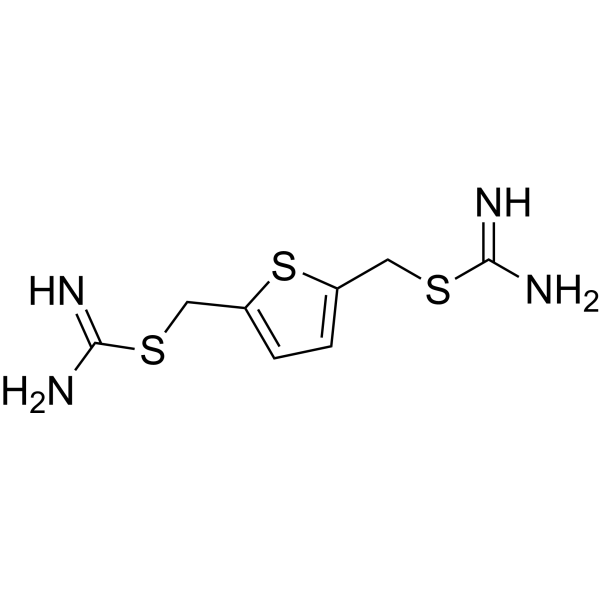
TPT-260 (TPU260), a thiophene thiourea derivative, is a retromer complex stabilizer against thermal denaturation (Kd = ~5 µM). TPT-260 increases the levels of retromer proteins, shifts amyloid-precursor protein (APP) away from the endosome, and decreases the pathogenic processing of APP. TPT-260 inhibits TLR4 upregulation, IKKβ phosphorylation, NF-κB p65 nuclear translocation, and NLRP3 inflammasome formation. TPT-260 improves retromer-mediated cargo trafficking, reduces brain infarct area, and decreases amyloid plaque deposition. TPT-260 exhibits minimal cytotoxicity to primary microglia at tested concentrations. TPT-260 can be used for the research of inflammatory bowel disease, ischemic stroke and Alzheimer's disease .
loading...
    loading...
Cat. No.: HY-144012
CAS No.: 474922-84-4
Purity:  99.83%
Synonyms: 16:0 PEG2000 PE ammonium; 1,2-Dipalmitoyl-sn-glycero-3-phosphoethanolamine-N-[methoxy(polyethylene glycol)-2000] ammonium
Target:  

Liposome

Research Areas:  

Others

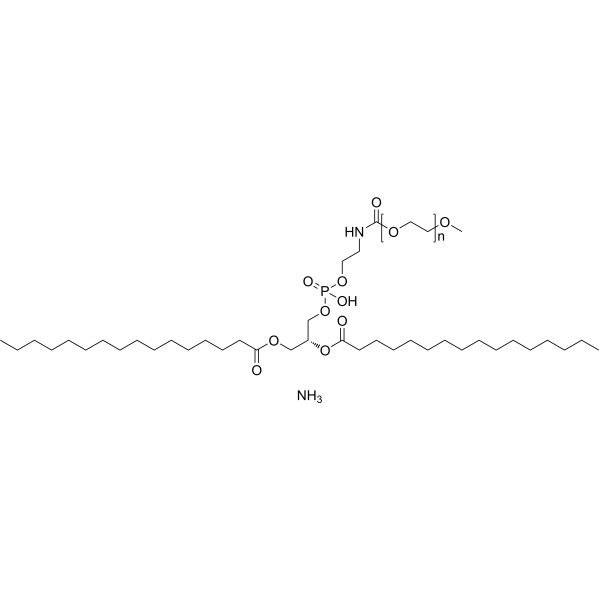
DPPE-PEG2000 ammonium (16:0 PEG5000 PE) is a polymer-lipid conjugate and LipoParticle stabilizer with a PEG chain of 5,000 g/mol molecular weight attached to its polar head, and it can be internalized by biological membranes. DPPE-PEG2000 ammonium enables LipoParticle to maintain colloidal stability after 20-fold dilution in PBS or cell culture medium, and prevents aggregate formation during lyophilization and rehydration. DPPE-PEG2000 ammonium helps enhance the non-cytotoxic property of LipoParticle formulations against human osteoblasts. DPPE-PEG2000 ammonium serves as a PEG lipid functional end group for synthesizing liposomes (LPs), is used in the design of conjugated polymer nanoparticles, and applies to research related to bone and joint infections .
loading...
    loading...

