283 Results for "

thiol-ene formulation

" in MedChemExpress (MCE) Product Catalog:
Products (283)

283 Results for "thiol-ene formulation" in MCE Product Catalog:

Cat. No.: HY-185760
Target:  

Liposome

Research Areas:  

Others

F-L319 is an ionizable lipid and spleen-targeting mRNA delivery vector. F-L319 can be formulated into lipid nanoparticles (LNPs) to drive spleen-restricted reporter protein expression in mice. F-L319 modulates mRNA encapsulation efficiency, cellular uptake efficiency, and delivery efficiency, with effects varying depending on the composition of LNP formulations. When prepared as pure LNPs, F-L319 shows poor mRNA delivery efficiency in cells; in contrast, hybrid LNPs containing F-L319 and L319 significantly enhance mRNA delivery efficiency in cells .
loading...
    loading...
Cat. No.: HY-W010697
CAS No.: 604-33-1
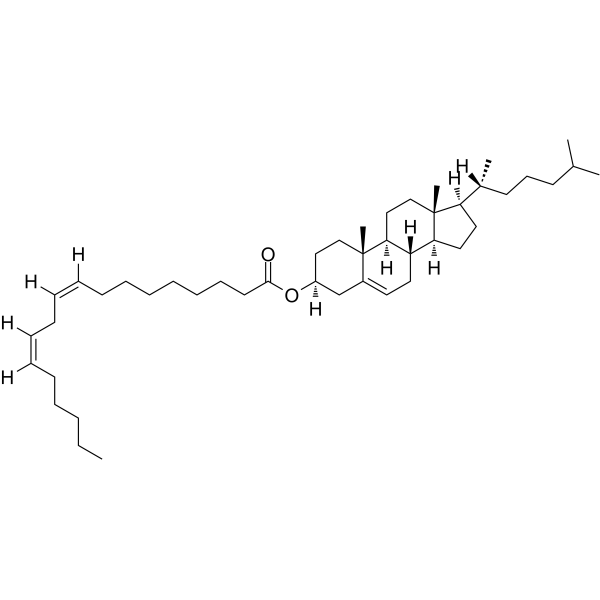
Cholesteryl linoleate is a cholesteryl ester with antibacterial activity that is present in low-density lipoprotein (LDL) particles, human nasal fluid, and respiratory epithelial secretions. Cholesteryl linoleate is oxidized by 12/15-lipoxygenase in macrophages and participates in selective uptake and efflux via LDL receptor-related protein. Cholesteryl linoleate does not induce endothelial adhesion molecule expression, nor does it induce monocyte binding to endothelial cells. Cholesteryl linoleate liposomal formulations inhibit the growth of multiple bacteria at physiological nasal fluid concentrations and act synergistically with antimicrobial peptides. Cholesteryl linoleate is useful for research related to atherosclerosis and bacterial infections .
loading...
    loading...
Cat. No.: HY-W710279
N-ethyl-N-oxido-dodecan-1-amine-d6 is the deuterium labeled N-ethyl-N-oxido-dodecan-1-amine (HY-W127785). N-ethyl-N-oxido-dodecan-1-amine is an amine oxide surfactant commonly used as a detergent, emulsifier and wetting agent in various industrial processes, especially in personal care products and household cleaning in the production of agents. N,N-Dimethyldodecylamine N-oxide has unique chemical properties that make it an effective ingredient in many product formulations to help reduce surface tension and enhance cleaning power.
loading...
    loading...
Cat. No.: HY-W744577
Synonyms: Dexamethasone 21-acetate-d5; Hexadecadrol acetate-d5
Dexamethasone acetate-d5 (Dexamethasone 21-acetate-d5; Hexadecadrol acetate-d5) is the deuterium labeled Dexamethasone acetate (HY-14648A). Dexamethasone acetate (Dexamethasone 21-acetate) is the acetate form of the glucocorticoid Dexamethasone (HY-14648). Dexamethasone acetate has a longer duration of action than Dexamethasone. Dexamethasone acetate can accumulate at inflammatory sites, in mouse liver and mouse lung via nanostructured lipid carriers. Dexamethasone acetate can be used to prepare topical formulations for studies related to sensorineural hearing loss, γ-carrageenan-induced paw edema, chronic active hepatitis, pulmonary diseases, and inflammation after vitreoretinal surgery.
loading...
    loading...
Cat. No.: HY-125533
CAS No.: 1404289-52-6
Target:  

Bacterial

Research Areas:  

Infection

TXA497 is a potent local topical bactericide. TXA497 exerts its bactericidal effect by interfering with the polymerization kinetics of the bacterial cell division protein FtsZ, rather than inhibiting it. TXA497 shows strong activity against various Staphylococcus aureus strains, including MRSA and MSSA, with an MIC value ranging from 1.0 to 2.0 μg/mL. TXA497 skin deposition is concentration-dependent in its formulation, consistent with Fick's first law. TXA497 has limited systemic permeability through the lipid pathway of the stratum corneum and is easily absorbed through this route. TXA497 can be used for research on topical bactericidal agents .
loading...
    loading...
Cat. No.: HY-134098
CAS No.: 6938-94-9
Purity:  ≥98.0%
Synonyms: Adipic acid diisopropyl ester
Research Areas:  

Others

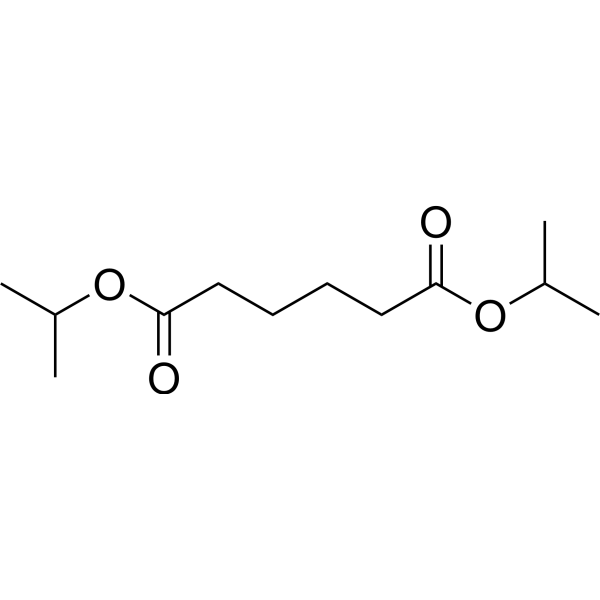
Diisopropyl adipate is an alternative plasticizer and a TRPA1 activator. Diisopropyl adipate activates TRPA1 and enhances FITC-induced contact hypersensitivity (CHS).Diisopropyl adipate also serves as an ingredient in cosmetics and drug formulations topically applied to the skin. Diisopropyl adipate can be used as an excipient, such as emollients, plasticizers. Pharmaceutical excipients, or pharmaceutical auxiliaries, refer to other chemical substances used in the pharmaceutical process other than pharmaceutical ingredients. Pharmaceutical excipients generally refer to inactive ingredients in pharmaceutical preparations, which can improve the stability, solubility and processability of pharmaceutical preparations. Pharmaceutical excipients also affect the absorption, distribution, metabolism, and elimination (ADME) processes of co-administered drugs .
loading...
    loading...
Cat. No.: HY-P12013
Research Areas:  

Inflammation/Immunology

PEG12KL4 is a PEG-modified amphipathic cell-penetrating peptide. PEG12KL4 promotes the transfection and delivery of mRNA into lung cells, maintains mRNA stability, and forms mRNA complexes that retain integrity and translatability. PEG12KL4 endows lipid nanoparticles (LNPs) with anti-nebulization properties, enhances transfection efficiency in artificial mucus when used in combination with LNPs, and enables the formation of dry powder formulations with low toxicity and mild inflammatory responses. PEG12KL4 can be used in studies related to drug delivery for pulmonary diseases (cystic fibrosis, chronic obstructive pulmonary disease) .
loading...
    loading...
Cat. No.: HY-W013222
CAS No.: 55066-53-0
Research Areas:  

Others

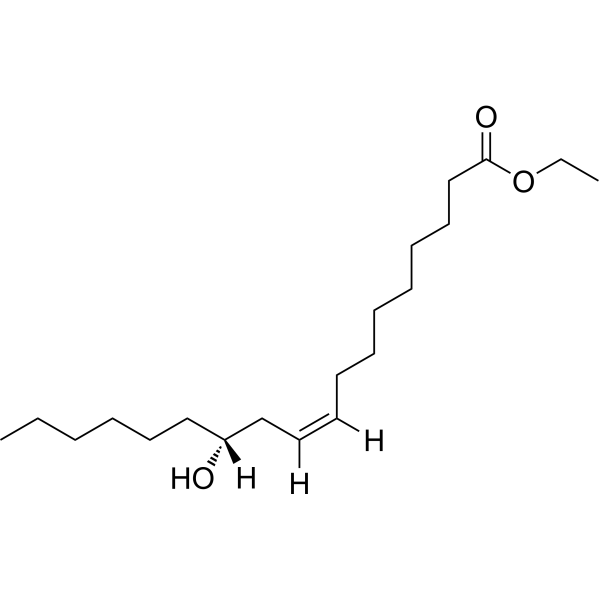
(R,Z)-Ethyl 12-hydroxyoctadec-9-enoate is a naturally occurring organic compound belonging to the class of fatty acid esters. It is derived from oleic acid, a common unsaturated fatty acid found in various animal and plant sources. (R,Z)-Ethyl 12-hydroxyoctadec-9-enoate contains an ethyl group and a hydroxyl group at specific positions in the fatty acid chain. It has various applications in industry and biomedicine, especially as a precursor for the synthesis of other bioactive compounds. (R,Z)-Ethyl 12-hydroxyoctadec-9-enoate is also used in the formulation of certain types of cosmetic and personal care products, such as skin creams and lotions.
loading...
    loading...
Cat. No.: HY-W086988
CAS No.: 136-85-6
Synonyms: 5-Methylbenzotriazole
Research Areas:  

Others

5-Methyl-1H-benzotriazole (5-Methylbenzotriazole) is a benzotriazole derivative, and serves as a key building block for ultraviolet absorbers and light stabilizers. 5-Methyl-1H-benzotriazole reduces the photosensitizing ability of nitrate and dissolved organic matter (DOM), enhances the persistence of microorganic pollutants, inhibits the photodegradation of DOM and drug residues, and quenches the triplet excited states of DOM and methotrexate substructures. 5-Methyl-1H-benzotriazole acts as a corrosion inhibitor for copper and copper alloys, and is present in formulations of anti-icing fluids, dishwasher detergents, aircraft deicing fluids and automotive antifreezes .
loading...
    loading...
Cat. No.: HY-W127785S
CAS No.: 161562-43-2
Synonyms: N,N-Dimethyldodecylamine N-oxide-d31; Dodecyldimethylamine oxide-d31
N-Ethyl-N-oxido-dodecan-1-amine-d31 (N,N-Dimethyldodecylamine N-oxide-d31) is the deuterium labeled N-Ethyl-N-oxido-dodecan-1-amine. N-ethyl-N-oxido-dodecan-1-amine is an amine oxide surfactant commonly used as a detergent, emulsifier and wetting agent in various industrial processes, especially in personal care products and household cleaning in the production of agents. N,N-Dimethyldodecylamine N-oxide has unique chemical properties that make it an effective ingredient in many product formulations to help reduce surface tension and enhance cleaning power.
loading...
    loading...
Cat. No.: HY-W019872
CAS No.: 7722-76-1
Ammonium dihydrogen phosphate is an ammonium phosphate salt with both hydrogenation and dehydration properties. Ammonium dihydrogen phosphate decomposes to form phosphoric acid and ammonia upon heating, and serves as a main component of fertilizers. Ammonium dihydrogen phosphate promotes glycosidic bond cleavage, formation of dehydrated sugars and furans, biomass carbonization, hydrogen donor reactions, and lignin bond weakening. Ammonium dihydrogen phosphate selectively promotes the production of furfural and levoglucosenone during the pyrolysis of lignocellulosic biomass. Ammonium dihydrogen phosphate can be used as a nitrogen/phosphorus source and activator for the preparation of nitrogen-phosphorus co-doped activated carbon. Ammonium dihydrogen phosphate acts as a sucrose conversion catalyst in sustainable wood adhesive formulations. Ammonium dihydrogen phosphate is applicable to related research in various fields such as agriculture and electronics .
loading...
    loading...
Cat. No.: HY-144012H
CAS No.: 474922-84-4
Synonyms: 16:0 PEG5000 PE; 1,2-Dipalmitoyl-sn-glycero-3-phosphoethanolamine-N-[methoxy(polyethylene glycol)-5000] ammonium
Target:  

Liposome

Research Areas:  

Others

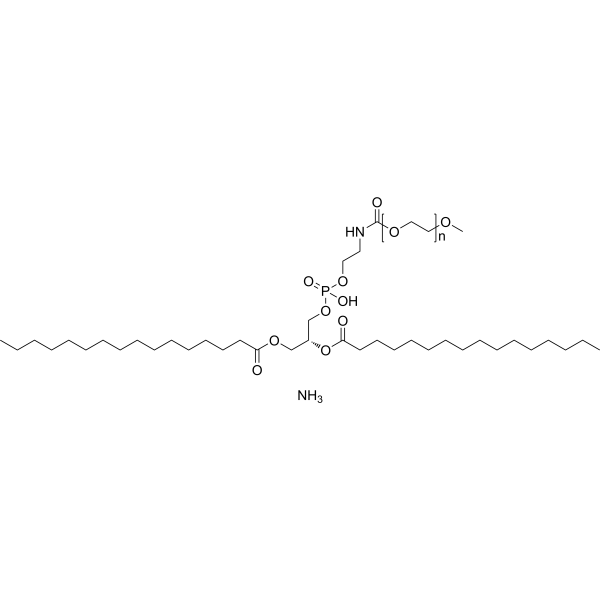
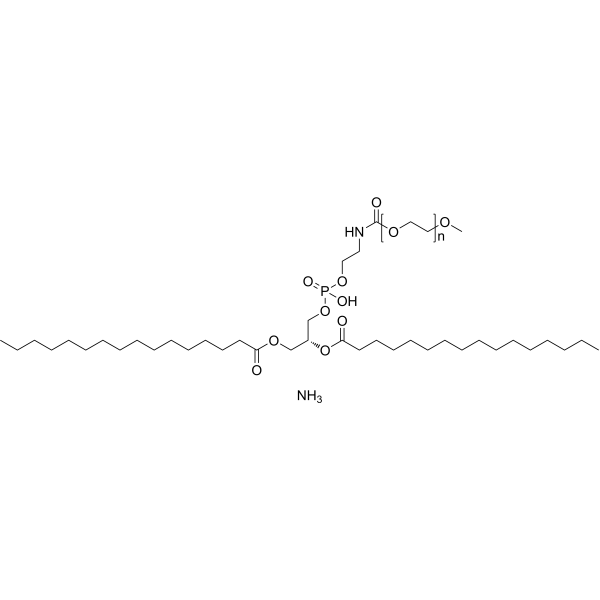
DPPE-PEG5000 (16:0 PEG5000 PE) is a polymer-lipid conjugate and LipoParticle stabilizer with a PEG chain of 5,000 g/mol molecular weight attached to its polar head, and it can be internalized by biological membranes. DPPE-PEG5000 enables LipoParticle to maintain colloidal stability after 20-fold dilution in PBS or cell culture medium, and prevents aggregate formation during lyophilization and rehydration. DPPE-PEG5000 helps enhance the non-cytotoxic property of LipoParticle formulations against human osteoblasts. DPPE-PEG5000 serves as a PEG lipid functional end group for synthesizing liposomes (LPs), is used in the design of conjugated polymer nanoparticles, and applies to research related to bone and joint infections .
loading...
    loading...
Cat. No.: HY-N3387
CAS No.: 30508-27-1
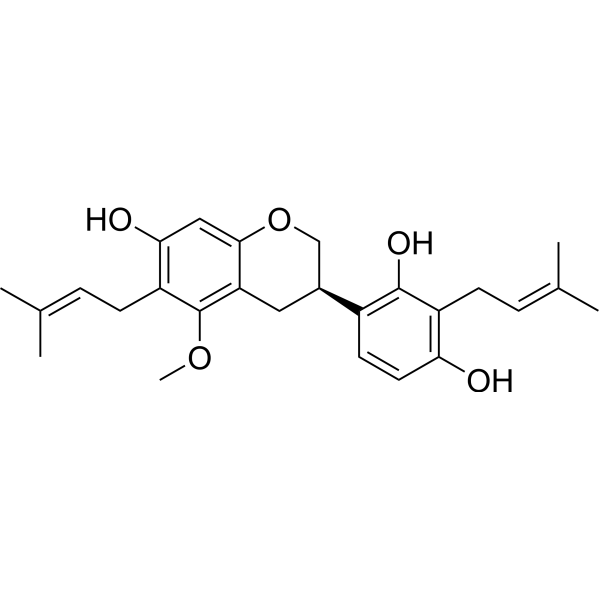
Licoricidin (LCD) is isolated from Glycyrrhiza uralensis Fisch, possesses anti-cancer activities. Licoricidin (LCD) inhibit SW480 cells (IC50=7.2 μM) by inducing cycle arrest, apoptosis and autophagy, and is a potential chemopreventive or chemotherapeutic agent against colorectal cancer . Licoricidin (LCD) inhibits Lung Metastasis by inhibition of tumor angiogenesis and lymphangiogenesis as well as changes in the local microenvironment of tumor tissues the anticarcinogenic effect . Licoricidin enhanced gemcitabine-induced cytotoxicity in Osteosarcoma (OS) cells by inactivation of the Akt and NF-κB pathways in vitro and in vivo . Licoricidin blocks UVA-induced photoaging via ROS scavenging, limits the activity of MMP-1, it can be considered as an active ingredient in new topically applied anti-ageing formulations .
loading...
    loading...
Cat. No.: HY-U00265
CAS No.: 20073-24-9
Synonyms: 3-Carbethoxypsoralen; 3-Ethoxycarbonylpsoralen
Target:  

Bacterial

Research Areas:  

Infection

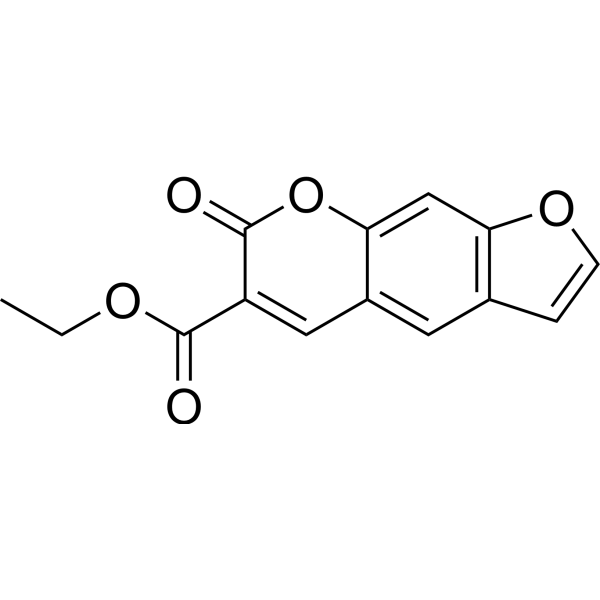
3-CPs is a monofunctional furanocoumarin and a photoprotective agent targeting Staphylococcus aureus DNA, possessesing anti-UVB lethal activity. 3-CPs competitively intercalates into DNA, forming exclusively 4',5'-furan-side mono-adducts upon UVB irradiation, and irreversibly inhibits the formation of cyclobutane pyrimidine dimers. 3-CPs prevents UVB-induced DNA damage by preferentially binding to strong (AT)n sites within the DNA, without inducing lethal interstrand DNA cross-links; the limited number of mono-adducts it induces can be efficiently repaired by bacteria. 3-CPs holds potential for use in the development of photoprotective formulations for skin diseases, as well as in studies investigating bacterial DNA photodamage repair mechanisms and the optimization of photochemotherapy safety .
loading...
    loading...
Cat. No.: HY-W010697S
Cholesteryl linoleate-d11 is the d11-labeled Cholesteryl linoleate (HY-W010697). Cholesteryl linoleate is a cholesteryl ester with antibacterial activity that is present in low-density lipoprotein (LDL) particles, human nasal fluid, and respiratory epithelial secretions. Cholesteryl linoleate is oxidized by 12/15-lipoxygenase in macrophages and participates in selective uptake and efflux via LDL receptor-related protein. Cholesteryl linoleate does not induce endothelial adhesion molecule expression, nor does it induce monocyte binding to endothelial cells. Cholesteryl linoleate liposomal formulations inhibit the growth of multiple bacteria at physiological nasal fluid concentrations and act synergistically with antimicrobial peptides. Cholesteryl linoleate is useful for research related to atherosclerosis and bacterial infections .
loading...
    loading...
Cat. No.: HY-144012
CAS No.: 474922-84-4
Purity:  99.83%
Synonyms: 16:0 PEG2000 PE ammonium; 1,2-Dipalmitoyl-sn-glycero-3-phosphoethanolamine-N-[methoxy(polyethylene glycol)-2000] ammonium
Target:  

Liposome

Research Areas:  

Others

DPPE-PEG2000 ammonium (16:0 PEG5000 PE) is a polymer-lipid conjugate and LipoParticle stabilizer with a PEG chain of 5,000 g/mol molecular weight attached to its polar head, and it can be internalized by biological membranes. DPPE-PEG2000 ammonium enables LipoParticle to maintain colloidal stability after 20-fold dilution in PBS or cell culture medium, and prevents aggregate formation during lyophilization and rehydration. DPPE-PEG2000 ammonium helps enhance the non-cytotoxic property of LipoParticle formulations against human osteoblasts. DPPE-PEG2000 ammonium serves as a PEG lipid functional end group for synthesizing liposomes (LPs), is used in the design of conjugated polymer nanoparticles, and applies to research related to bone and joint infections .
loading...
    loading...
Cat. No.: HY-W012952R
CAS No.: 4313-03-5
Synonyms: trans,trans-2,4-Heptadienall (Standard)
(2E,4E)-Hepta-2,4-dienal (Standard) is the analytical standard of (2E,4E)-Hepta-2,4-dienal. This product is intended for research and analytical applications. (2E,4E)-Hepta-2,4-dienal is a naturally occurring organic compound that belongs to the group of aldehydes. It is an unsaturated aldehyde with two conjugated double bonds, giving it unique chemical and physical properties. (2E,4E)-Hepta-2,4-dienal is commonly found in various plant sources, especially in spices such as parsley and coriander. It is used as a flavoring agent and food additive in the formulation of various foods such as baked goods, snacks and beverages. It is also used in the fragrance industry, especially in the production of perfume and cologne.
loading...
    loading...
Cat. No.: HY-180765
Target:  

MMP

Research Areas:  

Metabolic Disease

Colchicine-O-CO-Enyl(Me)-Enyl-Enyl(Me)-Enyl-1,3,3-trimethylcyclohex-1-ene (compound L2) is a lipophilic colchicinoid formulation targeting hepatic stellate cells (HSC). Colchicine-O-CO-Enyl(Me)-Enyl-Enyl(Me)-Enyl-1,3,3-trimethylcyclohex-1-ene increases the levels of MMP2, MMP8 and MMP9, demonstrating the protective effect in tissue remodeling. Colchicine-O-CO-Enyl(Me)-Enyl-Enyl(Me)-Enyl-1,3,3-trimethylcyclohex-1-ene exhibits anti-fibrotic activity in CCL4-induced liver fibrosis (LF) mouse model. Colchicine-O-CO-Enyl(Me)-Enyl-Enyl(Me)-Enyl-1,3,3-trimethylcyclohex-1-ene can be used for LF research .
loading...
    loading...
Cat. No.: HY-L048
585 compounds

The high rates of morbidity and mortality caused by fungal infections are associated with the current limited antifungal arsenal and the high toxicity of the compounds. Additionally, identifying novel drug targets is challenging because there are many similarities between fungal and human cells. The most common antifungal targets include fungal RNA synthesis and cell wall and membrane components, though new antifungal targets are being investigated. Nonetheless, fungi have developed resistance mechanisms, such as overexpression of efflux pump proteins, overexpression and changes in drug targets and biofilm formation, emphasizing the importance of discovering new antifungal drugs and therapies. Due to the limited antifungal arsenal, researchers have sought to improve treatment via different approaches, such as the combination of antifungal drugs, development of new formulations for antifungal agents and modifications to the chemical structures of traditional antifungals, etc.

MCE offers a unique collection of 585 compounds with validated antifungal activities. MCE antifungal compound library is an effective tool for drug repurposing screening, combination screening and biological investigation.

