

87 Results for "

RNA modification

" in MedChemExpress (MCE) Product Catalog:
Products (87)

87 Results for "RNA modification" in MCE Product Catalog:

1
1 Cited Publications
Cat. No.: HY-P10387A
Target:  

METTL3 Apoptosis

Research Areas:  

Cancer

RSM3 TFA is a METTL3-METTL14 complex inhibitor with a Kd of 3.10 μM for the METTL3-METTL14 complex. RSM3 TFA reduces the m 6A modification level of SLC31A1 and the global RNA methylation level. RSM3 TFA upregulates programmed cell death-related genes, enhances cell apoptosis, inhibits pro-cancer signals and suppresses tumor growth. RSM3 TFA is applicable to the research of preeclampsia and cancer .
loading...
    loading...
Cat. No.: HY-148505
CAS No.: 1197033-17-2
Purity:  98.92%
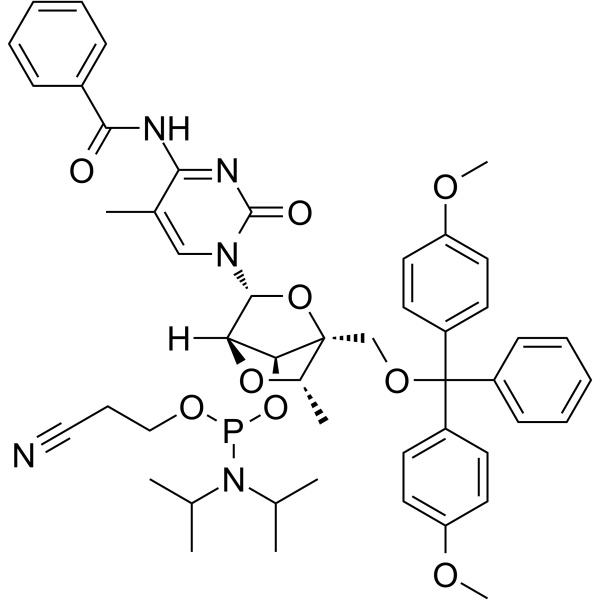
5'-ODMT cEt N-Bzm5 C Phosphoramidite Amidite is a potent nucleic acid analog. 5'-ODMT cEt N-Bzm5 C Phosphoramidite Amidite blongs to modified antisense oligonucleotide. 5'-ODMT cEt N-Bzm5 C Phosphoramidite Amidite allows the formation of a specific conformation of the furanose ring of the oligonucleotide through the introduction of a cEt modification, enhancing the ability to hybridize to complementary RNA. 5'-ODMT cEt N-Bzm5 C Phosphoramidite Amidite is mainly used in the research of regulation of gene expression related to metabolic diseases, cardiovascular diseases, cancers and the development of antisense compounds .
loading...
    loading...
Cat. No.: HY-164899
CAS No.: 2765091-45-8
Synonyms: 2-aminopyridine-3-carboxylic acid imidazolide
Target:  

DNA/RNA Synthesis

Research Areas:  

Infection

2A3 (2-aminopyridine-3-carboxylic acid imidazolide) is a covalent probe reagent for Selective 2'-Hydroxyl Acylation analyzed by Primer Extension (SHAPE) that targets the RNA ribose 2'-OH group. 2A3 efficiently permeates the biological membranes of Gram-negative bacteria, Gram-positive bacteria, and mammalian cells. 2A3 exhibits no base bias and specifically labels conformationally flexible, unpaired regions within RNA. 2A3 forms covalent adducts by acylating the 2'-OH groups of flexible RNA residues. When combined with SHAPE-MaP (mutational profiling) sequencing technology, these modification sites are converted into detectable mutational signals, thereby accurately reflecting local RNA backbone flexibility and base-pairing status. 2A3 is primarily utilized in molecular biology and transcriptomics research, including the resolution of RNA structuromes in living cells, the study of RNA folding regulatory mechanisms, and the investigation of non-coding RNA functions .
loading...
    loading...
Cat. No.: HY-148503
CAS No.: 1197033-19-4
Purity:  98.55%
Research Areas:  

Others

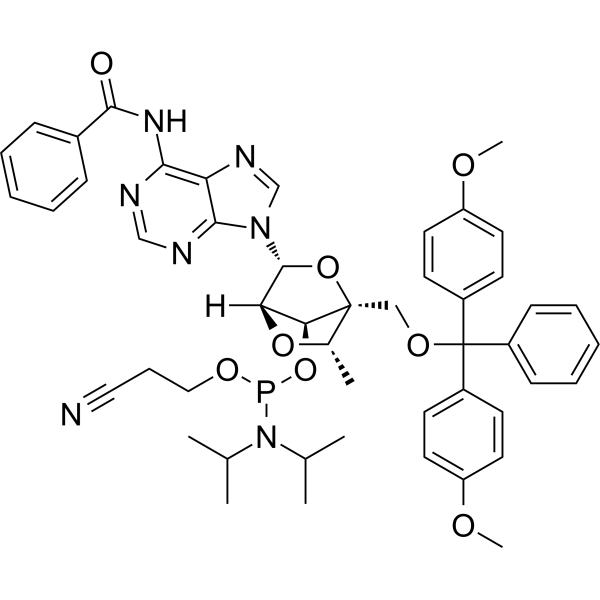
5'-ODMT cEt N-Bz A Phosphoramidite (Amidite) is a nucleoside phosphoramidite monomer used to synthesize locked nucleic acid (LNA) analog oligonucleotides. It can be used as a building block of antisense oligonucleotides (ASOs) to target complementary RNA sequences. 5'-ODMT cEt N-Bz A Phosphoramidite (Amidite) locks the furanose ring into an N-type conformation through 2',4'-constrained ethyl (cEt) modification, enhancing hybridization affinity and mismatch discrimination with RNA, while significantly improving the resistance of oligonucleotides to exonuclease digestion. 5'-ODMT cEt N-Bz A Phosphoramidite (Amidite) mediates RNase H-dependent mRNA degradation or inhibits translation by forming a stable hybrid with RNA, thereby achieving gene expression regulation. 5'-ODMT cEt N-Bz A Phosphoramidite (Amidite) is mainly used in the development of antisense drugs, gene function research and oligonucleotide synthesis related to disease treatment .
loading...
    loading...
Cat. No.: HY-145746
CAS No.: 1782950-80-4
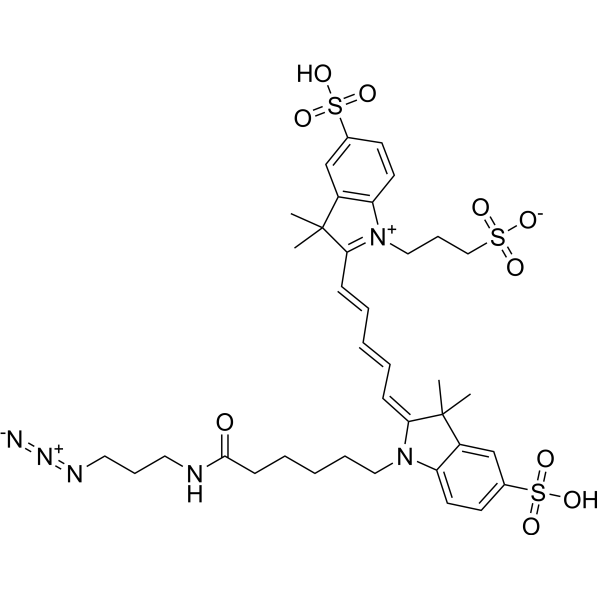
Sulfo-Cy5 azide is a near-infrared fluorescent probe with favorable click chemistry reactivity. Sulfo-Cy5 azide enables fluorescence imaging, tissue and cellular visualization of PD-L1 in tumors, and site-specific modification of anti-PD-L1 antibodies. Sulfo-Cy5 azide has been employed for RNA labeling and imaging. Sulfo-Cy5 azide can be conjugated to targeting agents for fluorescence imaging in atherosclerosis and breast cancer models (Ex/Em = 645/670 nm) .
loading...
    loading...
Cat. No.: HY-109561
CAS No.: 222716-86-1
Purity:  98.09%
Synonyms: EYE001; NX1838
Target:  

VEGFR

Pegaptanib sodium is an RNA aptamer with polyethylene glycol modifications, which is directed against vascular endothelial growth factor (VEGF)-165. Pegaptanib could be used for the study of neovascular age-related macular degeneration (AMD) .
loading...
    loading...
Cat. No.: HY-143220
Purity:  95.81%
SS (no Galnac)-Inclisiran sodium is the sense strand of Inclisiran (HY-132591) without GalNAc modification. Inclisiran is a double-stranded small interfering RNA (siRNA) molecule that inhibits the transcription of PCSK-9. SS (no Galnac)-Inclisiran sodium can be used in cardiovascular disease research .
loading...
    loading...
Cat. No.: HY-N0086S
CAS No.: 139896-43-8
Synonyms: 6-Methyladenosine-d3; N-Methyladenosine-d3
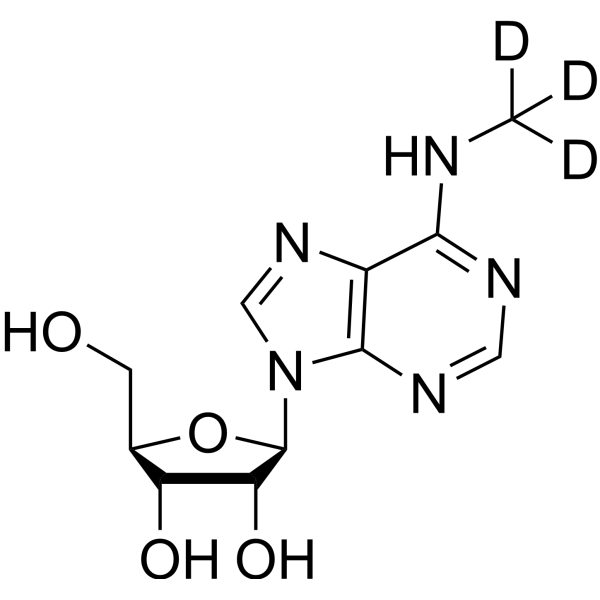
N6-Methyladenosine-d3 (6-Methyladenosine-d3; N-Methyladenosine-d3) is a deuterium labeled N6-Methyladenosine (HY-N0086). N6-Methyladenosine is the most prevalent internal (non-cap) modification present in the messenger RNA (mRNA) of all higher eukaryotes. N6-Methyladenosine can modifies viral RNAs and has antiviral activities.
loading...
    loading...
Cat. No.: HY-113081R
CAS No.: 15763-06-1
1-Methyladenosine (Standard) is the analytical standard of 1-Methyladenosine. This product is intended for research and analytical applications. 1-Methyladenosine is an RNA modification that can serve as a tumor marker, with elevated levels in the body associated with cancer development. Following 1-methyladenosine methylation, upregulation of PPARδ expression regulates cholesterol metabolism and activates Hedgehog signaling pathway, driving liver tumorigenesis . In Vitro:Compared to surrounding tumor tissues, 1-methyladenosine methylation in RNA is aberrantly elevated in hepatocellular carcinoma (HCC) cell lines and liver cancer stem cells (CSCs). Methylated 1-methyladenosine can promote cholesterol synthesis and activate the Hedgehog signaling pathway by enhancing the translation of PPARδ in liver CSCs, ultimately driving the self-renewal and tumorigenesis of liver cancer stem cells .
loading...
    loading...
Cat. No.: HY-101082
CAS No.: 57817-83-1
Purity:  99.93%
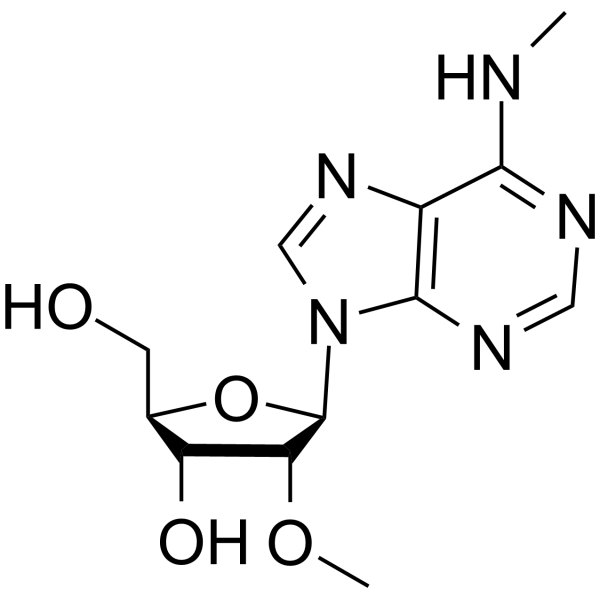
N6,2′-O-Dimethyladenosine is a FTO substrate and reversible RNA modification. N6,2′-O-Dimethyladenosine acts as a demethylation substrate for FTO, which removes its methyl groups. N6,2′-O-Dimethyladenosine correlates with enhanced mRNA stability, improved translation efficiency and increased protein expression levels. N6,2′-O-Dimethyladenosine is applicable to research related to obesity and colorectal cancer .
loading...
    loading...
Cat. No.: HY-164583
CAS No.: 2923115-67-5
Research Areas:  

Others

DMTr-2'-O-C22-rA-3'-CE-Phosphoramidite is an RNA phosphoramidite monomer. DMTr-2'-O-C22-rA-3'-CE-Phosphoramidite allows site-specific introduction of a 2'-O-C22 lipophilic modification at adenosine positions to construct double-stranded RNA (dsRNA) molecules with extrahepatic delivery capability. DMTr-2'-O-C22-rA-3'-CE-Phosphoramidite supports target gene silencing in skeletal muscle, cardiac muscle and adipose tissue by enhancing the lipophilicity and tissue uptake efficiency of dsRNA. DMTr-2'-O-C22-rA-3'-CE-Phosphoramidite can be used for the construction and mechanism research of nucleic acid silencing molecules .
loading...
    loading...
Cat. No.: HY-N4031
CAS No.: 82375-29-9
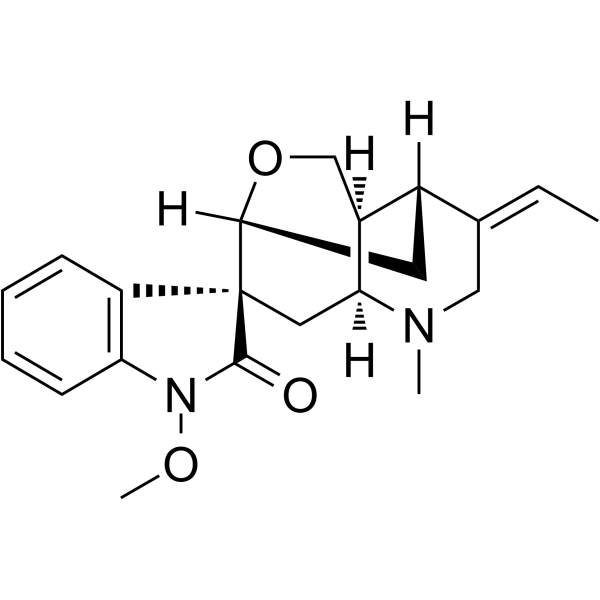
Humantenine is a highly toxic indole alkaloid from Gelsemium elegans (Gardn. & Champ.) Benth. that binds to RNA m6A modification regulatory proteins (ALKBH5, METTL). Humantenine stably binds via hydrogen bonding and hydrophobic interactions and disrupts the m6A methylation level of target genes, thereby impairing the expression of intestinal epithelial cell tight junction and cytoskeleton-related genes, causing intestinal barrier dysfunction and significant intestinal cytotoxicity. The intraperitoneal injection LD50 values of Humantenine are <1 mg/kg in mice, 1.2 mg/kg in male rats and 1.5 mg/kg in female rats, respectively. Species differences exist in the metabolism of Humantenine in human, porcine, goat and rat liver microsomes, and demethylation, dehydrogenation and oxidation occur in liver microsomes .
loading...
    loading...
Cat. No.: HY-W013741
CAS No.: 2491-17-0
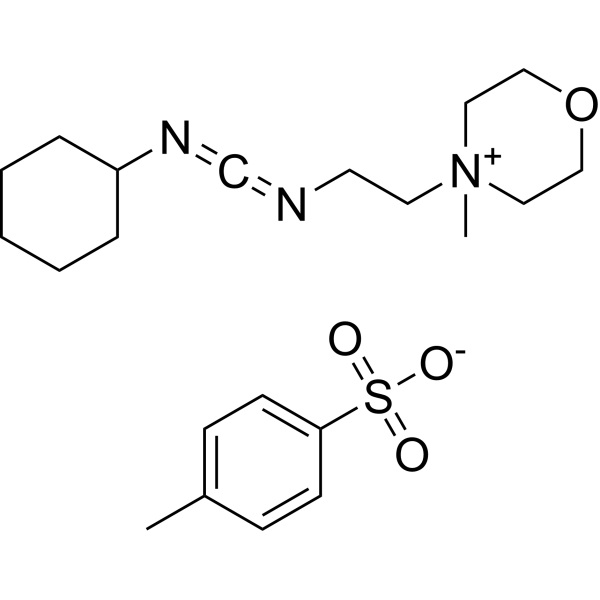
CME-carbodiimide is a nucleic acid modification reagent. CME-carbodiimide reacts specifically with uracil and guanine residues of RNA, as well as guanine and thymine residues of denatured DNA; it does not react with native DNA. Modification of DNA by CME-carbodiimide inhibits phosphodiester bond cleavage or DNA hydrolysis mediated by pancreatic ribonuclease, snake venom phosphodiesterase and deoxyribonuclease .
loading...
    loading...
Cat. No.: HY-159604
CAS No.: 295348-36-6
Target:  

METTL3

Research Areas:  

Cancer

METTL3-IN-9 (compound C3) is an inhibitor of methyltransferase-like METTL3, an RNA methyltransferase that catalyzes the N6-methyladenosine (m6A) modification of mRNA in eukaryotic cells .
loading...
    loading...
Cat. No.: HY-I0626R
CAS No.: 71-30-7
Cytosine (Standard) is the analytical standard of Cytosine. This product is intended for research and analytical applications. Cytosine is one of the four main bases found in DNA and RNA. Cytosine modifications exhibit circadian oscillations that are involved in epigenetic diversity and aging .
loading...
    loading...
Cat. No.: HY-N0086S2
Synonyms: 6-Methyladenosine-13C4; N-Methyladenosine-13C4
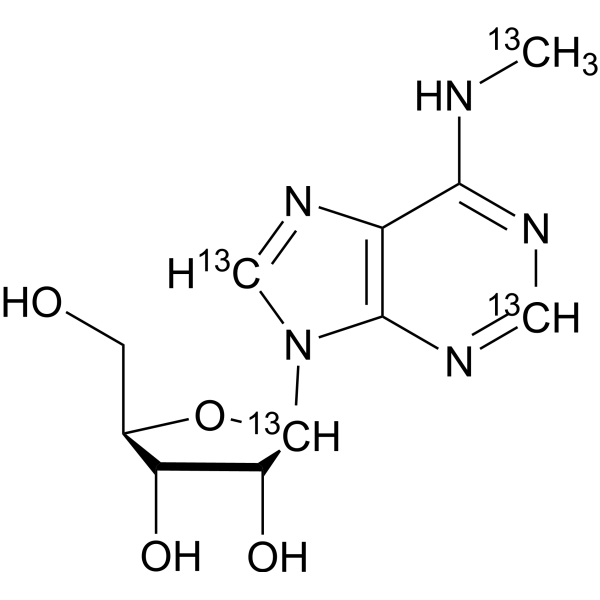
N6-Methyladenosine- 13C4 (6-Methyladenosine- 13C4; N-Methyladenosine- 13C4) is 13C-labeled N6-Methyladenosine (HY-N0086). N6-Methyladenosine is the most prevalent internal (non-cap) modification present in the messenger RNA (mRNA) of all higher eukaryotes. N6-Methyladenosine can modifies viral RNAs and has antiviral activities.
loading...
    loading...
Cat. No.: HY-W008091S
CAS No.: 1219795-15-9
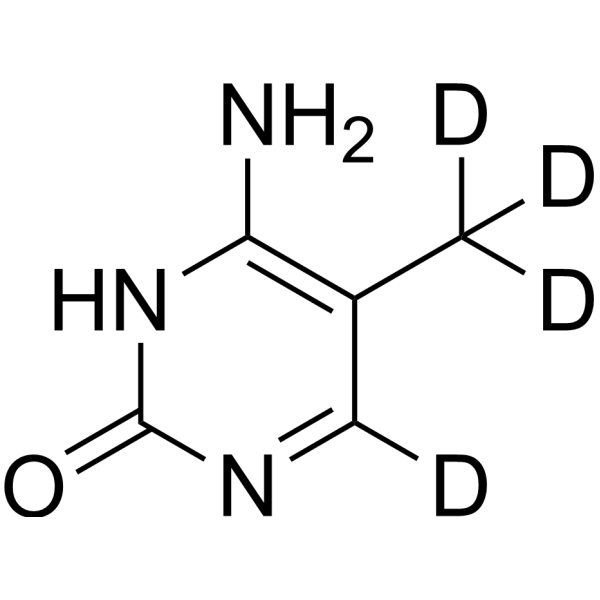
5-Methylcytosine-d4 is the deuterium labeled 5-Methylcytosine (HY-W008091). 5-Methylcytosine is a well-characterized DNA modification in prokaryotes and eukaryotes. 5-Methylcytosine forms symmetrical methylation on CpG dinucleotides in DNA, stabilizes tRNA/rRNA structure in RNA, and affects mRNA translation. 5-Methylcytosine can be oxidized to generate 5hmC, 5fC, and 5caC. 5-Methylcytosine can be used in epigenetics, developmental biology, and the study of diseases such as colorectal cancer and hepatocellular carcinoma .
loading...
    loading...
Cat. No.: HY-164582
CAS No.: 2923115-93-7
Research Areas:  

Others

DMTr-2'-O-C22-rC (Ac)-3'-CE-Phosphoramidite is an RNA phosphoramidite monomer. DMTr-2'-O-C22-rC (Ac)-3'-CE-Phosphoramidite enables site-specific introduction of 2'-O-C22 lipophilic modification at cytidine positions during oligonucleotide synthesis, which is used to construct double-stranded RNA (dsRNA) molecules with extrahepatic delivery capability. DMTr-2'-O-C22-rC (Ac)-3'-CE-Phosphoramidite supports target gene silencing in skeletal muscle, cardiac muscle and adipose tissue by enhancing the lipophilicity and tissue uptake efficiency of dsRNA. Construction and mechanism study of DMTr-2'-O-C22-rC (Ac)-3'-CE-Phosphoramidite nucleic acid silencing molecules .
loading...
    loading...
Cat. No.: HY-W114327
CAS No.: 113886-71-8
Target:  

DNA/RNA Synthesis

Research Areas:  

Others

N4-Acetyl-2'-O-methylcytidine (ac4Cm) is an RNA with dual acetylation and methoxidation modifications found in thermophilic archaea. N4-Acetyl-2'-O-methylcytidine has been implicated in the adaptability of archaea in extreme environments, enhancing RNA stability through dual modification .
loading...
    loading...
Cat. No.: HY-I0626S2
CAS No.: 106391-24-6
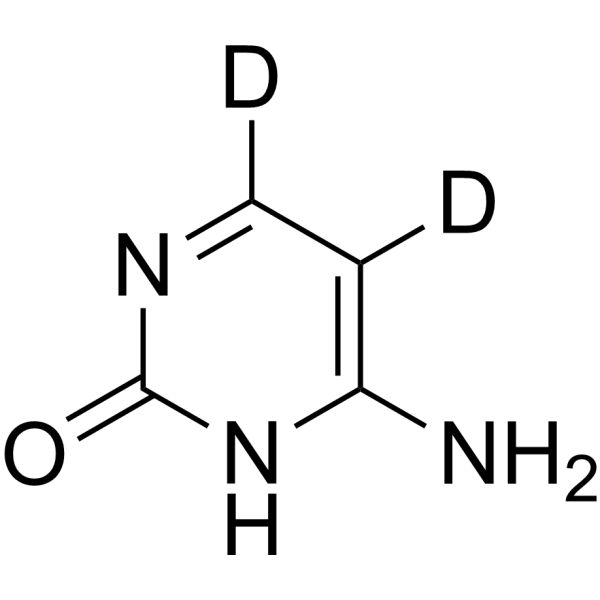
Cytosine-d2 is the deuterium labeled Cytosine . Cytosine is one of the four main bases found in DNA and RNA. Cytosine modifications exhibit circadian oscillations that are involved in epigenetic diversity and aging .
loading...
    loading...

