


170 Results for "

bone resorption

" in MedChemExpress (MCE) Product Catalog:
Products (170)

170 Results for "bone resorption" in MCE Product Catalog:

  • Oligonucleotides Recommended:
2
2 Cited Publications
Cat. No.: HY-B0119
CAS No.: 115436-72-1
Synonyms: Risedronate sodium
Target:  

Parasite Apoptosis

Domaines de recherche:  

Infection Metabolic Disease Cancer

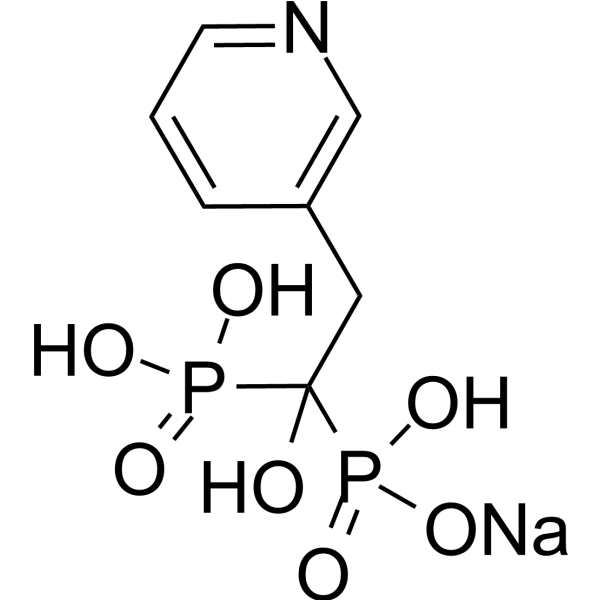
Risedronic acid (Risedronate) sodium, a bisphosphonate, is a potent anti-resorption agent that inhibits osteoclast-mediated bone resorption and changes the bone metabolism. Risedronic acid sodium suppresses osteoblast differentiation and induced caspase- and isoprenoid depletion-dependent apoptosis. Risedronic acid sodium inhibits blood stages of Plasmodium falciparum (IC50 of 20.3 μM). Risedronic acid sodium inhibits the transfer of the farnesyl pyrophosphate group to parasite proteins .
loading...
    loading...
2
2 Cited Publications
Cat. No.: HY-N0094
CAS No.: 35212-22-7
Target:  

Cytochrome P450

Domaines de recherche:  

Metabolic Disease Cancer

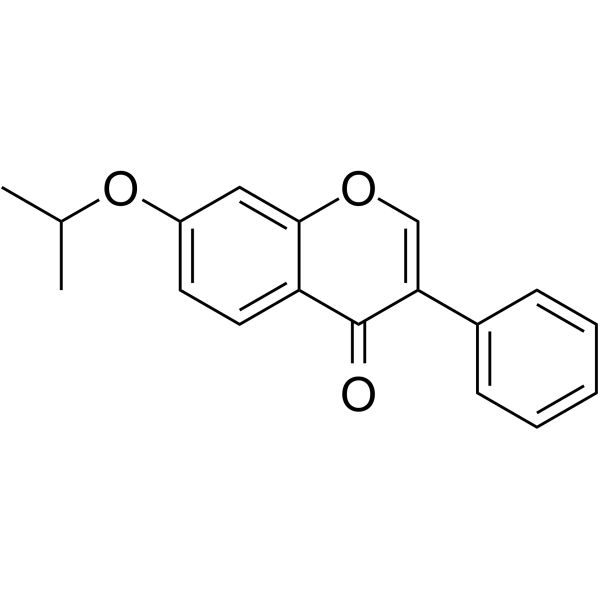
Ipriflavone is a synthetic isoflavone derivative used to suppress bone resorption.
loading...
    loading...
2
2 Cited Publications
Cat. No.: HY-17397
CAS No.: 135459-87-9
Synonyms: Distrontium renelate; S12911
Target:  

CaSR

Domaines de recherche:  

Metabolic Disease

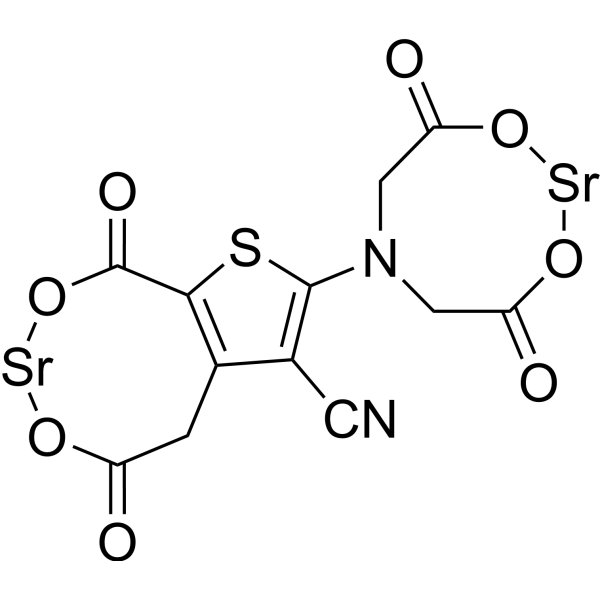
Strontium Ranelate (S12911) is an antiosteoporotic agent that acts by reducing bone resorption and promoting bone formation, thereby inducing a positive bone balance. Strontium Ranelate can also activate the calcium-sensing receptor (CaSR) in non skeletal cells, resulting in the activation of inositol 1, 4, 5-triphosphate production and mitogen-activated protein kinase signaling .
loading...
    loading...
2
2 Cited Publications
Cat. No.: HY-145651
CAS No.: 2166487-23-4
Pureté:  99.89%
Synonyms: NRD167
Domaines de recherche:  

Metabolic Disease Cancer

Et-29 (NRD167) is a selective SIRT5 inhibitor. Et-29 increases the levels of total protein succinylation and citrate synthase succinylation in cells. Et-29 reduces serum CTX-I levels and blocks Ferroptosis by downregulating the SIRT5/ACSL4/LPCAT3/ALOX15 axis and restoring antioxidant defense. Et-29 decreases bone resorption and improves trabecular bone mass and microarchitecture. Et-29 is applicable for research related to osteoporosis and hepatocellular carcinoma .
loading...
    loading...
2
2 Cited Publications
Cat. No.: HY-16782
CAS No.: 945614-12-0
Synonyms: ARRY-614
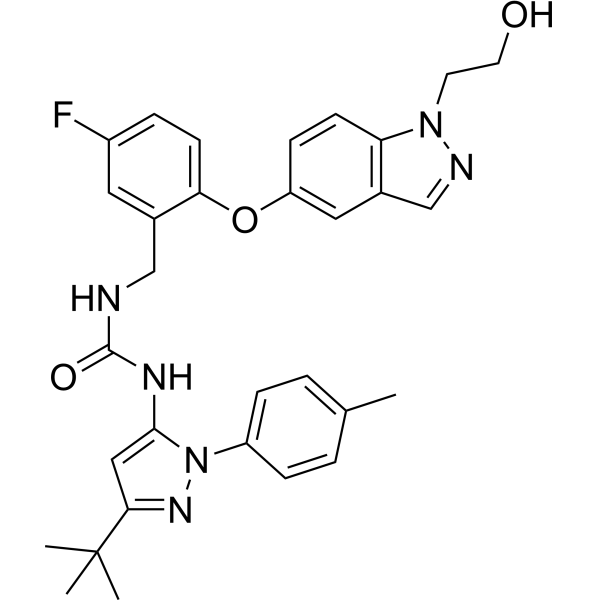
Pexmetinib (ARRY-614) is an orally active dual Tie-2 and p38 MAPK inhibitor. Pexmetinib binds to Tie-2 and p38 MAPK in a "DFG-out" conformation, attenuates the phosphorylation of p38, inhibits STAT3 activation, reduces the promoter-binding activity of NFATc1, and decreases the expression of MMPs. Pexmetinib inhibits leukemia cell proliferation, abrogates TNF-α-mediated myelosuppression of healthy hematopoietic stem cells, stimulates hematopoiesis in primary myelodysplastic syndrome (MDS) samples, inhibits RANKL-induced osteoclast formation and bone resorption, and suppresses migration, invasion and induced osteolysis of breast cancer cells. Pexmetinib can be used in research related to myelodysplastic syndrome, acute myeloid leukemia and breast cancer-induced osteolysis .
loading...
    loading...
1
1 Cited Publications
Cat. No.: HY-P9982
CAS No.: 909395-70-6
Synonyms: AMG-785; CDP-7851

Target:  

Inhibitory Antibodies

Domaines de recherche:  

Endocrinology Cancer

Romosozumab is a humanized monoclonal anti-sclerostin antibody, it promotes bone formation and inhibits bone resorption by inhibiting sclerostin. Romosozumab can be used for the research of osteoporosis .
loading...
    loading...
1
1 Cited Publications
Cat. No.: HY-B0302
CAS No.: 2809-21-4
Synonyms: Etidronate; HEDPA; HEDP
Domaines de recherche:  

Metabolic Disease Cancer

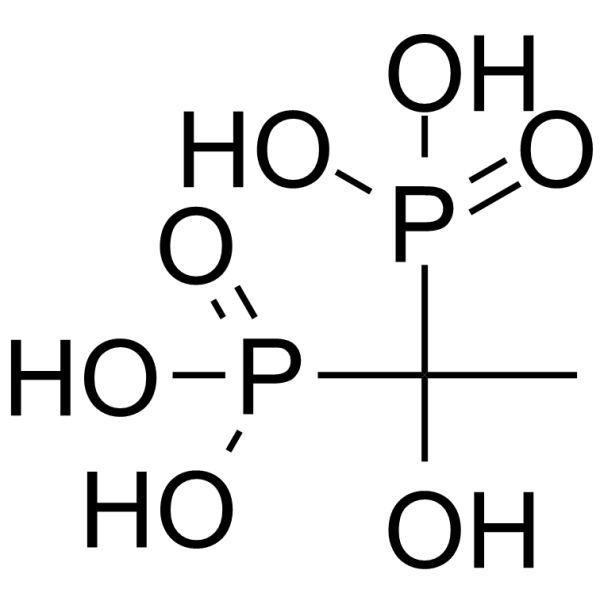
Etidronic acid (Etidronate) is an orally and intravenously active bisphosphonate. Etidronic acid inhibits resorption of bone, reduces arterial calcification and can be used for osteoporosis research. Etidronic acid has anticancer activity. Etidronic acid is a chelating agent and can be used to remove heavy metal in water .
loading...
    loading...
1
1 Cited Publications
Cat. No.: HY-113230B
Pureté:  99.69%
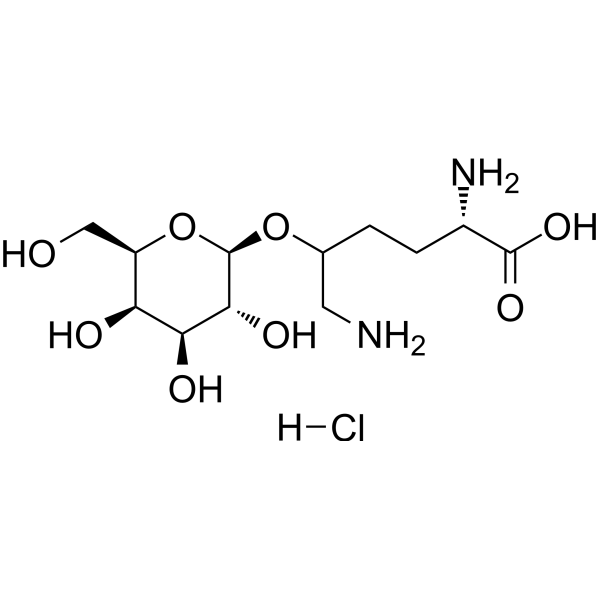
Galactosylhydroxylysine hydrochloride is a component of bone collagen produced by post-translational glycosylation of hydroxylysine. Galactosylhydroxylysine hydrochloride is released during bone resorption and has been shown to be elevated in metabolic bone loss .
loading...
    loading...
1
1 Cited Publications
Cat. No.: HY-B0515B
CAS No.: 138844-81-2
Target:  

Apoptosis

Domaines de recherche:  

Metabolic Disease Cancer

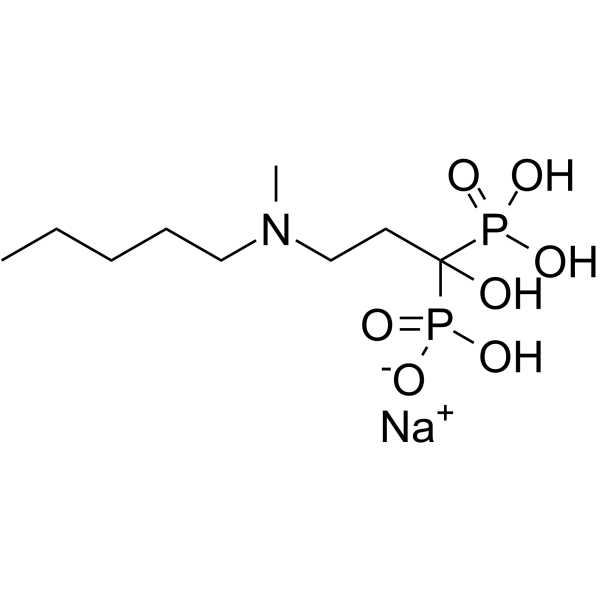
Ibandronate Sodium is an orally active, selective inhibitor of farnesyl pyrophosphate synthase (FPP synthase). Ibandronate Sodium can block the mevalonate pathway to inhibit the isoprenylation modification of small GTPases (such as RAS, RHO family proteins), induce tumor cell apoptosis and inhibit bone resorption. Ibandronate Sodium inhibits tumor cell proliferation (such as ER+ breast cancer cells), promotes the expression of the pro-apoptotic gene FAS, and can produce synergistic anti-tumor effects with anti-estrogen compounds. Ibandronate Sodium is used in the study of osteoporosis and bone metastatic tumors (such as breast cancer bone metastasis) .
loading...
    loading...
1
1 Cited Publications
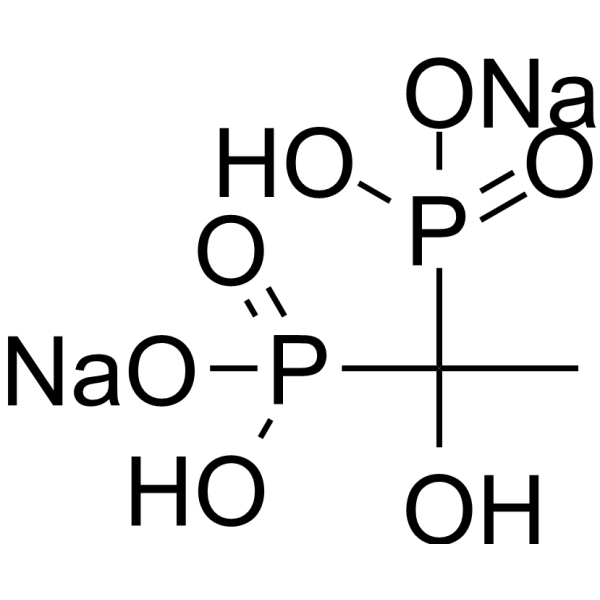
Cat. No.: HY-B0302A
CAS No.: 7414-83-7
Synonyms: Etidronate disodium; HEDPA disodium; HEDP disodium
Target:  

Apoptosis

Domaines de recherche:  

Metabolic Disease Cancer

Etidronic acid (Etidronate) disodium is an orally and intravenously active bisphosphonate. Etidronic acid disodium inhibits resorption of bone, reduces arterial calcification and can be used for osteoporosis research. Etidronic acid disodium has anticancer activity. Etidronic acid disodium is a chelating agent and can be used to remove heavy metal in water .
loading...
    loading...
1
1 Cited Publications
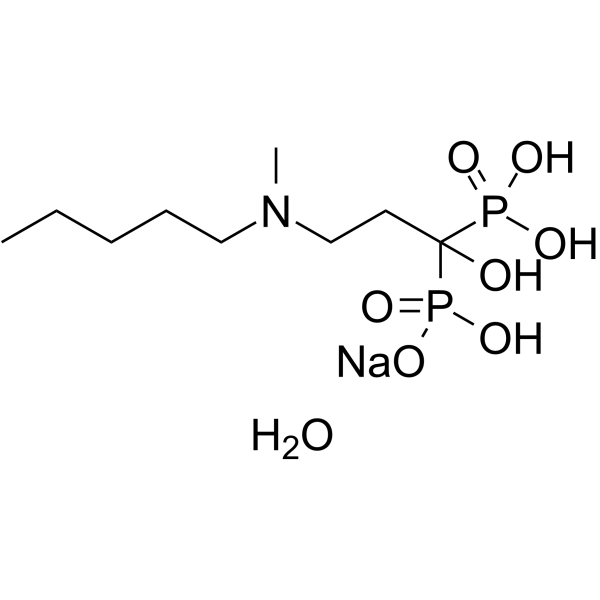
Cat. No.: HY-B0515
CAS No.: 138926-19-9
Synonyms: BM-210955; RPR-102289A
Target:  

Apoptosis

Domaines de recherche:  

Metabolic Disease Cancer

Ibandronate Sodium Monohydrate (BM-210955; RPR-102289A) is an orally active, selective inhibitor of farnesyl pyrophosphate synthase (FPP synthase). Ibandronate Sodium Monohydrate can block the mevalonate pathway to inhibit the isoprenylation modification of small GTPases (such as RAS, RHO family proteins), induce tumor cell apoptosis and inhibit bone resorption. Ibandronate Sodium Monohydrate inhibits tumor cell proliferation (such as ER + breast cancer cells), promotes the expression of the pro-apoptotic gene FAS, and can produce synergistic anti-tumor effects with anti-estrogen compounds. Ibandronate Sodium Monohydrate is used in the study of osteoporosis and bone metastatic tumors (such as breast cancer bone metastasis) .
loading...
    loading...
1
1 Cited Publications
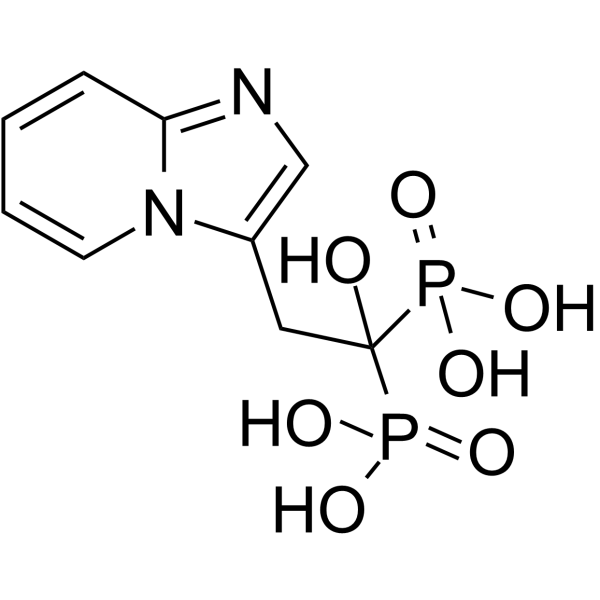
Cat. No.: HY-16322
CAS No.: 180064-38-4
Synonyms: YM-529
Domaines de recherche:  

Metabolic Disease Cancer

Minodronic acid (YM-529) is an FPP synthase inhibitor with an IC50 of 3 nM, and also an antagonist of P2X2/3 receptors with an IC50 of 62.7 μM. Minodronic acid induces tumor cell apoptosis and inhibits cell growth. Minodronic acid also suppresses bone resorption. Minodronic acid can be used in research related to osteoporosis and cancer .
loading...
    loading...
1
1 Cited Publications
Cat. No.: HY-16322A
CAS No.: 155648-60-5
Synonyms: YM-529 hydrate
Target:  

P2X Receptor Apoptosis

Domaines de recherche:  

Metabolic Disease Cancer

Minodronic acid (YM-529) hydrate is an FPP synthase inhibitor with an IC50 of 3 nM, and also an antagonist of P2X2/3 receptors with an IC50 of 62.7 μM. Minodronic acid hydrate induces tumor cell apoptosis and inhibits cell growth. Minodronic acid hydrate also suppresses bone resorption. Minodronic acid hydrate can be used in research related to osteoporosis and cancer .
loading...
    loading...
1
1 Cited Publications
Cat. No.: HY-169703
CAS No.: 1251839-15-2
Domaines de recherche:  

Inflammation/Immunology

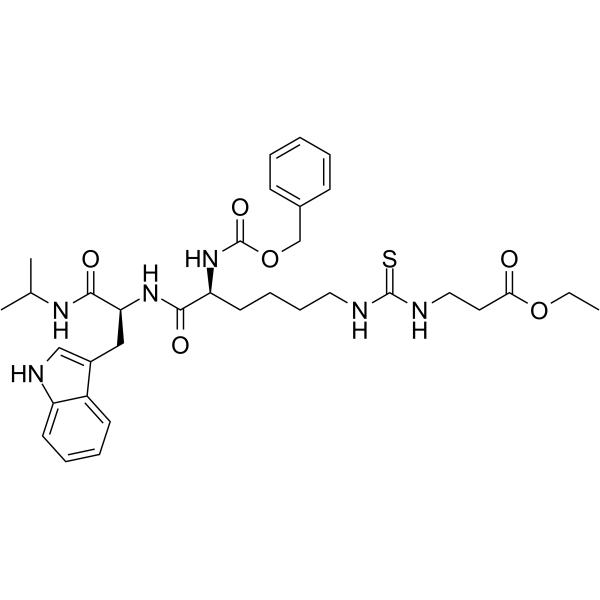
SPA0355 is a thiourea derivative that has antioxidant and anti-inflammatory properties. SPA0355 inhibits the RANKL (receptor activator of nuclear factor κB ligand) induced osteoclast formation in primary bone marrow-derived macrophages. SPA0355 also suppresses the activation of the MAPKs, Akt, and NF-κB pathways. Additionally, SPA0355 promotes osteoblast differentiation, increases alkaline phosphatase activity, and enhances mineral nodule formation. SPA0355 can protect ovariectomized mice from bone loss by stimulating osteoblast differentiation and inhibiting osteoclast resorption, making it useful for studying postmenopausal osteoporosis .
loading...
    loading...
1
1 Cited Publications
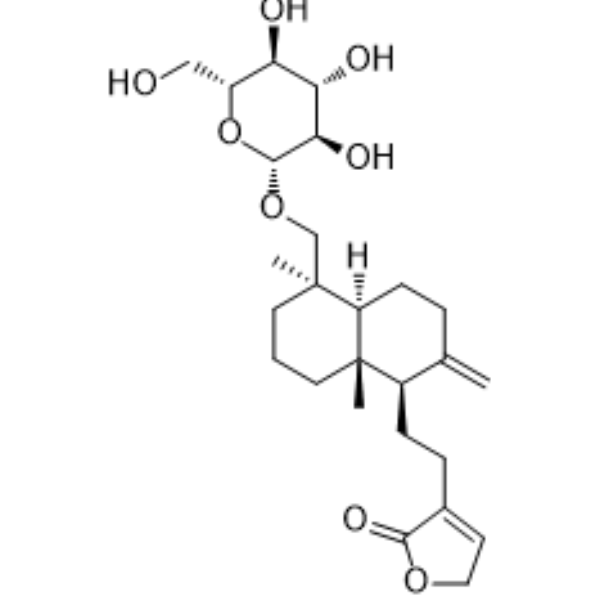
Cat. No.: HY-N0721
CAS No.: 27215-14-1
Synonyms: Neoandrographiside
Neoandrographolide is a diterpenoid compound isolated from Andrographis paniculata. Neoandrographolide inhibits osteoclasts differentiation and bone resorption through inhibition of MAPK/NF-κB/PI3K/AKT/GSK3β/PPAR/CAMK signaling pathway. Neoandrographolide inhibits apoptosis in rat embryonic ventricular cardiomyocytes. Neoandrographolide inhibits iNOS and the generation of ROS, activates eNOS, exhibiting anti-inflammatory and hypolipidemic activity .
loading...
    loading...
1
1 Cited Publications
Cat. No.: HY-P99590A
Synonyms: RAP-011
Sotatercept (mIgG2a) (RAP-011), the murine homolog of Sotatercept (ACE-011) (HY-P99590), is a soluble activin receptor type IIA (ActRIIA) ligand trap. Sotatercept (mIgG2a) inhibits the binding of activin A and other members of the TGF-β superfamily (such as Activin A/B, GDF11 and BMP9/10) to their receptors by combining and neutralizing them, thereby regulating cell proliferation and differentiation. Sotatercept (mIgG2a) mainly inhibits the SMAD2/3 signaling pathway, and can be used in various diseases such as chronic kidney disease. Sotatercept (mIgG2a) reduces the expression of erythropoietic hepcidin (ERFE), regulates iron metabolism, and promotes red blood cell production. Sotatercept (mIgG2a) has a dual effect of promoting bone formation (anabolic) and inhibiting bone resorption (catabolic) .
loading...
    loading...
1
1 Cited Publications
Cat. No.: HY-P99291
CAS No.: 892553-42-3
Synonyms: LM609; MEDI-522

Target:  

Integrin Apoptosis Akt

Domaines de recherche:  

Cancer

Etaracizumab (LM 609) is an αvβ3 integrin IgG mAb. Etaracizumab is developed to target αvβ3+ cancer cells via NK cell-mediated cytotoxicity. Etaracizumab sterically hinders access of large ligands to the RGD-binding pocket, without obstructing it. Etaracizumab decreases p-Akt in vitro. Etaracizumab can decrease cancer proliferation and invasion. Etaracizumab induces tumor cell apoptosis, and inhibition ofαvβ3-mediated cell adhesion, endothelial cell migration and osteoclast-mediated bone resorption. Etaracizumab can be studied in anti-tumor research against cancers such as ovarian cancer, metastatic melanoma as well as advanced solid tumors. Recommend Isotype Control: Human IgG1 kappa, Isotype Control (HY-P99001) .
loading...
    loading...
1
1 Cited Publications
Cat. No.: HY-N0481
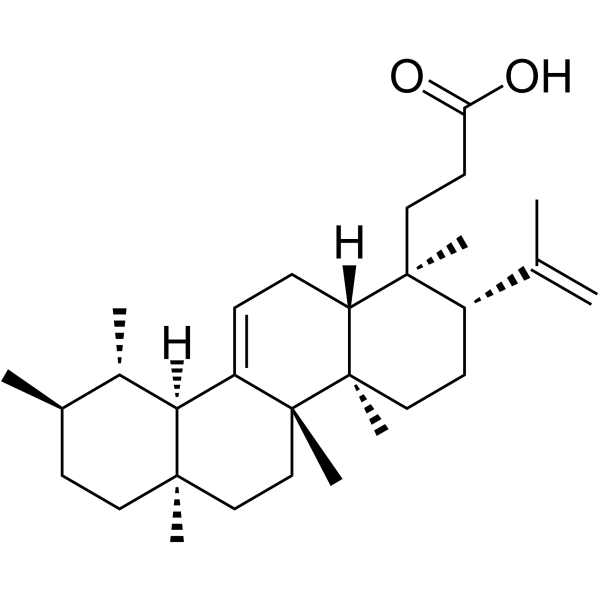
CAS No.: 6812-81-3
Roburic acid acts as an anti-inflammatory, anti-tumor and osteoclastogenesis inhibitor, with a Ki of 7.066 μM against human TNF, an IC50 of 9 μM against human COX-2, and an IC50 of 5 μM against ovine COX-1. Roburic acid reduces the production of inflammatory mediators such as NO and IL-6 in macrophages by inhibiting the NF-κB and MAPK (p38/JNK) pathways. By competitively inhibiting the TNF-TNF-R1 interaction, Roburic acid blocks the downstream NF-κB signaling pathway, thereby inducing cell cycle arrest and apoptosis in cancer cells. Roburic acid specifically inhibits osteoclastogenesis and bone resorption by suppressing the RANKL/TRAF6/NF-κB/NFATc1 axis. Roburic acid can be used in research related to osteolytic diseases such as osteoporosis, colorectal cancer and inflammatory diseases .
loading...
    loading...
1
1 Cited Publications
Cat. No.: HY-N0657
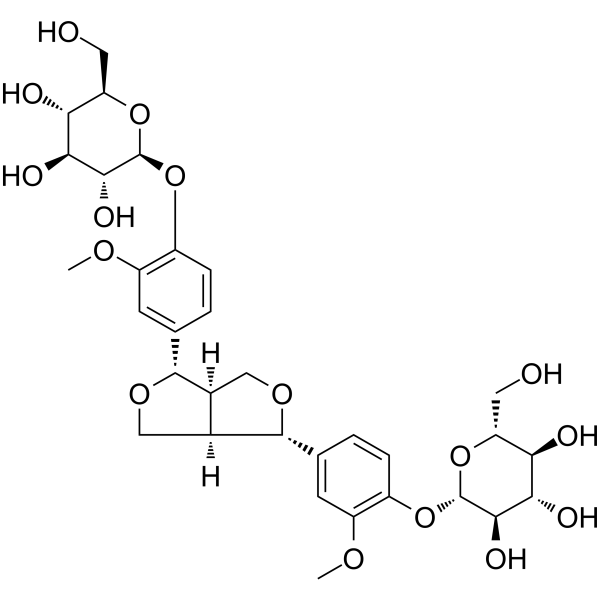
CAS No.: 63902-38-5
Pinoresinol Diglucoside is an orally active lignan with multifunctional bioactivity. Pinoresinol Diglucoside interacts with targets including ALB, HIF1A, GSK3B, BCL2, MARK3, IL6, NF-κB p65, Nrf2, HO-1, and TLR4, and modulates pathways including PI3K-Akt, estrogen, MAPK, Rap1, AKT/mTOR/NF-κB, and TGF-β1/Smads. Pinoresinol Diglucoside regulates osteogenesis, bone resorption, oxidative stress, inflammation, apoptosis, ferroptosis, ferritinophagy, cardiac fibrosis, and vasorelaxation. Pinoresinol Diglucoside can be used for the research of osteoporosis, ischemia/reperfusion-induced brain injury, Alzheimer’s disease, myocardial ischemia-reperfusion injury, chondrodysplasia, diabetic cardiomyopathy, cardiac hypertrophy, hypertension, cisplatin-induced hearing loss, atherosclerotic cardiovascular diseases, and disuse osteoporosis .
loading...
    loading...
1
1 Cited Publications
Cat. No.: HY-N0819
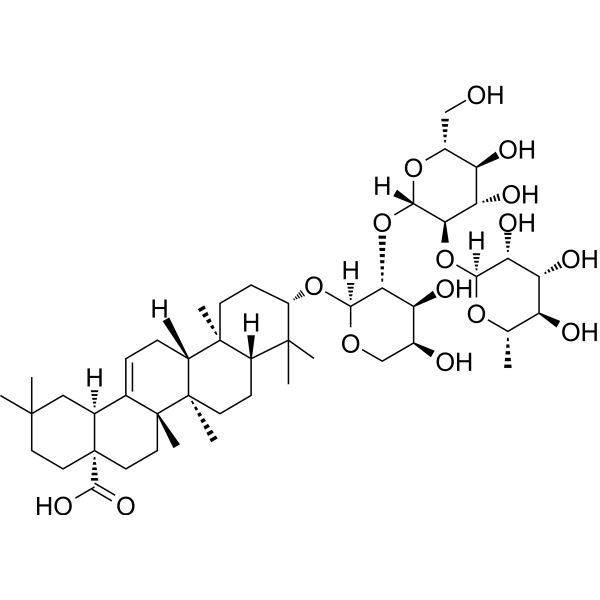
CAS No.: 89412-79-3
Raddeanin A is an oleanane-type triterpenoid saponin with oral activity. Raddeanin A inhibits SRC, mTOR, JNK, VEGFR2, NLRP3 inflammasome, Wnt/β-catenin, Wee1, PI3K/AKT signaling pathway, MAPK/ERK signaling pathway, AR-FL, AR-Vs, and downregulates the expression of p-PI3K and p-AKT. Raddeanin A inhibits osteoclast formation, bone resorption, osteolysis, cancer cell invasion, migration, proliferation, angiogenesis and epithelial-mesenchymal transition, while induces apoptosis, cell cycle arrest, ROS production, immunogenic cell death and dendritic cell maturation. Raddeanin A improves blood-retinal barrier function, alleviates inflammation, regulates the tumor microenvironment, and enhances the activity of anti-PD-1 antibody. Raddeanin A is applicable to the research of breast cancer-associated osteolysis, human osteosarcoma, colorectal cancer, glioblastoma, Alzheimer's disease, cholangiocarcinoma, melanoma, non-small cell lung cancer, castration-resistant prostate cancer and multiple myeloma .
loading...
    loading...

