62 Results for "

insect cells

" in MedChemExpress (MCE) Product Catalog:
Products (62)

62 Results for "insect cells" in MCE Product Catalog:

Cat. No.: HY-124452
CAS No.: 26605-16-3
Purity:  95.00%
Synonyms: Desferrioxamine E; Nocardamin
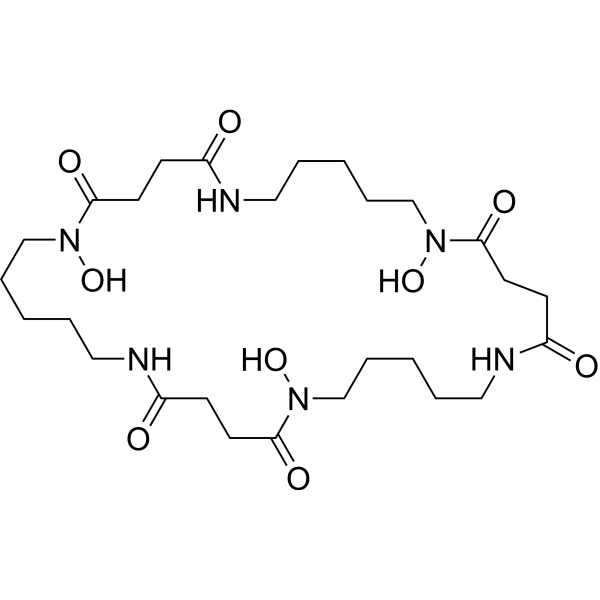
Nocardamine (Desferrioxamine E; Nocardamin) is a cyclic trihydroxamate siderophore with iron ion chelation, antioxidant, antibacterial and other activities. Nocardamine is synthesized by Pseudomonas stutzeri under iron-deficient conditions, and excessive iron ions significantly inhibit its biosynthesis process. Nocardamine increases the level of phosphorylated ERK protein, promotes nuclear translocation of β-catenin, and restores the downregulated expression of SIRT1 protein. Nocardamine alleviates cellular oxidative stress, reduces ROS content, and simultaneously repairs the ability to form mineralized nodules and the expression of osteogenic markers. Nocardamine induces FoxA gene transcription and protein expression to assist Pseudomonas aeruginosa in iron ion uptake; it also selectively inhibits the proliferation of mycobacteria. Nocardamine induces spindle-shaped morphological changes in BM-N4 insect cells, and sufficient iron ions inhibit this cellular morphological change. Nocardamine is suitable for research related to bacterial infections .
loading...
    loading...
Cat. No.: HY-N1944R
CAS No.: 7212-44-4
Nerolidol (Standard) is the analytical standard of Nerolidol. This product is intended for research and analytical applications. Nerolidol has multiple natural membrane activities, possesses anti-cancer, anti-inflammatory, antibacterial and anti-insect activity. Nerolidol Suppresses parasitic activity, suppresses bloodsucking diseases, bloodworm diseases, and other diseases. Nerolidol can protect the cells from lipid and protein properties, damage to DNA, and protect the cells from damage .
loading...
    loading...
Cat. No.: HY-B0815R
CAS No.: 2921-88-2
Chlorpyrifos (Standard) is the analytical standard of Chlorpyrifos. This product is intended for research and analytical applications. Chlorpyrifos is a neurotoxic insecticide that belongs to the class of thionite esters. Chlorpyrifos is also a AChE inhibitor that affects neurological function in insects, humans and other animals. Chlorpyrifos interferes with cell replication and differentiation, ultimately altering synaptic transmission in neurons .
loading...
    loading...
Cat. No.: HY-P5142
CAS No.: 193981-10-1
Synonyms: ω-ACTX-Hv1; ω-Atracotoxin-HV1
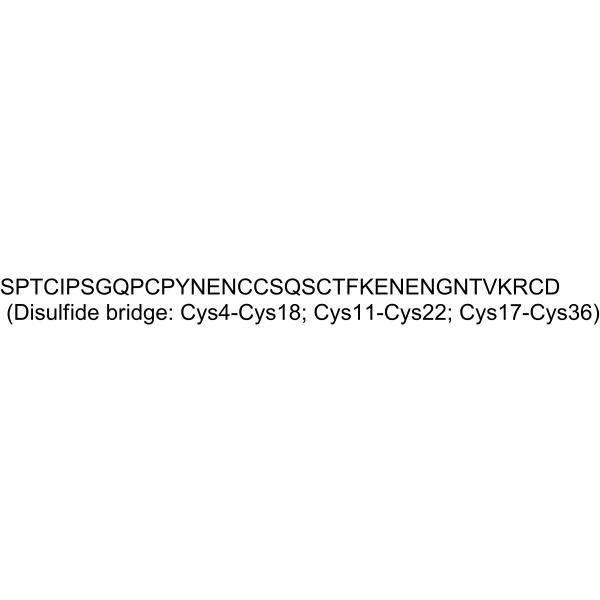
ω-Hexatoxin-Hv1a (ω-ACTX-Hv1; ω-Atracotoxin-HV1) is an orally active insecticidal neurotoxin containing an inhibitor cystine knot motif and a selective calcium channel inhibitor. ω-Hexatoxin-Hv1a blocks L-type voltage-dependent Ca 2+ channels and reduces intracellular calcium ion concentration, thereby decreasing apoptosis, necroptosis and oxidative stress, and promoting cell recovery and energy level elevation. ω-Hexatoxin-Hv1a causes larval paralysis and death by impairing neurotransmission in the central nervous system of insects. It shows high injectable toxicity against insects of multiple orders, but exhibits weak oral toxicity. ω-Hexatoxin-Hv1a is widely applicable to studies related to ischemia-reperfusion injury, atopic dermatitis, and ischemic injury of cardiomyocytes and neurons .
loading...
    loading...
Cat. No.: HY-100547
CAS No.: 162831-31-4
Purity:  98.03%
Target:  

iGluR

Research Areas:  

Neurological Disease

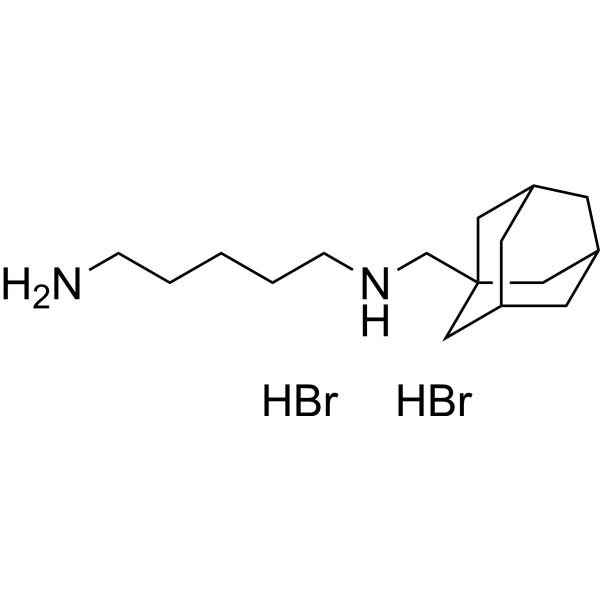
IEM-1754, a dicationic adamantane derivative, is a potent blocker of open channels of native ionotropic glutamate receptors including quisqualate-sensitive receptors in insect muscles, NMDAR in cultured rat cortical neurons, and AMPAR in freshly isolated hippocampal cells. IEM-1754 shows anticonvulsant potency in vivo .
loading...
    loading...
Cat. No.: HY-N7719R
CAS No.: 475-54-7
Oosporein (Standard) is the analytical standard of Oosporein (HY-N7719). This product is intended for research and analytical applications. Oosporein is a microbial metabolite and a red crystalline toxin produced by various fungi. Oosporein can promote the reproduction of fungi in host bodies by inhibiting insect immunity, and possesses multiple activities such as antibacterial, antiviral (HSV), and insecticidal effects. Oosporein can inhibit plant growth. In addition, Oosporein can also induce apoptosis, cell membrane damage, oxidative stress, and mitochondrial damage. Oosporein has certain antitumor activity .
loading...
    loading...
Cat. No.: HY-118565
CAS No.: 18463-11-1
Rhizocarpic acid (Compound 2) is a secondary metabolite of lichen. Rhizocarpic acid effectively inhibits the growth of bacteria, such as Bacillus subtilis and Staphylococcus aureus, as well as murine myeloma NS-1 cells. Rhizocarpic acid is an antioxidant and an insect antifeedant with an ED50 of 71 μmol/g dry weight against neonate larvae of the Egyptian cotton leaf worm Spodoptera littoralis .
loading...
    loading...
Cat. No.: HY-112820R
CAS No.: 500008-45-7
Research Areas:  

Others

Chlorantraniliprole (Standard) is the analytical standard of Chlorantraniliprole. This product is intended for research and analytical applications. Chlorantraniliprole is an insecticide that potently and selectively activates insect ryanodine receptor, with EC50s of 40 nM and 50 nM for Drosophila melanogaster and H. virescens ryanodine receptor, and ~300-fold more potent than that in the mouse myoblast cell line, C2C12 (EC50, 14 μM).
loading...
    loading...
Cat. No.: HY-158881
CAS No.: 2350271-86-0
Research Areas:  

Inflammation/Immunology

DDG is a type of detergent that can dissolve membrane proteins (MPs) in bacterial membranes, insect cells, and Madin Darby Canine Kidney (MDCK) cells .
loading...
    loading...
Cat. No.: HY-N7202
CAS No.: 139979-81-0
Synonyms: (-)-Angulatin A; Celangulin V
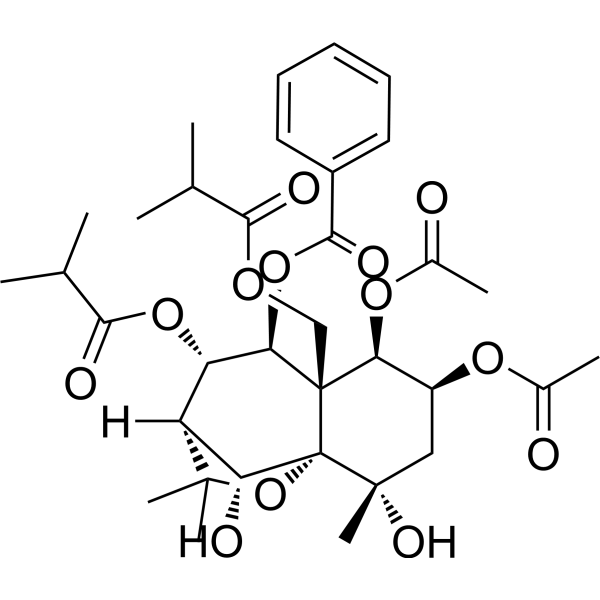
Angulatin A (Celangulin V) is a natural product that can be found in Celastrus angulatus . Angulatin A is a novel botanical insecticide with a toxic activity against agricultural insect pests. Angulatin A can bind to subunits a, H, and B of the vacuolar ATPase (V-ATPase) in the midgut epithelial cells of insects .
loading...
    loading...
Cat. No.: HY-B1331R
CAS No.: 66215-27-8
Synonyms: Cyromazin (Standard); CGA-72662 (Standard)
Cyromazine (Standard) is the analytical standard of Cyromazine. This product is intended for research and analytical applications. Cyromazine (CGA-72662) is a triazine insect growth regulator used as an insecticide and an acaricide. It is a cyclopropyl derivative of melamine. Cyromazine works by affecting the nervous system of the immature larval stages of certain insects. Cyromazine reduced the number of germ cells by interfering with the Ecdysone (HY-N0179) signaling pathway. Cyromazine induces renal toxicity attenuated and restored by green tea extract in rats .
loading...
    loading...
Cat. No.: HY-N7493R
CAS No.: 2494-12-4
Synonyms: NADA (Standard)
N-acetyldopamine is a sepiapterin reductase inhibitor. N-acetyldopamine is a catecholamine that is used by insects as sclerotizing precursors to harden their cuticle. N-acetyldopamine can attenuate LPS-stimulated TNF-α production and superoxide production in THP-1 cells .
loading...
    loading...
Cat. No.: HY-B2054S
CAS No.: 2469006-89-9
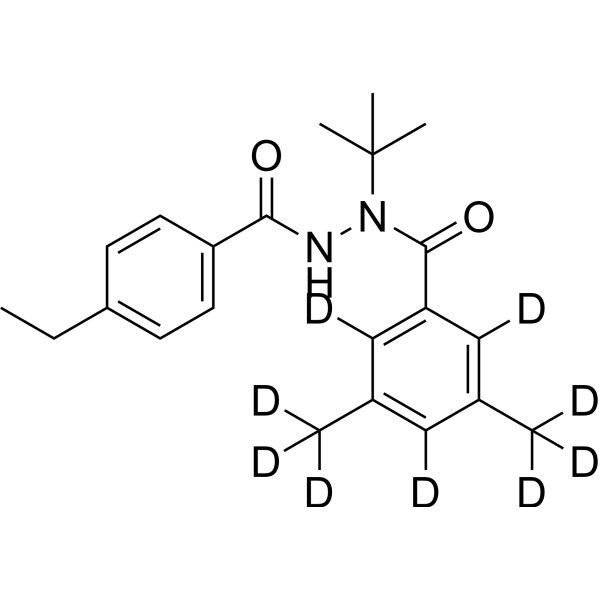
Tebufenozide-d9 is the deuterium labeled Tebufenozide (HY-B2054). Tebufenozide is a nonsteroidal ecdysone agonist used to control pest. Tebufenozide has cytotoxic and induces apoptosis in HeLa and insect Tn5B1-4 cells .
loading...
    loading...
Cat. No.: HY-B2054R
CAS No.: 112410-23-8
Research Areas:  

Cancer

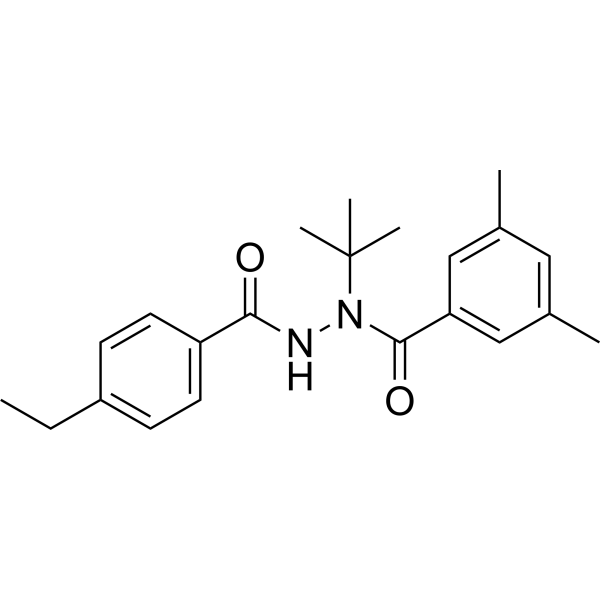
Tebufenozide (Standard) is the analytical standard of Tebufenozide (HY-B2054). This product is intended for research and analytical applications. Tebufenozide is a nonsteroidal ecdysone agonist used to control pest. Tebufenozide has cytotoxic and induces apoptosis in HeLa and insect Tn5B1-4 cells .
loading...
    loading...
Cat. No.: HY-N1944S
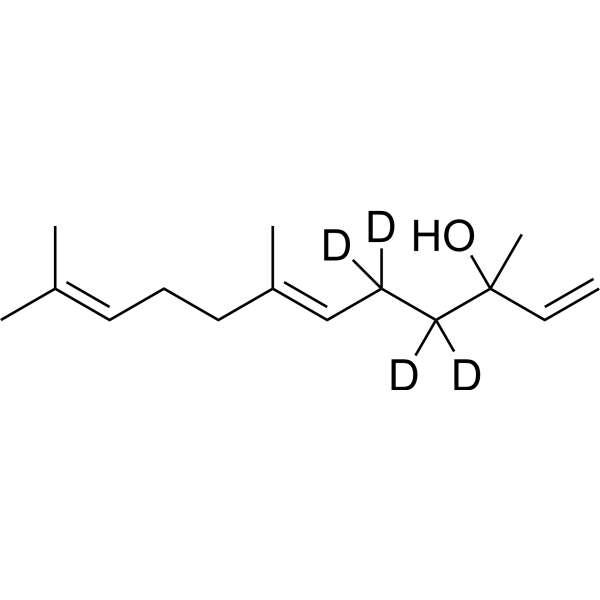
Nerolidol-d4 is deuterated labeled Nerolidol (HY-N1944). Nerolidol has multiple natural membrane activities, possesses anti-cancer, anti-inflammatory, antibacterial and anti-insect activity. Nerolidol Suppresses parasitic activity, suppresses bloodsucking diseases, bloodworm diseases, and other diseases. Nerolidol can protect the cells from lipid and protein properties, damage to DNA, and protect the cells from damage .
loading...
    loading...
Cat. No.: HY-167897
CAS No.: 902154-32-9
Target:  

Histamine Receptor

Research Areas:  

Neurological Disease

UR-AK49 (compound 11) is a human histamine H1 and H2 receptor agonist. UR-AK49 has an EC50 of 23 nM in a GTPase assay with hH2R-Gsalpha fusion protein expressed in Sf9 insect cells. UR-AK49 can be used in neuro-related research .
loading...
    loading...
Cat. No.: HY-N15652
CAS No.: 30270-17-8
Versimide (Compound 15) can be isolated from the insect pathogenic fungus Gibellula sp. BCC36964. Versimide exhibits cytotoxicity in cell lines including MCF-7, KB, NCI-H187, and Vero with IC50s of 3.59, 4.83, 1.89, and 3.49 μg/mL, respectively, demonstrating its anticancer activity .
loading...
    loading...
Cat. No.: HY-W721606
Chlorantraniliprole-d6 is the deuterium labeled Chlorantraniliprole (HY-112820). Chlorantraniliprole is an insecticide that potently and selectively activates insect ryanodine receptor, with EC50s of 40 nM and 50 nM for Drosophila melanogaster and H. virescens ryanodine receptor, and ~300-fold more potent than that in the mouse myoblast cell line, C2C12 (EC50, 14 μM).
loading...
    loading...
Cat. No.: HY-138035
CAS No.: 53823-15-7
Target:  

Fungal

Research Areas:  

Infection

Tenellin is a fungal metabolite that has been found in Beauveria. It inhibits Mg2+-, Ca2+-, and Na+/K+-ATPase activities in equine erythrocytes by 51, 57, and 74%, respectively, when used at a concentration of 200 μg/mL.1 Tenellin is cytotoxic to Sf9 and Sf21 insect cells with 50% cytotoxic concentration (CC50) values of- 4.84 and 11.95 μM, respectively.
loading...
    loading...
Cat. No.: HY-170761
CAS No.: 3108079-75-7
Target:  

Keap1-Nrf2

Research Areas:  

Cancer

KEAP1-NRF2 PPI-IN-1 (compound 23) is an inhibitor targeting the KEAP1-NRF2 interaction. KEAP1-NRF2 PPI-IN-1 has IC50 values of 136 nM and 62 nM in the DNA damage assays of human TK6 and insect SF9 cell lines, respectively .
loading...
    loading...

