264 Results for "

mitochondrial complex

" in MedChemExpress (MCE) Product Catalog:
Products (264)

264 Results for "mitochondrial complex" in MCE Product Catalog:

2
2 Cited Publications
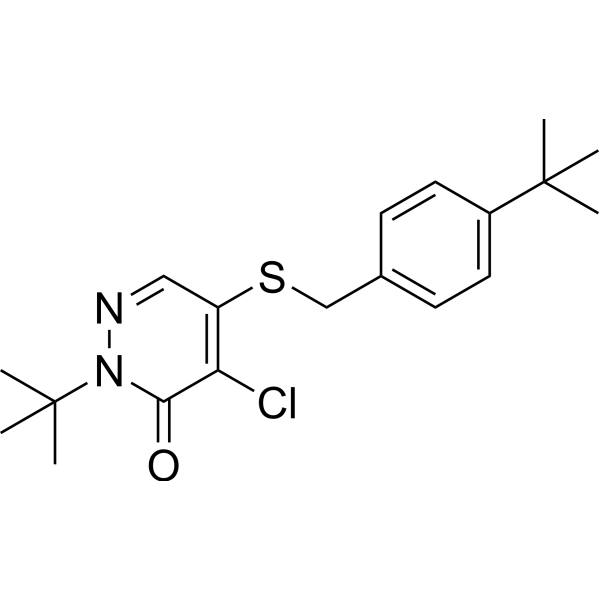
Cat. No.: HY-B0817
CAS No.: 96489-71-3
Research Areas:  

Infection

Pyridaben is a mitochondrial electron transport inhibitor (METI) acaricide that promotes the formation of damaging oxygen and nitrogen radicals. Pyridaben selectively inhibits complex I (NADH dehydrogenase) with an IC50 value of 2.4 nM (assay sites: rat liver and bovine heart mitochondria). Pyridaben also significantly inhibits rat mitochondrial mtNOS function .
loading...
    loading...
2
2 Cited Publications
Cat. No.: HY-P71676
Purity:  ≥ 90%, as determined by reducing SDS-PAGE.
Synonyms: DLAT; E2 Component Of Pyruvate Dehydrogenase complex; Prev. DLTA; M2 Antigen complex 70 KDa Subunit; PDC-E2; PDCE2; Dihydrolipoyllysine-Residue Acetyltransferase Component Of Pyruvate Dehydrogenase complex, mitochondrial; PBC; Dihydrolipoamide Acetyltrans
Species:  
Mouse
Source:  
HEK293
loading...
    loading...
2
2 Cited Publications
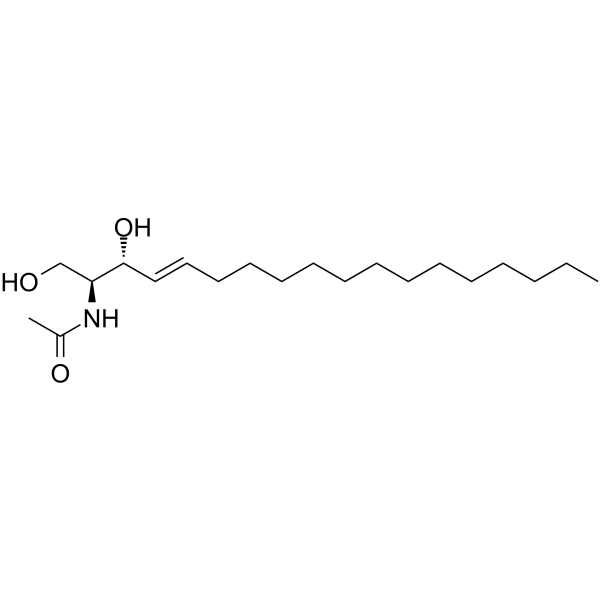
Cat. No.: HY-101180
CAS No.: 3102-57-6
Purity:  99.85%
Synonyms: Ceramide 2
C2 Ceramide (Ceramide 2) is the main lipid of the stratum corneum and a protein phosphatase 1 (PP1) activator. C2 Ceramide activates PP2A and ceramide-activated protein phosphatase (CAPP). C2 Ceramide induces cells differentiation, autophagy and apoptosis, inhibits mitochondrial respiratory chain complex III. C2 Ceramide is also a skin conditioning agent that protects the epidermal barrier from water loss .
loading...
    loading...
2
2 Cited Publications
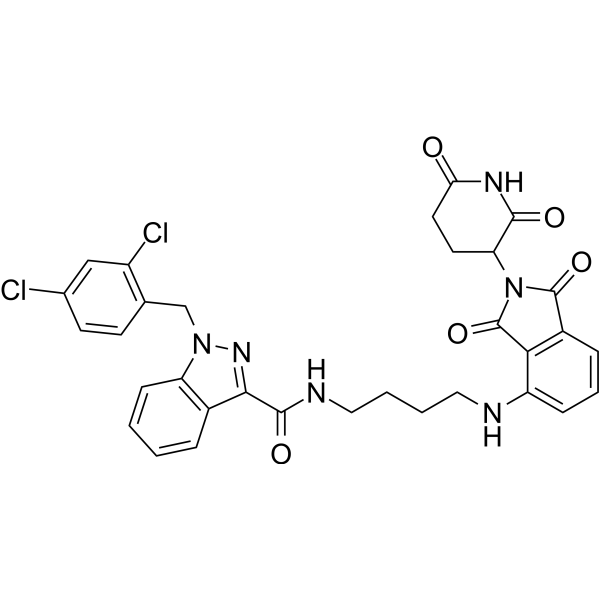
Cat. No.: HY-155008
CAS No.: 3033812-84-6
Purity:  98.98%
Target:  

PROTACs Hexokinase

Research Areas:  

Cancer

PROTAC HK2 Degrader-1 is a PROTAC consisting of Lonidamine (HY-B0486) as a target protein Hexokinase 2 (HK2) inhibitor and Thalidomide (HY-14658) as a CRBN ligand-linked PROTAC. PROTAC HK2 Degrader-1 selectively inhibits the proliferation of breast cancer cells by forming a ternary complex through the ubiquitin-proteasome system to degrade Hexokinase 2 (HK2) protein leading to mitochondrial damage and cell death. PROTAC HK2 Degrader-1 effectively inhibits breast tumor growth and reduces the colonic side effects of cisplatin for breast cancer research .
loading...
    loading...
1
1 Cited Publications
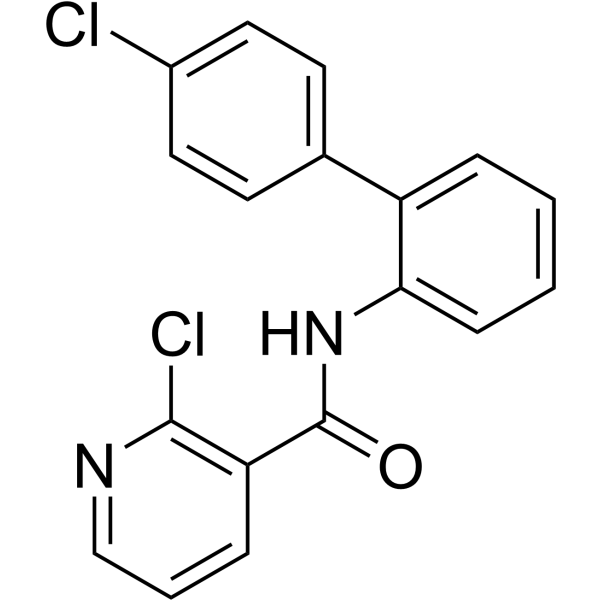
Cat. No.: HY-119976
CAS No.: 188425-85-6
Purity:  99.29%
Boscalid is a succinate dehydrogenase (SDHI) inhibitor with antifungal activity. Boscalid binds to the ubiquinone-binding site of fungal mitochondrial complex II, blocks ATP production and aerobic respiration, exhibits good control efficacy against a variety of plant fungal diseases including gray mold, sclerotinia rot and powdery mildew, and is widely used for disease control in agriculture. Boscalid induces apoptosis, altered lipid metabolism, mitochondrial dysfunction, respiratory impairment, oxidative stress, ROS accumulation and neurodevelopmental disorders in zebrafish. Boscalid reduces foraging ability, shortens median death time and causes chronic toxicity in exposed honeybees. Boscalid also possesses genotoxicity, cytotoxicity, elevated mitochondrial superoxide levels and early-stage apoptosis .
loading...
    loading...
1
1 Cited Publications
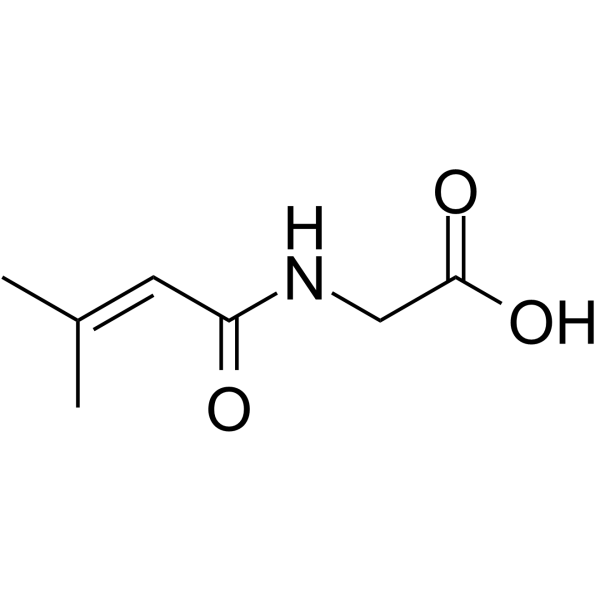
Cat. No.: HY-113232
CAS No.: 33008-07-0
Purity:  99.90%
3-Methylcrotonylglycine is an organic acid conjugate associated with leucine catabolism that inhibits respiratory chain complex II-III, mitochondrial creatine kinase, and synaptic membrane Na +, K +-ATPase. 3-Methylcrotonylglycine increases reactive oxygen species levels to mediate oxidative damage, while inhibiting mitochondrial electron transport, reducing tricarboxylic acid cycle flux, and interfering with intracellular energy transport and neuronal ion homeostasis. 3-Methylcrotonylglycine is a neurotoxic metabolite that accumulates in the metabolic pathway of 3-methylcrotonyl-CoA carboxylase deficiency. 3-Methylcrotonylglycine can be used in studies related to 3-methylcrotonyl-CoA carboxylase deficiency .
loading...
    loading...
1
1 Cited Publications
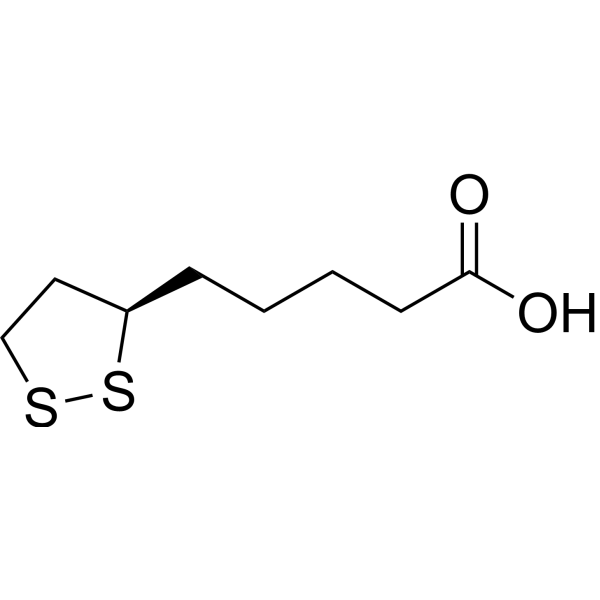
Cat. No.: HY-18733R
CAS No.: 1200-22-2
Synonyms: (R)-(+)-α-Lipoic acid(Standard); R-(+)-Thioctic acid (Standard)
Lipoic acid (Standard) is the analytical standard of Lipoic acid. This product is intended for research and analytical applications. Lipoic acid ((R)-(+)-α-Lipoic acid) is an antioxidant, which is an essential cofactor of mitochondrial enzyme complexes. (R)-(+)-α-Lipoic acid is more effective than racemic Lipoic acid.
loading...
    loading...
1
1 Cited Publications
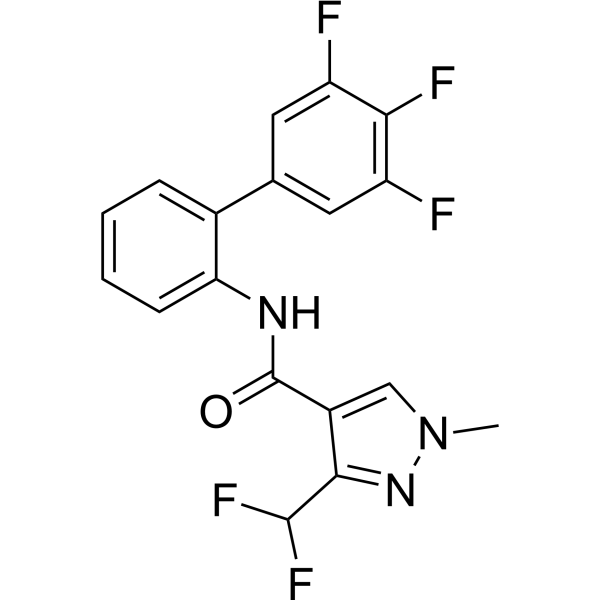
Cat. No.: HY-135549
CAS No.: 907204-31-3
Purity:  99.96%
Fluxapyroxad is a synthetic broad-spectrum fungicide for the control of fungal diseases. Fluxapyroxad inhibits succinate dehydrogenase in complex II of the mitochondrial respiratory chain, resulting in inhibition of spore germination, germ tubes and mycelia growth within the fungus target species .
loading...
    loading...
1
1 Cited Publications
Cat. No.: HY-117897
CAS No.: 1361004-87-6
Purity:  98.91%
Target:  

Parasite

Research Areas:  

Infection

CK-2-68 is an inhibitor for complex III in protozoan mitochondrial respiratory chain, by targeting the alternative NADH dehydrogenase (NDH2) of the malarial parasite Plasmodium. CK-2-68 exhibits antimalaria efficacy, that inhibits Plasmodium falciparum infected erythrocytes with an IC50 of 40 nM .
loading...
    loading...
1
1 Cited Publications
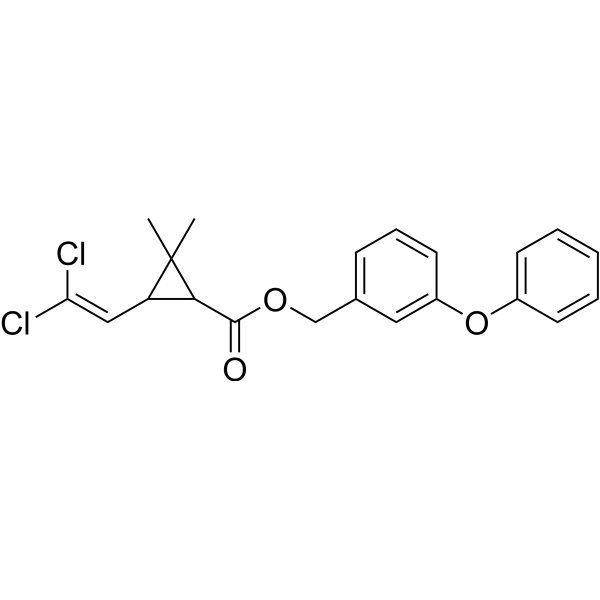
Cat. No.: HY-B0887
CAS No.: 52645-53-1
Synonyms: NRDC-143
Permethrin (NRDC-143) is an insecticide, acaricide and a high selectively inhibitor of the Mitochondrial complex I, found in sediment and water samples. Permethrin shows estrogenic in vivo and anti-estrogenic activity in vitro. Permethrin also acts as a neurotoxin affecting neuron membranes by prolonging Sodium channel activation. Permethrin decreases resistance to bacterial infections in medaka (Oryzias latipes) .
loading...
    loading...
1
1 Cited Publications
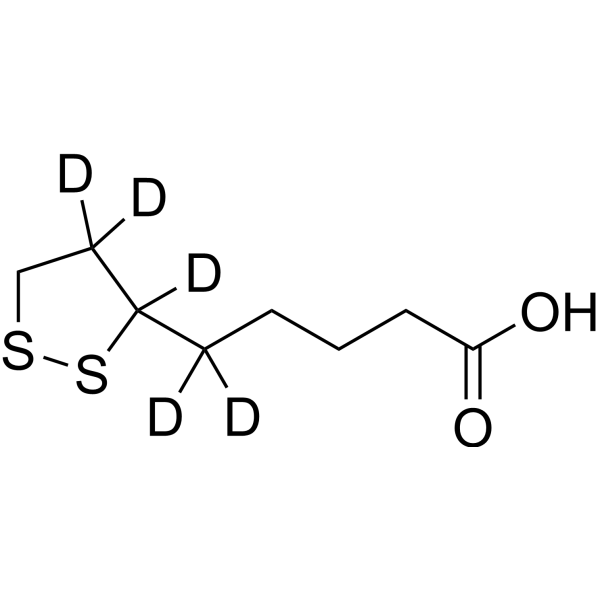
Cat. No.: HY-N0492S
CAS No.: 1189471-66-6
Synonyms: Thioctic acid-d5; (±)-α-Lipoic acid-d5; DL-α-Lipoic acid-d5
α-Lipoic Acid-d5 is the deuterium labeled α-Lipoic Acid. α-Lipoic Acid is an antioxidant, which is an essential cofactor of mitochondrial enzyme complexes. α-Lipoic Acid inhibits NF-κB-dependent HIV-1 LTR activation . α-Lipoic Acid induces endoplasmic reticulum (ER) stress-mediated apoptosis in hepatoma cells .
loading...
    loading...
1
1 Cited Publications
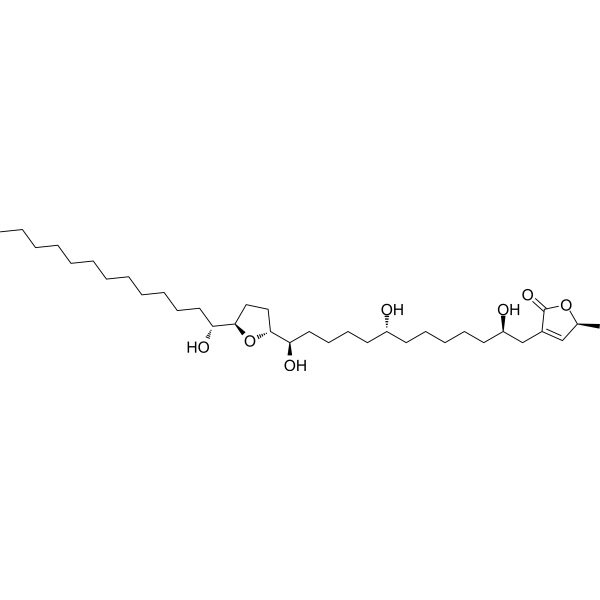
Cat. No.: HY-N2877
CAS No.: 111035-65-5
Annonacin is an acetylgenin that is toxic by inhibiting the pathway of the mitochondrial complex. Annonacin increases tau phosphorylation in R406W +/+ mice. Annonacin acts as an inhibitor of the sodium/potassium and sarcoplasmic reticulum (SERCA) ATPase pumps. Annonacin has significant killing effect on ovarian cancer cell, cervical cancer cell, breast cancer cell, bladder cancer cell and skin cancer cell. Annonacin induces apoptosis through Bax and Caspase-3-related pathways .
loading...
    loading...
1
1 Cited Publications
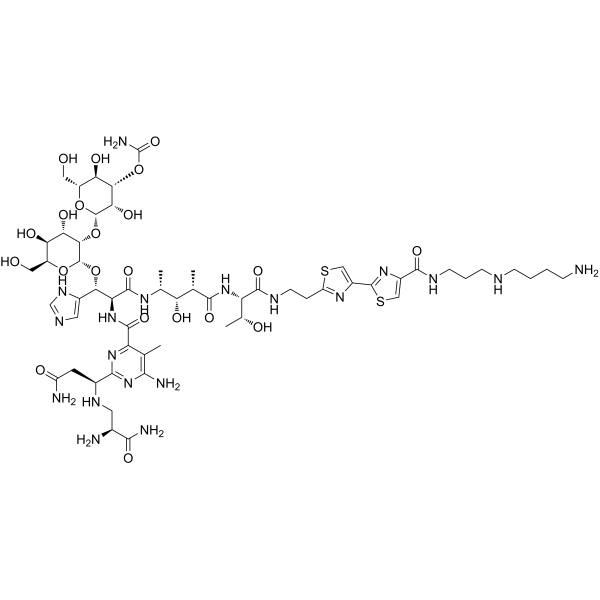
Cat. No.: HY-N10470
CAS No.: 11116-32-8
Synonyms: Pingyangmycin
Bleomycin A5 (Pingyangmycin) is a glycopeptide antibiotic with multiple biological activities, which can be isolated from Streptomyces. Bleomycin A5 exerts cytotoxic effects by binding to Fe 2+ to form a complex, inducing single-strand and double-strand DNA breaks, and inhibiting DNA replication. Bleomycin A5 inhibits Drp1-mediated mitochondrial fission and suppresses PINK1/Parkin pathway-mediated mitophagy, ultimately triggering mitochondria-mediated cellular apoptosis. Bleomycin A5 can be used in cancer research .
loading...
    loading...
1
1 Cited Publications
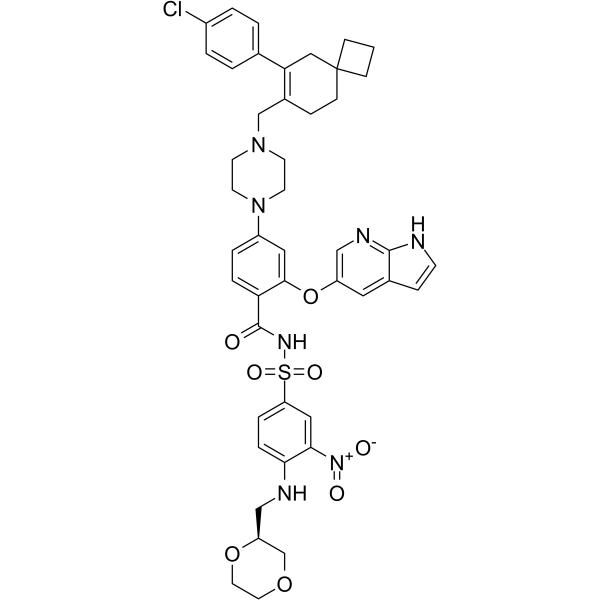
Cat. No.: HY-129179
CAS No.: 2180923-05-9
Purity:  99.28%
Synonyms: APG-2575; Bcl-2/Bcl-xl inhibitor 1
Target:  

Bcl-2 Family Apoptosis

Research Areas:  

Cancer

Lisaftoclax is an orally active, selective BCL-2 inhibitor with a Ki of < 0.1 nM against human BCL-2. Lisaftoclax selectively binds to BCL-2, disrupts the BCL-2:BIM complex, and antagonizes the antiapoptotic function of BCL-2. Lisaftoclax induces BAX/BAK-dependent, caspase-mediated apoptosis, upregulates the pro-death proteins BIM and Noxa, and downregulates mitochondrial respiratory function and ATP production. Lisaftoclax can be used in the research of hematological malignancies including chronic lymphocytic leukemia, multiple myeloma, and diffuse large B-cell lymphoma .
loading...
    loading...
1
1 Cited Publications
Cat. No.: HY-W251428
CAS No.: 383907-64-0
Synonyms: Egg PG
Phosphatidylglycerols (PG) is a selective inhibitor targeting the TLR4 accessory protein CD14/MD-2 complex, inhibiting LPS or virus (such as RSV)-mediated inflammatory signaling pathways through competitive binding. Phosphatidylglycerols directly bind to viral particles to block infection, inhibit COX-2 expression to reduce the release of inflammatory factors (IL-6, IL-8), and improve oxidative stress by regulating mitochondrial membrane phospholipid remodeling. Phosphatidylglycerols can be taken orally or by inhalation and can be used in the study of chronic inflammatory diseases (such as atherosclerosis) and respiratory viral infections (such as RSV) .
loading...
    loading...
1
1 Cited Publications
Cat. No.: HY-156675A
Purity:  99.34%
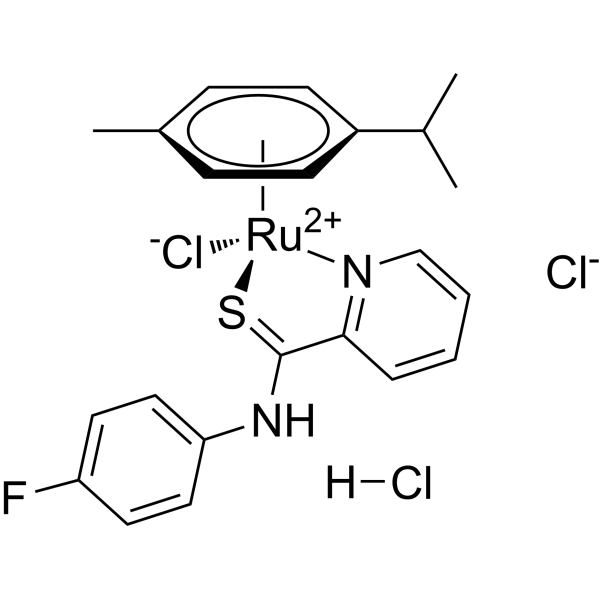
Plecstatin-1 hydrochloride is a metal complex that drives the aggregation and collapse of the plectin network, and disrupts the cytoskeletal structures of α‑tubulin and F‑actin. Plecstatin-1 hydrochloride triggers oxidative stress, mediates the phosphorylation of eIF2α, and induces molecular features associated with immunogenic cell death, including calreticulin membrane exposure, membrane localization of HSP70/HSP90, ATP secretion, and HMGB‑1 release. Plecstatin-1 hydrochloride induces apoptosis via the intrinsic mitochondrial pathway and exerts anti-invasive activity. Plecstatin-1 hydrochloride inhibits sphere proliferation and reduces clonogenicity in the 3D tumor spheroid model of colon cancer cells. Plecstatin-1 hydrochloride is applicable to relevant research on colorectal cancer .
loading...
    loading...
1
1 Cited Publications
Cat. No.: HY-129430
CAS No.: 79236-56-9
Purity:  ≥99.0%
Target:  

Ferrochelatase

Research Areas:  

Metabolic Disease

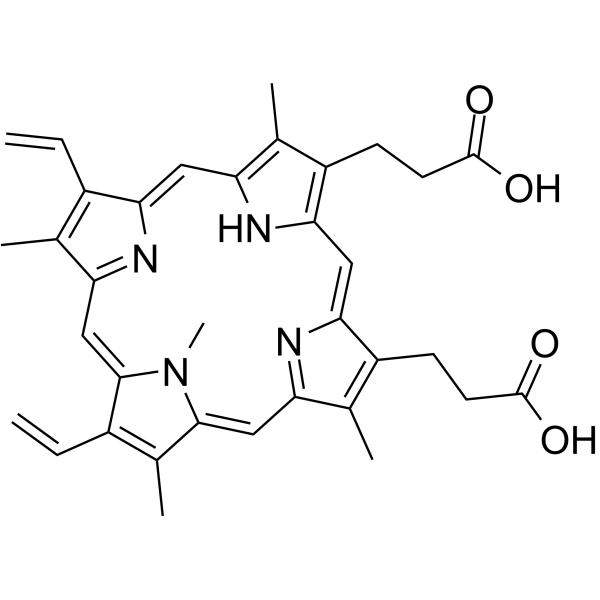
N-Methylprotoporphyrin IX is a Ferrochelatase inhibitor with a Ki app value of 3 nM. N-methylprotoporphyrin IX dimethyl ester potently inhibits the synthesis of phycocyanin and chlorophyll a. N-Methylprotoporphyrin IX can be used for the research of haem deficiency-associated disorders .
loading...
    loading...
1
1 Cited Publications
Cat. No.: HY-136093B
CAS No.: 1422365-93-2
Synonyms: IM156 free base; HL156A free base; HL271 free base
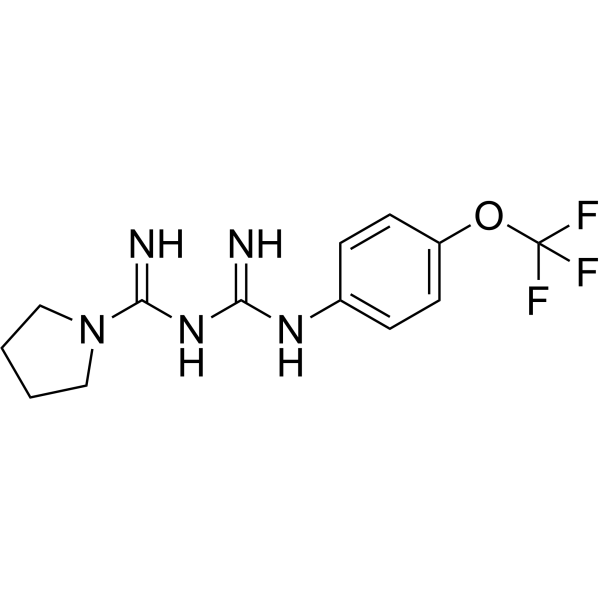
Lixumistat (IM156 free base) is a potent and orally active AMPK activator and OXPHOS inhibitor. Lixumistat strongly activates AMPK, while it lacks the systemic metabolic regulatory effects of classic metformin, such as hypoglycemic and weight-lowering activities. Lixumistat exhibits significant therapeutic effects on cognitive decline associated with brain aging and pulmonary fibrosis .
loading...
    loading...
1
1 Cited Publications
Cat. No.: HY-N7922
CAS No.: 91485-02-8
Synonyms: Decarboxyellagic acid
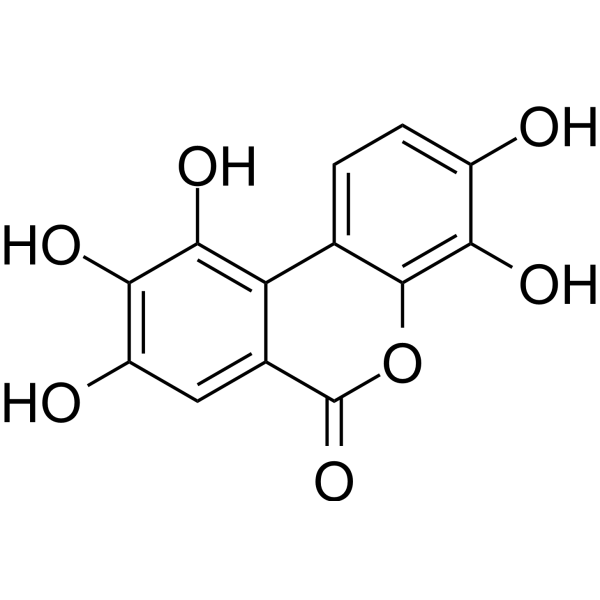
Urolithin M5 (Decarboxyellagic acid) is an orally active influenza virus neuraminidase inhibitor and neuroprotective agent, with IC50 values of 174.8 μM (HK68), 191.5 μM (pdm09), 243.2 μM (WSN) and 257.1 μM (PR8) against four influenza virus neuraminidases, respectively. Urolithin M5 inhibits viral neuraminidase activity, thereby blocking influenza virus replication (including oseltamivir (HY-13317)-resistant strains), protecting infected mammals from death and improving pulmonary edema. Urolithin M5 forms a hydrogen-bond stabilized complex with IGF1R, and binds to MAPK14, AKT1, NFKB1 and EGFR. Urolithin M5 reduces reactive oxygen species production, inhibits neuronal apoptosis, restores mitochondrial transmembrane potential, and promotes neurite outgrowth of damaged neuronal cells. Urolithin M5 can be used in research related to influenza virus infection and Alzheimer's disease .
loading...
    loading...
1
1 Cited Publications
Cat. No.: HY-17520
CAS No.: 183675-82-3
Synonyms: MTF-753
Research Areas:  

Infection

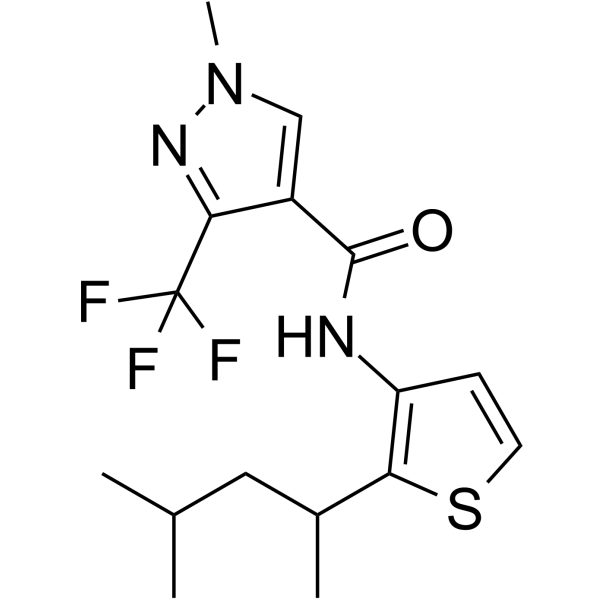
Penthiopyrad (MTF-753) is a carboxamide Fungicide. Penthiopyrad inhibits SDH. Penthiopyrad exhibits broad-spectrum antifungal activity, being effective not only against Basidiomycetes, but also against Ascomycetes and Deuteromycetes. Penthiopyrad inhibits the mycelial growth of Alternaria mali, Botrytis cinerea, Monilinia mali, Rhizoctonia solani and Sclerotinia sclerotiorum on PDA medium, with EC50 values ranging from <0.4 ppm to 0.34 ppm and MIC values ranging from 6.6 ppm to 47.9 ppm .
loading...
    loading...

