485 Results for "

Platelet Aggregation Inhibitor

" in MedChemExpress (MCE) Product Catalog:
Products (485)

485 Results for "Platelet Aggregation Inhibitor" in MCE Product Catalog:

Cat. No.: HY-107615R
CAS No.: 1393814-38-4
Research Areas:  

Cancer

TC LPA5 4 (Standard) is the analytical standard of TC LPA5 4 (HY-107615). This product is intended for research and analytical applications. TC LPA5 4 is a LPA5 (GPR92)-specific non-lipid antagonist. TC LPA5 4 inhibits LPA-induced aggregation of isolated human platelet (LPA5-RH7777 cell line) with an IC50 of 800 nM. TC LPA5 4 displays selectivity for LPA5 over 80 other screened agent targets . TC LPA5 4 inhibits cell proliferation and migration of thyroid cancer cells .
loading...
    loading...
Cat. No.: HY-108556A
CAS No.: 2387505-58-8
Purity:  99.54%
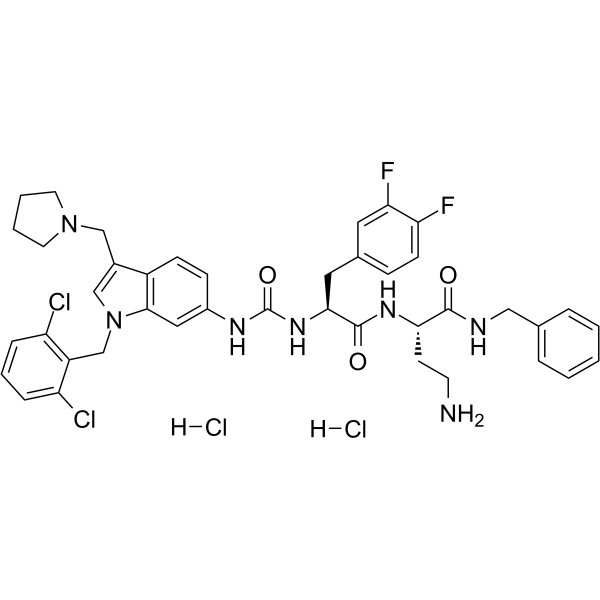
RWJ-56110 dihydrochloride is a potent, selective, peptide-mimetic inhibitor of PAR-1 activation and internalization (binding IC50=0.44 uM) and shows no effect on PAR-2, PAR-3, or PAR-4. RWJ-56110 dihydrochloride inhibits the aggregation of human platelets induced by both SFLLRN-NH2 (IC50=0.16 μM) and thrombin (IC50=0.34 μM), quite selective relative to U46619 (HY-108566). RWJ-56110 dihydrochloride blocks angiogenesis and blocks the formation of new vessels in vivo. RWJ-56110 dihydrochloride induces cell apoptosis .
loading...
    loading...
Cat. No.: HY-117044A
CAS No.: 81187-21-5
Research Areas:  

Metabolic Disease

(±)12-HEPE is produced by non-enzymatic oxidation of EPA. It contains equal amounts of 12(S)-HEPE and 12(R)-HEPE. The biological activity of (±)12-HEPE is likely mediated by one of the individual isomers, most commonly the 12(S) isomer in mammalian systems. 12-HEPE inhibits platelet aggregation with the same potency as 12-HETE, exhibiting IC50 values of 24 and 25 μM, respectively.1 These compounds are also equipotent as inhibitors of U46619-induced contraction of rat aorta (IC50s=8.6-8.8 μM).
loading...
    loading...
Cat. No.: HY-14993R
CAS No.: 245520-69-8
SCH79797 (Standard) is the analytical standard of SCH79797. This product is intended for research and analytical applications. SCH79797 is a highly potent, selective nonpeptide protease activated receptor 1 (PAR1) antagonist. SCH79797 inhibits binding of a high-affinity thrombin receptor-activating peptide to PAR1 with an IC50 of 70 nM and a Ki of 35 nM. SCH79797 inhibits thrombin-induced platelet aggregation with an IC50 of 3 μM. SCH79797 has antiproliferative and pro-apoptotic effects, and limits myocardial ischemia/reperfusion injury in rat hearts. SCH79797 also potently prevents PAR1 activation in vascular smooth muscle cells, endothelial cells, and astrocytes .
loading...
    loading...
Cat. No.: HY-14994R
CAS No.: 1216720-69-2
SCH79797 (dihydrochloride) (Standard) is the analytical standard of SCH79797 (dihydrochloride). This product is intended for research and analytical applications. SCH79797 dihydrochloride is a highly potent, selective nonpeptide protease activated receptor 1 (PAR1) antagonist. SCH79797 dihydrochloride inhibits binding of a high-affinity thrombin receptor-activating peptide to PAR1 with an IC50 of 70 nM and a Ki of 35 nM. SCH79797 dihydrochloride inhibits thrombin-induced platelet aggregation with an IC50 of 3 μM. SCH79797 dihydrochloride has antiproliferative and pro-apoptotic effects, and limits myocardial ischemia/reperfusion injury in rat hearts. SCH79797 dihydrochloride also potently prevents PAR1 activation in vascular smooth muscle cells, endothelial cells, and astrocytes .
loading...
    loading...
Cat. No.: HY-B0531S
CAS No.: 2748541-63-9
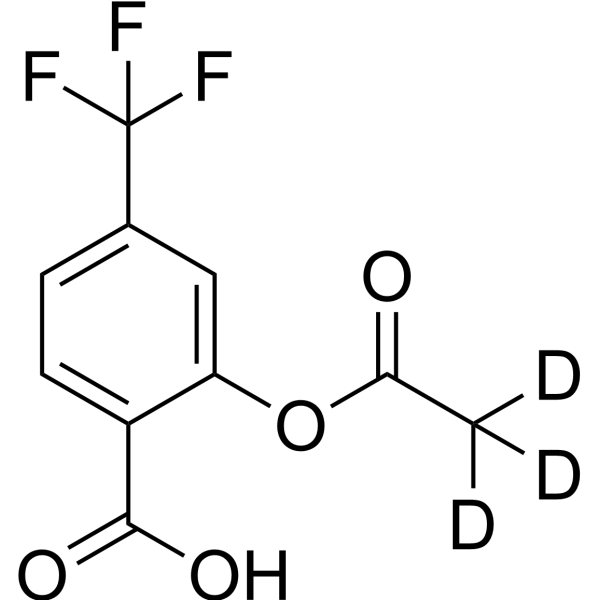
Triflusal-d3 is deuterium labeled Triflusal (HY-B0531). Triflusal is an orally bioavailable, blood-brain barrier-permeable dual Cyclooxygenase-1 (COX-1)/cAMP phosphodiesterase inhibitor. Triflusal inhibits platelet aggregation, NF-κB activation, iNOS activity, and prostaglandin synthesis in ischaemic tissue. Triflusal stimulates neutrophil nitric oxide production, eNOS protein expression, and cNOS activity. Triflusal alleviates cerebral ischemic injury in rats and ameliorates pathological lesions and related gene expression in transgenic Alzheimer’s disease models. Triflusal can be used for the research of thromboembolic/ischemic cardiovascular and cerebrovascular diseases, and Alzheimer’s disease .
loading...
    loading...
Cat. No.: HY-165587
CAS No.: 284464-83-1
Research Areas:  

Cardiovascular Disease

BM-573 is an orally active dual thromboxane A₂ (TXA₂) modulator with an IC50 of 1.3 nM. BM-573 possesses both thromboxane synthase (TxAS) inhibition and thromboxane receptor (TP) antagonistic effects. BM-573 can completely inhibit platelet aggregation induced by Arachidonic acid (HY-109590) or U-46619 (TXA₂ analogues). BM-573 completely blocks the generation of TXB₂ (the stable metabolite of TXA₂) in human platelets and does not inhibit cyclooxygenase (COX-1/COX-2), thus avoiding interference with other prostaglandin synthesis. BM-573 has an inhibitory effect on U-46619-induced contractions in rat gastric fundus smooth muscle (ED₅₀ = 4.2 μM), but has no effect on contractions caused by PGE₂, PGF₂α, or PGI₂. BM-573 can be used in the study of atherosclerosis, myocardial infarction, pulmonary hypertension and shock .
loading...
    loading...
Cat. No.: HY-N6043
CAS No.: 69039-02-7
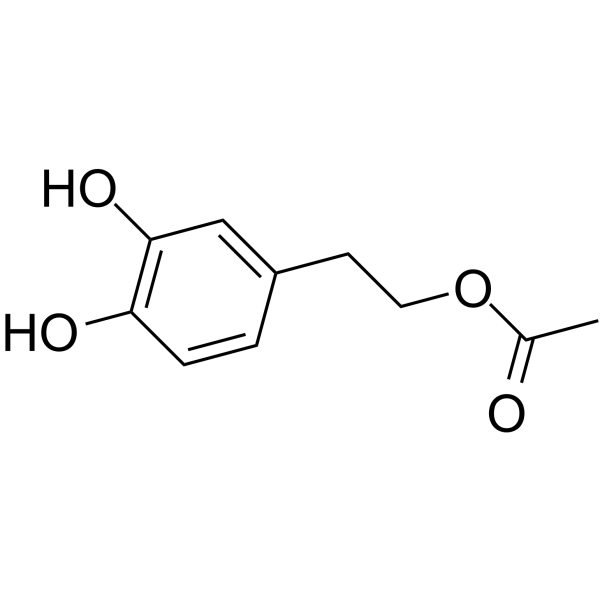
Hydroxytyrosol acetate is an orally active, blood-brain barrier-permeable multi-active compound with multiple effects including antibacterial, antioxidant, anti-platelet aggregation, and neuroprotective activities. Hydroxytyrosol acetate not only inhibits the growth of Vibrio by increasing bacterial membrane permeability, but also interacts with DNA and mediates supercoiled DNA relaxation. Meanwhile, Hydroxytyrosol acetate effectively reduces thrombosis and inhibits lipid oxidation by inhibiting COX activity and promoting vascular nitric oxide production. In terms of neuroprotection, Hydroxytyrosol acetate significantly alleviates neuronal apoptosis and inflammatory responses by up-regulating the expression level of ERβ, thereby improving cognitive function in Alzheimer's disease models. Hydroxytyrosol acetate has been widely used in scientific research related to Vibrio infection, arterial thrombosis, Alzheimer's disease and other related fields .
loading...
    loading...
Cat. No.: HY-101308
CAS No.: 1454889-37-2
Target:  

P2Y Receptor

Research Areas:  

Cardiovascular Disease

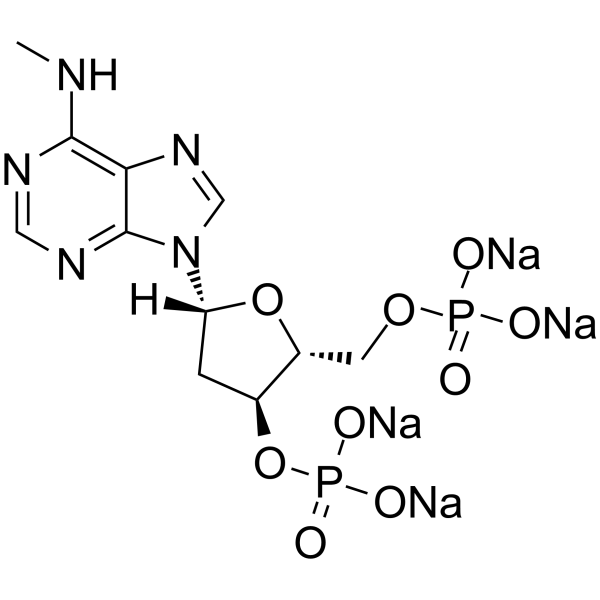
MRS2179 tetrasodium is a competitive P2Y1 receptor antagonist, with a Kb of 102 nM and a pA2 of 6.99 for turkey P2Y1 receptor. MRS2179 tetrasodium is selective for P2Y1 over P2X1 (IC50=1.15 µM), P2X3 (12.9 µM), P2X2, P2X4, P2Y2, P2Y4, and P2Y6 receptors . MRS2179 tetrasodium inhibits platelet aggregation .
loading...
    loading...
Cat. No.: HY-115314
CAS No.: 101396-42-3
Synonyms: LG 30435
Target:  

Histamine Receptor

Research Areas:  

Inflammation/Immunology

Mequitamium iodide (LG 30435) is an antihistamine drug with antiallergic and bronchodilatory activity. Mequitamium iodide can effectively antagonize airway contraction and inflammatory responses induced by histamine and antigens. Mequitamium iodide has nanomolar affinity for the H1 and smooth muscle receptors of histamine and mequitin. Mequitamium iodide, when administered in aerosol form, significantly inhibits histamine- and antigen-induced increases in airway pressure in allergic mice. Mequitamium iodide reduces antigen-induced eosinophil accumulation in the airways. Mequitamium iodide also exhibits inhibitory effects on PAF-induced platelet aggregation and bronchoconstriction, and can be used in the study of allergic diseases such as rhinitis and asthma .
loading...
    loading...
Cat. No.: HY-W744923
CAS No.: 93589-69-6
Synonyms: DD-70
Target:  

COX

Research Areas:  

Cardiovascular Disease

Bis[2-(4-hydroxyphenylthio) ethoxy]methane (DD-70) is a Bisphenol A (HY-18260) substitute and a COX-1 inhibitor. Bis[2-(4-hydroxyphenylthio) ethoxy]methane blocks platelet aggregation induced by Arachidonic acid (HY-109590) and U-46619 (HY-108566). Bis[2-(4-hydroxyphenylthio) ethoxy]methane alters hemostatic function. Bis[2-(4-hydroxyphenylthio) ethoxy]methane reduces embryonic survival rate, decreases embryonic mass and increases gallbladder mass in chicken embryos .
loading...
    loading...
Cat. No.: HY-L193
1,006 compounds

Since ancient times, promoting blood circulation for removing blood stasis (PBCRBS) has been one of the most popular research contents in the area of traditional Chinese medicine (TCM) and integrated medicine. Rhizoma, Persicae Semen, Carthami Flos, Curcumae Longae Rhizoma and so on are common TCM with PBCRBS characteristic. Studies have shown that the mechanism of action of PBCRBS TCM is to promote blood circulation (improving cardiovascular and cerebrovascular functions, physical and chemical properties of blood, platelet and coagulation system and other physiological functions) and remove blood stasis (anti-myocardial ischemia, cerebral ischemia, inhibition of platelet aggregation, anti-coagulation, anti-thrombosis, etc.). Not only that, PBCRBS TCM has anti-infection, inhibit inflammation, regulate immune function, inhibit immune response, inhibit abnormal tissue proliferation and other functions. Therefore, PBCRBS TCM has high research value in all- field disease research fields.

MCE can supply 1,006 monomer component from more than a hundred sources of PBCRBS TCM, which can be used in TCM studies, drug development and mechanism-based studies.

Cat. No.: HY-B0531R
CAS No.: 322-79-2
Triflusal (Standard) is the analytical standard of Triflusal (HY-B0531). This product is intended for research and analytical applications. Triflusal is an orally bioavailable, blood-brain barrier-permeable dual Cyclooxygenase-1 (COX-1)/cAMP phosphodiesterase inhibitor. Triflusal inhibits platelet aggregation, NF-κB activation, iNOS activity, and prostaglandin synthesis in ischaemic tissue. Triflusal stimulates neutrophil nitric oxide production, eNOS protein expression, and cNOS activity. Triflusal alleviates cerebral ischemic injury in rats and ameliorates pathological lesions and related gene expression in transgenic Alzheimer’s disease models. Triflusal can be used for the research of thromboembolic/ischemic cardiovascular and cerebrovascular diseases, and Alzheimer’s disease .
loading...
    loading...
Cat. No.: HY-N2282
CAS No.: 91653-50-8
Synonyms: Zingiberensis newsaponin
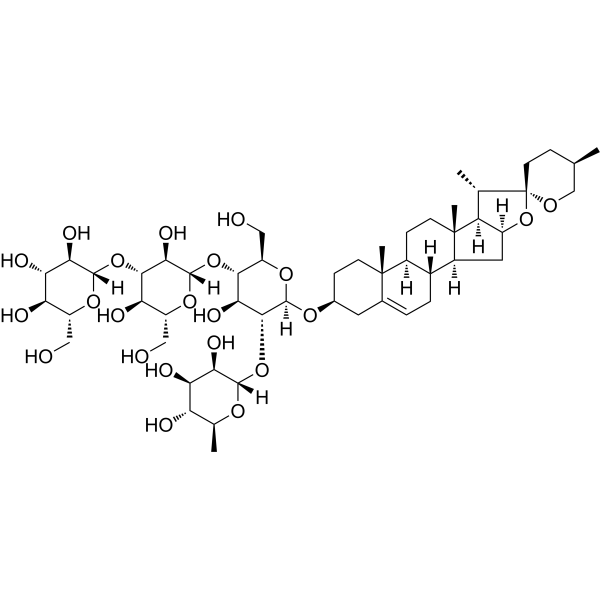
Zingiberen Newsaponin (Zingiberensis newsaponin) is an orally active type of steroid saponin compound. Zingiberen Newsaponin exerts anti-hepatocellular carcinoma (HCC) effects by inhibiting autophagy and the AKR1C1/JAK2/STAT3 pathway. Zingiberen Newsaponin activates oxidative stress (upregulates ROS and MDA) and mitochondrial pathways, promoting cancer cell apoptosis. Zingiberen Newsaponin alleviates cerebral ischemia-reperfusion (I/R) injury by decreasing the concentration of pro-inflammatory cytokines and inhibits NF-κB. Zingiberen Newsaponin can enhance the activity of SOD, eliminate free radicals and protect nerve cells. Zingiberen Newsaponin induces platelet aggregation .
loading...
    loading...
Cat. No.: HY-B1735
CAS No.: 32828-81-2
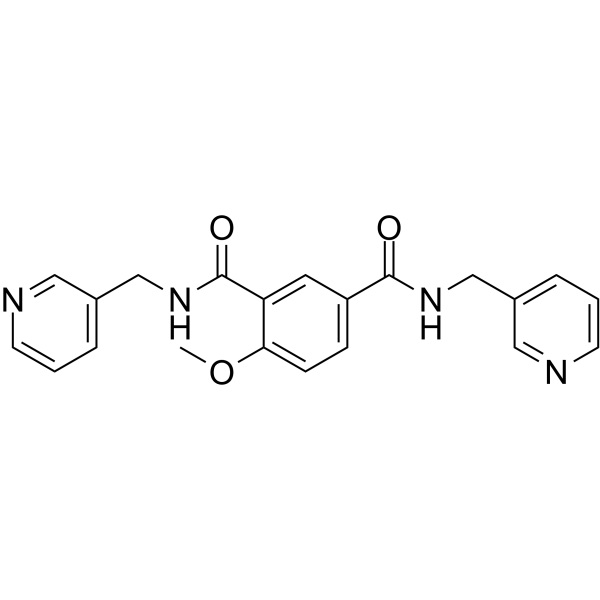
Picotamide is an orally active TXA2 receptor and TXA2 synthase inhibitor. Picotamide inhibits ADP (HY-W010918)-, Arachidonic acid (HY-109590)-, and Collagen (HY-NP003)-induced platelet aggregation, reduces TXA2 production during coagulation, and does not inhibit PGI2 synthesis in endothelial cells. Picotamide inhibits contractions induced by α1-adrenergic receptor agonism, TXA2 mediation, and neurogenic (electrical field stimulation-induced) factors in human prostatic smooth muscle, and broadly inhibits agonist-induced contractions of porcine interlobar renal and coronary arteries. Picotamide can be used in research related to thromboembolic diseases, atherosclerosis, and lower urinary tract symptoms .
loading...
    loading...
Cat. No.: HY-B1735A
CAS No.: 80530-63-8
Picotamide monohydrate is an orally active TXA2 receptor and TXA2 synthase inhibitor. Picotamide monohydrate inhibits ADP (HY-W010918)-, Arachidonic acid (HY-109590)-, and Collagen (HY-NP003)-induced platelet aggregation, reduces TXA2 production during coagulation, and does not inhibit PGI2 synthesis in endothelial cells. Picotamide monohydrate inhibits contractions induced by α1-adrenergic receptor agonism, TXA2 mediation, and neurogenic (electrical field stimulation-induced) factors in human prostatic smooth muscle, and broadly inhibits agonist-induced contractions of porcine interlobar renal and coronary arteries. Picotamide monohydrate can be used in research related to thromboembolic diseases, atherosclerosis, and lower urinary tract symptoms .
loading...
    loading...
Cat. No.: HY-156017
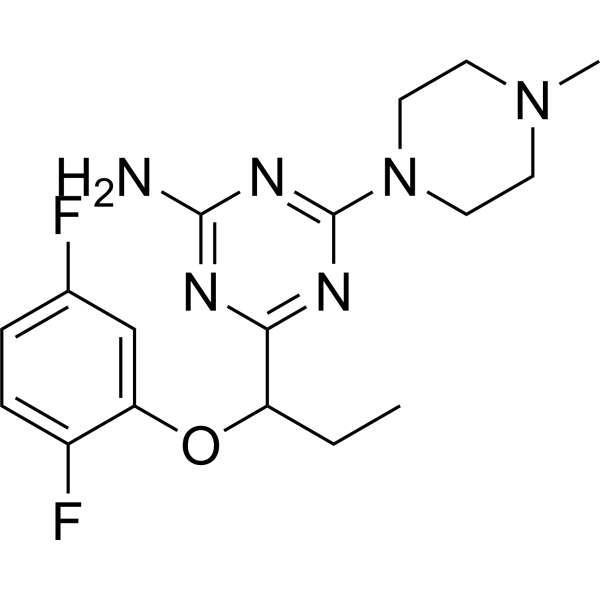
5-HT6R antagonist 1 (Comopund 8) is a 5-HT6R antagonist (Ki: 5 nM). 5-HT6R antagonist 1 inhibits platelet aggregation. 5-HT6R antagonist 1 has excellent metabolic stability. 5-HT6R antagonist 1 reverses MK-801 (HY-15084B)-induced memory impairments in rats. 5-HT6R antagonist 1 can be used for Alzheimer's disease (AD) research .
loading...
    loading...
Cat. No.: HY-107582
CAS No.: 1354359-53-7
Purity:  99.54%
Research Areas:  

Cancer

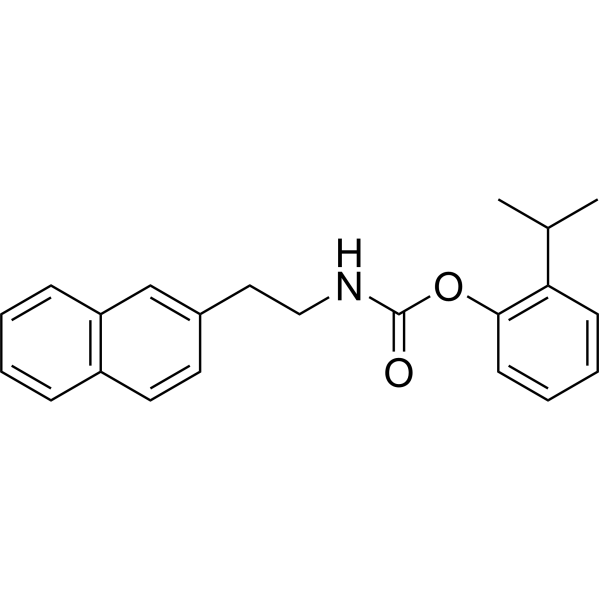
JW480 is a selective KIAA1363/AADACL1 inhibitor with oral activity, featuring IC50 values of 12 nM against human KIAA1363, 20 nM against mouse KIAA1363. JW480 blocks lipid deacetylase activity to restrain HAG metabolism and lowers retinyl ester hydrolase function in hepatic stellate cells. JW480 reduces MAGE lipid levels and inhibits migration, invasion, survival and tumor growth of prostate cancer cells. JW480 lowers PKCδ phosphorylation, facilitates HAGP accumulation, diminishes platelet aggregation, dense granule secretion and Ca 2+ flux, delays arterial thrombosis and prolongs tail bleeding time in rats. JW480 can be used for the study of prostate cancer and thrombosis .
loading...
    loading...
Cat. No.: HY-W751362
CAS No.: 14176-10-4
Cetiedil is a vasodilator and potassium channel blocker with anti-sickle cell and analgesic activities. Cetiedil increases cyclic adenosine monophosphate levels, relaxes vascular smooth muscle, and blocks the action of Bradykinin (HY-P0206). Cetiedil inhibits platelet aggregation, reduces plasma fibrinogen concentration and blood viscosity, suppresses sickling of sickle red blood cells and improves their filterability, and decreases irreversible sickle cells. Cetiedil binds to calmodulin, inhibits Ca 2+-dependent potassium permeability of erythrocyte membranes, increases sodium permeability of erythrocytes, and regulates polymorphonuclear leukocyte function. Cetiedil can be used in research related to intermittent claudication, arteriosclerosis obliterans, diabetic arteriosclerosis, Raynaud's disease, angina pectoris, and sickle cell anemia .
loading...
    loading...
Cat. No.: HY-113469AR
CAS No.: 40732-48-7
Cyclic GMP sodium (Standard) is the analytical standard of Cyclic GMP sodium (HY-113469A). This product is intended for research and analytical applications. Cyclic GMP (cGMP) sodium, an important second messenger, is a major intracellular mediator of extracellular signals such as nitric oxide (NO) and natriuretic peptides (NPs). Effects of Cyclic GMP sodium occur through three main groups of cellular targets: cGMP-dependent protein kinases (PKGs), cGMP-gated cation channels, and PDEs. Cyclic GMP can inhibit both platelet adhesion and aggregation. cGAMP (Cyclic-GMP-AMP) (HY-12512), a conjugate of Cyclic GMP and AMP, can induce IRF3 phosphorylation and nuclear translocation, enhancing antiviral immune responses .
loading...
    loading...