796 Results for "

Inactivation

" in MedChemExpress (MCE) Product Catalog:
Products (796)

796 Results for "Inactivation" in MCE Product Catalog:

5
5 Cited Publications
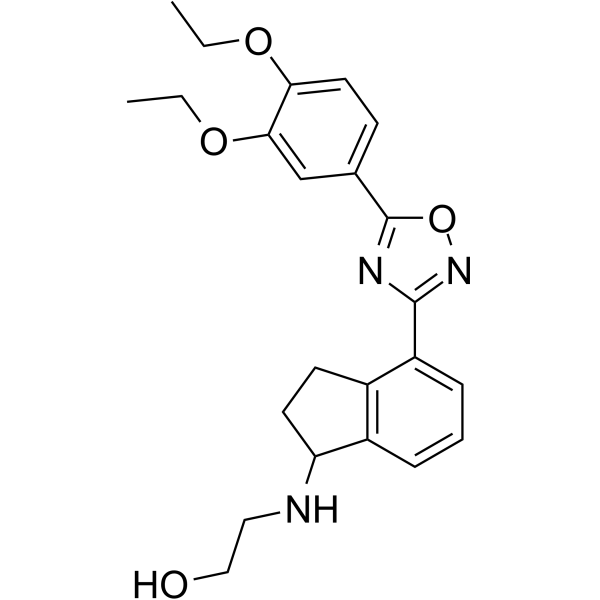
Cat. No.: HY-10968
CAS No.: 1094042-01-9
Purity:  98.83%
Target:  

LPL Receptor

Research Areas:  

Neurological Disease

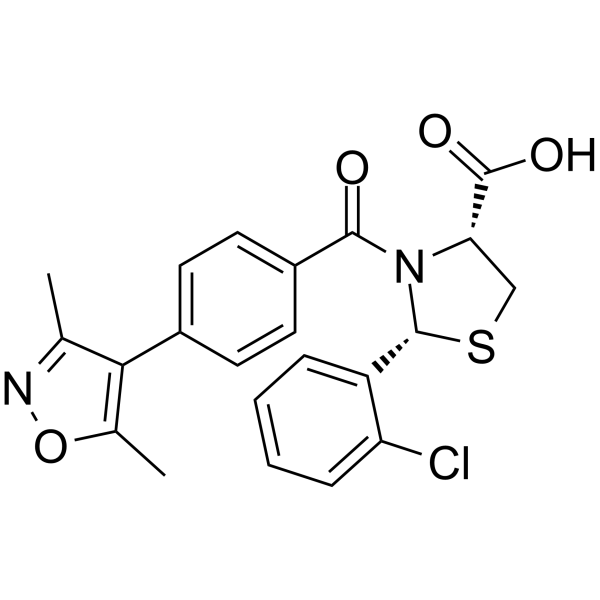
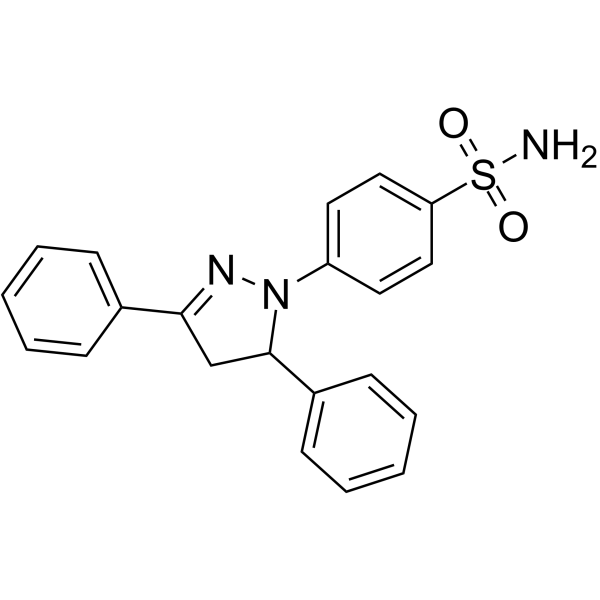
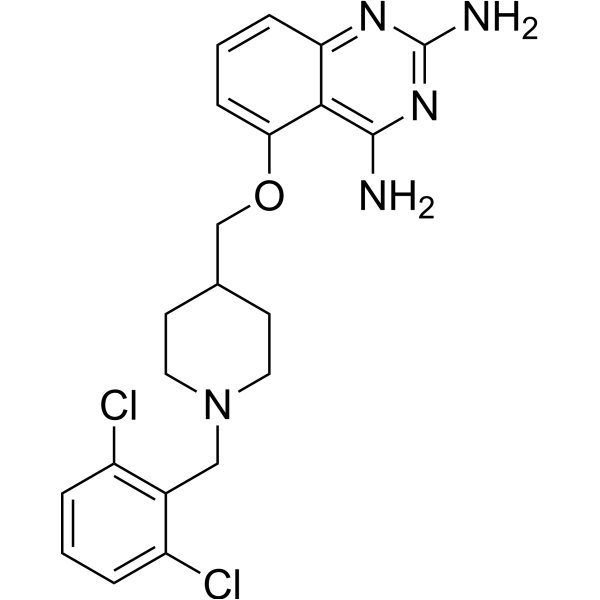
CYM5442 is a potent, highly-selective and orally active sphingosine 1-phosphate (S1P1) receptor agonist with an EC50 of 1.35 nM. CYM5442 is inactive against S1P2, S1P3, S1P4, and S1P5. CYM5442 activates S1P1-dependent p42/p44-MAPK phosphorylation. CYM5442 exerts retinal neuroprotection. CYM5442 can easily penetrate the central nervous system (CNS) .
loading...
    loading...
5
5 Cited Publications
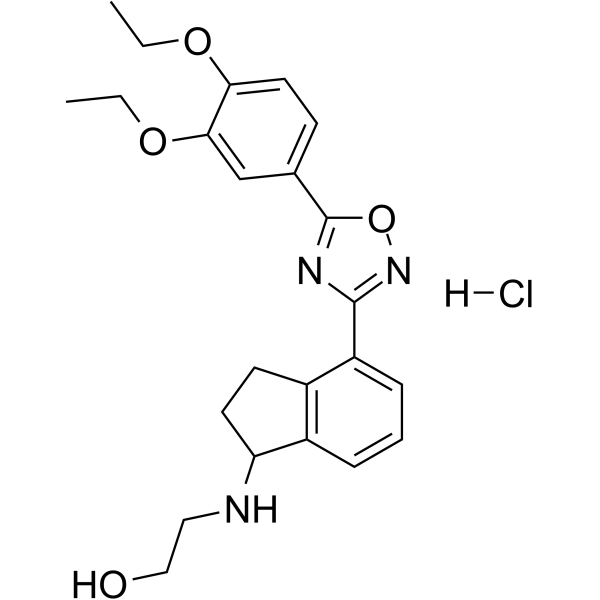
Cat. No.: HY-10968A
CAS No.: 1783987-80-3
Target:  

LPL Receptor

Research Areas:  

Neurological Disease

CYM5442 hydrochloride is a potent, highly-selective and orally active sphingosine 1-phosphate (S1P1) receptor agonist with an EC50 of 1.35 nM. CYM5442 hydrochloride is inactive against S1P2, S1P3, S1P4, and S1P5. CYM5442 hydrochloride activates S1P1-dependent p42/p44-MAPK phosphorylation. CYM5442 exerts retinal neuroprotection. CYM5442 hydrochloride can easily penetrate the central nervous system (CNS) .
loading...
    loading...
4
4 Cited Publications
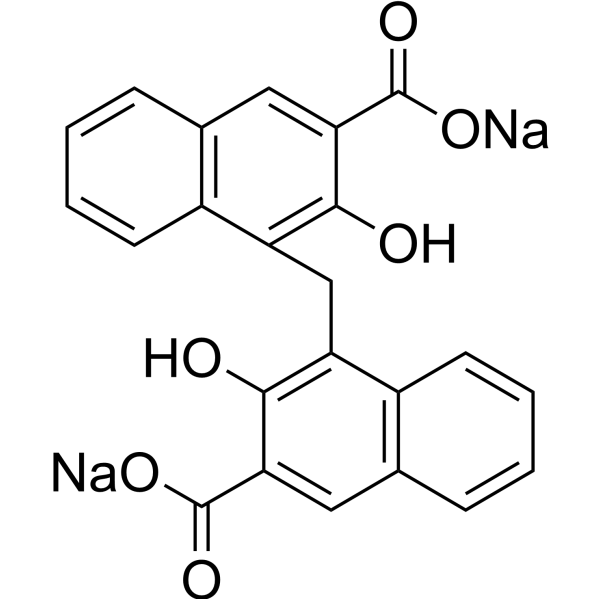
Cat. No.: HY-W010907
CAS No.: 6640-22-8
Target:  

GPR35 ERK

Research Areas:  

Neurological Disease

Pamoic acid disodium is a potent GPR35 agonist with an EC50 value of 79 nM. Pamoic acid disodium induces GPR35 internalization and activates ERK1/2 with EC50 values of 22 nM and 65 nM, respectively. Pamoic acid disodium potently recruits β-arrestin2 to GPR35 and has an antinociceptive effect .
loading...
    loading...
4
4 Cited Publications
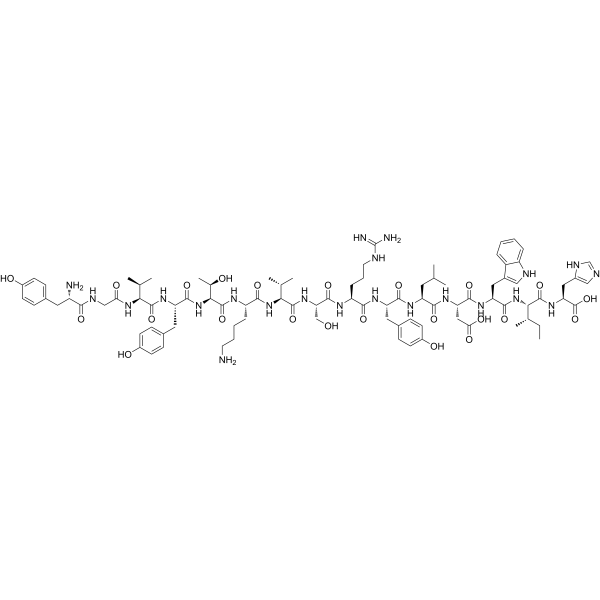
Cat. No.: HY-P1918
CAS No.: 146340-20-7
Target:  

APC

Research Areas:  

Cardiovascular Disease

Activated Protein C (390-404), human is a polypeptide fragment of vitamin K-dependent serine protease activated protein C (APC), which inhibits the anticoagulant activity of APC. Activated Protein C (390-404), human inhibits APC-catalyzed inactivation of factor Va .
loading...
    loading...
4
4 Cited Publications
Cat. No.: HY-112813
CAS No.: 2247372-59-2
Purity:  99.42%
Research Areas:  

Metabolic Disease

TUG-1375 is an agonist of free fatty acid receptor 2 (FFA2/GPR43), with a pKi of 6.69. TUG-1375 is inactive on FFA3, FFA4, PPARα, PPARγ, PPARδ, LXRα or LXRβ .
loading...
    loading...
4
4 Cited Publications
Cat. No.: HY-N6691
CAS No.: 71-62-5
Synonyms: 3-Veratroylveracevine
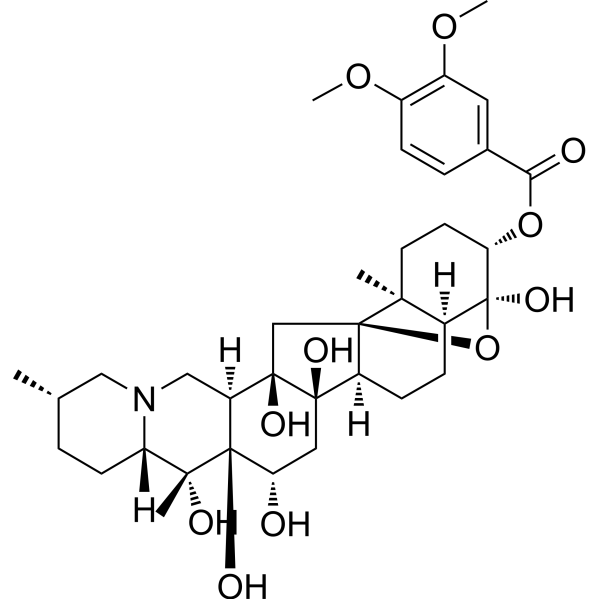
Veratridine (3-Veratroylveracevine) is a plant neurotoxin, a voltage-gated sodium channels (VGSCs) agonist. Veratridine inhibits the peak current of Nav1.7, with an IC50 of 18.39 µM. Veratridine regulates sodium ion channels mainly by activating sodium ion channels, preventing channel inactivation and increasing sodium ion flow .
loading...
    loading...
4
4 Cited Publications
Cat. No.: HY-D0014
CAS No.: 6104-58-1
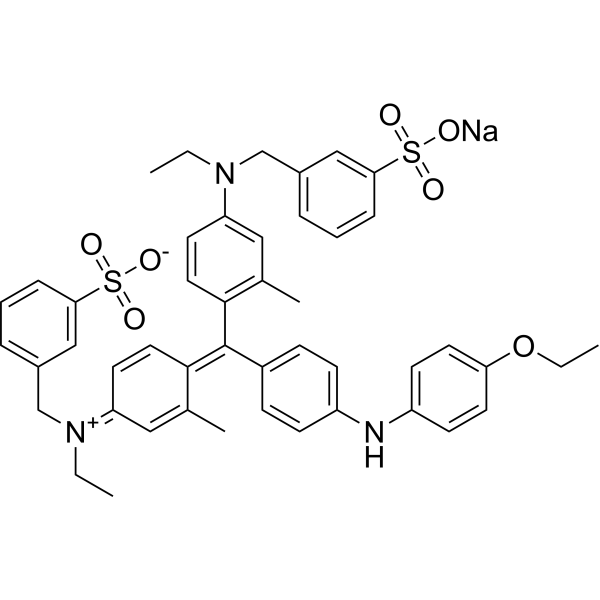
Brilliant Blue G-250 is a dye commonly used for the visualization of proteins separated by SDS-PAGE, offering a simple staining procedure and high quantitation. In the Bradford protein assay, protein concentrations are determined by the absorbance at 595 nm due to the binding of Brilliant Blue G-250 to proteins. Brilliant Blue G-250 is a safe highly selective P2×7R antagonist with promising consequent inactivation of NLRP3 inflammasome .
loading...
    loading...
4
4 Cited Publications
Cat. No.: HY-103360
CAS No.: 353791-85-2
Purity:  96.05%
Target:  

CCR

Research Areas:  

Inflammation/Immunology

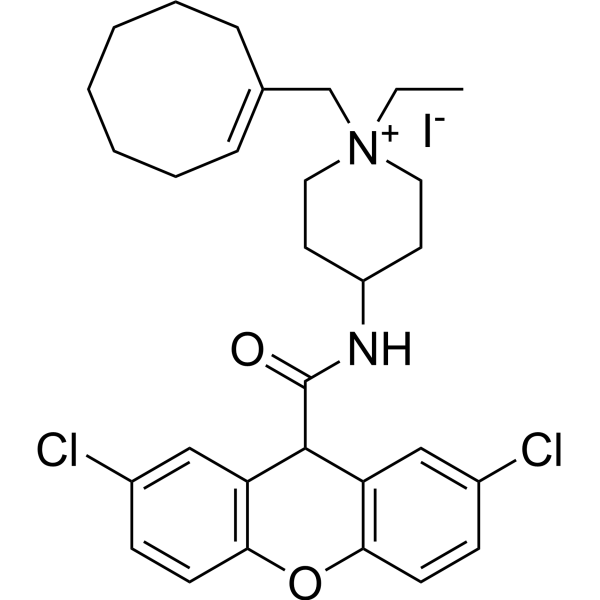
J-113863 is a potent and selective CCR1 antagonist with IC50 values of 0.9 nM and 5.8 nM for human and mouse CCR1 receptors, respectively. J-113863 is also a potent antagonist of the human CCR3 (IC50 of 0.58 nM) , but a weak antagonist of the mouse CCR3 (IC50 of 460 nM). J-113863 is inactive against CCR2, CCR4 and CCR5, as well as the LTB4 or TNF-α receptors. Anti-inflammatory effect .
loading...
    loading...
3
3 Cited Publications
Cat. No.: HY-Y1316
CAS No.: 532-32-1
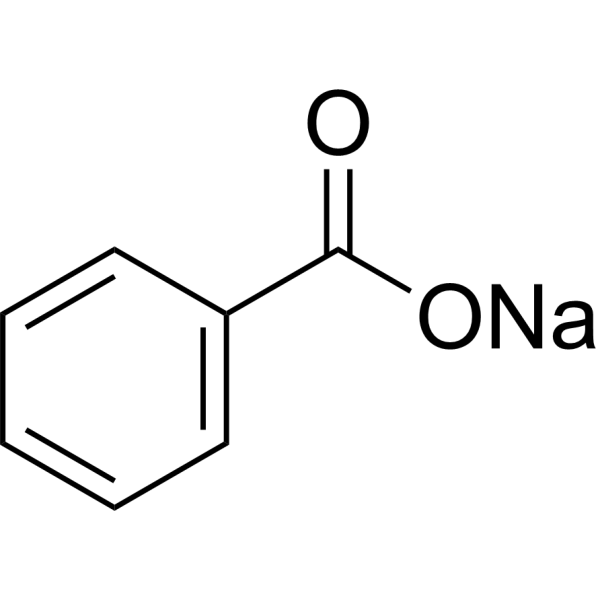
Sodium benzoate is an orally active pharmaceutical excipient, such as an antibacterial agent, preservative, lubricant, etc. Pharmaceutical excipients, or pharmaceutical auxiliaries, refer to other chemical substances used in the pharmaceutical process other than pharmaceutical ingredients. Pharmaceutical excipients generally refer to inactive ingredients in pharmaceutical preparations, which can improve the stability, solubility and processability of pharmaceutical preparations. Pharmaceutical excipients also affect the absorption, distribution, metabolism, and elimination (ADME) processes of co-administered drugs.Sodium benzoate activates NF-κB and induces Apoptosis. Sodium benzoate induces immune suppression and produces reproductively toxic. Sodium benzoate can be used for colon cancer and immune disease research .
loading...
    loading...
3
3 Cited Publications
Cat. No.: HY-138935
CAS No.: 1421936-85-7
Purity:  99.97%
Synonyms: BI-425809
Target:  

GlyT

Research Areas:  

Neurological Disease

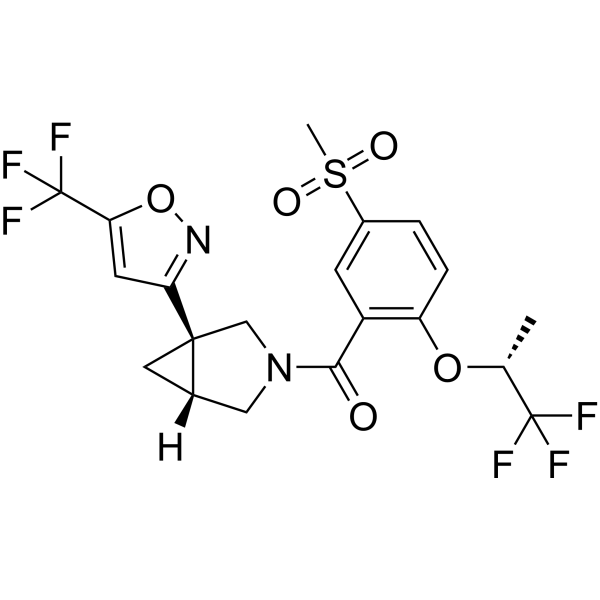
Iclepertin (BI-425809) is a potent, selective and orally active glycine transporter 1 (GlyT1) inhibitor. Iclepertin is inactive against GlyT2. Iclepertin can be used for Alzheimer disease and schizophrenia research .
loading...
    loading...
3
3 Cited Publications
Cat. No.: HY-13896
CAS No.: 194423-15-9
Purity:  98.58%
Target:  

EGFR Autophagy Apoptosis

Research Areas:  

Cancer

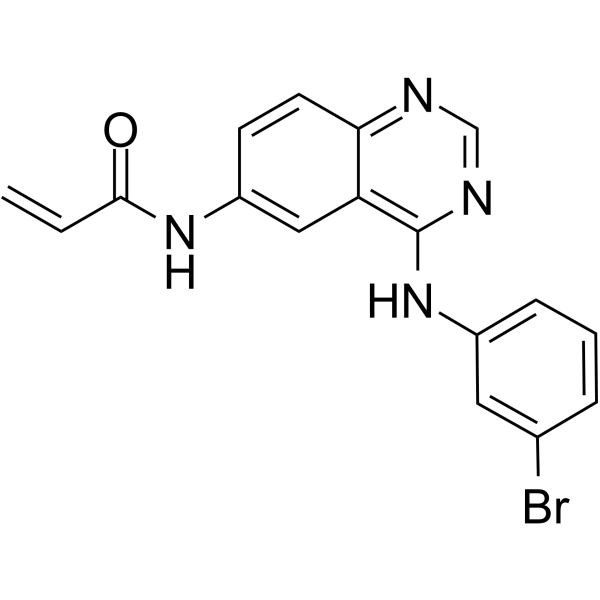
PD168393 is a potent, selective and cell-permeable inhibitor of EGFR tyrosine kinase and ErbB2. PD168393 irreversiblely inactivates EGF receptor ( IC50=0.7 nM) and is inactive against insulin receptor, PDGFR, FGFR and PKC .
loading...
    loading...
3
3 Cited Publications
Cat. No.: HY-N0314
CAS No.: 28978-02-1
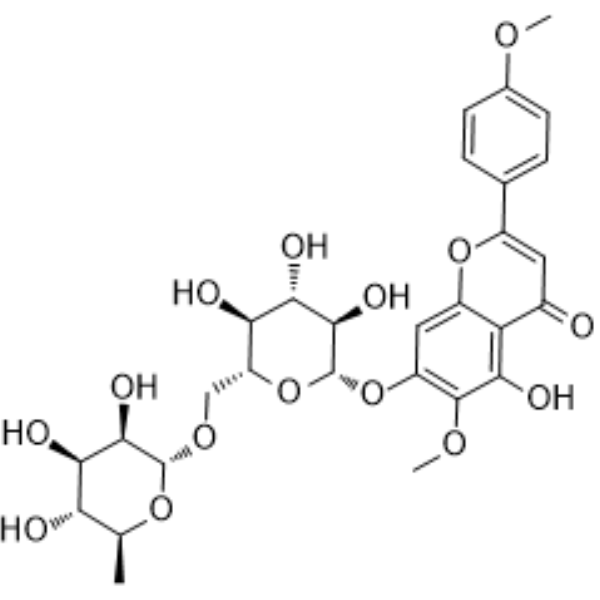
Pectolinarin possesses anti-inflammatory activity . Pectolinarin inhibits secretion of IL-6 and IL-8, as well as the production of PGE2 and NO. Pectolinarin suppresses cell proliferation and inflammatory response and induces apoptosis via inactivation of the PI3K/Akt pathway .
loading...
    loading...
3
3 Cited Publications
Cat. No.: HY-P10234A
Target:  

Sodium Channel

Research Areas:  

Neurological Disease

Poneratoxin acetate is the acetate salt form of Poneratoxin (HY-P10234). Poneratoxin acetate is the modulator for voltage-gated sodium channel (NaV, EC50 for NaV1.6 and NaV1.7 is 97 nM and 2.3 µM), that lowers the voltage threshold for activation and inhibits the inactivation of channels, enhances the excitability of neurons, and leads to the transmission of pain signals .
loading...
    loading...
3
3 Cited Publications
Cat. No.: HY-D0505
CAS No.: 15086-94-9
Synonyms: Acid Red 87 free base
Target:  

Fluorescent Dye

Research Areas:  

Others

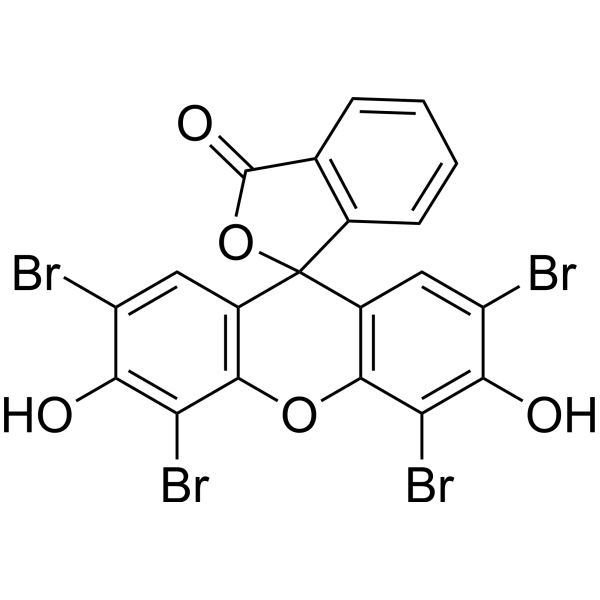
Eosin Y (Acid Red 87 free base) is a soluble acid red dye molecule. Eosin Y has a wide application in organic synthesis as a photoredox catalyst. Eosin Y can be used as a component of Eosin-Nigrosin Sperm Viability Staining Solution (HY-DY2022) to assess sperm viability and identify the integrity of the membrane structure and function of inactive sperm .
loading...
    loading...
3
3 Cited Publications
Cat. No.: HY-113849
CAS No.: 10179-57-4
Purity:  99.70%
Synonyms: MLS000573151
Target:  

Ras

Research Areas:  

Inflammation/Immunology

MLS-573151 (MLS000573151) is a selective GTPase Cdc42 inhibitor with an EC50 of 2 μM. MLS-573151 is inactive against other GTPases family members, such as Rab2, Rab7, H-Ras, Rac1, Rac 2 and RhoA wild-type. MLS-573151 acts by blocking the binding of GTP to Cdc42 .
loading...
    loading...
3
3 Cited Publications
Cat. No.: HY-D0505A
CAS No.: 17372-87-1
Synonyms: Acid Red 87
Target:  

Fluorescent Dye

Research Areas:  

Others

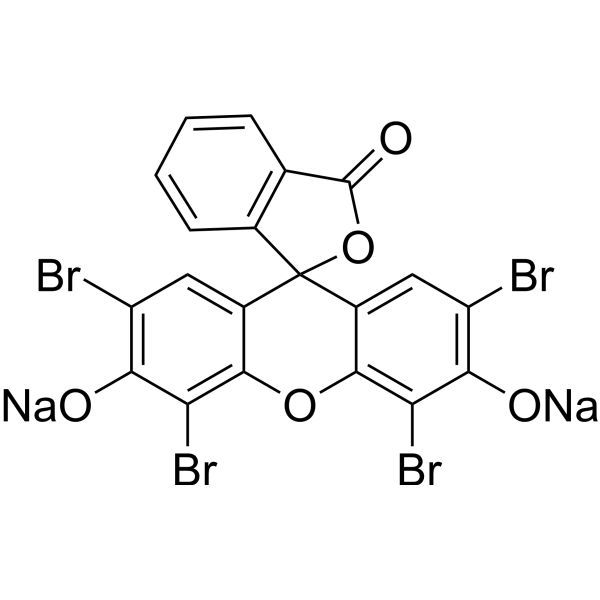
Eosin Y disodium (Acid Red 87) is a soluble acid red dye molecule. Eosin Y disodium has a wide application in organic synthesis as a photoredox catalyst. Eosin Y disodium can be used as a component of Eosin-Nigrosin Sperm Viability Staining Solution (HY-DY2022) to assess sperm viability and identify the integrity of the membrane structure and function of inactive sperm .
loading...
    loading...
3
3 Cited Publications
Cat. No.: HY-134673
CAS No.: 2925713-02-4
Purity:  99.88%
Target:  

Apoptosis

Research Areas:  

Cancer

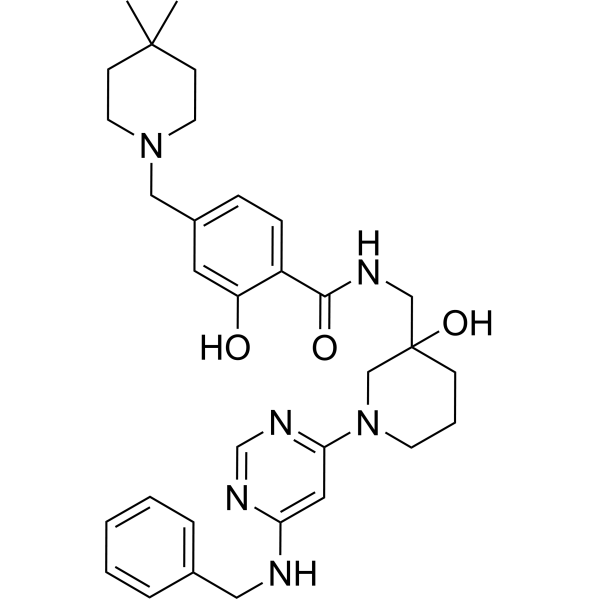
UZH1 is a racemate of UZH1a and UZH1b. UZH1a is a potent and selective METTL3 inhibitor, with an IC50 of 280 nM. UZH1b (IC50=28 µM) is essentially inactive. UZH1 can be used for epitranscriptomic modulation of cellular processes. UZH1 has antitumor activity. UZH1 also can be used as a chemical probe for studying METTL3 .
loading...
    loading...
3
3 Cited Publications
Cat. No.: HY-102020
CAS No.: 1005504-62-0
Purity:  99.62%
Synonyms: PF-06687859
RG3039 (PF-06687859) is an orally active, blood-brain barrier-permeable DcpS inhibitor with an IC50 of 4.2 nM against hDcpS. RG3039 inhibits the decapping activity of DcpS and maintains DcpS in a catalytically inactive conformation in the central nervous system and other tissues. RG3039 extends survival and improves function in spinal muscular atrophy mice. RG3039 is applicable to research related to spinal muscular atrophy .
loading...
    loading...
3
3 Cited Publications
Cat. No.: HY-Y0873H
CAS No.: 25322-68-3
Synonyms: Polyethylene glycol 4000
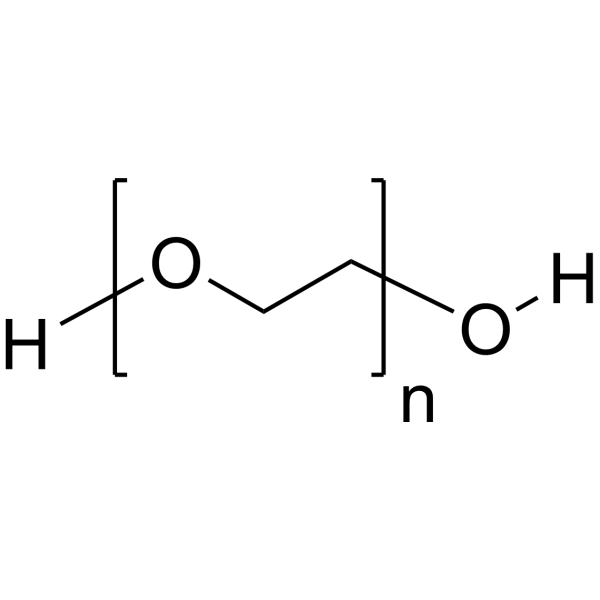
PEG4000 can be used as an excipient, such as Ointment base, lubricant, etc. Pharmaceutical excipients, or pharmaceutical auxiliaries, refer to other chemical substances used in the pharmaceutical process other than pharmaceutical ingredients. Pharmaceutical excipients generally refer to inactive ingredients in pharmaceutical preparations, which can improve the stability, solubility and processability of pharmaceutical preparations. Pharmaceutical excipients also affect the absorption, distribution, metabolism, and elimination (ADME) processes of co-administered drugs .
loading...
    loading...
3
3 Cited Publications
Cat. No.: HY-113293A
CAS No.: 1240-04-6
Purity:  99.45%
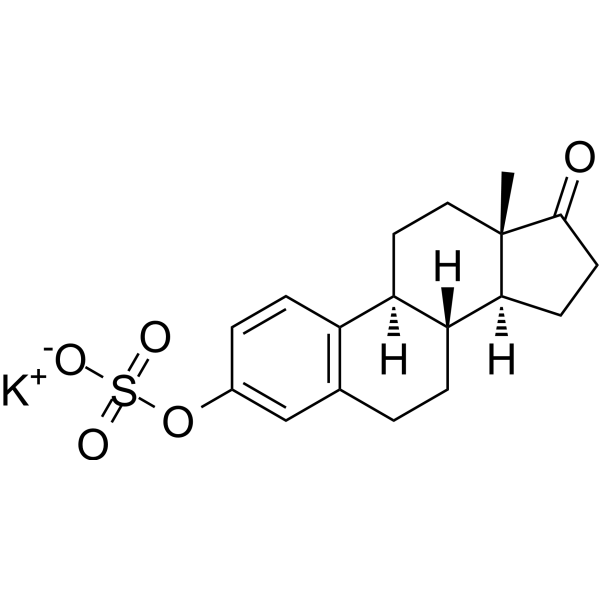
Estrone sulfate potassium is an inactive endogenous estrogen that can be converted into Estrone (HY-B0234) and Estradiol (HY-B0141). Estrone sulfate potassium is also a substrate of the OATP1B3 transporter. Estrone sulfate potassium can be converted into Estrone and Estradiol in normal mammary parenchymal cells. Estrone sulfate potassium stimulates the growth of nitrosomethylurea-induced mammary tumors in ovariectomized rats and the colony formation of dispersed nitrosomethylurea mammary cells, with conversion into Estrone and Estradiol occurring both in vivo and in vitro during this process. Estrone sulfate potassium is applicable to breast cancer-related research .
loading...
    loading...

