1060 Results for "

PI3K Inhibitor

" in MedChemExpress (MCE) Product Catalog:
Products (1060)

1060 Results for "PI3K Inhibitor" in MCE Product Catalog:

18
18 Cited Publications
Cat. No.: HY-50847
CAS No.: 475110-96-4
Target:  

PI3K Autophagy

Research Areas:  

Cancer

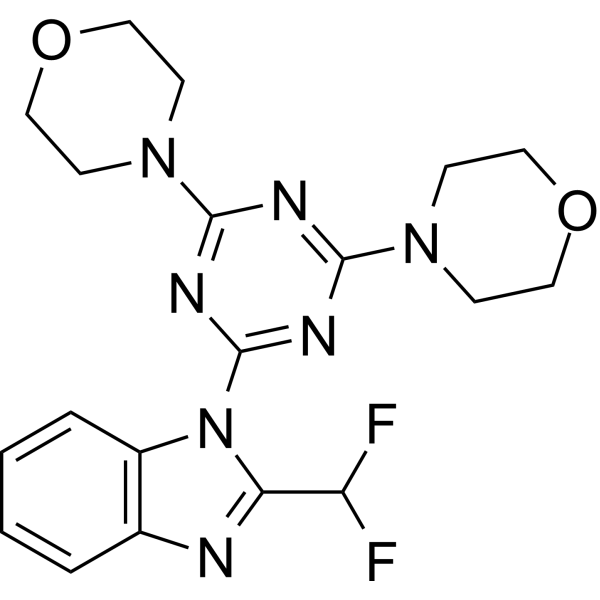
ZSTK474 is an ATP-competitive pan-class I PI3K inhibitor with IC50s of 16 nM, 44 nM, 4.6 nM and 49 nM for PΙ3Κα, PI3Kβ, PI3Kδ and PI3Kγ, respectively.
loading...
    loading...
18
18 Cited Publications
Cat. No.: HY-10114
CAS No.: 663619-89-4
Purity:  99.74%
Target:  

PI3K

Research Areas:  

Cancer

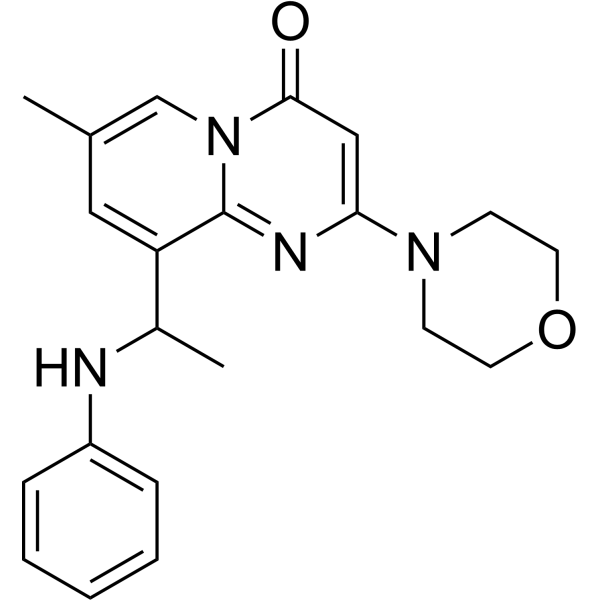
TGX-221 is a potent, selective, and cell membrane permeable inhibitor of the PI3K p110β catalytic subunit, used for cancer treatment.
loading...
    loading...
18
18 Cited Publications
Cat. No.: HY-12795
CAS No.: 1383716-33-3
Purity:  99.79%
Target:  

PI3K Autophagy

Research Areas:  

Cancer

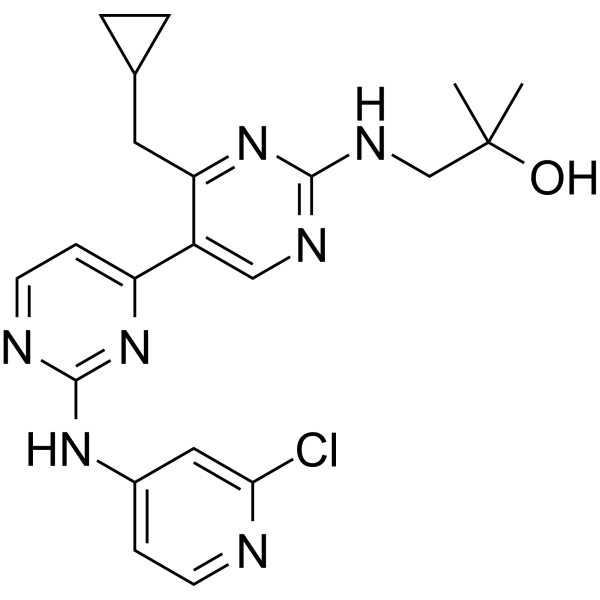
Vps34-IN-1 is a potent and selective inhibitor of class III Vps34 PI3K. Vps34-IN-1 inhibits phosphorylation of PtdIns by recombinant insect cell expressed Vps34-Vps15 complex with an IC50 of ~25 nM. Vps34-IN-1 can suppress SGK3 activation by reducing PtdIns(3)P levels via lowering phosphorylation of T-loop and hydrophobic motifs. Vps34-IN-1 modulates autophagy .
loading...
    loading...
18
18 Cited Publications
Cat. No.: HY-N0143
CAS No.: 60-81-1
Synonyms: Floridzin
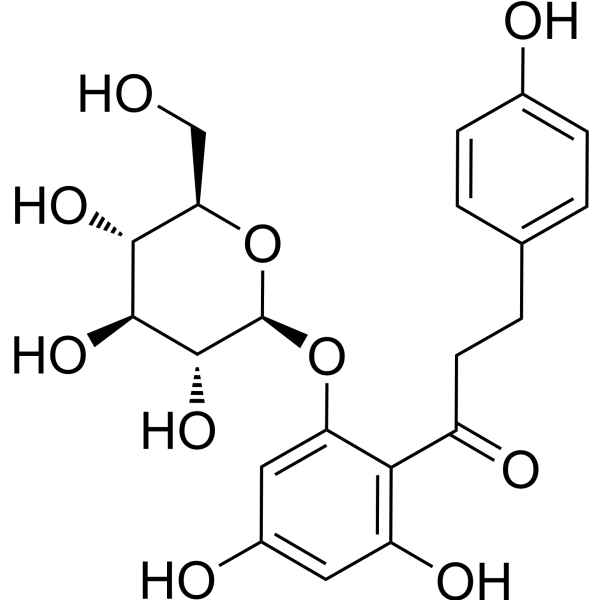
Phlorizin (Floridzin) is an orally active non-selective sodium-glucose cotransporter (SGLT) inhibitor, with an IC50 of 0.04 μM and a Ki of 39 nM against hSGLT2, and an IC50 of 0.17 μM and a Ki of 0.31 μM against hSGLT1. Phlorizin promotes GLUT4 translocation, inhibits gluconeogenesis and promotes glycogen synthesis by activating the PI3K/Akt/mTOR pathway. Phlorizin reduces DNA damage and apoptosis (apoptosis) by inhibiting the NF-κB inflammatory pathway. Phlorizin induces apoptosis via activating the Caspase pathway by antagonizing the JAK/STAT3 and PCK pathways. Phlorizin also exhibits antibacterial, anti-inflammatory and neuroprotective activities .
loading...
    loading...
18
18 Cited Publications
Cat. No.: HY-N0143A
CAS No.: 7061-54-3
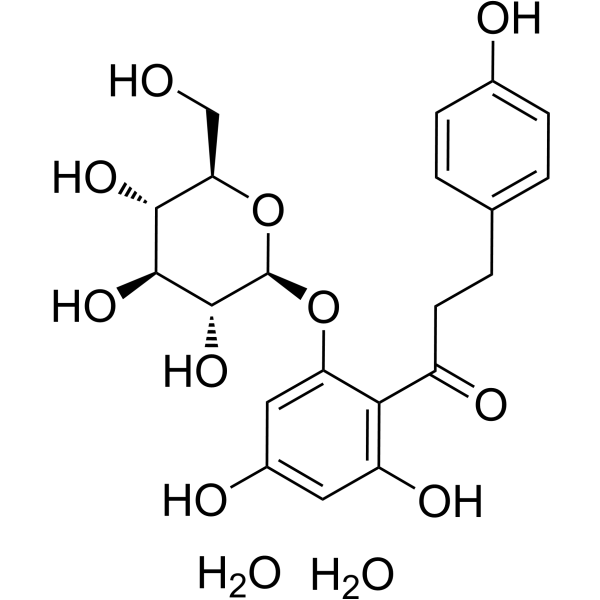
Synonyms: Floridzin dihydrate
Phlorizin (Floridzin) dihydrate is an orally active non-selective sodium-glucose cotransporter (SGLT) inhibitor, with an IC50 of 0.04 μM and a Ki of 39 nM against hSGLT2, and an IC50 of 0.17 μM and a Ki of 0.31 μM against hSGLT1. Phlorizin dihydrate promotes GLUT4 translocation, inhibits gluconeogenesis and promotes glycogen synthesis by activating the PI3K/Akt/mTOR pathway. Phlorizin dihydrate reduces DNA damage and apoptosis (apoptosis) by inhibiting the NF-κB inflammatory pathway. Phlorizin dihydrate induces apoptosis via activating the Caspase pathway by antagonizing the JAK/STAT3 and PCK pathways. Phlorizin dihydrate also exhibits antibacterial, anti-inflammatory and neuroprotective activities .
loading...
    loading...
17
17 Cited Publications
Cat. No.: HY-15477
CAS No.: 132836-42-1
Purity:  99.92%
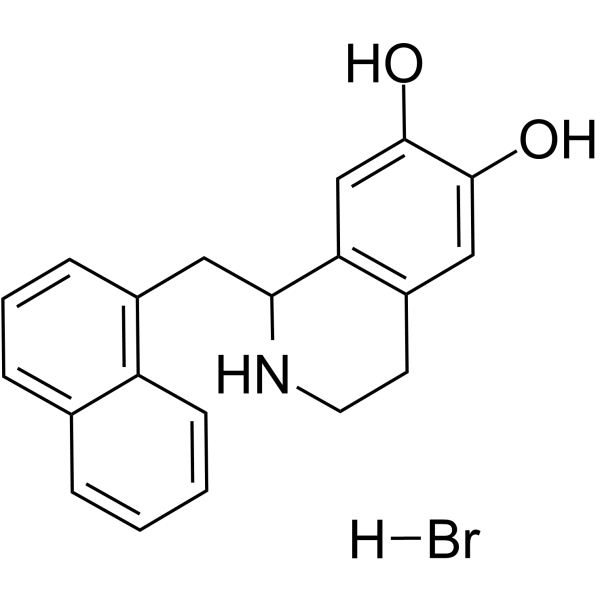
YS-49 is a PI3K/Akt (a downstream target of RhoA) activator, to reduce RhoA/PTEN activation in the 3-methylcholanthrene-treated cells. YS-49 inhibits angiotensin II (Ang II)-stimulated proliferation of VSMCs via induction of heme oxygenase (HO)-1. YS-49 is also an isoquinoline compound alkaloid, has a strong positive inotropic action through activation of cardiac β-adrenoceptors .
loading...
    loading...
17
17 Cited Publications
Cat. No.: HY-15477A
CAS No.: 3028631-24-2
Purity:  99.71%
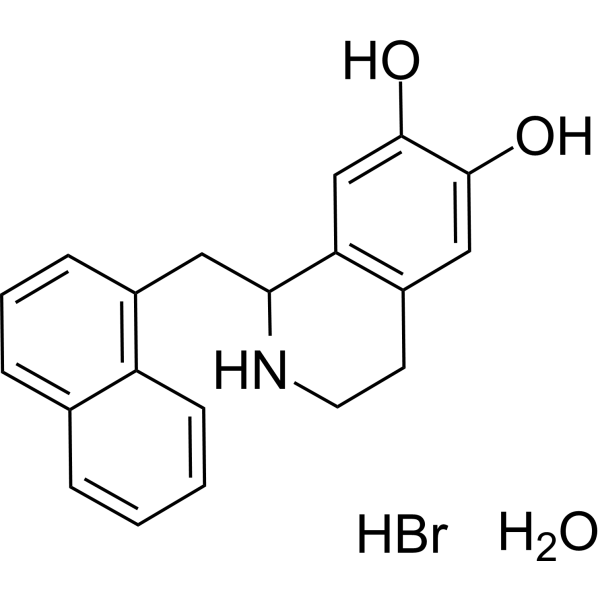
YS-49 (monohydrate) is a PI3K/Akt (a downstream target of RhoA) activator, to reduce RhoA/PTEN activation in the 3-methylcholanthrene-treated cells. YS-49 inhibits angiotensin II (Ang II)-stimulated proliferation of VSMCs via induction of heme oxygenase (HO)-1. YS-49 is also an isoquinoline compound alkaloid, has a strong positive inotropic action through activation of cardiac β-adrenoceptors .
loading...
    loading...
16
16 Cited Publications
Cat. No.: HY-144806
CAS No.: 3033069-84-7
Purity:  99.64%
Target:  

PI3K Akt Apoptosis

Research Areas:  

Cancer

PI3K/AKT-IN-1 is an effective PI3K/AKT dual inhibitor (IC50 of 6.99, 4.01 and 3.36 μM for PI3Kγ, PI3Kδ and AKT, respectively). PI3K/AKT-IN-1 has anticancer activity and acts by inhibiting PI3K/AKT axis and inducing caspase 3 dependent apoptosis .
loading...
    loading...
15
15 Cited Publications
Cat. No.: HY-13522
CAS No.: 1339928-25-4
Purity:  99.95%
Synonyms: CUDC-907
Target:  

PI3K HDAC Apoptosis

Research Areas:  

Cancer

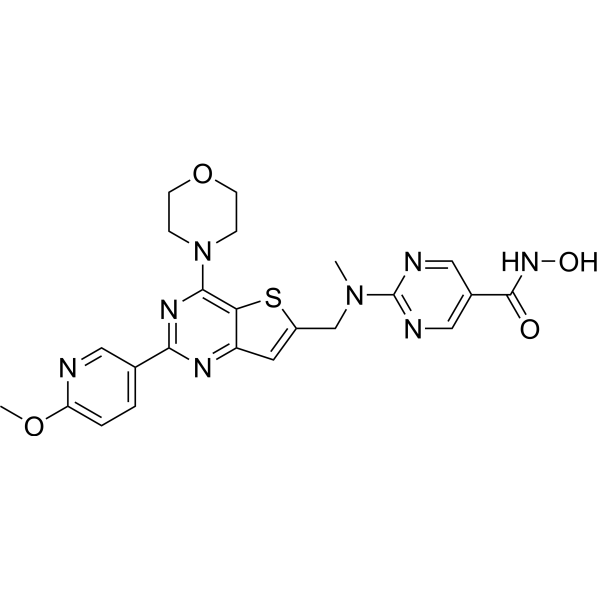
Fimepinostat (CUDC-907) potently inhibits class I PI3Ks as well as classes I and II HDAC enzymes with an IC50 of 19/54/39 nM and 1.7/5.0/1.8/2.8 nM for PI3Kα/PI3Kβ/PI3Kδ and HDAC1/HDAC2/HDAC3/HDAC10 , respectively.
loading...
    loading...
15
15 Cited Publications
Cat. No.: HY-15719
CAS No.: 154447-35-5
Purity:  99.82%
Synonyms: LY293646
Target:  

DNA-PK Apoptosis

Research Areas:  

Cancer

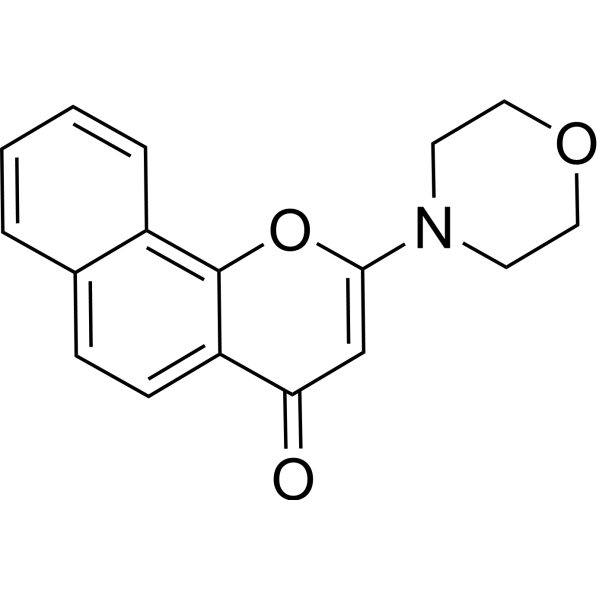
NU 7026 (LY293646) is a novel specific DNA-PK inhibitor with IC50 of 0.23 μM, also inhibits PI3K with IC50 of 13 μM.
loading...
    loading...
15
15 Cited Publications
Cat. No.: HY-13685
CAS No.: 58066-85-6
Purity:  99.92%
Synonyms: HePC; Hexadecyl phosphocholine
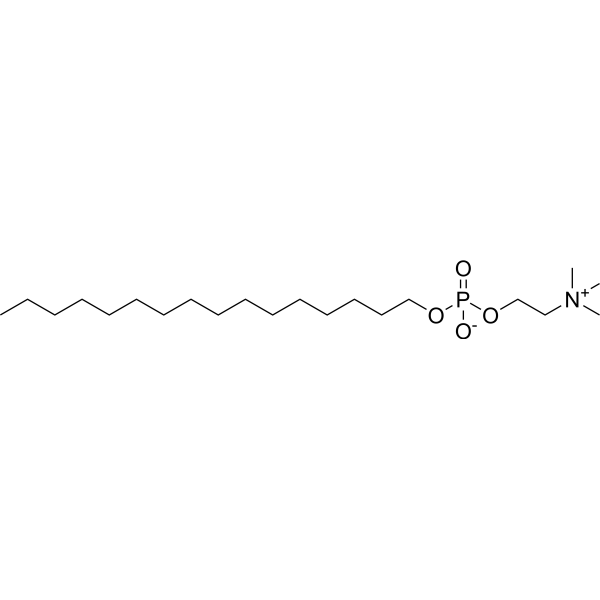
Miltefosine is a broad spectrum antimicrobial, anti-leishmanial, phospholipid agent acting by inhibiting the PI3K/Akt activity . Miltefosine is an inhibitor of CTP-phosphocholine cytidyltransferase (CCT) .
loading...
    loading...
14
14 Cited Publications
Cat. No.: HY-13246
CAS No.: 1032754-93-0
Purity:  99.29%
Synonyms: GDC-0980; GNE 390; RG 7422
Target:  

PI3K mTOR Apoptosis

Research Areas:  

Cancer

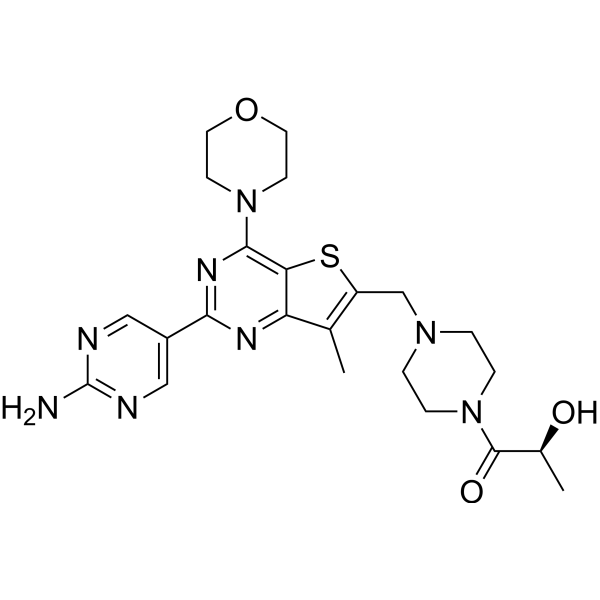
Apitolisib (GDC-0980; GNE 390; RG 7422) is a selective, potent, orally bioavailable Class I PI3 kinase and mTOR kinase (TORC1/2) inhibitor with IC50s of 5 nM/27 nM/7 nM/14 nM for PI3Kα/PI3Kβ/PI3Kδ/PI3Kγ, and with a?Ki?of 17 nM for mTOR.
loading...
    loading...
14
14 Cited Publications
Cat. No.: HY-124719
CAS No.: 1402452-15-6
Purity:  99.82%
Target:  

PI3K mTOR GSK-3 CDK

Research Areas:  

Cancer

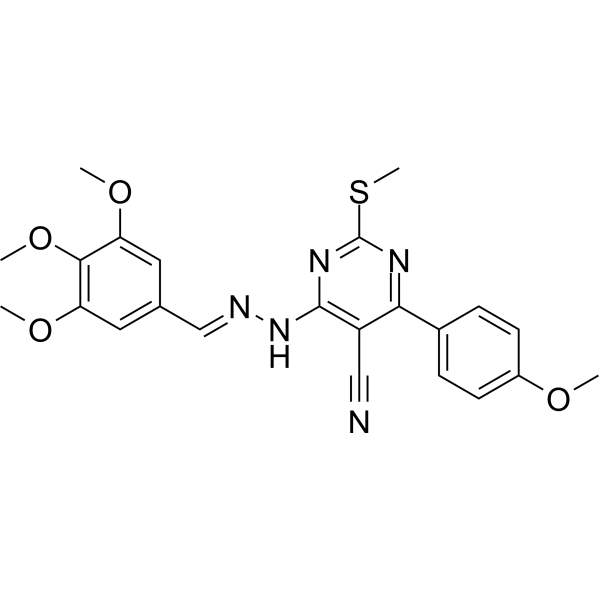
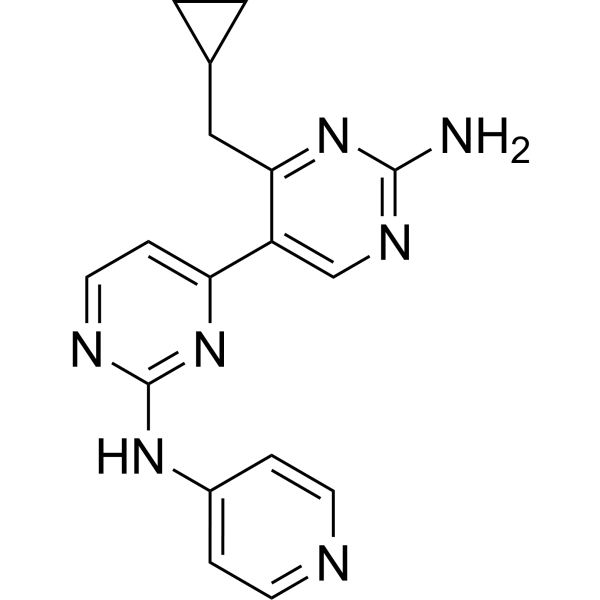
hSMG-1 inhibitor 11j, a pyrimidine derivative, is a potent and selective inhibitor of hSMG-1, with an IC50 of 0.11 nM. hSMG-1 inhibitor 11j exhibits >455-fold selectivity for hSMG-1 over mTOR (IC50=50 nM), PI3Kα/γ (IC50=92/60 nM) and CDK1/CDK2 (IC50=32/7.1 μM). hSMG-1 inhibitor 11j can be used for the research of cancer .
loading...
    loading...
13
13 Cited Publications
Cat. No.: HY-12068
CAS No.: 1349796-36-6
Purity:  99.46%
Synonyms: XL-147 derivative 1
Target:  

PI3K

Research Areas:  

Cancer

PI3K-IN-1 (XL-147 derivative 1) is a potent inhibitor of PI3K. PI3K-IN-1 (25 μM) blocks PI3K/Akt signaling pathways .
loading...
    loading...
12
12 Cited Publications
Cat. No.: HY-15245
CAS No.: 1372540-25-4
Purity:  99.59%
Target:  

PI3K

Research Areas:  

Cancer

GSK2636771 is a potent, selective and orally bioavailable inhibitor of PI3Kβ with a Ki of 0.89 nM and an IC50 of 5.2 nM, showing 900-fold selectivity over p110α and p110γ, and 10-fold selectivity over p110δ isoforms.
loading...
    loading...
12
12 Cited Publications
Cat. No.: HY-N0103
CAS No.: 6483-15-4
Sophocarpine is a PTEN activator and an inhibitor of PI3K/Akt, MEK/ERK, and NF-κB signaling pathways. Sophocarpine upregulates PTEN expression and inhibits PI3K/Akt phosphorylation, arrests tumor cell cycle and induces apoptosis. Sophocarpine inhibits MEK/ERK phosphorylation and VEGF secretion, reducing tumor cell migration. Sophocarpine can also inhibit NF-κB activation and p38 and JNK phosphorylation, reduce the expression of inflammatory factors such as iNOS and COX-2, and activate the Nrf2/HO-1 pathway to reduce oxidative stress. Sophocarpine has anti-tumor, anti-inflammatory, antioxidant and anti-apoptotic effects, and can be used in the research of cancers such as glioblastoma and colorectal cancer, inflammation-related diseases, and Doxorubicin (HY-15142A)-induced cardiac damage .
loading...
    loading...
12
12 Cited Publications
Cat. No.: HY-N0103A
CAS No.: 145572-44-7
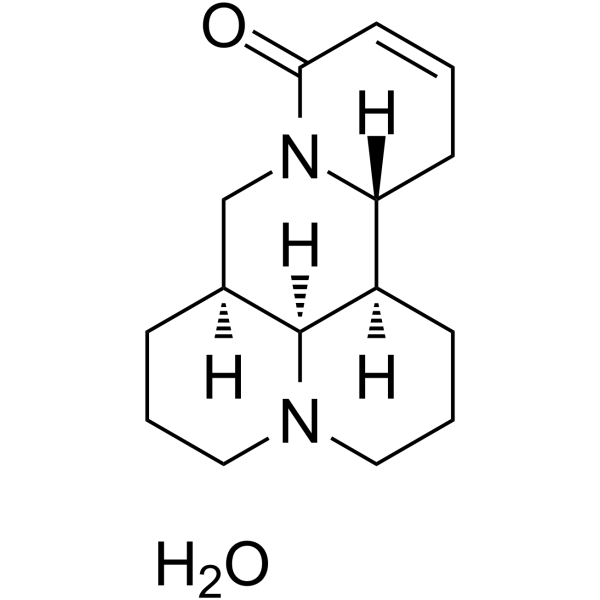
Sophocarpine monohydrate is a PTEN activator and an inhibitor of PI3K/Akt, MEK/ERK, and NF-κB signaling pathways. Sophocarpine monohydrate upregulates PTEN expression and inhibits PI3K/Akt phosphorylation, arrests tumor cell cycle and induces apoptosis. Sophocarpine monohydrate inhibits MEK/ERK phosphorylation and VEGF secretion, reducing tumor cell migration. Sophocarpine monohydrate can also inhibit NF-κB activation and p38 and JNK phosphorylation, reduce the expression of inflammatory factors such as iNOS and COX-2, and activate the Nrf2/HO-1 pathway to reduce oxidative stress. Sophocarpine monohydrate has anti-tumor, anti-inflammatory, antioxidant and anti-apoptotic effects, and can be used in the research of cancers such as glioblastoma and colorectal cancer, inflammation-related diseases, and Doxorubicin (HY-15142A)-induced cardiac damage .
loading...
    loading...
12
12 Cited Publications
Cat. No.: HY-12794
CAS No.: 1383716-40-2
Purity:  99.63%
Target:  

PI3K Autophagy

Research Areas:  

Neurological Disease Cancer

Vps34-PIK-III is an orally active and selective VPS34 inhibitor (IC50=18 nM). Vps34-PIK-III effectively inhibits autophagy and can be used as a molecular tool. vps34-PIK-III is also a PI3K inhibitor that inhibits the expression of genes in liver cancer stem cells (CSCs) .
loading...
    loading...
12
12 Cited Publications
Cat. No.: HY-18676
CAS No.: 2070015-22-2
Research Areas:  

Cancer

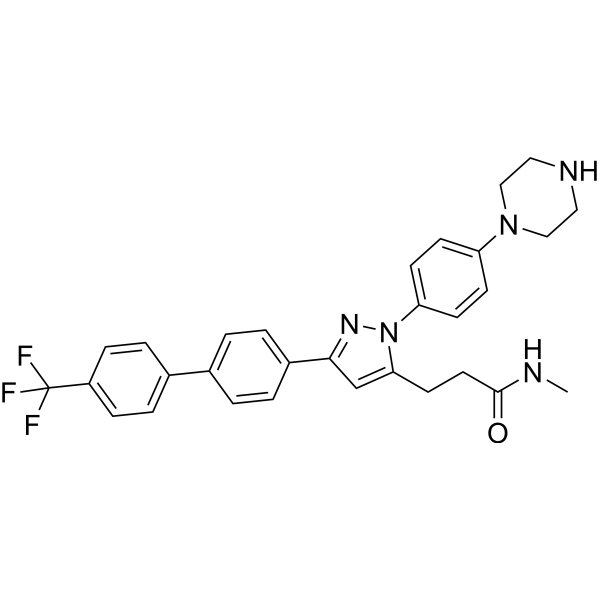
OSU-T315 (ILK-IN-1) is a small Integrin-linked kinase (ILK) inhibitor with an IC50 of 0.6 μM, inhibiting PI3K/AKT signaling by dephosphorylation of AKT-Ser473 and other ILK targets (GSK-3β and myosin light chain) . OSU-T315 abrogates AKT activation by impeding AKT localization in lipid rafts and triggers caspase-dependent apoptosis in an ILK-independent manner . OSU-T315 causes cell death through apoptosis and autophagy .
loading...
    loading...
12
12 Cited Publications
Cat. No.: HY-N2037A
CAS No.: 11041-94-4
Synonyms: Norcoclaurine hydrochloride
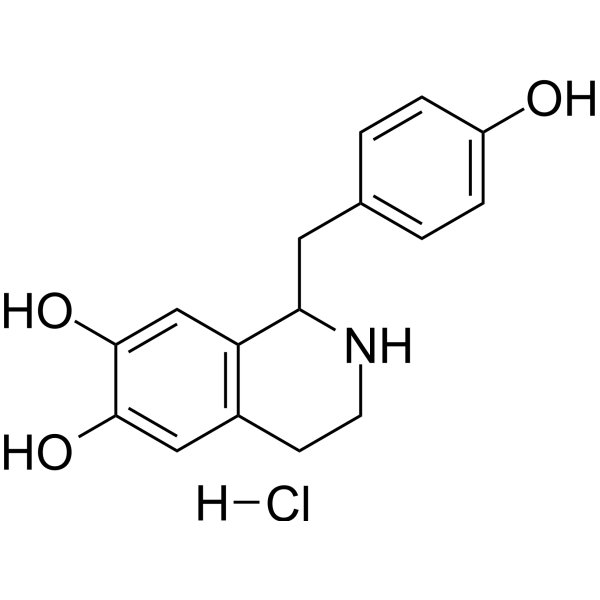
Higenamine hydrochloride is a selective LSD1 inhibitor (IC50=1.47 μM) that can be isolated from aconite. Higenamine hydrochloride has anti-inflammatory and antibacterial activity. Higenamine (Norcoclaurine) can attenuate IL-1β-induced Apoptosis through ROS-mediated PI3K/Akt signaling pathway. Higenamine hydrochloride protects brain cells from oxygen deprivation. Higenamine can promote bone formation in osteoporosis through the SMAD2/3 pathway. Higenamine hydrochloride can be used to study cancer, inflammation, cardiorenal syndrome and other diseases .
loading...
    loading...

