170 Results for "

liver function

" in MedChemExpress (MCE) Product Catalog:
Products (170)

170 Results for "liver function" in MCE Product Catalog:

Cat. No.: HY-114118S
Semaglutide-d8 is the deuterium labeled Semaglutide (HY-114118). Semaglutide is a long-acting, selective, competitive GLP-1R agonist that can penetrate the blood-brain barrier. After activating GLP-1R, Semaglutide promotes insulin secretion, inhibits gastric emptying and appetite, and at the same time enhances autophagy, inhibits oxidative stress and apoptosis. Semaglutide also regulates mitochondrial function and lipid metabolism (such as reducing de novo lipogenesis in the liver). Semaglutide has activities such as lowering blood sugar, reducing weight, neuroprotection (such as improving motor function in Parkinson's disease models, reducing α-synuclein aggregation) and improving hepatic steatosis. Semaglutide can be used for the study of neurodegenerative diseases and liver diseases such as type 2 diabetes, obesity, Parkinson's disease, metabolic associated fatty liver disease (MASLD), and cancer .
loading...
    loading...
Cat. No.: HY-114118S1
Semaglutide-d8 tetraTFA is the deuterium labeled Semaglutide (HY-114118). Semaglutide is a long-acting, selective, competitive GLP-1R agonist that can penetrate the blood-brain barrier. After activating GLP-1R, Semaglutide promotes insulin secretion, inhibits gastric emptying and appetite, and at the same time enhances autophagy, inhibits oxidative stress and apoptosis. Semaglutide also regulates mitochondrial function and lipid metabolism (such as reducing de novo lipogenesis in the liver). Semaglutide has activities such as lowering blood sugar, reducing weight, neuroprotection (such as improving motor function in Parkinson's disease models, reducing α-synuclein aggregation) and improving hepatic steatosis. Semaglutide can be used for the study of neurodegenerative diseases and liver diseases such as type 2 diabetes, obesity, Parkinson's disease, metabolic associated fatty liver disease (MASLD), and cancer .
loading...
    loading...
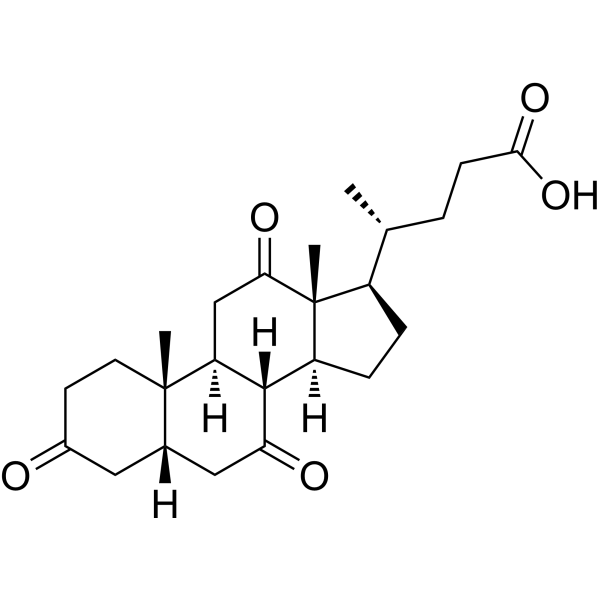
Cat. No.: HY-B1393
CAS No.: 81-23-2
Synonyms: Dehydrocholate
Target:  

Autophagy Amylases Lipase

Research Areas:  

Metabolic Disease

Dehydrocholic acid (Dehydrocholate) is an orally active hydrocholeretic agent. Dehydrocholic acid modulates Autophagy, reduces serum amylase and lipase levels. Dehydrocholic acid has the effects of promoting choleretic function, protecting the liver, reducing pancreatic damage, and regulating cholesterol metabolism. Dehydrocholic acid can be used in the study of acute biliary pancreatitis and obstructive jaundice .
loading...
    loading...
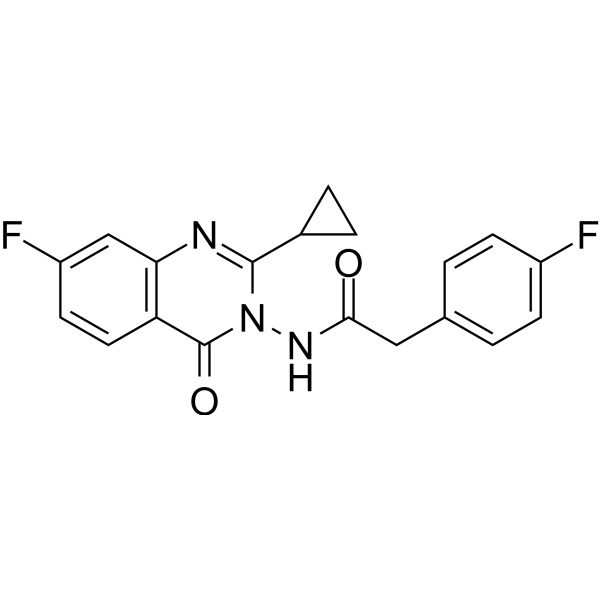
Cat. No.: HY-125469
CAS No.: 2694728-63-5
Purity:  99.85%
Synonyms: PF-04895162
Target:  

Potassium Channel

Research Areas:  

Neurological Disease

ICA-105665 (PF-04895162) is a potent and orally active neuronal Kv7.2/7.3 and Kv7.3/7.5 potassium channels opener. ICA-105665 inhibits liver mitochondrial function and bile salt export protein (BSEP) transport (IC50 of 311 μM). ICA-105665 can penetrate the blood-brain barrier and has antiseizure effects .
loading...
    loading...
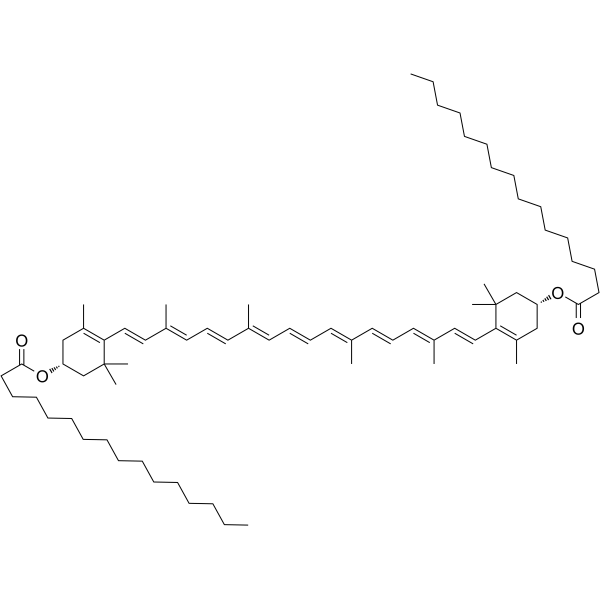
Cat. No.: HY-N9182
CAS No.: 144-67-2
Synonyms: Physalien
Zeaxanthin dipalmitate (Physalien) is a wolfberry-derived carotenoid, has anti-inflammatory and anti-oxidative stress effects. Zeaxanthin dipalmitate directly interact with p2X7 receptor (Kd=81.2 nM) and adiponectin receptor 1 (AdipoR1; Kd=533 nM) in a positive dose-dependent manner. Zeaxanthin dipalmitate restores mitochondrial autophagy functions suppressed by ethanol intoxication. Zeaxanthin dipalmitate can be used in the research of alcoholic fatty liver disease (AFLD) and retinitis pigmentosa (RP) .
loading...
    loading...
Cat. No.: HY-D0711R
CAS No.: 3599-32-4
Synonyms: Foxgreen (Standard); IC Green (Standard); Cardiogreen (Standard)
Research Areas:  

Others

Indocyanine green (Standard) is the analytical standard of Indocyanine green. This product is intended for research and analytical applications. Indocyanine green (Foxgreen) is a low toxicic fluorescent agent that has been widely used in medical diagnostics, such as determining cardiac output, hepatic function, and liver blood flow, and for ophthalmic angiography .
loading...
    loading...
Cat. No.: HY-170035
CAS No.: 95119-86-1
Synonyms: C18 Glucosyl(β) ceramide (d18:1/18:0); D-glucosyl-β-1,1' N-stearoyl-D-erythro-sphingosine
Target:  

Fungal Wnt β-catenin

Research Areas:  

Infection Neurological Disease Cancer

GlcCer (d18:1/18:0) (C18 Glucosyl(β) ceramide (d18:1/18:0)) is a glycosphingolipids that activates the Wnt/β-catenin pathway by targeting LRP6. GlcCer (d18:1/18:0) drives EMT, migration, invasion and GBA1-mediated liver cancer metastasis. GlcCer (d18:1/18:0) accumulates to impair lysosomal function and induce toxic α-synuclein aggregation. GlcCer (d18:1/18:0) supports growth, sporulation, germination and virulence in Penicillium digitatum. GlcCer (d18:1/18:0) is reduced in demyelinated mouse corpus callosum. GlcCer (d18:1/18:0) can be used for the research of liver cancer, synucleinopathies, fungal, Parkinson’s disease and Gaucher disease .
loading...
    loading...
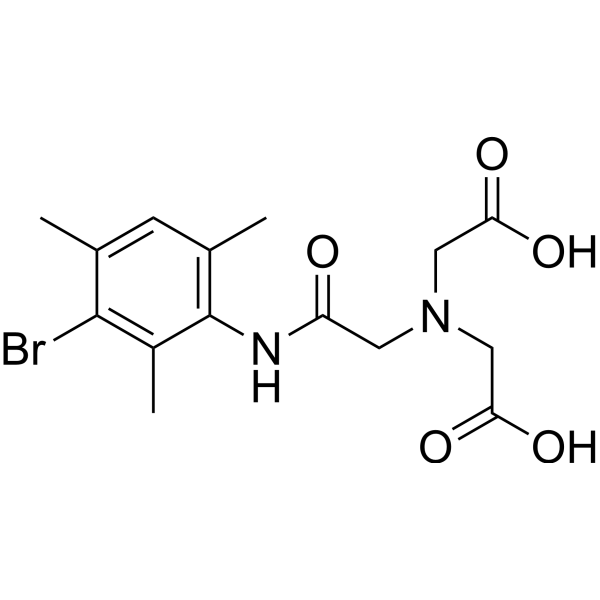
Cat. No.: HY-B1684
CAS No.: 78266-06-5
Synonyms: SQ 26962
Mebrofenin (SQ 26962) is a type of iminodiacetic acid (IDA). Mebrofenin is available as a ready to use the kit for radio-labeling with Tc-99m. Tc-99m Mebrofenin, a diagnostic agent, is used for hepatobiliary imaging. Tc-99m Mebrofenin is the radiopharmaceutical of choice for the evaluation of hepatic function .
loading...
    loading...
Cat. No.: HY-170538
CAS No.: 2125956-92-3
SNT-5382 is a lysyl oxidase family (LOX) inhibitor and anti-fibrotic agent. SNT-5382 binds to the LTQ cofactor of LOXL2 and inhibits the enzymatic activities of LOXL3, LOXL4, LOXL1, CYP2C9, and CYP2C19. SNT-5382 reduces cardiac and liver fibrosis as well as collagen crosslinks, and improves cardiac function. SNT-5382 can be used for the research of heart failure, myocardial infarction, and nonalcoholic steatohepatitis-related liver fibrosis .
loading...
    loading...
Cat. No.: HY-124350
CAS No.: 134-05-4
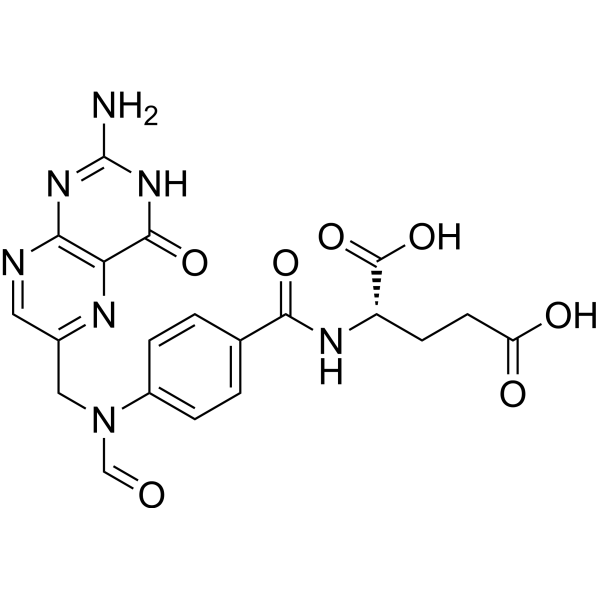
10-Formylfolic acid is a potent inhibitor of dihydrofolate reductase, with an IC50 of 80 nM against the rat enzyme. 10-Formylfolic acid also acts as an orally active folate source and a growth factor for specific bacteria. 10-Formylfolic acid supports growth and increases plasma folate levels; its absorption and metabolism patterns are similar to those of folic acid, but its liver retention is slightly higher. It exhibits high folate activity in microbial assays, serves as a growth factor for Enterococcus faecalis and Lactobacillus casei, aids folate nutrient supply, and may exert cell regulatory functions .
loading...
    loading...
Cat. No.: HY-148795
CAS No.: 2460667-52-9
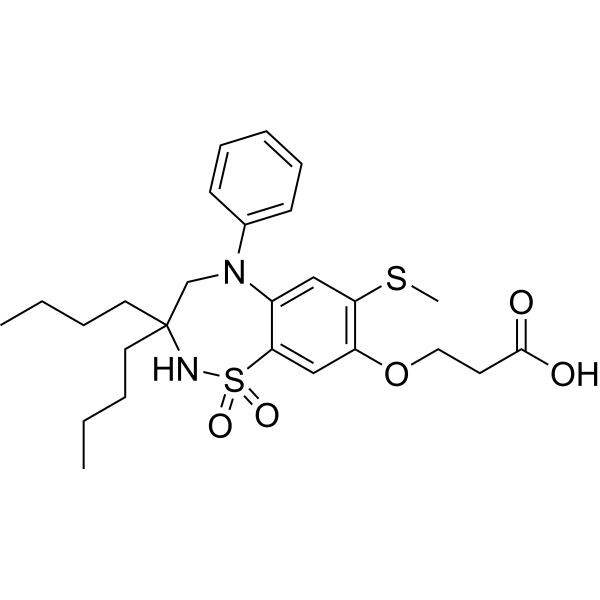
Ritivixibat is an apical sodium-dependent bile acid transporter (ASBT/IBAT) inhibitor. Ritivixibat blocks ASBT/IBAT function, thereby reducing bile acid reabsorption, regulating bile acid homeostasis and alleviating liver injury. Ritivixibat protects cholangiocytes from damage caused by cytotoxic bile acids. Ritivixibat is applicable to research related to primary sclerosing cholangitis .
loading...
    loading...
Cat. No.: HY-N2334AR
CAS No.: 16564-43-5
Synonyms: Chenodeoxycholylglycine sodium salt (Standard); Sodium glycochenodeoxycholate (Standard)
Glycochenodeoxycholic acid sodium salt (Standard) is the analytical standard of Glycochenodeoxycholic acid sodium salt. This product is intended for research and analytical applications. Glycochenodeoxycholic acid sodium salt (Sodium glycochenodeoxycholate) is a relatively toxic bile salt generated in the liver from chenodeoxycholic acid and glycine. Glycochenodeoxycholic acid sodium salt inhibits Autophagosome formation and impairs lysosomal function by inhibiting lysosomal proteolysis and increasing lysosomal pH in human normal liver cells, leading to the Apoptosis of human hepatocyte cells. Glycochenodeoxycholic acid sodium salt induces stemness and chemoresistance via activating STAT3 signaling pathway in hepatocellular carcinoma cells (HCC). Glycochenodeoxycholic acid sodium salt is promising for research in the field of cholestasis desease, hepatocellular carcinoma and primary sclerosing cholangitis (PSC) .
loading...
    loading...
Cat. No.: HY-N2334R
CAS No.: 640-79-9
Synonyms: Chenodeoxycholylglycine (Standard)
Glycochenodeoxycholic acid (Standard) is the analytical standard of Glycochenodeoxycholic acid. This product is intended for research and analytical applications. Glycochenodeoxycholic acid (Chenodeoxycholylglycine) is a relatively toxic bile salt generated in the liver from chenodeoxycholic acid and glycine. Glycochenodeoxycholic acid inhibits Autophagosome formation and impairs lysosomal function by inhibiting lysosomal proteolysis and increasing lysosomal pH in human normal liver cells, leading to the Apoptosis of human hepatocyte cells. Glycochenodeoxycholic acid induces stemness and chemoresistance via activating STAT3 signaling pathway in hepatocellular carcinoma cells (HCC). Glycochenodeoxycholic acid is promising for research in the field of cholestasis desease, hepatocellular carcinoma and primary sclerosing cholangitis (PSC)[1][2][3][4].
loading...
    loading...
Cat. No.: HY-W014120
CAS No.: 92-85-3
Research Areas:  

Infection

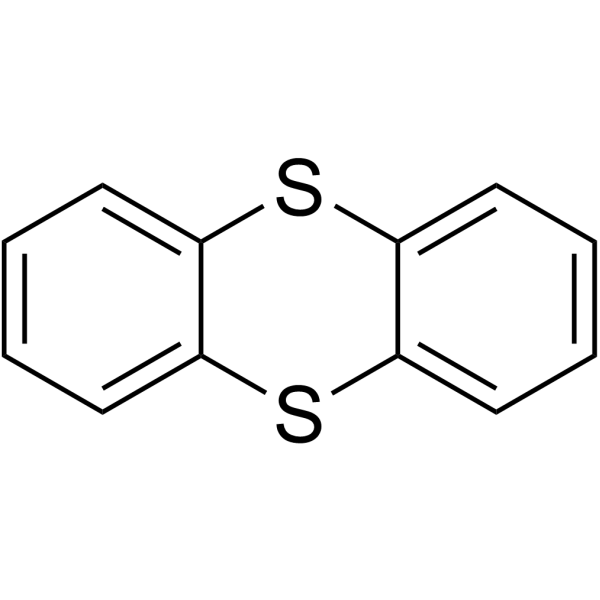
Thianthrene is a potent and orally active inhibitor of Leishmania donovani pteridine reductase 1 (PTR1). Thianthrene is a sulfur-containing tricyclic molecule distributed widely within the macro-structure of hydrocarbon fossil fuels. Thianthrene inhibits the intracellular amastigotes of Leishmania donovani (IC50 = 23 μM). Thianthrene has a moderate anthelmintic activity. Thianthrene appears to inhibit RNA function and subsequent protein production. Thianthrene can stimulate liver regeneration in vivo .
loading...
    loading...
Cat. No.: HY-149132
CAS No.: 1191043-85-2
Purity:  96.7%
Synonyms: DDA
Dendrogenin A (DDA) is a ligand for liver X receptor (LXR), that induces the expression of sodium/iodine symporter, and increases iodine uptake. Dendrogenin A induces cell differentiation of MCF-7, and reactivates the function of lactating cells. Dendrogenin A induces the expressions of the TSH receptor, thyroid peroxidase, and thyroglobulin, and affects thyroid hormone generation. Dendrogenin A exhibits cytotoxicity in cancer cell B-CPAP and 8505c with IC50 of 4.1 and 6.2 µM. Dendrogenin A arrests the cell cycle at G0/G1 phase .
loading...
    loading...
Cat. No.: HY-N15829
CAS No.: 397841-89-3
Synonyms: Fluorescein lisicol disodium; NRL972 disodium
Target:  

Fluorescent Dye

Research Areas:  

Metabolic Disease

Cholyl-Lys-fluorescein sodium is a fluorescein-labeled bile acid analog. Cholyl-Lys-fluorescein sodium mimics the physiological hepatobiliary properties of glycocholic acid. Cholyl-Lys-fluorescein sodium is efficiently taken up by the liver and rapidly excreted into bile in intact form in rats. Cholyl-Lys-fluorescein sodium can serve as a liver function assessment agent, bile salt transport probe, and liver-targeted carrier .
loading...
    loading...
Cat. No.: HY-B2007
CAS No.: 79241-46-6
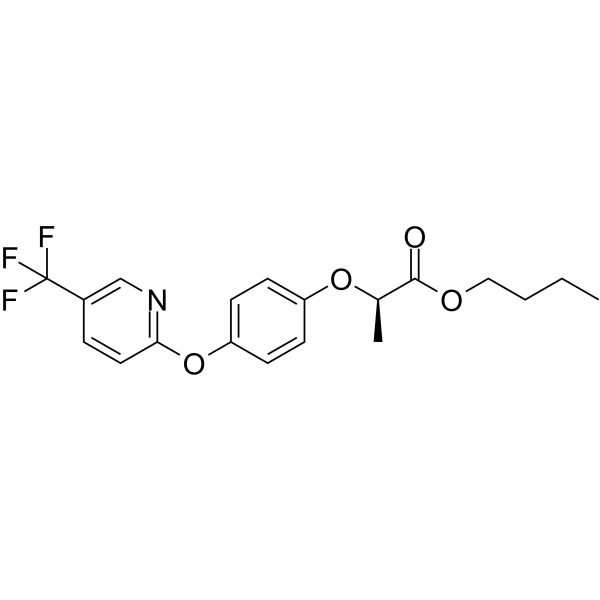
Fluazifop-P-butyl is an orally active herbicide and ACCase inhibitor. Fluazifop-P-butyl blocks the formation of malonyl-CoA, disrupts lipid synthesis in sensitive plants, and exhibits concentration-dependent phytotoxicity to non-target maize seedlings. Fluazifop-P-butyl induces oxidative stress in male Wistar rats, impairs their liver and kidney functions, and disrupts testicular function .
loading...
    loading...
Cat. No.: HY-D1734
CAS No.: 2374144-23-5
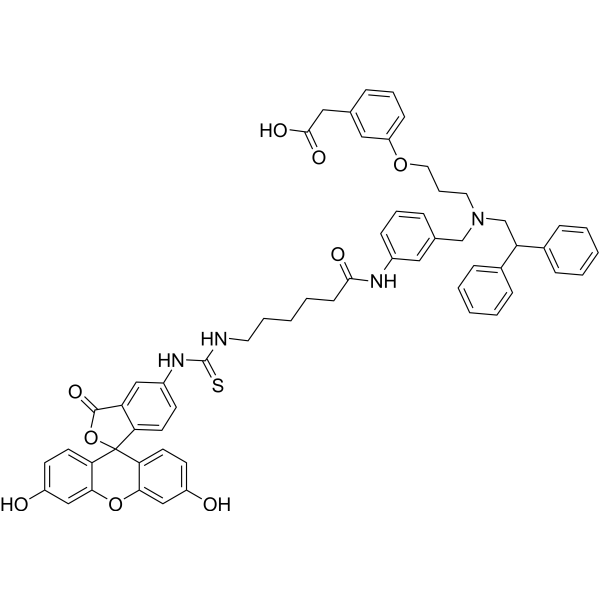
FITC-GW3965 is a fluorescence-labelled liver X receptor β (LXRβ) agonist GW3965 (HY-10627). FITC-GW3965 is a tracer, that can be designed by replacing the trifluoromethyl of GW3965 with an amide to link the FITC. FITC-GW3965 can be used to study the function of LXRβ .
loading...
    loading...
Cat. No.: HY-164909
CAS No.: 2170608-85-0
Target:  

PANK

Research Areas:  

Metabolic Disease

PZ-3022 is an orally active allosteric agonist of pantothenate kinase (PanK) with an EC50 of 5.3 nM against PanK3. PZ-3022 antagonizes the inhibitory effect of C3-CoA. PZ-3022 increases CoA levels in cells and the liver, upregulates CoASH and C2-CoA, downregulates C3-CoA, and restores impaired TCA cycle and mitochondrial function. PZ-3022 can be used for the research of propionic acidemia and metabolic CoA deficiency .
loading...
    loading...
Cat. No.: HY-DY1027
CAS No.: 3599-32-4
Indocyanine green (Foxgreen) (solution) is a low toxicic fluorescent agent that has been widely used in medical diagnostics, such as determining cardiac output, hepatic function, and liver blood flow, and for ophthalmic angiography (Ex/Em = 785/813 nm) .
Solvent and concentration: DMSO: 10 mM
loading...
    loading...

