
1421 Results for "

Cleavable

" in MedChemExpress (MCE) Product Catalog:
Products (1421)

1421 Results for "Cleavable" in MCE Product Catalog:

2
2 Cited Publications
Cat. No.: HY-P3208
CAS No.: 72561-05-8
Research Areas:  

Others

Endoproteinase Lys-C is a protease that cleaves proteins on the C-terminal side of lysine residues and is commonly used for protein sequencing .
loading...
    loading...
2
2 Cited Publications
Cat. No.: HY-126505
CAS No.: 1325208-25-0
Purity:  99.39%
Target:  

ADC Linkers

Research Areas:  

Cancer

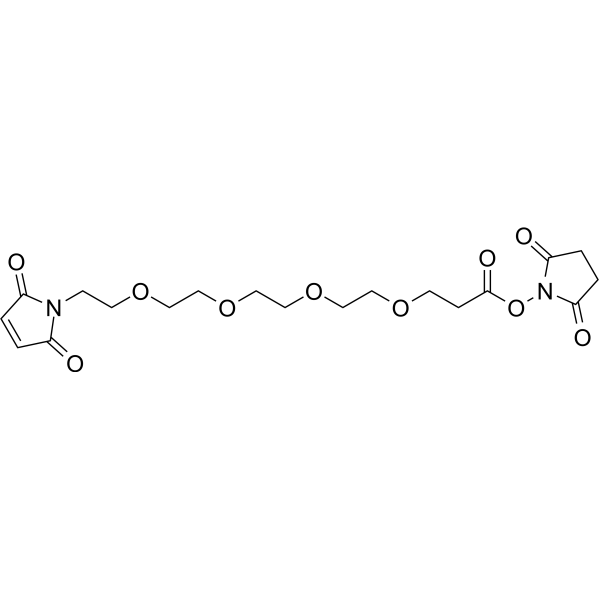
Mal-PEG4-NHS ester is a non-cleavable ADC linker which links Quantum dots (QDs) with PEGylated liposomes .
loading...
    loading...
2
2 Cited Publications
Cat. No.: HY-N0745
CAS No.: 94596-28-8
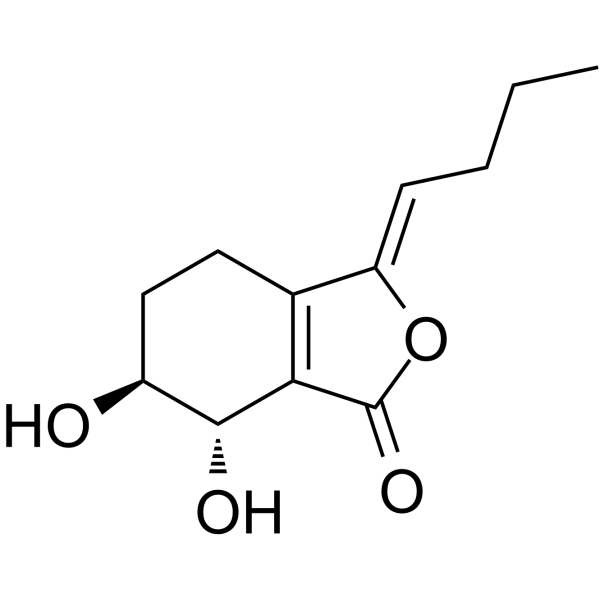
Senkyunolide I is an orally active, blood-brain barrier-permeable metabolite of Z-ligustilide (HY-N0401A) . Senkyunolide I is isolated from Ligusticum chuanxiong. Senkyunolide I upregulates p-Erk1/2 and Nrf2/HO-1, and inhibits Caspase 3. Senkyunolide I alleviates Apoptosis. Senkyunolide I increases the pain threshold in mice and reduces acetic acid-induced writhing responses in mice. Senkyunolide I improves neurological deficits, reduces infarct volume and alleviates cerebral edema in rats with focal cerebral ischemia-reperfusion injury. Senkyunolide I protects renal function and structural integrity in a mouse model of renal ischemia-reperfusion injury. Senkyunolide I is applicable to research related to focal cerebral ischemia-reperfusion injury, migraine, and renal ischemia-reperfusion injury .
loading...
    loading...
2
2 Cited Publications
Cat. No.: HY-111428
CAS No.: 11031-11-1
Synonyms: PLM D1
Target:  

Antibiotic

Research Areas:  

Infection

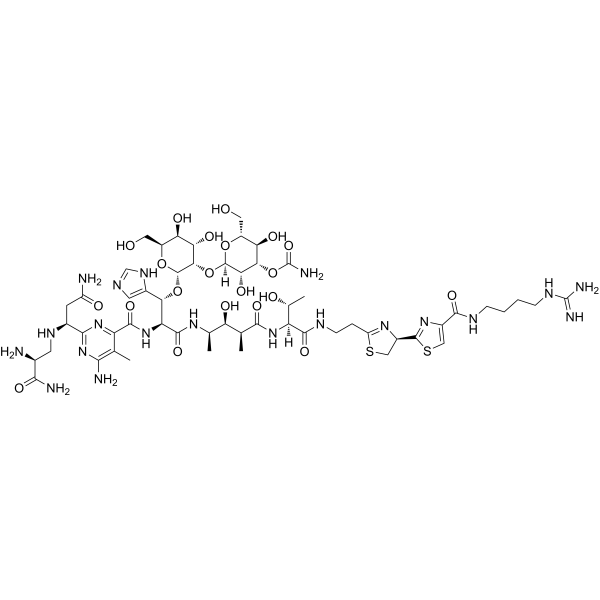
Phleomycin D1 (PLM D1), a glycopeptide antibiotic, is a member of the Bleomycin/Phleomycin family. Phleomycin D1 causes cell death by binding and cleaving DNA. Phleomycin D1 induces cell cycle arrest at S phase .
loading...
    loading...
2
2 Cited Publications
Cat. No.: HY-126681
CAS No.: 2259318-46-0
Purity:  98.01%
Synonyms: NHS-VC-PAB-MMAE
Research Areas:  

Cancer

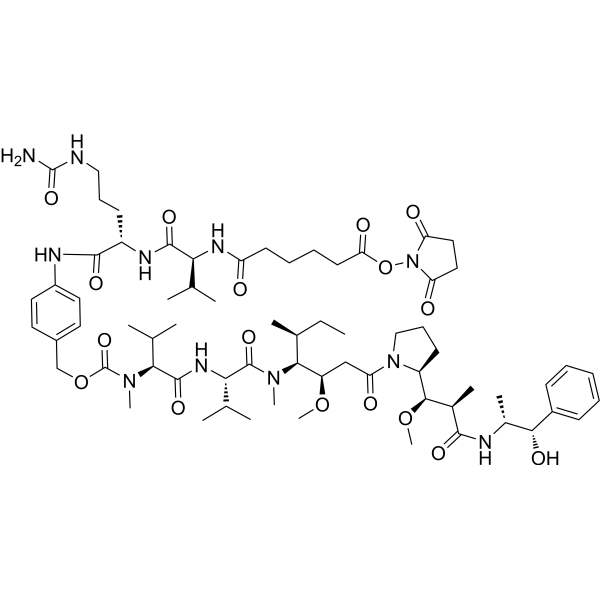
SC-VC-PAB-MMAE (NHS-VC-PAB-MMAE) is a agent-linker conjugate for ADC with potent antitumor activity by using the anti-mitotic agent, monomethyl auristatin E (MMAE, a tubulin inhibitor), linked via the cleavable linker SC-VC-PAB .
loading...
    loading...
2
2 Cited Publications
Cat. No.: HY-131057
CAS No.: 1801838-28-7
Purity:  96.38%
Research Areas:  

Cancer

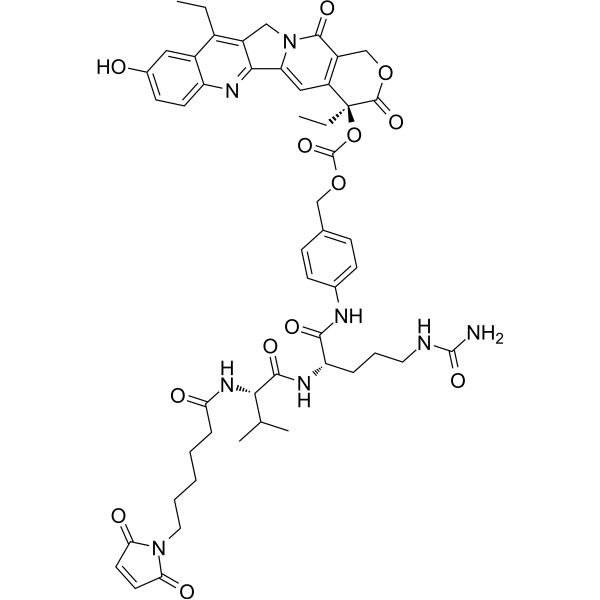
Mc-VC-PAB-SN38 consists a cleavable ADC linker (Mc-VC-PAB) and a DNA topoisomerase I inhibitor (SN38). Mc-VC-PAB-SN38 can be used in the synthesis of antibody-drug conjugates (ADCs) .
loading...
    loading...
2
2 Cited Publications
Cat. No.: HY-145929
CAS No.: 2504068-28-2
Purity:  99.57%
Synonyms: MC-Val-Cit-PAB-DX8951
Research Areas:  

Cancer

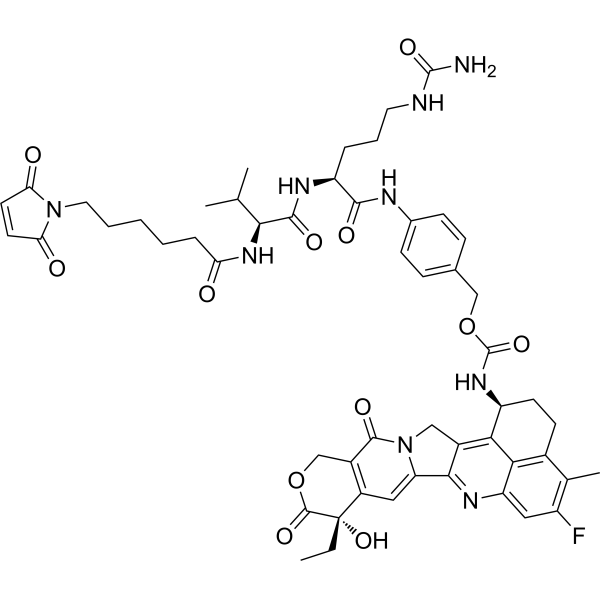
MC-Val-Cit-PAB-Exatecan (MC-Val-Cit-PAB-DX8951) is a agent-linker conjugate for ADC. MC-Val-Cit-PAB-Exatecan is composed of a DNA topoisomerase I DX-8951 (HY-13631) and a cathepsin cleavable ADC linker.
loading...
    loading...
2
2 Cited Publications
Cat. No.: HY-136170
CAS No.: 1473403-87-0
Purity:  98.94%
Research Areas:  

Cancer

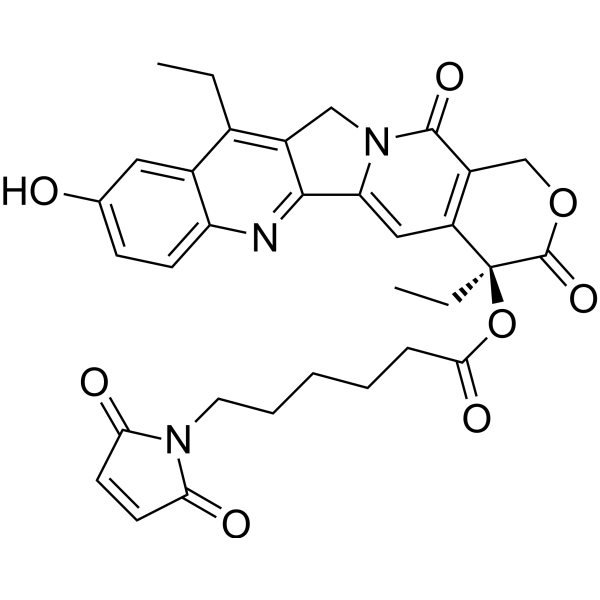
MC-SN38 is a agent-linker conjugate composed of a potent microtubule-disrupting agent SN38 and a non-cleavable MC linker to make antibody agent conjugate (ADC). SN-38, an active metabolite of the Topoisomerase I inhibitor Irinotecan, inhibits DNA synthesis and causes frequent DNA single-strand breaks .
loading...
    loading...
2
2 Cited Publications
Cat. No.: HY-108751
CAS No.: 1259305-29-7
Purity:  99.70%
Target:  

Dopamine Receptor

Research Areas:  

Neurological Disease

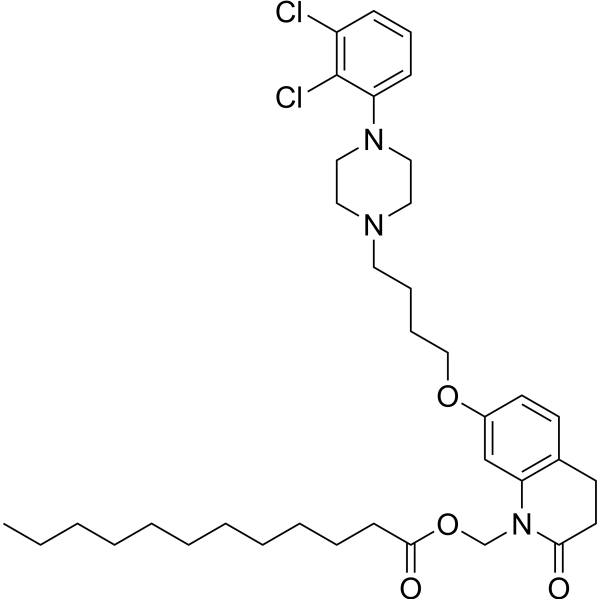
Aripiprazole lauroxil, an N-acyloxymethyl proagent of Aripiprazole (HY-14546), is a Long-acting injectable (LAI) typical antipsychotic for schizophrenia and a ligand of dopamine receptor D2R/D4R. Aripiprazole lauroxil is cleaved by body’s enzyme esterase to N-hydroxymethyl aripiprazole (plus lauric acid) and then to aripiprazole (plus formaldehyde), no toxicity.
loading...
    loading...
2
2 Cited Publications
Cat. No.: HY-111806
CAS No.: 2034-65-3
Purity:  99.44%
Synonyms: 5-Deoxykampferol; Resokaempferol
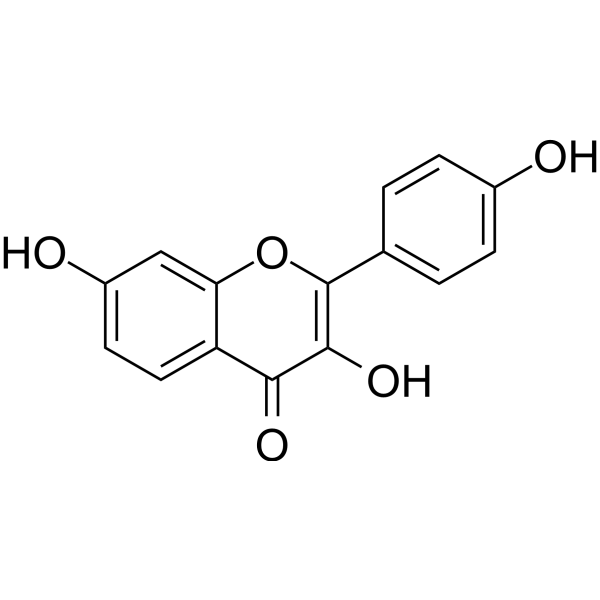
3,7,4'-Trihydroxyflavone (5-Deoxykampferol) is a flavonoid compound that can be isolated from the stems of Rhus javanica var. roxburghiana. 3,7,4'-Trihydroxyflavone has the effect of cleaving DNA in the presence of copper ions. 3,7,4'-Trihydroxyflavone also has anti-inflammatory and antioxidant activities and can scavenge various reactive oxygen species (ROS) and reactive nitrogen species (RNS) .
loading...
    loading...
2
2 Cited Publications
Cat. No.: HY-13240
CAS No.: 1262036-50-9
Purity:  99.72%
Target:  

Beta-secretase

Research Areas:  

Neurological Disease

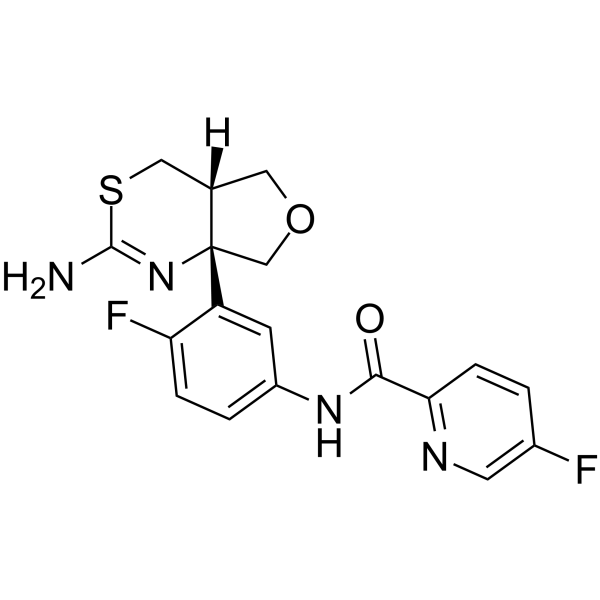
LY2886721 is a potent, selective and orally active beta-site amyloid precursor protein cleaving enzyme 1 (BACE1) inhibitor with an IC50 of 20.3 nM for recombinant human BACE1. LY2886721 is selectivity against cathepsin D, pepsin, and renin, but lacking selectivity against BACE2 (IC50 of 10.2 nM). LY2886721 can across blood-brain barrier and has the potential for Alzheimer's disease treatment .
loading...
    loading...
2
2 Cited Publications
Cat. No.: HY-P1241
CAS No.: 412961-36-5
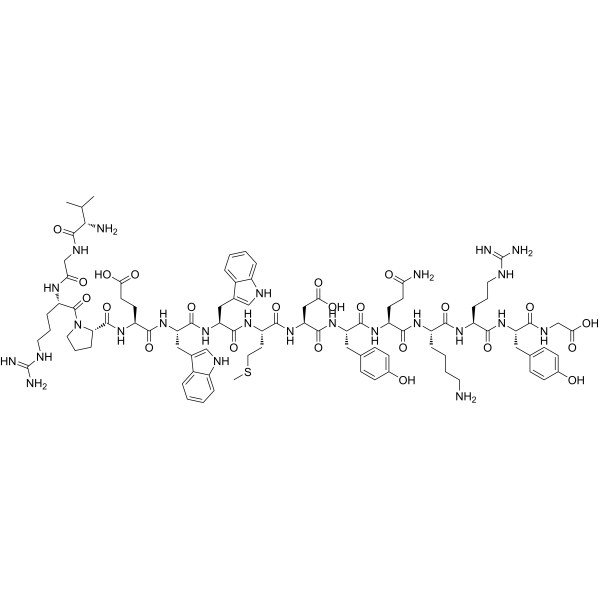
BAM(8-22), a proteolytically cleaved product of proenkephalin A and sensory neuron-specific receptor (SNSR) agonist, is a potent activator of Mas-related G-protein-coupled receptors (Mrgprs), MrgprC11 and hMrgprX1. BAM(8-22) induces scratching in mice in an Mrgpr-dependent manner. In addition, BAM(8-22) has an analgesic effect and can also inhibit the activation of microglia .
loading...
    loading...
2
2 Cited Publications
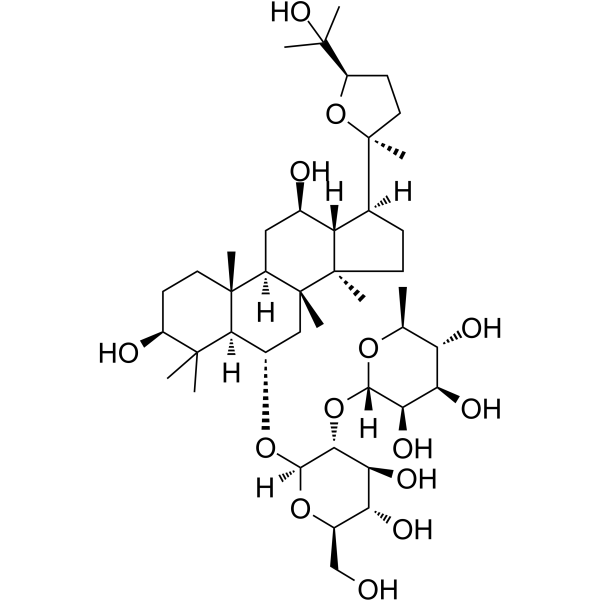
Cat. No.: HY-N0541
CAS No.: 69884-00-0
Synonyms: Ginsenoside A1
Pseudoginsenoside F11 is an orally active neuroprotective agent. Pseudoginsenoside F11 reduces the expression of β-amyloid precursor protein, inhibits the production of 1-40, downregulates the expression of JNK2, p53 and activated Caspase 3, and restores the activities of SOD and Glutathione peroxidase. Pseudoginsenoside F11 inhibits the excessive activation of μ-Calpain and restores the level of neuronal Nitric oxide synthase. Pseudoginsenoside F11 reduces infarct volume, alleviates cerebral edema, decreases neuronal loss, improves neurological deficits and enhances long-term functional outcomes in transient cerebral ischemia models. Pseudoginsenoside F11 antagonizes Methamphetamine-induced behavioral deficits, dopamine level reduction and neurotoxicity without altering the baseline behaviors of normal mice. Pseudoginsenoside F11 can be used in studies related to Alzheimer's disease, transient cerebral ischemic injury and Methamphetamine-induced neurotoxicity .
loading...
    loading...
2
2 Cited Publications
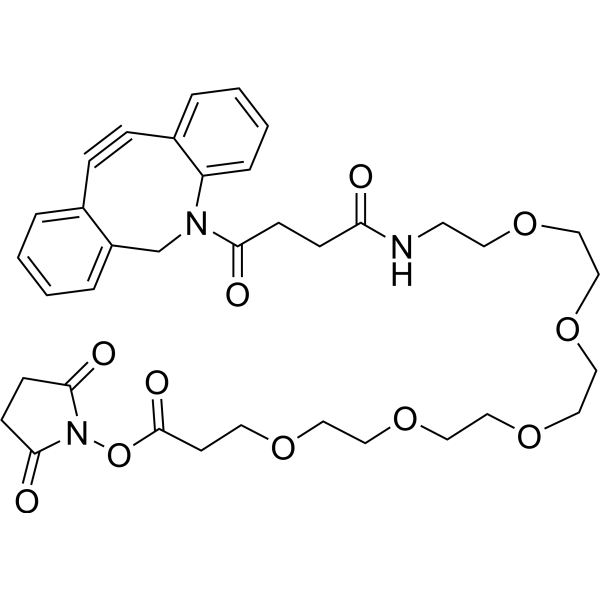
Cat. No.: HY-126885
CAS No.: 2144395-59-3
Purity:  95.06%
Research Areas:  

Cancer

DBCO-PEG5-NHS ester is a PEG/Alkyl/ether-based PROTAC linker can be used in the synthesis of PROTACs. DBCO-PEG5-NHS ester is a cleavable ADC linker used in the synthesis of antibody-drug conjugates (ADCs) . DBCO-PEG5-NHS ester is a click chemistry reagent, it contains a DBCO group that can undergo strain-promoted alkyne-azide cycloaddition (SPAAC) with molecules containing Azide groups.
loading...
    loading...
2
2 Cited Publications
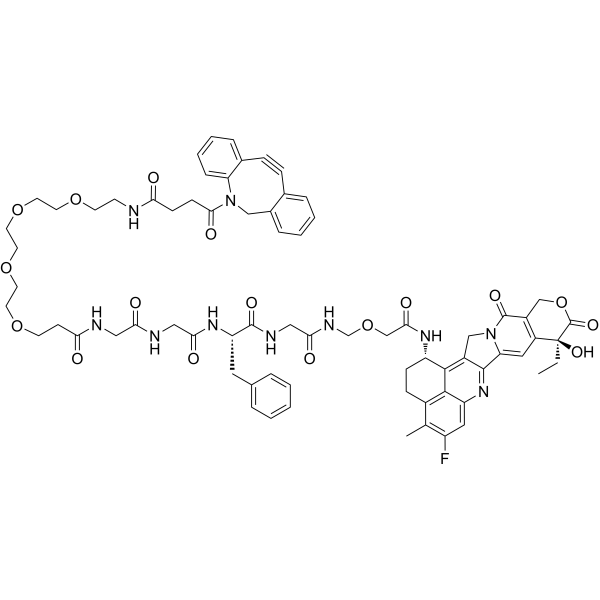
Cat. No.: HY-134723
CAS No.: 2694856-51-2
Purity:  98.42%
Research Areas:  

Cancer

DBCO-PEG4-GGFG-Dxd is a agent-linker conjugate for ADC with potent antitumor activity by using Dxd (a DNA topoisomerase I inhibitor), linked via the cleavable ADC linker DBCO-PEG4-GGFG . DBCO-PEG4-GGFG-Dxd is a click chemistry reagent, it contains a DBCO group that can undergo strain-promoted alkyne-azide cycloaddition (SPAAC) with molecules containing Azide groups.
loading...
    loading...
2
2 Cited Publications
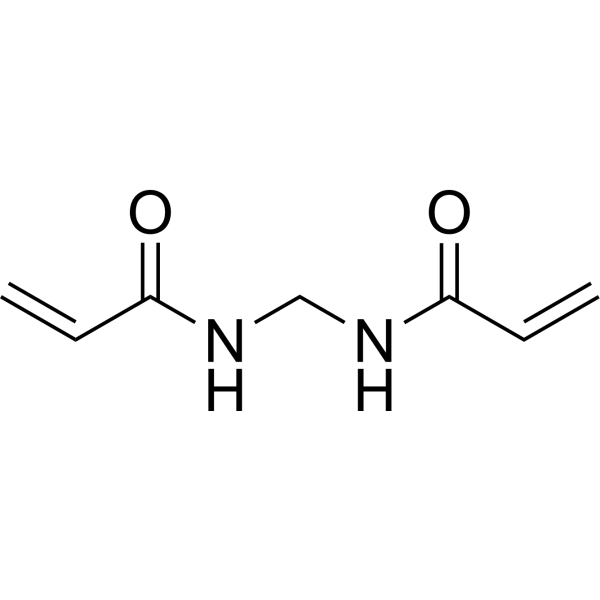
Cat. No.: HY-D0848
CAS No.: 110-26-9
Synonyms: Bisacrylamide; MBA; Methylenebisacrylamide; N,N-Methylenebisacrylamide
N,N'-Methylenebisacrylamide (Bisacrylamide) is an orally active acrylamide dimer and crosslinker. N,N'-Methylenebisacrylamide increases CYP2E1, P53, cleaved caspase-3. N,N'-Methylenebisacrylamide promotes hepatic cancer. N,N'-Methylenebisacrylamide changes sperm abnormality rate and sperm count. N,N'-Methylenebisacrylamide decreases the number of various cells in the blood as well as induces liver and testicular damage. N,N'-Methylenebisacrylamide is used to prepare polyacrylamide gel .
loading...
    loading...
2
2 Cited Publications
Cat. No.: HY-13438
CAS No.: 1227163-84-9
Purity:  99.91%
Target:  

Beta-secretase

Research Areas:  

Neurological Disease

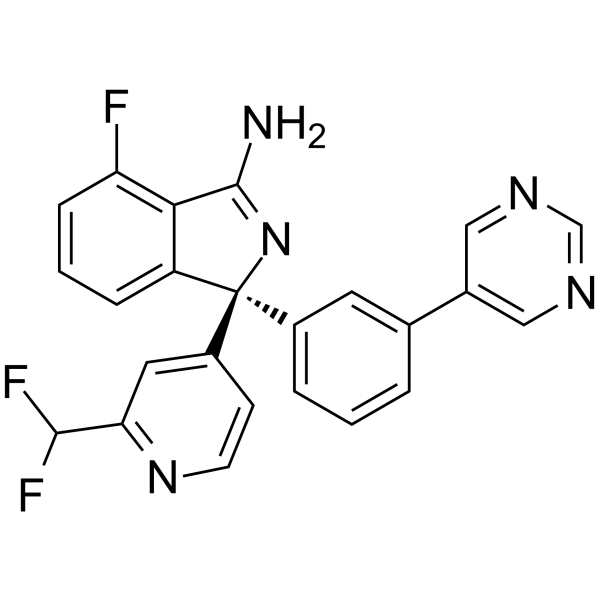
AZD3839 is an orally available, selective, reversible inhibitor of the β-site amyloid precursor protein cleaving enzyme BACE1 that can cross the blood-brain barrier. AZD3839 inhibits recombinant human BACE1 with a Ki=26.1 nM. AZD3839 inhibits A40 production in SH-SY5Y cells with an IC50 of 4.8 nM. AZD3839 binds to BACE1 and reduces the Aβ amyloid produced by the cleavage of amyloid precursor protein (APP) by BACE1 and γ-secretase. AZD3839 can be used in the field of Alzheimer's disease research .
loading...
    loading...
2
2 Cited Publications
Cat. No.: HY-E70226
CAS No.: 71965-46-3
Synonyms: CTSS
Human Cathepsin S (CTSS) is a cysteine protease with elastinolytic activity. Human Cathepsin S is inhibited by cysteine protease inhibitors such as E-64 (HY-15282) and cystatin C. Human Cathepsin S cleaves substrates including elastin, TGF-β1, Myelin basic protein (HY-P1821), PAR2, SIRT1, collagen 18A1, FKN, and MHC-II invariant chain fragments, thereby driving processes such as elastic matrix degradation, TGF-β1 signaling, demyelination, PAR2-mediated calcium mobilization, NF-κB activation, hepatic fibrosis, immune homeostasis regulation, and antigen presentation. Human Cathepsin S can be used in the research of cardiovascular diseases, chronic kidney diseases, autoimmune diseases, tumors, Alzheimer's disease, and obesity .
loading...
    loading...
2
2 Cited Publications
Cat. No.: HY-145733
CAS No.: 2247061-09-0
Purity:  99.62%
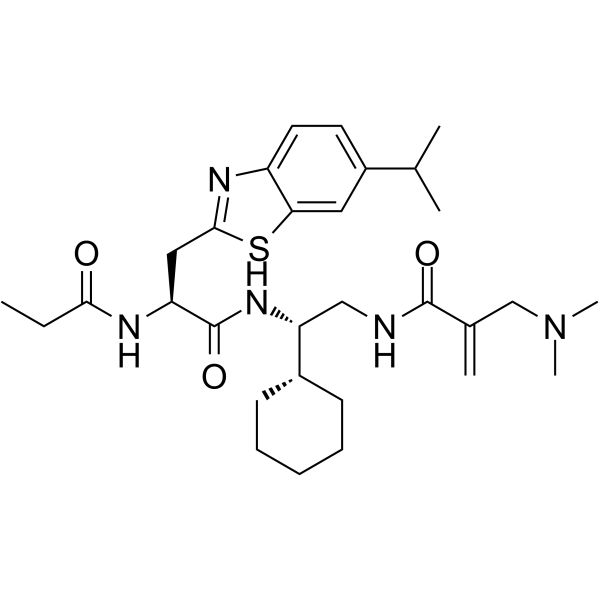
DI-1859 is a DCN1 and cullin 3 inhibitor with a Ki of <1 nM against human DCN1. DI-1859 forms a covalent bond with Cys115 of DCN1, cleaves its dimethylamino group, disrupts the DCN1-UBC12 interaction, and selectively inhibits the neddylation modification of cullin 3 relative to other cullins. DI-1859 inactivates CRL3, promotes the accumulation of NRF2 and SLC7A11, upregulates the expression of HO-1 and NQO1, reduces reactive oxygen species (ROS) levels, enhances insulin signaling, promotes insulin secretion, activates RhoA, regulates the phosphorylation of AKT, without completely blocking the neddylation modification of cullin 3 or restoring the expression of IRS-1. DI-1859 can be used in the research of Acetaminophen (HY-66005)-induced hepatotoxicity, hyperglycemia, metabolic dysfunction-associated steatotic liver disease, insulin resistance, breast cancer and lung cancer .
loading...
    loading...
2
2 Cited Publications
Cat. No.: HY-N1970
CAS No.: 31721-94-5
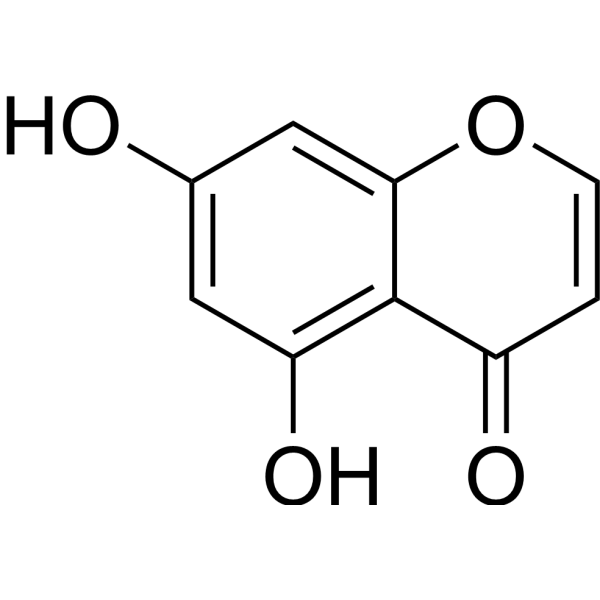
5,7-Dihydroxychromone is a flavonoid compound with antioxidant properties. 5,7-Dihydroxychromone induces Nrf2 nuclear translocation, increases Nrf2/ARE binding activity, and up-regulates Nrf2-dependent antioxidant genes HO-1, NQO1, GCLc. 5,7-Dihydroxychromone attenuates excessive ROS generation, inhibits activated caspase-3, caspase-9, cleaved PARP expression, and prevents neuronal apoptosis and cell death. 5,7-Dihydroxychromone increases LXRα and PPARγ mRNA expression, induces preadipocyte differentiation, and regulates blood glucose levels. 5,7-Dihydroxychromone inhibits radial growth of soil pathogenic fungi, radicle elongation of select seedlings, and transiently inhibits Bradyrhizobium sp. growth in high mannitol medium. 5,7-Dihydroxychromone can be used for the research of Parkinson’s disease, type 2 diabetes mellitus and pathogenic fungal infection .
loading...
    loading...

