1. Search Result
Search Result
Results for "

Methicillin-resistant Staphylococcus aureus (MRSA)

" in MedChemExpress (MCE) Product Catalog:

124

Inhibitors & Agonists

1

Fluorescent Dyes

2

Biochemical Assay Reagents

42

Natural
Products

2

Click Chemistry

1

GMP Molecules

Cat. No. Product Name Target Research Areas Chemical Structure
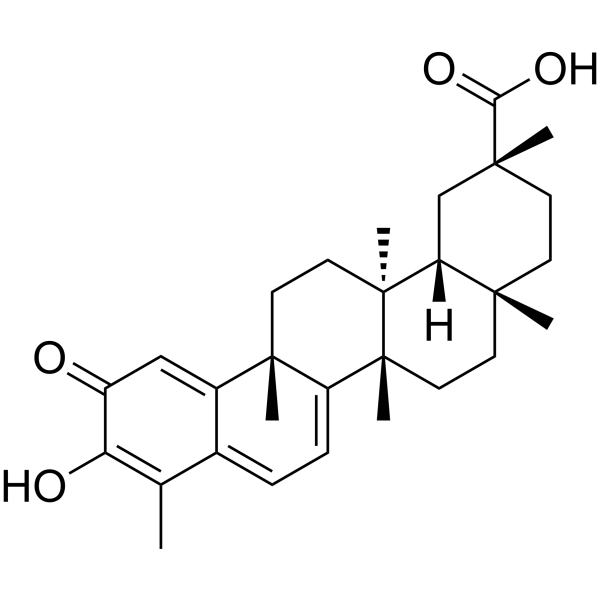
  • HY-13067
    Celastrol
    60+ Cited Publications

    Tripterine; Tripterin

    Proteasome Autophagy Mitophagy Apoptosis Endogenous Metabolite Antibiotic Bacterial Nuclear Hormone Receptor 4A/NR4A Infection Inflammation/Immunology Cancer
    Celastrol (Tripterine;Tripterin) is a proteasome inhibitor which potently and preferentially inhibits the chymotrypsin-like activity of a purified 20S proteasome with IC50 of 2.5 μM. In addition, Celastrol is also an antibiotic with potent antimicrobial activity against standard and clinical methicillin-resistant Staphylococcus aureus (MRSA) strains, inducing oxidative stress and inhibiting DNA synthesis by binding to P5CDH .
    Celastrol
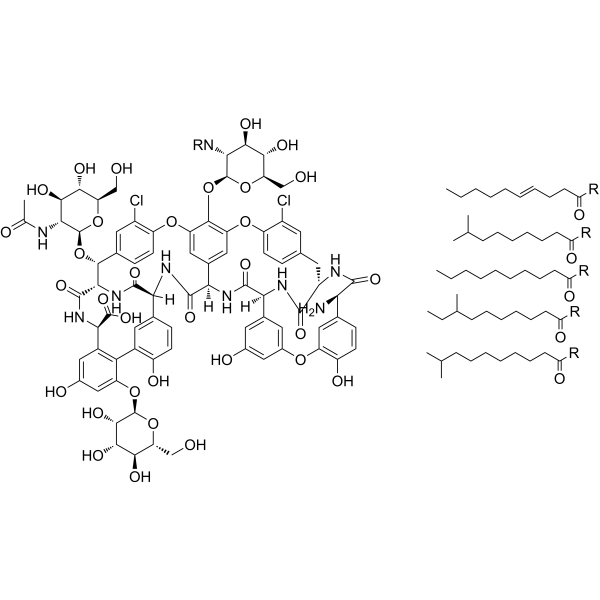
  • HY-A0097
    Teicoplanin
    1 Publications Verification

    Antibiotic MDL-507; MDL-507

    Bacterial Antibiotic Infection
    Teicoplanin is a glycopeptide antibiotic indicated for use in serious infections caused by Gram-positive bacteria, including Methicillin-resistant Staphylococcus aureus and Enterococcus aureus.Teicoplanin shows antiviral activity for HIV-1, SARS-CoV1 and SARS-CoV2. Teicoplanin sodium shows anti-MRSA activity .
    Teicoplanin
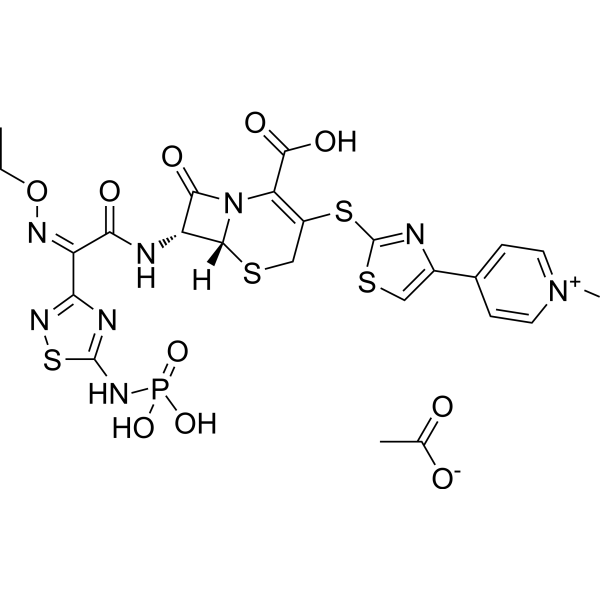
  • HY-14737
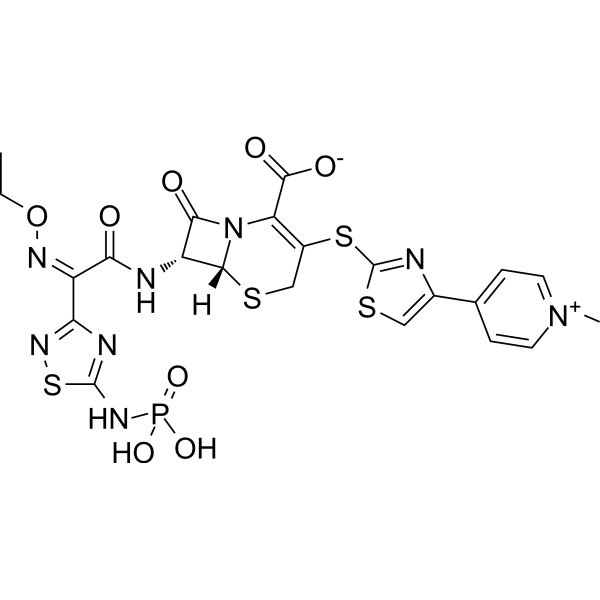
    Ceftaroline fosamil
    2 Publications Verification

    TAK-599; PPI0903

    Bacterial Antibiotic Infection
    Ceftaroline fosamil (TAK-599), a cephalosporin derivative, is an N-phosphono proagent of anti-methicillin-resistant Staphylococcus aureus (MRSA) T-91825. Ceftaroline fosamil can be used for the research of MRSA infection .
    Ceftaroline fosamil
  • HY-B1924
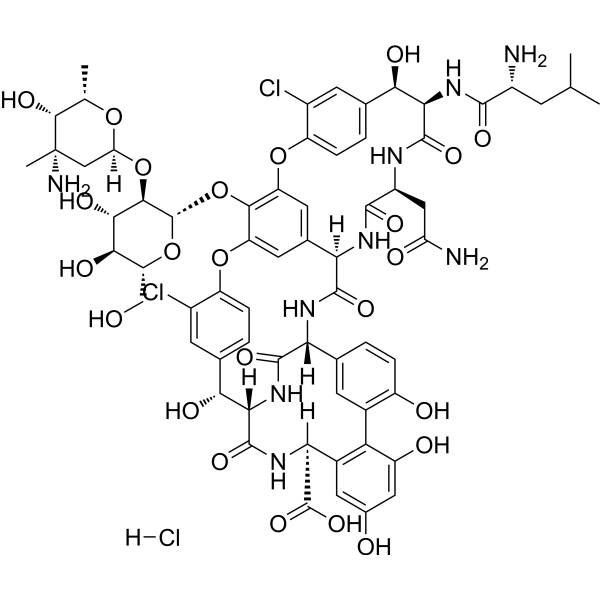
    Norvancomycin monohydrochloride
    1 Publications Verification

    N-Demethylvancomycin monohydrochloride; NVCM monohydrochloride

    Bacterial Infection
    Norvancomycin hydrochloride is a cell wall synthesis inhibitor targeting peptidoglycan precursors of Gram-positive bacteria and cannot pass the blood-brain barrier. Norvancomycin hydrochloride can competitively bind to peptidoglycan precursors, irreversibly inhibit bacterial cell wall synthesis, and exert antibacterial activity. Norvancomycin hydrochloride is mainly used in the study of Gram-positive bacterial infections, especially infections caused by methicillin-resistant Staphylococcus aureus (MRSA) and methicillin-resistant Staphylococcus epidermidis (MRSE). Norvancomycin hydrochloride can also be incorporated into the bionic calcium phosphate coating of titanium implants to enhance antibacterial activity and inhibit postoperative orthopedic infections .
    Norvancomycin monohydrochloride
  • HY-A0279

    Pristinamycine

    Bacterial Antibiotic Infection
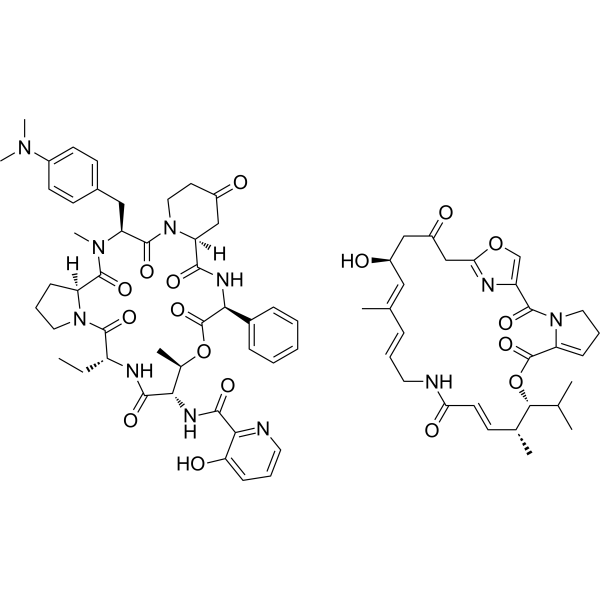
    Pristinamycin, produced by Streptomyces pristinaespiralis, is an orally active streptogramin-like antibiotic consisting of two chemically unrelated components: Pristinamycin I (PI) and Pristinamycin II (PII). Pristinamycin is highly active against many antibiotic-resistant pathogens, particularly Gram-positive bacteria, including Methicillin-resistant Staphylococcus aureus (MRSA), Vancomycin-resistant S. aureus (VRSA) and Enterococcus faecium (VREF) .
    Pristinamycin
  • HY-112959

    TD-6424

    Antibiotic Bacterial Infection
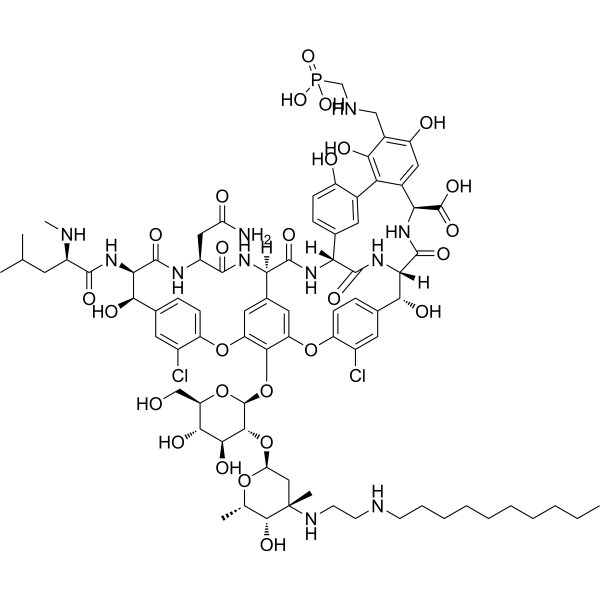
    Telavancin (TD-6424) is a semisynthetic lipoglycopeptide vancomycin-derivative, is a novel antimicrobial agent developed by Theravance for overcoming resistant Gram-positive bacterial infections, specifically methicillin-resistant Staphylococcus aureus (MRSA). Telavancin disrupts cell membrane integrity, can be used for research of complicated skin and skin structure infections (cSSSIs) caused by Gram-positive bacteria .
    Telavancin
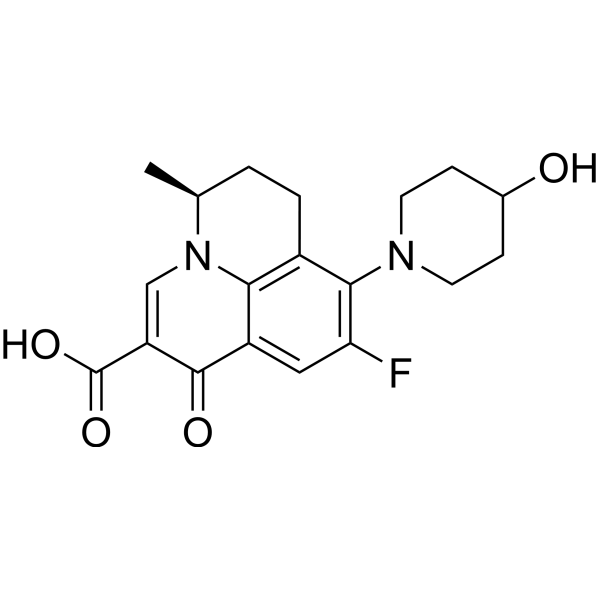
  • HY-14926

    (S)-(-)-Nadifloxacin; WCK 771

    Antibiotic Bacterial Infection
    Levonadifloxacin ((S)-(-)-Nadifloxacin; WCK 771) is a broad-spectrum anti-staphylococcal agent. Levonadifloxacin shows antibacterial activity against Methicillin (HY-121544)-susceptible Staphylococcus aureus (MSSA) and Methicillin-resistant S. aureus (MRSA) strains, with a reduction of which phagocytized in THP-1 monocytes .
    Levonadifloxacin
  • HY-N15451

    Pyruvate Kinase Infection
    Deoxytopsentin (compound 5) is a marine bisindole alkaloid and also a MRSA pyruvate kinase inhibitor. Deoxytopsentin exists in sponges. Deoxytopsentin exhibits antibacterial activity against methicillin-resistant Staphylococcus aureus strains in vitro .
    Deoxytopsentin
  • HY-122735

    Ser/Thr Kinase Bacterial Infection
    Inh2-B1 is a Ser/Thr protein kinase (STK1) inhibitor. Inh2-B1 specifically inhibits STK1 activity by directly binding to its ATP-binding catalytic domain. Inh2-B1 down-regulates cell wall hydrolase genes and disrupts the biofilm formation of Methicillin-resistant Staphylococcus aureus (MRSA) clearly .
    Inh2-B1
  • HY-142124

    Antibiotic Bacterial Infection
    Kalimantacin A is a potent antibiotic. Kalimantacin A shows antibacterial activity against staphylococcus including methicillin-resistant staphylococcus aureus (MRSA) .
    Kalimantacin A
  • HY-156198

    Antibiotic Bacterial Infection
    Bottromycin A2 is a natural antibiotic. Bottromycin A2 is active against methicillin-resistant Staphylococcus aureus (MRSA) and vancomycin-resistant Enterococci (VRE) .
    Bottromycin A2
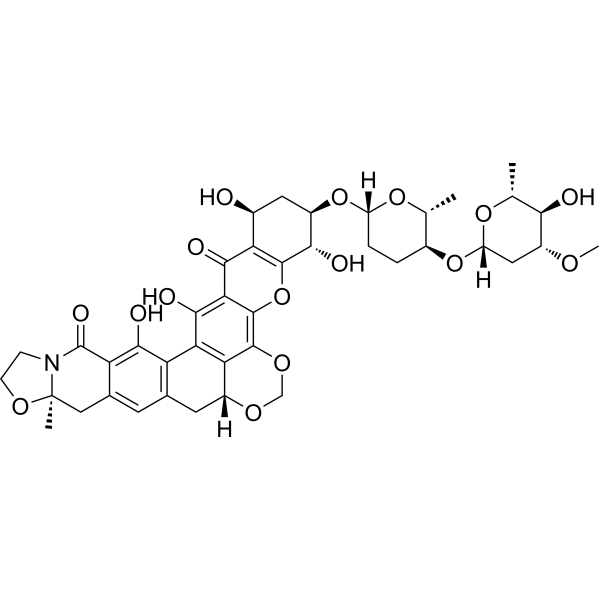
  • HY-127155

    Bacterial Antibiotic Infection Cancer
    Kigamicin C is an anti-tumor antibiotic that selectively kills pancreatic cancer PANC-1 cells only in nutrient-poor conditions. Kigamicin C has antimicrobial activity against Gram-positive bacteria including methicillin-resistant Staphylococcus aureus (MRSA) .
    Kigamicin C
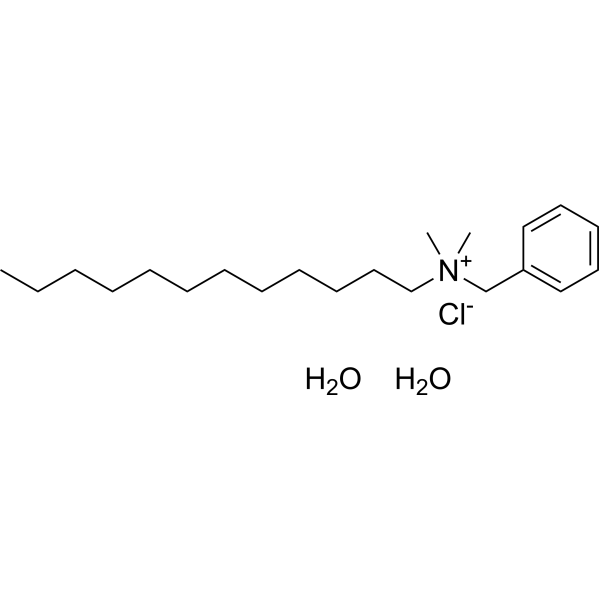
  • HY-128384

    Bacterial Infection
    Benzyldodecyldimethylammonium chloride dihydrate is a quaternary ammonium compound (QAC) and can be used as a biocide to target antibiotic-resistant bacteria, such as methicillin-resistant Staphylococcus aureus (MRSA), multidrug-resistant (MDR) P. aeruginosa et. al. Benzyldodecyldimethylammonium chloride dihydrate, an antimicrobial agent, bacteriostatic or bactericidal properties depending on the concentration.
    Benzyldodecyldimethylammonium chloride dihydrate
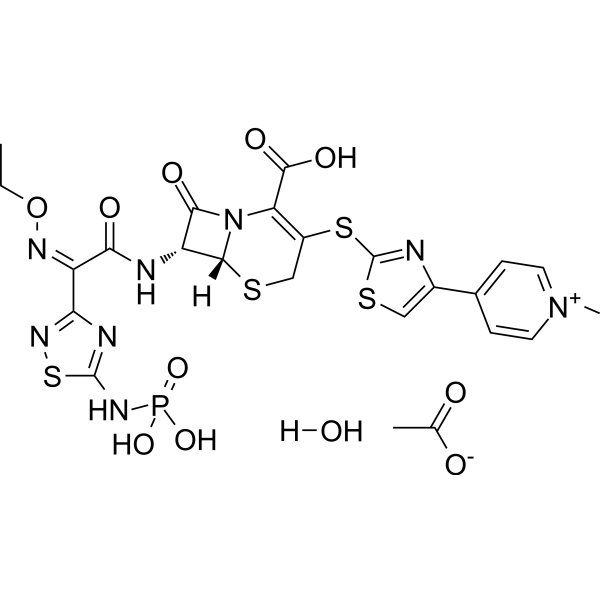
  • HY-14738

    TAK-599 free acid; PPI0903 free acid

    Bacterial Antibiotic Infection
    Ceftaroline fosamil (inner) (TAK-599 free acid), a cephalosporin derivative, is an N-phosphono proagent of anti-methicillin-resistant Staphylococcus aureus (MRSA) T-91825. Ceftaroline fosamil (inner) can be used for the research of MRSA infection .
    Ceftaroline fosamil (inner)
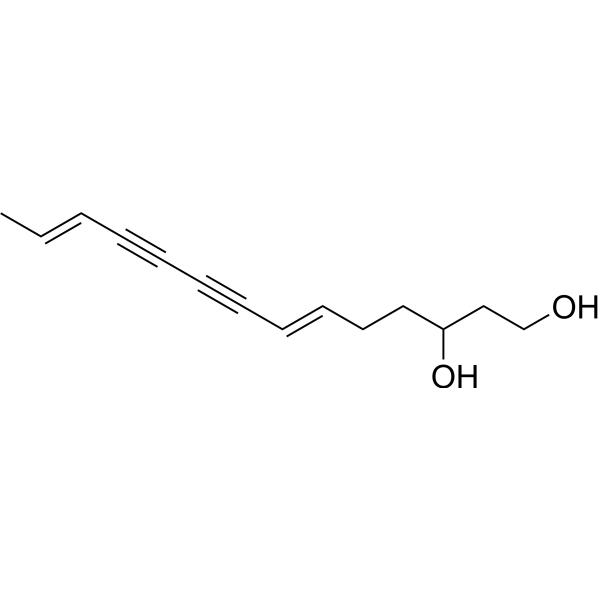
  • HY-N10834

    Bacterial Infection
    (6E,12E)-Tetradecadiene-8,10-diyne-1,3-diol is an antibacterial compound. (6E,12E)-Tetradecadiene-8,10-diyne-1,3-diol can be isolated from the roots of Atractylodes japonica. (6E,12E)-Tetradecadiene-8,10-diyne-1,3-diol has anti-methicillin-resistant Staphylococcus aureus (MRSA) activity with MIC values of 4-32 μg/mL. (6E,12E)-Tetradecadiene-8,10-diyne-1,3-diol can be used for the research of bacterial infection . (6E,12E)-Tetradecadiene-8,10-diyne-1,3-diol is a click chemistry reagent, it contains an Alkyne group and can undergo copper-catalyzed azide-alkyne cycloaddition (CuAAc) with molecules containing Azide groups.
    (6E,12E)-Tetradecadiene-8,10-diyne-1,3-diol
  • HY-161823

    Bacterial Infection
    Anti-MRSA agent 13 (Compound 9b) is an agent against methicillin-resistant Staphylococcus aureus (MRSA), exhibiting a minimum inhibitory concentration (MIC) of 0.5–2 μg/mL against clinically isolated MRSA strains. Anti-MRSA agent 13 possesses favorable biosafety, plasma tolerance stability, and a low tendency to develop resistance. Anti-MRSA agent 13 disrupts cell walls and membranes, reduces metabolic activity, causes oxidative damage, affects DNA function, and ultimately leads to MRSA death through multi-target synergies .
    Anti-MRSA agent 13
  • HY-124199

    Antibiotic Bacterial Infection
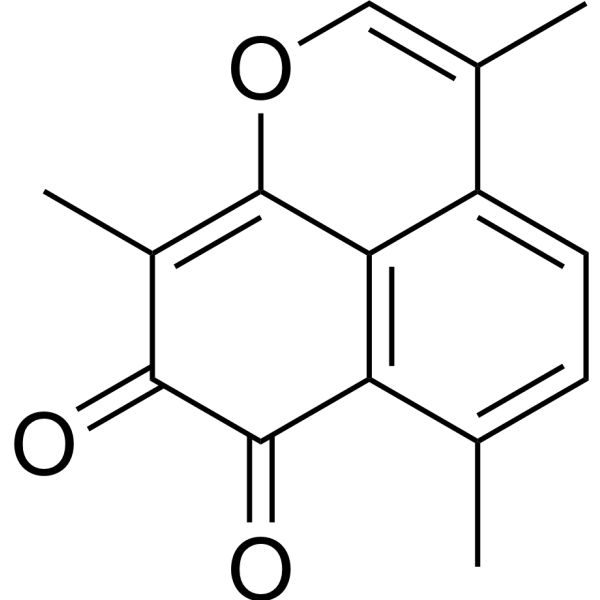
    Cephalochromin is an antibiotic and an inhibitor for bacterial fatty acid synthase (FabI). Cephalochromin inhibits FabI of Staphylococcus aureus and Escherichia coli with IC50 of 1.9 and 1.8 μM. Cephalochromin inhibits gram-positive methicillin-resistant S. aureus (MRSA) and quinolone-resistant S. aureus (QRSA), with MIC of 2-8 µg/mL .
    Cephalochromin
  • HY-146458

    Bacterial Cytochrome P450 Infection
    Antibacterial agent 102 (compound 32) possesses potent in vitro and in vivo antibacterial activity, with MICs < 0.5 μg/mL in Staphylococcus aureus (S. aureus). Antibacterial agent 102 also moderately inhibits CYP3A4 with an IC50 value of 6.148 μM. Antibacterial agent 102 can reduce Methicillin-resistant Staphylococcus aureus (MRSA) load in thigh infected mice .
    Antibacterial agent 102
  • HY-A0097A

    Antibiotic MDL-507 sodium; MDL-507 sodium

    Antibiotic HIV SARS-CoV Infection
    Teicoplanin sodium is a glycopeptide antibiotic indicated for use in serious infections caused by Gram-positive bacteria, including Methicillin-resistant Staphylococcus aureus and Enterococcus aureus.Teicoplanin sodium shows antiviral activity for HIV-1, SARS-CoV1 and SARS-CoV2. Teicoplanin sodium shows anti-MRSA activity .
    Teicoplanin sodium
  • HY-143326

    Bacterial Infection
    Antibacterial agent 83 (compound 17h) displays potent antibacterial activity against various vancomycin-resistant Enterococcus faecalis (VRE) and methicillin-resistant Staphylococcus aureus (MRSA). Antibacterial agent 83 can significantly reduce the biofilm formation of MRSA and exhibited promising selectivity. Antibacterial agent 83 is metabolically stable in human liver microsomes .
    Antibacterial agent 83
  • HY-173478

    Topoisomerase Bacterial Antibiotic Infection
    OSUAB-0284 is a bacterial topoisomerase inhibitor. OSUAB-0284 has significant anti-staphylococcal activity, especially against methicillin-resistant Staphylococcus aureus (MRSA). OSUAB-0284 exerts its antibacterial effect by inhibiting bacterial topoisomerase. OSUAB-0284 can be used to study infections caused by drug-resistant bacteria such as MRSA .
    OSUAB-0284
  • HY-175301

    Bacterial Reactive Oxygen Species (ROS) Infection
    TH16 is an antibacterial agent (MIC=2 μg/mL against methicillin-resistant Staphylococcus aureus, MRSA). TH16 disrupts bacterial cytoplasmic membrane integrity, elevating intracellular reactive oxygen species (ROS) levels to induce bacterial death. TH16 is promising for research of bacterial infection .
    TH16
  • HY-178912

    Reactive Oxygen Species (ROS) Bacterial ClpP Infection Inflammation/Immunology
    Anti-MRSA agent 39 is an orally active ClpX modulator that binds Staphylococcus aureus caseinolytic protease X (SaClpX) with high affinity (Kd = 3.6 μM). Anti-MRSA agent 39 exerts antibacterial effects through temperature-dependent inhibition of cell division. Anti-MRSA agent 39 elicits profound metabolic dysregulation in methicillin-resistant Staphylococcus aureus (MRSA), manifesting as significantly reduced ATP levels, elevated reactive oxygen species (ROS), and decreased NAD+/NADH ratio, and accelerates bacterial lysis rates in MRSA ATCC 33591. Anti-MRSA agent 39 significantly increases the proportion of MRSA cells in the mitotic phase, and the cells exhibit obvious morphological abnormalities. Anti-MRSA agent 39 can be used for the study of invasive MRSA infections .
    Anti-MRSA agent 39
  • HY-N15272

    Bacterial COX NO Synthase Reactive Oxygen Species (ROS) p38 MAPK Infection Cardiovascular Disease Inflammation/Immunology
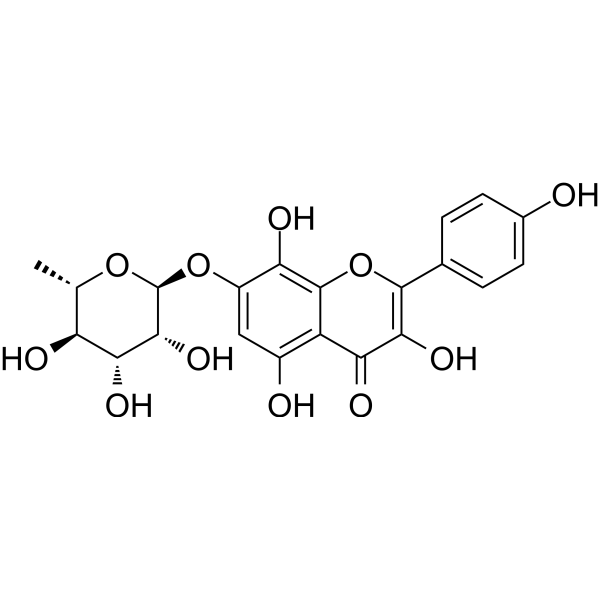
    Artocarpesin is a flavonoid compound. Artocarpesin has inhibitory effects on methicillin-resistant Staphylococcus aureus (MRSA). Artocarpesin inhibits the production of NO, PGE2 and ROS by inhibiting COX-2 and iNOS expression, and plays an anti-inflammatory role. In addition, Artocarpesin inhibits platelet aggregation by inhibiting cyclic nucleotides and MAPKs, which can be used in the study of cardiovascular diseases .
    Artocarpesin
  • HY-N3789

    Bacterial Infection
    Dunnianol is a natural sesqui-neoligan with moderate antibacterial activity. Dunnianol inhibits Staphylococcus aureus and methicillin-resistant Staphylococcus aureus (MRSA).
    Dunnianol
  • HY-N14125

    Bacterial Infection
    Chloroquinocin has moderate activity against Gram-positive bacteria, including methicillin-resistant Staphylococcus aureus (MRSA) .
    Chloroquinocin
  • HY-163716

    Bacterial Infection
    Antibacterial agent 222 ((R)-O30 (5)) is a antimicrobial agent that inhibits methicillin-resistant Staphylococcus aureus (MRSA) .
    Antibacterial agent 222
  • HY-163906

    Bacterial Infection
    Anti-MRSA agent 16 (Compound 4) is an inhibitor of methicillin-resistant Staphylococcus aureus (MRSA). Anti-MRSA agent 16 is effective in combination with oxacillin or meropenem in infected mice .
    Anti-MRSA agent 16
  • HY-115965

    Bacterial Antibiotic Infection
    VP-4604 is a potent anti-methicillin-resistant Staphylococcus aureus (MRSA) agent. VP-4604 exhibits significant microbial growth inhibition toward Staphylococcus aureus (ATCC 43300) with MIC of 4-8 µg/mL. VP-4604 inhibits the growth of methicillin‐resistant Staphylococcus aureus with growth inhibition >95% .
    VP-4604
  • HY-115964

    Bacterial Antibiotic Infection
    VP-4556 is a potent anti-methicillin-resistant Staphylococcus aureus (MRSA) agent. VP-4556 exhibits significant microbial growth inhibition toward Staphylococcus aureus (ATCC 43300) with MIC of 8 µg/mL. VP-4556 inhibits the growth of methicillin‐resistant Staphylococcus aureus with growth inhibition >95% .
    VP-4556
  • HY-N8186

    Bacterial Infection
    (3R)-7,4’-Dihydrohomoisoflavanone is a natural product with antibacterial activities against S. aureus and methicillin-resistant Staphylococcus aureus (MRSA) .
    (3R)-7,4’-Dihydrohomoisoflavanone
  • HY-N13885

    Antibiotic Bacterial Parasite Infection
    Amythiamicin A is an antimicrobial antibiotic against Gram-positive bacteria (including methicillin-resistant Staphylococcus aureus (MRSA)) and activity against Plasmodium falciparum .
    Amythiamicin A
  • HY-N14118

    Bacterial Infection
    Chloropolysporin B has strong activity of anti-Gram-positive bacteria, including methicillin-resistant Staphylococcus aureus (MRSA) and enterococcus bacteria .
    Chloropolysporin B
  • HY-N13881

    Antibiotic Bacterial Parasite Infection
    Amythiamicin C is an antimicrobial antibiotic against Gram-positive bacteria (including methicillin-resistant Staphylococcus aureus (MRSA)) and activity against Plasmodium falciparum .
    Amythiamicin C
  • HY-157142

    Bacterial Infection
    Antibacterial agent 165 (compound 3), a hydroxyquinoline derivative, is a potent bacterial inhibitor. Antibacterial agent 165 inhibits methicillin-resistant Staphylococcus aureus (MRSA) .
    Antibacterial agent 165
  • HY-157141

    Bacterial Infection
    Antibacterial agent 163 (compound 1), a hydroxyquinoline derivative, is a potent bacterial inhibitor. Antibacterial agent 163 inhibits methicillin-resistant Staphylococcus aureus (MRSA) .
    Antibacterial agent 163
  • HY-N14470

    Bacterial Infection
    Kigamicin A shows activity against Gram-positive bacteria including methicillin-resistant Staphylococcus aureus (MRSA) with MICs of 0.025-0.78 μg/mL .
    Kigamicin A
  • HY-175338

    Bacterial Infection
    Anti-MRSA agent 34 (Compound 6) is an antimicrobial agent targeting methicillin-resistant Staphylococcus aureus (MRSA) (MIC=14 μg/mL). Anti-MRSA agent 34 is promising for research of microbial infection .
    Anti-MRSA agent 34
  • HY-N14476

    Bacterial Infection
    Kigamicin B shows activity against Gram-positive bacteria including methicillin-resistant Staphylococcus aureus (MRSA) with MICs of 0.025-0.78 μg/mL .
    Kigamicin B
  • HY-116168

    Antibiotic Bacterial Infection
    Aldecalmycin is an antibiotic showing antimicrobial activities against Gram-positive bacteria including methicillin-resistant Staphylococcus aureus (MRSA) with MICs values of 6.25-25 μg/mL .
    Aldecalmycin
  • HY-163073

    Bacterial Infection
    Anti-MRSA agent 9 (compound 39) shows antibacterial effects against clinically isolated methicillin-resistant Staphylococcus aureus (MRSA) with MIC values of 1 μg/ml. Anti-MRSA agent 9 also shows anti-MRSA efficacy in vivo .
    Anti-MRSA agent 9
  • HY-157482

    Bacterial Infection
    EBP-59 is a bacterial inhibitor with antibiofilm activity against Gram-positive bacteria. EBP-59 is effective against Staphylococcus aureus and MRSA (methicillin–resistant staphylococcus aureus). EBP-59 can be used to study bacterial infections .
    EBP-59
  • HY-174273

    Bacterial Infection
    Antibacterial agent 280 (Compound 7af) is an antibacterial agent targeting methicillin-resistant and vancomycin-resistant Staphylococcus aureus (MRSA, VRSA). Antibacterial agent 280 is promising for research of is promising for research of S. aureus infections .
    Antibacterial agent 280
  • HY-122008

    Bacterial Infection
    Levonadifloxacin ((S)-(-)-Nadifloxacin; WCK 771) arginine is a broad-spectrum antistaphylococcal agent. Levonadifloxacin arginine has antimicrobial activity against methicillin-susceptible Staphylococcus aureus (MSSA) and methicillin-resistant Staphylococcus aureus and reduces phagocytosis of MRSA and MSSA strains by monocytic THP-1.
    ORM-3819
  • HY-115965R

    Reference Standards Bacterial Antibiotic Infection
    VP-4604 (Standard) is the analytical standard of VP-4604. This product is intended for research and analytical applications. VP-4604 is a potent anti-methicillin-resistant Staphylococcus aureus (MRSA) agent. VP-4604 exhibits significant microbial growth inhibition toward Staphylococcus aureus (ATCC 43300) with MIC of 4-8 μg/mL. VP-4604 inhibits the growth of methicillin‐resistant Staphylococcus aureus with growth inhibition >95%[1].
    VP-4604 (Standard)
  • HY-146428

    Bacterial Infection
    Anti-MRSA agent 4 (compound 7a) is a potent and selective growth inhibitor of Gram-positive Methicillin-resistant Staphylococcus aureus (MRSA), with MIC ≤ 0.26 µM. Anti-MRSA agent 4 exhibits no cytotoxic and no hemolytic activity in HEK293 cells .
    Anti-MRSA agent 4
  • HY-N5195

    Nocathiacine II

    Bacterial Infection
    Nocathiacin II (Nocathiacine II) is highly resistant to Gram-positive bacteria, including methicillin-resistant Staphylococcus aureus (MRSA), penicillin-resistant Streptococcus pneumoniae (PRSP) and multidrug resistant Enterococcus faecalis (MREF) .
    Nocathiacin II
  • HY-N5184

    Nocathiacine III

    Bacterial Infection
    Nocathiacin III (Nocathiacine III) is highly resistant to Gram-positive bacteria, including methicillin-resistant Staphylococcus aureus (MRSA), penicillin-resistant Streptococcus pneumoniae (PRSP) and multidrug resistant Enterococcus faecalis (MREF) .
    Nocathiacin Ⅲ
  • HY-156289

    Bacterial Infection
    Anti-MRSA agent 8 (Compound 7g) is a DAPG derivative with strong antibacterial activity. Anti-MRSA agent 8 assertes its activity by targeting bacterial cell membranes. Anti-MRSA agent 8 can be used for the research of methicillin-resistant Staphylococcus aureus (MRSA) .
    Anti-MRSA agent 8
  • HY-174985

    Bacterial Infection
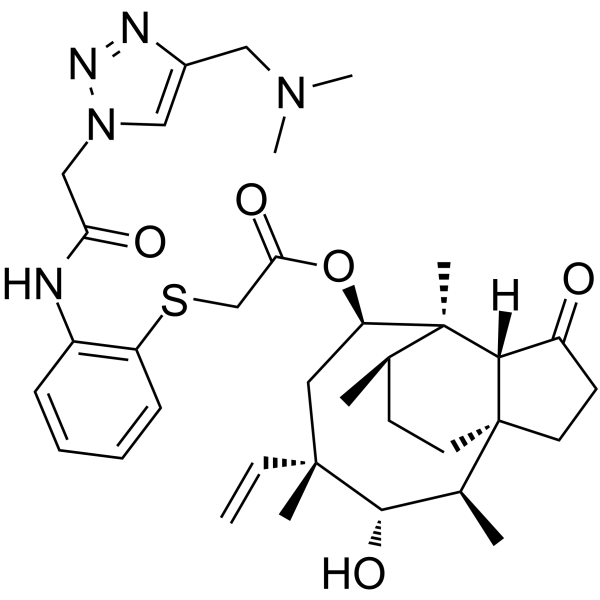
    Anti-MRSA agent 32 (Compound 26) is an orally active and selective SaClpP (Staphylococcus aureus ClpP protease) activator with an EC50 value of 0.98 μM. Anti-MRSA agent 32 activates SaClpP to abnormally degrade bacterial proteins, inhibiting the proliferation of Staphylococcus aureus. Anti-MRSA agent 32 promotes wound healing in a murine skin infection model. Anti-MRSA agent 32 is promising for research of infectious diseases such as methicillin-resistant Staphylococcus aureus (MRSA) infections .
    Anti-MRSA agent 32

Inquiry Online

Your information is safe with us. * Required Fields.

Salutation


Country or Region *

Applicant Name *


Organization Name *

Department *


Email Address *


Product Name *

Cat. No.


Requested quantity *

Phone Number *


Remarks

Inquiry Online

Inquiry Information

Product Name:
Cat. No.:
Quantity:
MCE Japan Authorized Agent:

