661 Results for "

blood pressure

" in MedChemExpress (MCE) Product Catalog:
Products (661)

661 Results for "blood pressure" in MCE Product Catalog:

258
258 Publications Verification
Cat. No.: HY-13948
CAS No.: 4474-91-3
Purity:  99.98%
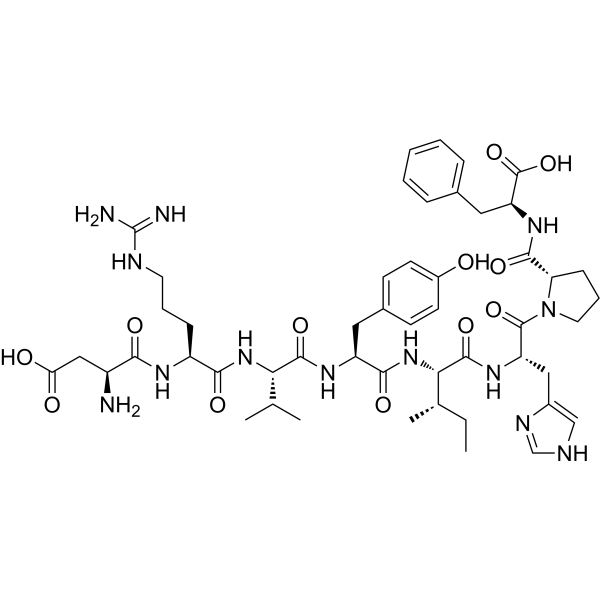
Synonyms: Angiotensin II; Ang II; DRVYIHPF
Angiotensin II (Angiotensin II) is a vasoconstrictor and a major bioactive peptide of the renin/angiotensin system. Angiotensin II human plays a central role in regulating human blood pressure, which is mainly mediated by interactions between Angiotensin II and the G-protein-coupled receptors (GPCRs) Angiotensin II type 1 receptor (AT1R) and Angiotensin II type 2 receptor (AT2R). Angiotensin II human stimulates sympathetic nervous stimulation, increases aldosterone biosynthesis and renal actions. Angiotensin II human induces growth of vascular smooth muscle cells, increases collagen type I and III synthesis in fibroblasts, leading to thickening of the vascular wall and myocardium, and fibrosis. Angiotensin II human also induces apoptosis. Angiotensin II induces capillary formation from endothelial cells via the LOX-1 dependent redox-sensitive pathway .
loading...
    loading...
258
258 Publications Verification
Cat. No.: HY-13948A
CAS No.: 68521-88-0
Purity:  99.62%
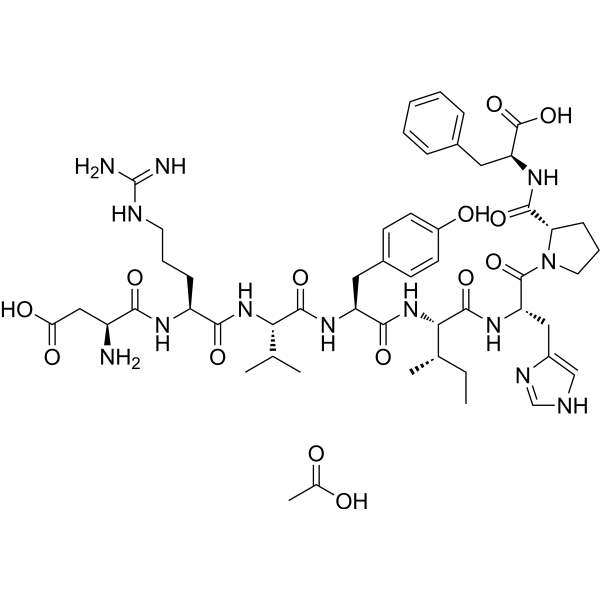
Synonyms: Angiotensin II acetate; Ang II acetate; DRVYIHPF acetate
Angiotensin II human (Angiotensin II) acetate is a vasoconstrictor and a major bioactive peptide of the renin/angiotensin system. Angiotensin II human acetate plays a central role in regulating human blood pressure, which is mainly mediated by interactions between Angiotensin II and the G-protein-coupled receptors (GPCRs) Angiotensin II type 1 receptor (AT1R) and Angiotensin II type 2 receptor (AT2R). Angiotensin II human acetate stimulates sympathetic nervous stimulation, increases aldosterone biosynthesis and renal actions. Angiotensin II human acetate induces growth of vascular smooth muscle cells, increases collagen type I and III synthesis in fibroblasts, leading to thickening of the vascular wall and myocardium, and fibrosis. Angiotensin II human acetate also induces apoptosis. Angiotensin II human acetate induces capillary formation from endothelial cells via the LOX-1 dependent redox-sensitive pathway .
loading...
    loading...
258
258 Publications Verification
Cat. No.: HY-13948B
CAS No.: 2761969-44-0
Purity:  98.84%
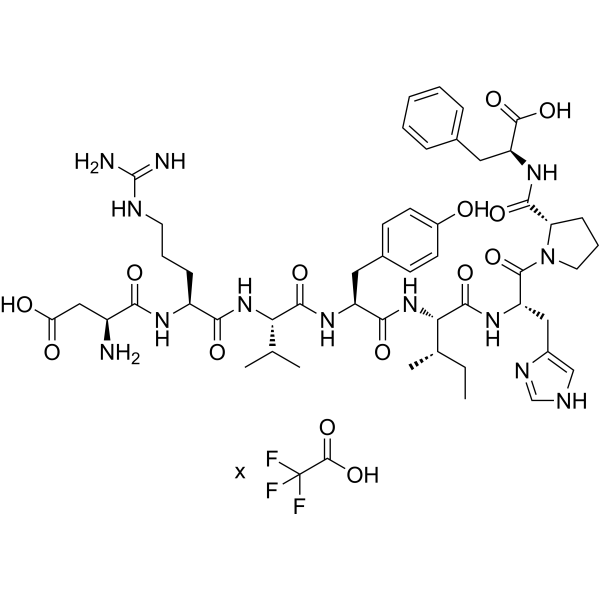
Synonyms: Angiotensin II TFA; Ang II TFA; DRVYIHPF TFA
Angiotensin II human (Angiotensin II) TFA is a vasoconstrictor and a major bioactive peptide of the renin/angiotensin system. Angiotensin II human TFA plays a central role in regulating human blood pressure, which is mainly mediated by interactions between Angiotensin II and the G-protein-coupled receptors (GPCRs) Angiotensin II type 1 receptor (AT1R) and Angiotensin II type 2 receptor (AT2R). Angiotensin II human TFA stimulates sympathetic nervous stimulation, increases aldosterone biosynthesis and renal actions. Angiotensin II human TFA induces growth of vascular smooth muscle cells, increases collagen type I and III synthesis in fibroblasts, leading to thickening of the vascular wall and myocardium, and fibrosis. Angiotensin II human TFA also induces apoptosis. Angiotensin II human TFA induces capillary formation from endothelial cells via the LOX-1 dependent redox-sensitive pathway .
loading...
    loading...
93
93 Cited Publications
Cat. No.: HY-14275
CAS No.: 52-53-9
Purity:  98.96%
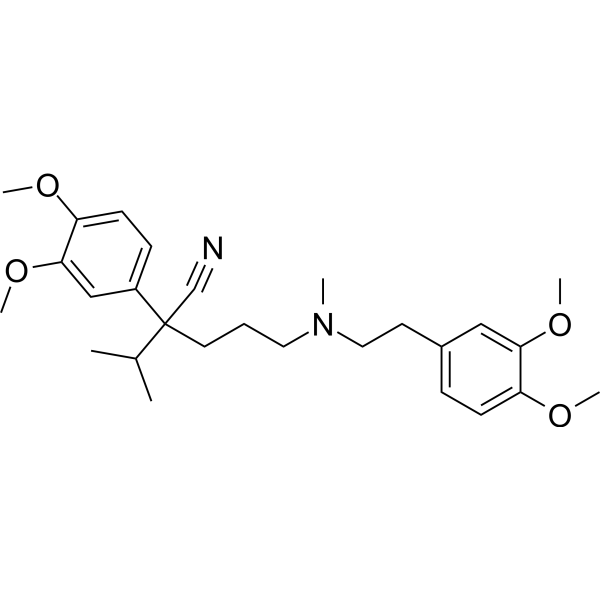
Synonyms: (±)-Verapamil; CP-16533-1
Verapamil ((±)-Verapamil) is a calcium channel blocker and a potent and orally active first-generation P-glycoprotein (P-gp) inhibitor. Verapamil also inhibits CYP3A4. Verapamil has the potential for high blood pressure, heart arrhythmias and angina research .
loading...
    loading...
93
93 Cited Publications
Cat. No.: HY-A0064
CAS No.: 152-11-4
Synonyms: (±)-Verapamil hydrochloride; CP-16533-1 hydrochloride
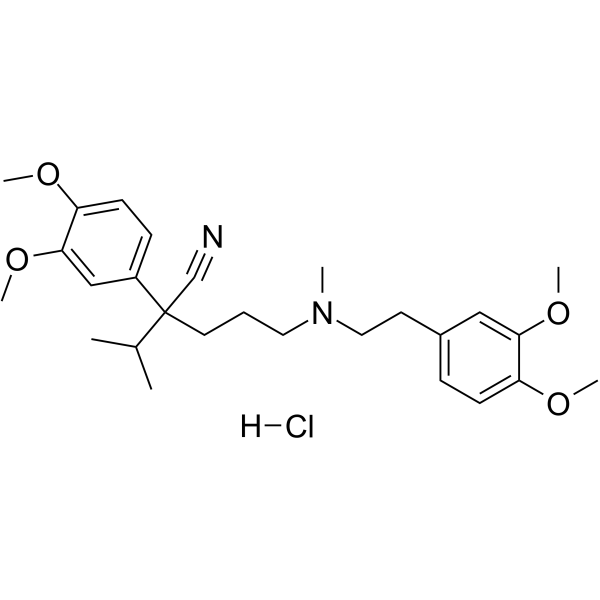
Verapamil hydrochloride ((±)-Verapamil hydrochloride) is a calcium channel blocker and a potent and orally active first-generation P-glycoprotein (P-gp) inhibitor. Verapamil hydrochloride also inhibits CYP3A4. Verapamil hydrochloride has the potential for high blood pressure, heart arrhythmias and angina research .
loading...
    loading...
62
62 Cited Publications
Cat. No.: HY-101952
CAS No.: 363-24-6
Purity:  99.74%
Synonyms: PGE2; Dinoprostone
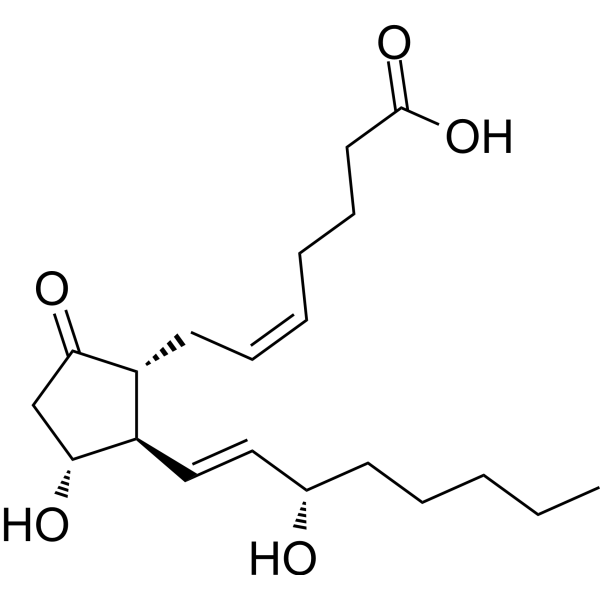
Prostaglandin E2 (PGE2) is a hormone-like substance that participate in a wide range of body functions such as the contraction and relaxation of smooth muscle, the dilation and constriction of blood vessels, control of blood pressure, and modulation of inflammation.
loading...
    loading...
24
24 Cited Publications
Cat. No.: HY-18204
CAS No.: 137862-53-4
Synonyms: CGP 48933
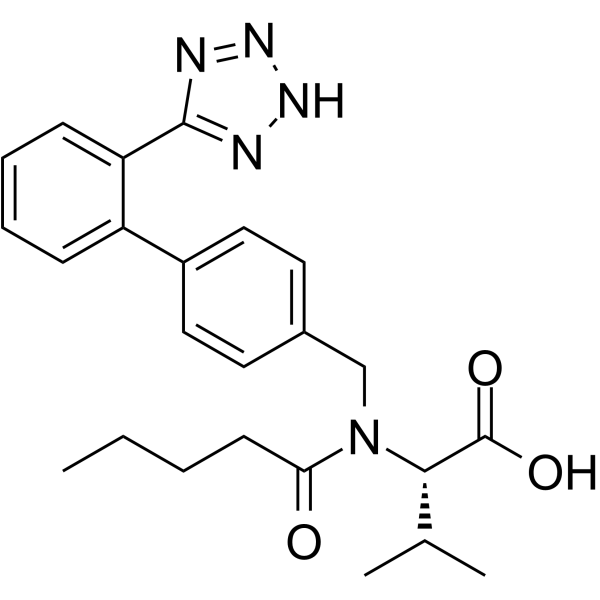
Valsartan (CGP 48933) is an angiotensin II receptor antagonist and has the potential for high blood pressure and heart failure research .
loading...
    loading...
23
23 Cited Publications
Cat. No.: HY-B2130
CAS No.: 69-93-2
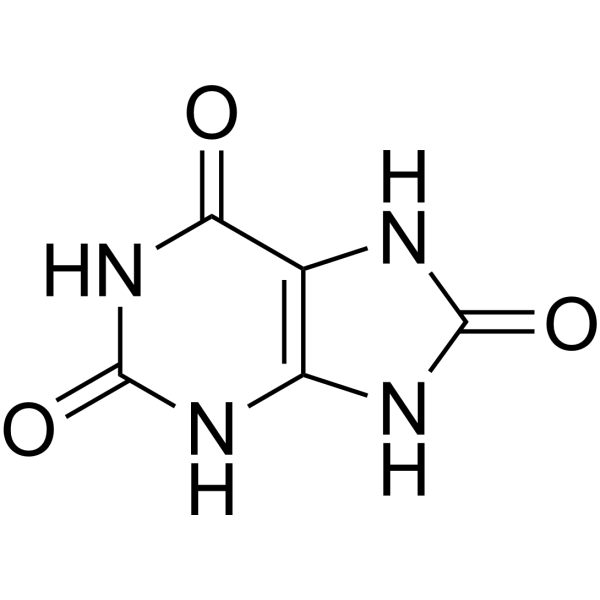
Uric acid is an orally active oxygen free radical scavenger that helps maintain stable blood pressure and combat oxidative stress. Uric acid can scavenge ROS, such as singlet oxygen and peroxynitrite, and inhibit lipid peroxidation. Uric acid can be used as a modeling agent in research on hyperuricemia-induced hypertension models .
loading...
    loading...
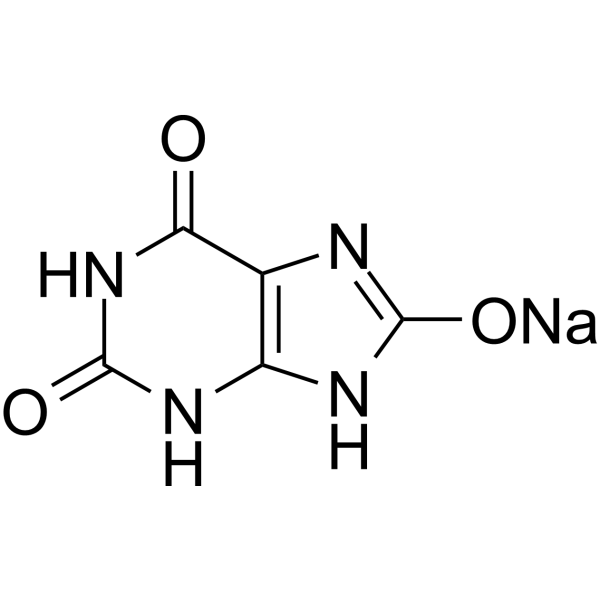
23
23 Cited Publications
Cat. No.: HY-B2130A
CAS No.: 1198-77-2
Synonyms: Monosodium urate
Uric acid sodium is an orally active oxygen free radical scavenger that helps maintain stable blood pressure and combat oxidative stress. Uric acid sodium can scavenge ROS, such as singlet oxygen and peroxynitrite, and inhibit lipid peroxidation. Uric acid sodium can be used as a modeling agent in research on hyperuricemia-induced hypertension models .
loading...
    loading...
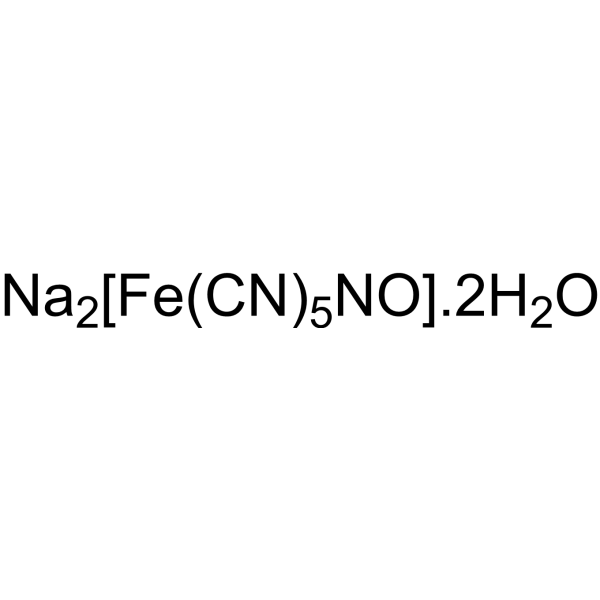
20
20 Cited Publications
Cat. No.: HY-A0119
CAS No.: 13755-38-9
Synonyms: Sodium nitroprusside dihydrate; Sodium Nitroferricyanide(III) Dihydrate
Target:  

Autophagy

Research Areas:  

Cardiovascular Disease Cancer

Nitroprusside disodium dehydrate (Sodium nitroprusside dihydrate) is a vasodilator that available for the research of acute hypertension, heart failure. Nitroprusside disodium dehydrate induces autophagy in glutathione-depleted osteoblasts. Nitroprusside disodium dehydrate acts as a nitric oxide (NO) donor in a rat intestinal ischemia reperfusion model .
loading...
    loading...
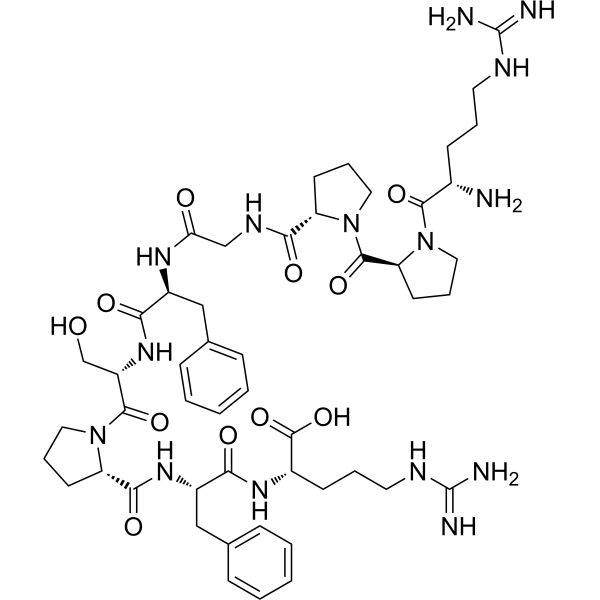
19
19 Cited Publications
Cat. No.: HY-P0206
CAS No.: 58-82-2
Bradykinin is an effective endothelium-dependent vasodilator that can lower blood pressure. Bradykinin can induce contraction of bronchial and intestinal non-vascular smooth muscle, increase vascular permeability, and participate in the mechanism of pain .
loading...
    loading...
19
19 Cited Publications
Cat. No.: HY-P0206A
CAS No.: 6846-03-3
Bradykinin acetate is an effective endothelium-dependent vasodilator that can lower blood pressure. Bradykinin acetate can induce contraction of bronchial and intestinal non-vascular smooth muscle, increase vascular permeability, and participate in the mechanism of pain .
loading...
    loading...
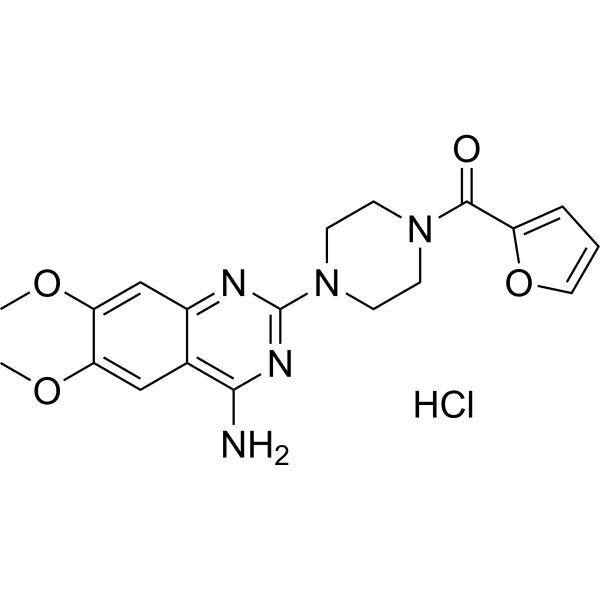
18
18 Cited Publications
Cat. No.: HY-B0193A
CAS No.: 19237-84-4
Prazosin hydrochloride is a well-tolerated, CNS-active α1-adrenergic receptor antagonist for the research of high blood pressure and alcohol use disorders . Prazosin hydrochloride potently inhibits Norepinephrine (NE)-stimulated 45Ca efflux with an IC50 of 0.15 nM .Prazosin hydrochloride inhibits organic cation transporters OCT-1 and OCT-3 with IC50s of 1.8, and 13 μM, respectively .
loading...
    loading...
18
18 Cited Publications
Cat. No.: HY-15193
CAS No.: 1181770-72-8
Purity:  99.94%
EMD638683 is an orally active SGK1 inhibitor with an IC50 of 3 μM. EMD638683 exhibits strong inhibition against SGK1, moderate inhibition against SGK2 and SGK3, and shows excellent selectivity for other AGC kinase family members. EMD638683 has antihypertensive activity by inhibiting SGK1, and independently of the blood pressure-lowering effect, it effectively prevents heart inflammation and fibrosis caused by hypertension by inhibiting the cardiac NLRP3 inflammation body/ IL-1β axis. EMD638683 promotes apoptosis of colon cancer cells and sensitizes radiotherapy. EMD638683 (S-Form) can be used in research related to hypertension, hypertensive heart damage, and colon cancer .
loading...
    loading...
17
17 Cited Publications
Cat. No.: HY-B0317
CAS No.: 88150-42-9
Target:  

Calcium Channel

Research Areas:  

Cardiovascular Disease Cancer

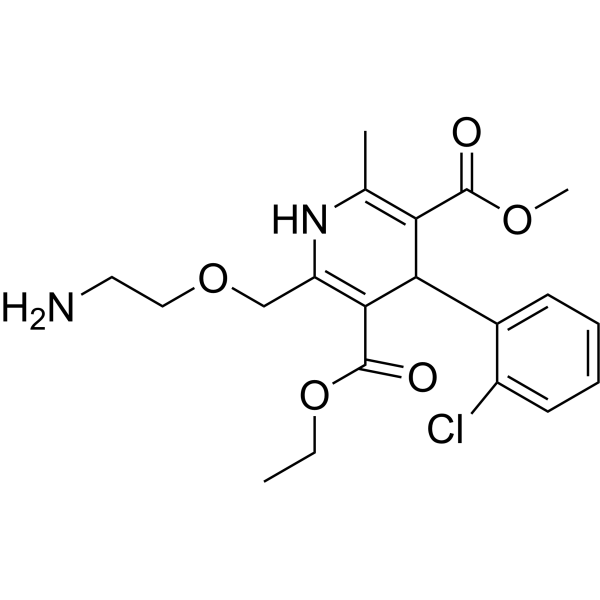
Amlodipine, an antianginal agent and an orally active dihydropyridine calcium channel blocker, works by blocking the voltage-dependent L-type calcium channels, thereby inhibiting the initial influx of calcium. Amlodipine can be used for the research of high blood pressure and cancer .
loading...
    loading...
17
17 Cited Publications
Cat. No.: HY-B0317A
CAS No.: 88150-47-4
Target:  

Calcium Channel

Research Areas:  

Cardiovascular Disease Cancer

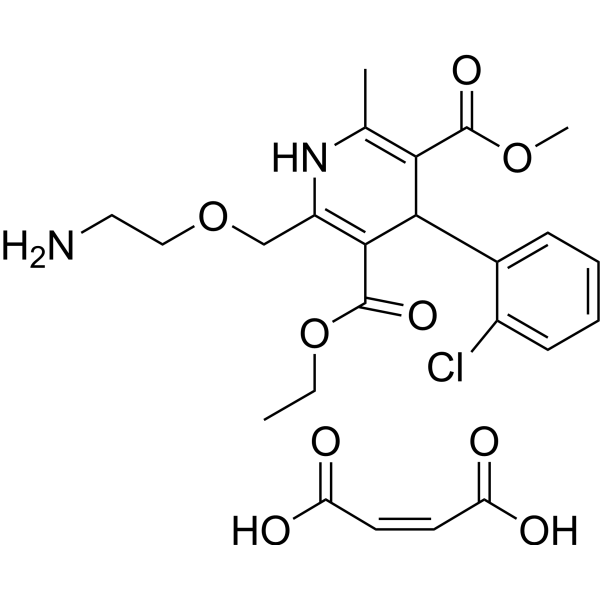
Amlodipine maleate is a dihydropyridine calcium channel blocker, acts as an orally active antianginal agent. Amlodipine maleate blocks the voltage-dependent L-type calcium channels, thereby inhibiting the initial influx of calcium. Amlodipine maleate can be used for the research of high blood pressure and cancer .
loading...
    loading...
17
17 Cited Publications
Cat. No.: HY-B0317B
CAS No.: 111470-99-6
Synonyms: Amlodipine benzenesulfonate
Target:  

Calcium Channel

Research Areas:  

Cardiovascular Disease Cancer

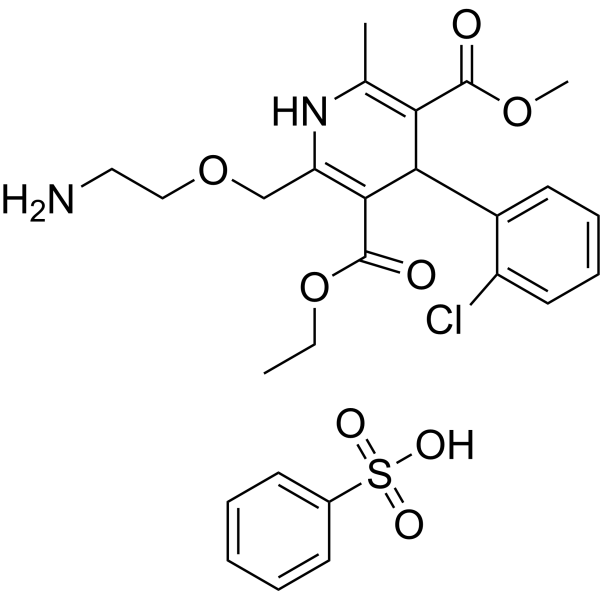
Amlodipine besylate (Amlodipine benzenesulfonate), an antianginal agent and an orally active dihydropyridine calcium channel blocker, works by blocking the voltage-dependent L-type calcium channels, thereby inhibiting the initial influx of calcium. Amlodipine besylate can be used for the research of high blood pressure and cancer .
loading...
    loading...
15
15 Cited Publications
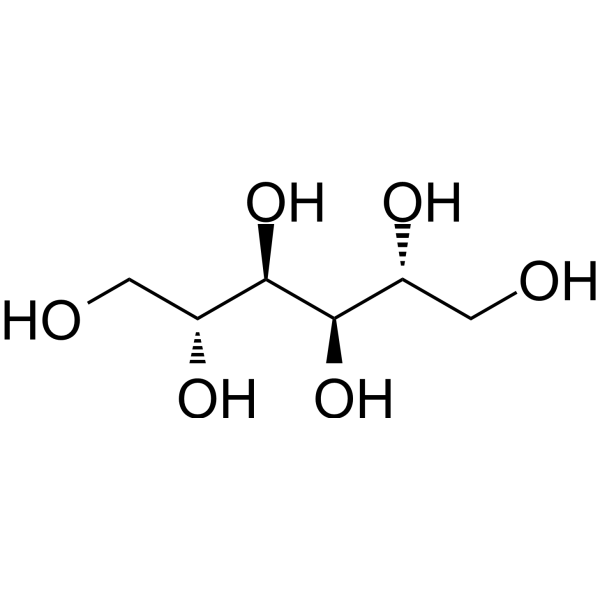
Cat. No.: HY-N0378
CAS No.: 69-65-8
Synonyms: Mannitol; Mannite
D-Mannitol (Mannitol) is an oral, resistant sugar widely used in the food and pharmaceutical industries to promote the absorption and retention of calcium and magnesium through cecal fermentation, while acting as a osmotic diuretic to reduce tissue edema. D-Mannitol can enhance brown fat formation, improve insulin effect, reduce blood sugar levels, And through the start the β3-adrenergic receptor (β3-AR), PGC1α and PKA induced by means of white fat cells into brown fat cells . D-Mannitol is commonly used to maintain osmotic pressure between the plant cytoplasm and the culture medium and protect cells when the cell wall is weakened or even removed .
loading...
    loading...
13
13 Cited Publications
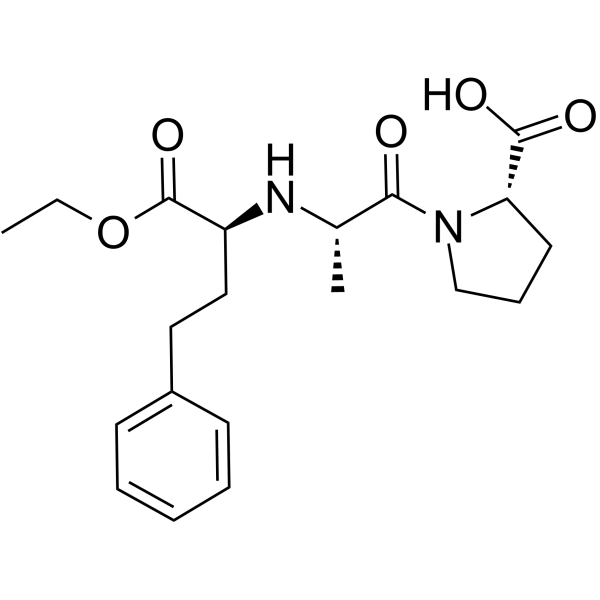
Cat. No.: HY-B0331
CAS No.: 75847-73-3
Synonyms: MK-421
Enalapril (MK-421) is an orally active angiotensin-converting enzyme inhibitor. Enalapril blocks the conversion of angiotensin I to angiotensin II, regulates the renin-angiotensin system, reduces preload and afterload, and decreases plasma angiotensin II levels. Enalapril inhibits apoptosis, reduces nitric oxide metabolite levels, stabilizes endothelial cells, enhances endothelial antioxidant defense, scavenges reactive oxygen species (ROS), and alleviates neuronal damage. Enalapril attenuates glutathione depletion, protein/lipid oxidation, tissue damage, and type III collagen immunolabeling in organs of diabetic rats. Enalapril reduces systolic blood pressure and urinary albumin excretion, and delays the progression of diabetic cardiac/renal injury. Enalapril is used in research related to asymptomatic left ventricular dysfunction, congestive heart failure, Alzheimer's disease, diabetes mellitus, acute myocardial infarction, atrial fibrillation, hypertension, cerebral ischemia, chronic heart failure, and single-ventricle physiology .
loading...
    loading...
13
13 Cited Publications
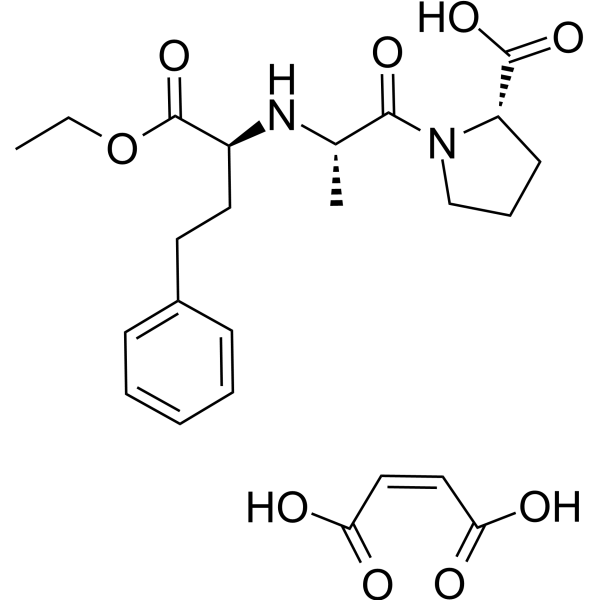
Cat. No.: HY-B0331A
CAS No.: 76095-16-4
Synonyms: MK-421 maleate
Enalapril maleate (MK-421 maleate) is an orally active angiotensin-converting enzyme inhibitor. Enalapril maleate blocks the conversion of angiotensin I to angiotensin II, regulates the renin-angiotensin system, reduces preload and afterload, and decreases plasma angiotensin II levels. Enalapril maleate inhibits apoptosis, reduces nitric oxide metabolite levels, stabilizes endothelial cells, enhances endothelial antioxidant defense, scavenges reactive oxygen species (ROS), and alleviates neuronal damage. Enalapril maleate attenuates glutathione depletion, protein/lipid oxidation, tissue damage, and type III collagen immunolabeling in organs of diabetic rats. Enalapril maleate reduces systolic blood pressure and urinary albumin excretion, and delays the progression of diabetic cardiac/renal injury. Enalapril maleate is used in research related to asymptomatic left ventricular dysfunction, congestive heart failure, Alzheimer's disease, diabetes mellitus, acute myocardial infarction, atrial fibrillation, hypertension, cerebral ischemia, chronic heart failure, and single-ventricle physiology .
loading...
    loading...

