1. Search Result
Search Result
Results for "

AKT signaling

" in MedChemExpress (MCE) Product Catalog:

670

Inhibitors & Agonists

9

Screening Libraries

2

Fluorescent Dyes

10

Biochemical Assay Reagents

21

Peptides

20

Inhibitory Antibodies

249

Natural
Products

51

Isotope-Labeled Compounds

2

Click Chemistry

9

Oligonucleotides

2

GMP Molecules

Targets Recommended:
Cat. No. Product Name Target Research Areas Chemical Structure
  • HY-10358
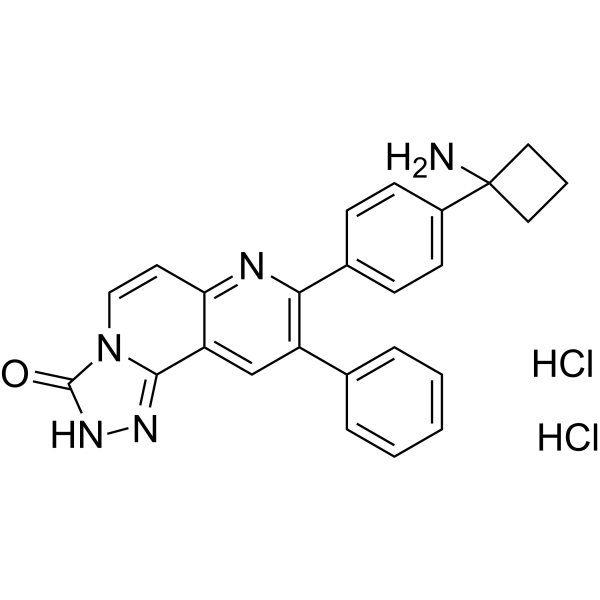
    MK-2206 dihydrochloride
    460+ Cited Publications

    MK-2206 (2HCl)

    Bcl-2 Family Apoptosis mTOR Akt GSK-3 Cardiovascular Disease Inflammation/Immunology Cancer
    MK-2206 dihydrochloride (MK-2206 2HCl) is an orally active pan-AKT inhibitor, with IC50 values of 8 nM, 12 nM and 65 nM against AKT1, AKT2 and AKT3, respectively. MK-2206 dihydrochloride inhibits the Akt/mTOR signaling pathway and reduces the levels of downstream GSK3β and Mcl-1 via proteasomal degradation. MK-2206 dihydrochloride induces G1-phase cell cycle arrest, apoptosis, epithelial-mesenchymal transition, fibroblast activation and extracellular matrix deposition. MK-2206 dihydrochloride causes transient hyperglycemia and hyperinsulinemia in animals. MK-2206 dihydrochloride can be used in research related to solid tumors, renal fibrosis and hypercholesterolemia .
    MK-2206 dihydrochloride
  • HY-N0003
    Honokiol
    65+ Cited Publications

    NSC 293100

    Akt Autophagy HCV ERK Cancer
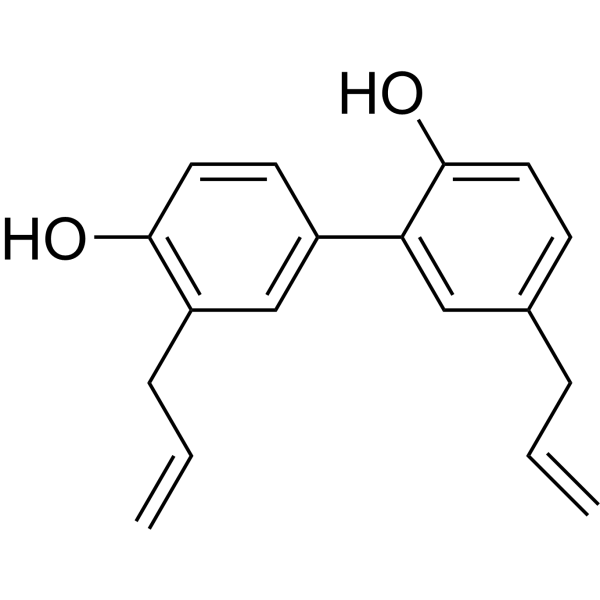
    Honokiol is a bioactive, biphenolic phytochemical that possesses potent antioxidative, anti-inflammatory, antiangiogenic, and anticancer activities by targeting a variety of signaling molecules. It inhibits the activation of Akt. Honokiol can readily cross the blood brain barrier .
    Honokiol
  • HY-108232
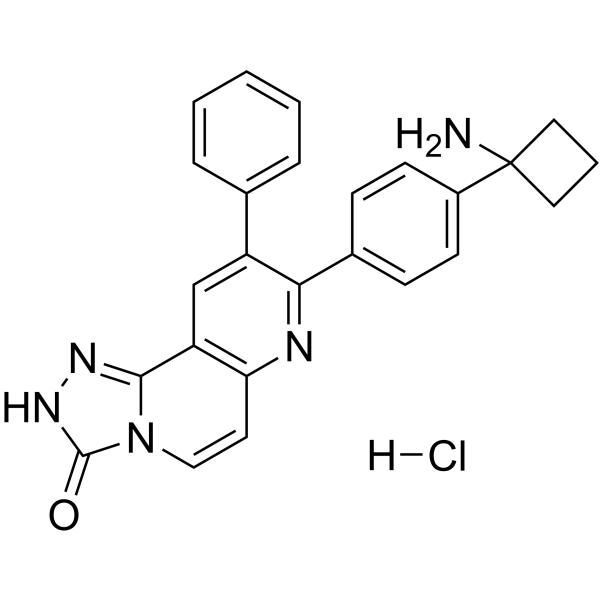
    MK-2206
    460+ Cited Publications

    Bcl-2 Family Apoptosis mTOR Akt GSK-3 Metabolic Disease Inflammation/Immunology Cancer
    MK-2206 is an orally active pan-AKT inhibitor, with IC50 values of 8 nM, 12 nM and 65 nM against AKT1, AKT2 and AKT3, respectively. MK-2206 inhibits the Akt/mTOR signaling pathway and reduces the levels of downstream GSK3β and Mcl-1 via proteasomal degradation. MK-2206 induces G1-phase cell cycle arrest, apoptosis, epithelial-mesenchymal transition, fibroblast activation and extracellular matrix deposition. MK-2206 causes transient hyperglycemia and hyperinsulinemia in animals. MK-2206 can be used in research related to solid tumors, renal fibrosis and hypercholesterolemia .
    MK-2206
  • HY-100001
    SKF-96365 (hydrochloride)
    25+ Cited Publications

    TRP Channel CRAC Channel Autophagy CaMK Akt Apoptosis Na+/Ca2+ Exchanger Calcium Channel Neurological Disease Inflammation/Immunology Cancer
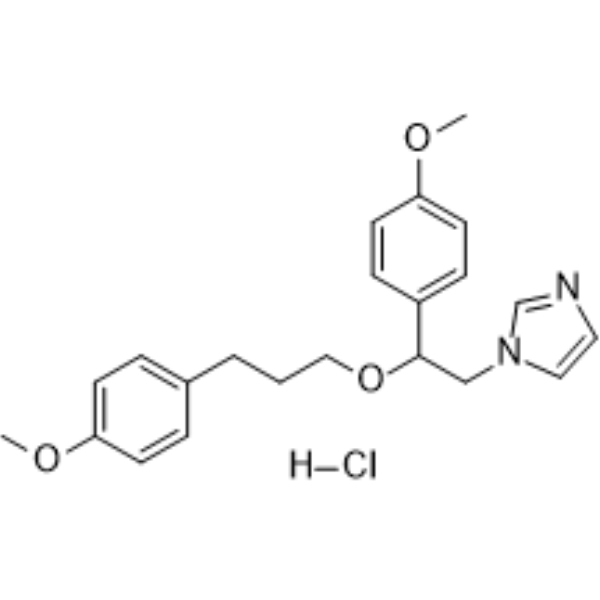
    SKF-96365 hydrochloride is a TRPC channel antagonist and store-operated calcium entry (SOCE) inhibitor. SKF-96365 hydrochloride reduces calcium ion influx by inhibiting the activity and expression of TRPC6, STIM1 and Orai1. SKF-96365 hydrochloride inhibits voltage-gated sodium current (cardiac INa/NaV1.5) and slows myocardial conduction. SKF-96365 hydrochloride inhibits phosphorylation/activation of CaMKIIγ and suppresses the downstream AKT signaling pathway. SKF-96365 hydrochloride induces G2/M phase cell cycle arrest, apoptosis and cytoprotective autophagy in colorectal cancer cells. SKF-96365 hydrochloride alleviates allergic rhinitis symptoms by reducing inflammatory cytokine levels. SKF-96365 hydrochloride reduces intracellular calcium overload, inhibits Homer1 expression, prevents nuclear damage and suppresses apoptosis. SKF-96365 hydrochloride inhibits the growth of colorectal cancer xenografts in nude mice . SKF-96365 hydrochloride is applicable to research related to allergic rhinitis, colorectal cancer, Parkinson's disease, persistent spontaneous nociception and hyperalgesia .
    SKF-96365 (hydrochloride)
  • HY-N0047
    Polyphyllin I
    5 Publications Verification

    JNK mTOR Akt PDK-1 Autophagy Apoptosis Cancer
    Polyphyllin I is a bioactive constituent extracted from Paris polyphylla, has strong anti-tumor activity. Polyphyllin I is an activator of the JNK signaling pathway and is an inhibitor of PDK1/Akt/mTOR signaling. Polyphyllin I induces autophagy, G2/M phase arrest and apoptosis .
    Polyphyllin I
  • HY-11005
    BX-912
    5+ Cited Publications

    PDK-1 Apoptosis Cancer
    BX-912 is a direct, selective, and ATP-competitive PDK1 inhibitor (IC50=26 nM). BX-912 blocks PDK1/Akt signaling in tumor cells and inhibits the anchorage-dependent growth of a variety of tumor cell lines in culture or induces apoptosis .
    BX-912
  • HY-110066
    (Z)-Guggulsterone
    5+ Cited Publications

    Apoptosis VEGFR Akt Angiotensin-converting Enzyme (ACE) SARS-CoV FXR Cardiovascular Disease Cancer
    (Z)-Guggulsterone, a constituent of Indian Ayurvedic medicinal plant Commiphora mukul, inhibits the growth of human prostate cancer cells by causing apoptosis. (Z)-Guggulsterone inhibits angiogenesis by suppressing the VEGF–VEGF-R2–Akt signaling axis . (Z)-Guggulsterone is also a potent FXR antagonist. (Z)-Guggulsterone reduces ACE2 expression and SARS-CoV-2 infection .
    (Z)-Guggulsterone
  • HY-N0371
    Pachymic acid
    5 Publications Verification

    3-O-Acetyltumulosic acid

    Akt ERK Cancer
    Pachymic acid is a lanostrane-type triterpenoid from P. cocos. Pachymic acid inhibits Akt and ERK signaling pathways.
    Pachymic acid
  • HY-113289
    Brassicasterol
    1 Publications Verification

    Akt Androgen Receptor Bacterial Drug Metabolite HSV Infection Cardiovascular Disease Neurological Disease Cancer
    Brassicasterol is a metabolite of Ergosterol and has cardiovascular protective effects. Brassicasterol exerts anticancer effects in prostate cancer through dual targeting of AKT and androgen receptor signaling pathways. Brassicasterol inhibits HSV-1 (IC50=1.2 μM) and Mycobacterium tuberculosis. Brassicasterol also inhibits sterol δ 24-reductase, slowing the progression of atherosclerosis. Brassicasterol is also a cerebrospinal fluid biomarker for Alzheimer's disease .
    Brassicasterol
  • HY-19542
    C6 Ceramide
    3 Publications Verification

    C6-Cer; N-Hexanoylsphingosine

    Apoptosis Cancer
    C6 Ceramide (C6-Cer) is a short-chain, cell-permeable ceramide pathway activator with anticancer activity. C6 Ceramide-mediated miR-29b expression participates in the progression of multiple myeloma through suppressing the proliferation, migration and angiogenesis of endothelial cells by targeting Akt signal pathway. C6 Ceramide exhibits multiple anti-cancer properties including cell cycle arrest, Apoptosis, inhibition of tumor growth and enhances the effects of chemotherapy in drug-resistant cancer cells. C6-ceramide can be used as an adjuvant for chemotherapeutic agents, to enhance anti-tumor effects .
    C6 Ceramide
  • HY-115385
    Lumichrome
    2 Publications Verification

    Apoptosis MDM-2/p53 Akt β-catenin Nuclear Factor of activated T Cells (NFAT) NF-κB ERK p38 MAPK Metabolic Disease Cancer
    Lumichrome, a photodegradation product of Riboflavin, is an endogenous compound in humans. Lumichrome inhibits human lung cancer cell growth and induces apoptosis via a p53-dependent mechanism. Lumichrom is the inhibitor for AKT/β-catenin signaling pathway .
    Lumichrome
  • HY-N0012
    Glycitin
    5+ Cited Publications

    Glycitein 7-O-β-glucoside

    Bacterial Infection Cancer
    Glycitin (Glycitein 7-O-β-glucoside) is a natural isoflavone with antibacterial, antiviral, anticancer, anti-inflammation, anti-aging and estrogenic effects. Glycitin may regulate osteoblasts through TGF-β or AKT signaling pathways in bone marrow stem cells (BMSCs) .
    Glycitin
  • HY-18676
    OSU-T315
    10+ Cited Publications

    Integrin Autophagy Apoptosis Cancer
    OSU-T315 (ILK-IN-1) is a small Integrin-linked kinase (ILK) inhibitor with an IC50 of 0.6 μM, inhibiting PI3K/AKT signaling by dephosphorylation of AKT-Ser473 and other ILK targets (GSK-3β and myosin light chain) . OSU-T315 abrogates AKT activation by impeding AKT localization in lipid rafts and triggers caspase-dependent apoptosis in an ILK-independent manner . OSU-T315 causes cell death through apoptosis and autophagy .
    OSU-T315
  • HY-109556

    Akt ERK Metabolic Disease
    Insulin Detemir is an artificial insulin, shows effect on controlling blood sugar levels. Insulin Detemir stimulates GLP-1 secretion as a consequence of enhanced Gcg expression by a mechanism involving activation of Akt- and/or extracellular signal-regulated kinase (ERK)-dependent-cat and CREB signaling pathways. Insulin Detemir can be used for type 2 diabetes research .
    Insulin Detemir
  • HY-N1419
    Vaccarin
    1 Publications Verification

    AMPK Akt ERK p38 MAPK NF-κB Nuclear Factor of activated T Cells (NFAT) JNK Cardiovascular Disease Metabolic Disease
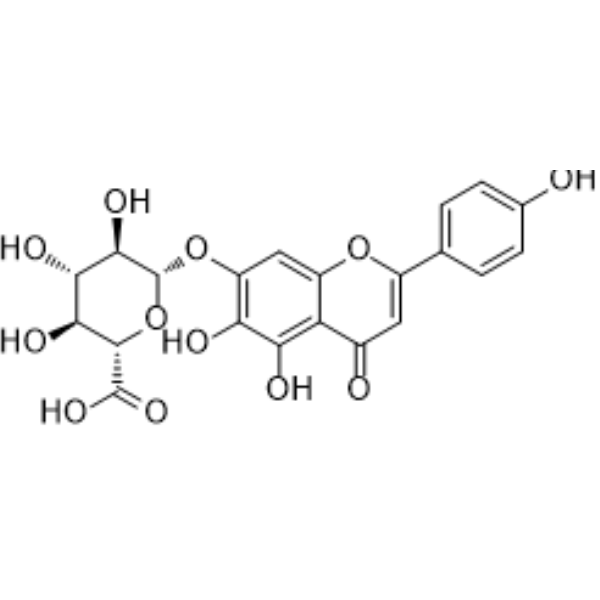
    Vaccarin is an orally active flavonoid glycoside with multiple biological functions. Vaccarin promotes neovascularization by activating AKT and ERK. Vaccarin activates the AMPK signaling pathway to improve insulin resistance and steatosis. Vaccarin is a MAPK, NF-κB, and NFAT inhibitor, effectively blocking RANKL-induced osteoclastogenesis .
    Vaccarin
  • HY-N0819
    Raddeanin A
    1 Publications Verification

    Apoptosis PI3K Akt ERK mTOR Wnt β-catenin Wee1 JNK VEGFR CDK Neurological Disease Inflammation/Immunology Cancer
    Raddeanin A is an oleanane-type triterpenoid saponin with oral activity. Raddeanin A inhibits SRC, mTOR, JNK, VEGFR2, NLRP3 inflammasome, Wnt/β-catenin, Wee1, PI3K/AKT signaling pathway, MAPK/ERK signaling pathway, AR-FL, AR-Vs, and downregulates the expression of p-PI3K and p-AKT. Raddeanin A inhibits osteoclast formation, bone resorption, osteolysis, cancer cell invasion, migration, proliferation, angiogenesis and epithelial-mesenchymal transition, while induces apoptosis, cell cycle arrest, ROS production, immunogenic cell death and dendritic cell maturation. Raddeanin A improves blood-retinal barrier function, alleviates inflammation, regulates the tumor microenvironment, and enhances the activity of anti-PD-1 antibody. Raddeanin A is applicable to the research of breast cancer-associated osteolysis, human osteosarcoma, colorectal cancer, glioblastoma, Alzheimer's disease, cholangiocarcinoma, melanoma, non-small cell lung cancer, castration-resistant prostate cancer and multiple myeloma .
    Raddeanin A
  • HY-151504
    Engasertib
    2 Publications Verification

    ALM301

    Akt Cancer
    Engasertib is an orally active highly specific AKT inhibitor with IC50 values of 0.13 µM, 0.09 µM and 2.75 µM for AKT1, AKT2 and AKT3, respectively. Engasertib inhibits AKT phosphorylation and modulates downstream signalling in vitro. Engasertib can inhibit cancer cell proliferation and tumor growth .
    Engasertib
  • HY-B1104

    (±)-Indoprofe

    Akt AMPK NF-κB p38 MAPK Inflammation/Immunology
    Indoprofen ((±)-Indoprofe) activates AKT-AMPK signaling pathway, inhibits NF-κB/MAPK signaling pathway. Indoprofen exhibits anti-inflammatory and immunomodulatory activities. Indoprofen is orally active .
    Indoprofen
  • HY-N1103
    Vasicine
    2 Publications Verification

    Peganine

    Bacterial PI3K Akt Infection Inflammation/Immunology
    Vasicine (peganine) is a quinazoline alkaloid isolated from Justicia adhatoda. Vasicine activates PI3K/Akt signaling pathway, exhibits antioxidant, anti-inflammatory and antibacterial activities .
    Vasicine
  • HY-109198

    ME-401; PWT-143

    PI3K Akt Cancer
    Zandelisib (ME-401) is a selective, orally active, non-covalent inhibitor of PI3Kδ. Zandelisib can sustainably inhibit AKT phosphorylation and downstream signaling pathways. Zandelisib can be used in the study of malignancies such as relapsed/refractory B-cell lymphoma .
    Zandelisib
  • HY-P99274
    Xentuzumab
    1 Publications Verification

    BI 836845; Anti-Human IGF1 and IGF2 Recombinant Antibody

    IGF-1R Cancer
    Xentuzumab (Anti-Human IGF1 and IGF2 Recombinant Antibody; BI836845) is a recombinant a human monoclonal antibody that targets IGF ligands IGF1 and IGF2. Xentuzumab inhibits both of IGF1 and IGF2 growth-promoting signalling and suppresses AKT activation .
    Xentuzumab
  • HY-N0757
    8-​O-​Acetylharpagide
    1 Publications Verification

    Akt Bcl-2 Family Apoptosis Adrenergic Receptor Cardiovascular Disease Inflammation/Immunology Cancer
    8-O-Acetylharpagide is an orally active iridoid glycoside compound. 8-O-Acetylharpagide exhibits anti-aging activity at low doses and anticancer activity at high doses. 8-O-Acetylharpagide induces late-stage apoptosis and necrosis-like death in cancer cells, and downregulates anti-apoptotic proteins such as Akt, p-Akt and Bcl-2. 8-O-Acetylharpagide is mainly metabolized in rats via demethylation, hydrolysis and glucuronidation, and its active metabolites downregulate the AKT/NF-κB/MMP9 signaling axis. 8-O-Acetylharpagide exerts vasoconstrictive effects by activating vascular α-adrenoceptor .
    8-​O-​Acetylharpagide
  • HY-107586

    DAQ B1; L-783281; Dimethylasterriquinone

    Insulin Receptor Akt NO Synthase NADPH Oxidase JAK STAT FOXO DNA/RNA Synthesis ERK Flavivirus Cardiovascular Disease Infection Metabolic Disease Inflammation/Immunology
    Demethylasterriquinone B1 (DAQ B1; L-783281) is an orally active insulin receptor (insulin receptor) agonist and AKT activator. By activating AKT, Demethylasterriquinone B1 upregulates the expression and activity of eNOS to increase NO production, while downregulating the expression of the NADPH oxidase subunit p22phox to reduce oxidative stress and improve vascular endothelial dysfunction in hypertensive rats. Demethylasterriquinone B1 combind with an AKT inhibitor targets the insulin signaling pathway to activate two antiviral pathways, RNA interference and JAK/STAT, in mosquitoes, thereby reducing Zika virus infection .
    Demethylasterriquinone B1
  • HY-W015300

    Octanedioic acid

    Endogenous Metabolite Akt TGF-β Receptor p38 MAPK Metabolic Disease
    Suberic acid (Octanedioic acid) is an orally active crystalline dibasic acid. Suberic acid activates the Akt signaling pathway and regulates the expression of molecules related to the TGF-β and MAPK signaling pathways. Suberic acid inhibits skin dryness .
    Suberic acid
  • HY-113204
    N-Oleoyl glycine
    2 Publications Verification

    Endogenous Metabolite Cannabinoid Receptor Akt Metabolic Disease
    N-Oleoyl glycine is a lipoamino acid, which stimulates adipogenesis associated with activation of CB1 receptor and Akt signaling pathway in 3T3-L1 adipocyte.
    N-Oleoyl glycine
  • HY-W073128

    PFTeDA

    PPAR Apoptosis PGC-1α AMPK Akt mTOR Reactive Oxygen Species (ROS) Endocrinology
    Perfluorotetradecanoic acid (PFTeDA) is an orally active perfluoroalkyl substance. Perfluorotetradecanoic acid directly binds to the ligand-binding domain of purified hPPARγ, with a Kd value of 157.8 μM. Perfluorotetradecanoic acid significantly reduces the activity of the SIRT1/PGC1α and AMPK signaling pathways while stimulating the activity of the AKT1/mTOR signaling pathway. Perfluorotetradecanoic acid significantly upregulates the expression of corticosterone biosynthesis genes. Perfluorotetradecanoic acid increases ROS levels and promotes Apoptosis. Perfluorotetradecanoic acid impairs Leydig cell function and male reproductive endocrine function in adult male rats .
    Perfluorotetradecanoic acid
  • HY-B1014

    VD/VDR p38 MAPK JNK ERK NF-κB Akt GSK-3 PKA Apoptosis Cardiovascular Disease Inflammation/Immunology Cancer
    Acenocoumarol is an anticoagulant that functions as a Vitamin K antagonist. Acenocoumarol inhibits MAPK/ERK/JNK signaling pathway, reduces the nuclear translocation of NF-κB p65, activates Akt/GSK3β signaling pathway. Acenocoumarol induces apoptosis in cell A549, arrests cell cycle at S phase .
    Acenocoumarol
  • HY-N2491
    Deoxyelephantopin
    1 Publications Verification

    NF-κB Cancer
    Deoxyelephantopin, a natural bioactive sesquiterpene lactone from Elephantopus scaber, has shown promising anticancer effects against a broad spectrum of cancers. Deoxyelephantopin inhibits NF-κB, MAPK, PI3K/Akt, and β-catenin signaling .
    Deoxyelephantopin
  • HY-N0084
    Betulinaldehyde
    5 Publications Verification

    Betulinic aldehyde; Betunal

    Bacterial Infection Cardiovascular Disease Cancer
    Betulinaldehyde (Betunal) Has anti-cancer and anti-staphylococcus aureus activity. Betulinaldehyde Suppressible Akt, MAPK sum STAT3 Signal path, increase self-transfer, Suppression A549 Cellular vitality, increase and transfer. Betulinaldehyde suppresses PLCγ1/Ca 2+/MMP9 signal pathway, has a key effect on vascular plasticity, and is available for cardiovascular disease (CVD) research.
    Betulinaldehyde
  • HY-16441

    S-1; TS-1

    PI3K Akt mTOR Apoptosis Bcl-2 Family Cancer
    Tegafur-gimeracil-oteracil potassium (S-1; TS-1) is an orally active anticancer agent composed of Tegafur (HY-17400), Gimeracil (HY-17469), and Oteracil potassium (HY-17511). Tegafur-gimeracil-oteracil potassium inhibits the proliferation, migration and invasion of endometrial cancer cells and induces apoptosis by blocking the PI3K/AKT/mTOR signaling pathway. Tegafur-gimeracil-oteracil potassium can be used in research related to endometrial cancer and gastric cancer with peritoneal metastasis .
    Tegafur-gimeracil-oteracil potassium
  • HY-177760

    Carboxypeptidase Apoptosis Akt Cancer
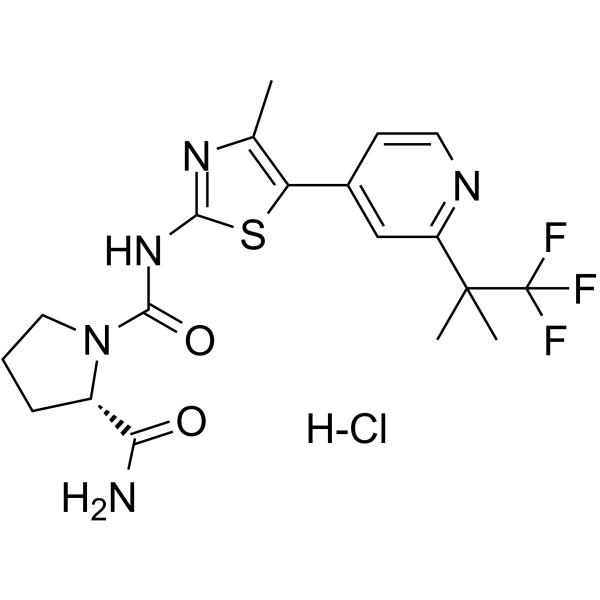
    PrCP-7414 is a prolyl carboxypeptidase (PRCP) inhibitor. PrCP-7414 blocks PRCP-mediated activation of the IGF1R/HER3 signaling pathway and subsequent AKT activation. PrCP-7414 exhibits pro-apoptotic, anti-tumor and synergistic cytotoxic activities, and inhibits the proliferation and survival of triple-negative breast cancer cells. PrCP-7414 can be used for the research of breast cancer .
    PrCP-7414
  • HY-122965

    FAK Akt Cancer
    Batatasin III, a stilbenoid, inhibits cancer migration and invasion by suppressing epithelial to mesenchymal transition (EMT) and FAK-AKT signals. Batatasin III has anti-cancer activities .
    Batatasin III
  • HY-160469

    Akt PROTACs Cancer
    INY-05-040 is an AKT degrader that can selectively and quickly degrade all three AKT isoforms. INY-05-040 exhibits anti-cancer activity. INY-05-040 can inhibit downstream signaling and cell proliferation in 288 cancer cell lines. INY-05-040 can suppress AKT signaling and induces the stress mitogen-activated protein kinase (MAPK) c-Jun N-terminal kinase (JNK). INY-05-040 is effective for breast cancer lines with a low-baseline activation of stress MAPK pathway. INY-05-040 can be studied for anti-cancer research .
    INY-05-040
  • HY-115449
    Chromeceptin
    2 Publications Verification

    94G6

    IGF-1R Akt mTOR Cancer
    Chromeceptin (94G6) is an IGF signaling pathway inhibitor. Chromeceptin suppresses IGF2 expression at mRNA and protein levels in hepatocyte and HCC cells. Chromeceptin inhibits the phosphorylation levels of AKT and mTOR .
    Chromeceptin
  • HY-N2902

    Reactive Oxygen Species (ROS) Cancer
    Artocarpin is an orally active apoptosis inducer. Artocarpin targets NF-κB, Erk1/2, p38 MAPK, AktS473, p53, Akt 1 kinase and Akt 2 kinase. Artocarpin induces reactive oxygen species (ROS) production, mediates p53-dependent and p53-independent apoptotic signaling pathways, induces G1-phase cell cycle arrest, and triggers autophagic cell death. Artocarpin exerts cytotoxic and bactericidal effects on cancer cells, reduces bacterial load, and exhibits anti-inflammatory, analgesic and anti-angiogenic activities .
    Artocarpin
  • HY-N1904

    8-Methoxyapigenin

    IKK NF-κB p38 MAPK PI3K Akt Reactive Oxygen Species (ROS) Interleukin Related TNF Receptor Apoptosis Caspase Bcl-2 Family Cardiovascular Disease Inflammation/Immunology Cancer
    4′-Hydroxywogonin (8-Methoxyapigenin), a flavonoid, could be isolated from a variety of plants including Scutellaria barbata and Verbena littoralis. 4′-Hydroxywogonin has anti-inflammatory activity via TAK1/IKK/NF-κB, MAPKs and PI3/AKT signaling pathways. 4′-Hydroxywogonin inhibits angiogenesis by disrupting PI3K/AKT signaling. 4′-Hydroxywogonin inhibits cell proliferation and induces apoptosis .
    4′-Hydroxywogonin
  • HY-137996

    Akt mTOR Metabolic Disease
    Dehydrovomifoliol is a AKT/mTOR dual inhibitor. Dehydrovomifoliol reduces lipid accumulation and lipogenesis by inhibiting the AKT/mTOR signaling pathway. Dehydrovomifoliol is used in nonalcoholic fatty liver disease research (NAFLD) .
    Dehydrovomifoliol
  • HY-125942
    SKF-96365
    25+ Cited Publications

    CRAC Channel TRP Channel CaMK Akt Apoptosis Autophagy Na+/Ca2+ Exchanger Calcium Channel Neurological Disease Inflammation/Immunology Cancer
    SKF-96365 is a TRPC channel antagonist and store-operated calcium entry (SOCE) inhibitor. SKF-96365 reduces calcium ion influx by inhibiting the activity and expression of TRPC6, STIM1 and Orai1. SKF-96365 inhibits voltage-gated sodium current (cardiac INa/NaV1.5) and slows myocardial conduction. SKF-96365 inhibits phosphorylation/activation of CaMKIIγ and suppresses the downstream AKT signaling pathway. SKF-96365 induces G2/M phase cell cycle arrest, apoptosis and cytoprotective autophagy in colorectal cancer cells. SKF-96365 alleviates allergic rhinitis symptoms by reducing inflammatory cytokine levels. SKF-96365 reduces intracellular calcium overload, inhibits Homer1 expression, prevents nuclear damage and suppresses apoptosis. SKF-96365 inhibits the growth of colorectal cancer xenografts in nude mice . SKF-96365 is applicable to research related to allergic rhinitis, colorectal cancer, Parkinson's disease, persistent spontaneous nociception and hyperalgesia .
    SKF-96365
  • HY-113599

    EGFR ERK Akt Others
    Isoprocurcumenol is a guaiane type sesquiterpene, that can be isolated from Curcuma comosa. Isoprocurcumenol can activate EGFR signaling. Isoprocurcumenol increases the phosphorylation of ERK and AKT. Isoprocurcumenol promotes the proliferation of keratinocytes .
    Isoprocurcumenol
  • HY-N3188

    Akt NF-κB Infection
    Niloticin, tetracyclic triterpenoid compound, is a osteoclastogenesis inhibitor. Niloticin shows anti-viral, antioxidative, and mosquitocidal activities. Niloticin inhibits osteoclastogenesis by blocking RANKL-RANK interaction and suppressing the AKT, MAPK, and NF-κB signaling pathways .
    Niloticin
  • HY-N1103A
    Vasicine hydrochloride
    2 Publications Verification

    Peganine hydrochloride

    Bacterial PI3K Akt Infection Inflammation/Immunology
    Vasicine hydrochloride (peganine hydrochloride) is a quinazoline alkaloid isolated from Justicia adhatoda. Vasicine hydrochloride activates PI3K/Akt signaling pathway, exhibits antioxidant, anti-inflammatory and antibacterial activities .
    Vasicine hydrochloride
  • HY-W998345

    PROTACs PDK-1 Akt Cancer
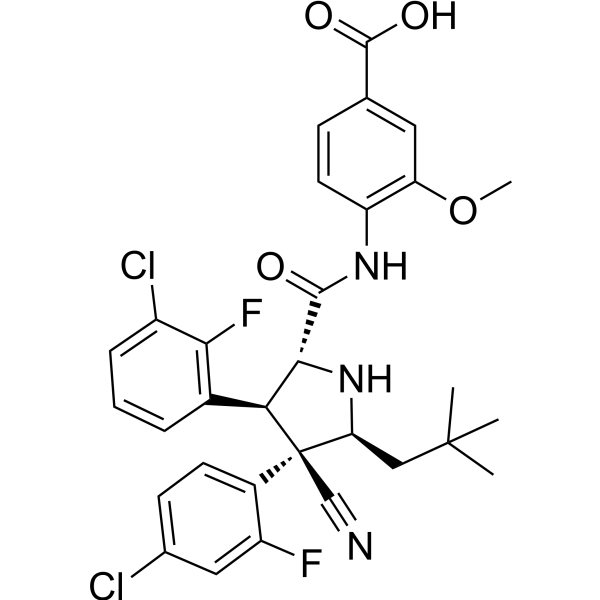
    SMART1 is a highly specific and CRBN-dependent PROTAC that can effectively degrade Smurf1. SMART1 can block the PDK1-Akt signaling pathway in KRAS mutant colorectal cancer. SMART1 can inhibit tumor growth in KRAS mutant colorectal cancer (CRC) xenograft models.(Blue: CRBN ligand; Black: linker; Pink: Smurf1 ligand (Smurf1-L)) .
    SMART1
  • HY-N4309

    Amylases Glycosidase Neurological Disease Metabolic Disease Cancer
    Lotusine is an orally active signaling pathway modulator and enzyme inhibitor, with an IC50 of 30.60 μg/mL against α-amylase and an IC50 of 36.15 μg/mL against α-glucosidase. Lotusine inhibits the EGFR-Akt-ERK signaling pathway by reducing the levels of phosphorylated EGFR, Akt and ERK. Lotusine induces apoptosis, triggers G0/G1 cell cycle arrest and inhibits cancer cell proliferation. Lotusine reduces lipid peroxidation and increases the activities of SOD, CAT and GPx. Lotusine is applicable to researches related to non-small cell lung cancer, type 2 diabetes and autism spectrum disorder .
    Lotusine
  • HY-125953

    Ceramide (Egg, Chicken)

    JNK p38 MAPK Phosphatase Akt Survivin CDK mTOR Apoptosis Autophagy Reactive Oxygen Species (ROS) Neurological Disease Cancer
    Ceramide (Egg) (Ceramide (Egg, Chicken)) is a ceramide from chicken. Ceramide (Egg) is a sphingomyelin signaling pathway second messenger. Ceramide (Egg) activates PP2A, JNK, p38 MAPK, CAPK, ceramide-activated protein phosphatase, Vav, PKCζ, and SAPK/JNK cascade. Ceramide (Egg) downregulates or inhibits AKT, survivin, CDK2, mTOR, and FLIP. Ceramide (Egg) mediates apoptosis, autophagy, cell cycle arrest, mitochondrial dysfunction, redox state shifts, and ROS generation. Ceramide (Egg) can be used for the research of cancer and neurological disease .
    Ceramide (Egg)
  • HY-142019

    Akt AMPK Cardiovascular Disease
    Tanshinol borneol ester, an angiogenesis stimulator, promoted multiple key steps of angiogenesis through Akt and MAPK signalling pathways. Tanshinol borneol ester has anti-ischemic and anti-atherosclerosis activities .
    Tanshinol borneol ester
  • HY-176902

    ROCK Akt FOXO Apoptosis Cancer
    NSC126188 is a RhoB inducer. NSC126188 can induce apoptosis by inhibiting Akt/FoxO3 signaling. NSC126188 can be used for the research of cancer, such as prostate cancer .
    NSC126188
  • HY-123298
    Chrysotoxine
    1 Publications Verification

    Src Akt Apoptosis Cancer
    Chrysotoxine is a dual inhibitor of Src/Akt. Chrysotoxine suppresses cancer stem cells (CSCs) phenotypes by down-regulating Src/Akt signaling. Chrysotoxine reduces cell viability and increases apoptosis level in H460 and H23 cells instead of non-tumor cell lines. Chrysotoxine shows rapid excretion and low bioavailability in rats. Chrysotoxine is used in cancer research .
    Chrysotoxine
  • HY-145526

    PI3K Akt Inflammation/Immunology
    Hydroxy celecoxib is a Celecoxib (HY-14398) derivative and a PI3K/Akt signalling activator which promotes epithelium repair. Hydroxy celecoxib can be utilized in asthma research .
    Hydroxy celecoxib
  • HY-162141

    Glutaminase Apoptosis Cancer
    MD102 is a potent TG2 inhibitor with an IC50 value of 0.35 μM. MD102 stabilizes p53 by inhibiting TG2, inducing a decrease in p-AKT and p-mTOR downstream signaling, leading to tumor cell apoptosis .
    MD102
  • HY-126771

    Chr-A

    Antibiotic Bacterial Akt GSK-3 β-catenin c-Myc Infection Cancer
    Chrysomycin A (Chr-A), an antibiotic, can be obtained from Streptomyces. Chrysomycin A exhibits antitumor and anti-tuberculous and MRSA activities. As for glioblastoma, Chrysomycin A inhibits the proliferation, migration, and invasion of cancer cells through the Akt/GSK-3β/β-catenin signaling pathway .
    Chrysomycin A

Inquiry Online

Your information is safe with us. * Required Fields.

Salutation


Country or Region *

Applicant Name *


Organization Name *

Department *


Email Address *


Product Name *

Cat. No.


Requested quantity *

Phone Number *


Remarks

Inquiry Online

Inquiry Information

Product Name:
Cat. No.:
Quantity:
MCE Japan Authorized Agent:

