494 Results for "

Acetylcholinesterase

" in MedChemExpress (MCE) Product Catalog:
Products (494)

494 Results for "Acetylcholinesterase" in MCE Product Catalog:

Cat. No.: HY-P2860B
Research Areas:  

Others

Acetylcholinesterase (EC 3.1.1.7) acts on a variety of acetic esters; also catalyses transacetylations.
loading...
    loading...
161
161 Publications Verification
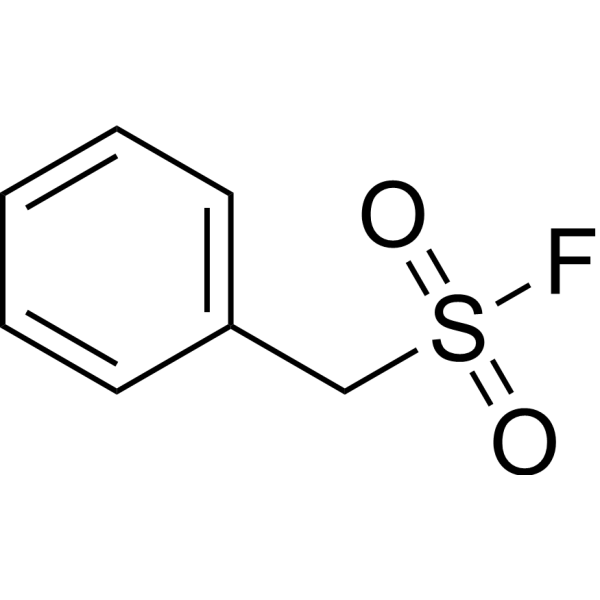
Cat. No.: HY-B0496
CAS No.: 329-98-6
Synonyms: Phenylmethylsulfonyl fluoride; Benzylsulfonyl fluoride
Research Areas:  

Neurological Disease

PMSF (Phenylmethylsulfonyl fluoride) is a nonspecific and irreversible serine proteases inhibitor. PMSF inhibits some thiol proteases, non-protease enzymes, and acetylcholinesterase. PMSF can be used to prepare protein extracts from tissue and cell lysates .
loading...
    loading...
21
21 Cited Publications
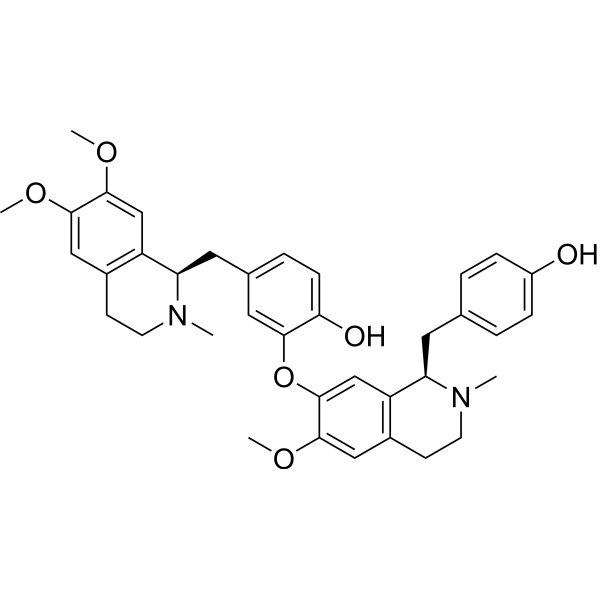
Cat. No.: HY-N0484
CAS No.: 2586-96-1
Liensinine is a bisbenzylisoquinoline alkaloid. By inhibiting the PI3K/AKT and JNK/p38-MAPK signaling pathways, Liensinine suppresses autophagy and apoptosis, clears , and exerts anti-inflammatory, antioxidant and neuroprotective effects. Liensinine activates AMPK and inhibits the expression of HIF-1α and VEGF, thereby suppressing angiogenesis. Liensinine exerts anti-tumor effects through ROS-mediated inhibition of the JAK2/STAT3 signaling pathway. Liensinine can be used for the research of diseases such as Alzheimer's disease, hepatocellular carcinoma, osteosarcoma, sepsis-induced organ injury and stroke .
loading...
    loading...
21
21 Cited Publications
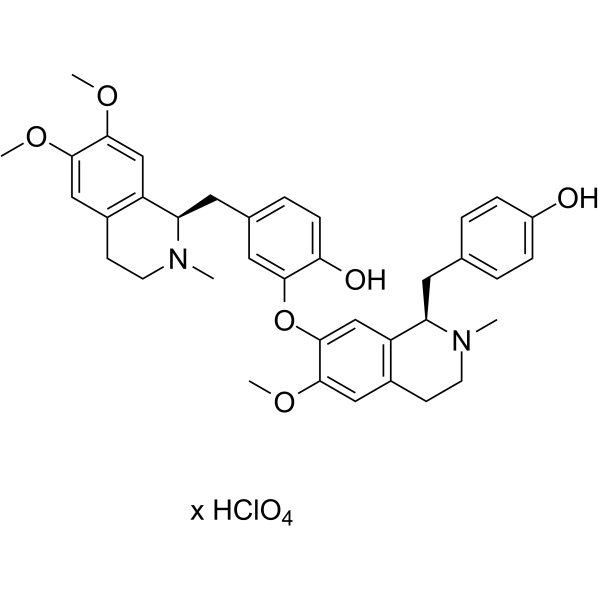
Cat. No.: HY-N5014
CAS No.: 2385-63-9
Liensinine perchlorate is a bisbenzylisoquinoline alkaloid. By inhibiting the PI3K/AKT and JNK/p38-MAPK signaling pathways, Liensinine perchlorate suppresses autophagy and apoptosis, clears , and exerts anti-inflammatory, antioxidant and neuroprotective effects. Liensinine perchlorate activates AMPK and inhibits the expression of HIF-1α and VEGF, thereby suppressing angiogenesis. Liensinine perchlorate exerts anti-tumor effects through ROS-mediated inhibition of the JAK2/STAT3 signaling pathway. Liensinine perchlorate can be used for the research of diseases such as Alzheimer's disease, hepatocellular carcinoma, osteosarcoma, sepsis-induced organ injury and stroke .
loading...
    loading...
15
15 Cited Publications
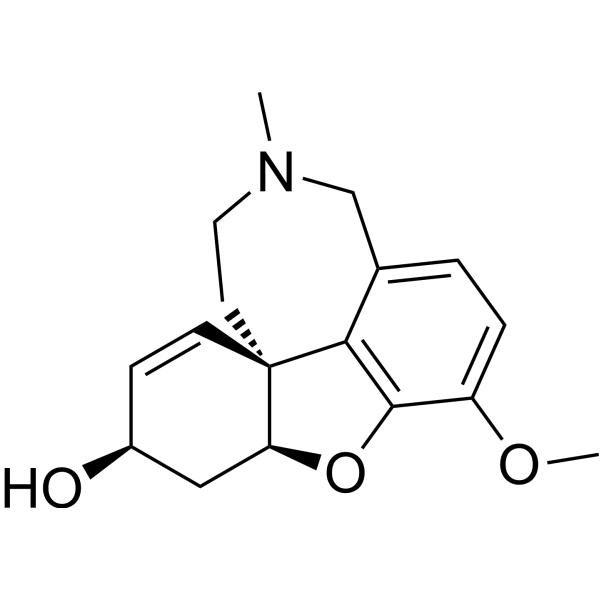
Cat. No.: HY-76299
CAS No.: 357-70-0
Synonyms: Galantamine
Galanthamine is a potent acetylcholinesterase (AChE) inhibitor with an IC50 of 500 nM.
loading...
    loading...
15
15 Cited Publications
Cat. No.: HY-A0009
CAS No.: 1953-04-4
Synonyms: Galantamine hydrobromide
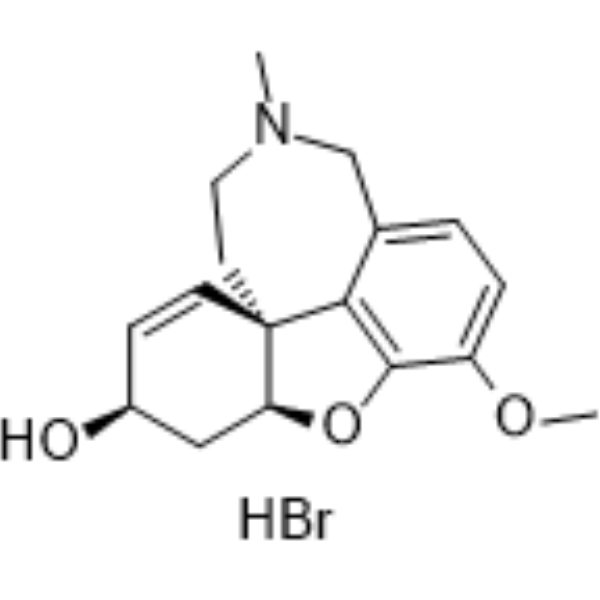
Galanthamine hydrobromide (Galantamine hydrobromide) is a selective, reversible, competitive, alkaloid AChE inhibitor, with an IC50 of 0.35 µM. Galanthamine hydrobromide is a potent allosteric potentiating ligand (APL) of human α3β4, α4β2, α6β4 nicotinic receptors ( nAChRs). Galanthamine hydrobromide is developed for the research of Alzheimer's disease (AD) .
loading...
    loading...
13
13 Cited Publications
Cat. No.: HY-138097
CAS No.: 115066-04-1
Purity:  ≥98.0%
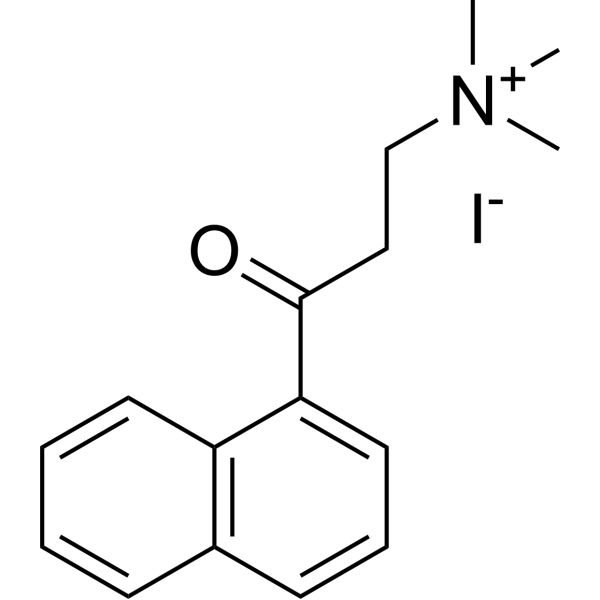
α-NETA is a potent and noncompetitive choline acetyltransferase (ChA) inhibitor with an IC50 of 9 μM. α-NETA is a potent ALDH1A1 (IC50=0.04 µM) and chemokine-like receptor-1 (CMKLR1) antagonist. α-NETA weakly inhibits cholinesterase (ChE; IC50=84 µM) and acetylcholinesterase (AChE; IC50=300 µM). α-NETA has anti-cancer activity .
loading...
    loading...
10
10 Cited Publications
Cat. No.: HY-W112938
CAS No.: 92739-63-4
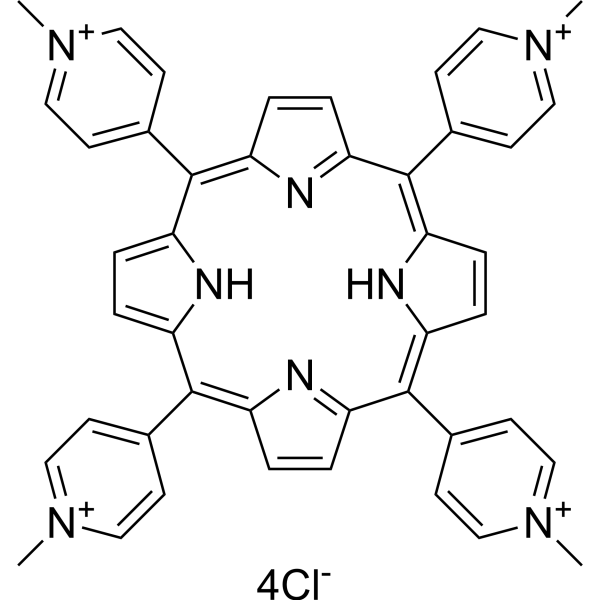
TMPyP tetrachloride is a quadruplex-specific ligand. TMPyP tetrachloride inhibits the interaction between G-quadruplexes and IGF-1. TMPyP tetrachloride is a telomerase inhibitor and inhibits cancer cells proliferation. TMPyP tetrachloride is also a stabilizer of nucleic acid secondary structure and an acetylcholinesterase inhibitor. Besides, TMPyP tetrachloride has antiviral activity against SARS-CoV-2 .
loading...
    loading...
10
10 Cited Publications
Cat. No.: HY-108477
CAS No.: 36951-72-1
Purity:  ≥98.0%
Synonyms: TMP 1363
Research Areas:  

Cancer

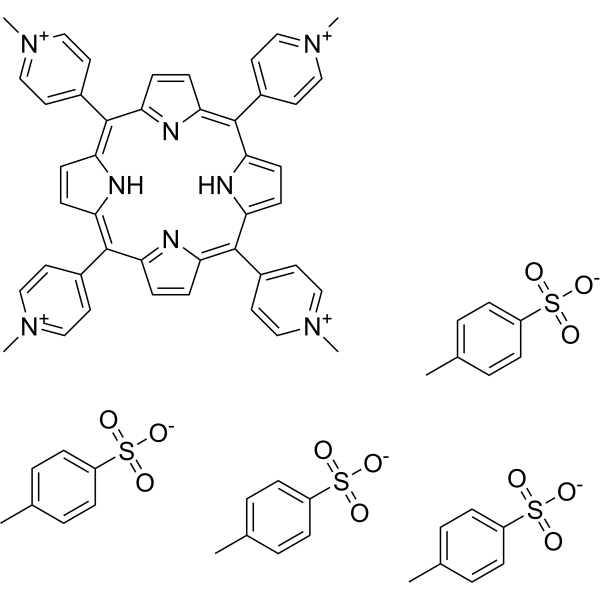
TMPyP4 tosylate (TMP 1363) is a quadruplex-specific ligand. TMPyP4 tosylate inhibits the interaction between G-quadruplexes and IGF-1. TMPyP4 tosylate is a telomerase inhibitor and inhibits cancer cells proliferation. TMPyP4 tosylate is also a stabilizer of nucleic acid secondary structure and an acetylcholinesterase inhibitor. Besides, TMPyP4 tosylate has antiviral activity against SARS-CoV-2 .
loading...
    loading...
6
6 Cited Publications
Cat. No.: HY-N0286
CAS No.: 482-45-1
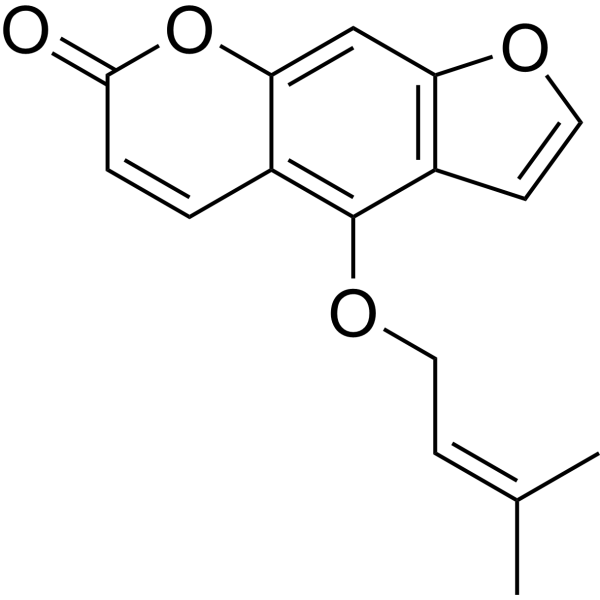
Isoimperatorin is a methanolic extract of the roots of Angelica dahurica shows significant inhibitory effects on acetylcholinesterase (AChE) with the IC50 of 74.6 μM.
loading...
    loading...
6
6 Cited Publications
Cat. No.: HY-B1946
CAS No.: 60-51-5
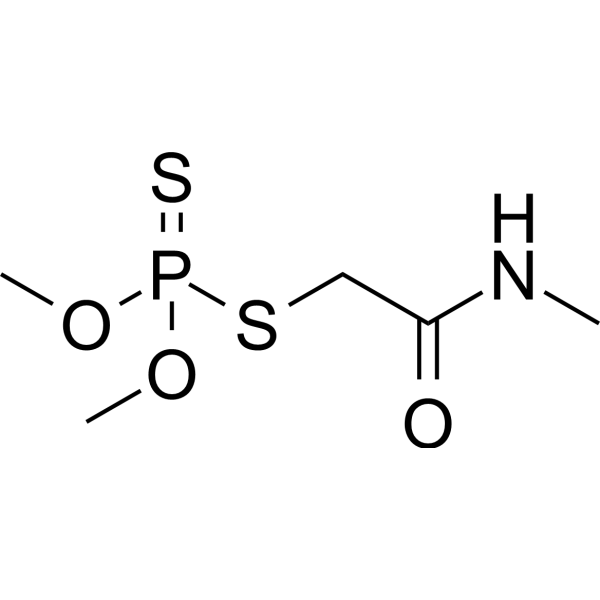
Dimethoate is an organophosphate insecticide and acaricide. Dimethoate is an orally active acetylcholinesterase inhibitor. Dimethoate induces reactive oxygen species (ROS). Dimethoate induces DNA damage and cell apoptosis in vivo. Dimethoate affect immune system in mice .
loading...
    loading...
6
6 Cited Publications
Cat. No.: HY-N0826
CAS No.: 18797-79-0
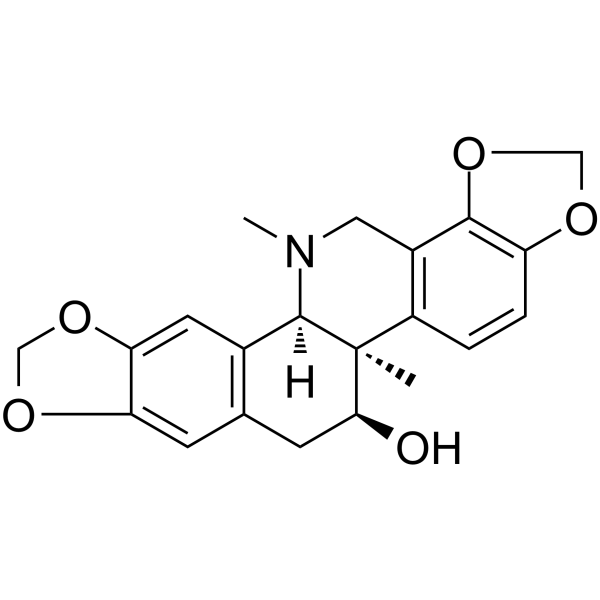
Corynoline is an orally active acetylcholinesterase (AChE) inhibitor with an IC50 of 30.6 μM. Corynoline exhibits multiple activities including anti-inflammatory, antinociceptive, antitumor and analgesic effects. Corynoline can be used in the research of diseases such as tumors and inflammatory pain .
loading...
    loading...
6
6 Cited Publications
Cat. No.: HY-17387
CAS No.: 102518-79-6
Synonyms: Huperzine A
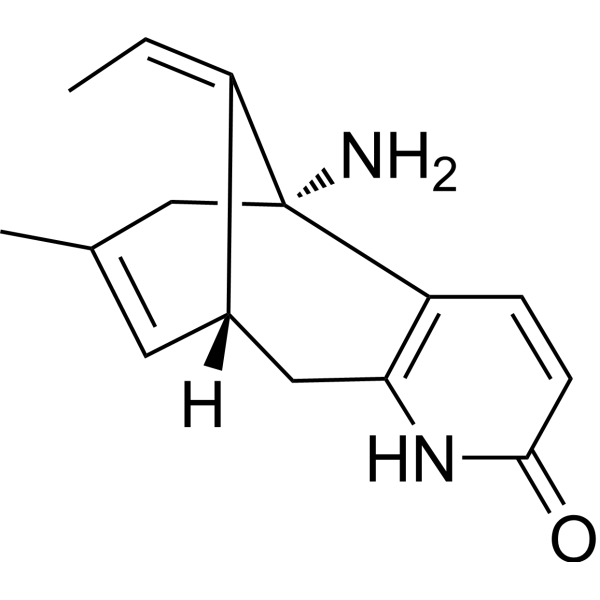
(-)-Huperzine A (Huperzine A) is an alkaloid isolated from Huperzia serrata, with neuroprotective activity. (-)-Huperzine A is a potent, highly specific, reversible and blood-brain barrier penetrant inhibitor of acetylcholinesterase (AChE), with an IC50 of 82 nM. (-)-Huperzine A also is non-competitive antagonist of N-methyl-D-aspartate glutamate (NMDA) receptor. (-)-Huperzine A is developed for the research of neurodegenerative diseases, including Alzheimer’s disease .
loading...
    loading...
4
4 Cited Publications
Cat. No.: HY-N0342
CAS No.: 92-61-5
Synonyms: Gelseminic acid; Chrysatropic acid
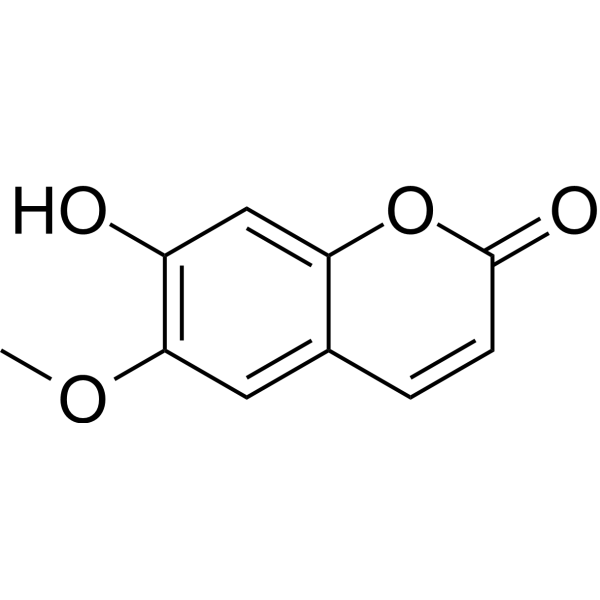
Scopoletin is an inhibitor of acetylcholinesterase (AChE).
loading...
    loading...
4
4 Cited Publications
Cat. No.: HY-P2161B
Target:  

Kisspeptin Receptor

Research Areas:  

Cancer

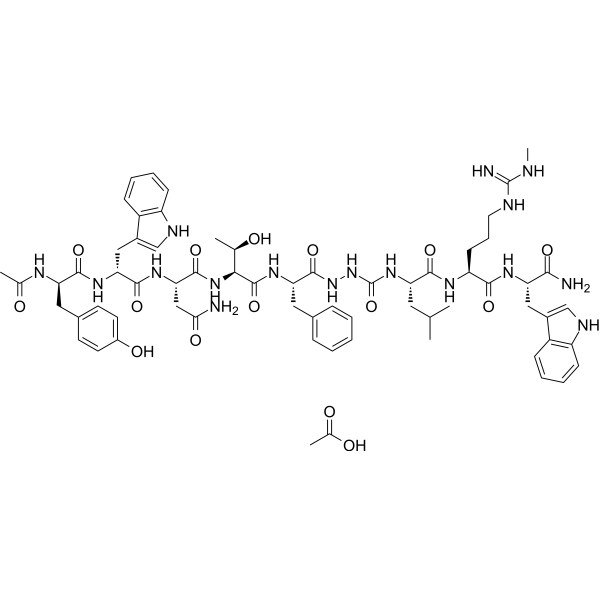
TAK-683 acetate is a potent full KISS1 receptor (KISS1R) agonist (IC50=170 pM) with improved metabolic stability. TAK-683 acetate is a nonapeptide metastin analog, exhibits agonistic activities to KISS1R with EC50 values of 0.96 nM and 1.6 nM for human and rat, respectively . TAK-683 acetate depletes GnRH in the hypothalamus and reduces plasma FSH, LH, and testosterone levels in vivo, it has the potential for the study of hormone-dependent prostate cancer .
loading...
    loading...
4
4 Cited Publications
Cat. No.: HY-N0528
CAS No.: 480-36-4
Synonyms: Buddleoside; Linarine
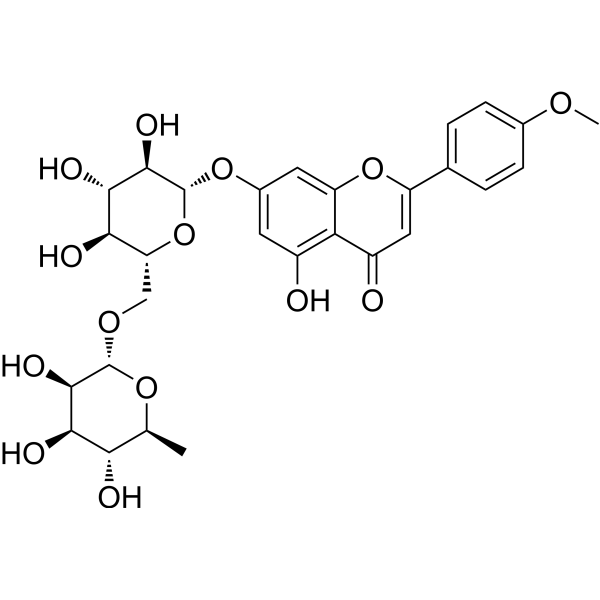
Linarin (Buddleoside) is an orally active and selective inhibitor of acetylcholinesterase (AChE). Linarin has many activities, such as anti-inflammatory, antioxidant, sleep aid and sedation, bone differentiation, anti-tumor, antibacterial and antiviral. Linarin can be used to study diseases such as the nervous system, osteoporosis and cancer .
loading...
    loading...
4
4 Cited Publications
Cat. No.: HY-N2081
CAS No.: 83-95-4
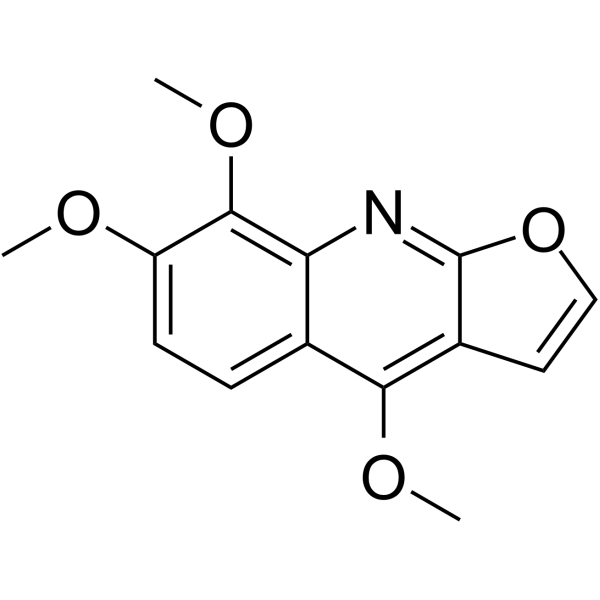
Skimmianine is an orally active furoquiniline alkaloid present mainly in the Rutaceae family. Skimmianine has analgesic, antispastic, sedative, and anti-inflammatory properties. Skimmianine inhibits acetylcholinesterase (AChE) (IC50 = 8.6 μg/mL). Skimmianine exhibits cytotoxicity against a variety of cancer cell lines and genotoxicity. Skimmianine has antioxidant and anti-inflammatory effects on ischemia-reperfusion (IR) injury. Skimmianine exerts anti-inflammatory effects through activation of the phosphatidylinositol-3-kinase (PI3K)-protein kinase B (AKT) pathway. Skimmianine is neuroprotective by targeting the NF-κB activation pathway to prevent neuroinflammation. Skimmianine inhibits the release of histamine, intracellular Ca 2+ signaling and protein kinase C signaling .
loading...
    loading...
4
4 Cited Publications
Cat. No.: HY-N2183
CAS No.: 18609-17-1
Synonyms: Quercetin 3-O-sophoroside
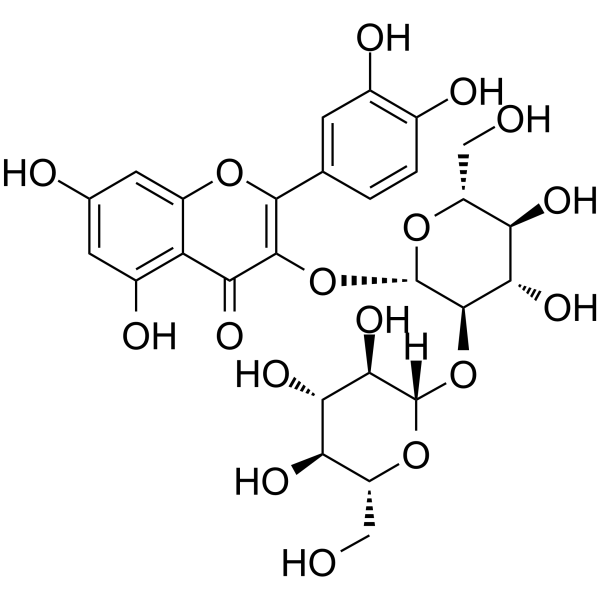
Baimaside (Quercetin 3-O-sophoroside) is a flavonoid cholinergic function modulator that binds to SARS-CoV-2-related targets. Baimaside regulates the expression of cholinergic system-related proteins and acetylcholine levels, improves scopolamine-induced learning and memory impairment, protects hippocampal neurons, inhibits pollen protein fluorescence, and protects pollen DNA. Its biosynthesis is regulated by multiple enzymes. Baimaside is completely absorbed in rats, undergoes phase Ⅱ metabolism and gut microbiota decomposition, and inhibits the invasion and proliferation of SARS-CoV-2 and its variants, making it suitable for research related to Alzheimer's disease and COVID-19 .
loading...
    loading...
3
3 Cited Publications
Cat. No.: HY-17541A
CAS No.: 2197053-49-7
Research Areas:  

Neurological Disease

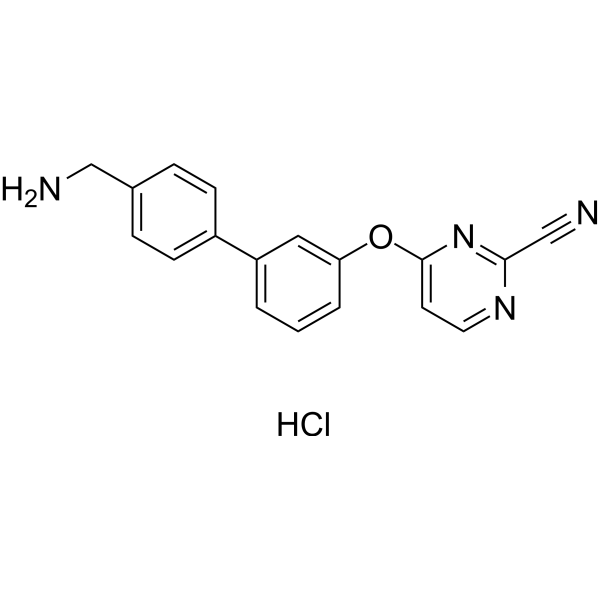
Cysteine Protease inhibitor hydrochloride, an inhibitor of Cysteine Protease, binds to acetylcholinesterase (AChE). Cysteine Protease inhibitor hydrochloride is applicable to the research of Alzheimer's disease .
loading...
    loading...
3
3 Cited Publications
Cat. No.: HY-B1200
CAS No.: 51-15-0
Synonyms: 2-PAM chloride
Target:  

Cholinesterase (ChE)

Research Areas:  

Neurological Disease

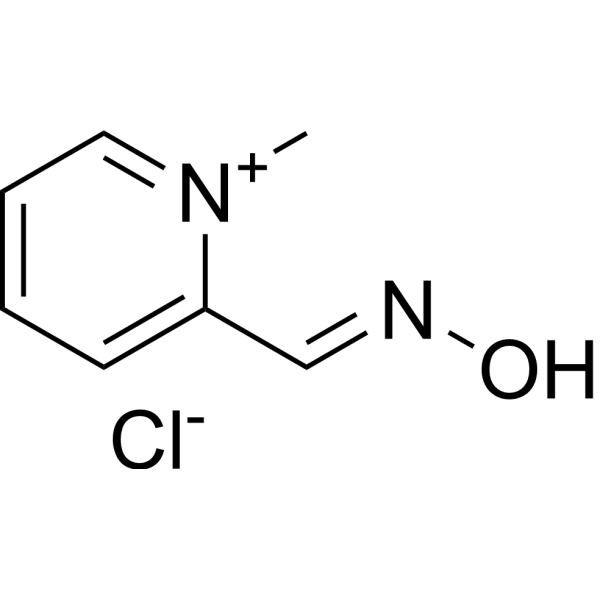
Pralidoxime chloride is a potent reactivator of acetylcholinesterase (AChE). Pralidoxime chloride reactivates nerve agent-inhibited AChE via direct nucleophilic attack by the oxime moiety on the phosphorus center of the bound nerve agent. Pralidoxime chloride is an antidote for organophosphate poisoning .
loading...
    loading...

