
37 Results for "

Akt Substrate

" in MedChemExpress (MCE) Product Catalog:
Products (37)

37 Results for "Akt Substrate" in MCE Product Catalog:

3
3 Cited Publications
Cat. No.: HY-109061
CAS No.: 1903008-80-9
Purity:  99.87%
Synonyms: YH25448; GNS-1480
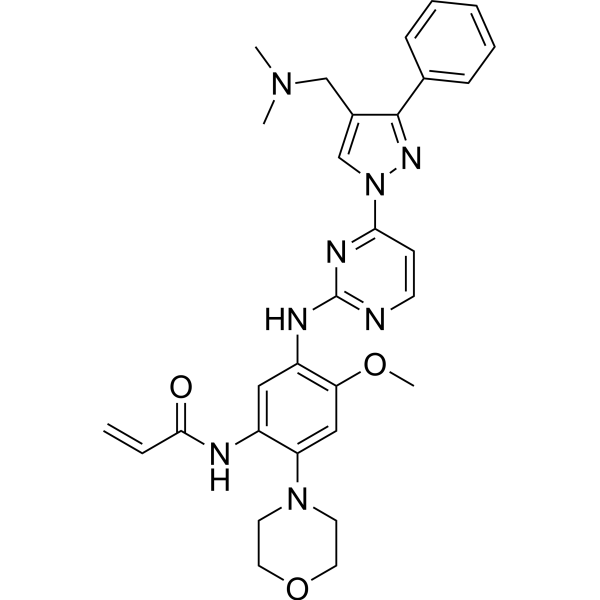
Lazertinib (YH25448; GNS-1480) is an orally active, blood-brain barrier permeable third-generation EGFR tyrosine kinase inhibitor, as well as an ABCB1/ABCG2 inhibitor and a TRPA1 activator. Lazertinib exhibits IC50 values of 0.4 mM and 0.2 mM against human ABCB1 and ABCG2, respectively. By inhibiting mutant EGFR signaling, EGFR phosphorylation and the downstream ERK/AKT pathway, as well as upregulating surface expression of EGFR/MET, Lazertinib induces cell cycle arrest, apoptosis, spontaneous calcium responses, hyperexcitability of dorsal root ganglion (DRG) neurons, and TRPA1-dependent pain-like behaviors. Lazertinib competitively binds to the substrate-binding sites of ABCB1/ABCG2, stimulates their ATPase activity without altering their expression or plasma membrane localization, thereby enhancing ADCC activity, acting as a chemosensitizer, and reversing ABCB1-mediated multidrug resistance. It exerts antitumor activity as a single agent or in combination with other drugs. Lazertinib is applicable to research related to non-small cell lung cancer, multidrug-resistant cancers, and paresthesia .
loading...
    loading...
3
3 Cited Publications
Cat. No.: HY-109061B
CAS No.: 2247995-37-3
Synonyms: YH25448 mesylate; GNS-1480 mesylate
Research Areas:  

Cancer

Lazertinib (YH25448; GNS-1480) mesylate is an orally active, blood-brain barrier permeable third-generation EGFR tyrosine kinase inhibitor, as well as an ABCB1/ABCG2 inhibitor and a TRPA1 activator. Lazertinib mesylate exhibits IC50 values of 0.4 mM and 0.2 mM against human ABCB1 and ABCG2, respectively. By inhibiting mutant EGFR signaling, EGFR phosphorylation and the downstream ERK/AKT pathway, as well as upregulating surface expression of EGFR/MET, Lazertinib mesylate induces cell cycle arrest, apoptosis, spontaneous calcium responses, hyperexcitability of dorsal root ganglion (DRG) neurons, and TRPA1-dependent pain-like behaviors. Lazertinib mesylate competitively binds to the substrate-binding sites of ABCB1/ABCG2, stimulates their ATPase activity without altering their expression or plasma membrane localization, thereby enhancing ADCC activity, acting as a chemosensitizer, and reversing ABCB1-mediated multidrug resistance. It exerts antitumor activity as a single agent or in combination with other drugs. Lazertinib mesylate is applicable to research related to non-small cell lung cancer, multidrug-resistant cancers, and paresthesia .
loading...
    loading...
2
2 Cited Publications
Cat. No.: HY-N1181
CAS No.: 603-61-2
Synonyms: 4'-O-Methyl Quercetin
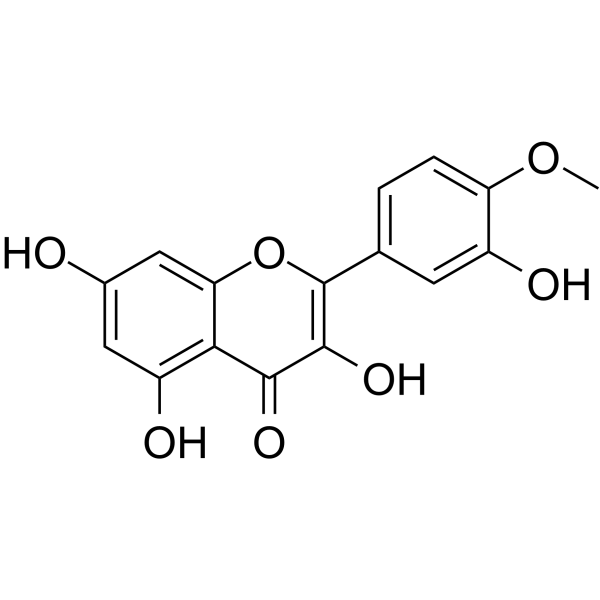
Tamarixetin (4'-O-Methyl Quercetin) is an orally active natural flavonoid derivative of quercetin and caseinolytic protease p (ClpP) inhibitor with anti-inflammatory, antioxidant and antitumor effects. Tamarixetin inhibits the hydrolytic activity of ClpP to the fluorescent substrate Suc-LY-AMC with an IC50 of 49.73 μM, which can be used for the study of Staphylococcus aureus infection. Tamarixetin inhibits tumor cell growth, induces apoptosis, and cell cycle arrest. Tamarixetin prevents cardiac hypertrophy by inhibiting the NFAT and AKT pathways .
loading...
    loading...
2
2 Cited Publications
Cat. No.: HY-107597
CAS No.: 40045-50-9
Purity:  98.92%
Synonyms: SU3327
Target:  

JNK

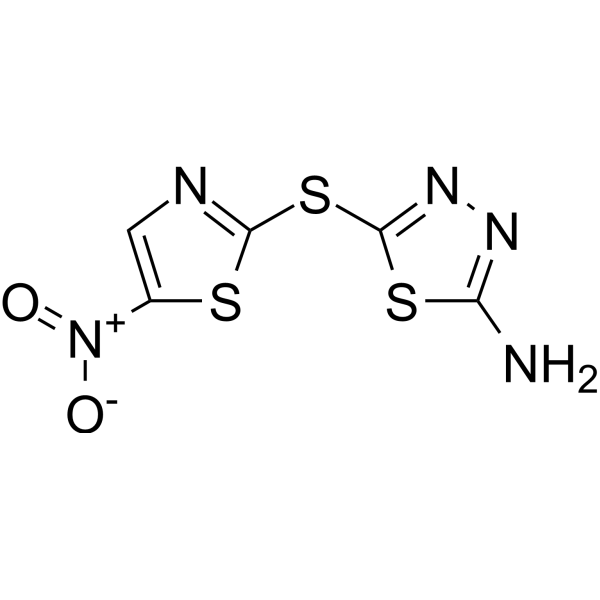
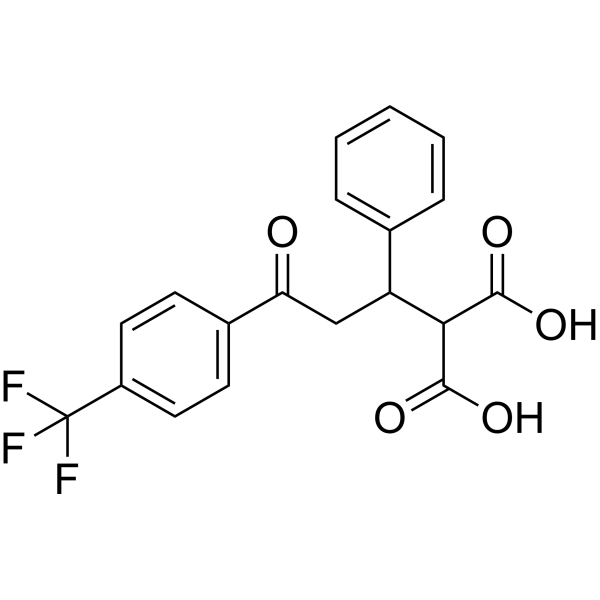
Halicin (SU3327) is a potent, selective and substrate-competitive JNK inhibitor with an IC50 of 0.7 μM. Halicin also inhibits protein-protein interactions between JNK and JNK Interacting Protein (JIP) with an IC50 of 239 nM. Halicin shows less active against p38α and Akt kinase .
loading...
    loading...
2
2 Cited Publications
Cat. No.: HY-P0315
CAS No.: 171783-05-4
Target:  

Akt

Research Areas:  

Others

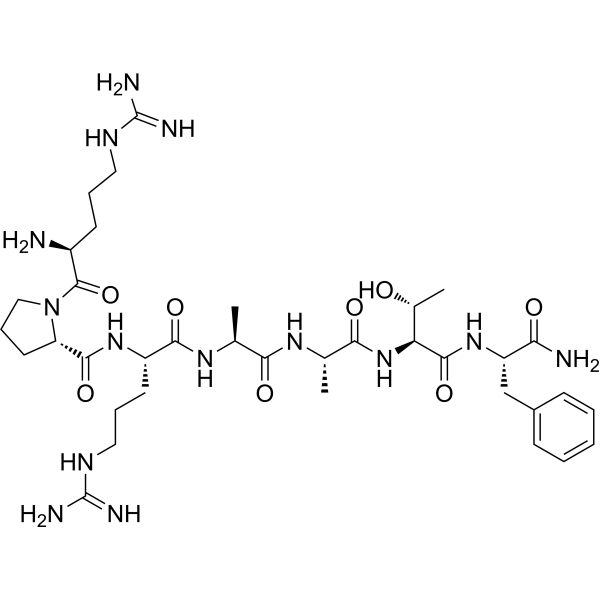
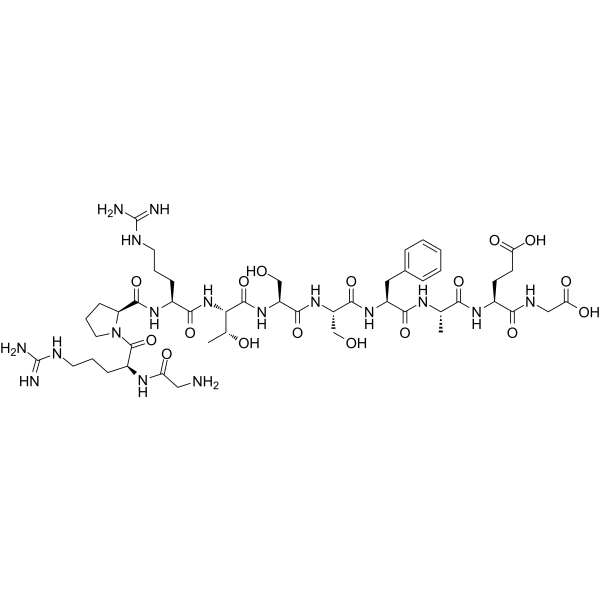
Crosstide is a peptide analog of glycogen synthase kinase α/β fusion protein sequence which is a substrate for Akt.
loading...
    loading...
Cat. No.: HY-107903
CAS No.: 9010-34-8
Purity:  93%
Synonyms: Thyroglobulin from bovine
Thyroglobulin is a 660 kDa, dimeric glycoprotein produced by the follicular cells of the thyroid and used entirely within the thyroid gland. Thyroglobulin acts as a substrate for the synthesis of the thyroid hormones thyroxine (T4) and triiodothyronine (T3), as well as the storage of the inactive forms of thyroid hormone and iodine within the follicular lumen of a thyroid follicle. Thyroglobulin activates Akt kinase activity in FRTL-5 thyroid cell .
loading...
    loading...
Cat. No.: HY-115501
CAS No.: 1370281-06-3
Research Areas:  

Cancer

(E)-FOBISIN101 is a 14-3-3 protein-protein interaction (14-3-3 protein-protein interaction) inhibitor, with IC50 values of 9.3 and 16.4 μM for disrupting the binding of 14-3-3ζ or 14-3-3γ to PRAS40, respectively. (E)-FOBISIN101 inhibits the binding of 14-3-3 to Raf-1 and proline-rich AKT substrate, and neutralizes the ability of 14-3-3 to activate exotoxin S ADP-ribosyltransferase. (E)-FOBISIN101 is applicable to 14-3-3-mediated cancer research .
loading...
    loading...
Cat. No.: HY-121629
CAS No.: 1221962-86-2
Purity:  98.02%
Target:  

PDK-1

Research Areas:  

Cancer

PS210 is a potent and selective PDK1 activator with a Kd of 3 μM and targets the PIF-binding pocket of PDK1. PS210 is inactive against other protein kinases, including PDK1 downstream signaling components such as S6K, PKB/Akt or GSK3. In cells, the prodrug of PS210 (PS423) acts as a substrate-selective inhibitor of PDK1, inhibiting the phosphorylation and activation of S6K .
loading...
    loading...
Cat. No.: HY-P10605
CAS No.: 496856-73-6
Target:  

Akt GSK-3

Research Areas:  

Cancer

GSK3β-peptide is a substrate mimetic peptide of glycogen synthase kinase 3-β (GSK3-β) that can bind to the active site of GSK3-β and mimic the behavior of a real substrate. GSK3β-peptide can be used to develop substrate mimetic inhibitors of Akt as potential anticancer drugs .
loading...
    loading...
Cat. No.: HY-W015777
CAS No.: 105-13-5
Synonyms: P-Methoxy-benzyl alcoho; (4-Methoxyphenyl)methanol
4-Methoxybenzyl alcohol (P-Methoxy-benzyl alcoho; (4-Methoxyphenyl) methanol) is a naturally derived volatile aromatic compound. 4-Methoxybenzyl alcohol upregulates the phosphorylation level of PI3K/Akt pathway proteins, downregulates the expression of pro-inflammatory factors, increases the content of tight junction proteins occludin and claudin-5, and alleviates structural damage to the blood-brain barrier. 4-Methoxybenzyl alcohol improves the decrease in viability and NO level of cerebral microvascular endothelial cells induced by oxygen-glucose deprivation/reperfusion, and reduces the release of lactate dehydrogenase. 4-Methoxybenzyl alcohol serves as a substrate in the two-phase persulfate-mediated electro-oxidation system, where it is directionally oxidized to p-anisaldehyde. 4-Methoxybenzyl alcohol acts as a substrate for wild-type fungal aryl alcohol oxidase. 4-Methoxybenzyl alcohol can be used in studies related to ischemic stroke, as well as in research across various fields such as chemical synthesis, including the synthesis of fragrances and flavorings .
loading...
    loading...
Cat. No.: HY-134903
CAS No.: 2382768-55-8
Purity:  95.41%
Target:  

mTOR

Research Areas:  

Cancer

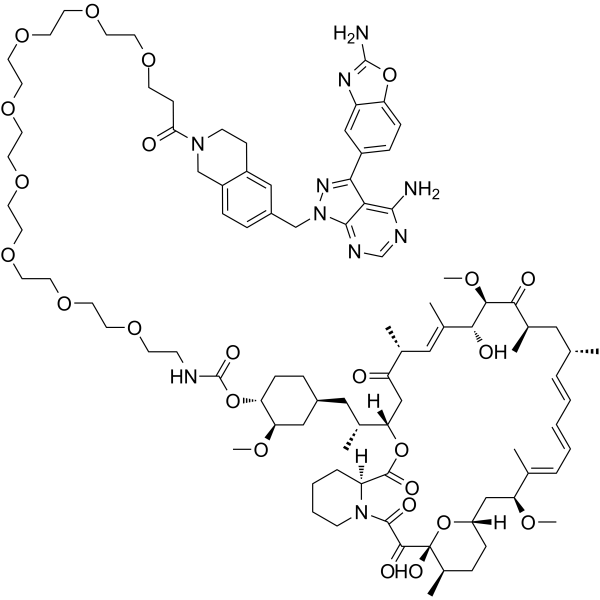
(32-Carbonyl)-RMC-5552 is a potent mTOR inhibitor. (32-Carbonyl)-RMC-5552 inhibits mTORC1 and mTORC2 substrate (p-P70S6K-(T389), p-4E-BP1-(T37/36), AND p-AKT1/2/3-(S473)) phosphorylation with pIC50s of > 9, >9 and between 8 and 9, respectively (patent WO2019212990A1, example 2) .
loading...
    loading...
Cat. No.: HY-149091
CAS No.: 3046228-11-6
Purity:  99.68%
Target:  

Histone Demethylase

Research Areas:  

Cancer

KDM5B-IN-4 (compound 11ad) is a lysine demethylase 5B (KDM5B) inhibitor with an IC50 of 0.025 μM KDM5B-IN-4 increases substrate H3K4me1/2/3 level by inhibiting KDM5B in PC-3 cells. KDM5B-IN-4 downregulates PI3K/AKT. KDM5B-IN-4 reduces tumor volume in mice and shows less toxic to organs .
loading...
    loading...
Cat. No.: HY-N3463
CAS No.: 5835-26-7
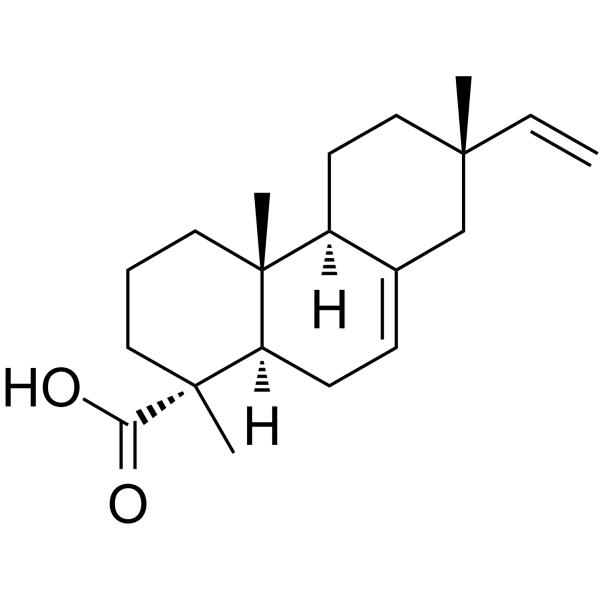
Isopimaric acid is a coniferous tree defense compound. Isopimaric acid binds to AKT and inhibits mTOR phosphorylation, thereby regulating the AKT/mTOR pathway. Isopimaric acid inhibits oxidative stress, inflammation, microglial migration, apoptosis, autophagic flux, ornithine decarboxylase activity, breast cancer proliferation and metastasis, and fungal spore germination. Isopimaric acid also induces M2 microglial polarization, mitochondrial damage, ROS accumulation, starvation-induced colon cancer cell apoptosis, and breast cancer cell cycle arrest. Isopimaric acid activates potassium channels, regulates sodium channels and calcium channels, reduces myocardial excitability, and improves arrhythmia. Isopimaric acid acts as an oxidative substrate for CYP6BW1/3, down-regulates PINK1/Parkin, and regulates calcium homeostasis, oxidative phosphorylation, EMT, and the Wnt pathway. Isopimaric acid exhibits activity against drug-resistant Staphylococcus aureus, repels feeding, and promotes the growth of rice seedlings. Isopimaric acid is suitable for research related to epilepsy, tumors, drug-resistant bacterial infections, atrial fibrillation, hypertension, hyperlipidemia, pulmonary tuberculosis, etc .
loading...
    loading...
Cat. No.: HY-N1181R
CAS No.: 603-61-2
Synonyms: 4'-O-Methyl Quercetin (Standard)
Tamarixetin (Standard) is the analytical standard of Tamarixetin. This product is intended for research and analytical applications. Tamarixetin (4'-O-Methyl Quercetin) is an orally active natural flavonoid derivative of quercetin and caseinolytic protease p (ClpP) inhibitor with anti-inflammatory, antioxidant and antitumor effects. Tamarixetin inhibits the hydrolytic activity of ClpP to the fluorescent substrate Suc-LY-AMC with an IC50 of 49.73 μM, which can be used for the study of Staphylococcus aureus infection. Tamarixetin inhibits tumor cell growth, induces apoptosis, and cell cycle arrest. Tamarixetin prevents cardiac hypertrophy by inhibiting the NFAT and AKT pathways .
loading...
    loading...
Cat. No.: HY-P4866
CAS No.: 1361235-89-3
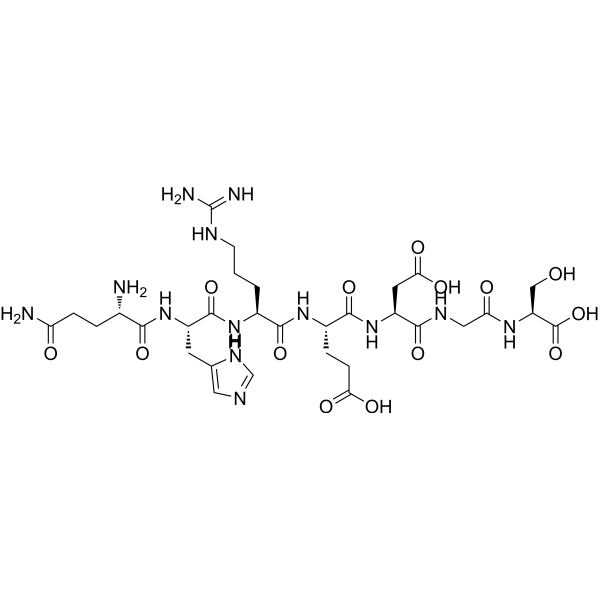
Q-Peptide is an angiopoietin-1 derived peptide (QHREDGS). Q-Peptide interacts with β1-integrin, binds to integrins on the surface of osteoblasts, and serves as an acyl donor substrate for Streptomyces mobaraensis transglutaminase. Q-Peptide activates Akt, MAPKp42/44, ILK, ERK1/2, and downregulates caspase-3/7. Q-Peptide inhibits cell apoptosis, enhances cell adhesion and migration, and promotes osteoblast differentiation, bone matrix deposition and mineralization. Q-Peptide can be used in studies related to myocardial infarction, bone regeneration, diabetic wound repair and human induced pluripotent stem cells .
loading...
    loading...
Cat. No.: HY-P0141
CAS No.: 276680-69-4
Target:  

Akt

Research Areas:  

Others

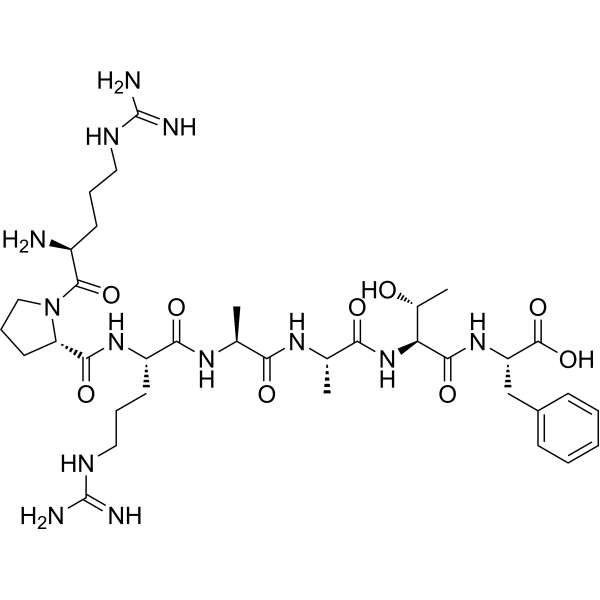
Akt/SKG Substrate Peptide is a synthetic peptide suitable as a substrate for Akt/PKB, which is not phosphorylated by p70S6K or MAPK1 .
loading...
    loading...
Cat. No.: HY-P0141A
Target:  

Akt

Research Areas:  

Others

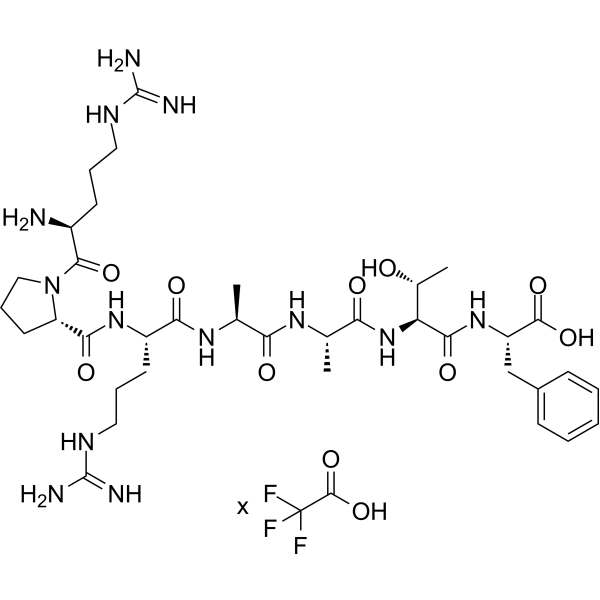
Akt/SKG Substrate Peptide TFA is a synthetic peptide suitable as a substrate for Akt/PKB, which is not phosphorylated by p70S6K or MAPK1 .
loading...
    loading...
Cat. No.: HY-P10064
CAS No.: 312752-00-4
Target:  

Peptides

Research Areas:  

Others

Akt Substrate (Akt/SKG substrate) is a 7 amino acid synthetic peptide suitable as a substrate for Akt .
loading...
    loading...
Cat. No.: HY-W009033
CAS No.: 2389-60-8
Research Areas:  

Inflammation/Immunology

Cbz-Lys (Boc)-OH is a protected Lysine derivative. Cbz-Lys (Boc)-OH can be used in the synthetic research of Prostasin inhibitors. Cbz-Lys (Boc)-OH can be applied to research related to cystic fibrosis .
loading...
    loading...
Cat. No.: HY-P1115
CAS No.: 324029-01-8
Target:  

Akt

Research Areas:  

Others

AKTide-2T is an excellent in vitro substrate for AKT and shows competitive inhibition of histone H2B phosphorylation with a Ki of 12 nM. AKTide-2T mimics the optimal phosphorylation sequence of Akt and is an inhibitory peptide with the wildtype AKTide lacking Thr in the S22 position .
loading...
    loading...

