
33 Results for "

Cardiac fibroblasts

" in MedChemExpress (MCE) Product Catalog:
Products (33)

33 Results for "Cardiac fibroblasts" in MCE Product Catalog:

12
12 Publications Verification
Cat. No.: HY-116084
CAS No.: 1184-78-7
Purity:  ≥98.0%
Trimethylamine N-oxide is a gut microbe-dependent metabolite of dietary choline and other trimethylamine-containing nutrients. Trimethylamine N-oxide induces inflammation by activating the ROS/NLRP3 inflammasome. Trimethylamine N-oxide also accelerates fibroblast-myofibroblast differentiation and induces cardiac fibrosis by activating the TGF-β/smad2 signaling pathway .
loading...
    loading...
12
12 Publications Verification
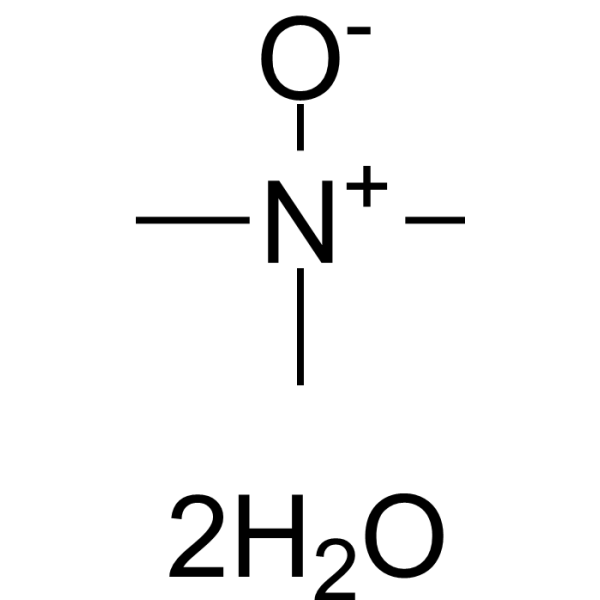
Cat. No.: HY-108915
CAS No.: 62637-93-8
Purity:  ≥98.0%
Trimethylamine N-oxide dihydrate is a gut microbe-dependent metabolite of dietary choline and other trimethylamine-containing nutrients. Trimethylamine N-oxide dihydrate induces inflammation by activating the ROS/NLRP3 inflammasome. Trimethylamine N-oxide dihydrate also accelerates fibroblast-myofibroblast differentiation and induces cardiac fibrosis by activating the TGF-β/smad2 signaling pathway .
loading...
    loading...
3
3 Cited Publications
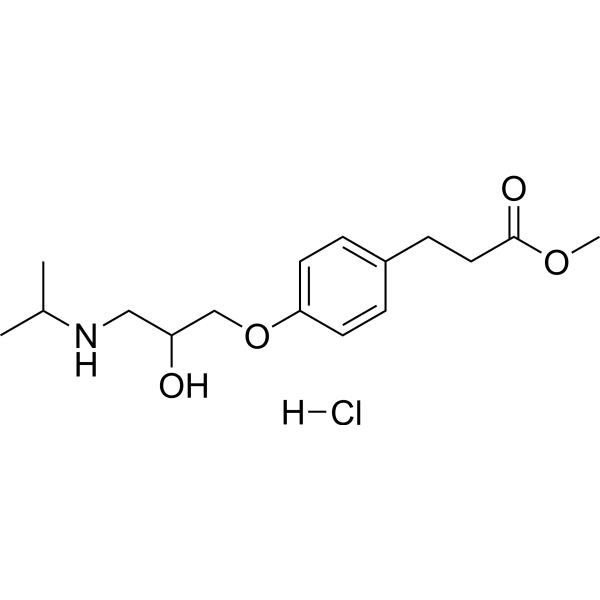
Cat. No.: HY-B1392
CAS No.: 81161-17-3
Esmolol hydrochloride is an ultra-short-acting cardioselective β1-adrenergic blocker. Esmolol hydrochloride exerts its antiarrhythmic effect by activating Neurokinin 1 Receptor. Esmolol hydrochloride attenuates post resuscitation myocardial dysfunction. Esmolol hydrochloride improves diabetic wound healing by inhibiting aldose reductase and the production of advanced glycation end products and promoting fibroblast migration. Esmolol hydrochloride can be used to study cardiac diseases such as arrhythmias and diabetic foot ulcers .
loading...
    loading...
2
2 Cited Publications
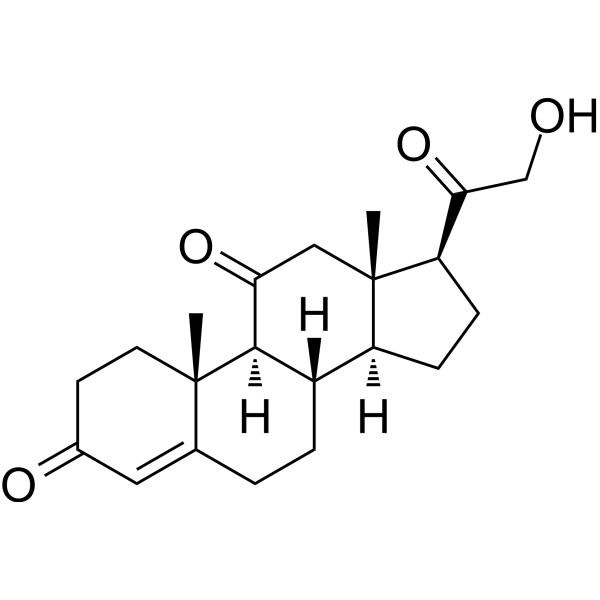
Cat. No.: HY-113447
CAS No.: 72-23-1
Purity:  95.24%
11-Dehydrocorticosterone is a endogenous corticosteroid. 11-Dehydrocorticosterone can be a source of transcriptionally active glucocorticoid in cardiac myocytes and fibroblasts. 11-Dehydrocorticosterone can increase SGK mRNA expression in cardiac fibroblast .
loading...
    loading...
1
1 Cited Publications
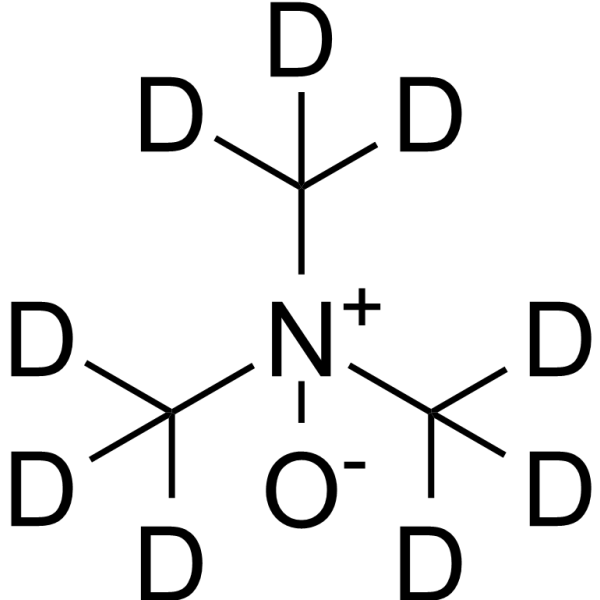
Cat. No.: HY-116084S
CAS No.: 1161070-49-0
Purity:  99.76%
Trimethylamine N-oxide-d9 is the deuterium labeled Trimethylamine N-oxide. Trimethylamine N-oxide is a gut microbe-dependent metabolite of dietary choline and other trimethylamine-containing nutrients. Trimethylamine N-oxide induces inflammation by activating the ROS/NLRP3 inflammasome. Trimethylamine N-oxide also accelerates fibroblast-myofibroblast differentiation and induces cardiac fibrosis by activating the TGF-β/smad2 signaling pathway .
loading...
    loading...
1
1 Cited Publications
Cat. No.: HY-120006A
CAS No.: 1408311-94-3
Purity:  99.42%
Target:  

ERK

Research Areas:  

Cardiovascular Disease

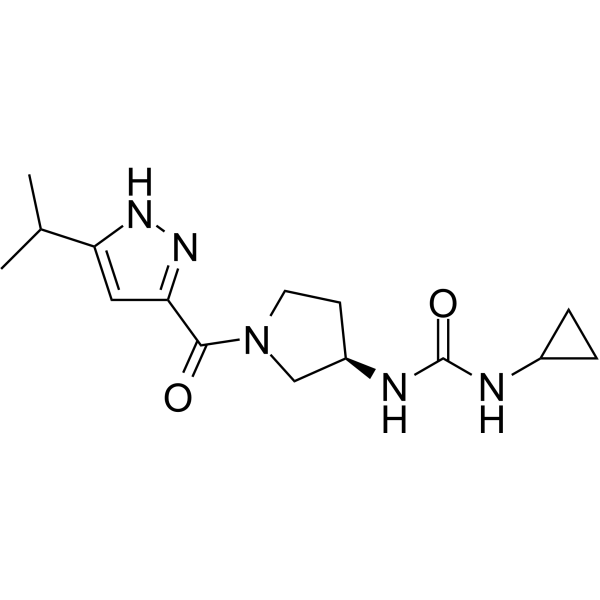
(rel)-AR234960 is a selective and competitive agonist of the G protein-coupled receptor MAS. (rel)-AR234960 binds to the MAS receptor to activate the downstream ERK1/2 signaling pathway, inducing the expression of connective tissue growth factor (CTGF) and its downstream collagen subtype genes (such as COL1A1, COL3A1). (rel)-AR234960 promotes collagen synthesis in cardiac fibroblasts through the MAS-ERK1/2-CTGF pathway and aggravates extracellular matrix remodeling. (rel)-AR234960's in vitro effect can be blocked by the MAS inverse agonist AR244555 and MEK1 inhibitor. (rel)-AR234960 regulates the expression of cardiac fibrosis-related genes and can be used in the study of heart failure .
loading...
    loading...
Cat. No.: HY-P990117
Target:  

Integrin

Research Areas:  

Cardiovascular Disease Cancer

Anti-Mouse/Rat/Human Osteopontin/SPP1 Antibody (MPIIIB10) is a mouse-derived Osteopontin/SPP1 IgG1 κ type antibody inhibitor. Anti-Mouse/Rat/Human Osteopontin/SPP1 Antibody (MPIIIB10) blocks Angiotensin II (HY-13948)-induced DNA synthesis and collagen gel contraction in cardiac fibroblasts. Anti-Mouse/Rat/Human Osteopontin/SPP1 Antibody (MPIIIB10) significantly inhibits tumor growth in CT26 or MC38 tumors mice models .
loading...
    loading...
Cat. No.: HY-159834
CAS No.: 2249696-72-6
Synonyms: SLC-D011
Target:  

DNA/RNA Synthesis

Research Areas:  

Others

Progerinin (SLC-D011) is an orally active progerin-lamin A binding inhibitor. Progerinin selectively binds to the C-terminal region of progerin, disrupting its interaction with lamin A and promoting progerin degradation while sparing wild-type lamin A, B, and C. Progerinin ameliorates nuclear deformation, increases H3K9me3 levels, and reduces progerin expression in HGPS patient-derived fibroblasts. Progerinin extends lifespan in Lmna G609G/G609G mice and Lmna G609G/+ mice, improves body weight, hair morphology, cardiac function, and histological phenotypes. Progerinin can be used for the study of Hutchinson-Gilford progeria syndrome (HGPS) .
loading...
    loading...
Cat. No.: HY-134258
CAS No.: 446306-43-0
Purity:  98.76%
Target:  

HOXA

Research Areas:  

Cardiovascular Disease Cancer

MEISi-1 is a small-molecule inhibitor targeting the homeodomain of the MEIS1 protein. MEISi-1 significantly inhibits the activity of luciferase reporter genes containing MEIS binding sites (TGACAG), and induces the self-renewal of a key type of mouse and human hematopoietic stem cells (HSC) both in vitro and in vivo. MEISi-1 promotes cardiomyocyte proliferation and cytokinesis, reduces cardiac fibroblast proliferation, and upregulates the expression of cardiomyocyte-specific genes. MEISi-1 can be used in research on hematological diseases, cardiac regeneration and cancer .
loading...
    loading...
Cat. No.: HY-P3136
CAS No.: 25849-90-5
Synonyms: TRV120055
Research Areas:  

Cardiovascular Disease

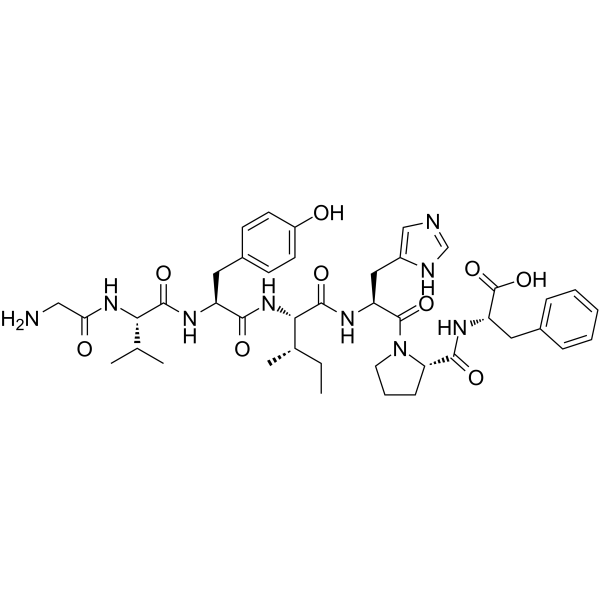
TRV055 (TRV120055) is a G protein-biased agonist of angiotensin II type 1 receptors (AT1Rs). TRV120055 induces fibroblast proliferation, overexpression of collagen I and α-SMA, and stress fibre formation in human cardiac fibroblasts. TRV055 activates AT1 receptor/Gαq-mediated signaling pathways, upregulates TGF-β1 and p-ERK1/2. TRV055 induces collagen secretion in adult rat myofibroblasts at a level comparable to Ang II. TRV055 can be used to study the role of G protein-biased signaling of AT1Rs in regulating fibrotic responses [1]
loading...
    loading...
Cat. No.: HY-151483
CAS No.: 3031476-73-7
Purity:  ≥98.0%
Target:  

Wnt Histone Demethylase

Research Areas:  

Cardiovascular Disease

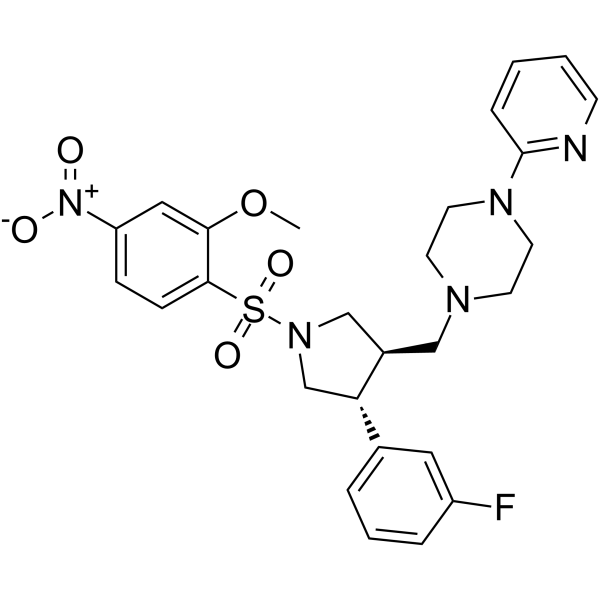
TK-129 is an orally active, low-toxicity, potent KDM5B inhibitor (with high affinity; IC50=44 nM). TK-129 exerts cardioprotective effects by inhibiting KDM5B and blocking the KDM5B-associated Wnt pathway. TK-129 reduces ang II-induced activation of cardiac fibroblasts in vitro and reduces isoprenaline-induced myocardial remodelling and fibrosis in vivo. TK-129 can be used in studies of cardiovascular disease .
loading...
    loading...
Cat. No.: HY-P3136A
Synonyms: TRV120055 hydrochloride
Target:  

Angiotensin Receptor

Research Areas:  

Cardiovascular Disease

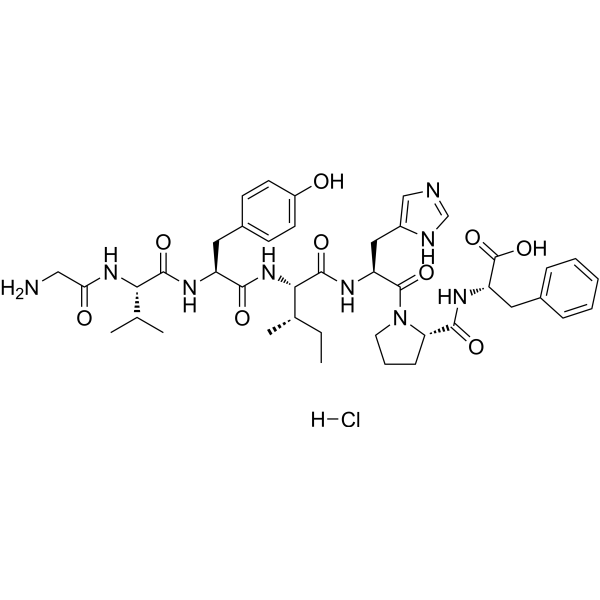
TRV055 (TRV120055) hydrochloride is a G protein-biased agonist of angiotensin II type 1 receptors (AT1Rs). TRV055 hydrochloride induces fibroblast proliferation, overexpression of collagen I and α-SMA, and stress fibre formation in human cardiac fibroblasts. RV055 hydrochloride activates AT1 receptor/Gαq-mediated signaling pathways, upregulates TGF-β1 and p-ERK1/2. RV055 hydrochloride induces collagen secretion in adult rat myofibroblasts at a level comparable to Ang II. RV055 hydrochloride can be used to study the role of G protein-biased signaling of AT1Rs in regulating fibrotic responses [1]
loading...
    loading...
Cat. No.: HY-108649A
CAS No.: 2567869-47-8
Purity:  98.7%
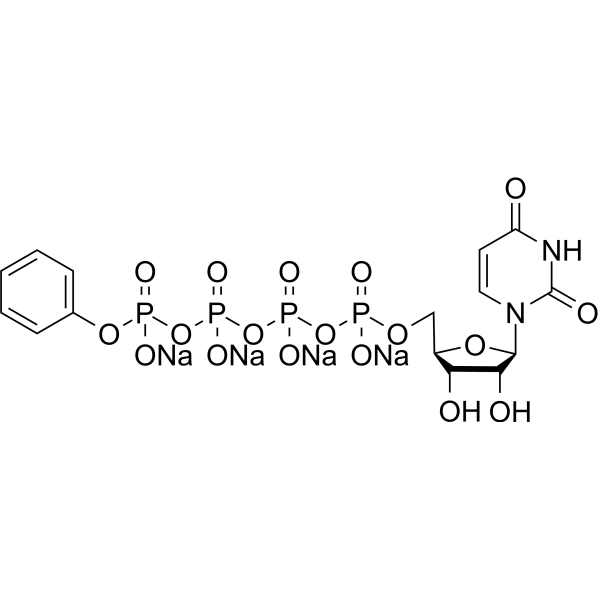
MRS2768 tetrasodium salt is a potent, selective, and metabolically stable P2Y2 receptor agonist with an EC50 of 1.89 μM for the human P2Y2 receptor. MRS2768 tetrasodium salt activates Gq/PLC/PKC signaling, leading to downstream phosphorylation of Akt, eNOS, and ERK, with effects varying by cell type. MRS2768 tetrasodium salt inhibits ENaC via Gq/PKC/Src/Akt to promote natriuresis and lower blood pressure in the kidney. MRS2768 tetrasodium salt activates eNOS to increase NO secretion in endothelial cells. MRS2768 tetrasodium salt drives proliferation via PI3K/Akt in fibroblasts and cancer cells. MRS2768 tetrasodium salt exerts anti-apoptotic effects through PKC/Src/Akt in cardiomyocytes. MRS2768 tetrasodium salt can be applied to investigate P2Y2-dependent pathological processes, including acute kidney injury, chronic kidney disease and renal fibrosis, DOCA-salt induced hypertension, myocardial infarction, pulmonary arterial hypertension, pancreatic cancer, cardiac fibrosis, dry eye disease, as well as shear stress-mediated vascular remodeling and atherosclerosis .
loading...
    loading...
Cat. No.: HY-116084S1
CAS No.: 2413127-00-9
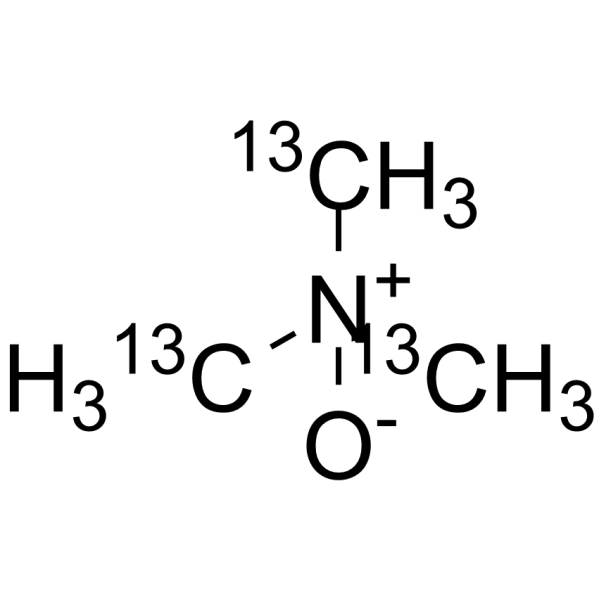
Trimethylamine-N-oxide- 13C3 is the 13C-labeled Trimethylamine N-oxide. Trimethylamine N-oxide is a gut microbe-dependent metabolite of dietary choline and other trimethylamine-containing nutrients. Trimethylamine N-oxide induces inflammation by activating the ROS/NLRP3 inflammasome. Trimethylamine N-oxide also accelerates fibroblast-myofibroblast differentiation and induces cardiac fibrosis by activating the TGF-β/smad2 signaling pathway .
loading...
    loading...
Cat. No.: HY-179277
Target:  

Adenosine Receptor

Research Areas:  

Cardiovascular Disease

MIPS3526 is a potent and selective A2B adenosine receptor (A2BR) agonist with a pEC50 of 10.17 (EC50 of 58 pM). MIPS3526 shows highly receptor subtype selective versus the A1R, A2AR, and A3R. MIPS3526 ameliorates angiotensin II stimulating effects in both cardiac myocytes and fibroblasts. MIPS3526 can be used for the study of cardiovascular disease including heart failure where cardiac remodeling is a major driver .
loading...
    loading...
Cat. No.: HY-P10720
CAS No.: 129405-72-7
Target:  

Endogenous Metabolite

Research Areas:  

Cardiovascular Disease

C-Type Natriuretic Peptide (1-53), Porcine, Rat, mouse is an activator of particulate guanylate cyclase B (pGC-B), which is highly expressed in endothelial cells, kidneys, and the heart. C-Type Natriuretic Peptide (1-53), Porcine, Rat, mouse can mediate a potent anti-fibrotic effect in human cardiac and renal fibroblasts by generating the second messenger cGMP .
loading...
    loading...
Cat. No.: HY-P5452
CAS No.: 379711-25-8
Target:  

PKC

Research Areas:  

Others

PKCd (8-17) is a biological active peptide. (This peptide is derived from the V1 domain of protein kinase C (PKC)d. It inhibits phorbol 12-myristate 13-acetate (PMA)-induced PKCd translocation and activation. Inhibition of PKCd reduces ischemia damage in cardiac and cerebral cells, induces proliferation of fibroblasts, and inhibits graft coronary artery disease in mice.)
loading...
    loading...
Cat. No.: HY-P10320
Synonyms: Tumstatin (69-88), human
Target:  

PI3K Akt

Research Areas:  

Cardiovascular Disease

T3 Peptide is an active fragment of tumstatin. T3 Peptide binds integrin αvβ3/αvβ5, activates the PI3K/Akt/p70S6K signaling pathway, and thus stimulates the proliferation and migration of rat cardiac fibroblasts .
loading...
    loading...
Cat. No.: HY-B1392A
CAS No.: 81147-92-4
Esmolol is an ultra-short-acting cardioselective β1-adrenergic blocker. Esmolol exerts its antiarrhythmic effect by activating Neurokinin 1 Receptor. Esmolol attenuates post resuscitation myocardial dysfunction. Esmolol improves diabetic wound healing by inhibiting aldose reductase and the production of advanced glycation end products and promoting fibroblast migration. Esmolol can be used to study cardiac diseases such as arrhythmias and diabetic foot ulcers .
loading...
    loading...
Cat. No.: HY-A0114
CAS No.: 103775-14-0
Synonyms: RS 10029
Moexiprilat is an inhibitor of angiotensin-converting enzyme (ACE; IC50=2.1 nM) and an active metabolite of the prodrug Moexipril (HY-117281). It is formed from moexipril in vivo by side chain ester hydrolysis. Moexiprilat (10 nM) prevents the estrone- or angiotensin II-stimulated proliferation of primary neonatal rat cardiac fibroblasts. It reduces mean arterial blood pressure and increases the levels of atrial natriuretic peptide, a marker of hypertension, in ovariectomized mice when administered at a dose of 50 mg/kg per day.
loading...
    loading...

