899 Results for "

DNA Damage

" in MedChemExpress (MCE) Product Catalog:
Products (899)

899 Results for "DNA Damage" in MCE Product Catalog:

837
837 Publications Verification
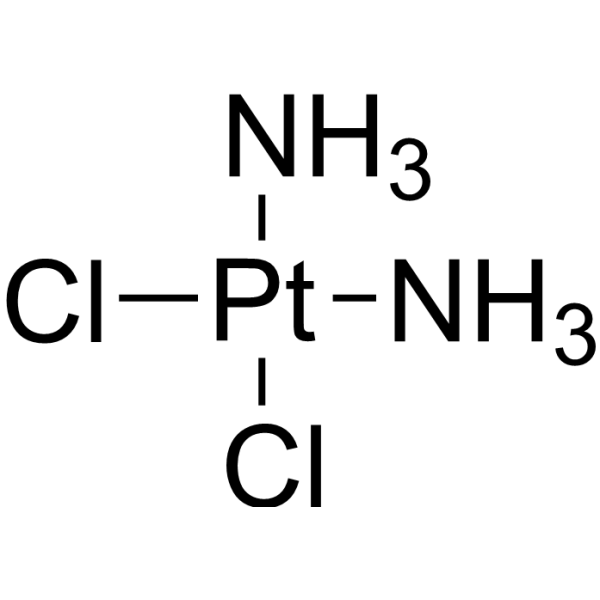
Cat. No.: HY-17394
CAS No.: 15663-27-1
Synonyms: cis-Platinum; CDDP; cis-Diaminodichloroplatinum
Cisplatin (CDDP) is an antineoplastic chemotherapy agent by cross-linking with DNA and causing DNA damage in cancer cells. Cisplatin activates ferroptosis and induces autophagy .
loading...
    loading...
232
232 Cited Publications
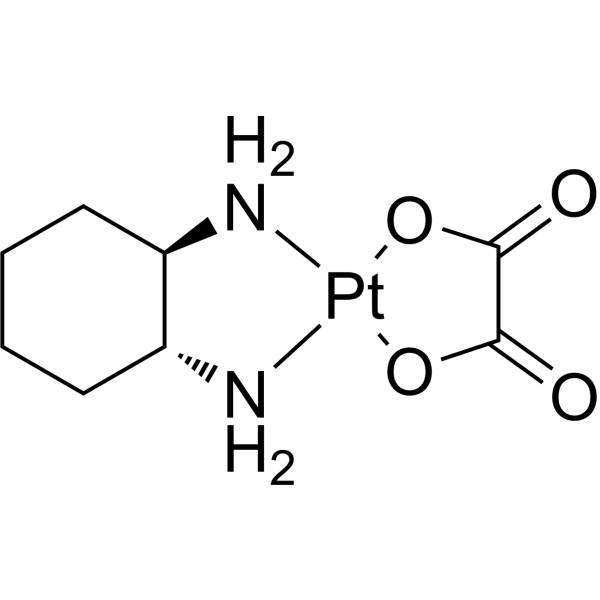
Cat. No.: HY-17371
CAS No.: 61825-94-3
Research Areas:  

Inflammation/Immunology Cancer

Oxaliplatin is a DNA synthesis inhibitor. Oxaliplatin causes DNA crosslinking damage, prevents DNA replication and transcription and induces apoptosis. Oxaliplatin can be used for cancer research .
loading...
    loading...
212
212 Cited Publications
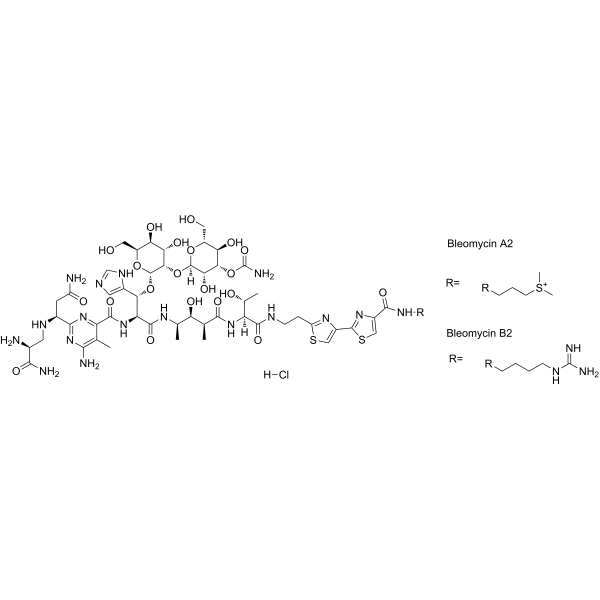
Cat. No.: HY-17565A
CAS No.: 67763-87-5
Research Areas:  

Cancer

Bleomycin hydrochloride is a DNA synthesis inhibitor. Bleomycin hydrochloride is a DNA damaging agent. Bleomycin hydrochloride is an antitumor antibiotic .
loading...
    loading...
212
212 Cited Publications
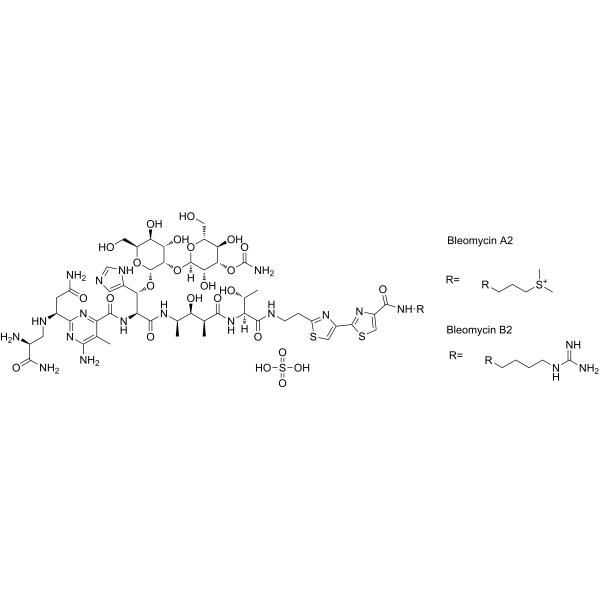
Cat. No.: HY-17565
CAS No.: 9041-93-4
Synonyms: Bleomycin sulfate
Bleomycin sulfate is a DNA synthesis inhibitor. Bleomycin hydrochloride is a DNA damaging agent. Bleomycin sulfate is an antitumor antibiotic .
loading...
    loading...
175
175 Cited Publications
Cat. No.: HY-D0814
CAS No.: 28718-90-3
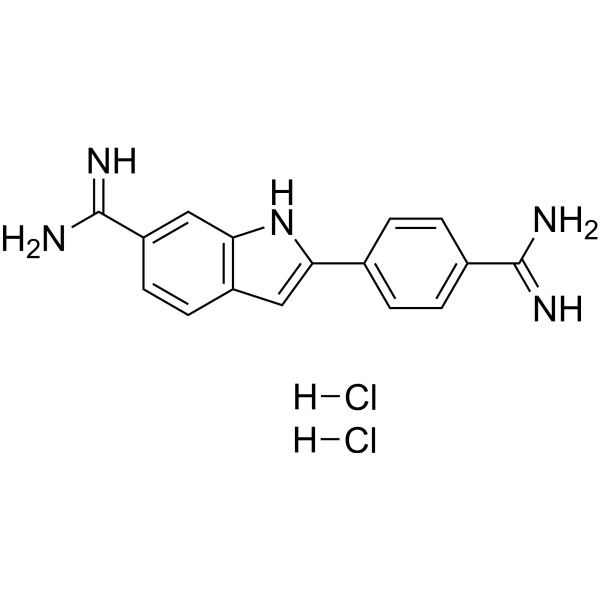
Synonyms: 4',6-Diamidino-2-phenylindole dihydrochloride
DAPI (4',6-Diamidino-2-phenylindole) dihydrochloride is a DAPI dye. DAPI is a fluorescent dye that binds strongly to DNA. It binds to the AT base pair of the double-stranded DNA minor groove, and one DAPI molecule can occupy three base pair positions. The fluorescence intensity of DAPI molecules bound to double-stranded DNA is increased by about 20 times, and it is commonly observed with fluorescence microscopy, and the amount of DNA can be determined based on the intensity of fluorescence. DAPI cannot penetrate intact cell membranes and is commonly used for staining damaged and fixed cells . DAPI (Compound 3) is an acid-sensing ion channel 3 (ASIC3) inhibitor. DAPI binds to ASIC3 and blocks the channel function. DAPI can be used in the study of chronic pain treatment (Ex/Em = 356/451 nm).
loading...
    loading...
160
160 Cited Publications
Cat. No.: HY-D0815
CAS No.: 25535-16-4
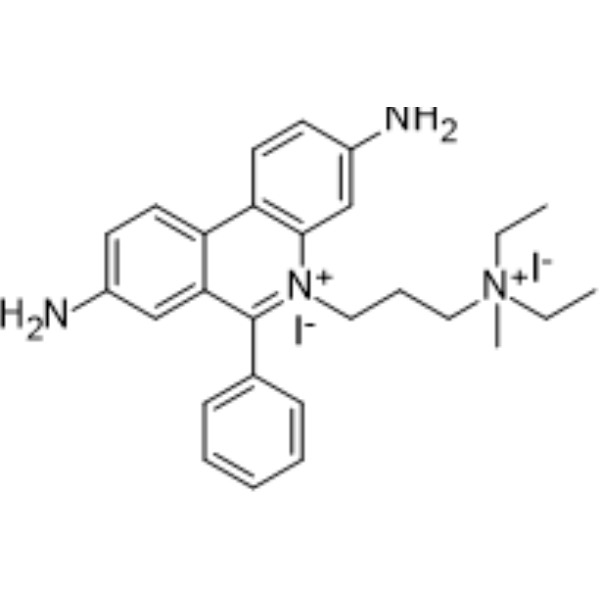
Propidium Iodide (PI) is a nuclear staining agent that stains DNA. Propidium Iodide is an analogue of ethidine bromide that emits red fluorescence upon embedding in double-stranded DNA. Propidium Iodide cannot pass through living cell membranes, but it can pass through damaged cell membranes to stain the nucleus. Propidium Iodide has a fluorescence wavelength of 493/617 nm and a wavelength of 536/635 nm after Mosaic with DNA. Propidium Iodide is commonly used in the detection of apoptosis (apoptosis) or necrosis (necrosis), and is often used in flow cytometry analysis.
loading...
    loading...
159
159 Cited Publications
Cat. No.: HY-D2868
CAS No.: 47165-04-8
Synonyms: 4',6-Diamidino-2-phenylindole
DAPI (4',6-Diamidino-2-phenylindole) is a DAPI dye. DAPI is a fluorescent dye that binds strongly to DNA. It binds to the AT base pair of the double-stranded DNA minor groove, and one DAPI molecule can occupy three base pair positions. The fluorescence intensity of DAPI molecules bound to double-stranded DNA is increased by about 20 times, and it is commonly observed with fluorescence microscopy, and the amount of DNA can be determined based on the intensity of fluorescence. DAPI cannot penetrate intact cell membranes and is commonly used for staining damaged and fixed cells . DAPI (Compound 3) is an acid-sensing ion channel 3 (ASIC3) inhibitor. DAPI binds to ASIC3 and blocks the channel function. DAPI can be used in the study of chronic pain treatment (Ex/Em = 356/451 nm).
loading...
    loading...
129
129 Cited Publications
Cat. No.: HY-D1738
CAS No.: 28718-91-4
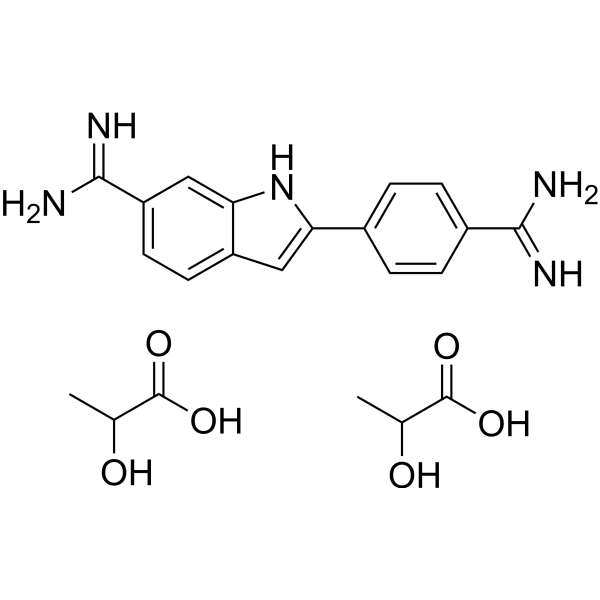
Synonyms: 4',6-Diamidino-2-phenylindole dilactate
DAPI (4',6-Diamidino-2-phenylindole) dilactate is a DAPI dye. DAPI is a fluorescent dye that binds strongly to DNA. It binds to the AT base pair of the double-stranded DNA minor groove, and one DAPI molecule can occupy three base pair positions. The fluorescence intensity of DAPI molecules bound to double-stranded DNA is increased by about 20 times, and it is commonly observed with fluorescence microscopy, and the amount of DNA can be determined based on the intensity of fluorescence. DAPI cannot penetrate intact cell membranes and is commonly used for staining damaged and fixed cells . DAPI (Compound 3) is an acid-sensing ion channel 3 (ASIC3) inhibitor. DAPI binds to ASIC3 and blocks the channel function. DAPI can be used in the study of chronic pain treatment (Ex/Em = 356/451 nm) .
loading...
    loading...
109
109 Cited Publications
Cat. No.: HY-10231
CAS No.: 685898-44-6
Purity:  ≥98.0%
PX-478 is a multifunctional HIF-1α inhibitor with properties including radiosensitization, autophagy activation, and lipid accumulation inhibition. PX-478 also blocks hypoxia-induced VEGF production and regulates β-cell phenotypes under hypoxic conditions. PX-478 induces cell cycle arrest and DNA damage, restores autophagic function, reduces foam cell formation, and maintains glucose homeostasis. PX-478 is widely used in research on related diseases such as human tumors (e.g., prostate cancer), type 2 diabetes, and atherosclerosis .
loading...
    loading...
87
87 Cited Publications
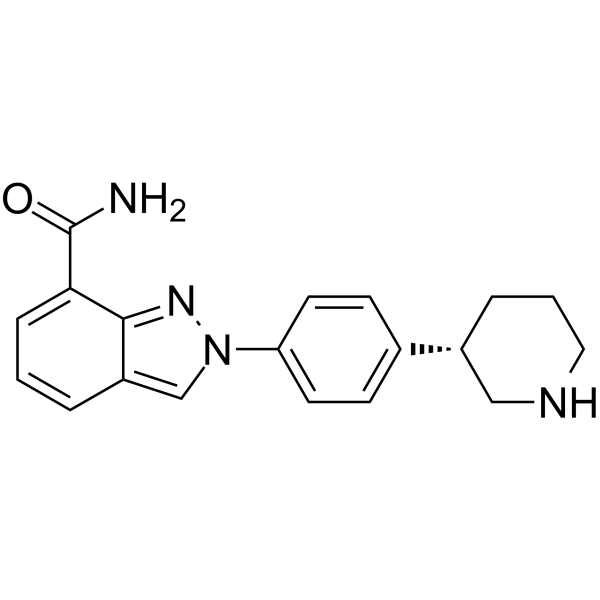
Cat. No.: HY-10619
CAS No.: 1038915-60-4
Purity:  99.96%
Synonyms: MK-4827
Target:  

PARP Apoptosis

Research Areas:  

Cancer

Niraparib (MK-4827) is a highly potent and orally bioavailable PARP1 and PARP2 inhibitor with IC50s of 3.8 and 2.1 nM, respectively. Niraparib leads to inhibition of repair of DNA damage, activates apoptosis and shows anti-tumor activity .
loading...
    loading...
87
87 Cited Publications
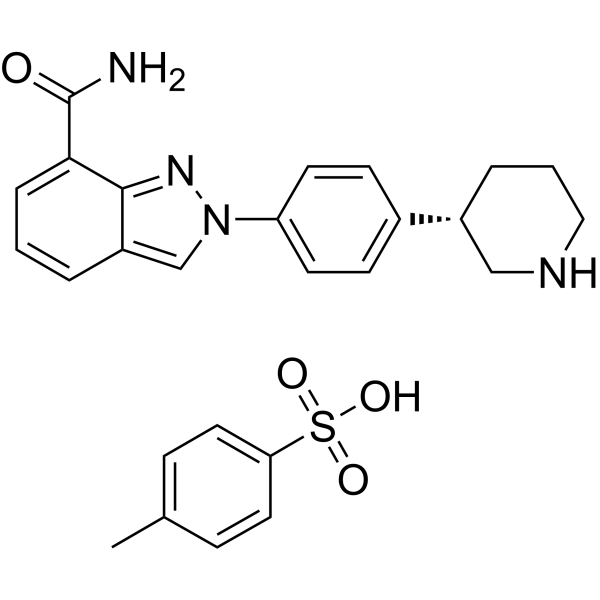
Cat. No.: HY-10619B
CAS No.: 1038915-73-9
Purity:  99.99%
Synonyms: MK-4827 tosylate
Target:  

PARP Apoptosis

Research Areas:  

Cancer

Niraparib tosylate (MK-4827 tosylate) is a highly potent and orally bioavailable PARP1 and PARP2 inhibitor with an IC50 of 3.8 and 2.1 nM, respectively. Niraparib tosylate leads to inhibition of repair of DNA damage, activates apoptosis and shows anti-tumor activity .
loading...
    loading...
87
87 Cited Publications
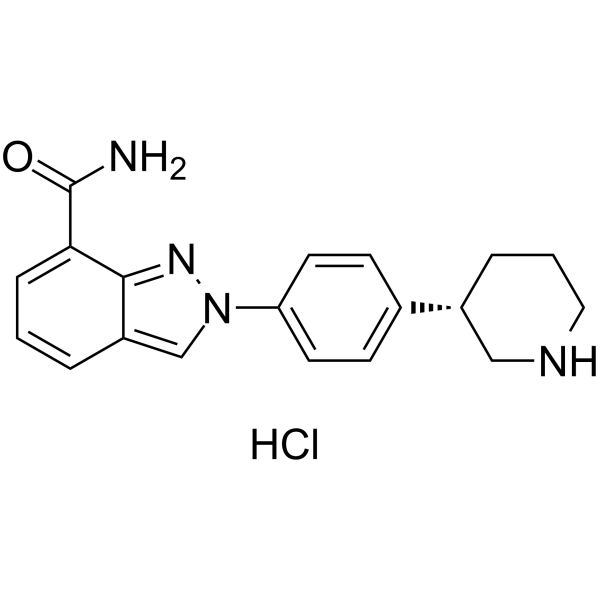
Cat. No.: HY-10619A
CAS No.: 1038915-64-8
Purity:  99.41%
Synonyms: MK-4827 hydrochloride
Target:  

PARP Apoptosis

Research Areas:  

Cancer

Niraparib hydrochloride (MK-4827 hydrochloride) is a highly potent and orally bioavailable PARP1 and PARP2 inhibitor with IC50s of 3.8 and 2.1 nM, respectively. Niraparib hydrochloride leads to inhibition of repair of DNA damage, activates apoptosis and shows anti-tumor activity .
loading...
    loading...
86
86 Cited Publications
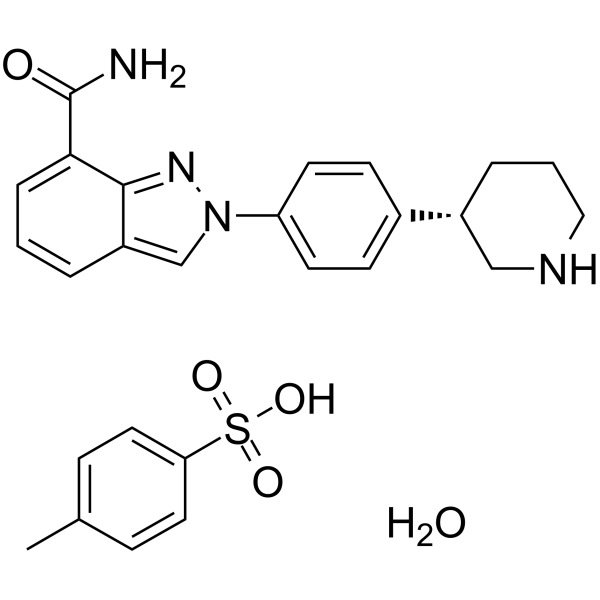
Cat. No.: HY-10619E
CAS No.: 1613220-15-7
Purity:  99.97%
Synonyms: MK-4827 tosylate hydrate
Target:  

PARP Apoptosis

Research Areas:  

Cancer

Niraparib (MK-4827) tosylate hydrate is a highly potent and orally bioavailable PARP1 and PARP2 inhibitor with IC50s of 3.8 and 2.1 nM, respectively. Niraparib tosylate hydrate leads to inhibition of repair of DNA damage, activates apoptosis and shows anti-tumor activity .
loading...
    loading...
58
58 Cited Publications
Cat. No.: HY-B0356
CAS No.: 85721-33-1
Synonyms: Bay-09867
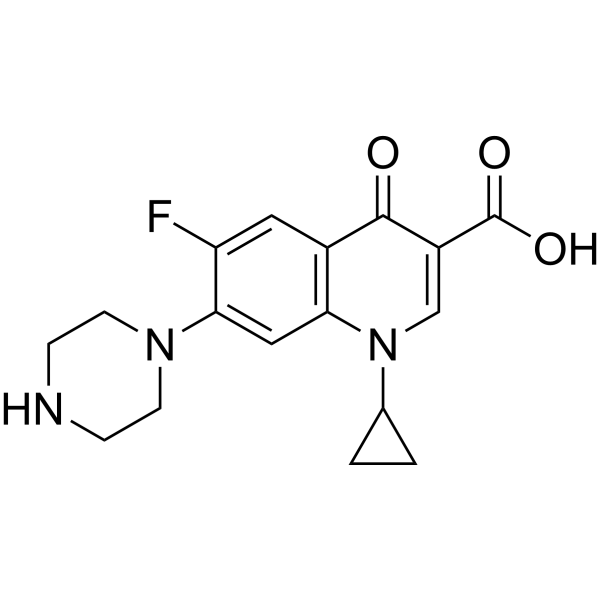
Ciprofloxacin (Bay-09867) is a potent, orally active topoisomerase IV inhibitor. Ciprofloxacin induces mitochondrial DNA and nuclear DNA damage and lead to mitochondrial dysfunction, ROS production. Ciprofloxacin has anti-proliferative activity and induces apoptosis. Ciprofloxacin is a fluoroquinolone antibiotic, exhibiting potent antibacterial activity .
loading...
    loading...
57
57 Cited Publications
Cat. No.: HY-B0356A
CAS No.: 93107-08-5
Synonyms: Bay-09867 monohydrochloride
Ciprofloxacin (Bay-09867) monohydrochloride is an orally active, blood-brain barrier permeable fluoroquinolone antibacterial agent. Ciprofloxacin monohydrochloride exerts bactericidal effects primarily by inhibiting topoisomerase II and IV. Ciprofloxacin monohydrochloride inhibits the proliferation of human dental pulp stem cells and chondrocytes from young rats, and also activates the Akt signaling pathway and upregulates markers such as β-catenin and Nanog to maintain the morphological characteristics of stem cells. Ciprofloxacin monohydrochloride induces significant neurotoxicity and tissue damage, including reducing serotonin and glutathione levels in the brain, inducing oxidative stress and depression-like behaviors, and causing articular cartilage damage. Ciprofloxacin monohydrochloride can be applied to research related to infections of necrotic young permanent teeth and neurotoxicity .
loading...
    loading...
57
57 Cited Publications
Cat. No.: HY-B0356B
CAS No.: 86393-32-0
Synonyms: Bay-09867 hydrochloride monohydrate
Ciprofloxacin (Bay-09867) hydrochloride monohydrate is an orally active, blood-brain barrier permeable fluoroquinolone antibacterial agent. Ciprofloxacin hydrochloride monohydrate exerts bactericidal effects primarily by inhibiting topoisomerase II and IV. Ciprofloxacin hydrochloride monohydrate inhibits the proliferation of human dental pulp stem cells and chondrocytes from young rats, and also activates the Akt signaling pathway and upregulates markers such as β-catenin and Nanog to maintain the morphological characteristics of stem cells. Ciprofloxacin hydrochloride monohydrate induces significant neurotoxicity and tissue damage, including reducing serotonin and glutathione levels in the brain, inducing oxidative stress and depression-like behaviors, and causing articular cartilage damage. Ciprofloxacin hydrochloride monohydrate can be applied to research related to infections of necrotic young permanent teeth and neurotoxicity .
loading...
    loading...
52
52 Cited Publications
Cat. No.: HY-141520
CAS No.: 2603528-97-6
Purity:  99.75%
Target:  

DNA/RNA Synthesis

Research Areas:  

Cancer

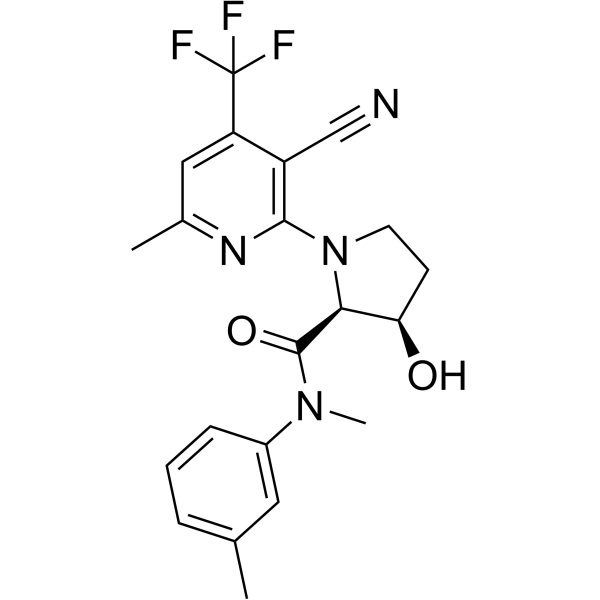
ART558 is a potent, selective and allosteric DNA polymerase theta (Polθ) inhibitor (IC50=7.9 nM). ART558 elicits BRCA-gene synthetic lethality and DNA damage. ART558 can be used for the research of cancer, such as breast cancer .
loading...
    loading...
34
34 Cited Publications
Cat. No.: HY-15176A
CAS No.: 1781882-65-2
Purity:  98.53%
Synonyms: RR82 hydrochloride
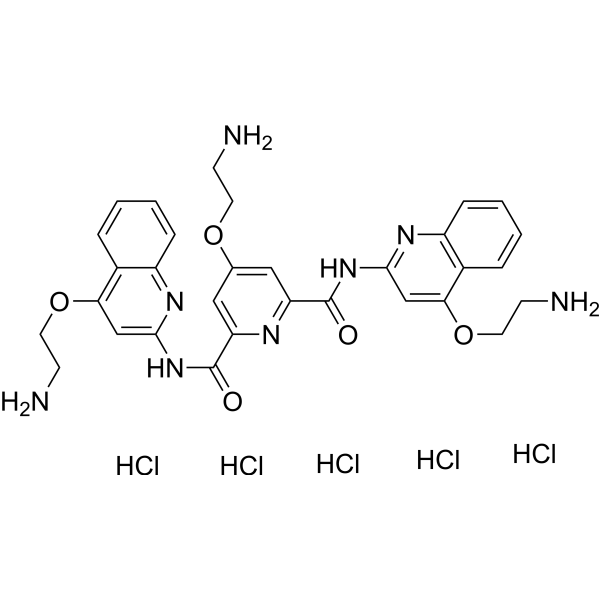
Pyridostatin (RR82) hydrochloride is a G-quadruplex DNA stabilizing agent (Kd=490 nM) and can target DNA and RNA G4s in cells. Pyridostatin hydrochloride promotes growth arrest in human cancer cells by inducing replication- and transcription-dependent DNA damage. Pyridostatin hydrochloride targets the proto-oncogene Src. Pyridostatin hydrochloride reduced SRC protein levels and SRC-dependent cellular motility in human breast cancer cells .
loading...
    loading...
34
34 Cited Publications
Cat. No.: HY-15176C
CAS No.: 2517456-88-9
Synonyms: RR82 trihydrochloride
Pyridostatin (RR82) trihydrochloride is a G-quadruplex (G4) inducer/stabilizer with a Kd of 490 nM. Pyridostatin trihydrochloride also acts as an inhibitor of Zika virus (ZIKV) NS2B-NS3 protease, with an IC50 of 11.0 μM. Pyridostatin trihydrochloride interacts with G-quadruplex structures, regulates the expression of SRC and SUB1, and induces replication- and transcription-dependent DNA damage, growth arrest, and genomic instability. Pyridostatin trihydrochloride exhibits antiproliferative and antiviral activities. Pyridostatin trihydrochloride can be used in studies related to breast cancer, cervical cancer, and Zika virus infection .
loading...
    loading...
34
34 Cited Publications
Cat. No.: HY-15176B
CAS No.: 1472611-44-1
Purity:  99.54%
Synonyms: RR82 TFA
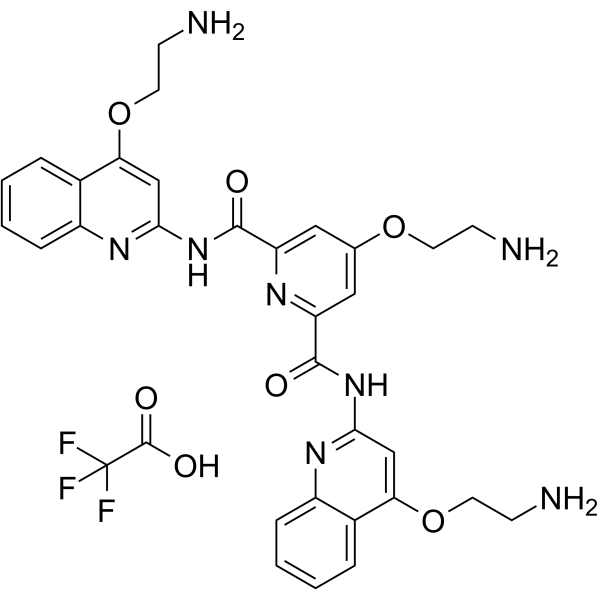
Pyridostatin (RR82) TFA is a G-quadruplex (G4) inducer/stabilizer with a Kd of 490 nM. Pyridostatin TFA also acts as an inhibitor of Zika virus (ZIKV) NS2B-NS3 protease, with an IC50 of 11.0 μM. Pyridostatin TFA interacts with G-quadruplex structures, regulates the expression of SRC and SUB1, and induces replication- and transcription-dependent DNA damage, growth arrest, and genomic instability. Pyridostatin TFA exhibits antiproliferative and antiviral activities. Pyridostatin TFA can be used in studies related to breast cancer, cervical cancer, and Zika virus infection .
loading...
    loading...

