530 Results for "

ERK1

" in MedChemExpress (MCE) Product Catalog:
Products (530)

530 Results for "ERK1" in MCE Product Catalog:

  • Isoforms Recommended:
  • Targets Recommended:
407
407 Publications Verification
Cat. No.: HY-12028
CAS No.: 167869-21-8
Purity:  98.89%
Research Areas:  

Cancer

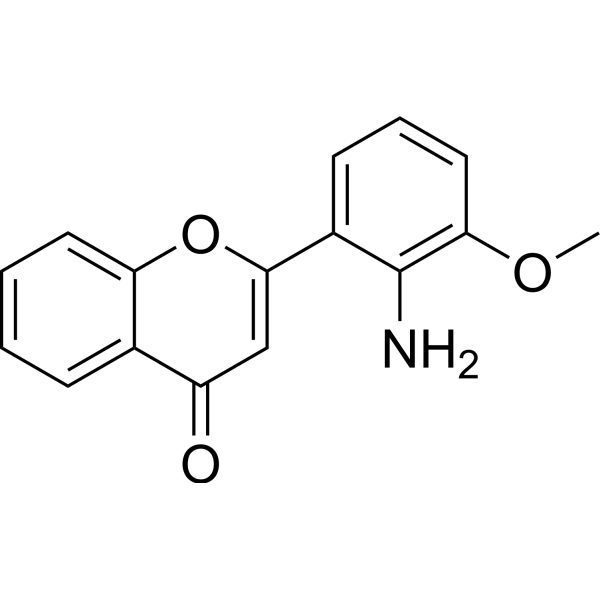
PD98059 is a potent and selective MEK inhibitor with an IC50 of 5 µM. PD98059 binds to the inactive form of MEK, thereby preventing the activation of MEK1 (IC50 of 2-7 µM) and MEK2 (IC50 of 50 µM) by upstream kinases. PD98059 is a ERK1/2 signaling inhibitor. PD98059 is a ligand for the aryl hydrocarbon receptor (AHR), and suppresses TCDD binding (IC50 of 4 μM) and AHR transformation (IC50 of 1 μM). PD98059 also inhibits Mycobacterium bovis Bacillus CalmetteGuerin (BCG)-induced autophagy [1] .
loading...
    loading...
193
193 Cited Publications
Cat. No.: HY-50846
CAS No.: 942183-80-4
Target:  

ERK

Research Areas:  

Neurological Disease Cancer

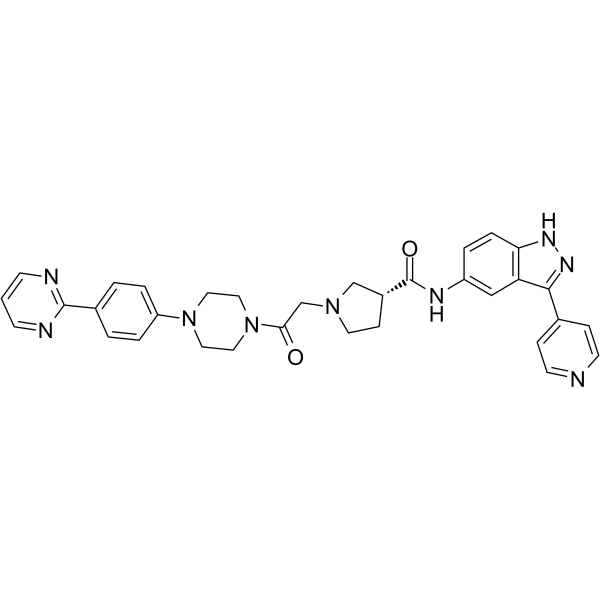
SCH772984 is a highly selective and ATP-competitive ERK inhibitor, with IC50s of 4 and 1 nM for ERK1 and ERK2, respectively. SCH772984 has antitumor activity in MAPK inhibitor-naive and MAPK inhibitor-resistant cells containing BRAF or RAS mutations [1].
loading...
    loading...
159
159 Cited Publications
Cat. No.: HY-10254
CAS No.: 391210-10-9
Purity:  99.95%
Synonyms: PD0325901; PD325901
Target:  

MEK Autophagy Apoptosis

Research Areas:  

Cancer

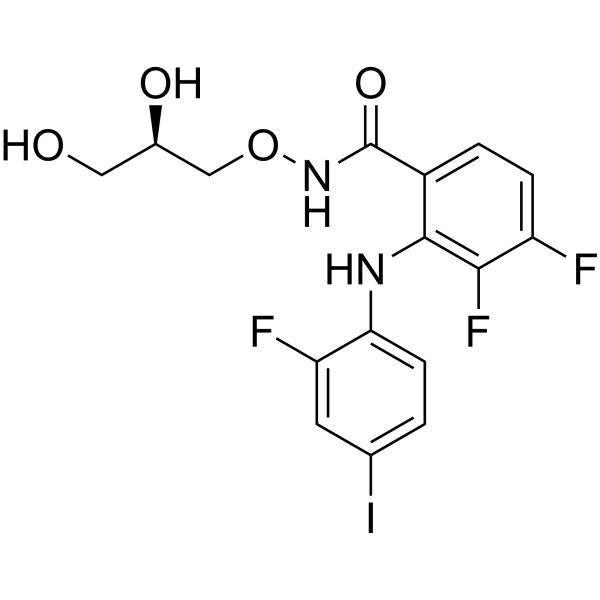
Mirdametinib (PD0325901) is an orally active, selective and non-ATP-competitive MEK inhibitor with an IC50 of 0.33 nM. Mirdametinib exhibits a Ki app of 1 nM against activated MEK1 and MEK2. Mirdametinib suppresses the expression of p-ERK1/2 and induces apoptosis. Mirdametinib has anti-cancer activity for a broad spectrum of human tumor xenografts [1] .
loading...
    loading...
143
143 Cited Publications
Cat. No.: HY-12008
CAS No.: 183319-69-9
Purity:  99.94%
Synonyms: CP-358774 hydrochloride; NSC 718781 hydrochloride; OSI-774 hydrochloride
Target:  

EGFR OAT ERK GSK-3 β-catenin

Research Areas:  

Endocrinology Cancer

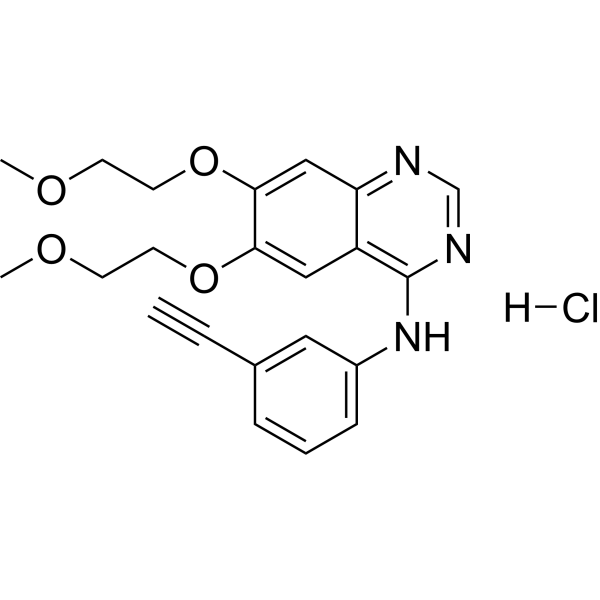
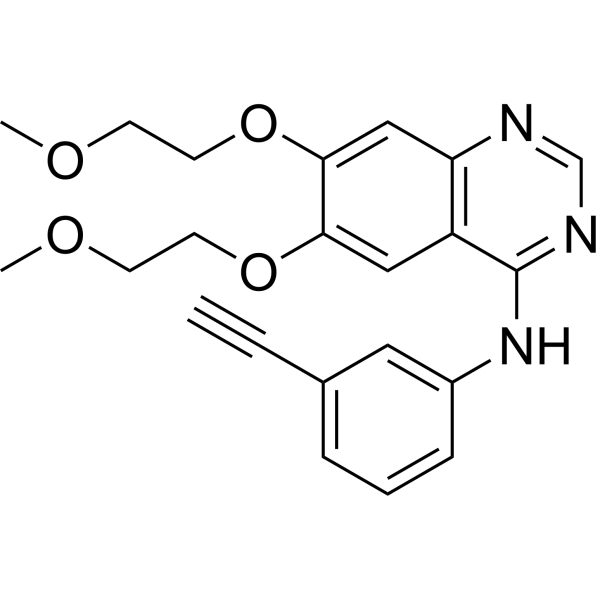
Erlotinib (CP-358774) Hydrochloride is a selective, orally active EGFR tyrosine kinase inhibitor. Erlotinib Hydrochloride also acts as a substrate and inhibitor of OATP2B1, with an IC50 of approximately 0.079 μM for inhibiting OATP2B1-mediated uptake of estrone 3-sulfate. Erlotinib Hydrochloride blocks EGFR phosphorylation, downstream signal transduction, as well as the growth and proliferation of cancer cells. Erlotinib Hydrochloride inhibits MMP-10-mediated renal injury, fibrotic lesions, the ERK1/2, GSK-3β and β-catenin signaling pathways, as well as the deposition of fibronectin, α-SMA, collagen and renal injury markers. Erlotinib Hydrochloride is metabolized via CYP3A to produce the active metabolite OSI-420. Erlotinib Hydrochloride can be used in research related to non-small cell lung cancer, gastric cancer, papillary renal cell carcinoma, EGFR inhibitor resistance and renal fibrosis [1] .
loading...
    loading...
143
143 Cited Publications
Cat. No.: HY-50896
CAS No.: 183321-74-6
Synonyms: CP-358774; NSC 718781; OSI-774
Target:  

EGFR OAT ERK GSK-3 β-catenin

Research Areas:  

Endocrinology Cancer

Erlotinib (CP-358774) is a selective, orally active EGFR tyrosine kinase inhibitor. Erlotinib also acts as a substrate and inhibitor of OATP2B1, with an IC50 of approximately 0.079 μM for inhibiting OATP2B1-mediated uptake of estrone 3-sulfate. Erlotinib blocks EGFR phosphorylation, downstream signal transduction, as well as the growth and proliferation of cancer cells. Erlotinib inhibits MMP-10-mediated renal injury, fibrotic lesions, the ERK1/2, GSK-3β and β-catenin signaling pathways, fibronectin, α-SMA, collagen deposition, and renal injury markers. Erlotinib is metabolized via CYP3A to produce the active metabolite OSI-420. Erlotinib can be used in research related to non-small cell lung cancer, gastric cancer, papillary renal cell carcinoma, pancreatic cancer, renal fibrosis, and other conditions [1] .
loading...
    loading...
111
111 Cited Publications
Cat. No.: HY-19696
CAS No.: 14605-22-2
Synonyms: Tauroursodeoxycholic acid; TUDCA; UR 906
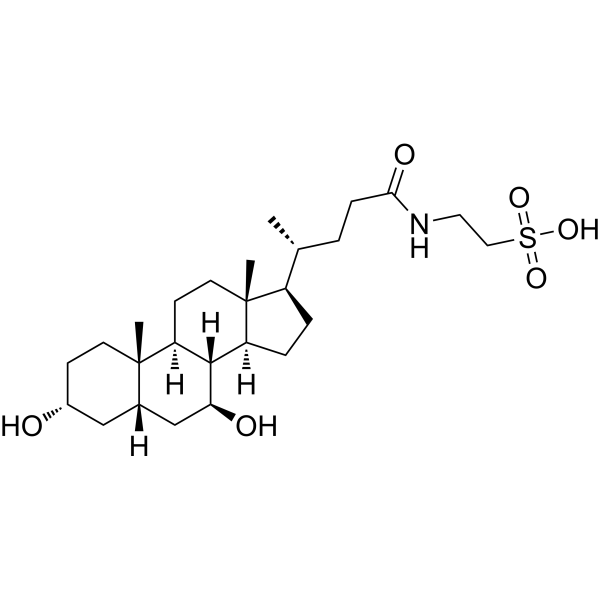
Tauroursodeoxycholate (Tauroursodeoxycholic acid) is an orally active endoplasmic reticulum (ER) stress inhibitor. Tauroursodeoxycholate significantly reduces expression of apoptosis molecules, such as caspase-3 and caspase-12. Tauroursodeoxycholate also inhibits ERK .
loading...
    loading...
98
98 Cited Publications
Cat. No.: HY-50706
CAS No.: 606143-52-6
Synonyms: AZD6244; ARRY-142886
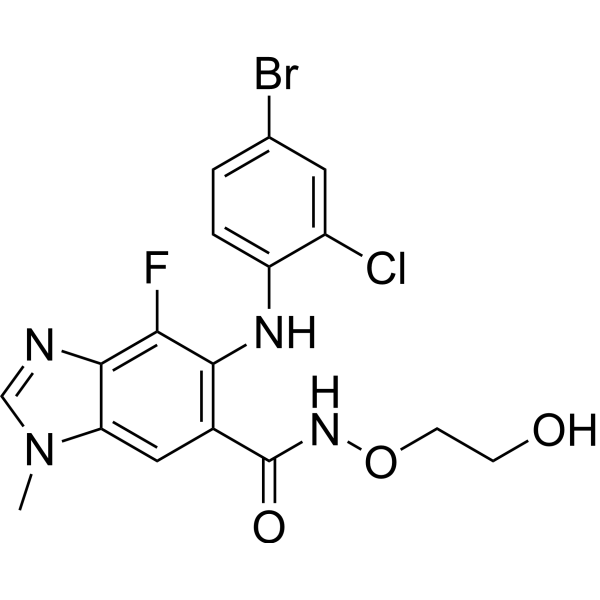
Selumetinib (AZD6244) is selective, non-ATP-competitive oral MEK1/2 inhibitor, with an IC50 of 14 nM for MEK1. Selumetinib (AZD6244) inhibits ERK1/2 phosphorylation. Selumetinib can penetrate the blood brain barrier (BBB) [1] .
loading...
    loading...
98
98 Cited Publications
Cat. No.: HY-50706A
CAS No.: 943332-08-9
Synonyms: AZD6244 sulfate; ARRY-142886 sulfate
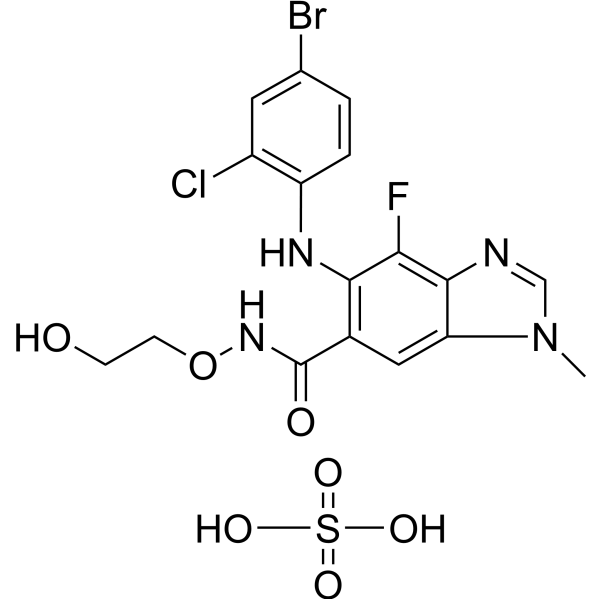
Selumetinib (AZD6244) sulfate is selective, non-ATP-competitive oral MEK1/2 inhibitor, with an IC50 of 14 nM for MEK1. Selumetinib (AZD6244) sulfate inhibits ERK1/2 phosphorylation. Selumetinib sulfate can penetrate the blood brain barrier (BBB) [1] .
loading...
    loading...
64
64 Cited Publications
Cat. No.: HY-18234A
CAS No.: 103476-89-7
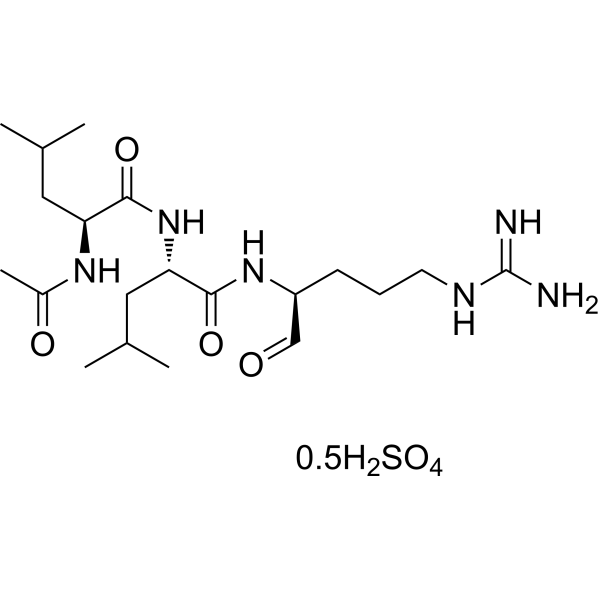
Leupeptin hemisulfate is a broad-spectrum protease inhibitor. Leupeptin hemisulfate inhibits serine, cysteine and threonine proteases, and regulates autophagy. Leupeptin hemisulfate reduces the expression levels of LC3B, iNOS, Cox-2, Beclin-1 and the level of endopeptidases; increases the levels of p62, Arg 1, Msr 1 and Mrc 1; and blocks the upregulation of p-PTEN, p-NF-κB, p-PI3K, p-Akt, p-p38 and ERK1/2. Leupeptin hemisulfate inhibits NO, ROS, proinflammatory cytokines, the IFN-γ/IL-10 ratio, phagolysosome fusion, mammalian lysosomal hydrolase activity and SARS-CoV-2 replication; and reverses impaired autophagic flux. Leupeptin hemisulfate is applicable to research related to chronic inflammatory diseases, edema, skin tumorigenesis, COVID-19 and respiratory infections [1] .
loading...
    loading...
52
52 Cited Publications
Cat. No.: HY-15816A
CAS No.: 1956366-10-1
Purity:  99.89%
Synonyms: BVD-523 hydrochloride; VRT752271 hydrochloride
Target:  

ERK

Research Areas:  

Cancer

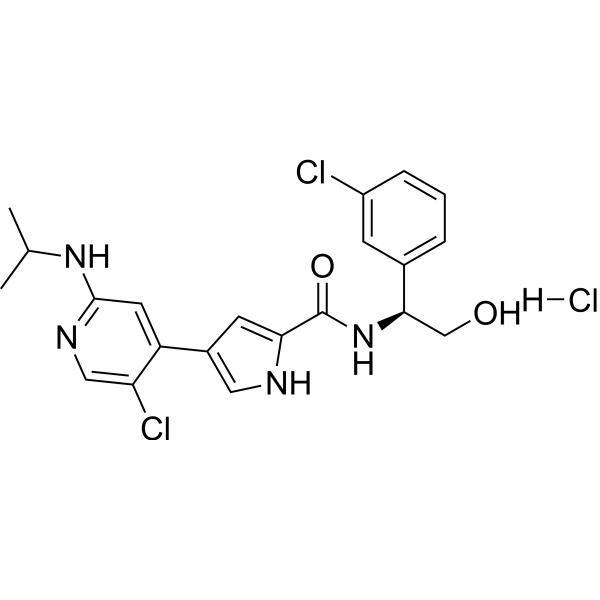
Ulixertinib hydrochloride (BVD-523 hydrochloride) is a potent, orally active, highly selective, ATP-competitive and reversible covalent inhibitor of ERK1/2 kinases, with an IC50 of <0.3 nM against ERK2. Ulixertinib hydrochloride inhibits the phosphorylated ERK2 (pERK) and downstream kinase RSK (pRSK) in an A375 melanoma cell line [1] .
loading...
    loading...
52
52 Cited Publications
Cat. No.: HY-15816
CAS No.: 869886-67-9
Purity:  99.95%
Synonyms: BVD-523; VRT752271
Target:  

ERK

Research Areas:  

Cancer

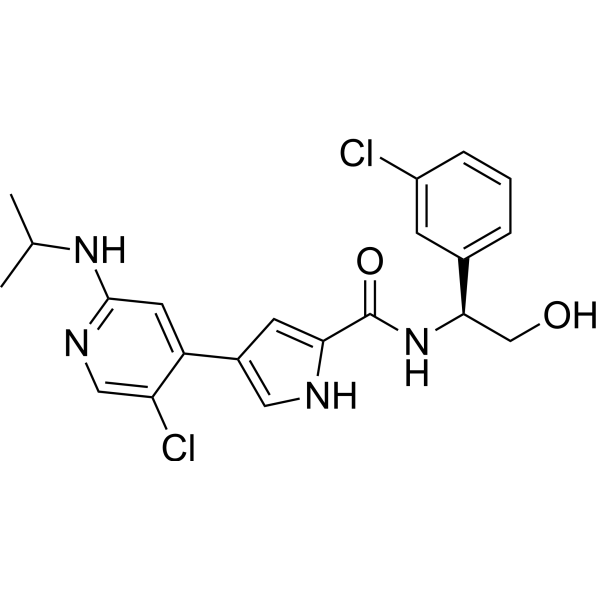
Ulixertinib (BVD-523; VRT752271) is a potent, orally active, highly selective, ATP-competitive and reversible covalent inhibitor of ERK1/2 kinases, with an IC50 of <0.3 nM against ERK2. Ulixertinib (BVD-523; VRT752271) inhibits the phosphorylated ERK2 (pERK) and downstream kinase RSK (pRSK) in an A375 melanoma cell line [1] .
loading...
    loading...
52
52 Cited Publications
Cat. No.: HY-15676
CAS No.: 1229705-06-9
Purity:  99.93%
Synonyms: RG7388
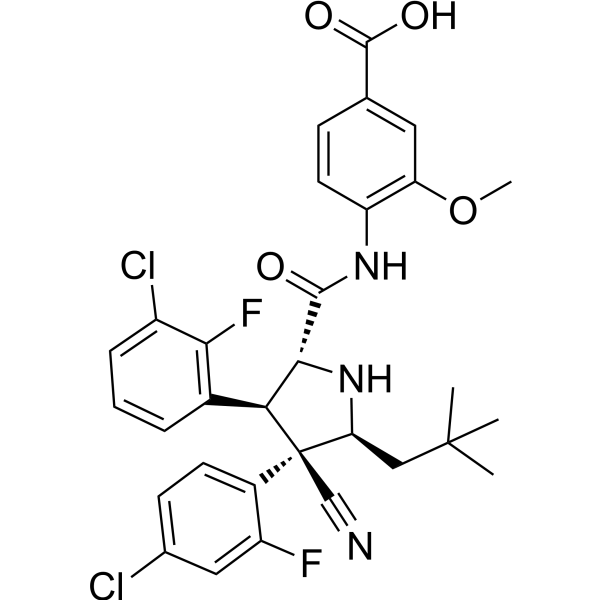
Idasanutlin (RG7388) is an orally bioavailable MDM2 inhibitor with an IC50 of 6 nM. Idasanutlin disrupts MDM2-p53 binding, stabilizes and activates p53, triggering cell cycle arrest, apoptosis, and reduced cancer cell viability. Idasanutlin reduces EGFR protein expression and phosphorylation, suppresses downstream SHP2, MEK1/2, ERK1/2, AKT, mTOR, p70(S6K1), and S6 signaling. Idasanutlin induces mitochondrial ROS production, drives p38 MAPK phosphorylation, upregulates NOXA, and mediates caspase-3-dependent apoptosis and gasdermin E-mediated pyroptosis. Idasanutlin can be used for the research of TP53-mutant non-small cell lung cancer, T-cell acute lymphoblastic leukemia, colorectal carcinoma, melanoma, diffuse large B-cell lymphoma, mantle cell lymphoma, non-Hodgkin lymphoma, severe fever with thrombocytopenia syndrome, neuroblastoma, acute lymphoblastic leukemia, relapsed or refractory acute myeloid leukemia, osteosarcoma, solid tumors, and hematological tumors [1] .
loading...
    loading...
51
51 Cited Publications
Cat. No.: HY-15947
CAS No.: 1453848-26-4
Synonyms: GDC-0994
Target:  

ERK

Research Areas:  

Cancer

Ravoxertinib (GDC-0994) is an orally active ERK kinase inhibitor with an IC50 of 6.1 nM and 3.1 nM for ERK1 and ERK2, respectively.
loading...
    loading...
51
51 Cited Publications
Cat. No.: HY-15947A
CAS No.: 2070009-58-2
Synonyms: GDC-0994 hydrochloride
Target:  

ERK

Research Areas:  

Cancer

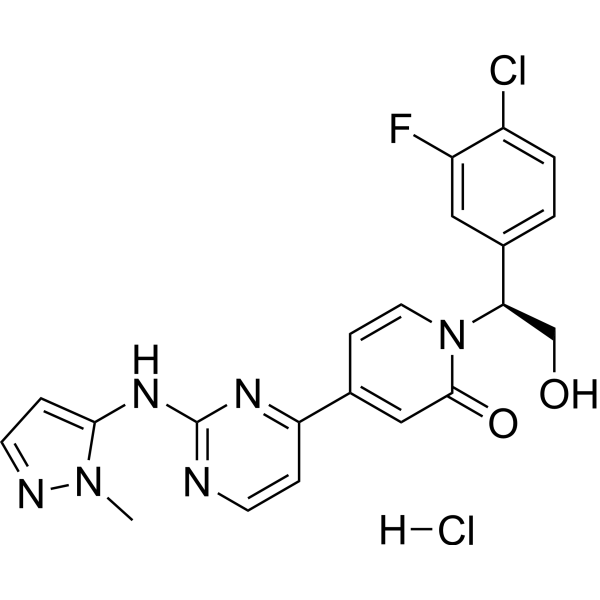
Ravoxertinib hydrochloride (GDC-0994 hydrochloride) is an orally bioavailable inhibitor selective for ERK kinase activity with IC50 of 6.1 nM and 3.1 nM for ERK1 and ERK2, respectively.
loading...
    loading...
42
42 Cited Publications
Cat. No.: HY-N0431
CAS No.: 84687-43-4
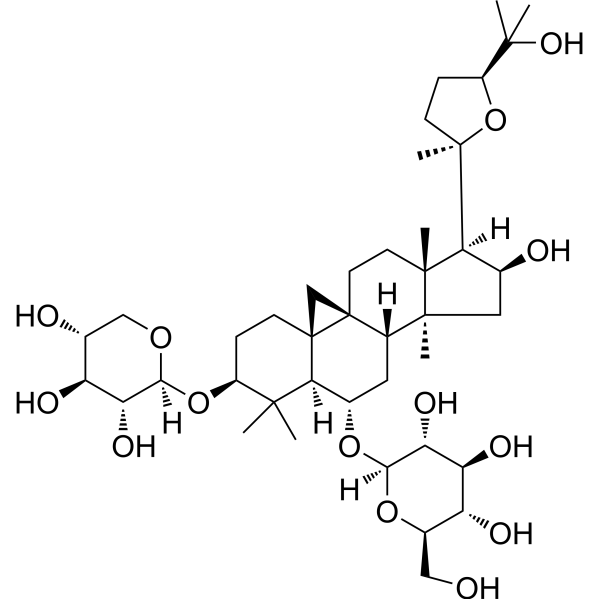
Astragaloside IV, an active component isolated from Astragalus membranaceus, suppresses the activation of ERK1/2 and JNK, and downregulates matrix metalloproteases (MMP)-2, (MMP)-9 in MDA-MB-231 breast cancer cells.
loading...
    loading...
41
41 Cited Publications
Cat. No.: HY-15312
CAS No.: 857064-38-1
Purity:  99.77%
Target:  

STAT JAK Apoptosis

Research Areas:  

Cancer

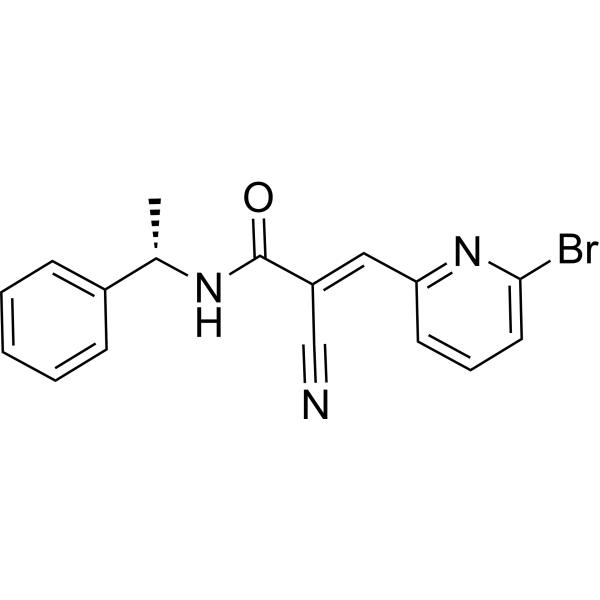
WP1066 is an inhibitor of JAK2 and STAT3, and also shows effect on STAT5 and ERK1/2, without affecting JAK1 and JAK3. WP1066 can cross the blood-brain barrier[1][2][3][4].
loading...
    loading...
35
35 Cited Publications
Cat. No.: HY-101494
CAS No.: 1951483-29-6
Purity:  99.94%
Synonyms: LY3214996
Target:  

ERK

Research Areas:  

Cancer

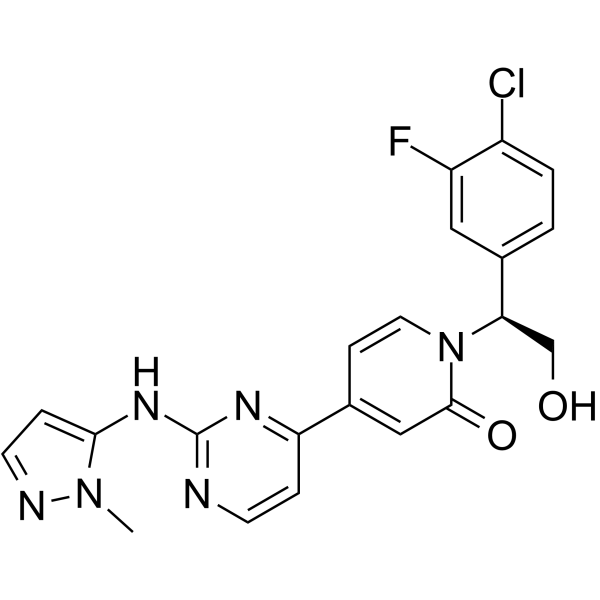
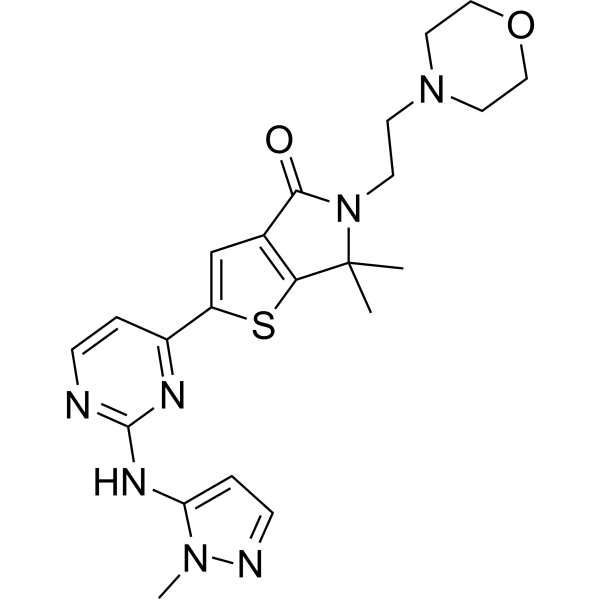
Temuterkib (LY3214996) is a highly selective inhibitor of ERK1 and ERK2, with IC50 of 5 nM for both enzymes in biochemical assays. Temuterkib potently inhibits cellular p-RSK1 in BRAF and RAS mutant cancer cell lines. Temuterkib shows potent antitumor activities in cancer models with MAPK pathway alterations.
loading...
    loading...
31
31 Cited Publications
Cat. No.: HY-13749
CAS No.: 486460-32-6
Purity:  99.75%
Synonyms: MK-0431
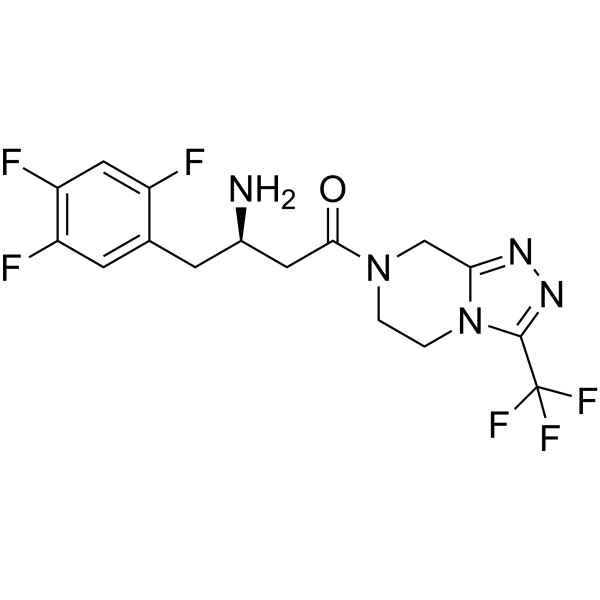
Sitagliptin (MK-0431) is an orally active and highly selective DPP4 inhibitor with an IC50 value of 19 nM. Sitagliptin blocks the degradation of glucagon-like peptide-1 (GLP-1) and glucose-dependent insulinotropic peptide (GIP) by competing inhibition mechanism (Kᵢ = 1 nM), thereby increasing the level of active incretin. Sitagliptin can also directly stimulate the secretion of GLP-1 by intestinal L cells by activating the cAMP/PKA and ERK1/2 pathways, and this effect is independent of DPP-4. Sitagliptin shows protective effects on pancreatic islet grafts in 1-type diabetes models. Sitagliptin can be used for the study of 1-type and 2-type diabetes [1] .
loading...
    loading...
31
31 Cited Publications
Cat. No.: HY-13749A
CAS No.: 654671-78-0
Purity:  99.79%
Synonyms: MK-0431 phosphate
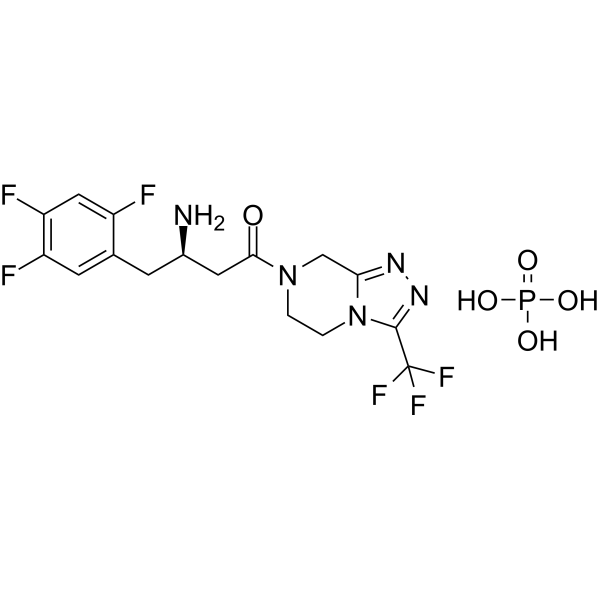
Sitagliptin (MK-0431) phosphate is an orally active and highly selective DPP4 inhibitor with an IC50 value of 19 nM. Sitagliptin phosphate blocks the degradation of glucagon-like peptide-1 (GLP-1) and glucose-dependent insulinotropic peptide (GIP) by competing inhibition mechanism (Kᵢ = 1 nM), thereby increasing the level of active incretin. Sitagliptin phosphate can also directly stimulate the secretion of GLP-1 by intestinal L cells by activating the cAMP/PKA and ERK1/2 pathways, and this effect is independent of DPP-4. Sitagliptin phosphate shows protective effects on pancreatic islet grafts in 1-type diabetes models. Sitagliptin phosphate can be used for the study of 1-type and 2-type diabetes [1] .
loading...
    loading...
31
31 Cited Publications
Cat. No.: HY-13749B
CAS No.: 654671-77-9
Purity:  99.83%
Synonyms: MK-0431 phosphate monohydrate
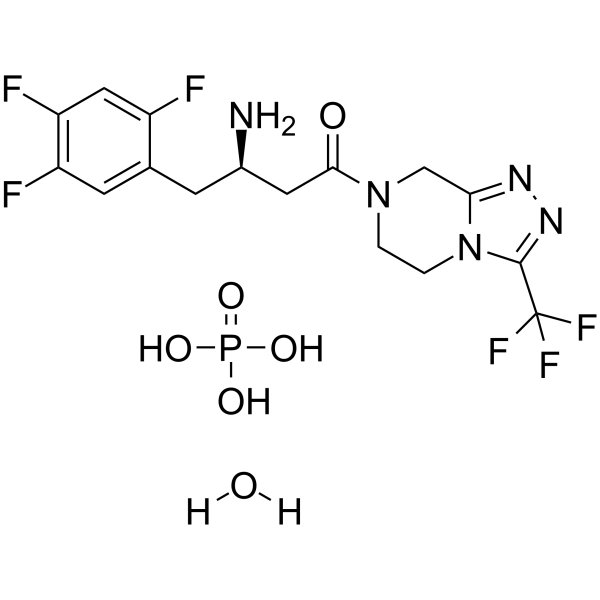
Sitagliptin (MK-0431) phosphate monohydrate is an orally active and highly selective DPP4 inhibitor with an IC50 value of 19 nM. Sitagliptin phosphate monohydrate blocks the degradation of glucagon-like peptide-1 (GLP-1) and glucose-dependent insulinotropic peptide (GIP) by competing inhibition mechanism (Kᵢ = 1 nM), thereby increasing the level of active incretin. Sitagliptin phosphate monohydrate can also directly stimulate the secretion of GLP-1 by intestinal L cells by activating the cAMP/PKA and ERK1/2 pathways, and this effect is independent of DPP-4. Sitagliptin phosphate monohydrate shows protective effects on pancreatic islet grafts in 1-type diabetes models. Sitagliptin phosphate monohydrate can be used for the study of 1-type and 2-type diabetes [1] .
loading...
    loading...

