Search Result
Results for "
GR–14-3-3 stabilizer-1
" in MedChemExpress (MCE) Product Catalog:
23
Biochemical Assay Reagents
1
Isotope-Labeled Compounds
| Cat. No. |
상품명 |
Target |
연구분야 |
Chemical Structure |
-
- HY-125861
-
|
MC(Viscosity:100000mPa.s)
|
Environmental Pollutants
Biochemical Assay Reagents
|
Others
|
|
Methyl cellulose (MC) (Viscosity:100000mPa.s) is a non-ionic cellulose ether with surface activity and thermogelation properties. Methyl cellulose (Viscosity:100000mPa.s) is widely used as drug delivery agents, thickeners, stabilizers, emulsifiers, etc., in industries such as pharmaceuticals, food, cosmetics, and construction .
|
-
-
- HY-B1068
-
|
|
Biochemical Assay Reagents
|
Metabolic Disease
|
|
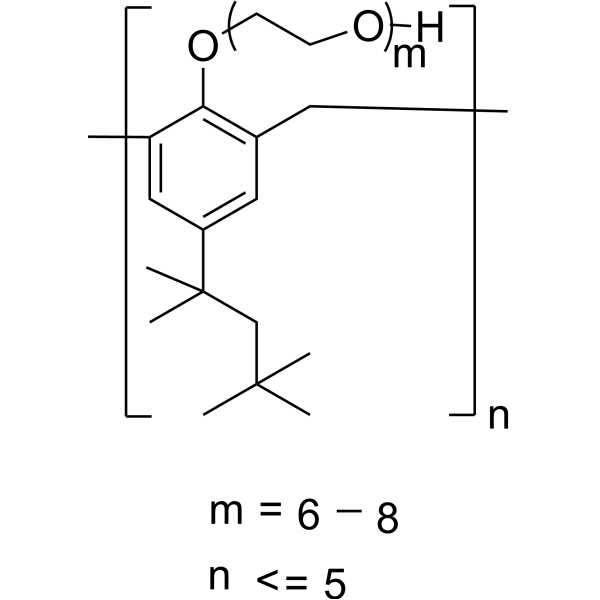
Tyloxapol is a nonionic liquid polymer of the alkyl aryl polyether alcohol type, used as a surface active stabilizer. Tyloxapol is used to induce hyperlipidemia in animals .
|
-
-
- HY-W250308
-
|
Epsilon-polylysine (MW 3800-4200); ε-Polylysine (MW 3800-4200); ε-PL (MW 3800-4200)
|
Bacterial
|
Others
|
|
Epsilon-polylysine is an antimicrobial peptide that can be produced by bacteria such as Streptomyces. Epsilon-polylysine inhibits the growth of microorganisms such as bacteria, yeasts and molds and is therefore often used as a green food additive and preservative in various food and beverage products. Epsilon-polylysine has a variety of properties, including thermal stability, resistance to acidic conditions, and broad-spectrum antimicrobial activity. Epsilon-polylysine can be loaded on other materials to form nanoparticles or form nanofiber membranes for targeted delivery to exert sustained antibacterial efficacy. Epsilon-polylysine is also used as a liposome stabilizer .
|
-
-
- HY-125861E
-
|
MC(Viscosity:4000mPa.s)
|
Environmental Pollutants
Biochemical Assay Reagents
|
Others
|
|
Methyl cellulose (MC) (Viscosity:4000mPa.s) is a non-ionic cellulose ether with surface activity and thermogelation properties. Methyl cellulose (Viscosity:4000mPa.s) is widely used as drug delivery agents, thickeners, stabilizers, emulsifiers, etc., in industries such as pharmaceuticals, food, cosmetics, and construction .
|
-
-
- HY-125861B
-
|
MC(Viscosity:400mPa.s)
|
Environmental Pollutants
Biochemical Assay Reagents
|
Others
|
|
Methyl cellulose (MC) (Viscosity:400mPa.s) is a non-ionic cellulose ether with surface activity and thermogelation properties. Methyl cellulose (Viscosity:400mPa.s) is widely used as drug delivery agents, thickeners, stabilizers, emulsifiers, etc., in industries such as pharmaceuticals, food, cosmetics, and construction .
|
-
-
- HY-W094474
-
|
hydrate/monohydrateortrihydrate
|
GSK-3
Apoptosis
|
Infection
Neurological Disease
|
|
Lithium chloride hydrate, an orally active mood stabilizer, is a potent virus inhibitor and effective immunomodulatory agent. Lithium chloride hydrate has antidepressant activity by inhibiting GSK3β and promoting neurogenesis. Lithium chloride hydrate alleviates cognition dysfunction and the symptoms of acute mania and depression. Lithium chloride hydrate can also be used for research of virus infection and Alzheimer's disease .
|
-
-
- HY-108468
-
KL001
2 Publications Verification
|
Cryptochrome
|
Metabolic Disease
|
|
KL001 is a first-in-class cryptochrome (CRY, a flavoproteins that are sensitive to blue light, and is involved in the circadian rhythms of plants and animals) stabilizer which specifically interacts with CRY1 and CRY2. KL001 prevents ubiquitin-dependent degradation of CRY, resulting in lengthening of the circadian period. KL001 has the potential to control fasting hormone-induced gluconeogenesis .
|
-
-
- HY-15278
-
-
-
- HY-125861A
-
|
MC(Viscosity:15mPa.s)
|
Environmental Pollutants
Biochemical Assay Reagents
|
Others
|
|
Methyl cellulose (MC) (Viscosity:15mPa.s) is a non-ionic cellulose ether with surface activity and thermogelation properties. Methyl cellulose (Viscosity:15mPa.s) is widely used as drug delivery agents, thickeners, stabilizers, emulsifiers, etc., in industries such as pharmaceuticals, food, cosmetics, and construction .
|
-
-
- HY-B1620C
-
|
PVP K17; Polyvidone K17; Povidone K17
|
Biochemical Assay Reagents
|
Others
|
|
Polyvinylpyrrolidone K17 is one of the polymers in pharmaceutical preparations. Polyvinylpyrrolidone K17 is a versatile excipient for both conventional formulations and novel controlled or targeted delivery systems, serving as a binder, coating agent, suspending agent, pore-former, solubilizer, stabilizer, etc .
|
-
-
- HY-122815
-
|
Fusicoccin A
|
Apoptosis
|
Cancer
|
|
Fusicoccin (Fusicoccin A), a fungal pytotoxin, is a stabilizer of specific 14-3-3 protein-protein interactions. Fusicoccin sabilizes H +-ATPase/14-3-3 cmplex in pants, maintaining the enzyme in activated state. Fusicoccin also stabilizes 14-3-3 protein interactions with binding partners containing a C-terminal 14-3-3 recognition motif (a mode 3 motif), such as ERα, GPIbα, TASK3, CTFR, and p53. Fusicoccin induces apoptosis in cancer cells and has anticancer activity .
|
-
-
- HY-N7059
-
|
|
Bacterial
Reactive Oxygen Species (ROS)
|
Infection
|
|
Lactobionic acid is a bionic acid that can be naturally found in the Caspian Sea yogurt and chemically constituted of a gluconic acid bonded to a galactose. Lactobionic acid has antioxidant, antimicrobial, chelating, stabilizer, acidulant, and moisturizing properties. Lactobionic acid can be obtained by electrolytic methods, microbial fermentation or biocatalytic approaches. Lactobionic acid can be used in foodstuffs, to produce new functional products and against food-borne pathogens. Lactobionic acid inhibits DNA repair and protein synthesis, induction of oxidative stress and inhibition of metabolic pathways against MRSA .
|
-
-
- HY-N2011
-
|
n-Octyl gallate; stabilizer GA 8
|
VSV
Bacterial
HSV
Influenza Virus
Reactive Oxygen Species (ROS)
|
Infection
|
|
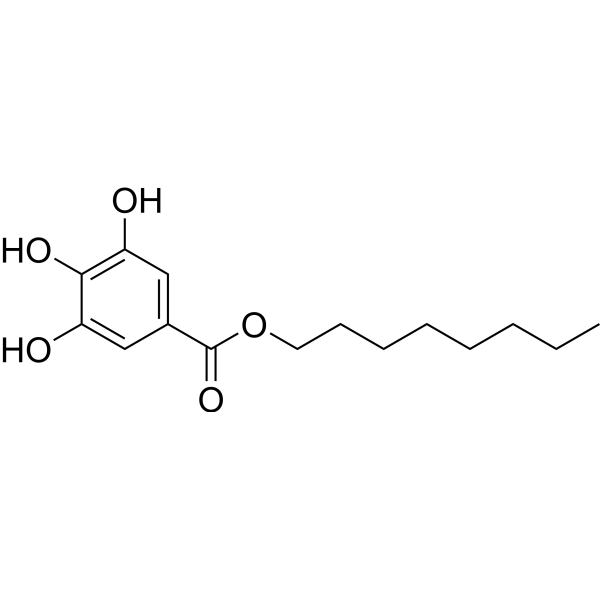
Octyl gallate (Progallin O) is widely used as a food additive, with antimicrobial and antioxidant activity . Octyl gallate (Progallin O) shows selective and sensitive fluorescent property . Octyl gallate shows a marked antiviral effect against HSV-1, vesicular stomatitis virus (VSV) and poliovirus .
|
-
-
- HY-43747
-
|
Acetobromo-α-D-glucose, contains 1% CaCO3 as stabilizer; Acetobromo-alpha-D-glucose, contains 1% CaCO3 as stabilizer
|
Biochemical Assay Reagents
Drug Intermediate
|
Others
|
|
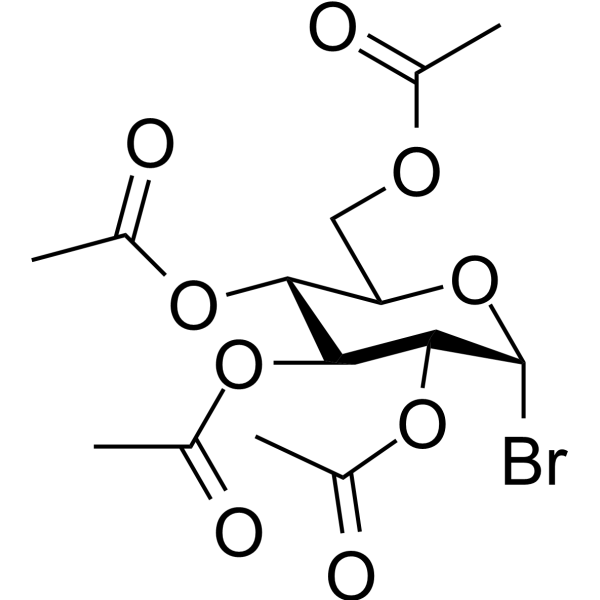
α-Acetobromoglucose, contains 1% CaCO3 as stabilizer (Acetobromo-α-D-glucose, contains 1% CaCO3 as stabilizer) is a glycosyl donor that can be used for the synthesis of other active compounds .
|
-
-
- HY-125861C
-
|
MC(Viscosity:1500mPa.s)
|
Environmental Pollutants
Biochemical Assay Reagents
|
Others
|
|
Methyl cellulose (MC) (Viscosity:1500mPa.s) is a non-ionic cellulose ether with surface activity and thermogelation properties. Methyl cellulose (Viscosity:1500mPa.s) is widely used as drug delivery agents, thickeners, stabilizers, emulsifiers, etc., in industries such as pharmaceuticals, food, cosmetics, and construction .
|
-
-
- HY-109165A
-
|
AG10 hydrochloride
|
Transthyretin (TTR)
|
Metabolic Disease
Endocrinology
|
|
Acoramidis (AG10) hydrochloride is an orally active and selective kinetic stabilizer of WT and V122I-TTR (transthyretin). Acoramidis (AG10) hydrochloride is used in the study for transthyretin amyloidosis .
|
-
-
- HY-109165
-
-
-
- HY-153193
-
|
|
GLP Receptor
Molecular Glues
|
Metabolic Disease
|
|
LSN3160440 is an allosteric modulator of GLP-1R, which acts as a protein–protein interaction (PPI) stabilizer or molecular glue to assist in the adhesion of inactive GLP-1 (9-36) NH2 on GLP-1R .
|
-
-
- HY-B1620J
-
|
PVP, average Mw~10000; Polyvidone, average Mw~10000; Povidone, average Mw~10000
|
Environmental Pollutants
Biochemical Assay Reagents
|
Others
|
|
Polyvinylpyrrolidone, average Mw~10000 is a multifunctional synthetic polymer with an average molecular weight of 10000 Da. Polyvinylpyrrolidone, average Mw~10000 is widely used to synthesize nanoparticlesPolyvinylpyrrolidone, average Mw~10000 is a versatile excipient for both conventional formulations and novel controlled or targeted delivery systems, serving as a binder, coating agent, suspending agent, pore-former, solubilizer, stabilizer, etc .
|
-
-
- HY-B1620N
-
|
PVP, average Mw~360000; Polyvidone, average Mw~360000; Povidone, average Mw~360000
|
Environmental Pollutants
Biochemical Assay Reagents
|
Others
|
|
Polyvinylpyrrolidone, average Mw~360000 is a multifunctional synthetic polymer with an average molecular weight of 360000 Da. Polyvinylpyrrolidone, average Mw~360000 is widely used to synthesize nanoparticlesPolyvinylpyrrolidone, average Mw~360000 is a versatile excipient for both conventional formulations and novel controlled or targeted delivery systems, serving as a binder, coating agent, suspending agent, pore-former, solubilizer, stabilizer, etc .
|
-
-
- HY-159502
-
-
-
- HY-14270
-
-
-
- HY-15595A
-
|
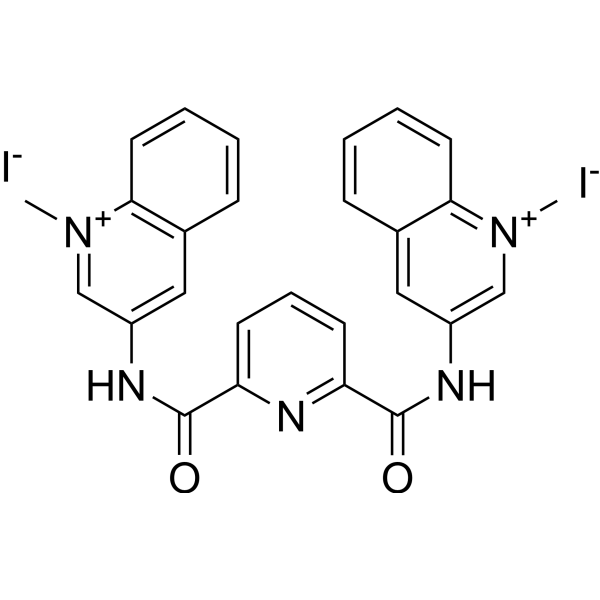
360 A iodide
|
G-quadruplex
Telomerase
|
Cancer
|
|
360A iodide is a selective stabilizer of G-quadruplex, and also inhibits telomerase activity with an IC50 of 300 nM for telomerase in TRAP-G4 assay.
|
-
-
- HY-401383
-
|
|
Environmental Pollutants
Biochemical Assay Reagents
|
Others
|
|
Poly (acrylic acid) (MW 10000-60000) is a type of polyacrylic acid with a molecular weight of 10000-60000. Poly (acrylic acid) (MW 10000-60000) is an anionic polymer. Poly (acrylic acid) (MW 10000-60000) can be used as a corrosion inhibitor and surface stabilizer.
|
-
-
- HY-109027
-
|
N91115
|
GSNOR
CFTR
|
Inflammation/Immunology
|
|
Cavosonstat (N91115) is an orally active S-nitrosoglutathione reductase (GSNOR) inhibitor. Cavosonstat is a CFTR stabilizer, and can be used for cystic fibrosis research .
|
-
-
- HY-125861D
-
|
MC(Viscosity:40000mPa.s)
|
Environmental Pollutants
Biochemical Assay Reagents
|
Others
|
|
Methyl cellulose (MC) (Viscosity:40000mPa.s) is a non-ionic cellulose ether with surface activity and thermogelation properties. Methyl cellulose (Viscosity:40000mPa.s) is widely used as drug delivery agents, thickeners, stabilizers, emulsifiers, etc., in industries such as pharmaceuticals, food, cosmetics, and construction .
|
-
-
- HY-B1620K
-
|
PVP, average Mw~29000; Polyvidone, average Mw~29000; Povidone, average Mw~29000
|
Environmental Pollutants
Biochemical Assay Reagents
|
Others
|
|
Polyvinylpyrrolidone, average Mw~29000 is a multifunctional synthetic polymer with an average molecular weight of 29,000 Da. Polyvinylpyrrolidone, average Mw~29000 is a versatile excipient for both conventional formulations and novel controlled or targeted delivery systems, serving as a binder, coating agent, suspending agent, pore-former, solubilizer, stabilizer, etc .
|
-
-
- HY-119506
-
KL044
1 Publications Verification
|
Cryptochrome
|
Metabolic Disease
|
|
KL044, a stabilizer of the clock protein cryptochrome (CRY) , is a potent chemical probe with a pEC50 value of 7.32, leading to the extension of the circadian period and repression of Per2 activity .
|
-
-
- HY-134194
-
KL201
2 Publications Verification
|
Cryptochrome
|
Metabolic Disease
|
|
KL201 a circadian clock modulator, is a isoform-selective cryptochrome 1 (CRY1) stabilizer. KL201 has no stabilizing effect on CRY2. KL201 lengthens the period of circadian rhythms in cells and tissues .
|
-
-
- HY-108567
-
-
-
- HY-135776
-
|
o-BMVC
|
G-quadruplex
|
Cancer
|
|
BMVC2 (o-BMVC) is a bisubstitute carbazole derivative of BMVC. BMVC2 is a G-quadruplex (G4) stabilizer .
|
-
-
- HY-126899
-
|
|
Microtubule/Tubulin
|
Cancer
|
|
TPI-287, a blood-brain barrier-permeable microtubule stabilizer, can significantly reduce metastatic colonization of breast cancer in the brain .
|
-
-
- HY-148953
-
|
|
G-quadruplex
DNA/RNA Synthesis
Apoptosis
|
Cancer
|
|
MTR-106 is a potent and orally active G-quadruplex stabilizer and RNA polymerase I inhibitor. MTR-106 induces apoptosis and inhibits cell growth. MTR-106 can be used in research of cancer .
|
-
-
- HY-171944
-
|
|
Drug Derivative
Lactate Dehydrogenase
|
Others
|
|
6-O-Oleoyltrehalose is a derivative of trehalose. 6-O-Oleoyltrehalose has biodegradable and low surface tension reduction ability. 6-O-Oleoyltrehalose preserves Lactate dehydrogenase (LDH) activity during freeze/thaw cycles. 6-O-Oleoyltrehalose can be used for stabilizer research .
|
-
-
- HY-125861H
-
|
MC(Viscosity:25mPa.s)
|
Biochemical Assay Reagents
|
Others
|
|
Methyl cellulose (MC) (Viscosity:25mPa.s) is a non-ionic cellulose ether with surface activity and thermogelation properties. Methyl cellulose (Viscosity:25mPa.s) is widely used as drug delivery agents, thickeners, stabilizers, emulsifiers, etc., in industries such as pharmaceuticals, food, cosmetics, and construction .
|
-
-
- HY-B1620M
-
|
PVP, average Mw~55000; Polyvidone, average Mw~55000; Povidone, average Mw~55000
|
Biochemical Assay Reagents
|
Others
|
|
Polyvinylpyrrolidone, average Mw~55000 is a multifunctional synthetic polymer with an average molecular weight of 55000 Da. Polyvinylpyrrolidone, average Mw~55000 is widely used to synthesize nanoparticlesPolyvinylpyrrolidone, average Mw~55000 is a versatile excipient for both conventional formulations and novel controlled or targeted delivery systems, serving as a binder, coating agent, suspending agent, pore-former, solubilizer, stabilizer, etc .
|
-
-
- HY-176540
-
|
|
Microtubule/Tubulin
|
Neurological Disease
|
|
Microtubule stabilizer-1 (compound 69) is a brain-penetrant microtubule (MT) stabilizer. Microtubule stabilizer-1 increases acetylated α-tubulin (AcTub) levels and prevents the characteristic loss of neuronal MTs that is observed after incubation with Okadaic acid (HY-N6785). Microtubule stabilizer-1 can be used for the study of Alzheimer’s disease (AD) and related neurodegenerative tauopathies .
|
-
-
- HY-N2011R
-
|
n-Octyl gallate (Standard); stabilizer GA 8 (Standard)
|
VSV
Reference Standards
Bacterial
HSV
Influenza Virus
Reactive Oxygen Species (ROS)
|
Infection
|
|
Octyl gallate (Standard) is the analytical standard of Octyl gallate. This product is intended for research and analytical applications. Octyl gallate (Progallin O) is widely used as a food additive, with antimicrobial and antioxidant activity . Octyl gallate (Progallin O) shows selective and sensitive fluorescent property . Octyl gallate shows a marked antiviral effect against HSV-1, vesicular stomatitis virus (VSV) and poliovirus .
|
-
-
- HY-15595
-
|
|
G-quadruplex
Telomerase
|
Cancer
|
|
360A is a selective stabilizer of G-quadruplex, and also inhibits telomerase activity with an IC50 of 300 nM for telomerase in TRAP-G4 assay.
|
-
-
- HY-W004643
-
|
AK-II
|
Fungal
Herbicide
|
Infection
|
|
Akardite II (AK-II) is a stabilizer for nitrocellulose (NC) propellants as it scavenges NOx. Akardite II helps control a variety of plant pathogens and weeds, which can be used as fungicides and herbicides .
|
-
-
- HY-15278A
-
|
(16R)-Epothilone D; (16R)-UTD1; (16R)-KOS 862
|
Microtubule/Tubulin
|
Infection
Cancer
|
|
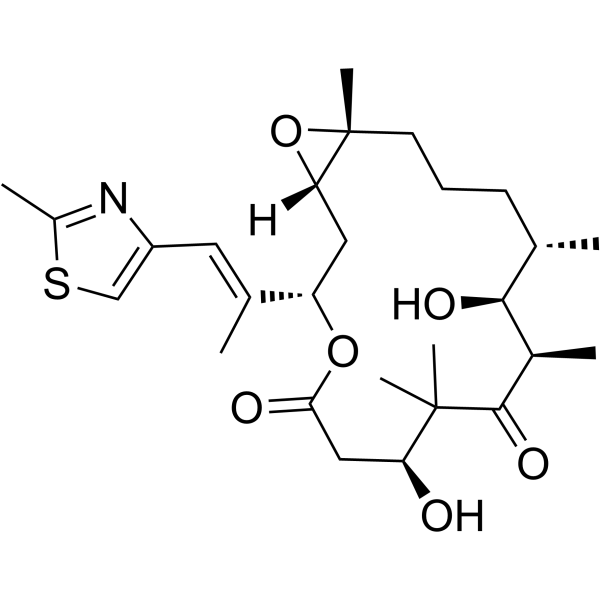
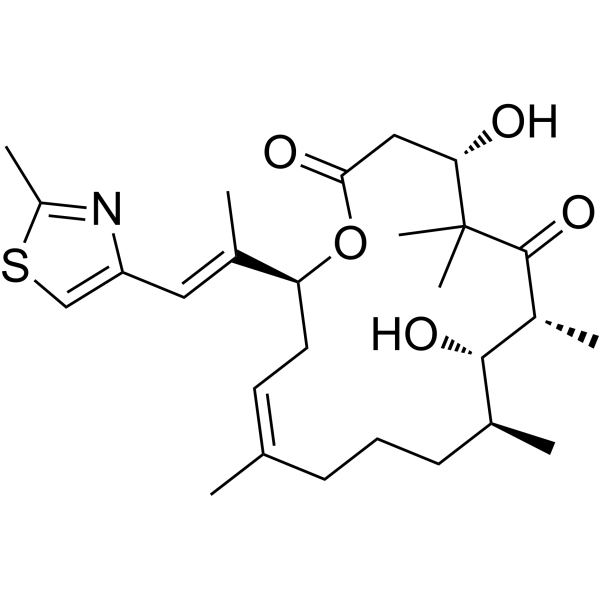
(16R)-Utidelone ((16R)-Epothilone D) is the isomer of Utidelone (HY-15278), and can be used as an experimental control. Utidelone (KOS 862) is a potent microtubule stabilizer.
|
-
-
- HY-169905
-
|
|
Molecular Glues
|
Others
|
|
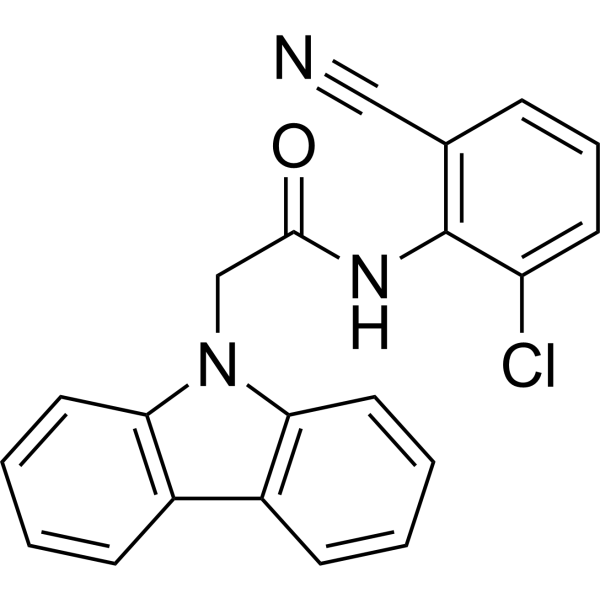
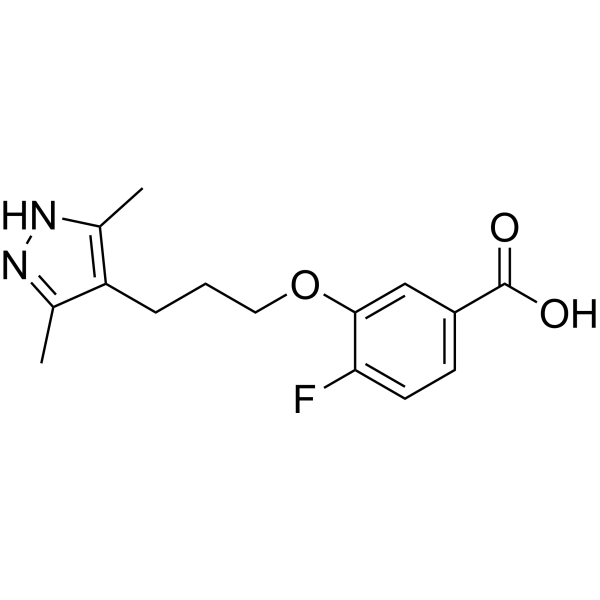
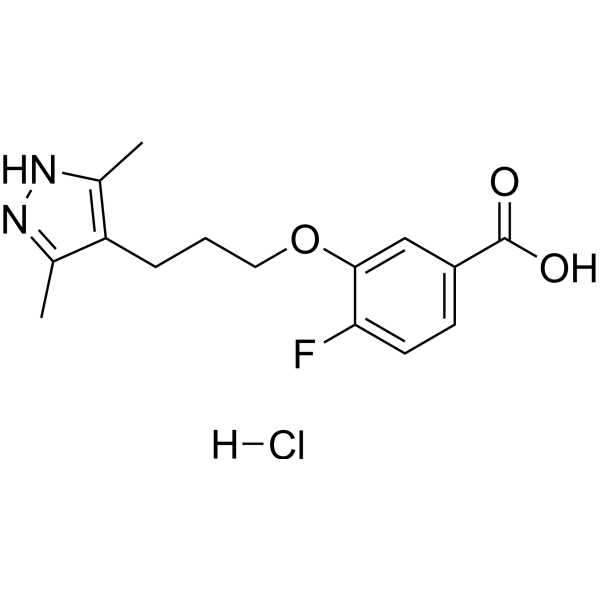
GR-14-3-3 stabilizer-1 (compound 10) is a molecular glue stabilizer that can be used to prepare molecular glues targeting glucocorticoids (GR) and block the interaction between GR and 14-3-3 .
|
-
-
- HY-108285
-
|
|
Ser/Thr Protease
|
Inflammation/Immunology
|
|
(Rac)-Telmesteine is a protease inhibitor and is thus a suitable enzyme stabilizer extracted from patent WO 2017220302 A1, compound II-1. (Rac)-Telmesteine can be used as an enzyme stabilizer in protease-containing detergents and cleaning agents .
|
-
-
- HY-153767
-
|
|
MDM-2/p53
|
Cancer
|
|
PK095 is a p53 mutant stabilizer. PK095 can be used for research of cancer .
|
-
-
- HY-N11067
-
|
|
Apoptosis
|
Cancer
|
|
Taccalonolide E is a microtubule stabilizer and induces cancer cell apoptosis.
|
-
-
- HY-W094353
-
|
|
Biochemical Assay Reagents
|
Others
|
|
Calcium acetate hydrate is a type of calcium salt that can be used as a food additive, stabilizer, buffer and isolator. Calcium acetate hydrate can be combined with phosphate in the diet to reduce phosphate levels in the blood .
|
-
-
- HY-172915
-
|
|
MDM-2/p53
DNA-PK
Apoptosis
|
Cancer
|
|
p53 Stabilizer 2 is a 9'-cycloheptylselenomethyl-noscapine derivative and DNA-PKcs-dependent p53 stabilizer with low tubulin-binding affinity.p53 Stabilizer 2 induces S-phase arrest and apoptosis in cancer cells.p53 Stabilizer 2 can be used for the research of cancer .
|
-
-
- HY-W115798
-
|
Magnesium citrate tribasic nonahydrate, 99%
|
Biochemical Assay Reagents
|
Others
|
|
Trimagnesium dicitrate nonahydrate, 99% (Magnesium citrate tribasic nonahydrate, 99%) is an orally active magnesium salt of citric acid in the nonahydrate form. Trimagnesium dicitrate nonahydrate, 99% used as a stabilizer and anticaking agent in food supplements in solid and chewable forms .
|
-
-
- HY-175872
-
|
|
Estrogen Receptor/ERR
Molecular Glues
|
Others
|
|
14-3-3σ/ERα stabilizer-2 (Compound 41) is a covalent 14-3-3σ/ERα stabilizer with a Kd of 10.1 nM. 14-3-3σ/ERα stabilizer-2 significantly decreases the dissociation rate of ERα, stabilizing the binary ERα/14-3-3σ interaction. 14-3-3σ/ERα stabilizer-2 can be used for molecular glues research .
|
-
-
- HY-145937
-
|
|
MDM-2/p53
|
Cancer
|
|
PK9327 is a small-molecule stabilizer targeting cavity-creating p53 cancer mutations.
|
-
- HY-13656
-
|
KOS-1803
|
Microtubule/Tubulin
|
Cancer
|
|
Isofludelone (KOS-1803) is a potential microtubule stabilizer for the study of solid tumors. Isofludelone has antitumor activity .
|
-
- HY-W344875
-
|
|
Biochemical Assay Reagents
|
Others
|
|
Sodium ligninsulfonate is a natural polymer compound with good surface activity, which can be used as a stabilizer for liposomes, a promoter for nanocrystal production, and a dispersant for nanoparticle preparation.
|
-
- HY-108567R
-
|
|
Biochemical Assay Reagents
Reference Standards
|
Others
|
|
Bisphenol A diglycidyl ether (Standard) is the analytical standard of Bisphenol A diglycidyl ether. This product is intended for research and analytical applications. Bisphenol A diglycidyl ether is used as a stabilizer and embedding agent.
|
-
- HY-W414069
-
|
|
Endogenous Metabolite
Liposome
|
Others
|
|
Thiocholesterol is a member of the class of cholesteric liquid crystals (CLCs) that can be used to synthesis cationic lipid. Thiocholesterol is a stronger stabilizer of silver nanoparticles (SNPs). Thiocholesterol can be used for plasma membrane research and drug delivery .
|
-
- HY-113811
-
|
DIXDS; Diproxide
|
Biochemical Assay Reagents
|
Others
|
|
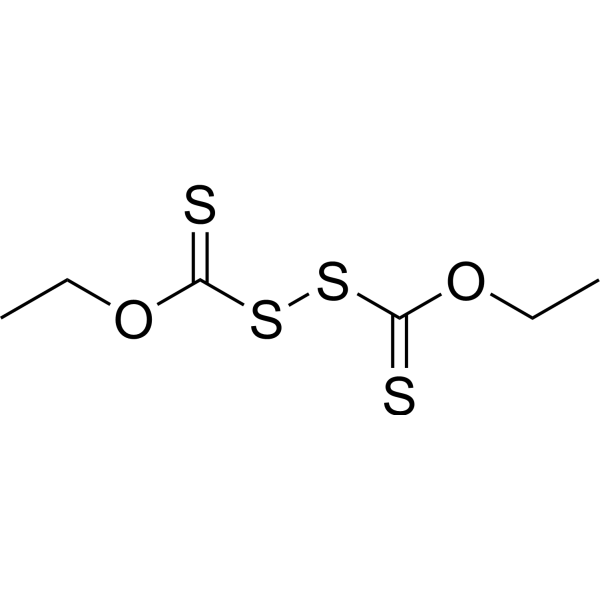
Diisopropyl xanthogen disulfide (DIXDS) is a superaccelerator for natural rubber and latex, styrene-butadiene rubber and latex, nitrile butadiene rubber and recycled rubber. It can also be used as a neoprene rubber modifier and an insoluble sulfur stabilizer .
|
-
- HY-162838
-
|
|
Estrogen Receptor/ERR
|
Others
|
|
TCF199 is an allosteric stabilizer that stabilizes the 14-3-3/TAZ peptide interaction, binding to the 14-3-3ζ/E R α peptide and 14-3-3ζ/Chibby peptide. TCF199 has a Kd value of 122 μM for its interaction with 14-3-3/TAZ .
|
-
- HY-W016656
-
|
4-Phenyl-1,2,4-triazolidine-3,5-dione
|
Drug Intermediate
|
Others
|
|
4-Phenylurazole (4-Phenyl-1,2,4-triazolidine-3,5-dione) is an important intermediate. 4-Phenylurazole also serves as a photographic emulsion stabilizer and a lubricant additive .
|
-
- HY-156125
-
|
|
Estrogen Receptor/ERR
|
Others
|
|
14-3-3σ/ERα stabilizer-1 (Compound 181) is a covalent 14-3-3σ/ERα stabilizer. 14-3-3σ/ERα stabilizer-1 can be used for research of molecular glues .
|
-
- HY-N7059R
-
|
|
Reference Standards
Bacterial
Reactive Oxygen Species (ROS)
|
Infection
|
|
Lactobionic acid (Standard) is an analytical standard for lactobionic acid. This product is intended for use in research and analytical applications. Lactobionic acid is a bionic acid that can be naturally found in the Caspian Sea yogurt and chemically constituted of a gluconic acid bonded to a galactose. Lactobionic acid has antioxidant, antimicrobial, chelating, stabilizer, acidulant, and moisturizing properties. Lactobionic acid can be obtained by electrolytic methods, microbial fermentation or biocatalytic approaches. Lactobionic acid can be used in foodstuffs, to produce new functional products and against food-borne pathogens. Lactobionic acid inhibits DNA repair and protein synthesis, induction of oxidative stress and inhibition of metabolic pathways against MRSA .
|
-
- HY-145890
-
-
- HY-112794
-
-
- HY-Y1175A
-
|
|
Biochemical Assay Reagents
|
Others
|
|
Calcium acetate monohydrate, ACS, 99% is a monohydrate form of calcium acetate used to precipitate oxalates in solution; it also serves as a stabilizer, buffer, and chelating agent.
|
-
- HY-W200537
-
|
Isopropyl thioglycolate
|
Biochemical Assay Reagents
|
Others
|
|
Propan-2-yl 2-sulfanylacetate (Isopropyl thioglycolate) can be used as a stabilizer for dyes, an additive for flame retardants, and a component in metal cleaning agents, etc .
|
-
- HY-158209
-
|
|
Biochemical Assay Reagents
|
Others
|
|
Block polyoxyethylene-polyoxypropylene is a block copolymer composed of hydrophilic polyoxyethylene (POE) and hydrophobic polyoxypropylene (POP), which can be used to prepare biological materials such as emulsifiers, drug delivery carriers, and stabilizers .
|
-
- HY-B0157AS
-
-
- HY-159658
-
-
- HY-175634
-
|
|
Lipoxygenase
β-catenin
STAT
Apoptosis
|
Cancer
|
|
ALOX5 stabilizer-1 is an arachidonate 5-lipoxygenase (ALOX5) stabilizer with a Kd of 7.26 μM. ALOX5 stabilizer-1 inhibits β-catenin protein levels and then suppresses STAT3 signal pathway. ALOX5 stabilizer-1 induces lung cancer cells apoptosis, inhibited cell migration and proliferation. ALOX5 stabilizer-1 can used for the study of non-small cell lung cancer (NSCLC) .
|
-
- HY-149779
-
|
|
Calcium Channel
|
Cardiovascular Disease
|
|
RyR2 stabilizer-1 (compound 12a) is a potent RyR2 stabilizer and SERCA2a activator with EC50s of 2.7 μM for RyR2 and 383 nM for SERCA2. RyR2 stabilizer-1 inhibits Ca 2+ leakage from the SR RyR2 while promoting SERCA2 to pump Ca 2+ back to SR, which make RyR2 stabilizer-1 possible to prevent cardiac arrhythmias .
|
-
- HY-170998
-
|
|
Autophagy
|
Inflammation/Immunology
|
|
ATG16L1 stabilizer-1 (compound A3B) is an FKBP12-independent ATG16L1 stabilizer that promotes cellular Autophagy. ATG16L1 stabilizer-1 inhibits ATG16L1 with an EC50 of 12.1 μM in the presence or absence of FKBP12. ATG16L1 stabilizer-1 alone induces GFP-LC3 puncta formation to a small extent with an EC50 of 12.0 μM .
|
-
- HY-145889
-
|
|
Biochemical Assay Reagents
|
Others
|
|
LC kinetic stabilizer-1 (compound 21) is a potent and selective amyloidogenic immunoglobulin light chain kinetic stabilizer with EC50s of 140 and 74.1 nM for WIL-FL * and WIL-FL * T46L/F49Y, respectively. WIL-FL is an amyloidogenic FL LC dimer .
|
-
- HY-126927
-
|
|
Transthyretin (TTR)
|
Neurological Disease
|
|
TTR stabilizer L6 (L6) binds to the T4 binding pocket of transthyretin (TTR), which can prevent the dissociation of TTR to monomer. TTR stabilizer L6 is promising for research of familial amyloid polyneuropathy .
|
-
- HY-155206
-
|
|
5-HT Receptor
|
Neurological Disease
|
|
(+)-OSU6162 is an stabilizer on dopaminergic and serotonergic brain signaling. (+)-OSU6162 is a partial agonist of 5-HT2A receptor. (+)-OSU6162 can be used for neurological research .
|
-
- HY-159063
-
|
|
Biochemical Assay Reagents
|
Others
|
|
Soy Polysaccharides are biochemical reagents that can be added to beverages, sauces, and dairy products as thickeners, emulsifiers, and dietary fiber ingredients. Soy Polysaccharides are non-toxic, hydrophilic, and biodegradable, allowing for widespread application in various food sectors. Additionally, Soy Polysaccharides serve as effective stabilizers in oil/water emulsions. Even under acidic conditions, Soy Polysaccharides can stabilize β-conglycinin-based emulsions to prevent flocculation .
|
-
- HY-149513
-
|
|
c-Myc
Apoptosis
|
Cancer
|
|
EP12 is a c-Myc inhibitor. EP12 is a c-Myc G4 stabilizer. EP12 induces apoptosis and DNA damage in multiple myeloma cells. EP12 disrupts the nuclear translocation of P65/P50 by interfering with the NF-κB signaling pathway. EP12 inhibits multiple myeloma growth .
|
-
- HY-126127
-
|
|
Histamine Receptor
|
Inflammation/Immunology
|
|
BRL 22321 free base is a stabilizer with similar mast cell stabilizing activity to Cromolyn sodium (HY-B0320A) and also has some smooth muscle relaxant activity. BRL 22321 free base is more potent than Cromolyn sodium (HY-B0320A) in inhibiting rat passive cutaneous and peritoneal anaphylaxis and antigen-induced histamine release from passively sensitized rat peritoneal cells .
|
-
- HY-186101
-
|
|
MDM-2/p53
|
Cancer
|
|
P53 mutant stabilizer-1 (compound 274) is a covalent mutant p53 stabilizer. P53 mutant stabilizer-1 can be used for the study of wild-type function of p53 mutants, such as cancers associated with p53 mutation .
|
-
- HY-111297
-
|
|
Biochemical Assay Reagents
|
Cancer
|
|
BMVC4 is a G-quadruplex (G4) stabilizer of the human telomeric sequence d[AG3(T2AG3)3]. Screening by circular dichroism (CD) spectroscopy revealed that BMVC4 is more suitable as the core molecule of G4 stabilizers than BMVC. The results showed that BMVC4-12C and BMVC4-8C3O are better candidates for G4 stabilizers and are worthy of further study. A simple and rapid screening method based on Cu2+-induced G4 unfolding can be used to find better G4 stabilizers for potential anticancer applications. CD results showed that the trivalent cations of 9-substituted BMVC derivatives are more suitable as G4 stabilizers than the divalent cations of BMVC. In addition, by monitoring the disappearance of the 291 nm CD band of human telomeres after Cu2+ addition, it was found that the core molecule of G4 stabilizer BMVC4 has better stability.
|
-
- HY-138694
-
|
|
Antibiotic
|
Infection
|
|
5-Benzyloxygramine is a N protein PPI orthosteric stabilizer that exhibits both antiviral and N-NTD protein-stabilizing activities .
|
-
- HY-15278R
-
-
- HY-124151R
-
|
2'-AMP (Standard); Adenosine 2'-phosphate (Standard); AMP 2'-phosphate (Standard)
|
Reference Standards
Adenosine Receptor
Endogenous Metabolite
|
Neurological Disease
|
|
Bisphenol A diglycidyl ether (Standard) is the analytical standard of Bisphenol A diglycidyl ether. This product is intended for research and analytical applications. Bisphenol A diglycidyl ether is used as a stabilizer and embedding agent.
|
-
- HY-106083
-
|
RHC 3988
|
Drug Intermediate
|
Inflammation/Immunology
|
|
Quazolast (RHC 3988) is a orally active mast cell stabilizer. Quazolast also is a potent mediator release inhibitor. Quazolast reduces the gastric damage. Quazolast has the potential for the research of gastric ulcers .
|
-
- HY-155647
-
|
|
Microtubule/Tubulin
|
Cancer
|
|
Microtubule stabilizing agent-1 (compound 3l) is a Paclitaxel derivative that efficiently promotes tubulin polymerization. Microtubule stabilizing agent-1 shows antitumor efficacy .
|
-
- HY-139122
-
|
N-Hydroxybutanamide
|
HDAC
|
Cardiovascular Disease
Neurological Disease
|
|
Butyrylhydroxamic acid (N-Hydroxybutanamide) is a potent inhibitor of histone deacetylase (HDAC). Butyrylhydroxamic acid enhances memory in behavioral models of rodents and can be used as memory enhancers, mood stabilizers, and β-chain hemoglobin disease studies .
|
-
- HY-E70627
-
|
|
Deubiquitinase
|
Neurological Disease
|
|
Ubiquitin thiolesterase UCHL1 (EC 3.1.2.15) is a member of the ubiquitin carboxy-terminal hydrolase family of deubiquitinating enzymes. Ubiquitin thiolesterase UCHL1 functions as an ubiquitin ligase and a mono-ubiquitin stabilizer .
|
-
- HY-14270R
-
|
U-42585E free acid (Standard)
|
Reference Standards
Histamine Receptor
|
Inflammation/Immunology
Endocrinology
|
|
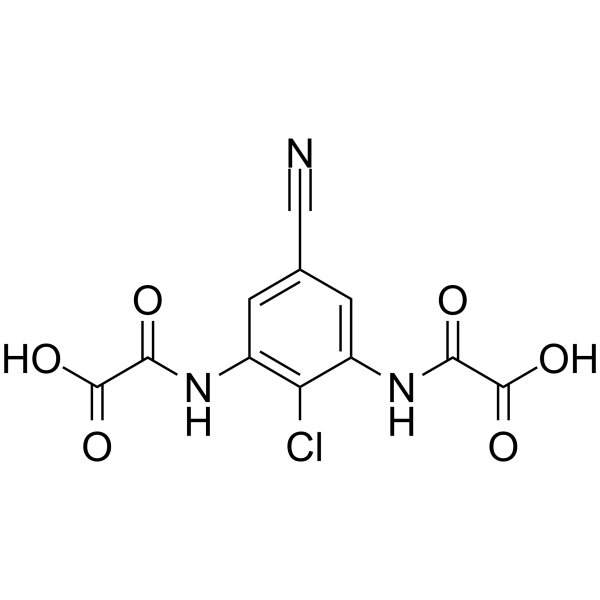
Lodoxamide (Standard) is the analytical standard of Lodoxamide. This product is intended for research and analytical applications. Lodoxamide (U-42585E free acid) is an antiallergic compound acting as a mast-cell stabilizer for the treatment of asthma and allergic conjunctivitis.
|
-
- HY-103403
-
|
PNU96391 hydrochloride
|
5-HT Receptor
Dopamine Receptor
|
Neurological Disease
|
|
(-)-OSU6162 (PNU96391) hydrochloride is a dopamine stabilizer. (-)-OSU6162 hydrochloride acts as partial agonist at 5-HT2A and is a dopamine D2 antagonist. (-)-OSU6162 hydrochloride can be used for the research of aggression and irritability .
|
-
- HY-17029R
-
|
EPO 906 (Standard); Patupilone (Standard)
|
Reference Standards
Microtubule/Tubulin
Fungal
Apoptosis
Antibiotic
Bacterial
|
Infection
Cancer
|
|
Epothilone B (Standard) is the analytical standard of Epothilone B. This product is intended for research and analytical applications. Epothilone B is a microtubule stabilizer with a Ki of 0.71μM. It acts by binding to the αβ-tubulin heterodimer subunit which causes decreasing of αβ-tubulin dissociation.
|
-
- HY-185217
-
|
|
Ras
|
Cancer
|
|
PPI stabilizer-1-1 (Compound 2) is a KRAS dimerizing agent. PPI stabilizer-1-1 dimerizes KRAS with a KD of 3.8 µM. PPI stabilizer-1-1 co-crystallizes with GCP-KRAS G12D. PPI stabilizer-1 can be used for the research of KRAS-driven cancers .
|
-
- HY-186130
-
|
|
Calpain
|
Neurological Disease
|
|
CAST-calpain-2 stabilizer-1 is a blood-brain barrier permeable stabilizer of CAST-calpain-2 interaction. CAST-calpain-2 stabilizer-1 shows no activity against GSK3. CAST-calpain-2 stabilizer-1 can be used in the research of Huntington's disease and tauopathies .
|
-
- HY-108285R
-
|
|
Ser/Thr Protease
Reference Standards
|
Inflammation/Immunology
|
|
(Rac)-Telmesteine (Standard) is the analytical standard of (Rac)-Telmesteine (HY-108285). This product is intended for research and analytical applications. (Rac)-Telmesteine is a protease inhibitor and is thus a suitable enzyme stabilizer extracted from patent WO 2017220302 A1, compound II-1. (Rac)-Telmesteine can be used as an enzyme stabilizer in protease-containing detergents and cleaning agents .
|
-
- HY-182824
-
|
|
Autophagy
|
Others
|
|
Sucrose dilaurate acts as an emulsifier, dispersant and stabilizer. Sucrose dilaurate reduces the release of HMGB1 from UVB-irradiated keratinocytes. Sucrose dilaurate inhibits melanogenesis and decreases bilirubin levels. Sucrose dilaurate induces autophagy in human epidermal keratinocytes, thereby reducing carboxymethyl lysine (CML) levels. Sucrose dilaurate reduces the secretion of insulin-like growth factor-binding protein 3 (IGFBP3) and nerve growth factor (NGF) by senescent keratinocytes. Sucrose dilaurate is investigated as an emulsifier, dispersant or stabilizer in the cosmetics, food and pharmaceutical industries .
|
-
- HY-W002006
-
|
|
Biochemical Assay Reagents
|
Others
|
|
6-Amino-1,3-dimethyluracil is a 6-aminouracil derivative and also functions as an organic thermal stabilizer for polyvinyl chloride (PVC). Its compatibility with PVC is lower than that of Ca 2+/Zn 2+ stabilizers and alkyl-substituted bis(6-amino-1,3-dimethyluracil-5-yl)methane derivatives. 6-Amino-1,3-dimethyluracil can be used to prepare PVC films, which exhibit lower transparency compared to PVC films stabilized by its derived bis-uracil compounds .
|
-
- HY-109027R
-
|
N91115 (Standard)
|
Reference Standards
GSNOR
CFTR
|
Inflammation/Immunology
|
|
Cavosonstat (Standard) is the analytical standard of Cavosonstat (HY-109027). This product is intended for research and analytical applications. Cavosonstat (N91115) is an orally active S-nitrosoglutathione reductase (GSNOR) inhibitor. Cavosonstat is a CFTR stabilizer, and can be used for cystic fibrosis research .
|
-
- HY-108468R
-
|
|
Cryptochrome
Reference Standards
|
Metabolic Disease
|
|
KL001 (Standard) is the analytical standard of KL001 (HY-108468). This product is intended for research and analytical applications. KL001 is a first-in-class cryptochrome (CRY, a flavoproteins that are sensitive to blue light, and is involved in the circadian rhythms of plants and animals) stabilizer which specifically interacts with CRY1 and CRY2. KL001 prevents ubiquitin-dependent degradation of CRY, resulting in lengthening of the circadian period. KL001 has the potential to control fasting hormone-induced gluconeogenesis .
|
-
- HY-183094
-
|
|
PGC-1α
|
Metabolic Disease
|
|
AM73 is a PGC-1α1 stabilizer. AM73 increases the expression levels of Ucp1 and Cidea in brown adipocytes, and enhances basal mitochondrial respiration and uncoupled respiration. AM73 regulates hypoxia, brown adipocyte differentiation, carbohydrate metabolism and insulin signaling pathways in brown adipocytes. AM73 alters the thermogenic process of white adipocytes. AM73 is applicable to the research of obesity and related metabolic disorders .
|
-
- HY-183095
-
|
|
|
Metabolic Disease
|
|
AM79 is a PGC-1α1 stabilizer. AM79 promotes the accumulation of endogenous PGC-1α1 protein, thereby activating its target genes. AM79 increases uncoupled mitochondrial respiration in brown adipocytes. AM79 induces the expression of Ucp1 and Cidea in brown adipocytes. AM79 can be used for the research of obesity and related metabolic disorders .
|
-
- HY-W134304
-
|
|
|
Others
|
|
Sodium metaborate is a borax derivative and boron source that serves as a stabilizer in textile processing and a corrosion inhibitor. Sodium metaborate acts as a precursor to sodium borohydride, a hydrogen storage medium. Sodium metaborate is used in the production of sodium perborate tetrahydrate .
|
-
- HY-W175509
-
|
|
Others
|
Others
|
|
1,2-Diacetylglycerol is mainly used as a plasticizer, emulsifier and stabilizer.
|
-
- HY-169426
-
|
|
Amyloid-β
|
Cancer
|
|
Anti-amyloid agent-2 (compound (R)-38) is an amyloidogenic immunoglobulin light chain stabilizer .
|
-
- HY-W009160
-
|
UV-329
|
Environmental Pollutants
Estrogen Receptor/ERR
|
Others
|
|
Octrizole (UV-329) is a UV screener/stabilizer. Octrizole can prevent products from yellowing and degradation. Octrizole exhibits significant cytotoxicity to MVLN cells at concentrations higher than 50 μM and has no obvious estrogenic activity .
|
-
-
- HY-125861
-
|
MC(Viscosity:100000mPa.s)
|
Biochemical Assay Reagents
|
|
Methyl cellulose (MC) (Viscosity:100000mPa.s) is a non-ionic cellulose ether with surface activity and thermogelation properties. Methyl cellulose (Viscosity:100000mPa.s) is widely used as drug delivery agents, thickeners, stabilizers, emulsifiers, etc., in industries such as pharmaceuticals, food, cosmetics, and construction .
|
-
- HY-W250308
-
|
Epsilon-polylysine (MW 3800-4200); ε-Polylysine (MW 3800-4200); ε-PL (MW 3800-4200)
|
Biochemical Assay Reagents
|
|
Epsilon-polylysine is an antimicrobial peptide that can be produced by bacteria such as Streptomyces. Epsilon-polylysine inhibits the growth of microorganisms such as bacteria, yeasts and molds and is therefore often used as a green food additive and preservative in various food and beverage products. Epsilon-polylysine has a variety of properties, including thermal stability, resistance to acidic conditions, and broad-spectrum antimicrobial activity. Epsilon-polylysine can be loaded on other materials to form nanoparticles or form nanofiber membranes for targeted delivery to exert sustained antibacterial efficacy. Epsilon-polylysine is also used as a liposome stabilizer .
|
-
- HY-125861E
-
|
MC(Viscosity:4000mPa.s)
|
Biochemical Assay Reagents
|
|
Methyl cellulose (MC) (Viscosity:4000mPa.s) is a non-ionic cellulose ether with surface activity and thermogelation properties. Methyl cellulose (Viscosity:4000mPa.s) is widely used as drug delivery agents, thickeners, stabilizers, emulsifiers, etc., in industries such as pharmaceuticals, food, cosmetics, and construction .
|
-
- HY-125861B
-
|
MC(Viscosity:400mPa.s)
|
Biochemical Assay Reagents
|
|
Methyl cellulose (MC) (Viscosity:400mPa.s) is a non-ionic cellulose ether with surface activity and thermogelation properties. Methyl cellulose (Viscosity:400mPa.s) is widely used as drug delivery agents, thickeners, stabilizers, emulsifiers, etc., in industries such as pharmaceuticals, food, cosmetics, and construction .
|
-
- HY-125861A
-
|
MC(Viscosity:15mPa.s)
|
Biochemical Assay Reagents
|
|
Methyl cellulose (MC) (Viscosity:15mPa.s) is a non-ionic cellulose ether with surface activity and thermogelation properties. Methyl cellulose (Viscosity:15mPa.s) is widely used as drug delivery agents, thickeners, stabilizers, emulsifiers, etc., in industries such as pharmaceuticals, food, cosmetics, and construction .
|
-
- HY-B1620C
-
|
PVP K17; Polyvidone K17; Povidone K17
|
Biochemical Assay Reagents
|
|
Polyvinylpyrrolidone K17 is one of the polymers in pharmaceutical preparations. Polyvinylpyrrolidone K17 is a versatile excipient for both conventional formulations and novel controlled or targeted delivery systems, serving as a binder, coating agent, suspending agent, pore-former, solubilizer, stabilizer, etc .
|
-
- HY-43747
-
|
Acetobromo-α-D-glucose, contains 1% CaCO3 as stabilizer; Acetobromo-alpha-D-glucose, contains 1% CaCO3 as stabilizer
|
Biochemical Assay Reagents
|
|
α-Acetobromoglucose, contains 1% CaCO3 as stabilizer (Acetobromo-α-D-glucose, contains 1% CaCO3 as stabilizer) is a glycosyl donor that can be used for the synthesis of other active compounds .
|
-
- HY-125861C
-
|
MC(Viscosity:1500mPa.s)
|
Biochemical Assay Reagents
|
|
Methyl cellulose (MC) (Viscosity:1500mPa.s) is a non-ionic cellulose ether with surface activity and thermogelation properties. Methyl cellulose (Viscosity:1500mPa.s) is widely used as drug delivery agents, thickeners, stabilizers, emulsifiers, etc., in industries such as pharmaceuticals, food, cosmetics, and construction .
|
-
- HY-B1620J
-
|
PVP, average Mw~10000; Polyvidone, average Mw~10000; Povidone, average Mw~10000
|
Biochemical Assay Reagents
|
|
Polyvinylpyrrolidone, average Mw~10000 is a multifunctional synthetic polymer with an average molecular weight of 10000 Da. Polyvinylpyrrolidone, average Mw~10000 is widely used to synthesize nanoparticlesPolyvinylpyrrolidone, average Mw~10000 is a versatile excipient for both conventional formulations and novel controlled or targeted delivery systems, serving as a binder, coating agent, suspending agent, pore-former, solubilizer, stabilizer, etc .
|
-
- HY-B1620N
-
|
PVP, average Mw~360000; Polyvidone, average Mw~360000; Povidone, average Mw~360000
|
Biochemical Assay Reagents
|
|
Polyvinylpyrrolidone, average Mw~360000 is a multifunctional synthetic polymer with an average molecular weight of 360000 Da. Polyvinylpyrrolidone, average Mw~360000 is widely used to synthesize nanoparticlesPolyvinylpyrrolidone, average Mw~360000 is a versatile excipient for both conventional formulations and novel controlled or targeted delivery systems, serving as a binder, coating agent, suspending agent, pore-former, solubilizer, stabilizer, etc .
|
-
- HY-B1620K
-
|
PVP, average Mw~29000; Polyvidone, average Mw~29000; Povidone, average Mw~29000
|
Biochemical Assay Reagents
|
|
Polyvinylpyrrolidone, average Mw~29000 is a multifunctional synthetic polymer with an average molecular weight of 29,000 Da. Polyvinylpyrrolidone, average Mw~29000 is a versatile excipient for both conventional formulations and novel controlled or targeted delivery systems, serving as a binder, coating agent, suspending agent, pore-former, solubilizer, stabilizer, etc .
|
-
- HY-108567
-
-
- HY-125861H
-
|
MC(Viscosity:25mPa.s)
|
Biochemical Assay Reagents
|
|
Methyl cellulose (MC) (Viscosity:25mPa.s) is a non-ionic cellulose ether with surface activity and thermogelation properties. Methyl cellulose (Viscosity:25mPa.s) is widely used as drug delivery agents, thickeners, stabilizers, emulsifiers, etc., in industries such as pharmaceuticals, food, cosmetics, and construction .
|
-
- HY-B1620M
-
|
PVP, average Mw~55000; Polyvidone, average Mw~55000; Povidone, average Mw~55000
|
Biochemical Assay Reagents
|
|
Polyvinylpyrrolidone, average Mw~55000 is a multifunctional synthetic polymer with an average molecular weight of 55000 Da. Polyvinylpyrrolidone, average Mw~55000 is widely used to synthesize nanoparticlesPolyvinylpyrrolidone, average Mw~55000 is a versatile excipient for both conventional formulations and novel controlled or targeted delivery systems, serving as a binder, coating agent, suspending agent, pore-former, solubilizer, stabilizer, etc .
|
-
- HY-W094353
-
|
|
Biochemical Assay Reagents
|
|
Calcium acetate hydrate is a type of calcium salt that can be used as a food additive, stabilizer, buffer and isolator. Calcium acetate hydrate can be combined with phosphate in the diet to reduce phosphate levels in the blood .
|
-
- HY-W115798
-
|
Magnesium citrate tribasic nonahydrate, 99%
|
Biochemical Assay Reagents
|
|
Trimagnesium dicitrate nonahydrate, 99% (Magnesium citrate tribasic nonahydrate, 99%) is an orally active magnesium salt of citric acid in the nonahydrate form. Trimagnesium dicitrate nonahydrate, 99% used as a stabilizer and anticaking agent in food supplements in solid and chewable forms .
|
-
- HY-W344875
-
|
|
Biochemical Assay Reagents
|
|
Sodium ligninsulfonate is a natural polymer compound with good surface activity, which can be used as a stabilizer for liposomes, a promoter for nanocrystal production, and a dispersant for nanoparticle preparation.
|
-
- HY-108567R
-
|
|
Biochemical Assay Reagents
|
|
Bisphenol A diglycidyl ether (Standard) is the analytical standard of Bisphenol A diglycidyl ether. This product is intended for research and analytical applications. Bisphenol A diglycidyl ether is used as a stabilizer and embedding agent.
|
-
- HY-W414069
-
|
|
Biochemical Assay Reagents
|
|
Thiocholesterol is a member of the class of cholesteric liquid crystals (CLCs) that can be used to synthesis cationic lipid. Thiocholesterol is a stronger stabilizer of silver nanoparticles (SNPs). Thiocholesterol can be used for plasma membrane research and drug delivery .
|
-
- HY-W016656
-
|
4-Phenyl-1,2,4-triazolidine-3,5-dione
|
Biochemical Assay Reagents
|
|
4-Phenylurazole (4-Phenyl-1,2,4-triazolidine-3,5-dione) is an important intermediate. 4-Phenylurazole also serves as a photographic emulsion stabilizer and a lubricant additive .
|
-
- HY-Y1175A
-
|
|
Biochemical Assay Reagents
|
|
Calcium acetate monohydrate, ACS, 99% is a monohydrate form of calcium acetate used to precipitate oxalates in solution; it also serves as a stabilizer, buffer, and chelating agent.
|
-
- HY-158209
-
|
|
Biochemical Assay Reagents
|
|
Block polyoxyethylene-polyoxypropylene is a block copolymer composed of hydrophilic polyoxyethylene (POE) and hydrophobic polyoxypropylene (POP), which can be used to prepare biological materials such as emulsifiers, drug delivery carriers, and stabilizers .
|
-
- HY-159063
-
|
|
Biochemical Assay Reagents
|
|
Soy Polysaccharides are biochemical reagents that can be added to beverages, sauces, and dairy products as thickeners, emulsifiers, and dietary fiber ingredients. Soy Polysaccharides are non-toxic, hydrophilic, and biodegradable, allowing for widespread application in various food sectors. Additionally, Soy Polysaccharides serve as effective stabilizers in oil/water emulsions. Even under acidic conditions, Soy Polysaccharides can stabilize β-conglycinin-based emulsions to prevent flocculation .
|
| Cat. No. |
상품명 |
Category |
Target |
Chemical Structure |
-
- HY-122815
-
-
-
- HY-N7059
-
|
|
Infection
Microorganisms
Classification of Application Fields
Disease Research Fields
Saccharides
Source Classification
|
Bacterial
Reactive Oxygen Species (ROS)
|
|
Lactobionic acid is a bionic acid that can be naturally found in the Caspian Sea yogurt and chemically constituted of a gluconic acid bonded to a galactose. Lactobionic acid has antioxidant, antimicrobial, chelating, stabilizer, acidulant, and moisturizing properties. Lactobionic acid can be obtained by electrolytic methods, microbial fermentation or biocatalytic approaches. Lactobionic acid can be used in foodstuffs, to produce new functional products and against food-borne pathogens. Lactobionic acid inhibits DNA repair and protein synthesis, induction of oxidative stress and inhibition of metabolic pathways against MRSA .
|
-
-
- HY-N2011
-
-
-
- HY-N2011R
-
-
-
- HY-N11067
-
-
-
- HY-W414069
-
-
-
- HY-N7059R
-
|
|
Structural Classification
Microorganisms
Saccharides
Source Classification
|
Reference Standards
Bacterial
Reactive Oxygen Species (ROS)
|
|
Lactobionic acid (Standard) is an analytical standard for lactobionic acid. This product is intended for use in research and analytical applications. Lactobionic acid is a bionic acid that can be naturally found in the Caspian Sea yogurt and chemically constituted of a gluconic acid bonded to a galactose. Lactobionic acid has antioxidant, antimicrobial, chelating, stabilizer, acidulant, and moisturizing properties. Lactobionic acid can be obtained by electrolytic methods, microbial fermentation or biocatalytic approaches. Lactobionic acid can be used in foodstuffs, to produce new functional products and against food-borne pathogens. Lactobionic acid inhibits DNA repair and protein synthesis, induction of oxidative stress and inhibition of metabolic pathways against MRSA .
|
-
-
- HY-124151R
-
-
-
- HY-W175509
-
-
| Cat. No. |
상품명 |
Chemical Structure |
-
- HY-B0157AS
-
|
|
|
Ketotifen-d3 (fumarate) is the deuterium labeled Ketotifen fumarate. Ketotifen (HC 20511) fumarate is a second-generation noncompetitive H1-antihistamine and mast cell stabilizer, which is used to prevent asthma attacks .
|
-
| Cat. No. |
상품명 |
|
Classification |
-
- HY-125861
-
|
MC(Viscosity:100000mPa.s)
|
|
Emulsifiers
Disintegrants
Suspending Agents
|
|
Methyl cellulose (MC) (Viscosity:100000mPa.s) is a non-ionic cellulose ether with surface activity and thermogelation properties. Methyl cellulose (Viscosity:100000mPa.s) is widely used as drug delivery agents, thickeners, stabilizers, emulsifiers, etc., in industries such as pharmaceuticals, food, cosmetics, and construction .
|
-
- HY-W414069
-
|
|
|
Cholesterol
|
|
Thiocholesterol is a member of the class of cholesteric liquid crystals (CLCs) that can be used to synthesis cationic lipid. Thiocholesterol is a stronger stabilizer of silver nanoparticles (SNPs). Thiocholesterol can be used for plasma membrane research and drug delivery .
|
Your information is safe with us. * Required Fields.
Inquiry Information
- 상품명:
- Cat. No.:
- 수량:
- MCE Japan Authorized Agent:

