1. Search Result
Search Result
Results for "

Ginkgo

" in MedChemExpress (MCE) Product Catalog:

29

Inhibitors & Agonists

2

Screening Libraries

1

Biochemical Assay Reagents

28

Natural
Products

Cat. No. Product Name Target Research Areas Chemical Structure
  • HY-N0889
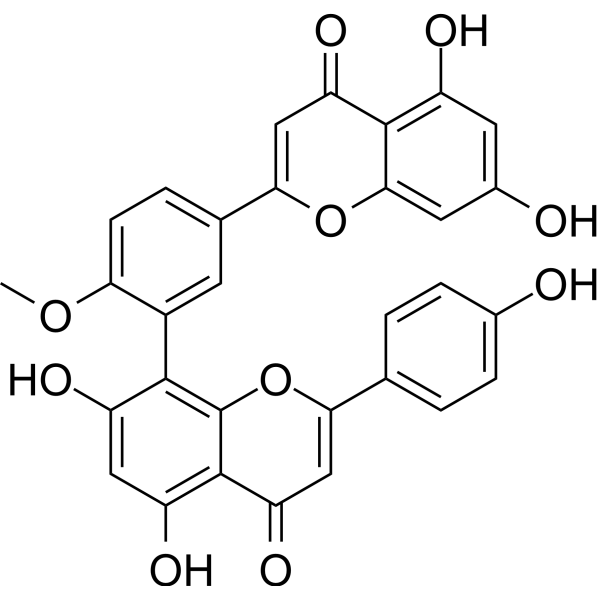
    Ginkgetin
    Maximum Cited Publications
    13 Publications Verification

    COX Wnt Apoptosis Autophagy Inflammation/Immunology Cancer
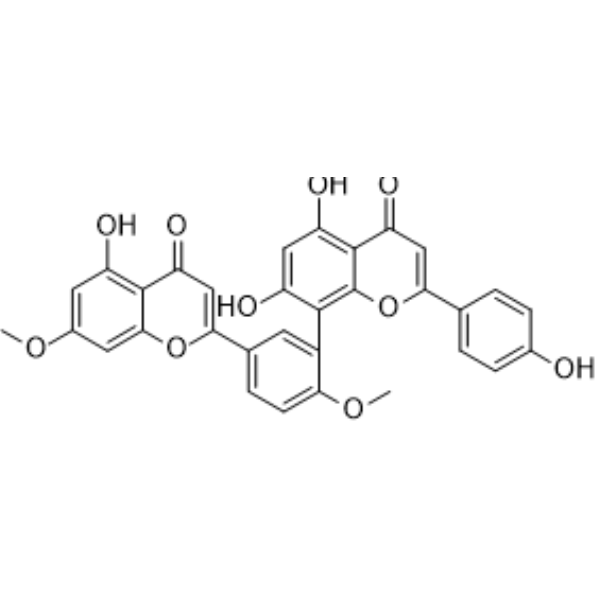
    Ginkgetin, a biflavone, is isolated from Ginkgo biloba leaves. Ginkgetin exhibit anti-tumor, anti-inflammatory, neuroprotective, anti-fungal activities. Ginkgetin is also a potent inhibitor of Wnt signaling, with an IC50 of 5.92 μΜ .
    Ginkgetin
  • HY-Y0537E
    Potassium chloride, for cell culture
    1 Publications Verification

    Environmental Pollutants Calcium Channel Potassium Channel Biochemical Assay Reagents Neurological Disease
    Potassium chloride, for cell culture is potassium chloride that can be used for cell culture. Potassium chloride, for cell culture increases extracellular potassium ion concentration to induce cellular depolarization, thereby activating voltage-gated calcium channels and regulating intracellular calcium signaling. Potassium chloride, for cell culture upregulates Brn-5. Potassium chloride, for cell culture inhibits the proliferation of neurons and some plant cells .
    Potassium chloride, for cell culture
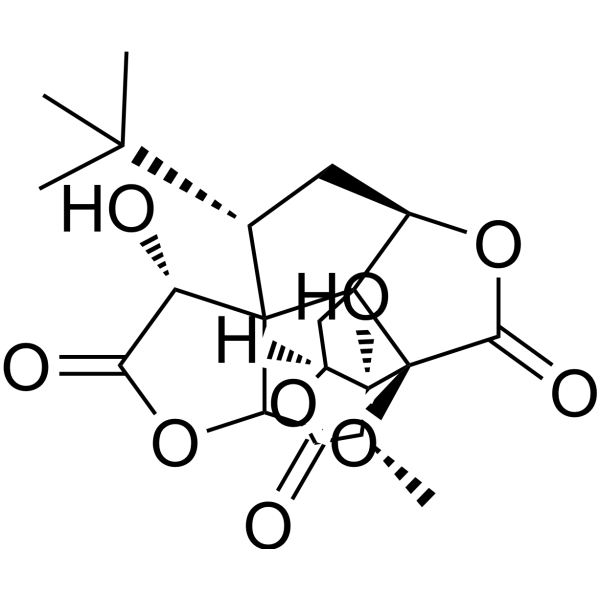
  • HY-N0076
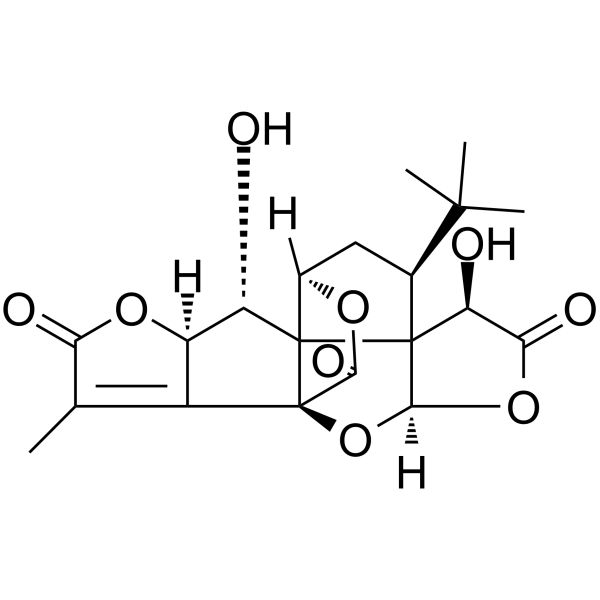
    Bilobalide
    2 Publications Verification

    (-)-Bilobalide

    Apoptosis Autophagy Endogenous Metabolite Neurological Disease
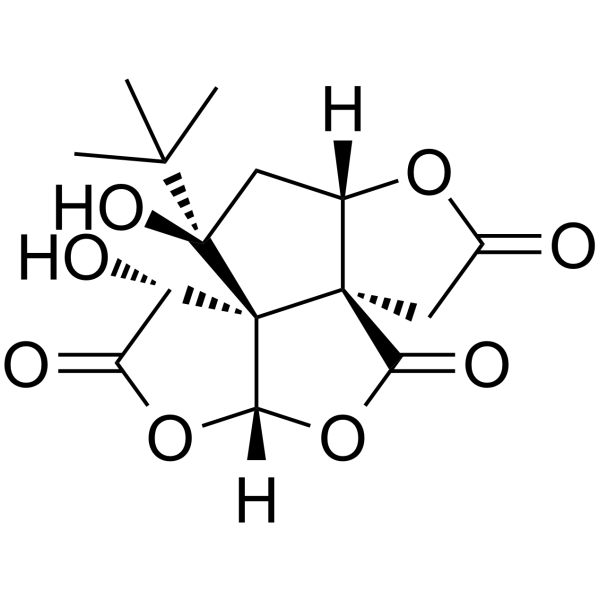
    Bilobalide, a sesquiterpene trilactone constituent of Ginkgo biloba, inhibits the NMDA-induced efflux of choline with an IC50 value of 2.3 μM. Bilobalide prevents apoptosis through activation of the PI3K/Akt pathway in SH-SY5Y cells. Exerts protective and trophic effects on neurons .
    Bilobalide
  • HY-N2118
    Bilobetin
    2 Publications Verification

    PPAR PKA Akt p38 MAPK ERK Metabolic Disease
    Bilobetin, an active component of Ginkgo biloba, can reduce blood lipids and improve the effects of insulin. Bilobetin ameliorated insulin resistance, increased the hepatic uptake and oxidation of lipids, reduced very-low-density lipoprotein triglyceride secretion and blood triglyceride levels, enhanced the expression and activity of enzymes involved in β-oxidation and attenuated the accumulation of triglycerides and their metabolites in tissues. Bilobetin also increased the phosphorylation, nuclear translocation and activity of PPARα accompanied by elevated cAMP level and PKA activity .
    Bilobetin
  • HY-N12060

    Bcl-2 Family Caspase Apoptosis Autophagy Reactive Oxygen Species (ROS) Akt JNK ERK Cardiovascular Disease Neurological Disease
    Ginkgo biloba extract is a natural product that can be isolated from Ginkgo biloba leaves . Ginkgo biloba extract alleviates oxidative stress-induced neuronal apoptosis (Apoptosis) by stabilizing mitochondrial function, regulating Bcl-2 family proteins and inhibiting caspase activation. Ginkgo biloba extract alleviates testicular injury by upregulating SKP2 and inhibiting Beclin1-independent autophagy (Autophagy) . Ginkgo biloba extract alleviates various types of neuronal damage in animal models. Ginkgo biloba extract reduces behavioral sensitization in rats. Ginkgo biloba extract counteracts Aβ-induced neurotoxicity by blocking a series of Aβ-triggered events, including glucose uptake, ROS accumulation, AKT activation, mitochondrial dysfunction, JNK and ERK 1/2 pathways, and apoptosis, and also interferes with the formation of Aβ oligomers. Ginkgo biloba extract is applicable to research related to cerebral hypoperfusion, testicular injury, Alzheimer's disease, Parkinson's disease, multi-infarct dementia, stroke, traumatic brain injury and amyotrophic lateral sclerosis .
    Ginkgo biloba extract
  • HY-N2119
    Sciadopitysin
    3 Publications Verification

    TNF Receptor NF-κB Inflammation/Immunology
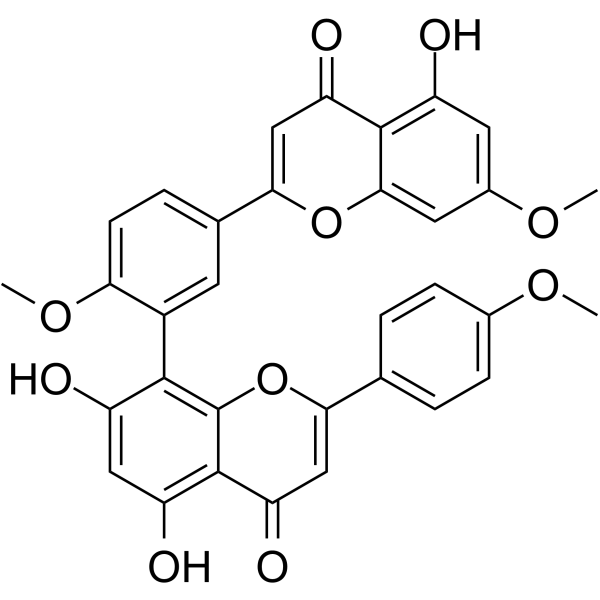
    Sciadopitysin is a type of biflavonoids in leaves from ginkgo biloba . Sciadopitysi inhibits RANKL-induced osteoclastogenesis and bone loss by inhibiting NF-κB activation and reducing the expression of c-Fos and NFATc1 .
    Sciadopitysin
  • HY-N8157
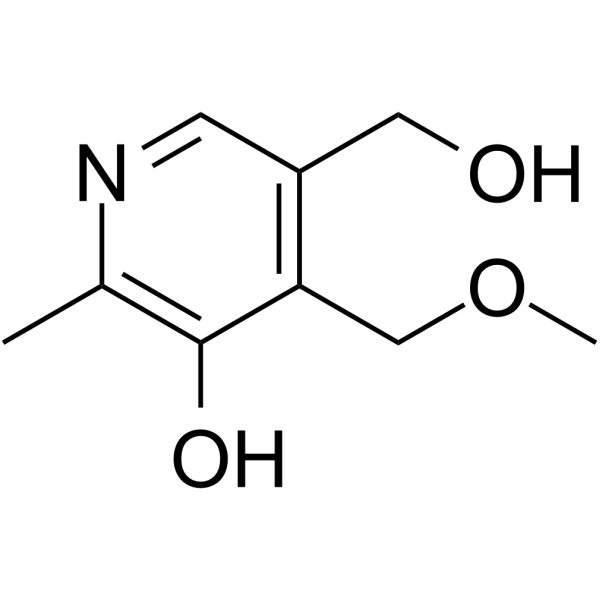
    4'-O-Methylpyridoxine
    1 Publications Verification

    Others Cardiovascular Disease Neurological Disease
    4'-O-Methylpyridoxine is an orally active antivitamin B6 compound found in Ginkgo biloba seeds and leaves. 4'-O-Methylpyridoxine inhibits pyridoxal kinase. 4'-O-Methylpyridoxine reduces brain pyridoxal-5'-phosphate (PLP) levels, decreases gamma-aminobutyric acid/glutamate (GABA/Glu) ratio. 4'-O-Methylpyridoxine increases plasma levels of pyridoxal-5'-phosphate and pyridoxal. 4'-O-Methylpyridoxine induces hyperactivity, convulsions, pathological tissue changes, organ damage in rodent brain and heart .
    4'-O-Methylpyridoxine
  • HY-B0355
    Ginkgolide A
    4 Publications Verification

    BN-52020

    GABA Receptor Endogenous Metabolite Inflammation/Immunology
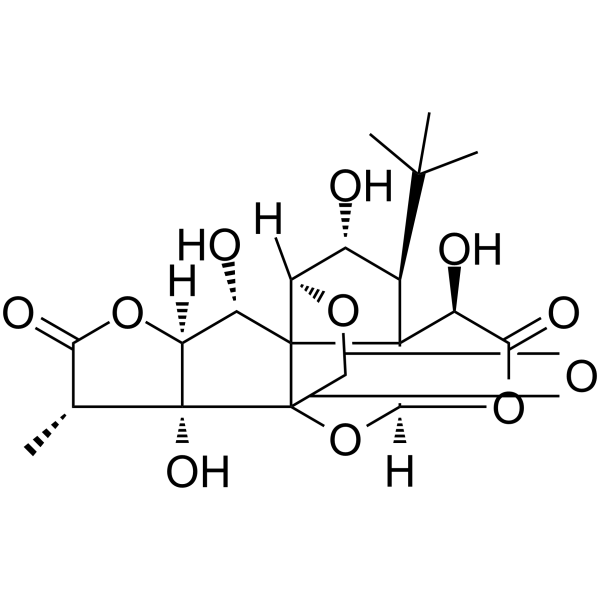
    Ginkgolide A (BN-52020) is an extract from in Ginkgo biloba and a g-aminobutyric acid (GABA) antagonist.
    Ginkgolide A
  • HY-N0785
    Ginkgolide C
    1 Publications Verification

    BN-52022

    AMPK Sirtuin MMP Endogenous Metabolite Neurological Disease Metabolic Disease
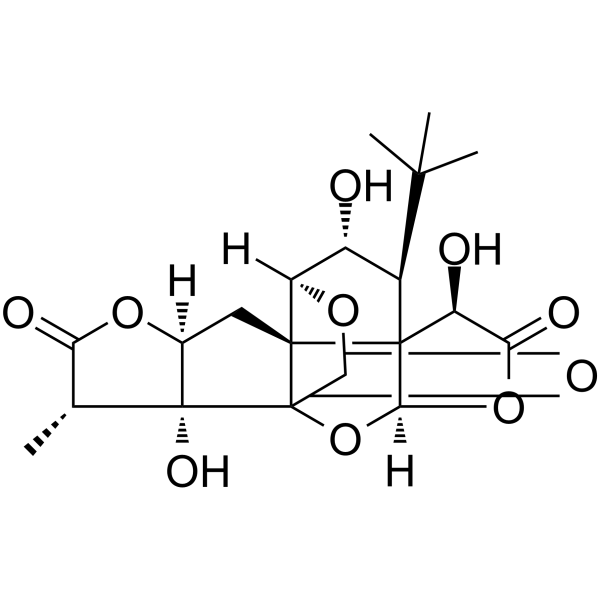
    Ginkgolide C is a flavone isolated from Ginkgo biloba leaves, possessing multiple biological functions, such as decreasing platelet aggregation and ameliorating Alzheimer disease.
    Ginkgolide C
  • HY-N6964

    Quercetin-3-O-[2-O-(6-O-p-hydroxyl-E-coumaroyl)-D-glucosyl]-(1→2)-L-rhamnoside

    Others Metabolic Disease
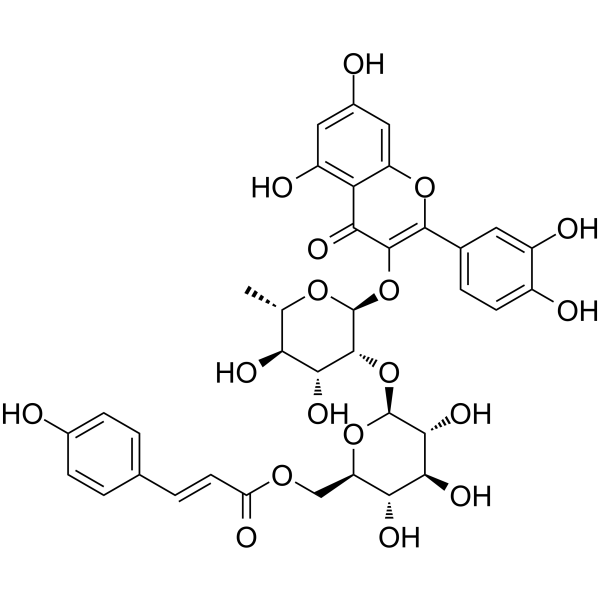
    Quercetin 3-O-β-D-(6''-p-coumaroyl)glucopyranosyl(1→2)-α-L-rhamnopyranoside (Quercetin-3-O-[2-O-(6-O-p-hydroxyl-E-coumaroyl)-D-glucosyl]-(1→2)-L-rhamnoside) is one of the major antioxidants of Ginkgo biloba leaves .
    Quercetin 3-O-β-D-(6''-p-coumaroyl)glucopyranosyl(1→2)-α-L-rhamnopyranoside
  • HY-N4176

    Autophagy Neurological Disease
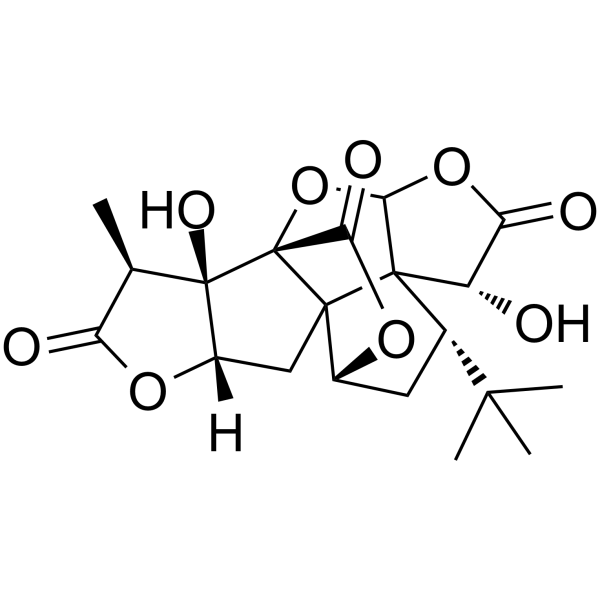
    Ginkgolide K, isolated from Ginkgo biloba, induces protective autophagy through the AMPK/mTOR/ULK1 signaling pathway. Ginkgolide K possesses neuroprotective activity .
    Ginkgolide K
  • HY-N0076R

    (-)-Bilobalide (Standard)

    Reference Standards Apoptosis Autophagy Endogenous Metabolite Neurological Disease
    Bilobalide (Standard) is the analytical standard of Bilobalide. This product is intended for research and analytical applications. Bilobalide, a sesquiterpene trilactone constituent of Ginkgo biloba, inhibits the NMDA-induced efflux of choline with an IC50 value of 2.3 μM. Bilobalide prevents apoptosis through activation of the PI3K/Akt pathway in SH-SY5Y cells. Exerts protective and trophic effects on neurons .
    Bilobalide (Standard)
  • HY-N7961

    Dihydroorotate Dehydrogenase Others
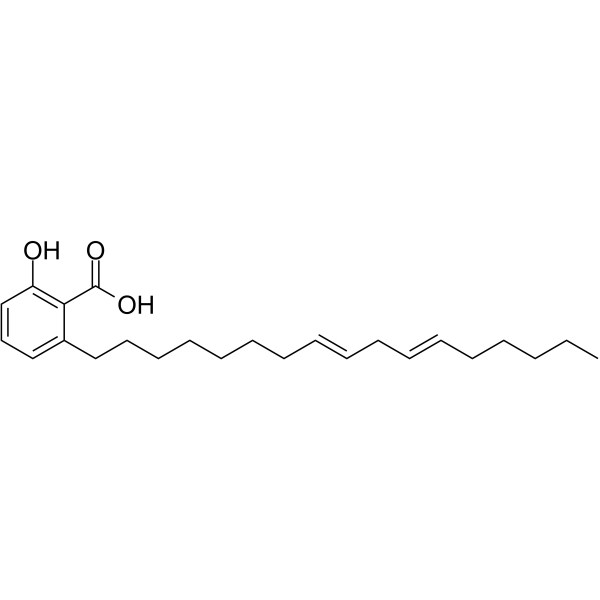
    (E/Z)-Ginkgolic acid C17:2, isolated from Ginkgo biloba, can bind with human dihydroorotate dehydrogenase (DHODH) tightly .
    (E/Z)-Ginkgolic acid C17:2
  • HY-N0786

    Others Neurological Disease
    Ginkgolide J is a main constituent of the non-flavone fraction of Ginkgo biloba with an IC50 range of 12-54 µM, has neuroprotective and anti neuronal apoptotic ability .
    Ginkgolide J
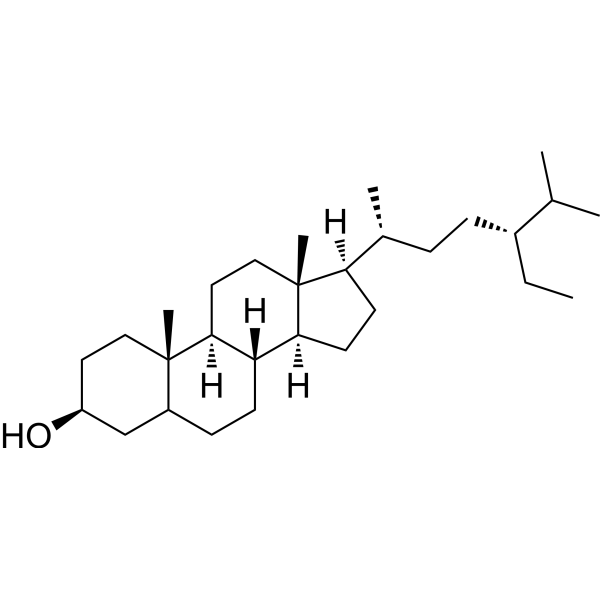
  • HY-144513

    Bacterial Infection
    Stigmastan-3β-ol is a sterol that can be isolated from Tinospora sinensis and Ginkgo biloba L.. Stigmastan-3β-ol has antimicrobial activity .
    Stigmastan-3β-ol
  • HY-N0785R

    BN-52022 (Standard)

    Reference Standards AMPK Sirtuin MMP Endogenous Metabolite Neurological Disease Metabolic Disease
    Ginkgolide C (Standard) is the analytical standard of Ginkgolide C. This product is intended for research and analytical applications. Ginkgolide C is a flavone isolated from Ginkgo biloba leaves, possessing multiple biological functions, such as decreasing platelet aggregation and ameliorating Alzheimer disease.
    Ginkgolide C (Standard)
  • HY-B0355R
    Ginkgolide A (Standard)
    4 Publications Verification

    BN-52020 (Standard)

    Reference Standards GABA Receptor Endogenous Metabolite Inflammation/Immunology
    Ginkgolide A (Standard) is the analytical standard of Ginkgolide A. This product is intended for research and analytical applications. Ginkgolide A (BN-52020) is an extract from in Ginkgo biloba and a g-aminobutyric acid (GABA) antagonist.
    Ginkgolide A (Standard)
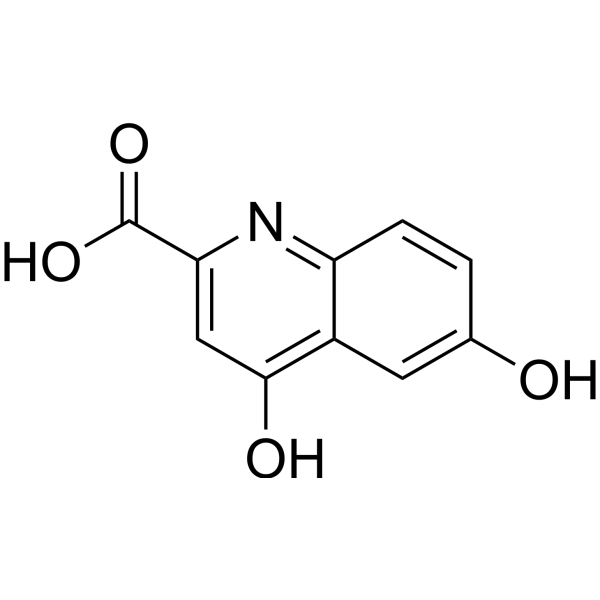
  • HY-N11978

    6-HKA

    iGluR Neurological Disease
    6-Hydroxykynurenic acid (6-HKA) is a derivative of kynurenic acid (KYNA) and can be isolated from Ginkgo leaves. 6-Hydroxykynurenic acid is a low-affinity NMDAR antagonist (IC50: 59 μM) .
    6-Hydroxykynurenic acid
  • HY-N2119R

    TNF Receptor Reference Standards NF-κB Inflammation/Immunology
    Sciadopitysin (Standard) is the analytical standard of Sciadopitysin. This product is intended for research and analytical applications. Sciadopitysin is a type of biflavonoids in leaves from ginkgo biloba . Sciadopitysi inhibits RANKL-induced osteoclastogenesis and bone loss by inhibiting NF-κB activation and reducing the expression of c-Fos and NFATc1 .
    Sciadopitysin (Standard)
  • HY-N0889R

    COX Reference Standards Wnt Apoptosis Autophagy Inflammation/Immunology Cancer
    Ginkgetin (Standard) is the analytical standard of Ginkgetin. This product is intended for research and analytical applications. Ginkgetin, a biflavone, is isolated from Ginkgo biloba leaves. Ginkgetin exhibit anti-tumor, anti-inflammatory, neuroprotective, anti-fungal activities. Ginkgetin is also a potent inhibitor of Wnt signaling, with an IC50 of 5.92 μΜ .
    Ginkgetin (Standard)
  • HY-N12443

    Cytochrome P450 Inflammation/Immunology
    Antioxidant agent-18 (compound 5) is a flavonol glycoside with antioxidant activity isolated from Ginkgo biloba. Antioxidant agent-18 scavenges DPPH radicals (IC50: 15.8 μM) and reduces cytochrome c (IC50: 14.7 μM).
    Antioxidant agent-18
  • HY-N0786R

    Reference Standards Others Neurological Disease
    Ginkgolide J (Standard) is the analytical standard of Ginkgolide J. This product is intended for research and analytical applications. Ginkgolide J is a main constituent of the non-flavone fraction of Ginkgo biloba with an IC50 range of 12-54 μM, has neuroprotective and anti neuronal apoptotic ability .
    Ginkgolide J (Standard)
  • HY-N2118R

    Reference Standards PPAR PKA Akt p38 MAPK ERK Metabolic Disease
    Bilobetin (Standard) is the analytical standard of Bilobetin. This product is intended for research and analytical applications. Bilobetin, an active component of Ginkgo biloba, can reduce blood lipids and improve the effects of insulin. Bilobetin ameliorated insulin resistance, increased the hepatic uptake and oxidation of lipids, reduced very-low-density lipoprotein triglyceride secretion and blood triglyceride levels, enhanced the expression and activity of enzymes involved in β-oxidation and attenuated the accumulation of triglycerides and their metabolites in tissues. Bilobetin also increased the phosphorylation, nuclear translocation and activity of PPARα accompanied by elevated cAMP level and PKA activity .
    Bilobetin (Standard)
  • HY-N17398

    Others Others
    Kaempherol-3-O-β-D-(2"-O-trans-p-coumaroyl)-rutinoside is an acylated flavonol glycoside found in the leaves of Ginkgo biloba L .
    Kaempherol-3-O-β-D-(2
  • HY-N17511

    Drug Derivative Others
    Allivictoside C is a natural product that can be found in ginkgo.
    Allivictoside C
  • HY-N17388

    Others Cardiovascular Disease Inflammation/Immunology
    5,7,5′-Trihydroxy-3′,4′-dimethoxyflavonol-3-O-α-L-rhamnopyranosyl-(1→6)-β-D-glucopyranoside is a flavonol glycoside found in the leaves of Ginkgo biloba. 5,7,5′-Trihydroxy-3′,4′-dimethoxyflavonol-3-O-α-L-rhamnopyranosyl-(1→6)-β-D-glucopyranoside exerts antioxidative and cardioprotective effects. 5,7,5′-Trihydroxy-3′,4′-dimethoxyflavonol-3-O-α-L-rhamnopyranosyl-(1→6)-β-D-glucopyranoside can be used for the research of inflammation and cardiac injury .
    5,7,5′-Trihydroxy-3′, 4′-dimethoxyflavonol-3-O-α-L-rhamnopyranosyl-(1→6)-β-D-glucopyranoside
  • HY-N19070

    Others Metabolic Disease
    Ginko biloba extract is derived from the leaves of the ginkgo tree, and its main active ingredients include flavonoids (such as quercetin and kaempferol) and terpenoids (such as ginkgolide and ginkgolide).
    Ginko biloba extract
  • HY-N18341

    GABA Receptor Drug Derivative Neurological Disease
    Ginkgolide M (GM) is a ginkgolide that can be isolated from Ginkgo biloba. Ginkgolide M acts as an inhibitor of ligand-gated ion channels in the central nervous system and exerts inhibitory effects on the GABAA receptor. Ginkgolide M can be used for the research of neurodegenerative diseases such as Alzheimer's disease .
    Ginkgolide M
  • HY-N16448

    Bacterial Infection
    Xanthoascin (Compound 1) is a natural phenolic metabolite with strong anti plant pathogen activity. Xanthoascin can be extracted from the solid fermentation product of endophytic fungus Aspergillus sp. IFB-YXS isolated from Ginkgo biloba leaves. Xanthoascin has a MIC of 0.3125 µg/mL against Clavibacter michiganense subsp. Sepedonicus and moderate inhibitory activity against other pathogens (MIC = 5-20 µg/mL). Xanthoascin can disrupt the permeability of bacterial cell membranes, leading to nucleic acid leakage .
    Xanthoascin

Inquiry Online

Your information is safe with us. * Required Fields.

Salutation


Country or Region *

Applicant Name *


Organization Name *

Department *


Email Address *


Product Name *

Cat. No.


Requested quantity *

Phone Number *


Remarks

Inquiry Online

Inquiry Information

Product Name:
Cat. No.:
Quantity:
MCE Japan Authorized Agent:

