1. Search Result
Search Result
Results for "

Gluconate

" in MedChemExpress (MCE) Product Catalog:

22

Inhibitors & Agonists

5

Biochemical Assay Reagents

6

Natural
Products

3

Isotope-Labeled Compounds

Cat. No. Product Name Target Research Areas Chemical Structure
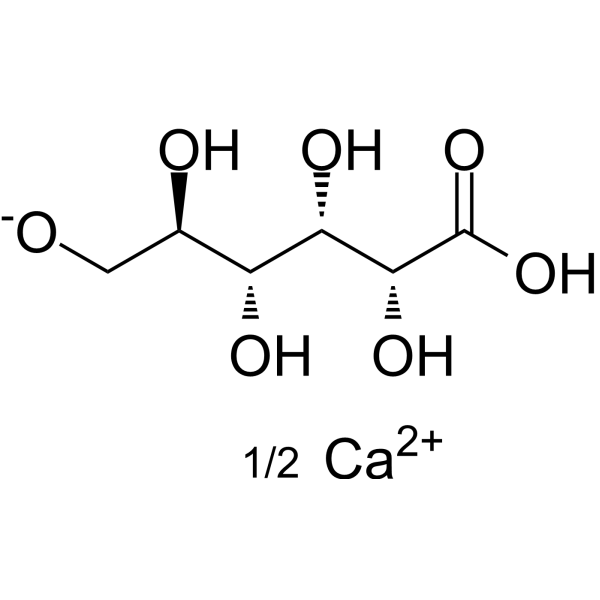
  • HY-B1092

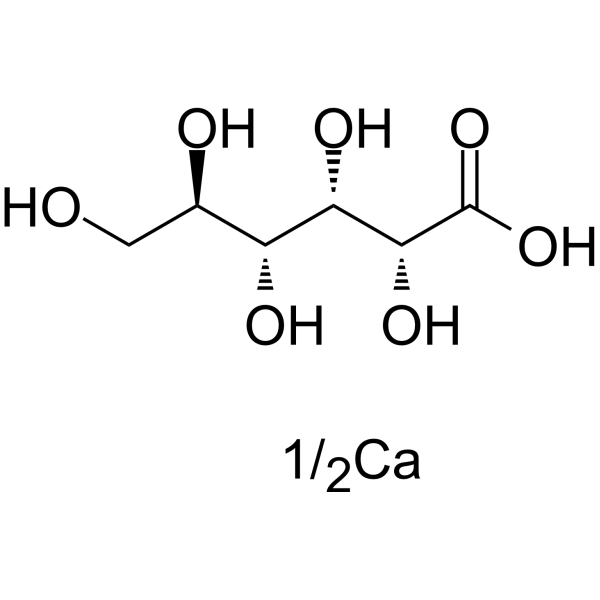
    Calcium D-Gluconate; Gluconic acid hemicalcium salt

    Environmental Pollutants Endogenous Metabolite Interleukin Related NO Synthase ERK Cardiovascular Disease Inflammation/Immunology Cancer
    Gluconate (D-Gluconic acid) Calcium is an orally active glucose derivative. Gluconate Calcium reduces nitric oxide and inflammatory cytokines (IL-1β and IL-6). Gluconate Calcium inhibits ERK phosphorylation. Gluconate Calcium has antioxidant and antiplatelet activation activities. Gluconate Calcium has antitumor activity against colorectal cancer. Gluconate Calcium improves osteoarthritis, intestinal damage and acute lung injury .
    Gluconate Calcium
  • HY-W145499
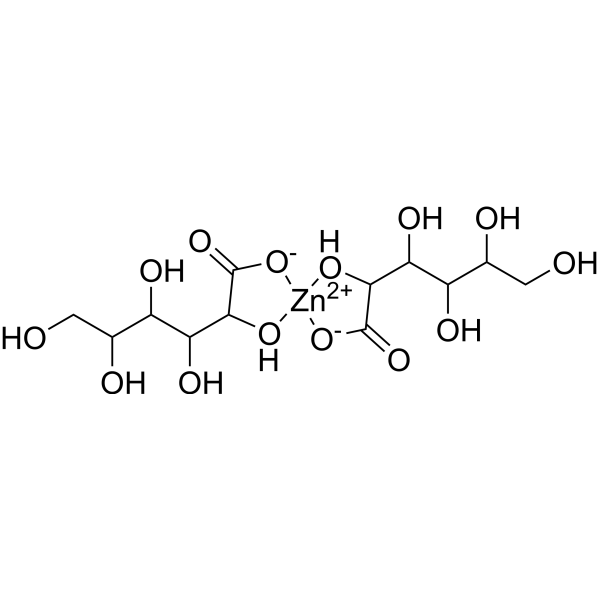
    Zinc Gluconate
    1 Publications Verification

    PPAR NF-κB Toll-like Receptor (TLR) Inflammation/Immunology Cancer
    Zinc Gluconate is a zinc supplement in the form of a gluconate salt, which plays a role in various physiological processes such as immune function, wound healing, and olfaction. Zinc Gluconate has a LD50 of 39.6 mg/kg in mice (Tail vein injection). Zinc Gluconate can be used in the research of inflammation, zinc deficiency, colds, cancer, and nutritional supplements .
    Zinc Gluconate
  • HY-B1092A

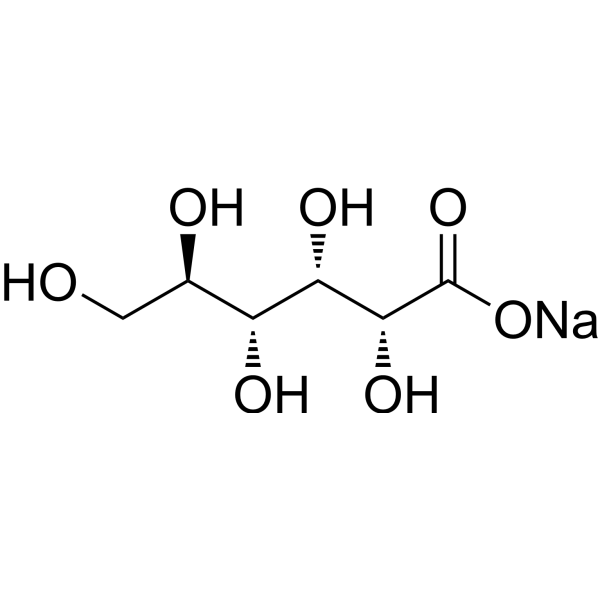
    D-Gluconic acid sodium salt; Sodium D-Gluconate; D-Gluconate sodium salt

    Environmental Pollutants ERK NO Synthase Endogenous Metabolite Interleukin Related Cardiovascular Disease Inflammation/Immunology Cancer
    Gluconate sodium (D-Gluconic acid sodium salt) is an orally active glucose derivative. Gluconate sodium reduces nitric oxide and inflammatory cytokines (IL-1β and IL-6). Gluconate sodium inhibits ERK phosphorylation. Gluconate sodium has antioxidant and antiplatelet activation activities. Gluconate sodium has antitumor activity against colorectal cancer. Gluconate sodium improves osteoarthritis, intestinal damage and acute lung injury .
    Gluconate sodium
  • HY-W010860
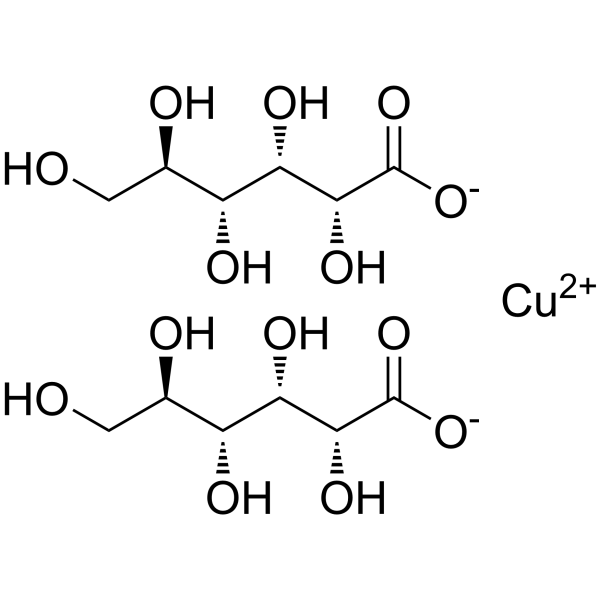
    Copper(II) Gluconate
    2 Publications Verification

    Environmental Pollutants Biochemical Assay Reagents Others
    Copper(II) Gluconate is a non-toxic copper supplement aid. Copper(II) Gluconate is the copper salt of D-gluconic acid. Copper(II) Gluconate as a precursor catalyst that can be used in the photo-induced polymerisation of acrylates .
    Copper(II) Gluconate
  • HY-W698249

    Ferroptosis Bacterial Cardiovascular Disease Infection
    Ferrous gluconate is a highly water-soluble iron-containing agent with high bioavailability and bactericidal activity. As a non-heme iron, Ferrous gluconate is used for meat product fortification and improvement of iron deficiency anemia. Ferrous gluconate induces ferroptosis in E. coli through Fe 2+ infiltration, reactive oxygen species burst, lipid peroxidation and direct interaction with DNA. Ferrous gluconate also downregulates the SOS responsive transcriptional repressor LexA. In addition, Ferrous gluconate regulates multiple key pathways in E. coli such as fatty acid metabolism, iron-sulfur cluster assembly and pyruvate metabolism, and is applied in studies related to *E. coli* infection and iron deficiency anemia .
    Ferrous gluconate
  • HY-W145486

    Environmental Pollutants Biochemical Assay Reagents Neurological Disease Metabolic Disease Inflammation/Immunology
    Calcium gluconate is an orally effective calcium salt supplement . Calcium gluconate reduces elevated serum potassium, decreased serum calcium, and postoperative myalgia associated with succinylcholine administration. Calcium gluconate restores calcium homeostasis, skeletal integrity, bone mineralization and bone density, and maintains levels of parathyroid hormone, bone resorption markers and osteoclasts. Calcium gluconate reverses LPS (HY-D1056)-induced ERK phosphorylation, inflammatory cytokine release and acute lung injury, alleviates airway inflammatory damage and suppresses immune responses. Calcium gluconate can be used in research related to postoperative myalgia, osteoporosis/osteomalacia and acute lung injury .
    Calcium gluconate
  • HY-W768336

    D-Gluconic acid-13C6 sodium; D-Gluconate-13C6 sodium

    Isotope-Labeled Compounds Interleukin Related ERK NO Synthase Endogenous Metabolite Cardiovascular Disease Inflammation/Immunology Cancer
    Gluconate sodium- 13C6 (D-Gluconic acid sodium salt- 13C6) is the 13C-labeled Gluconate sodium (HY-B1092A). Gluconate sodium (D-Gluconic acid sodium salt) is an orally active glucose derivative. Gluconate sodium reduces nitric oxide and inflammatory cytokines (IL-1β and IL-6). Gluconate sodium inhibits ERK phosphorylation. Gluconate sodium has antioxidant and antiplatelet activation activities. Gluconate sodium has antitumor activity against colorectal cancer. Gluconate sodium improves osteoarthritis, intestinal damage and acute lung injury .
    Gluconate-13C6 sodium
  • HY-W105875

    D-Gluconic acid iron(II) salt dihydrate, 98%

    Biochemical Assay Reagents Others
    Iron(II) D-gluconate dihydrate, 98% is used for blood coagulation.
    Iron(II) D-gluconate dihydrate, 98%
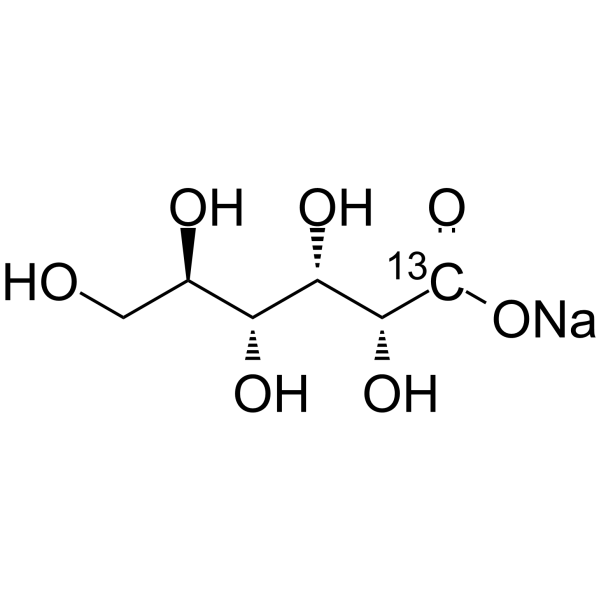
  • HY-B1092AS

    D-Gluconic acid sodium salt-1-13C; Sodium D-Gluconate-1-13C; D-Gluconate sodium salt-1-13C

    Isotope-Labeled Compounds NO Synthase Endogenous Metabolite Interleukin Related ERK Cardiovascular Disease Inflammation/Immunology Cancer
    Gluconate-1- 13C (D-Gluconic acid-1- 13C) sodium is the 13C labeled Gluconate sodium (HY-B1092A). Gluconate (D-Gluconic acid) sodium is an orally active glucose derivative. Gluconate sodium reduces nitric oxide and inflammatory cytokines (IL-1β and IL-6). Gluconate sodium inhibits ERK phosphorylation. Gluconate sodium has antioxidant and antiplatelet activation activities. Gluconate sodium has antitumor activity against colorectal cancer. Gluconate sodium improves osteoarthritis, intestinal damage and acute lung injury .
    Gluconate-1-13C sodium
  • HY-W698286

    Biochemical Assay Reagents
    Iron(II) gluconate is a kind of biochemical reagent.
    Iron(II) gluconate
  • HY-Y0569H

    Biochemical Assay Reagents Others
    Magnesium D-gluconate hydrate, 98% is a strong chelating agent that chelates calcium, iron, aluminum, copper, and other heavy metal anions.
    Magnesium D-gluconate hydrate, 98%
  • HY-122280R

    Reference Standards Endogenous Metabolite Infection
    Calcium gluconate (Standard) is the analytical standard of Calcium gluconate. This product is intended for research and analytical applications. Calcium Gluconate Monohydrate is a biochemical reagent that can be used as a biological material or organic compound for life science related research.
    Aerobactin (Standard)
  • HY-B1092AR

    D-Gluconic acid sodium salt (Standard); Sodium D-Gluconate (Standard); D-Gluconate sodium salt (Standard)

    Reference Standards NO Synthase Endogenous Metabolite Interleukin Related ERK Cardiovascular Disease Inflammation/Immunology Cancer
    Gluconate (D-Gluconic acid) (Standard) is the analytical standard of Gluconate sodium (HY-B1092A). This product is intended for research and analytical applications. Gluconate (D-Gluconic acid) sodium is an orally active glucose derivative. Gluconate sodium reduces nitric oxide and inflammatory cytokines (IL-1β and IL-6). Gluconate sodium inhibits ERK phosphorylation. Gluconate sodium has antioxidant and antiplatelet activation activities. Gluconate sodium has antitumor activity against colorectal cancer. Gluconate sodium improves osteoarthritis, intestinal damage and acute lung injury .
    Gluconate sodium (Standard)
  • HY-B1092R

    Calcium D-Gluconate (Standard); Gluconic acid hemicalcium salt (Standard)

    Reference Standards NO Synthase Endogenous Metabolite Interleukin Related ERK Cardiovascular Disease Inflammation/Immunology Cancer
    Gluconate Calcium (Standard) (Calcium D-gluconate (Standard)) is the analytical standard of Gluconate Calcium (HY-B1092). This product is intended for research and analytical applications. Gluconate (D-Gluconic acid) Calcium is an orally active glucose derivative. Gluconate Calcium reduces nitric oxide and inflammatory cytokines (IL-1β and IL-6). Gluconate Calcium inhibits ERK phosphorylation. Gluconate Calcium has antioxidant and antiplatelet activation activities. Gluconate Calcium has antitumor activity against colorectal cancer. Gluconate Calcium improves osteoarthritis, intestinal damage and acute lung injury .
    Gluconate Calcium (Standard)
  • HY-125654C

    Bacterial Infection Inflammation/Immunology
    Olanexidine gluconate is an antibacterial agent. Olanexidine gluconate is active against a wide range of bacteria, imcluding both Gram-positive and Gram-negative bacteria Olanexidine gluconate is also an antiseptic. Olanexidine gluconate can be used in the research of infection and inflammation .
    Olanexidine (gluconate)
  • HY-W145486R

    Biochemical Assay Reagents Reference Standards Others Cancer
    Calcium gluconate (Standard) is the analytical standard of Calcium gluconate. This product is intended for research and analytical applications. Calcium Gluconate Monohydrate is a biochemical reagent that can be used as a biological material or organic compound for life science related research.
    Calcium gluconate (Standard)
  • HY-W698249R

    Reference Standards Ferroptosis Bacterial
    Ferrous gluconate (Standard) is the analytical standard of Ferrous gluconate. This product is intended for research and analytical applications. Ferrous gluconate is a highly water-soluble iron-containing agent with high bioavailability and bactericidal activity. As a non-heme iron, Ferrous gluconate is used for meat product fortification and improvement of iron deficiency anemia. Ferrous gluconate induces ferroptosis in E. coli through Fe 2+ infiltration, reactive oxygen species burst, lipid peroxidation and direct interaction with DNA. Ferrous gluconate also downregulates the SOS responsive transcriptional repressor LexA. In addition, Ferrous gluconate regulates multiple key pathways in E. coli such as fatty acid metabolism, iron-sulfur cluster assembly and pyruvate metabolism, and is applied in studies related to *E. coli* infection and iron deficiency anemia .
    Ferrous gluconate (Standard)
  • HY-13551B

    m-AMSA (Gluconate); Acridinyl anisidide (Gluconate)

    Topoisomerase Autophagy Cancer
    Amsacrine gluconate is an inhibitor of topoisomerase II, and acts as an antineoplastic agent which can intercalates into the DNA of tumor cells.
    Amsacrine (gluconate)
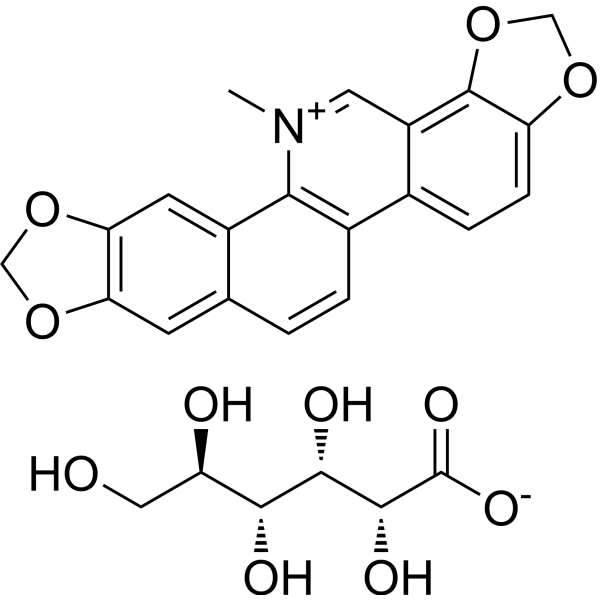
  • HY-N0052C

    Sanguinarin (Gluconate); Sanguinarium (Gluconate); Pseudochelerythrine (Gluconate)

    Apoptosis Reactive Oxygen Species (ROS) Cancer
    Sanguinarine (Sanguinarin) gluconate, a benzophenanthridine alkaloid, can stimulate apoptosis via activating the production of reactive oxygen species (ROS). Sanguinarine-induced apoptosis is associated with the activation of JNK and NF-κB .
    Sanguinarine (gluconate)
  • HY-B1092AS2

    D-Gluconic acid sodium salt-d6; Sodium D-Gluconate-d6; D-Gluconate sodium salt-d6

    Isotope-Labeled Compounds Interleukin Related ERK NO Synthase Endogenous Metabolite Cardiovascular Disease Inflammation/Immunology Cancer
    Gluconate-d6 sodium (D-Gluconic acid sodium salt-d6) is the deuterium labeled Gluconate sodium (HY-B1092A). Gluconate sodium (D-Gluconic acid sodium salt) is an orally active glucose derivative. Gluconate sodium reduces nitric oxide and inflammatory cytokines (IL-1β and IL-6). Gluconate sodium inhibits ERK phosphorylation. Gluconate sodium has antioxidant and antiplatelet activation activities. Gluconate sodium has antitumor activity against colorectal cancer. Gluconate sodium improves osteoarthritis, intestinal damage and acute lung injury .
    Gluconate-d6 sodium
  • HY-E70977

    Biochemical Assay Reagents Metabolic Disease
    6-phospho-D-gluconate dehydrogenase, E. coli (EC 1.1.1.44) is an oxidoreductase that acts on the CH-OH group of a donor molecule and uses NAD+ or NADP+ as an acceptor. The two substrates of 6-phospho-D-gluconate dehydrogenase, E. coli (EC 1.1.1.44) are 6-phospho-D-gluconate and NADP+, while its three products are D-ribulose-5-phosphate, CO2, and NADPH.
    6-phospho-D-gluconate dehydrogenase, E. coli
  • HY-185401A

    Biochemical Assay Reagents Neurological Disease
    (E,E)-ATSM is a chelating agent. (E,E)-ATSM can react with the metallized ligand Copper gluconate. (E,E)-ATSM can be used in research on central nervous system diseases .
    (E,E)-ATSM

Inquiry Online

Your information is safe with us. * Required Fields.

Salutation


Country or Region *

Applicant Name *


Organization Name *

Department *


Email Address *


Product Name *

Cat. No.


Requested quantity *

Phone Number *


Remarks

Inquiry Online

Inquiry Information

Product Name:
Cat. No.:
Quantity:
MCE Japan Authorized Agent:

