

1. Search Result
Search Result
Results for "

IFNα/pSTAT1

" in MedChemExpress (MCE) Product Catalog:

89

Inhibitors & Agonists

2

Peptides

9

Inhibitory Antibodies

1

Natural
Products

4

Isotope-Labeled Compounds

26

Oligonucleotides

Cat. No. 상품명 Target 연구분야 Chemical Structure
  • HY-13740
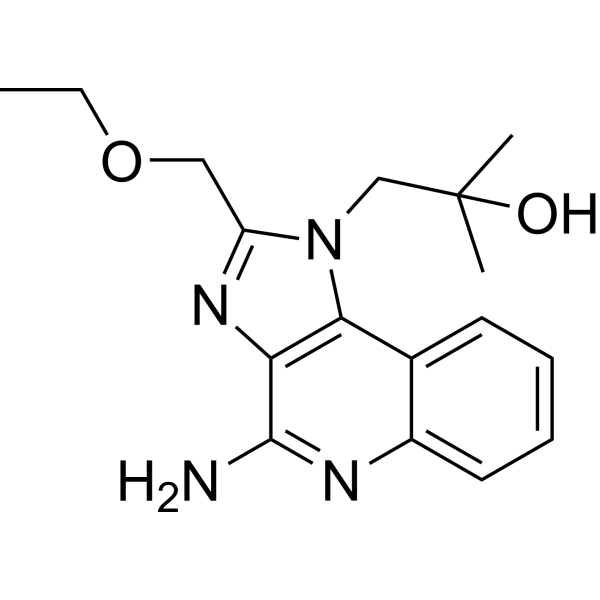
    Resiquimod
    Maximum Cited Publications
    111 Publications Verification

    R848; S28463

    Toll-like Receptor (TLR) HCV Inflammation/Immunology Cancer
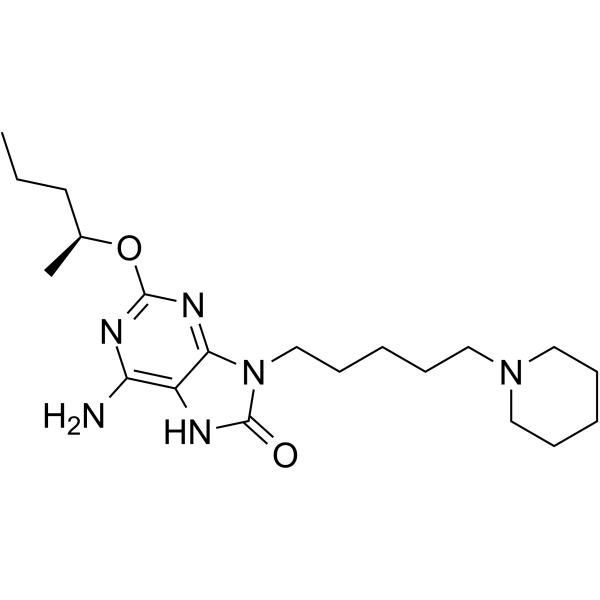
    Resiquimod is a Toll-like receptor 7 and 8 (TLR7/TLR8) agonist that induces the upregulation of cytokines such as TNF-α, IL-6 and IFN-α.
    Resiquimod
  • HY-12836A

    IFNAR Inflammation/Immunology
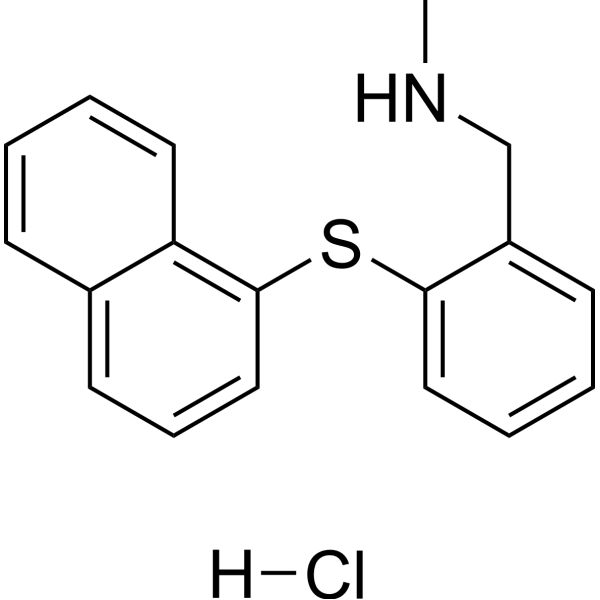
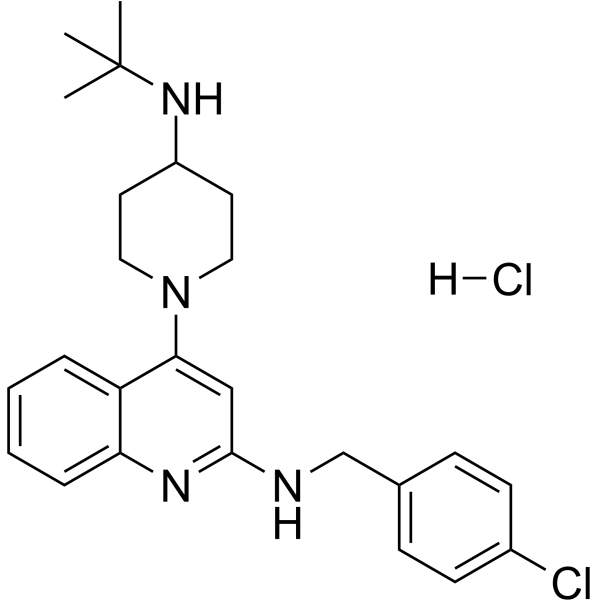
    IFN alpha-IFNAR-IN-1 hydrochloride is a nonpeptidic, low-molecular-weight inhibitor of the interaction between IFN-α and IFNAR. IFN alpha-IFNAR-IN-1 hydrochloride inhibits modified Vaccinia virus ankara (MVA)-induced IFN-α responses in murine bone-marrow-derived, Flt3- L-differentiated pDC cultures (BM-pDCs) (IC50=2-8 μM) [1].
    IFN alpha-IFNAR-IN-1 hydrochloride
  • HY-150738
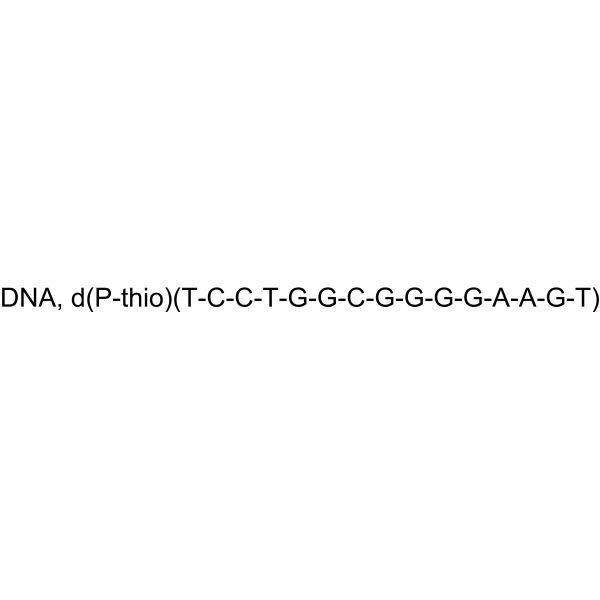
    ODN 2088
    3 Publications Verification

    Toll-like Receptor (TLR) Inflammation/Immunology
    ODN 2088 is a potent TLR3, TLR7 and TLR9 inhibitor. ODN 2088 shows no cytotoxic. ODN 2088 inhibits the release of IFN-α and IL-6 [1] .
    ODN 2088
  • HY-109197
    Vonafexor
    2 Publications Verification

    EYP001

    FXR HBV Infection
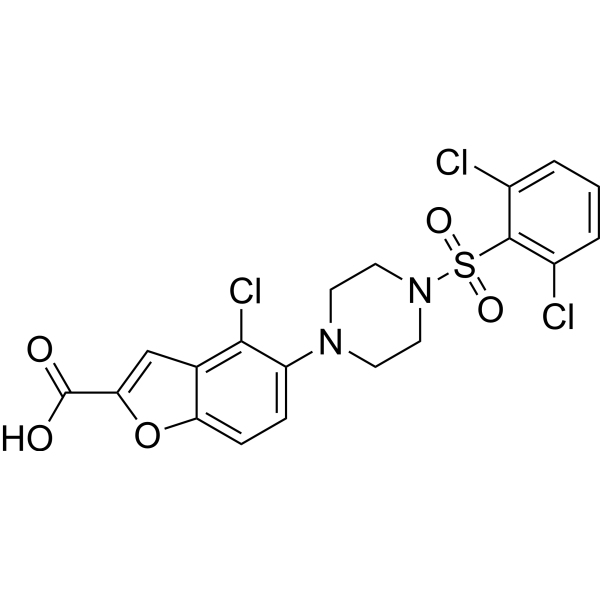
    Vonafexor (EYP001) is an orally active, non-steroidal and selective FXR agonist. Vonafexor shows significant HBsAg reduction when combined with Peg-IFNα. Vonafexor can be used for anti-HBV research [1] .
    Vonafexor
  • HY-137978A
    Ezurpimtrostat hydrochloride
    3 Publications Verification

    GNS561 hydrochloride

    SARS-CoV IFNAR Autophagy Apoptosis Metabolic Disease Inflammation/Immunology Cancer
    Ezurpimtrostat hydrochloride (GNS561 hydrochloride) is an orally active PPT1 inhibitor, autophagy inhibitor, immunomodulator, anti-inflammatory agent, and anticancer agent. Ezurpimtrostat hydrochloride inhibits PPT1, dysregulates lysosomal function, redistributes mTOR, and induces apoptosis. Ezurpimtrostat hydrochloride reduces IFN‑α, CRP, immune complex deposition, and SARS‑CoV‑2 viral load. Ezurpimtrostat hydrochloride can be used for the study of systemic lupus erythematosus, SARS‑CoV‑2, hepatocellular carcinoma, fibrosis, and related disorders [1] .
    Ezurpimtrostat hydrochloride
  • HY-P99300
    Ligelizumab
    1 Publications Verification

    QGE 031; Anti-IGHE Recombinant Antibody

    Fc Receptor (FcR) Inflammation/Immunology
    Ligelizumab (QGE 031) is a humanized high-affinity anti-immunoglobulin IgE monoclonal antibody. Ligelizumab selectively inhibits the binding of IgE to the high-affinity receptor FcεRI, while the inhibitory effect on the low-affinity receptor CD23 is weak. Ligelizumab can inhibit the activation of effector cells such as mast cells and Basophil, while reducing the production of IgE by B cells, and restoring the IFN-α production and regulatory T cell (Treg) induction function of plasmacytoid dendritic cells (pDC). Ligelizumab can be used in the study of allergic diseases (such as chronic spontaneous urticaria, allergic asthma) [1] .
    Ligelizumab
  • HY-P99219

    MEDI-545; MDX 1103

    IFNAR Inflammation/Immunology
    Sifalimumab (MEDI-545) is an anti-IFNα monoclonal antibody. Sifalimumab suppresses the abnormal immune activity by binding to multiple interferon-alpha (IFNα) subtypes. Sifalimumab can be used in systemic lupus erythematosus (SLE) research [1] .
    Sifalimumab
  • HY-111358

    Toll-like Receptor (TLR) Inflammation/Immunology
    TLR7 agonist 1 is a selective TLR7 agonist with an LEC value of 90 nM. TLR7 agonist 1 activates downstream immune regulation and shows no activity against TLR8. TLR7 agonist 1 induces endogenous IFN-α production in mice [1].
    TLR7 agonist 1
  • HY-150217
    CpG ODN 10101
    2 Publications Verification

    ODN 10101

    Toll-like Receptor (TLR) Infection Inflammation/Immunology
    CpG ODN 10101 (ODN 10101; CPG 10101) is a selective agonist targeting TLR9, a synthetic oligodeoxynucleotide modified with phosphate thioester. CpG ODN 10101 activates B cells and plasmacytoid dendritic cells (pDCs), inducing the production of cytokines and chemokines such as interferon-IFN-α, interferon-inducible protein IP-10, and 2'5'-oligoadenylate synthase (2'5'-OAS), regulating innate immunity and promoting Th1 adaptive immune responses. CpG ODN 10101 also possesses antiviral properties and enhances vaccine immunogenicity, making it suitable as an immunomodulator and vaccine adjuvant for vaccine development in chronic hepatitis C and infectious diseases such as melioidosis, pertussis, and respiratory syncytial virus (RSV) [1] .
    CpG ODN 10101
  • HY-156961

    GLPG3667

    JAK Inflammation/Immunology
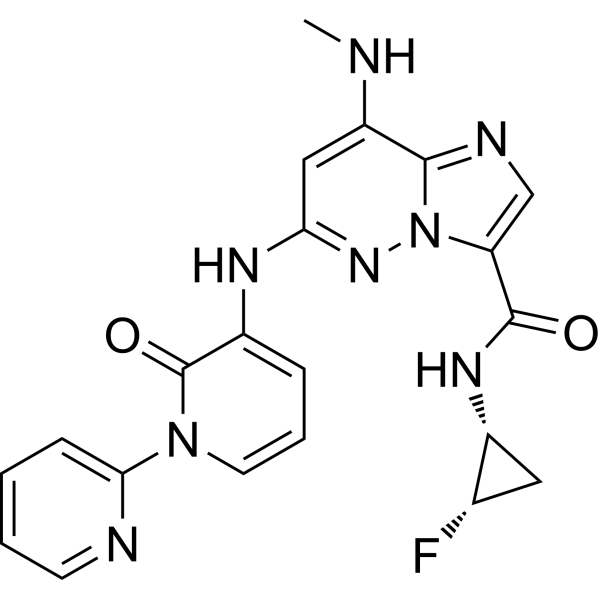
    Cadefrecitinib (GLPG3667) is a reversible, ATP-competitive and orally active TYK2 inhibitor with an IC50 of 2.3 nM. Cadefrecitinib inhibits IFNα/pSTAT1, and the IC50 values ​​in human peripheral blood mononuclear cell (PBMC) and whole blood assays are 70 nM and 623 nM, respectively. Cadefrecitinib has the potential for the study of inflammatory and autoimmune diseases [1].
    Cadefrecitinib
  • HY-W011890
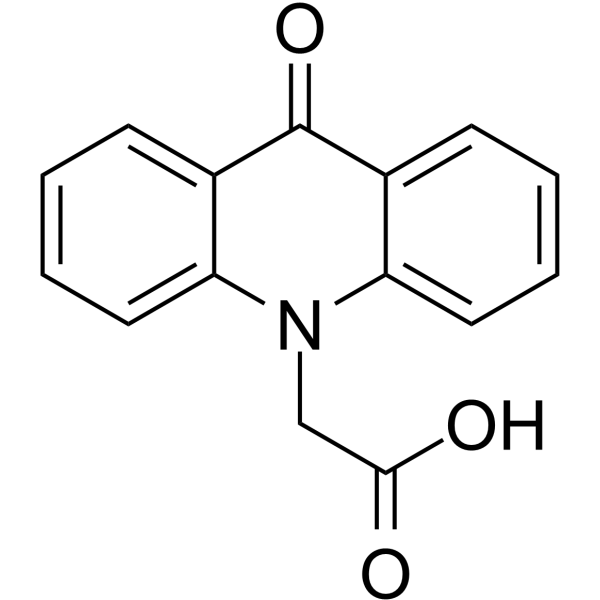
    Cridanimod
    1 Publications Verification

    Progesterone Receptor IFNAR Inflammation/Immunology Cancer
    Cridanimod is a potent progesterone receptor (PR) activator mediated through induction of IFNα and IFNβ expression. Cridanimod is a small-molecule immunomodulator and interferon inducer [1] .
    Cridanimod
  • HY-100544
    FLLL32
    5+ Cited Publications

    STAT JAK Apoptosis Cancer
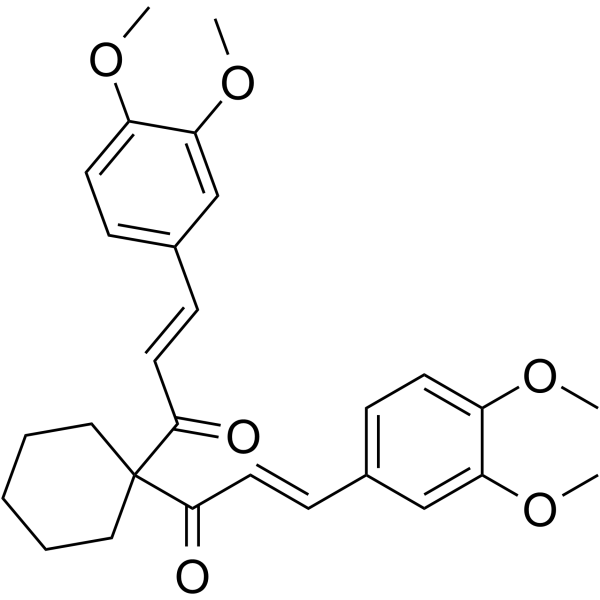
    FLLL32, a synthetic analog of curcumina, is a JAK2/STAT3 dual inhibitor with anti-tumor activity. FLLL32 can inhibit the induction of STAT3 phosphorylation by IFNα and IL-6 in breast cancer cells [1] .
    FLLL32
  • HY-P99348

    Ropeginterferon alfa-2b-njft; PEG-proline-interferon alpha-2b

    Apoptosis Cancer
    Ropeginterferon alfa-2b (Ropeginterferon alfa-2b-njft) is a monopegylated IFN-α that can be used for the research of myeloproliferative neoplasms [1].
    Ropeginterferon alfa-2b
  • HY-149007
    STAT3-IN-11
    1 Publications Verification

    STAT Apoptosis Cancer
    STAT3-IN-11 (7a) is a selective STAT3 inhibitor that inhibits the phosphorylation of STAT3 at site pTyr705. STAT3-IN-11 inhibits the phosphorylation of downstream genes (Survivin and Mcl-1) without affecting its upstream tyrosine kinases (Src and JAK2) levels and p-STAT1 expression. STAT3-IN-11 can induce cancer cell apoptosis, which is potential for the discovery of effective STAT3 inhibitors and antitumor agents against cancers [1].
    STAT3-IN-11
  • HY-101762

    JAK Phosphodiesterase (PDE) Inflammation/Immunology
    TyK2-IN-2 (Compoud 18) is a potent and selective TYK2 inhibitor with IC50s of 7 nM, 0.1 μM and 0.05 μM for TYK2 JH2, IL-23 and IFNα, respectively. TyK2-IN-2 also inhibits phosphodiesterase 4 (PDE4) with an IC50 of 62 nM. TyK2-IN-2 can be used for the research of inflammatory and autoimmune diseases [1].
    TyK2-IN-2
  • HY-137978
    Ezurpimtrostat
    3 Publications Verification

    GNS561

    SARS-CoV IFNAR Autophagy Apoptosis Infection Metabolic Disease Inflammation/Immunology Cancer
    Ezurpimtrostat (GNS561) is an orally active PPT1 inhibitor, autophagy inhibitor, immunomodulator, anti-inflammatory agent, and anticancer agent. Ezurpimtrostat inhibits PPT1, dysregulates lysosomal function, redistributes mTOR, and induces apoptosis. Ezurpimtrostat reduces IFN‑α, CRP, immune complex deposition, and SARS‑CoV‑2 viral load. Ezurpimtrostat can be used for the study of systemic lupus erythematosus, SARS‑CoV‑2, hepatocellular carcinoma, fibrosis, and related disorders [1] .
    Ezurpimtrostat
  • HY-126242S

    JAK IFNAR Interleukin Related Inflammation/Immunology
    Tyk2-IN-7 is an orally active TYK2 JH2 inhibitor, binds to TYK2 JH2 domain with IC50 and Ki.app of 0.00053 μM and 0.00007 μM, respectively. Tyk2-IN-7 provides a highly selective alternative to conventional TYK2 orthosteric inhibitors, inhibits TYK2/JAK1/JAK2 kinase domain. Tyk2-IN-7 can inhibit the IL-23 and IFN-α signaling pathways. Tyk2-IN-7 is commonly used in the study of inflammatory conditions such as colitis [1] .
    Tyk2-IN-7
  • HY-158142

    PROTACs JAK STAT Inflammation/Immunology Cancer
    PROTAC TYK2 degrader-1 is a TYK2 PROTAC degrader with a Dmax ≥ 60%. PROTAC TYK2 degrader-1 reduces the phosphorylation levels of IFNα-induced STAT1 (Tyr701) and STAT3 (Tyr705) in immune cells. PROTAC TYK2 degrader-1 can be used in research on cancer, inflammatory diseases, etc. [1]
    PROTAC TYK2 degrader-1
  • HY-128854
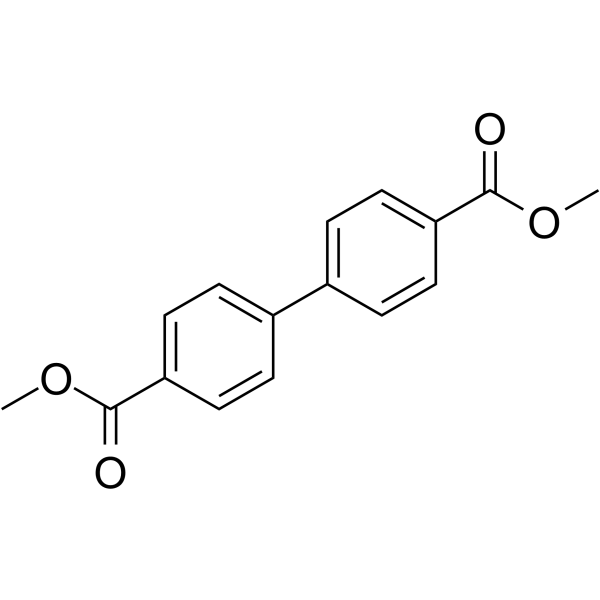
    Dimethyl biphenyl-4,4'-dicarboxylate
    1 Publications Verification

    Biochemical Assay Reagents JAK STAT IFNAR DNA/RNA Synthesis HBV Infection Metabolic Disease
    Dimethyl biphenyl-4,4'-dicarboxylate (Biphenyl dimethyl dicarboxylate) is a hepatoprotective agent. Dimethyl biphenyl-4,4'-dicarboxylate stimulates the Jak/Stat signaling pathway and induces the expression of IFN-α-stimulated genes, particularly 6-16 and ISG12. Dimethyl biphenyl-4,4'-dicarboxylate inhibits the replication of pregenomic RNA and HBeAg. Polymer micelles loaded with Dimethyl biphenyl-4,4'-dicarboxylate can serve as carriers for the compound. Dimethyl biphenyl-4,4'-dicarboxylate can be used as an auxiliary improving agent for chronic hepatitis. Dimethyl biphenyl-4,4'-dicarboxylate is applicable to research related to chronic hepatitis B [1] .\n


    Dimethyl biphenyl-4,4'-dicarboxylate
  • HY-17663

    PARP STAT STING IFNAR Cancer
    KMR-206 is a PARP7 inhibitor with an IC50 of 13.7 nM. KMR-206 relieves AHR-mediated transcriptional repression and enhances CYP1A1 expression in the presence of TCDD. KMR-206 induces the STING-dependent IFN-β signaling pathway and increases the levels of STAT1, pSTAT1 and nuclear PARP7 in cancer cells. KMR-206 reduces the viability of lung adenocarcinoma cells, enhances radiation-induced immunogenic signals, and induces the production of immunogenic signals in glioblastoma cancer stem cells. KMR-206 destabilizes FRA1 to increase IRF1 levels and promotes the IRF3-CBP/p300 interaction. KMR-206 can be used in studies related to lung adenocarcinoma and glioblastoma [1] .
    KMR-206
  • HY-111745

    JAK Inflammation/Immunology
    Tyk2-IN-5 (compound 6) is a potent, selective and orally active tyrosine kinase 2 (Tyk2) inhibitor that acts on the JH2 structural domain. Tyk2-IN-5 shows a Ki value of 0.086 nM for Tyk2 JH2 and an IC50 value of 25 nM for IFNα. Tyk2-IN-5 efficiently inhibits the production of IFNγ in a pharmacodynamic rat model and is fully efficacious in a rat model of arthritis [1].
    Tyk2-IN-5
  • HY-149974

    Apoptosis CDK Cancer
    CDK8-IN-13 is a potent, selective and orally active CDK8 inhibitor with an IC50 value of 51.9 nM. CDK8-IN-13 induces apoptosis. CDK8-IN-13 decreases the expression of p-STAT1 S727 and p-STAT5 S726. CDK8-IN-13 shows antitumor activity [1].
    CDK8-IN-13
  • HY-150738C
    ODN 2088 sodium
    3 Publications Verification

    Toll-like Receptor (TLR) Inflammation/Immunology
    ODN 2088 sodium is a potent TLR3, TLR7 and TLR9 inhibitor. ODN 2088 sodium shows no cytotoxic. ODN 2088 inhibits the release of IFN-α and IL-6 [1] .
    ODN 2088 sodium
  • HY-148238

    IRAK Inflammation/Immunology
    GNE-2256 (molecule 19), a chemical probe, is an orally active IRAK4 (Interleukin 1 receptor associated kinase 4) inhibitor (IRAK4 Ki=1.4 nM; IL-6 IC50=190 nM) [1].
    GNE-2256
  • HY-155863

    Sodium Channel Inflammation/Immunology
    AJ2-71 is a SLCl5A4 inhibitor. AJ2-71 inhibits IFN-α production. AJ2-71 blocks SLC15A4-mediated MDP transport. AJ2-71 can be used for research of inflammation [1].
    AJ2-71
  • HY-170331

    IFNAR Inflammation/Immunology
    IFNα-IN-1 (AJ2-18) is a IFNα inhibitor that inhibits IFN-α production. IFNα-IN-1 can be used for research of inflammation [1].
    IFNα-IN-1
  • HY-118250
    GSK2245035
    2 Publications Verification

    Toll-like Receptor (TLR) IFNAR TNF Receptor Inflammation/Immunology
    GSK2245035 is a highly potent and selective intranasal Toll-Like receptor 7 (TLR7) agonist with preferential Type-1 interferon (IFN)-stimulating properties. GSK2245035 has pEC50s of 9.3 and 6.5 for IFNα and TFNα. GSK2245035 effectively suppresses allergen-induced Th2 cytokine production in human peripheral blood cell cultures. GSK2245035 is used for asthma [1].
    GSK2245035
  • HY-148511

    CMP-001

    Toll-like Receptor (TLR) IFNAR PD-1/PD-L1 Indoleamine 2,3-Dioxygenase (IDO) Cancer
    Vidutolimod (CMP-001) is a virus-like particle containing a TLR9 activator . Vidutolimod induces human peripheral blood mononuclear cells to secrete IFNα, and upregulates the gene expression of CXCL10, PDL1, IDO and CD80. Vidutolimod activates TLR9, which in turn triggers plasmacytoid dendritic cell activation, production of IFNγ and TNFα, induction of CXCL10, and recruitment of antitumor T cells. Vidutolimod causes influenza-like symptoms, hypotension and tumor regression, and its activity depends on the presence of anti- antibodies. Vidutolimod modulates monocyte function, promotes CD4 T cell proliferation, and activates multiple immune cell types in an environment with anti-Qβ antibodies. Vidutolimod prolongs the survival of tumor-bearing mice. Vidutolimod is used in research related to advanced melanoma, head and neck squamous cell carcinoma, and advanced non-small cell lung cancer [1] .
    Vidutolimod
  • HY-12836
    IFN alpha-IFNAR-IN-1
    20+ Cited Publications

    IFNAR Inflammation/Immunology
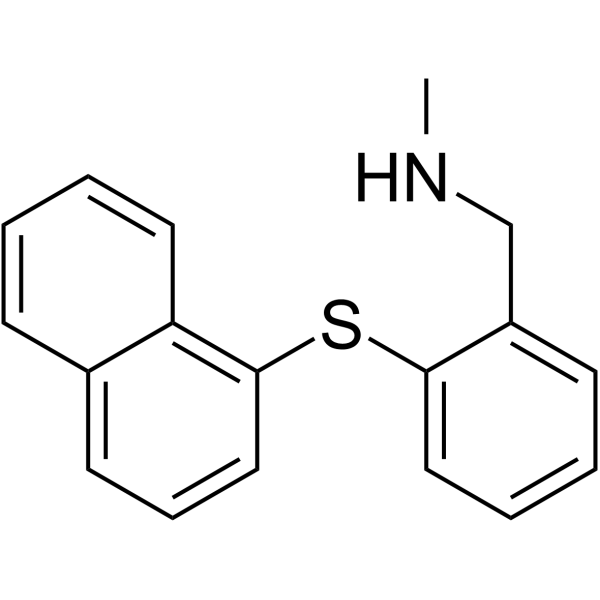
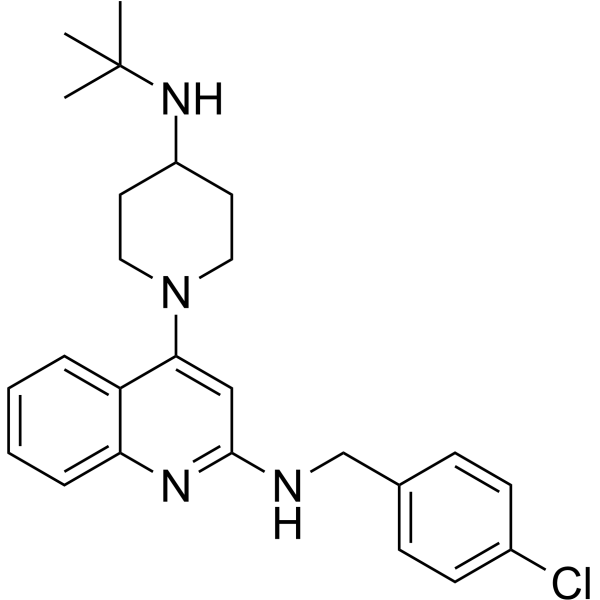
    IFN alpha-IFNAR-IN-1 is a nonpeptidic, low-molecular-weight inhibitor of the interaction between IFN-α and IFNAR. IFN alpha-IFNAR-IN-1 inhibits modified Vaccinia virus ankara (MVA)-induced IFN-α responses in murine bone-marrow-derived, Flt3- L-differentiated pDC cultures (BM-pDCs) (IC50=2-8 μM) [1].
    IFN alpha-IFNAR-IN-1
  • HY-148511A

    CMP-001 sodium

    Toll-like Receptor (TLR) Cancer
    Vidutolimod sodium is a CpG-A oligodeoxynucleotide. Vidutolimod sodium is a Toll-like receptor 9 (TLR9) agonist, which activates plasmacytoid dendritic cells (pDCs) and triggers interferon alpha (IFNα) release, leading to a cascade of anti-tumor immune effects.
    Vidutolimod sodium
  • HY-13740S
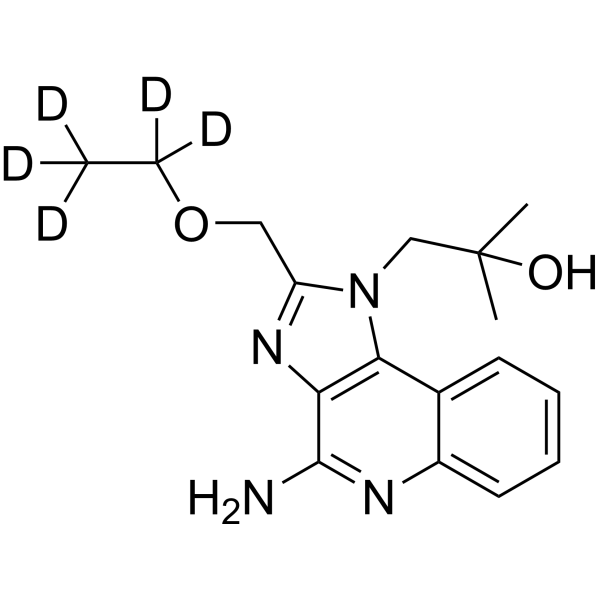
    Resiquimod-d5
    1 Publications Verification

    R848-d5; S28463-d5

    Isotope-Labeled Compounds Toll-like Receptor (TLR) HCV Infection Inflammation/Immunology
    Resiquimod-d5 is deuterium labeled Resiquimod. Resiquimod is a Toll-like receptor 7 and 8 (TLR7/TLR8) agonist that induces the upregulation of cytokines such as TNF-α, IL-6 and IFN-α [1] .
    Resiquimod-d5
  • HY-150742A

    Toll-like Receptor (TLR) Inflammation/Immunology
    ODN 2336 sodium is a A-Class CpG ODN (oligodeoxynucleotides), is a potent TLR9 agonist. ODN 2336 sodium induces the production of IFN-α. ODN 2336 sodium up-regulates the expression of IP-10 mRNA and IL-18 mRNA. ODN 2336 sodium can be used as adjuvant of vaccines [1] .
    ODN 2336 sodium
  • HY-153840A

    Toll-like Receptor (TLR) Inflammation/Immunology
    ODN INH-18 sodium is a linear 24-mer class B INH-ODN in which the 5' INH-ODN 4084-F sequence was followed by a random stretch of 12 nucleotides lacking the ability to form significant secondary structures. ODN INH-18 sodium showes inhibitory potency for TLR9 ligand-induced IFN-α production.
    ODN INH 18 sodium
  • HY-160231

    Toll-like Receptor (TLR) Inflammation/Immunology
    ssRNA42 (sodium) is a 20-mer phosphothioate protected single-stranded RNA oligonucleotide. ssRNA42 (sodium) derives from ssRNA40 by replacement of all G nucleotides with adenosine. ssRNA42 activated human PBMCs to secrete IFN-α, TNF-a, IL- 12p40, and IL-6, but ssRNA42 failed to stimulated murine pDCs and PBMCs.
    ssRNA42 sodium
  • HY-150745A

    Toll-like Receptor (TLR) Inflammation/Immunology
    ODN 24987 sodium is a Guanine-modified inhibitory oligonucleotides (ODN), targeting TLR9. ODN 24987 can inhibit IL-6 and IFN-α release. ODN 24987 sodium can be used for research immune disorders. ODN 24987 sequence: 5’-C-C-T-G-G-C-c7G-G-G-G-3’ [1].
    ODN 24987 sodium
  • HY-173357

    PROTACs JAK STAT Inflammation/Immunology
    TYD-68 is a highly efficient and selective CRBN-recruited TYK2 PROTAC degrader with a DC50 value of 0.42 nM. TYD-68 significantly inhibits IL-12 and IFN-α-induced STAT4 and STAT1 phosphorylation, thereby blocking TYK2-dependent signaling pathways. TYD-68 can be used in the study of psoriasis [1].
    TYD-68
  • HY-171692

    Cyclic GMP-AMP Synthase IFNAR STING Infection
    G3-YSD is a cGAS agonist. G3-YSD directly interacts with cGAS to enhance its enzymatic activity, promote the conversion of ATP and GTP into cGAMP, and trigger STING-dependent IFN-α/β secretion. G3-YSD acts as a viral mimic to replace actual viral DNA . G3-YSD is applicable to research related to long COVID and type 1 human immunodeficiency virus infection [1] .
    G3-YSD
  • HY-148980A
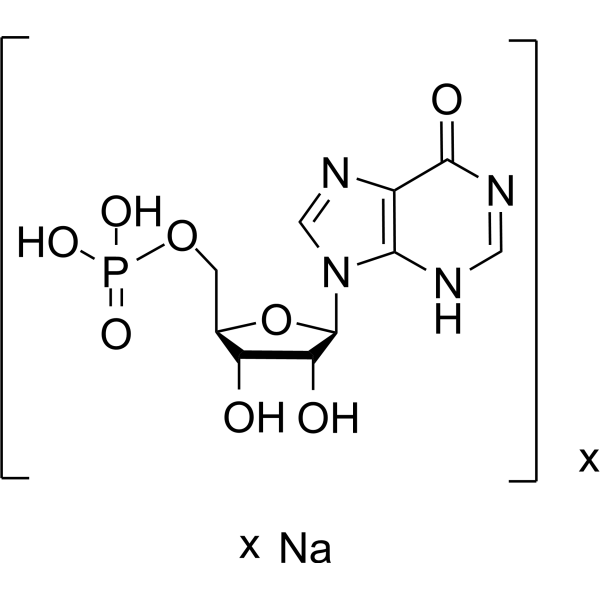
    Polyinosinic acid sodium
    1 Publications Verification

    Toll-like Receptor (TLR) Inflammation/Immunology
    Polyinosinic acid sodium is the sodium form of Polyinosinic acid (HY-148980). Polyinosinic acid is a single stranded homonucleic acid, which is a Toll-like Receptor 3 (TLR3) ligand. Polyinosinic acid enhances cellular immune response through TLR3 and TRIF. Polyinosinic acid has potential applications in immune regulation [1].
    Polyinosinic acid sodium
  • HY-W570886

    DNA/RNA Synthesis Cancer
    2'-O-MOE-U is a nucleic acid modification group (Phosphoramidite) with 3'-exonuclease inhibitory activity. 2'-O-MOE-U also exhibits gene silencing activity and double-stranded oligonucleotide stability. By forming steric interactions with 3'-exonuclease residues, 2'-O-MOE-U anchors the 3'-end of the siRNA guide strand in the hAgo2 PAZ domain, thereby regulating double-stranded thermal stability and enhancing base-pairing specificity. 2'-O-MOE-U does not induce IFNα production, can be incorporated at multiple sites of siRNA to enhance RNAi activity, and produces a synergistic effect with 2'-F modification. 2'-O-MOE-U has been widely used in studies related to breast cancer and other diseases [1] .
    2'-O-MOE-U
  • HY-156466

    STAT Interleukin Related IFNAR Inflammation/Immunology
    QL-1200186 is a selective, orally active, allosteric inhibitor targeting the tyrosine kinase TYK2 pseudokinase domain JH2 (IC50=0.06 nM, TYK2 JH2), with 164-fold selectivity over TYK1 JH2 (IC50=9.85 nM,TYK1 JH2). QL-1200186 first stabilizes the TYK2 JH2 conformation, inhibits the activity of the JH1 catalytic domain, and blocks the IFNα, IL-12/IL-23-mediated JAK-STAT signaling pathway. QL-1200186 can inhibit the production of Th1/Th17 cell-related cytokines (such as IFNγ, IL-23), reduce immune cell activation, and has no significant effect on JAK1/2/3 kinase activity. QL-1200186 can significantly improve skin inflammation in the Imiquimod (HY-B0180)-induced psoriasis mouse model and reduce the Psoriasis Area and Severity Index (PASI) score. QL-1200186 can be used in the study of autoimmune diseases such as psoriasis and systemic lupus erythematosus (SLE) [1].
    QL-1200186
  • HY-150739A

    Toll-like Receptor (TLR) Inflammation/Immunology
    ODN 21158 sodium is a potent G-modified TLR3 and TLR9 inhibitor. ODN 21158 sodium inhibits IFN-α secretion in a dose dependent manner [1].
    ODN 21158 sodium
  • HY-150739

    Toll-like Receptor (TLR) Inflammation/Immunology
    ODN 21158 is a potent G-modified TLR3 and TLR9 inhibitor. ODN 21158 shows no cytotoxic. ODN 21158 inhibits IFN-α secretion in a dose dependent manner [1].
    ODN 21158
  • HY-150747

    IFNAR Inflammation/Immunology
    ODN 6016 is a CpG-A oligonucleotides. ODN 6016 can induce IFN-α production, can be used for researching immune disorders including immunodeficiency caused by HIV-1. ODN 6016 sequence: T-sp-C-G-A-C-G-T-C-G-T-G-G-sp-G-sp-G-sp-G [1] .
    ODN 6016
  • HY-150747A

    IFNAR Inflammation/Immunology
    ODN 6016 sodium is a CpG-A oligonucleotides. ODN 6016 sodium can induce IFN-α production, and can be used for researching immune disorders including immunodeficiency caused by HIV-1. ODN 6016 sequence: T-sp-C-G-A-C-G-T-C-G-T-G-G-sp-G-sp-G-sp-G [1] .
    ODN 6016 sodium
  • HY-176553

    Toll-like Receptor (TLR) Interleukin Related IFNAR Inflammation/Immunology
    KBD4466 is an orally active potent TLR7 and TLR8 inhibitor with IC50s of 0.9 nM and 2.8 nM, respectively. KBD4466 inhibits the expression of inflammatory cytokines IL-6 and IFN-α. KBD4466 improves disease progression and survival in the BXSB/MpJ mouse model of Systemic Lupus Erythematosus (SLE). KBD4466 can be used in the study of autoimmune diseases [1].
    KBD4466
  • HY-150749A

    IFNAR Cancer
    ODN D-SL03 sodium is a C class CpG oligonucleotides, and can induce stimulate PBMCs to produce high level of IFN-α. ODN D-SL03 sodium can activate human B cells, NK cells and mononuclear cells and up-regulate expression of CD80, CD86 and HLA-DR on the surface of subsets in human PBMCs. ODN D-SL03 sodium also can inhibit the growth of the tumor. ODN D-SL03 sequence: 5'-tcgcgaacgttcgccgcgttcgaacgcgg-3' [1].
    ODN D-SL03 sodium
  • HY-160151

    PROTACs Phosphatase JAK IFNAR MHC Cancer
    TP1L is a potent and selective T-cell protein tyrosine phosphatase (TC-PTP) PROTAC degrader, with a DC50 value of 35.8 nM. TP1L elevates the phosphorylation level of TC-PTP substrates including pSTAT1 and pJAK1. TP1L selectively enhances IFN-γ signaling and increases MHC-I expression. TP1L activates TCR signaling through increases phosphorylation of LCK. TP1L enhances CAR-T cell mediated tumor killing efficacy through activation of the CAR-T cells. TP1L can be used for the study of cancer. (Pink: TC-PTP ligand: (HY-138964), Blue: E3 ligase CRBN Ligand (HY-A0003), Black: Linker: (HY-140002)) [1].
    TP1L
  • HY-173259

    PARP Cancer
    PARP7-IN-23 (compound 56) is a potent PARP7 inhibitor with an EC50 of 0.915 nM for pSTAT1 in NCI-H1373 cells. PARP7-IN-23 has the potential for cancer research [1].
    PARP7-IN-23
  • HY-173262

    PARP Cancer
    PARP7-IN-24 (compound 44) is a potent PARP7 inhibitor with an EC50 of 0.375 nM for pSTAT1 in NCI-H1373 cells. PARP7-IN-24 has the potential for cancer research [1].
    PARP7-IN-24
  • HY-175983

    JAK Cancer
    JAK1/TYK2-IN-5 (compound A1) is a JAK1/TYK2 inhibitor with Ki values of 0.0044 nM, 0.02 nM, 6.9 μM, 0.79 μM, 0.21 μM and 0.55 μM for TYK2 JH2, JAK1 JH2, JAK1 JH1, JAK2 JH1, JAK3 JH1 and TYK2 JH1, respectiverly. JAK1/TYK2-IN-5 inhibts IFNα induced TYK2/JAK1-mediated STAT activation [1].
    JAK1/TYK2-IN-5

온라인 문의

Your information is safe with us. * Required Fields.

호칭


Country or Region *

고객명 *


회사명 *

Department *


메일주소 *


상품명 *

Cat. No.


Requested quantity *

전화번호 *


비고

온라인 문의

Inquiry Information

상품명:
Cat. No.:
수량:
MCE Japan Authorized Agent:

