257 Results for "

JNK activator

" in MedChemExpress (MCE) Product Catalog:
Products (257)

257 Results for "JNK activator" in MCE Product Catalog:

  • Targets Recommended:
626
626 Publications Verification
Cat. No.: HY-10256A
CAS No.: 869185-85-3
Purity:  99.37%
Synonyms: SB 203580 hydrochloride; RWJ 64809 hydrochloride
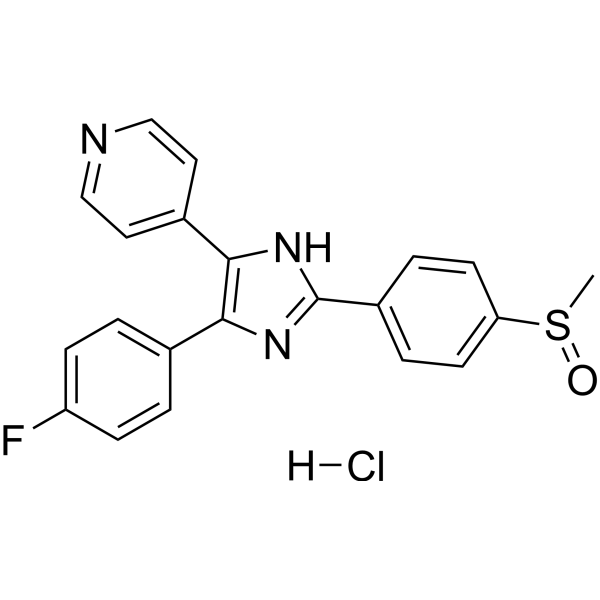
Adezmapimod (SB 203580; RWJ 64809) hydrochloride is a selective and ATP-competitive p38 MAPK inhibitor with IC50s of 50 nM and 500 nM for SAPK2a/p38 and SAPK2b/p38β2, respectively. Adezmapimod hydrochloride inhibits LCK, GSK3β and PKBα with IC50s of 100-500-fold higher than that for SAPK2a/p38. Adezmapimod hydrochloride does not disrupt JNK activity and is an autophagy and mitophagy activator .
loading...
    loading...
626
626 Publications Verification
Cat. No.: HY-10256
CAS No.: 152121-47-6
Purity:  99.92%
Synonyms: SB 203580; RWJ 64809
Adezmapimod (SB 203580) is a selective and ATP-competitive p38 MAPK inhibitor with IC50s of 50 nM and 500 nM for SAPK2a/p38 and SAPK2b/p38β2, respectively. Adezmapimod inhibits LCK, GSK3β and PKBα with IC50s of 100-500-fold higher than that for SAPK2a/p38. Adezmapimod can inhibit p38 MAPK and lead to the inhibition of downstream HSP27 phosphorylation. Adezmapimod does not disrupt JNK activity and is an autophagy and mitophagy activator .
loading...
    loading...
155
155 Cited Publications
Cat. No.: HY-18982
CAS No.: 22862-76-6
Synonyms: Flagecidin; Wuningmeisu C
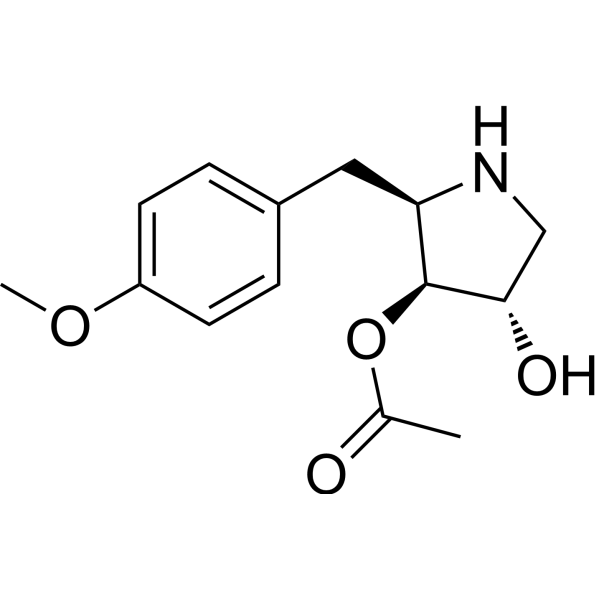
Anisomycin is a potent protein synthesis inhibitor which interferes with protein and DNA synthesis by inhibiting peptidyl transferase or the 80S ribosome system . Anisomycin is a JNK activator, which increases phospho-JNK . Anisomycin is a bacterial antibiotic .
loading...
    loading...
111
111 Cited Publications
Cat. No.: HY-19696B
CAS No.: 117609-50-4
Synonyms: Tauroursodeoxycholic acid dihydrate; TUDCA dihydrate; UR 906 dihydrate
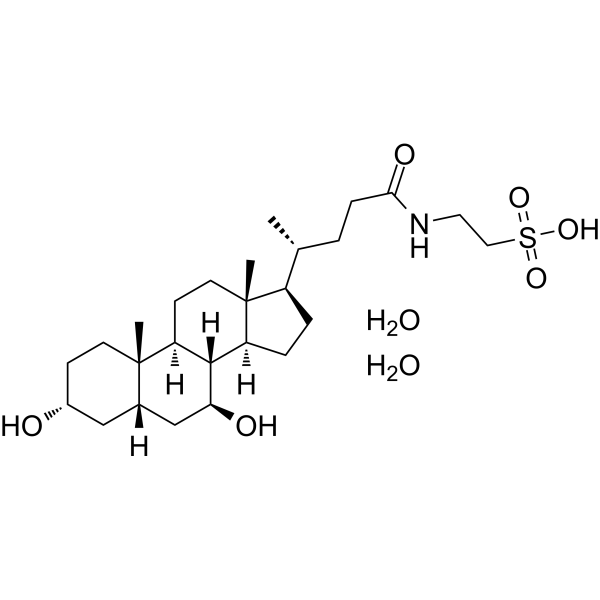
Tauroursodeoxycholate dehydrate is an orally active taurine conjugate of Ursodeoxycholic acid (HY-13771). Tauroursodeoxycholate dehydrate inhibits caspase-3/7, Apoptosis, IRE1α/TRAF2/NF-κB, prevents JNK phosphorylation, inhibits ROS generation, and activates Akt signaling. Tauroursodeoxycholate dehydrate prevents cataract formation, reduces renal tubular damage in type 2 diabetic mice, reduces I/R injury in liver, and inhibits intestinal inflammation and barrier disruption in nonalcoholic fatty liver disease .
loading...
    loading...
42
42 Cited Publications
Cat. No.: HY-N0431
CAS No.: 84687-43-4
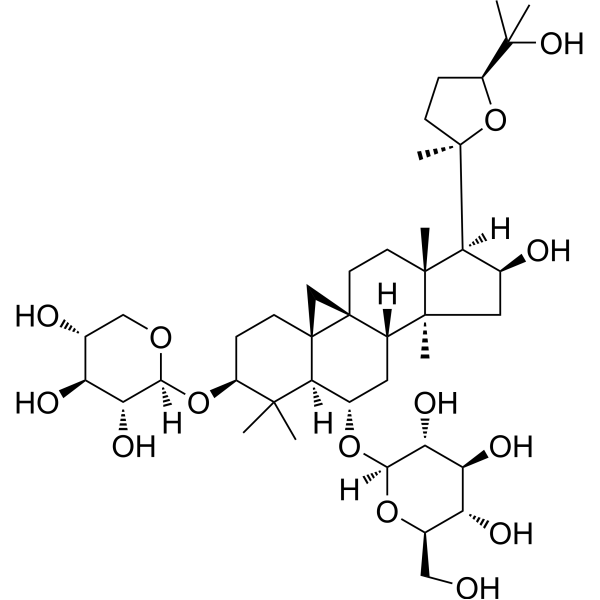
Astragaloside IV, an active component isolated from Astragalus membranaceus, suppresses the activation of ERK1/2 and JNK, and downregulates matrix metalloproteases (MMP)-2, (MMP)-9 in MDA-MB-231 breast cancer cells.
loading...
    loading...
24
24 Cited Publications
Cat. No.: HY-15417
CAS No.: 110448-33-4
Purity:  99.60%
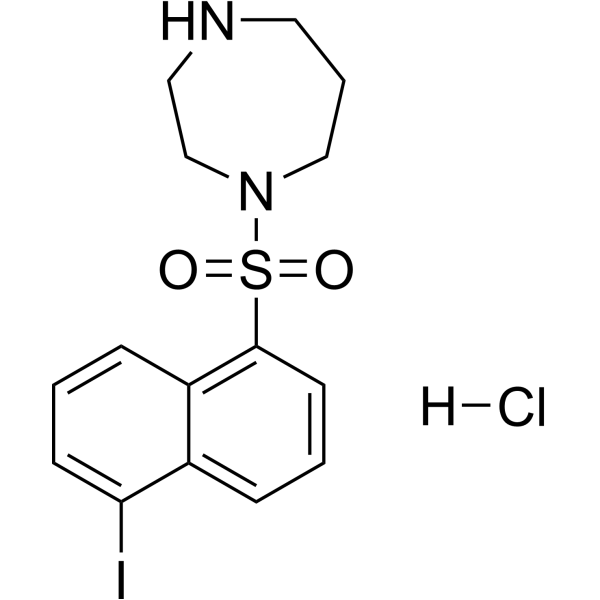
ML-7 hydrochloride is a selective and highly specific myosin light chain kinase (MLCK) inhibitor that acts as a trabecular meshwork (TM) relaxant. ML-7 hydrochloride enhances Quinocetone (HY-123581)-induced phosphorylation of ERK, p38 MAPK and JNK, attenuates Akt activation, and promotes apoptosis of hepatocellular carcinoma cells. ML-7 hydrochloride reduces Th2 cytokine secretion by inhibiting MLCK, while alleviating smooth muscle hyperplasia and collagen deposition . As a non-antibiotic adjuvant, ML-7 hydrochloride restores the sensitivity of drug-resistant bacteria to Tigecycline (HY-B0117) . ML-7 hydrochloride can be used in research related to glaucoma, hepatocellular carcinoma, asthma, and Klebsiella pneumoniae infection .
loading...
    loading...
22
22 Cited Publications
Cat. No.: HY-107738
CAS No.: 95975-55-6
Purity:  99.81%
Synonyms: Z/E-Guggulsterone
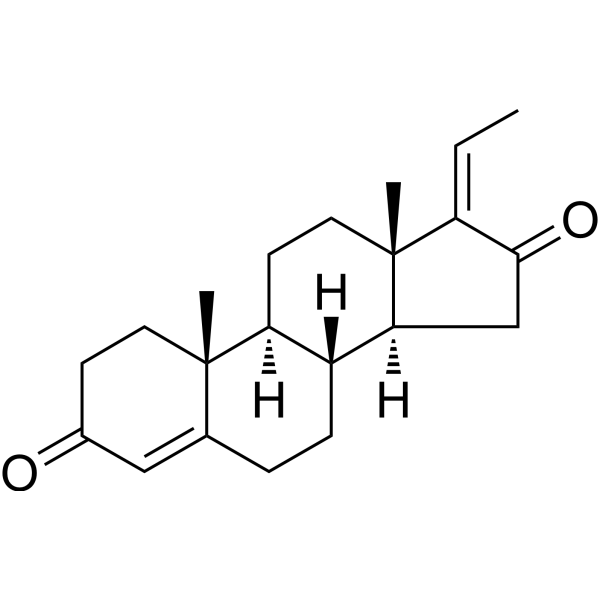
Guggulsterone is a plant sterol derived from the gum resin of the tree Commiphora wightii. Guggulsterone inhibits the growth of a wide variety of tumor cells and induces apoptosis through down regulation of antiapoptotic gene products (IAP1, xIAP, Bfl-1/A1, Bcl-2, cFLIP and survivin), modulation of cell cycle proteins (cyclin D1 and c-Myc), activation of caspases and JNK, inhibition of Akt . Guggulsterone, a farnesoid X receptor (FXR) antagonist, with IC50s of 24.06 μM and 39.05 μM for (-)-(E)-Guggulsterone (HY-N7781) and (Z)-Guggulsterone (HY-110066), respectively .
loading...
    loading...
21
21 Cited Publications
Cat. No.: HY-N0484
CAS No.: 2586-96-1
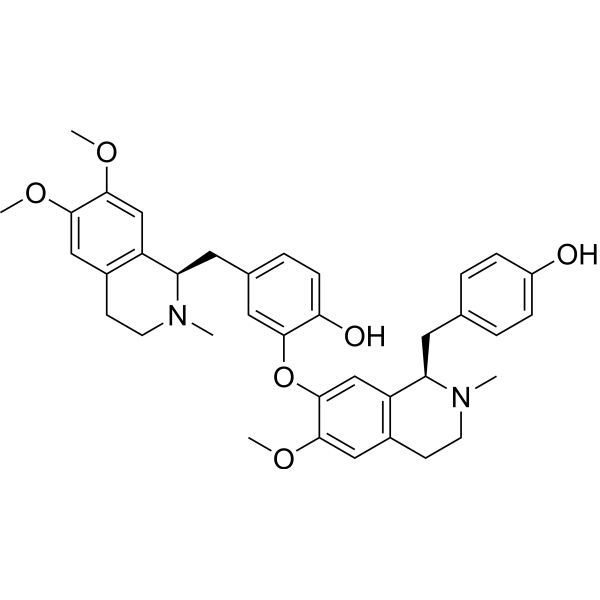
Liensinine is a bisbenzylisoquinoline alkaloid. By inhibiting the PI3K/AKT and JNK/p38-MAPK signaling pathways, Liensinine suppresses autophagy and apoptosis, clears , and exerts anti-inflammatory, antioxidant and neuroprotective effects. Liensinine activates AMPK and inhibits the expression of HIF-1α and VEGF, thereby suppressing angiogenesis. Liensinine exerts anti-tumor effects through ROS-mediated inhibition of the JAK2/STAT3 signaling pathway. Liensinine can be used for the research of diseases such as Alzheimer's disease, hepatocellular carcinoma, osteosarcoma, sepsis-induced organ injury and stroke .
loading...
    loading...
21
21 Cited Publications
Cat. No.: HY-N5014
CAS No.: 2385-63-9
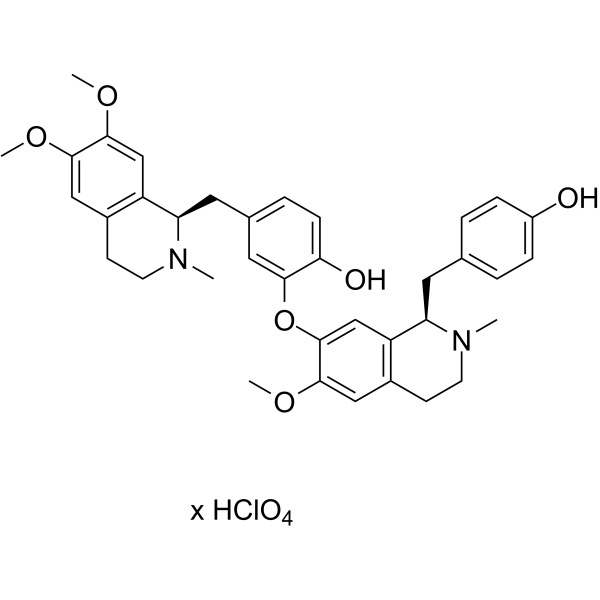
Liensinine perchlorate is a bisbenzylisoquinoline alkaloid. By inhibiting the PI3K/AKT and JNK/p38-MAPK signaling pathways, Liensinine perchlorate suppresses autophagy and apoptosis, clears , and exerts anti-inflammatory, antioxidant and neuroprotective effects. Liensinine perchlorate activates AMPK and inhibits the expression of HIF-1α and VEGF, thereby suppressing angiogenesis. Liensinine perchlorate exerts anti-tumor effects through ROS-mediated inhibition of the JAK2/STAT3 signaling pathway. Liensinine perchlorate can be used for the research of diseases such as Alzheimer's disease, hepatocellular carcinoma, osteosarcoma, sepsis-induced organ injury and stroke .
loading...
    loading...
17
17 Cited Publications
Cat. No.: HY-B1272
CAS No.: 58-28-6
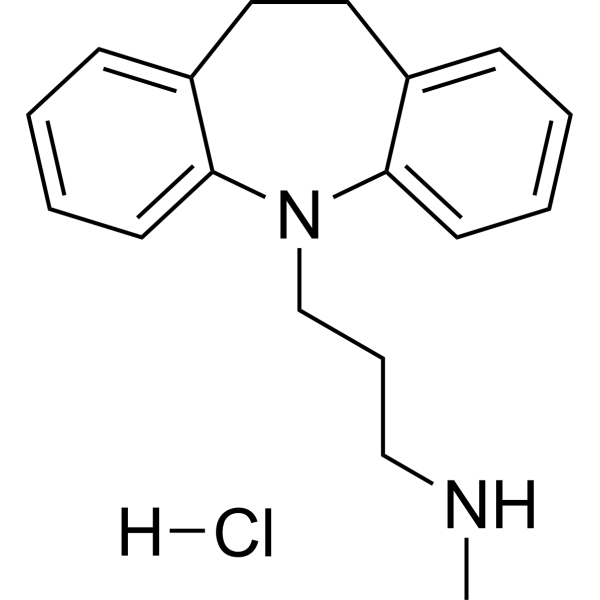
Desipramine hydrochloride is a first-generation tricyclic antidepressant. Desipramine hydrochloride selectively binds to norepinephrine transporter and blocks neuronal norepinephrine reuptake. Desipramine hydrochloride activates MAPK signaling via ERK1/2, JNK, and p38, represses NF-κB and AP-1 activity, and induces apoptosis via ROS elevation, mitochondrial membrane potential reduction, and intracellular calcium increase. Desipramine hydrochloride also shows anyi-inflammatory activity, inhibiting TNF-α production. Desipramine hydrochloride can be used for the research of hepatocellular cancer, inflammation, and neurological diseases .
loading...
    loading...
16
16 Cited Publications
Cat. No.: HY-N0052A
CAS No.: 5578-73-4
Synonyms: Sanguinarin chloride; Sanguinarium chloride; Pseudochelerythrine chloride
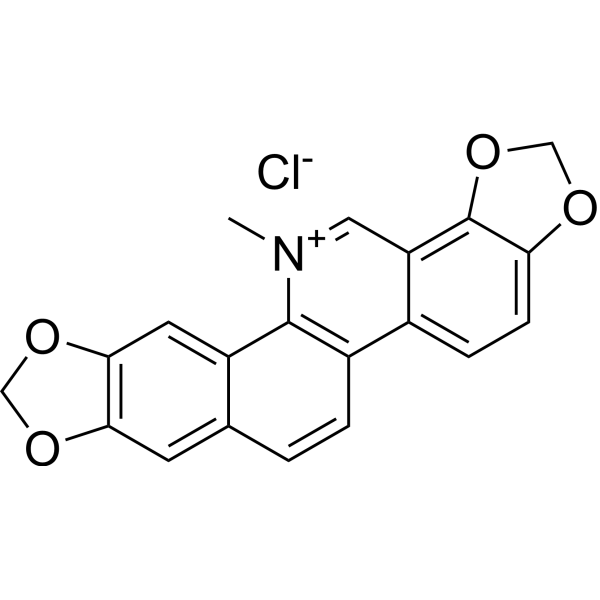
Sanguinarine (Sanguinarin) chloride, a benzophenanthridine alkaloid derived from the root of Sanguinaria Canadensis, can stimulate apoptosis via activating the production of reactive oxygen species (ROS). Sanguinarine-induced apoptosis is associated with the activation of JNK and NF-κB.
loading...
    loading...
13
13 Cited Publications
Cat. No.: HY-13866
CAS No.: 138489-18-6
Purity:  99.57%
Synonyms: Ro 31-8220 methanesulfonate; Bisindolylmaleimide IX mesylate
Target:  

PKC JNK

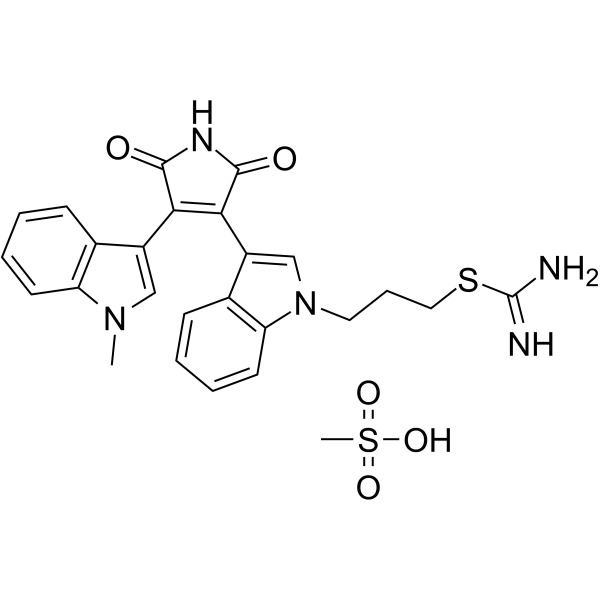
Ro 31-8220 mesylate is a potent PKC inhibitor, with IC50s of 5, 24, 14, 27, 24 and 23 nM for PKCα, PKCβI, PKCβII, PKCγ, PKCε and rat brain PKC, respectively. Ro 31-8220 also significantly inhibits MAPKAP-K1b, MSK1, S6K1 and GSK3β (IC50s, 3, 8, 15, and 38 nM, respectively), with no effect on MKK3, MKK4, MKK6 and MKK7. Ro 31-8220 mesylate can also inhibit the expression of MKP-1, induce the expression of c-Jun, and activate JNK, and these effects possess pharmacological properties independent of PKC .
loading...
    loading...
13
13 Cited Publications
Cat. No.: HY-13866B
Synonyms: Bisindolylmaleimide IX formic
Target:  

PKC JNK

Research Areas:  

Cancer

Ro 31-8220 formic is a potent PKC inhibitor, with IC50s of 5, 24, 14, 27, 24 and 23 nM for PKCα, PKCβI, PKCβII, PKCγ, PKCε and rat brain PKC, respectively. Ro 31-8220 formic also significantly inhibits MAPKAP-K1b, MSK1, S6K1 and GSK3β (IC50s, 3, 8, 15, and 38 nM, respectively). Ro 31-8220 formic can also inhibit the expression of MKP-1, induce the expression of c-Jun, and activate JNK, and these effects possess pharmacological properties independent of PKC .
loading...
    loading...
13
13 Cited Publications
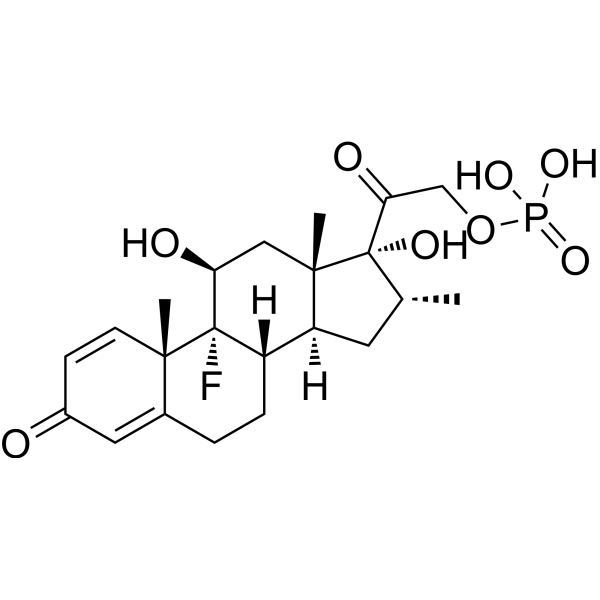
Cat. No.: HY-B1829
CAS No.: 312-93-6
Synonyms: Dexamethasone 21-phosphate
Dexamethasone phosphate (Dexamethasone 21-phosphate) is a prodrug form of the glucocorticoid Dexamethasone (HY-14648). Dexamethasone phosphate is prepared by introducing a phosphate ester group to the hydroxyl group at position 21 of the Dexamethasone molecule. Dexamethasone phosphate inhibits LPS (HY-D1056)-induced degradation of IRAK-1 and IRAK-4, and blocks LPS-induced activation of TRAF6, p-TAK1 and p-JNK. Dexamethasone phosphate inhibits the secretion of RANTES, TGF-β1 and NO, promotes the production of MIP-1α and IL-10, and blocks microglial migration. Dexamethasone phosphate is almost completely converted to Dexamethasone in rat blood, and supports transdermal delivery via iontophoresis. Dexamethasone phosphate can be used in research related to steroid-dependent ulcerative colitis, chemotherapy-induced vomiting, allergic asthma and acute colitis (inflammatory bowel disease) .
loading...
    loading...
13
13 Cited Publications
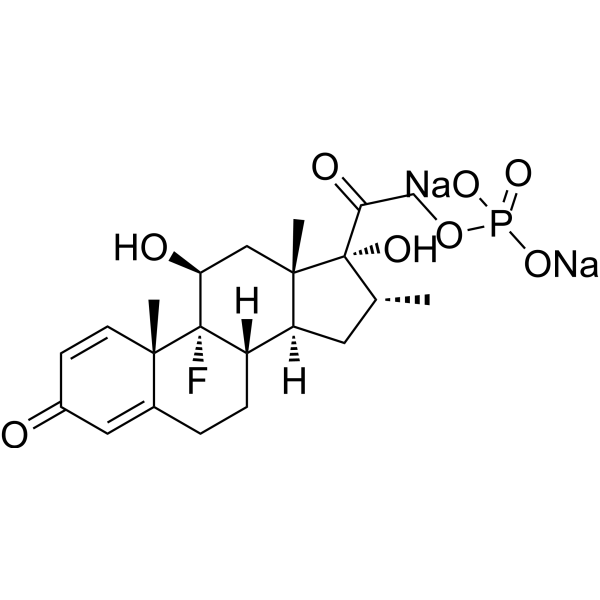
Cat. No.: HY-B1829A
CAS No.: 2392-39-4
Synonyms: Dexamethasone 21-phosphate disodium
Dexamethasone phosphate (Dexamethasone 21-phosphate) disodium is a prodrug form of the glucocorticoid Dexamethasone (HY-14648). Dexamethasone phosphate disodium is produced by introducing a phosphate ester group at the 21-position of the Dexamethasone molecule, forming a salt with sodium ions, thereby significantly improving water solubility. Dexamethasone phosphate disodium inhibits LPS (HY-D1056)-induced degradation of IRAK-1 and IRAK-4, and blocks LPS-induced activation of TRAF6, p-TAK1 and p-JNK. Dexamethasone phosphate disodium inhibits the secretion of RANTES, TGF-β1 and NO, promotes the production of MIP-1α and IL-10, and blocks microglial migration. Dexamethasone phosphate disodium is almost completely converted to Dexamethasone in rat blood, and supports transdermal delivery via iontophoresis. Dexamethasone phosphate disodium can be used in research related to steroid-dependent ulcerative colitis, chemotherapy-induced vomiting, allergic asthma and acute colitis (inflammatory bowel disease) .
loading...
    loading...
12
12 Cited Publications
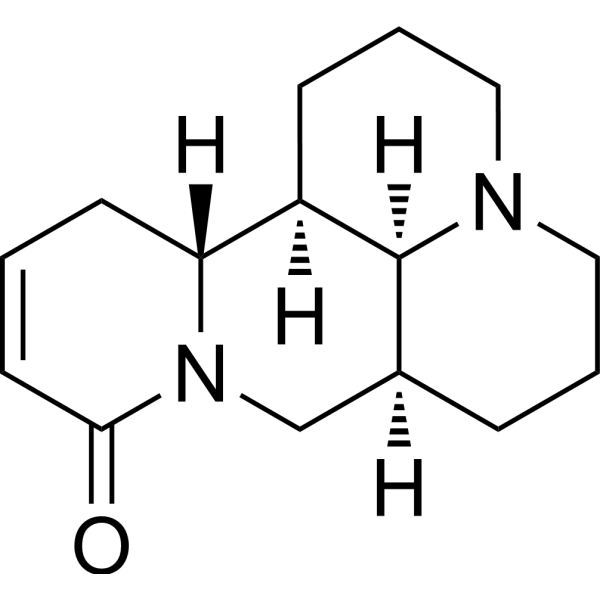
Cat. No.: HY-N0103
CAS No.: 6483-15-4
Sophocarpine is a PTEN activator and an inhibitor of PI3K/Akt, MEK/ERK, and NF-κB signaling pathways. Sophocarpine upregulates PTEN expression and inhibits PI3K/Akt phosphorylation, arrests tumor cell cycle and induces apoptosis. Sophocarpine inhibits MEK/ERK phosphorylation and VEGF secretion, reducing tumor cell migration. Sophocarpine can also inhibit NF-κB activation and p38 and JNK phosphorylation, reduce the expression of inflammatory factors such as iNOS and COX-2, and activate the Nrf2/HO-1 pathway to reduce oxidative stress. Sophocarpine has anti-tumor, anti-inflammatory, antioxidant and anti-apoptotic effects, and can be used in the research of cancers such as glioblastoma and colorectal cancer, inflammation-related diseases, and Doxorubicin (HY-15142A)-induced cardiac damage .
loading...
    loading...
12
12 Cited Publications
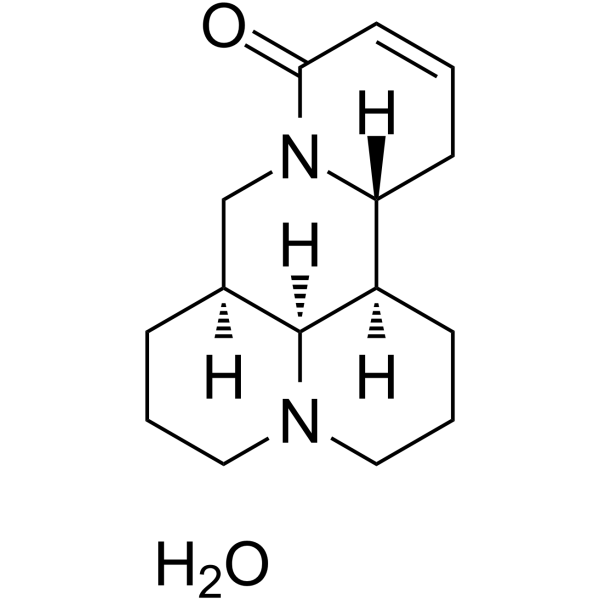
Cat. No.: HY-N0103A
CAS No.: 145572-44-7
Sophocarpine monohydrate is a PTEN activator and an inhibitor of PI3K/Akt, MEK/ERK, and NF-κB signaling pathways. Sophocarpine monohydrate upregulates PTEN expression and inhibits PI3K/Akt phosphorylation, arrests tumor cell cycle and induces apoptosis. Sophocarpine monohydrate inhibits MEK/ERK phosphorylation and VEGF secretion, reducing tumor cell migration. Sophocarpine monohydrate can also inhibit NF-κB activation and p38 and JNK phosphorylation, reduce the expression of inflammatory factors such as iNOS and COX-2, and activate the Nrf2/HO-1 pathway to reduce oxidative stress. Sophocarpine monohydrate has anti-tumor, anti-inflammatory, antioxidant and anti-apoptotic effects, and can be used in the research of cancers such as glioblastoma and colorectal cancer, inflammation-related diseases, and Doxorubicin (HY-15142A)-induced cardiac damage .
loading...
    loading...
11
11 Cited Publications
Cat. No.: HY-N0763
CAS No.: 523-50-2
Synonyms: Isopsoralen
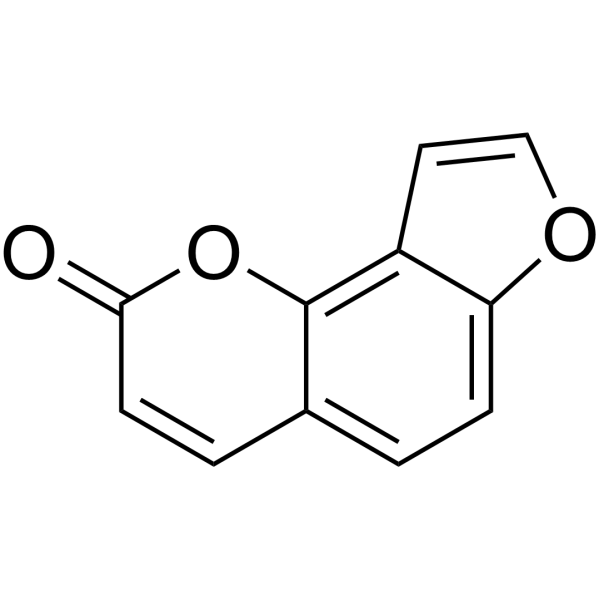
Angelicin is a furanocoumarin compound that functions as an inhibitor of NF-κB and MAPK signaling pathways, exhibiting anti-inflammatory, antiviral, and antitumor activities. It suppresses the lytic replication of γ-herpesviruses, such as MHV-68, early during viral infection, potentially inhibiting RTA gene expression (IC50=28.95 μM). Angelicin also mitigates inflammation by inhibiting the phosphorylation and nuclear translocation of NF-κB, and the phosphorylation of p38 and JNK. Furthermore, it induces apoptosis in neuroblastoma cells by downregulating anti-apoptotic proteins like Bcl-2, Bcl-xL, and Mcl-1, while activating caspase-9 and caspase-3.
loading...
    loading...
10
10 Cited Publications
Cat. No.: HY-N2149
CAS No.: 77-59-8
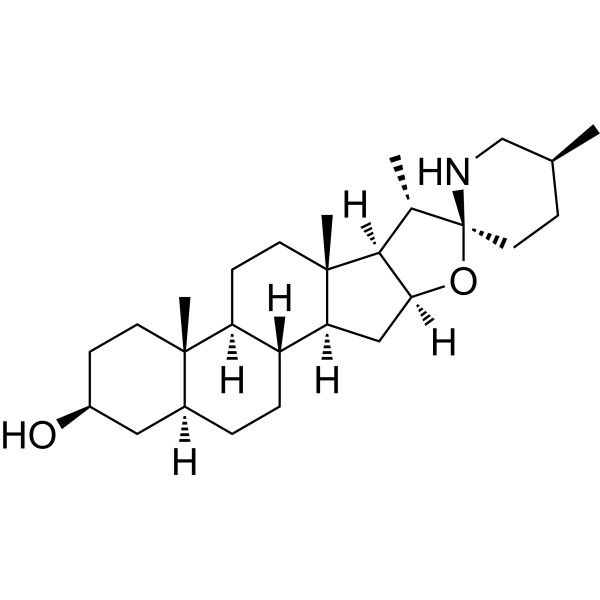
Tomatidine acts as an anti-inflammatory agent by blocking NF-κB and JNK signaling . Tomatidine activates autophagy either in mammal cells or C elegans .
loading...
    loading...
10
10 Cited Publications
Cat. No.: HY-N2149A
CAS No.: 6192-62-7
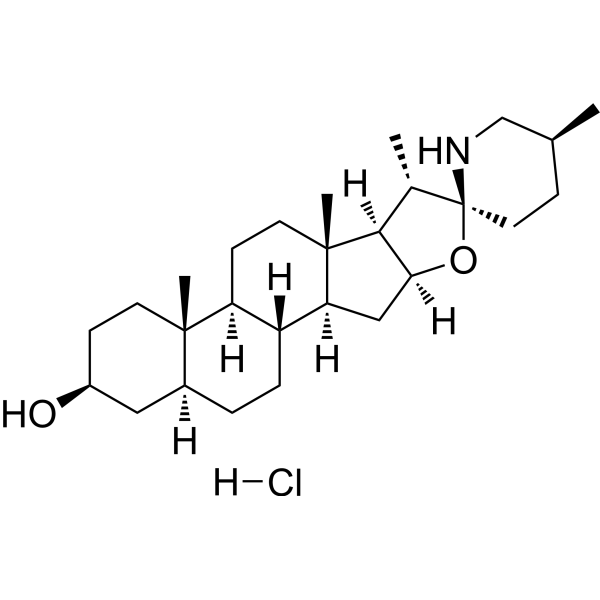
Tomatidine hydrochloride acts as an anti-inflammatory agent by blocking NF-κB and JNK signaling . Tomatidine hydrochloride activates autophagy either in mammal cells or C elegans .
loading...
    loading...

