




49 Results for "

Lysozyme

" in MedChemExpress (MCE) Product Catalog:
Products (49)

49 Results for "Lysozyme" in MCE Product Catalog:

11
11 Publications Verification
Cat. No.: HY-B2237
CAS No.: 12650-88-3
Lysozyme from chicken egg white is a bactericidal enzyme, and it lyses gram-positive bacteria. Lysozyme from chicken egg white can also be used for the research of HIV infection and pulmonary emphysema .
loading...
    loading...
11
11 Publications Verification
Cat. No.: HY-B2237A
CAS No.: 9066-59-5
Lysozyme chloride is a bactericidal enzyme, and it lyses gram-positive bacteria. Lysozyme chloride can also be used for the research of HIV infection and pulmonary emphysema .
loading...
    loading...
8
8 Cited Publications
Cat. No.: HY-P1068
CAS No.: 9001-63-2
Synonyms: Muramidase
Lysozyme (Muramidase) is a conserved antimicrobial protein. Lysozyme exerts its bactericidal effect by hydrolyzing bacterial cell wall peptidoglycan (PG). Lysozyme plays an important role in limiting bacterial growth on mucosal surfaces and other sites, not only controlling potential pathogens but also limiting overgrowth of microbiota to prevent dysbiosis. Extracellular lysozyme can also degrade polymeric PG into soluble fragments, activate NOD receptors in mucosal epithelial cells, and lead to the secretion of chemokines and activating factors by neutrophils and macrophages .
loading...
    loading...
2
2 Cited Publications
Cat. No.: HY-P3021
CAS No.: 12671-19-1
Research Areas:  

Infection

Human milk lysozyme is the lysozyme found in human milk. Human milk lysozyme is thought to be a key defense factor in protecting the gastrointestinal tract of newborns against bacterial infection .
loading...
    loading...
2
2 Cited Publications
Cat. No.: HY-N1735
CAS No.: 1156-78-1
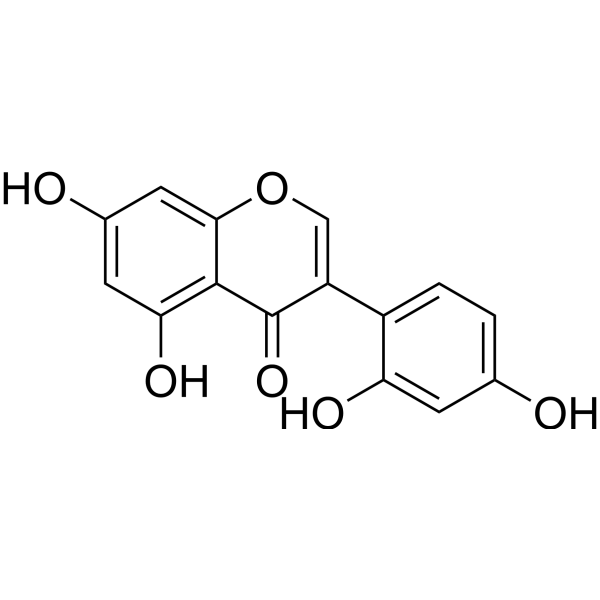
2′-Hydroxygenistein is a natural product that can be isolated from Crotalaria pallida and C. assamica. 2′-Hydroxygenistein shows anti-inflammatory activity. 2′-Hydroxygenistein shows significant concentration-dependent inhibitory effects on the release of β-glucuronidase and lysozyme from rat neutrophils, with IC50 values of 5.9 ± 1.4 and 9.7 ± 3.5 μM, respectively .
loading...
    loading...
2
2 Cited Publications
Cat. No.: HY-N1733
CAS No.: 7678-85-5
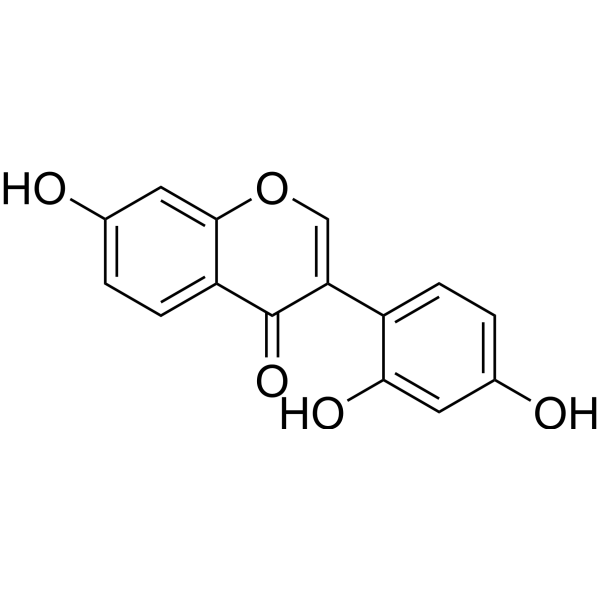
2′-Hydroxydaidzein is a metabolite. 2′-Hydroxydaidzein inhibits the release of chemical mediator from inflammatory cells. 2′-Hydroxydaidzein significantly inhibits lysozyme and β-glucuronidase release from rat neutrophils, which is stimulated with fMLP/CB, respectively .
loading...
    loading...
Cat. No.: HY-D0877
CAS No.: 29915-38-6
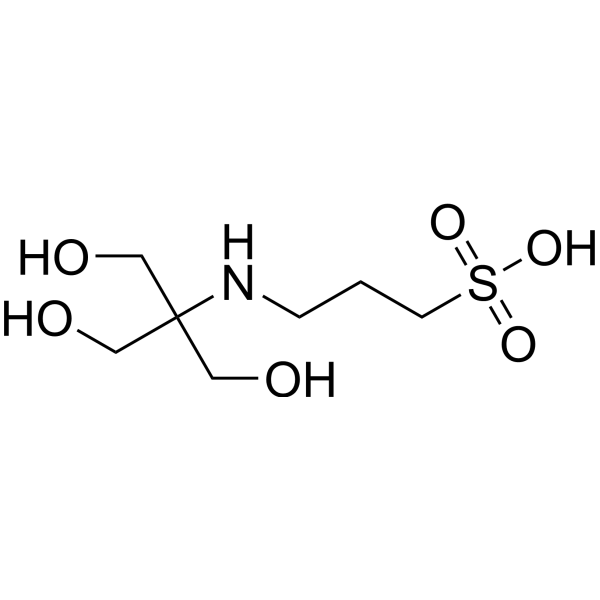
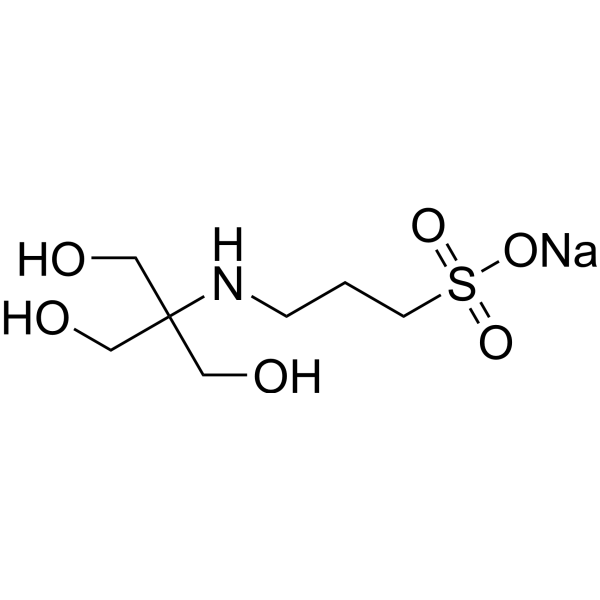
TAPS is an aminosulfonate-based lysozyme stabilizer and connexin channel inhibitor. TAPS maintains the native structure of lysozyme in aqueous solution at pH 7.0 and significantly protects it from heat-induced denaturation. TAPS directly inhibits the activity of heteromeric connexin 32/connexin 26 channels (Cx32/Cx26) via its protonated form, and this inhibitory effect is dependent on the presence of connexin 26. TAPS reduces connexin channel-mediated solute exchange in a recombinant liposome system, resulting in a decreased degree of liposome density shift in transport-specific separation assays. TAPS is a critical compound for investigating the structure and function of connexin channels .
loading...
    loading...
Cat. No.: HY-N9459
CAS No.: 1078691-95-8
Synonyms: D-Glucosamine Hydrochloride
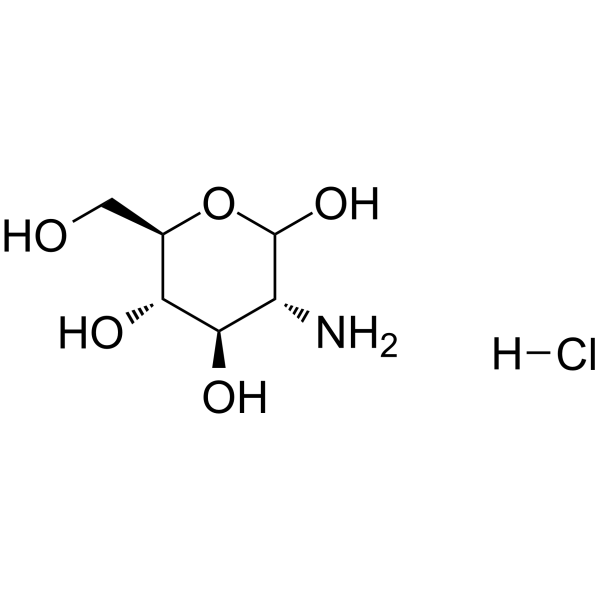
2-Amino-2-deoxyglucose hydrochloride (D-Glucosamine Hydrochloride) is a glucose analog that is specifically recognized and transported by the cell membrane GLUT1. 2-Amino-2-deoxyglucose hydrochloride acts as a tumor-targeting ligand and a guiding molecule for the synthesis of prodrug conjugates, thus delivering drugs precisely to tumor cells. 2-Amino-2-deoxyglucose hydrochloride is applicable to diagnostic imaging and therapeutic efficacy monitoring of solid tumors and various cancers (e.g., breast cancer, glioblastoma). 2-Amino-2-deoxyglucose hydrochloride also helps bacteria resist lysozyme digestion by integrating into the non-N-acetylated residues of Streptococcus pneumoniae peptidoglycan. 2-Amino-2-deoxyglucose hydrochloride is used in studies on tumor metabolism and the exploration of bacterial drug resistance mechanisms .
loading...
    loading...
Cat. No.: HY-W001951
CAS No.: 15956-28-2
Synonyms: Tetrakis(acetato)dirhodium(II); Rhodium(II) acetate dimer
Dirhodium tetraacetate (Tetrakis (acetato) dirhodium (II)) is an anticancer agent. Dirhodium tetraacetate functionally inhibits the activities of DNA polymerase I and RNA polymerase. It also acts as a catalyst and can be used to construct rhodium-based artificial metalloenzymes .
loading...
    loading...
Cat. No.: HY-P1068A
CAS No.: 9001-63-2
Target:  

Bacterial

Research Areas:  

Infection

Recombinant human lysozyme (plant expression) is a conserved anti-bacterial protein that causes bacterial lysis and death by hydrolyzing bacterial cell wall peptidoglycan (PG). Recombinant human lysozyme (plant expression) can be used to study bacterial infections .
loading...
    loading...
Cat. No.: HY-135072
CAS No.: 38864-21-0
Purity:  99.93%
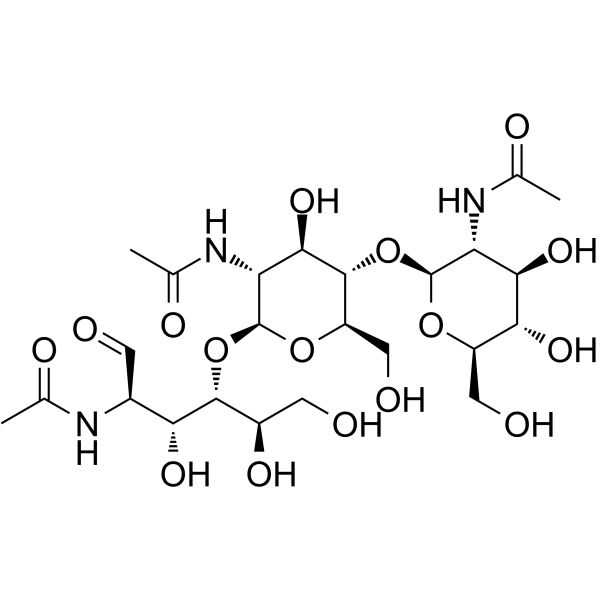
N,N',N''-Triacetylchitotriose is a competitive Lysozyme inhibitor. N,N',N''-Triacetylchitotriose inhibits the activity of lysozyme. N,N',N''-Triacetylchitotriose reduces the fusion rate between lysozyme-conjugated liposomes and erythrocyte ghosts, and decreases the equilibrium fusion rate .
loading...
    loading...
Cat. No.: HY-N1972
CAS No.: 37271-16-2
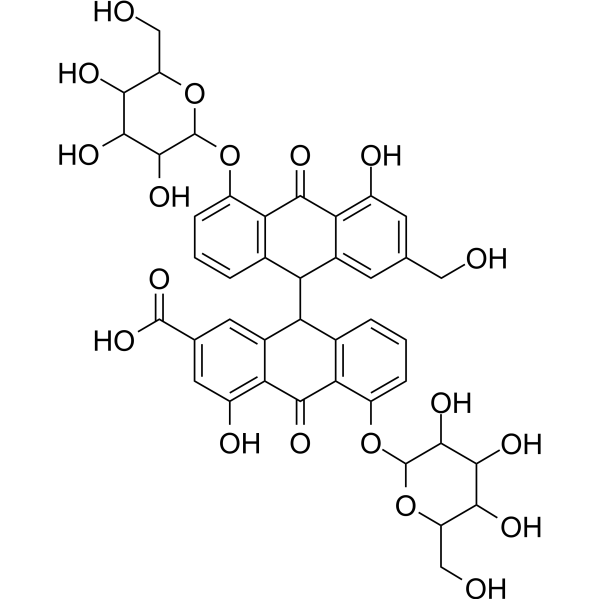
Sennoside C is an orally active component of the traditional Chinese medicine Sennae Folium. Sennoside C can bind to human lysozyme and inhibit its amyloid fibrosis (IC50: 186.20 μM). Sennoside C has certain purgative activity. Sennoside C can be used in the research of diarrhea and anti-amyloid related diseases .
loading...
    loading...
Cat. No.: HY-N7698B
CAS No.: 38854-46-5
Target:  

Glycosidase

Research Areas:  

Inflammation/Immunology Cancer

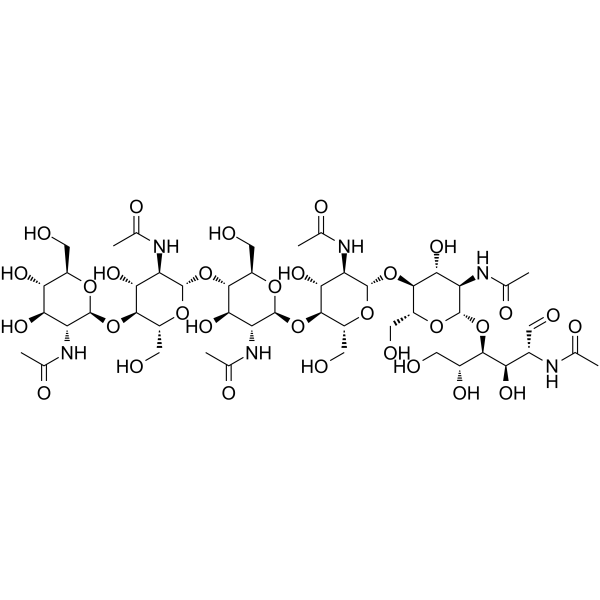
Hexa-N-acetylchitohexaose is an inducer of disease resistance in crop plants, which could elicit an increase of lignification-related and antioxidative enzymes in soybean plants. Hexa-N-acetylchitohexaose is a substrate of lysozyme. Hexa-N-acetylchitohexaose shows antitumor effect .
loading...
    loading...
Cat. No.: HY-P5557
CAS No.: 1429184-62-2
Target:  

Bacterial Necroptosis

Research Areas:  

Infection Inflammation/Immunology

TP4 (Nile tilapia piscidin) is an orally active amphipathic α-helical cationic antimicrobial peptide. TP4 (Nile tilapia piscidin) exerts broad-spectrum bactericidal activity against Gram-positive and Gram-negative bacteria by disrupting cell membrane structures, and also exhibits certain hemolytic activity. TP4 (Nile tilapia piscidin) regulates the innate immune system and enhances the expression of lysozymes, cytokines and antioxidant enzymes to resist bacterial infection. TP4 (Nile tilapia piscidin) also stimulates the proliferation of keratinocytes and fibroblasts, and significantly promotes the healing of wounds infected with MRSA. TP4 (Nile tilapia piscidin) can be used in research related to bacterial infection, peritonitis, wound healing and other fields .
loading...
    loading...
Cat. No.: HY-Y1329
CAS No.: 7601-54-9
Trisodium phosphate is a food additive. Trisodium phosphate affects the growth parameters (lag phase, maximum growth rate) of Listeria monocytogenes and increases the sensitivity of Gram-negative bacteria to Lysozyme (HY-P1068) and Nisin (HY-P1607) .
loading...
    loading...
Cat. No.: HY-W284558
CAS No.: 1120-01-0
Sodium hexadecyl sulfate is a long-chain anionic surfactant. Sodium hexadecyl sulfate can act as an interface-regulating substance to form a soft layer on the surface of carbon nanotubes, guide proteins to adsorb in the correct orientation with active sites facing outward through electrostatic interactions, and significantly enhance the activity of immobilized enzymes. Sodium hexadecyl sulfate can replace or supplement SDS (HY-Y0316) in capillary gel electrophoresis (CGE) .
loading...
    loading...
Cat. No.: HY-P990183

Target:  

Inhibitory Antibodies

Research Areas:  

Others

Mouse IgG2a (D265A) kappa, isotype control is a mouse-derived IgG2a antibody inhibitor. Mouse IgG2a (D265A) kappa, isotype control reacts with hen egg lysozyme and has low or no specific binding to any mouse sample. Mouse IgG2a (D265A) kappa, isotype control is commonly used as an isotype control .
loading...
    loading...
Cat. No.: HY-P3935
CAS No.: 59587-18-7
Target:  

Ser/Thr Kinase

Research Areas:  

Cancer

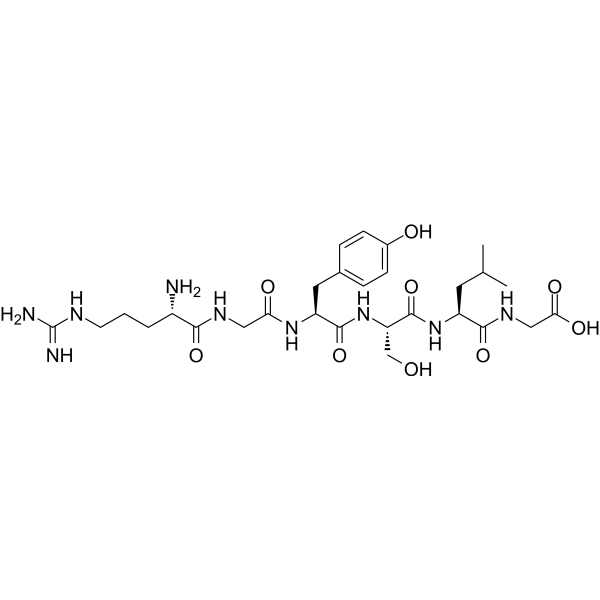
Arg-Gly-Tyr-Ser-Leu-Gly is corresponding to the sequence of residues from 21 through 26 in lysozyme. Arg-Gly-Tyr-Ser-Leu-Gly can be used as a substrate for the protein kinase, and phosphorylated at serine residue by protein kinase .
loading...
    loading...
Cat. No.: HY-N7698
CAS No.: 2706-65-2
Research Areas:  

Others

Tetra-N-acetylchitotetraose is a linear chitosan oligosaccharide. Tetra-N-acetylchitotetraose is a component of the hpo-chitoo gosacchaπdes (LCOs) secreted from Rhizobia. Tetra-N-acetylchitotetraose is also a substrate for the Rhizobium leguminosarum nodulation protein NodB, a CO deacetylase .
loading...
    loading...
Cat. No.: HY-E70602
Target:  

Bacterial

Research Areas:  

Others

T4 lysozyme is derived from a recombinant E.coli strain and can lyse bacterial cell walls. T4 lysozyme acts on the peptidoglycan of bacterial cell walls and hydrolyzes the β-1,4 bond between N-acetylmuramic acid and N-acetylglucosamine .
loading...
    loading...

