1. Search Result
Search Result
Results for "

MD

" in MedChemExpress (MCE) Product Catalog:

96

Inhibitors & Agonists

1

Fluorescent Dye

2

Biochemical Assay Reagents

4

Peptides

1

Inhibitory Antibodies

10

Natural
Products

8

Recombinant Proteins

2

Isotope-Labeled Compounds

3

Antibodies

1

Click Chemistry

Cat. No. Product Name Target Research Areas Chemical Structure
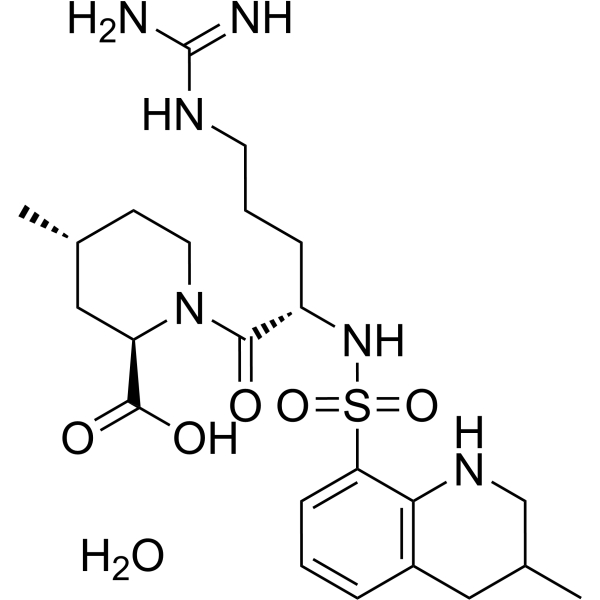
  • HY-B0375
    Argatroban
    5 Publications Verification

    MD-805; MCI-9038

    Thrombin Cardiovascular Disease Cancer
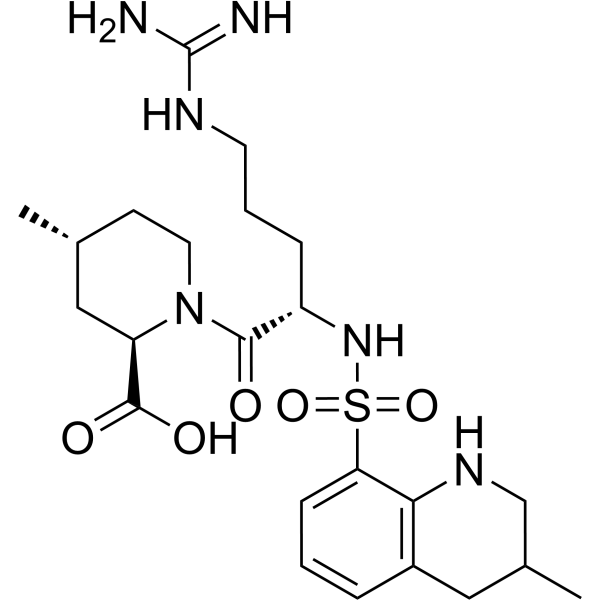
    Argatroban (MD-805) is a direct, selective thrombin inhibitor.
    Argatroban
  • HY-N0795
    Procyanidin B1
    Maximum Cited Publications
    7 Publications Verification

    Toll-like Receptor (TLR) Inflammation/Immunology
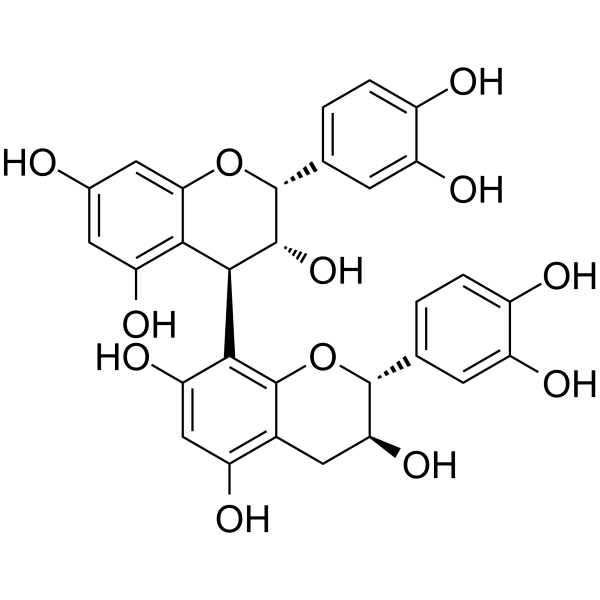
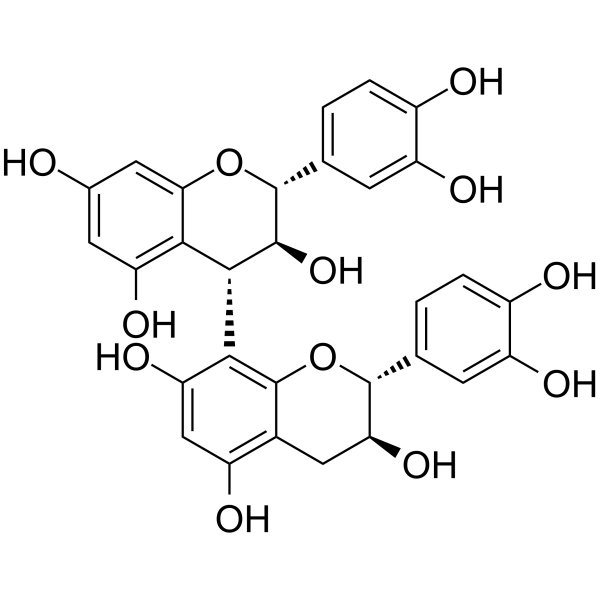
    Procyanidin B1 is a polyphenolic flavonoid isolated from commonly eaten fruits, binds to TLR4/MD-2 complex, and has anti-inflammatory activity.
    Procyanidin B1
  • HY-W251428

    Egg PG

    Biochemical Assay Reagents Others
    Phosphatidylglycerols (PG) is a selective inhibitor targeting the TLR4 accessory protein CD14/MD-2 complex, inhibiting LPS or virus (such as RSV)-mediated inflammatory signaling pathways through competitive binding. Phosphatidylglycerols directly bind to viral particles to block infection, inhibit COX-2 expression to reduce the release of inflammatory factors (IL-6, IL-8), and improve oxidative stress by regulating mitochondrial membrane phospholipid remodeling. Phosphatidylglycerols can be taken orally or by inhalation and can be used in the study of chronic inflammatory diseases (such as atherosclerosis) and respiratory viral infections (such as RSV) .
    Phosphatidylglycerols (egg) sodium salt
  • HY-114312
    MD-224
    5+ Cited Publications

    PROTACs MDM-2/p53 E1/E2/E3 Enzyme Cancer
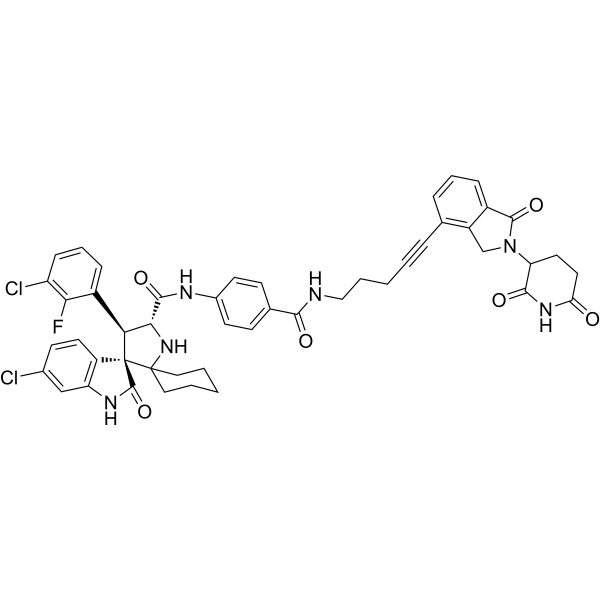
    MD-224 is a first-in-class and highly potent small-molecule human murine double minute 2 (MDM2) degrader based on the proteolysistargeting chimera (PROTAC) concept. MD-224 consists of ligands for Cereblon and MDM2. MD-224 induces rapid degradation of MDM2 at concentrations <1 nM in human leukemia cells, and achieves an IC50 value of 1.5 nM in inhibition of growth of RS4;11 cells. MD-224 has the potential to be a new class of anticancer agent . MD-224 is a click chemistry reagent, it contains an Alkyne group and can undergo copper-catalyzed azide-alkyne cycloaddition (CuAAc) with molecules containing Azide groups.
    MD-224
  • HY-N2345
    Procyanidin B3
    1 Publications Verification

    Histone Acetyltransferase Toll-like Receptor (TLR) Androgen Receptor Inflammation/Immunology Cancer
    Procyanidin B3 is a natural product with antioxidant activity and oral bioavailability, possessing good blood-brain barrier penetration. Procyanidin B3 is a selective inhibitor of histone acetyltransferase (HAT). By inhibiting p300 HAT-mediated acetylation of the androgen receptor (androgen receptor). Procyanidin B3 alleviates intervertebral disc degeneration (IVDD) by inhibiting the formation of the TLR4/MD-2 complex. Procyanidin B3 can be used in research on prostate cancer and arthritis .
    Procyanidin B3
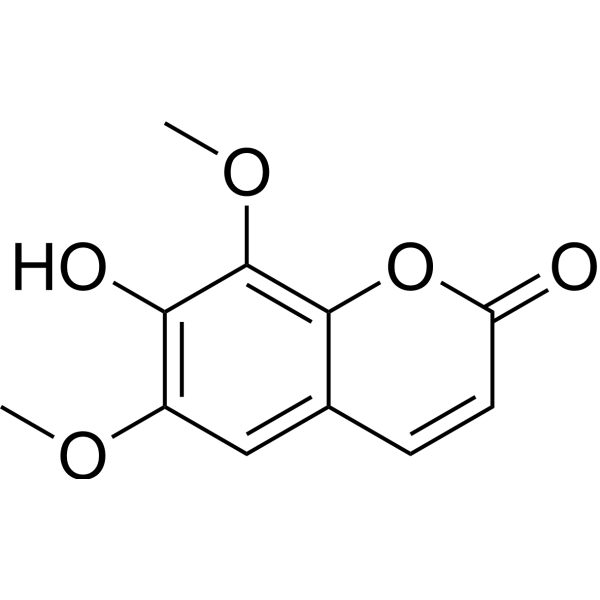
  • HY-N0774
    Isofraxidin
    4 Publications Verification

    ERK COX MMP Toll-like Receptor (TLR) Inflammation/Immunology
    Isofraxidin, a coumarin component from Acanthopanax senticosus, inhibits MMP-7 expression and cell invasion of human hepatoma cells. Isofraxidin inhibits the phosphorylation of ERK1/2 in hepatoma cells . Isofraxidin attenuates the expression of iNOS and COX-2, Isofraxidinalso inhibits TLR4/myeloid differentiation protein-2 (MD-2) complex formation .
    Isofraxidin
  • HY-134823
    MD-222
    1 Publications Verification

    MDM-2/p53 PROTACs E1/E2/E3 Enzyme Cancer
    MD-222 is the first-in-class highly potent PROTAC degrader of MDM2. MD-222 consists of ligands for Cereblon and MDM2. MD-222 induces rapid degradation of the MDM2 protein and activation of wild-type p53 in cells. MD-222 has anticancer effects .
    MD-222
  • HY-103483
    MD2-IN-1
    5+ Cited Publications

    Toll-like Receptor (TLR) Inflammation/Immunology
    MD2-IN-1 is an inhibitor of Myeloid differentiation protein 2 (MD2) with a KD of 189 μM for the recombinant human MD2 (rhMD2).
    MD2-IN-1
  • HY-128598
    MD2-TLR4-IN-1
    1 Publications Verification

    Toll-like Receptor (TLR) NF-κB Inflammation/Immunology Cancer
    MD2-TLR4-IN-1 is a myeloid differentiation protein 2/toll-like receptor 4 (MD2-TLR4) complex antagonist. MD2-TLR4-IN-1 inhibits Lipopolysaccharides (HY-D1056) (LPS)-induced expression of TNF-α and IL-6 in macrophages with IC50 values of 0.89 μM and 0.53 μM, respectively. MD2-TLR4-IN-1 can be used for the study of acute lung injury (ALI) .
    MD2-TLR4-IN-1
  • HY-114440

    GR-MD-02

    Galectin Apoptosis Cancer
    Belapectin (GR-MD-02) is a Galectin-3 (Gal-3) inhibitor. Belapectin drives tumor-induced immunosuppression by inducing T cell Apoptosis. Belapectin promotes tumor regression and improves survival of tumor-bearing mice through a CD8+ T cell-dependent mechanism. Belapectin binds to Gal-3 with affinity Ki of 2.8 μM .
    Belapectin
  • HY-175199

    BPN-0026709

    Myosin Neurological Disease
    MT-228 (BPN-0026709) is a selective and blood-brain barrier permeable non-muscle myosin II inhibitor. MT-228 markedly improves tolerability by selectively targeting NMIIB (KI = 1.5 μM) over CMII (KI = 17 μM), and the sequence of SmMll MD is 83.6% identical to that of NMllB. MT-228 shows long-lasting efficacy in animal models of stimulant use disorder .
    MT-228
  • HY-B0375A
    Argatroban monohydrate
    5 Publications Verification

    MD-805 monohydrate; MCI-9038 monohydrate

    Thrombin Cardiovascular Disease Infection Cancer
    Argatroban (monohydrate) (MD-805 (monohydrate)) is a direct, selective thrombin inhibitor.
    Argatroban monohydrate
  • HY-108708

    PARP Cancer
    GeA-69 is a selective, allosteric inhibitor of poly-adenosine-diphosphate-ribose polymerase 14 (PARP14) targeting macrodomain 2 (MD2), with a Kd value of 2.1 μM. GeA-69 involves in DNA damage repair mechanisms and prevents recruitment of PARP14 MD2 to sites of laser-induced DNA damage .
    GeA-69
  • HY-131339
    SP-96
    2 Publications Verification

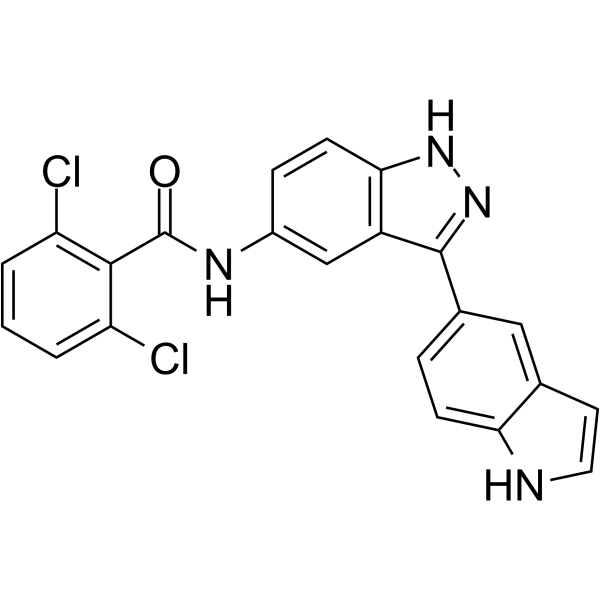
    Aurora Kinase Cancer
    SP-96 is a highly potent, selective and non-ATP-competitive Aurora B (IC50=0.316 nM) inhibitor and shows >2000 fold selectivity against FLT3 and KIT. SP-96 shows selective growth inhibition in NCI60 screening, incluing MDA-MD-468 (GI50=107 nM). SP-96 can be used for the research of triple negative breast cancer (TNBC) .
    SP-96
  • HY-N1916
    Coniferyl ferulate
    1 Publications Verification

    Glutathione S-transferase P-glycoprotein Apoptosis iGluR CaMK p38 MAPK Reactive Oxygen Species (ROS) Bacterial Infection Cardiovascular Disease Neurological Disease Inflammation/Immunology Cancer
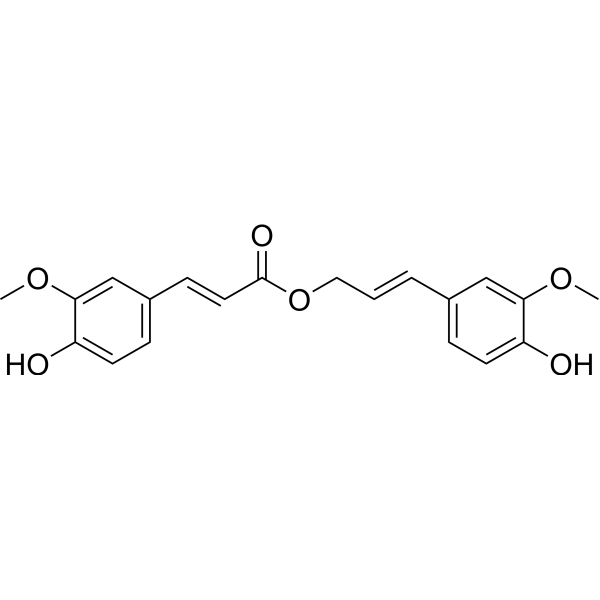
    Coniferyl ferulate is an orally active phenolic acid compound. Coniferyl ferulate is a potent inhibitor of glutathione S-transferase (GST) (IC50 = 0.3 μM), which downregulates P-gp expression, induces apoptosis in B-MD-C1 (ADR+/+) cells, and reverses multidrug resistance. Coniferyl ferulate blocks the NMDAR/NR2B-CaMKII-MAPKs signaling pathway, inhibits ROS production and mitochondrial apoptosis, while reshapes the intestinal microbiota and microbial metabolism, ameliorates colonic inflammation and alleviates depressive symptoms in mice. Coniferyl ferulate can alleviate the toxicity of xylene to hematopoietic stem and progenitor cells by targeting Mgst2. Coniferyl ferulate exhibits antibacterial activity against the Gram-positive Bacillus subtilis and Staphylococcus aureus .
    Coniferyl ferulate
  • HY-148117

    PROTACs Macrophage migration inhibitory factor (MIF) Cancer
    MD13 is a macrophage migration inhibitory factor (MIF)-directed PROTAC with a Ki of 71 nM. MD13 can be used for cancer research .
    MD13
  • HY-120017

    MD-370503

    Monoamine Oxidase Neurological Disease
    Befloxatone (MD-370503) is an orally active, selective and reversible inhibitor of Monoamine Oxidase A (MAO-A) (IC50=4 nM). Befloxatone increases the tissue level of monoamine, striatal dopamine and cortical norepinephrine. Befloxatone has antidepressant potential .
    Befloxatone
  • HY-W082785A
    L6H21
    1 Publications Verification

    TNF Receptor Interleukin Related Toll-like Receptor (TLR) NF-κB NOD-like Receptor (NLR) Apoptosis Caspase Bcl-2 Family Reactive Oxygen Species (ROS) Neurological Disease Metabolic Disease Inflammation/Immunology
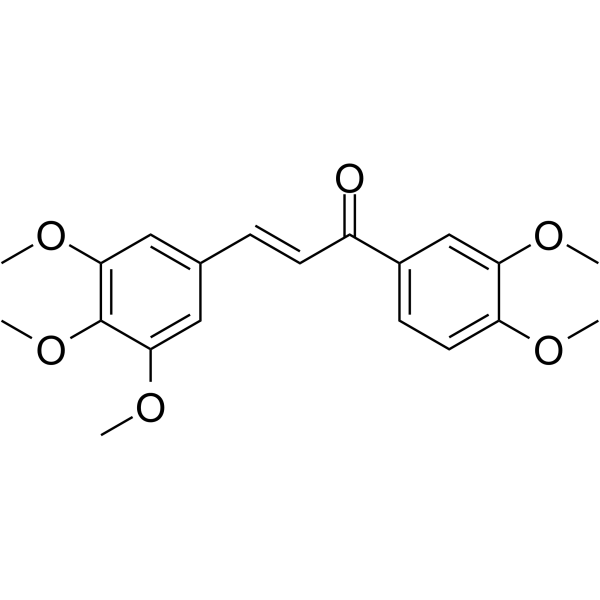
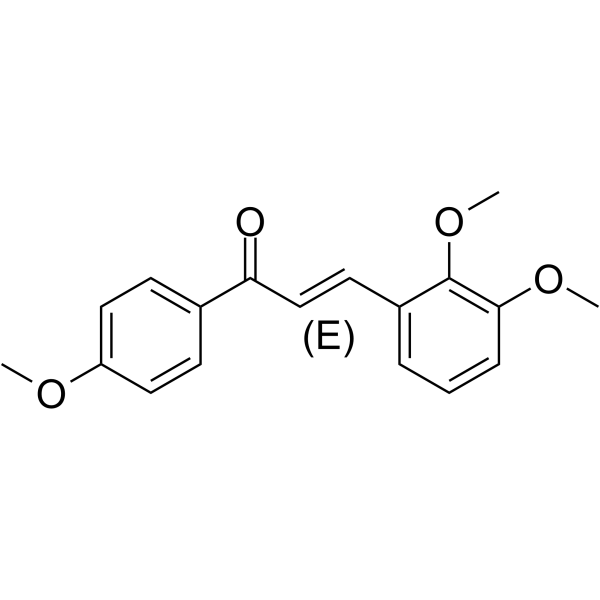
    L6H21, a Chalcone (HY-121054) derivative, is an orally active, potent and specific myeloid differentiation 2 (MD-2) inhibitor. L6H21 directly binds to MD-2 protein with a high affinity and low KD value of 33.3 μM, blocking the formation of the LPS-TLR4/MD-2 complex. L6H21 inhibits LPS-induced expression of TNF-α and IL-6 in RAW264.7 macrophages, with IC50 values of 6.58 and 8.59 μM, respectively. L6H21 can be used for alcoholic liver disease, metabolic disturbance and neuroinflammation research .
    L6H21
  • HY-126154
    L48H37
    1 Publications Verification

    Toll-like Receptor (TLR) Inflammation/Immunology
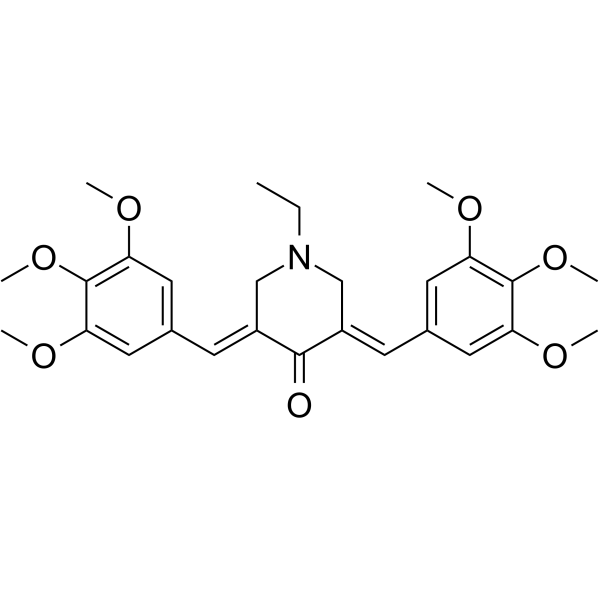
    L48H37 is an analog of Curcumin (HY-N0005) with improved chemical stability. L48H37 is a potent and specific myeloid differentiation protein 2 (MD2) inhibitor and inhibits the interaction and signaling transduction of LPS-TLR4/MD2. L48H37 is used for the research of sepsis or lung injury treatment .
    L48H37
  • HY-174138

    NF-κB Inflammation/Immunology
    NF-κB degrader 1 (Compound MD-1) is a NF-κB1 p105 subunit degrader. NF-κB degrader 1 shows anti-inflammatory activity (IC50 for inhibiting TNF-α is 2.02 μM, and for inhibiting NO is 5.40 μM). NF-κB degrader 1 induces p105 degradation dependent on the Cullin-RING ligase (CRL) SCFBTCP, suppressing NF-κB transcriptional activity. NF-κB degrader 1 is promising for research of inflammation-related diseases .
    NF-κB degrader 1
  • HY-D1056H
    Lipopolysaccharides, from S. marcescens
    1 Publications Verification

    LPS, from Serratia marcescens

    Toll-like Receptor (TLR) Inflammation/Immunology
    Lipopolysaccharides, from S. marcescens (Serratia marcescens) are lipopolysaccharide endotoxins and TLR-4 activators derived from Serratia marcescens, classified as S-type LPS, which can activate pathogen-associated molecular patterns (PAMP) of the immune system and induce cellular secretion of migrasomes. Lipopolysaccharides, from S. marcescens exhibit a typical three-part structure: O-antigen (O-antigen), core oligosaccharide (core oligosaccharide), and lipid A (Lipid A). Lipopolysaccharides, from S. marcescens induce NF-κB activation in mouse cells via Toll-like receptor (TLR4)/MD-2. The lipopolysaccharides of S. marcescens can induce apoptosis in host immune cells, thereby suppressing the host's innate immunity .
    It is recommended to prepare a solution with concentration ≥2 mg/mL. Vortex thoroughly for more than 10 minutes. Due to the adsorption characteristics of LPS, silanized container or low adsorption centrifuge tubes should be used for aliquoting and storage, and mix thoroughly before use.
    Lipopolysaccharides, from S. marcescens
  • HY-U00435
    Neoseptin 3
    4 Publications Verification

    Toll-like Receptor (TLR) Cancer
    Neoseptin 3 is a Toll-like receptor 4/myeloid differentiation factor 2 (mTLR4/MD-2) agonist with an EC50 of 18.5 μM.
    Neoseptin 3
  • HY-130683

    E3 Ligase Ligand-Linker Conjugates Cancer
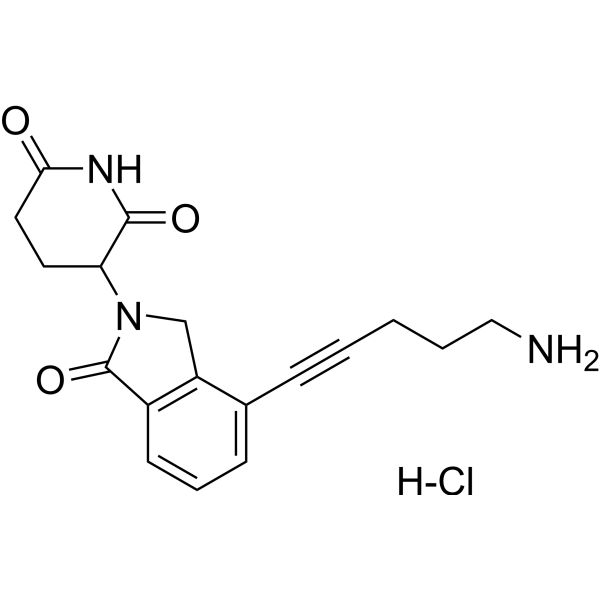
    Lenalidomide-propargyl-C2-NH2 hydrochloride incorporates a cereblon (CRBN) ligand for the E3 ubiquitin ligase, and a linker. Lenalidomide-propargyl-C2-NH2 hydrochloride can be used to design the PROTAC MD-224 (HY-114312) . Lenalidomide-propargyl-C2-NH2 (hydrochloride) is a click chemistry reagent, it contains an Alkyne group and can undergo copper-catalyzed azide-alkyne cycloaddition (CuAAc) with molecules containing Azide groups.
    Lenalidomide-propargyl-C2-NH2 hydrochloride
  • HY-B1696

    Adrenergic Receptor Cardiovascular Disease
    Methyldopate is an ethyl ester proagent of α-Methyldopa (α-MD; HY-B0225). Methyldopa (L-(-)-α-Methyldopa) is an α-adrenergic agonist (selective for α2-adrenergic receptors). Methyldopate has the potential for severe hypertension research .
    Methyldopate
  • HY-W014223

    Ultraviolet absorber UV-0

    Environmental Pollutants Toll-like Receptor (TLR) NF-κB Reactive Oxygen Species (ROS) MyD88 IRAK Inflammation/Immunology
    2,4′-Dihydroxybenzophenone (Ultraviolet absorber UV-0) occupies the hydrophobic pocket of MD2 and blocks the dimerization of TLR4. 2,4′-Dihydroxybenzophenone inhibits the LPS induced mtROS production, and LPS induced inflammatory response by downregulating pro-inflammatory mediators and decreasing the expression of MyD88, p-IRAK4, and NF-κB. 2,4′-Dihydroxybenzophenone is also a UV absorber .
    2,4′-Dihydroxybenzophenone
  • HY-14196
    Toloxatone
    1 Publications Verification

    MD 69276

    Monoamine Oxidase Neurological Disease
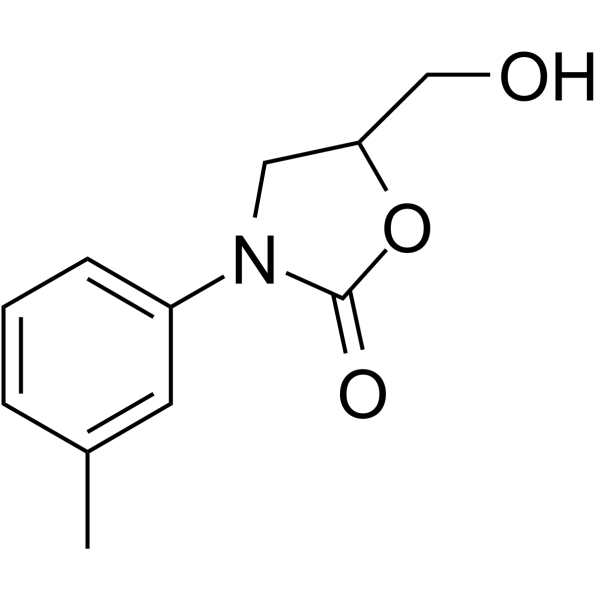
    Toloxatone (MD 69276) is a reversible, selective MAO-A inhibitor that can cross the blood-brain barrier. Toloxatone increases the levels of serotonin (5-HT) and norepinephrine in the brain. Toloxatone reduces the immobility time in the forced swimming test in mice, inhibits killing behavior in rats without causing sedation, and shows a correlation between its free plasma concentration and cerebrospinal fluid concentration. Toloxatone is widely used in research related to depression, depressive disorders and Parkinson's disease .
    Toloxatone
  • HY-174458

    PROTACs MDM-2/p53 IKZF Family Casein Kinase Cancer
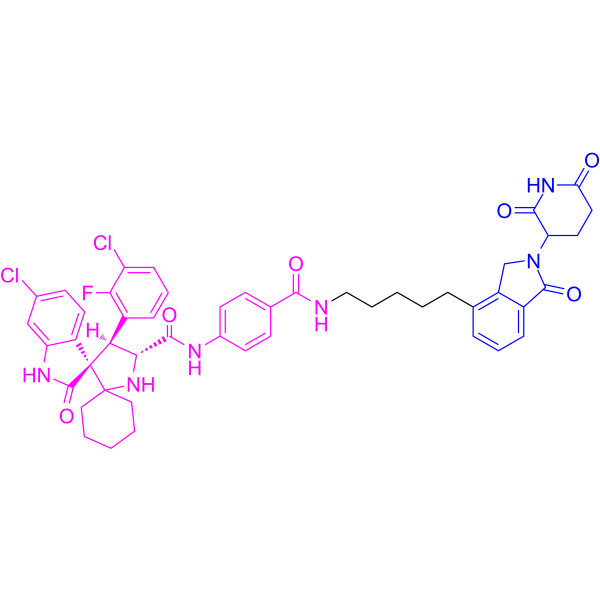
    MD-4251 is an orally active MDM2 PROTAC degrader. MD-4251 potently degrades MDM2 in RS4;11 cells (DC50: 0.2 nM) and actives p53. MD-4251 shows strong antiproliferative activity against acute leukemia cells (wild-type p53) with minimal efficacy in mutant type. MD-4251 induces complete tumor regression in RS4;11 xenograft mice model . Pink: MDM2 ligand (HY-130684); Blue: CRBN ligase ligand (HY-W883326); Black: linker
    MD-4251
  • HY-162141

    Glutaminase Apoptosis Cancer
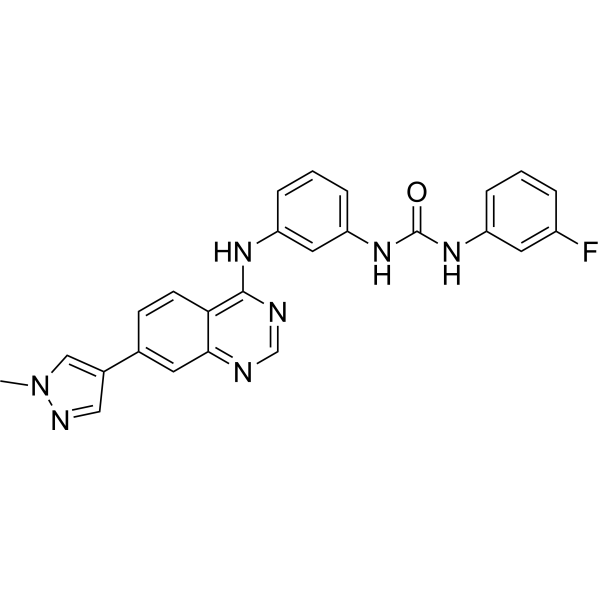
    MD102 is a potent TG2 inhibitor with an IC50 value of 0.35 μM. MD102 stabilizes p53 by inhibiting TG2, inducing a decrease in p-AKT and p-mTOR downstream signaling, leading to tumor cell apoptosis .
    MD102
  • HY-15386

    MD 780515

    Monoamine Oxidase Metabolic Disease
    Cimoxatone (MD 780515) is a reversible, selectively and orally active type A monoamine oxidase (MAO-A) inhibitor. Cimoxatone enhances the anorectic action of Serotonin (HY-B1473A) .
    Cimoxatone
  • HY-P990249

    TNF Receptor Inflammation/Immunology Cancer
    Anti-Mouse DR5/CD262 Antibody (MD5-1) is an anti-mouse DR5/CD262 IgG monoclonal antibody. Anti-Mouse DR5/CD262 Antibody (MD5-1) can eliminate myeloid derived suppressor cells (MDSCs) and enhance T cell anti-tumor immunity. Anti-Mouse DR5/CD262 Antibody (MD5-1) can be used for research on cancer such as gastric and colon cancer .
    Anti-Mouse DR5/CD262 Antibody (MD5-1)
  • HY-N9347
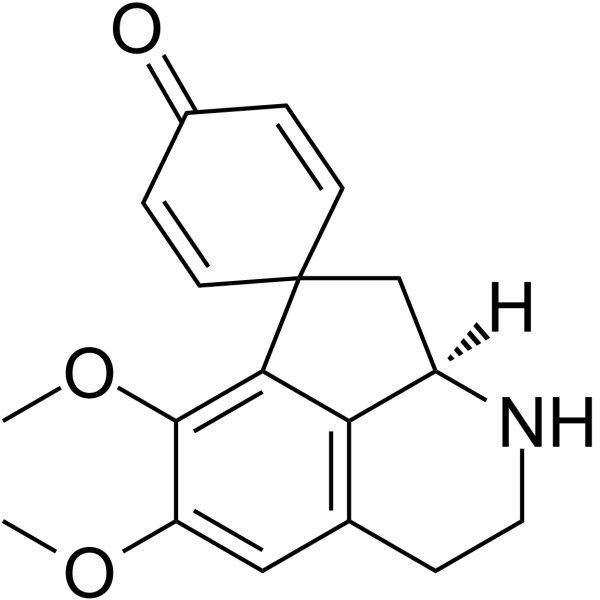
    Stepharine
    3 Publications Verification

    Toll-like Receptor (TLR) Cardiovascular Disease Inflammation/Immunology
    Stepharine, an natural alkaloid, directly interactes with TLR4 and binds to the TLR4/MD2 complex (TLR4 inhibitor). Stepharine possesses anti-aging, anti-viral and anti-hypertensive effects .
    Stepharine
  • HY-155465

    HPPD Others
    HPPD-IN-2 (compound 28) is a herbicide based on HPPD inhibitors. HPPD-IN-2 potently targets AtHPPD and exhibits enhanced safety in canola crops .
    HPPD-IN-2
  • HY-168717

    Hexokinase Microtubule/Tubulin Reactive Oxygen Species (ROS) Cancer
    HK2-IN-2 (Compound 26) is a Hexokinase 2 inhibitor that demonstrates significant anti-tumor activity by targeting microtubules and Hexokinase 2, with an IC50 value of 0.764 μM against MD-MBA-231 cells. HK2-IN-2 effectively inhibits the activity of Hexokinase 2, leading to the accumulation of Reactive Oxygen Species and dysfunction of the mitochondrial membrane potential (MMP), thereby promoting apoptosis and blocking the cell cycle .
    HK-2-IN-2
  • HY-113898

    Angiotensin-converting Enzyme (ACE) Toll-like Receptor (TLR) Interleukin Related Cardiovascular Disease Neurological Disease
    Ganoderic acid K is a triterpenoid compound. Ganoderic acid K can be isolated from Ganoderma lucidum. Ganoderic acid K inhibits ACE activity with an IC50 of 2.6×10 -5 M. Ganoderic acid K exhibits direct, high-affinity binding to recombinant MD2 protein, with a Kd value of 0.47 μM. It potently inhibits LPS-induced release of TNF-α and IL-6. It reduces cerebral infarction volume and ameliorates neurological dysfunction in mice with ischemic stroke in the tMCAO model. Ganoderic acid K can be used in studies related to hypertension and ischemic stroke .
    Ganoderic acid K
  • HY-169327

    PROTACs MDM-2/p53 Cancer
    MD-265 is a PROTAC degrader that can break down MDM2, leading to activation of p53 in cancer cells carrying wild-type p53. MD-265 achieves complete tumor regression and improves long-term survival of mice with leukemia. (Pink: MI-1063 (HY-133754); Black: linker; Blue: Lenalidomide (HY-A0003) .
    MD-265
  • HY-P11260

    Ser/Thr Protease Thrombin Metabolic Disease
    MD5 is a selective TMPRSS6 mimetic peptide inhibitor with an IC50 for recombinant human TMPRSS6 protein of 22 nM and a Ki of 3.4 nM. MD5 exhibits the significantly reduced inhibitory effect on Matriptase, with an IC50 of 352 nM and a Ki of 99.2 nM. MD5 exhibits good target specificity and only has a weak inhibitory effect on thrombin (Thrombin), with Ki of 120 nM. MD5 demonstrates good initial drugability and can be used for the study of iron overload diseases (such as hereditary hemochromatosis, β-thalassemia) .
    MD5
  • HY-136941

    MD 1024

    Environmental Pollutants Biochemical Assay Reagents Others
    Antioxidant 1024 (MD 1024) is an antioxidant agent and metal deactivator .
    Antioxidant 1024
  • HY-66010

    MD-67350

    Calcium Channel Cardiovascular Disease
    Cinepazide Maleate (MD-67350) is a piperazine derivative and acts as a weak calcium channel blocker. Cinepazide Maleate is a potent vasodilator and can be used for the research of cerebrovascular diseases, including ischemic stroke, brain?infarct et. al .
    Cinepazide Maleate
  • HY-B0375R

    MD-805 (Standard); MCI-9038 (Standard)

    Reference Standards Thrombin Cardiovascular Disease Cancer
    Argatroban (Standard) is the analytical standard of Argatroban. This product is intended for research and analytical applications. Argatroban (MD-805) is a direct, selective thrombin inhibitor.
    Argatroban (Standard)
  • HY-B1696A

    Adrenergic Receptor Cardiovascular Disease
    Methyldopate hydrochloride is an ethyl ester hydrochloride proagent of α-Methyldopa (α-MD; HY-B0225). Methyldopa (L-(-)-α-Methyldopa) is an α-adrenergic agonist (selective for α2-adrenergic receptors). Methyldopate hydrochloride has the potential for severe hypertension research .
    Methyldopate hydrochloride
  • HY-P10767

    Neurotensin Receptor Neurological Disease
    MD01-67 is a selective macrocyclic compound targeting the neurotensin receptor type 2 (NTS2), with Ki of 2.9 nM. MD01-67 exhibits analgesic and tactile hypersensitivity reducing activity in rats acute/persistent/chronic inflammatory pain models .
    MD01-67
  • HY-161026

    Toll-like Receptor (TLR) Inflammation/Immunology
    JM-9 is a inhibitor of MD2. JM-9 suppresses high glucose and palmitic acid -induced inflammation in MPMs. JM-9 improves diabetic kidney disease by inhibiting MD2-mediated inflammation .
    JM-9
  • HY-117573

    Toll-like Receptor (TLR) Inflammation/Immunology
    1Z105 is an oral active TLR4/MD2 ligand. 1Z105 enhances dendritic cell maturation and antigen presentation and prevents rthritis .
    1Z105
  • HY-N0795R

    Reference Standards Toll-like Receptor (TLR) Inflammation/Immunology
    Procyanidin B1 (Standard) is the analytical standard of Procyanidin B1. This product is intended for research and analytical applications. Procyanidin B1 is a polyphenolic flavonoid isolated from commonly eaten fruits, binds to TLR4/MD-2 complex, and has anti-inflammatory activity.
    Procyanidin B1 (Standard)
  • HY-179036

    Toll-like Receptor (TLR) Metabolic Disease Inflammation/Immunology Cancer
    APG-7 binds to the TLR4/MD-2 interface, thereby inhibiting NO production (IC50 of 24.2 μg/mL). APG-7 is an Apigenin (HY-N1201) derivative. APG-7 has low toxicity to the 3T3 fibroblast cell line. APG-7 can be used for the study of oxidative stress and inflammation .
    APG-7
  • HY-N0774R

    ERK Reference Standards COX MMP Toll-like Receptor (TLR) Inflammation/Immunology
    Isofraxidin (Standard) is the analytical standard of Isofraxidin. This product is intended for research and analytical applications. Isofraxidin, a coumarin component from Acanthopanax senticosus, inhibits MMP-7 expression and cell invasion of human hepatoma cells. Isofraxidin inhibits the phosphorylation of ERK1/2 in hepatoma cells . Isofraxidin attenuates the expression of iNOS and COX-2, Isofraxidinalso inhibits TLR4/myeloid differentiation protein-2 (MD-2) complex formation .
    Isofraxidin (Standard)
  • HY-179039

    EGFR Cancer
    EGFR-IN-183 (Compound 5q) is an EGFR inhibitor. EGFR-IN-183 strongly binds to EGFR (T790M/L858R) mutants. EGFR-IN-183 exhibits anti-proliferative activity against MDA-MB-231, with an IC50 value of 16.4 μM. EGFR-IN-183 can be used for research on triple-negative breast cancer .
    EGFR-IN-183
  • HY-114898

    Mitochondrial Metabolism Cardiovascular Disease Neurological Disease
    ML404 (Compound 38) is an inhibitor of the mitochondrial permeability transition pore (mtPTP), which can suppress mitochondrial swelling (EC50=4.9 nM) and only disrupts mitochondrial coupling (an adverse effect) at concentrations > 100 μM. ML404 can be utilized in research related to multiple sclerosis (MS), amyotrophic lateral sclerosis (ALS), Alzheimer's disease (AD), muscular dystrophies (MD), myocardial infarction, and stroke .
    ML404
  • HY-117394

    HDAC Cancer
    MD 85 is a potent histone deacetylase (HDAC) inhibitor with an EC50 of 5 μM. MD 85 can be used for cancer research .
    MD 85
  • HY-124464

    Monoamine Oxidase Drug Metabolite Metabolic Disease
    MD 770222, a major plasma O-demethyl metabolite of Cimoxatone (HY-15386), is an orally active, selective and reversible MAO A inhibitor. MD 770222 shows less potent than Cimoxatone .
    MD 770222

Inquiry Online

Your information is safe with us. * Required Fields.

Salutation


Country or Region *

Applicant Name *


Organization Name *

Department *


Email Address *


Product Name *

Cat. No.


Requested quantity *

Phone Number *


Remarks

Inquiry Online

Inquiry Information

Product Name:
Cat. No.:
Quantity:
MCE Japan Authorized Agent:

