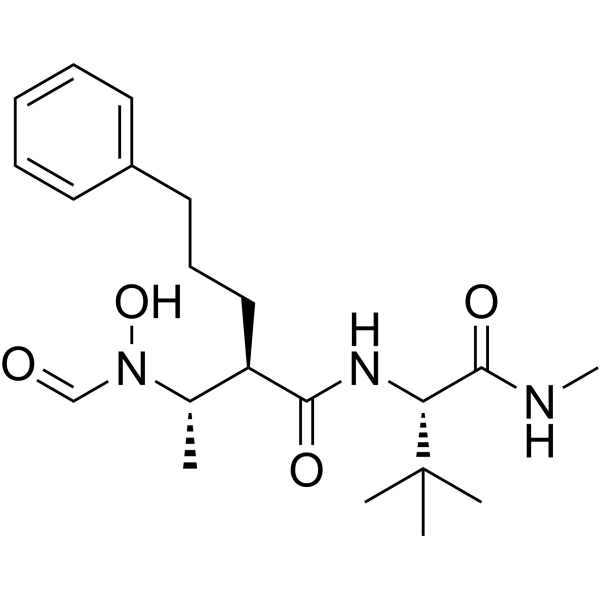


803 Results for "

MMP

" in MedChemExpress (MCE) Product Catalog:
Products (803)

803 Results for "MMP" in MCE Product Catalog:

  • Targets Recommended:
175
175 Publications Verification
Cat. No.: HY-N0565
CAS No.: 564-25-0
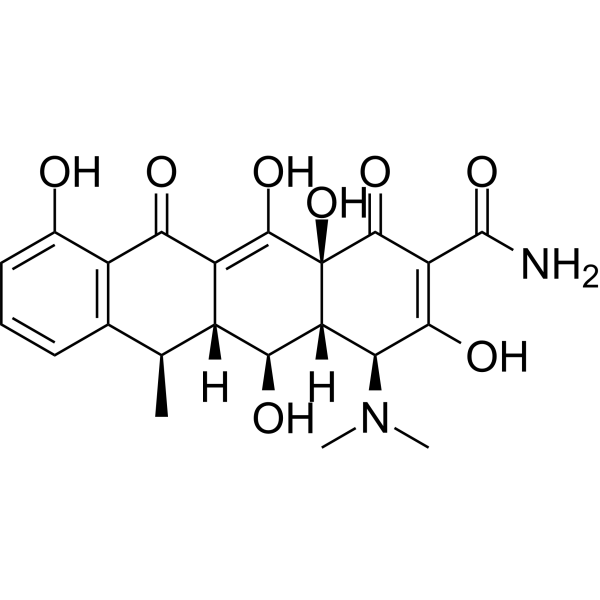
Doxycycline, an antibiotic, is an orally active and broad-spectrum metalloproteinase (MMP) inhibitor . Doxycycline shows antibacterial activity and anti-cancer cell proliferation activity .
175
175 Publications Verification
Cat. No.: HY-N0565A
CAS No.: 10592-13-9
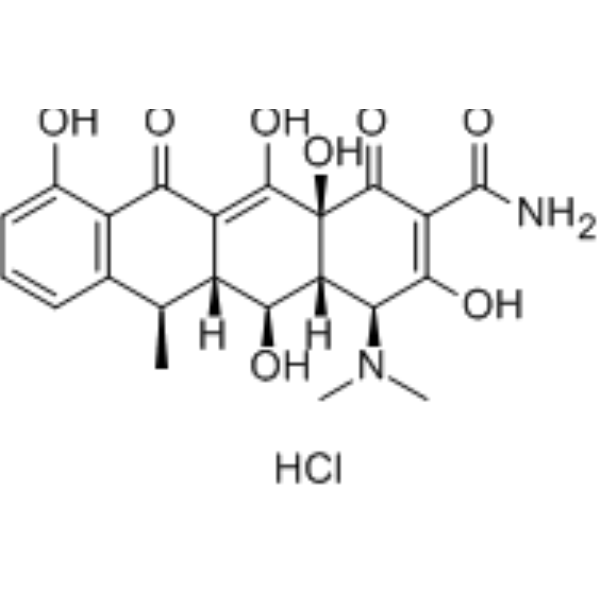
Doxycycline hydrochloride, an antibiotic, is an orally active and broad-spectrum metalloproteinase (MMP) inhibitor . Doxycycline hydrochloride shows antibacterial activity and anti-cancer cell proliferation activity. Doxycycline hydrochloride can be used to construct gene expression regulation models .
175
175 Publications Verification
Cat. No.: HY-N0565B
CAS No.: 24390-14-5
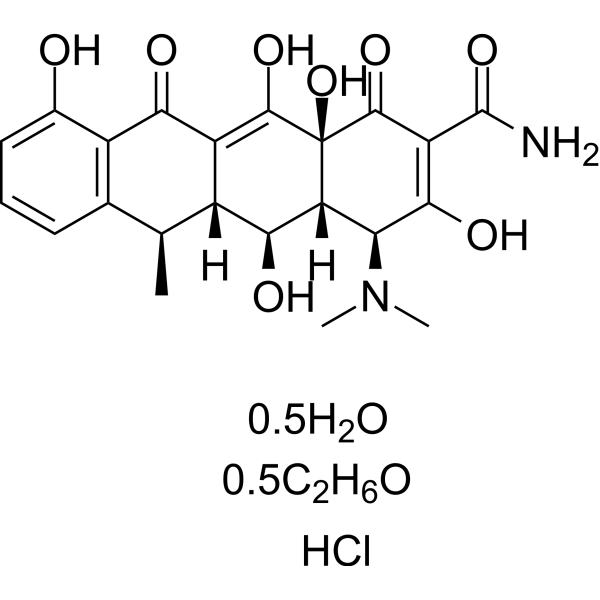
Synonyms: Doxycycline hydrochloride hemiethanolate hemihydrate; WC2031
Doxycycline hyclate, an antibiotic, is an orally active and broad-spectrum metalloproteinase (MMP) inhibitor. Doxycycline hyclate shows antibacterial activity and anti-cancer cell proliferation activity. Doxycycline hyclate can be used to construct gene expression regulation models .
175
175 Publications Verification
Cat. No.: HY-W008923
CAS No.: 17086-28-1
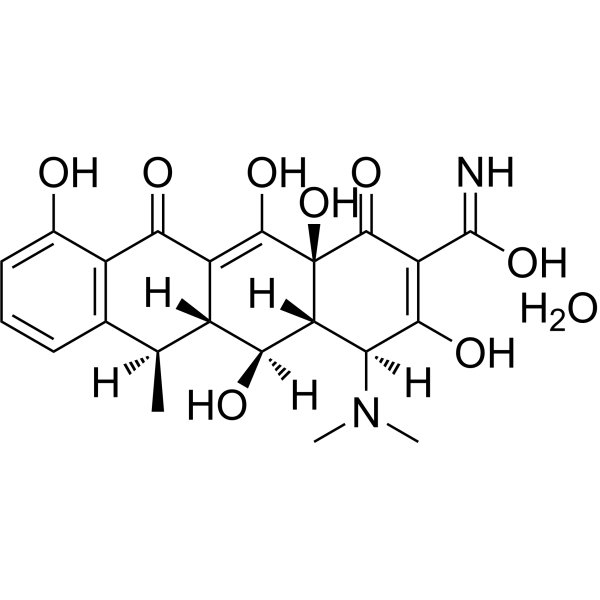
Doxycycline monohydrate is an orally active highly lipophilic, tissue-permeable MMP inhibitor with broad-spectrum antibacterial activity. Doxycycline monohydrate is also a semi-synthetic antibiotic with chelating properties, which blocks bacterial protein synthesis and inhibits extracellular matrix degradation through interactions with zinc and calcium atoms. Doxycycline monohydrate also inhibits mitochondrial biogenesis, translation, and the expression of respiratory chain proteins. Doxycycline monohydrate induces apoptosis, inhibits autophagy and EMT, downregulates stem cell markers, and activates the PI3K-AKT pathway, thereby effectively inhibiting the viability and proliferation of cancer cells such as breast cancer cells. Doxycycline monohydrate also promotes the survival and self-renewal of embryonic stem cells and neural stem cells, and reduces the frequency of medium changes in culture. Doxycycline monohydrate has been applied in studies related to breast cancer, prostate cancer, bladder cancer, and other cancers .
138
138 Cited Publications
Cat. No.: HY-12008
CAS No.: 183319-69-9
Purity:  99.94%
Synonyms: CP-358774 hydrochloride; NSC 718781 hydrochloride; OSI-774 hydrochloride
Target:  

EGFR OAT ERK GSK-3 β-catenin

Research Areas:  

Endocrinology Cancer

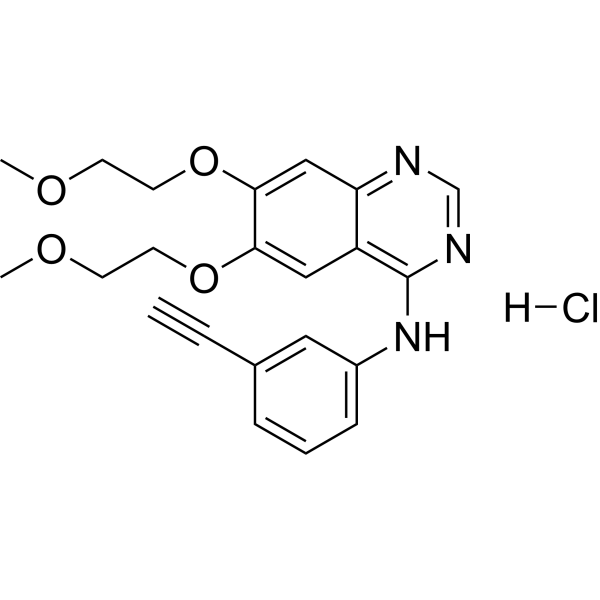
Erlotinib (CP-358774) Hydrochloride is a selective, orally active EGFR tyrosine kinase inhibitor. Erlotinib Hydrochloride also acts as a substrate and inhibitor of OATP2B1, with an IC50 of approximately 0.079 μM for inhibiting OATP2B1-mediated uptake of estrone 3-sulfate. Erlotinib Hydrochloride blocks EGFR phosphorylation, downstream signal transduction, as well as the growth and proliferation of cancer cells. Erlotinib Hydrochloride inhibits MMP-10-mediated renal injury, fibrotic lesions, the ERK1/2, GSK-3β and β-catenin signaling pathways, as well as the deposition of fibronectin, α-SMA, collagen and renal injury markers. Erlotinib Hydrochloride is metabolized via CYP3A to produce the active metabolite OSI-420. Erlotinib Hydrochloride can be used in research related to non-small cell lung cancer, gastric cancer, papillary renal cell carcinoma, EGFR inhibitor resistance and renal fibrosis .
138
138 Cited Publications
Cat. No.: HY-50896
CAS No.: 183321-74-6
Synonyms: CP-358774; NSC 718781; OSI-774
Target:  

EGFR OAT ERK GSK-3 β-catenin

Research Areas:  

Endocrinology Cancer

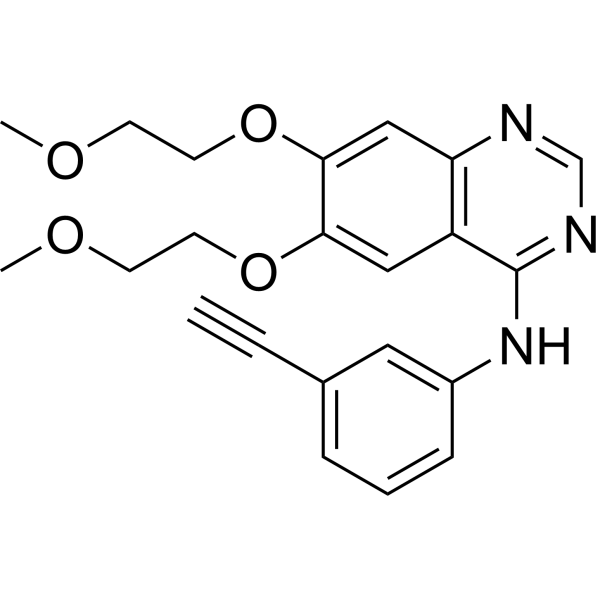
Erlotinib (CP-358774) is a selective, orally active EGFR tyrosine kinase inhibitor. Erlotinib also acts as a substrate and inhibitor of OATP2B1, with an IC50 of approximately 0.079 μM for inhibiting OATP2B1-mediated uptake of estrone 3-sulfate. Erlotinib blocks EGFR phosphorylation, downstream signal transduction, as well as the growth and proliferation of cancer cells. Erlotinib inhibits MMP-10-mediated renal injury, fibrotic lesions, the ERK1/2, GSK-3β and β-catenin signaling pathways, fibronectin, α-SMA, collagen deposition, and renal injury markers. Erlotinib is metabolized via CYP3A to produce the active metabolite OSI-420. Erlotinib can be used in research related to non-small cell lung cancer, gastric cancer, papillary renal cell carcinoma, pancreatic cancer, renal fibrosis, and other conditions .
102
102 Cited Publications
Cat. No.: HY-12270
CAS No.: 530141-72-1
Purity:  99.03%
Target:  

AP-1 MMP

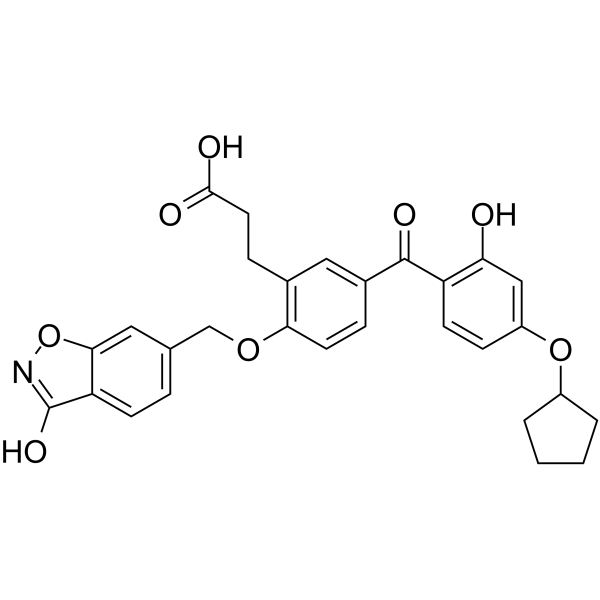
T-5224 is a transcription factor c-Fos/activator protein (AP)-1 inhibitor with anti-inflammatory effects, which specifically inhibits the DNA binding activity of c-Fos/c-Jun without affecting other transcription factors. T-5224 inhibits the IL-1β-induced up-regulation of Mmp-3, Mmp-13 and Adamts-5 transcription .
63
63 Cited Publications
Cat. No.: HY-15768
CAS No.: 142880-36-2
Purity:  98.39%
Synonyms: GM6001; Galardin
Target:  

MMP

Research Areas:  

Cancer

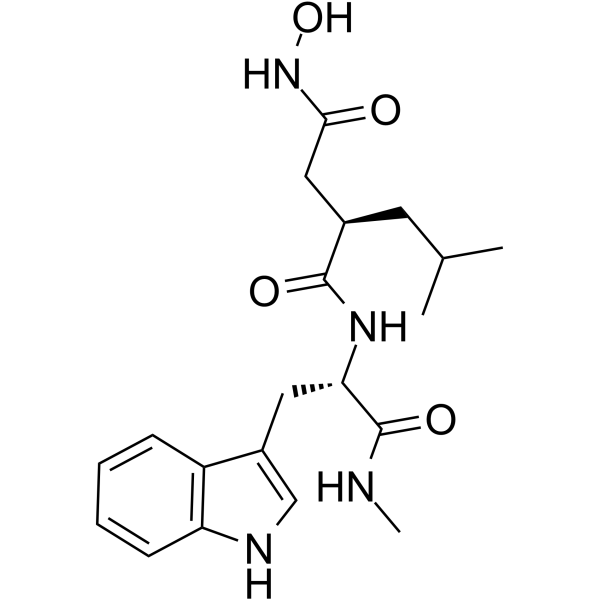
Ilomastat (GM6001) is a potent and broad spectrum matrix metalloprotease (MMP) inhibitor, inhibits MMPs (IC50s, 1.5 nM for MMP-1; 1.1 nM for MMP-2; 1.9 nM for MMP-3; 0.5 nM for MMP-9), with a Ki of 0.4 nM for human skin fibroblast collagenase (MMP-1).
44
44 Cited Publications
Cat. No.: HY-B0099
CAS No.: 89-25-8
Synonyms: MCI-186
Target:  

MMP Apoptosis

Research Areas:  

Neurological Disease

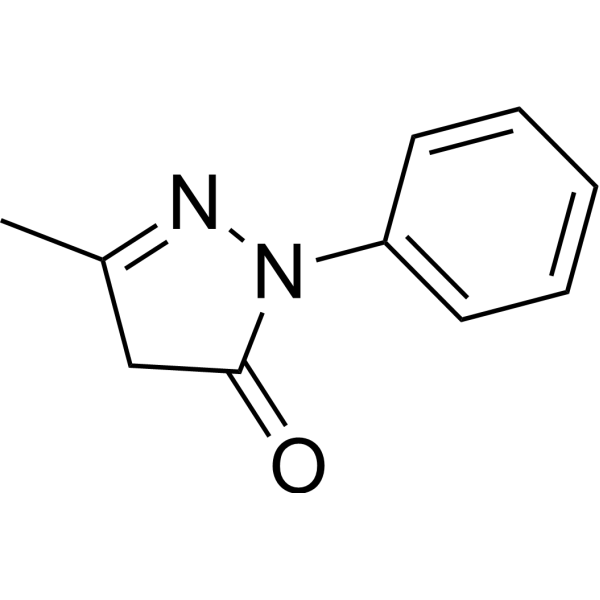
Edaravone is a strong novel free radical scavenger, and inhibits MMP-9-related brain hemorrhage in rats treated with tissue plasminogen activator.
35
35 Cited Publications
Cat. No.: HY-N0431
CAS No.: 84687-43-4
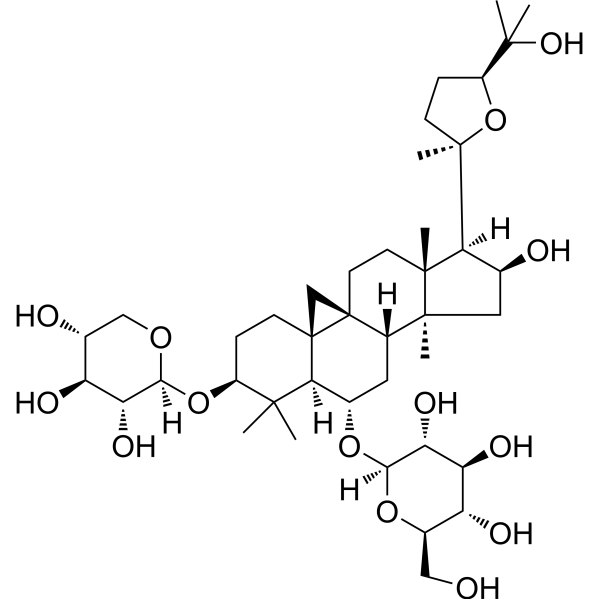
Astragaloside IV, an active component isolated from Astragalus membranaceus, suppresses the activation of ERK1/2 and JNK, and downregulates matrix metalloproteases (MMP)-2, (MMP)-9 in MDA-MB-231 breast cancer cells.
27
27 Cited Publications
Cat. No.: HY-12354
CAS No.: 292605-14-2
Purity:  99.67%
Target:  

MMP

Research Areas:  

Cancer

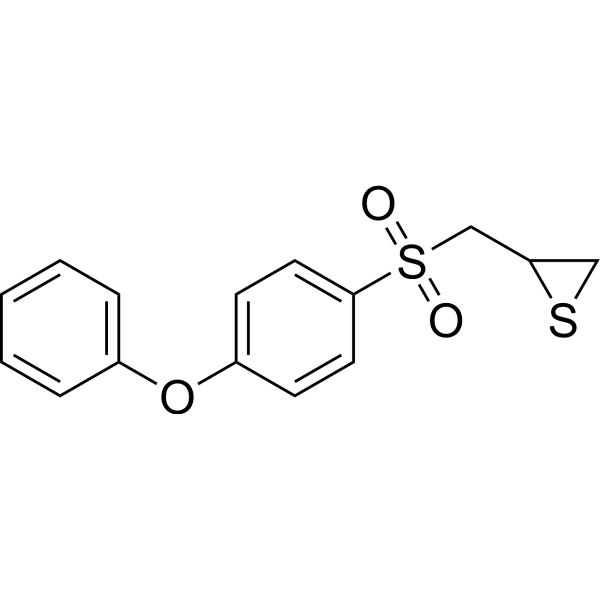
SB-3CT is a potent and competitive matrix metalloproteinase MMP-2 and MMP-9 inhibitor with Ki values of 13.9 and 600 nM, respectively. SB-3CT has high selectivity for gelatinases. SB-3CT shows blood-brain barrier permeability and has neuroprotective effects and anticancer activity .
24
24 Cited Publications
Cat. No.: HY-N0171
CAS No.: 83-46-5
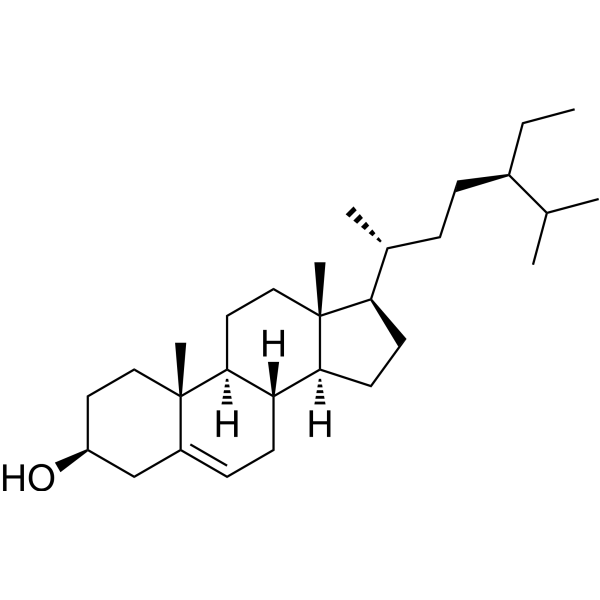
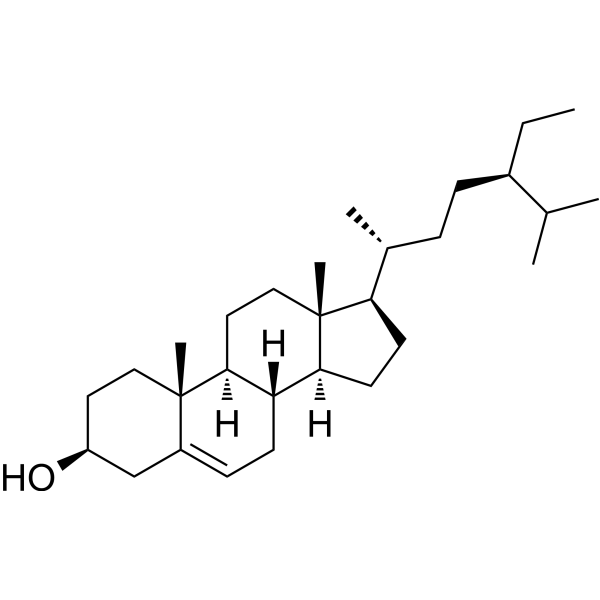
Beta-Sitosterol (purity≥80%) is orally active. Beta-Sitosterol exhibits multiple activities, including anti-inflammatory, anticancer, antioxidant, antimicrobial, antidiabetic, antioxidant enzyme, and analgesic. Beta-Sitosterol inhibits inflammation and impaired adipogenesis in bovine mammary epithelial cells by reducing levels of ROS, TNF-α, IL-1β, and NF-κB p65 and restoring the activity of the HIF-1α/mTOR signaling pathway. Beta-Sitosterol induces apoptosis in cancer cells through ROS-mediated mitochondrial dysregulation and p53 activation. Beta-Sitosterol exerts its anticancer effects in cancer cells by activating caspase-3, caspase-8, and caspase-9, mediating PARP inactivation, MMP loss, altered Bcl-2-Bax ratio, and cytochrome c release. Beta-Sitosterol modulates macrophage polarization and reduces rheumatoid inflammation in mice. Beta-Sitosterol inhibits tumor growth in multiple mouse cancer models. Beta-Sitosterol can be used in the research of arthritis, lung cancer, breast cancer and other cancers, diabetes, etc .
22
22 Cited Publications
Cat. No.: HY-N0171A
CAS No.: 83-46-5
Synonyms: β-Sitosterol (purity>98%); 22,23-Dihydrostigmasterol (purity>98%)
Beta-Sitosterol (purity>98%) is orally active. Beta-Sitosterol exhibits multiple activities, including anti-inflammatory, anticancer, antioxidant, antimicrobial, antidiabetic, antioxidant enzyme, and analgesic. Beta-Sitosterol inhibits inflammation and impaired adipogenesis in bovine mammary epithelial cells by reducing levels of ROS, TNF-α, IL-1β, and NF-κB p65 and restoring the activity of the HIF-1α/mTOR signaling pathway. Beta-Sitosterol induces apoptosis in cancer cells through ROS-mediated mitochondrial dysregulation and p53 activation. Beta-Sitosterol exerts its anticancer effects in cancer cells by activating caspase-3, caspase-8, and caspase-9, mediating PARP inactivation, MMP loss, altered Bcl-2-Bax ratio, and cytochrome c release. Beta-Sitosterol modulates macrophage polarization and reduces rheumatoid inflammation in mice. Beta-Sitosterol inhibits tumor growth in multiple mouse cancer models. Beta-Sitosterol can be used in the research of arthritis, lung cancer, breast cancer and other cancers, diabetes, etc .
21
21 Cited Publications
Cat. No.: HY-12169
CAS No.: 154039-60-8
Purity:  99.81%
Synonyms: BB2516; TA2516
Target:  

MMP

Research Areas:  

Cancer

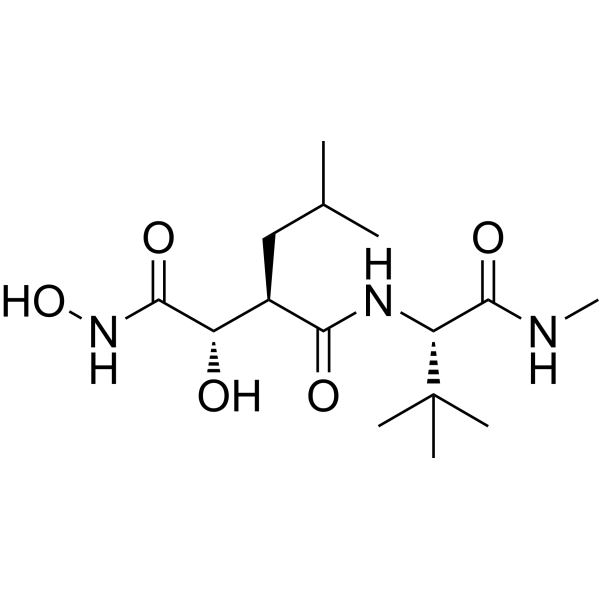
Marimastat (BB2516) is a broad spectrum and orally bioavailable inhibitor of MMPs, with potent activity against MMP-9 (IC50=3 nM), MMP-1 (IC50=5 nM), MMP-2 (IC50=6 nM), MMP-14 (IC50=9 nM) and MMP-7 (IC50=13 nM), used in the treatment of cancer. Marimastat (BB2516) is an angiogenesis and metastasis inhibitor, which limits the growth and production of blood vessels. As an antimetatstatic agent it prevents malignant cells from breaching the basement membranes .
20
20 Cited Publications
Cat. No.: HY-N2117
CAS No.: 548-19-6
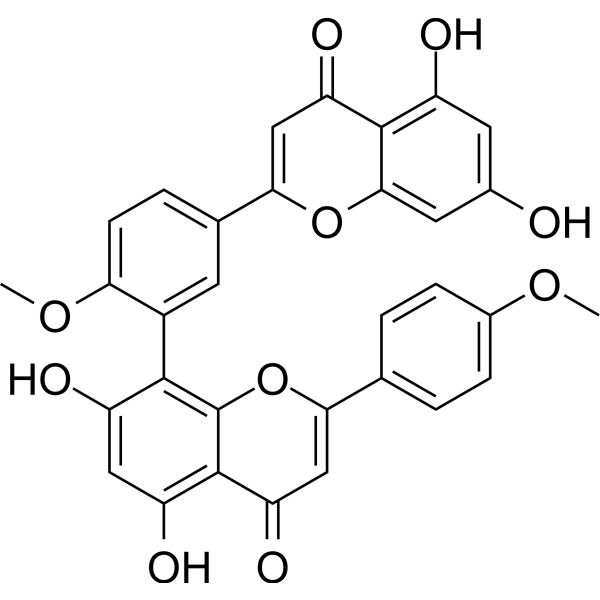
Isoginkgetin is a pre-mRNA splicing inhibitor inhibitor. Isoginkgetin also inhibits activities of both Akt, NF-κB and MMP-9. Isoginkgetin inhibits the activity of the 20S proteasome, induces apoptosis and activates autophagy .
20
20 Cited Publications
Cat. No.: HY-19956
CAS No.: 260264-93-5
Synonyms: GI4023; SRI028594
Target:  

MMP

Research Areas:  

Cancer

GI254023X is a potent MMP9 and ADAM10 inhibitor with IC50s of 2.5 and 5.3 nM, respectively.
20
20 Cited Publications
Cat. No.: HY-122022
CAS No.: 2411853-34-2
Purity:  98.15%
Target:  

mTOR

Research Areas:  

Cancer

JR-AB2-011 is a selective mTORC2 inhibitor with an IC50 value of 0.36 μM. JR-AB2-011 inhibits mTORC2 activity by blocking Rictor-mTOR association (Ki: 0.19 μM) .JR-AB2-011 decreases the phosphorylation level of Akt, decreases MMP2 activity, thereby reducing the ability of tumor cells to migrate and invade. JR-AB2-011 also induces non-apoptotic cell death .
19
19 Cited Publications
Cat. No.: HY-B0633
CAS No.: 9067-32-7
Synonyms: Sodium hyaluronate
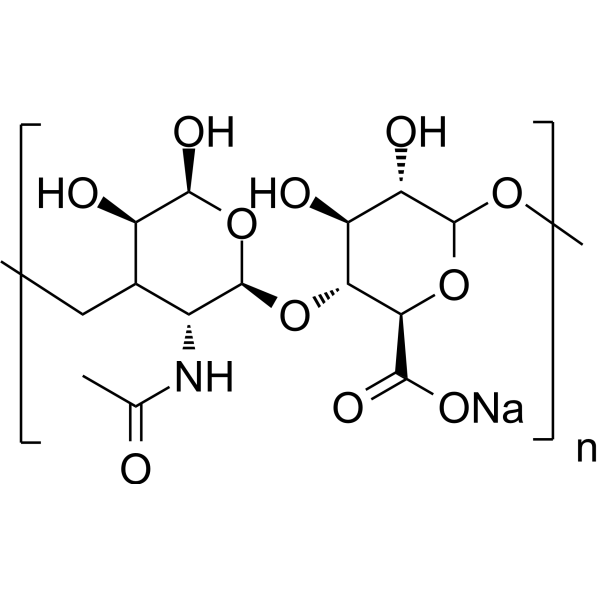
Hyaluronic acid sodium (Sodium hyaluronate) is a biopolymer composed of repeating units of disaccharides with various applications. Hyaluronic acid sodium is a major component of the extracellular matrix (ECM). Hyaluronic acid sodium is synthesized at the plasma membrane. Increased hyaluronic acid sodium levels are associated with tumor cell growth, adhesion, migration, invasion and angiogenesis in digestive cancers. Hyaluronic acid sodium participates in tissue remodeling and rapid cell proliferation in some physiological processes including embryonic morphogenesis and wound-healing. Hyaluronic acid sodium activates the PI3K-Akt signaling. Hyaluronic acid sodium acts as a regulator of cancer-associated lymphangiogenesis. Hyaluronic acid sodium also enhances cell invasion and angiogenesis by promoting proteolytic MMP-9 binding to cell surface or stimulating MMP-9 binding to cell surface. Hyaluronic acid sodium can be used as drug delivery for sodium butyrate to improve the anti-proliferative activity on breast cancer cell line. Hyaluronic acid sodium can be studied in joint diseases, wound healing and cancer .
19
19 Cited Publications
Cat. No.: HY-B0633A
CAS No.: 9004-61-9
Synonyms: Hyaluronan; Hyaluronate
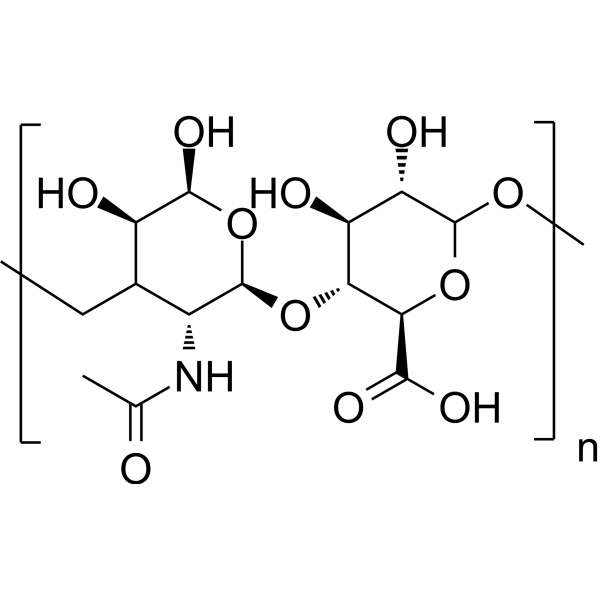
Hyaluronic acid is a biopolymer composed of repeating units of disaccharides with various applications. Hyaluronic acid is a major component of the extracellular matrix (ECM). Hyaluronic acid is synthesized at the plasma membrane. Increased hyaluronic acid levels are associated with tumor cell growth, adhesion, migration, invasion and angiogenesis in digestive cancers. Hyaluronic acid participates in tissue remodeling and rapid cell proliferation in some physiological processes including embryonic morphogenesis and wound-healing. Hyaluronic acid activates the PI3K-Akt signaling. Hyaluronic acid acts as a regulator of cancer-associated lymphangiogenesis. Hyaluronic acid also enhances cell invasion and angiogenesis by promoting proteolytic MMP-9 binding to cell surface or stimulating MMP-9 binding to cell surface. Hyaluronic acid can be used as drug delivery for sodium butyrate to improve the anti-proliferative activity on breast cancer cell line. Hyaluronic acid can be studied in joint diseases, wound healing and cancer .
17
17 Cited Publications
Cat. No.: HY-13564
CAS No.: 130370-60-4
Purity:  98.92%
Synonyms: BB94
Target:  

MMP

Research Areas:  

Cancer

Batimastat is a potent broad spectrum MMP inhibitor with IC50 of 3, 4, 4, 6, and 20 nM for MMP-1, MMP-2, MMP-9, MMP-7 and MMP-3, respectively.

