1. Search Result
Search Result
Isoforms Recommended: MMP-9
Results for "

MMP9

" in MedChemExpress (MCE) Product Catalog:

246

Inhibitors & Agonists

3

Fluorescent Dye

7

Biochemical Assay Reagents

21

Peptides

3

Inhibitory Antibodies

50

Natural
Products

13

Recombinant Proteins

7

Isotope-Labeled Compounds

6

Antibodies

4

Oligonucleotides

1

GMP Molecules

Targets Recommended:
Cat. No. Product Name Target Research Areas Chemical Structure
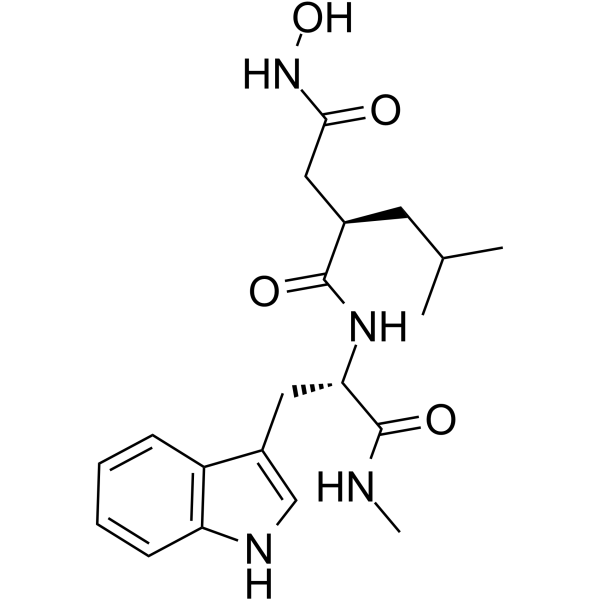
  • HY-15768
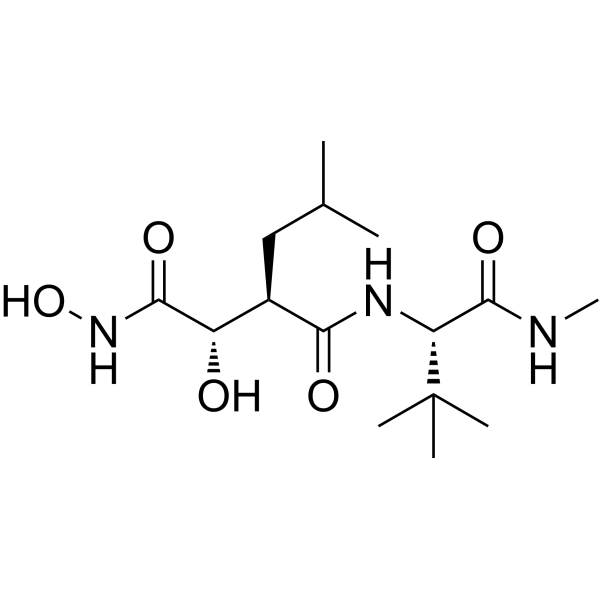
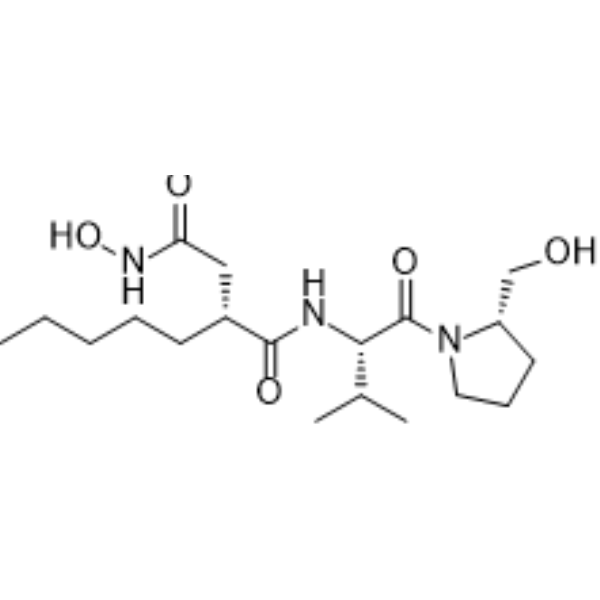
    Ilomastat
    Maximum Cited Publications
    61 Publications Verification

    GM6001; Galardin

    MMP Cancer
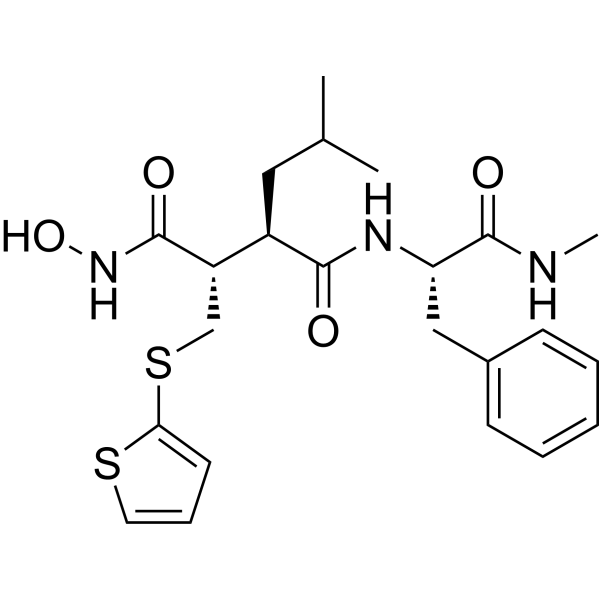
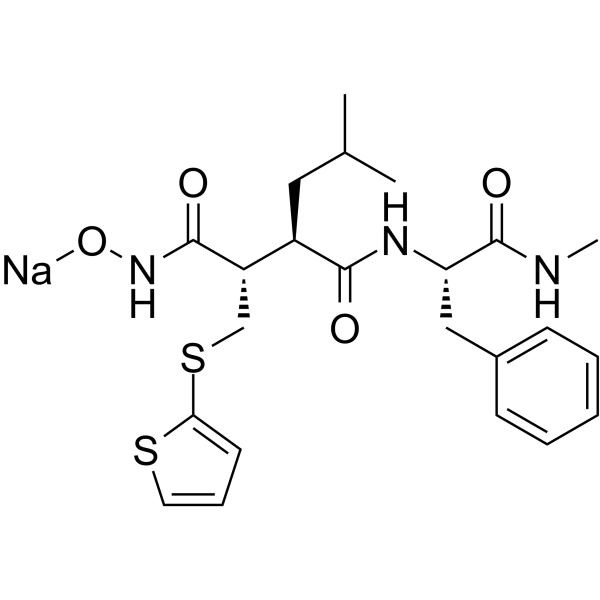
    Ilomastat (GM6001) is a potent and broad spectrum matrix metalloprotease (MMP) inhibitor, inhibits MMPs (IC50s, 1.5 nM for MMP-1; 1.1 nM for MMP-2; 1.9 nM for MMP-3; 0.5 nM for MMP-9), with a Ki of 0.4 nM for human skin fibroblast collagenase (MMP-1).
    Ilomastat
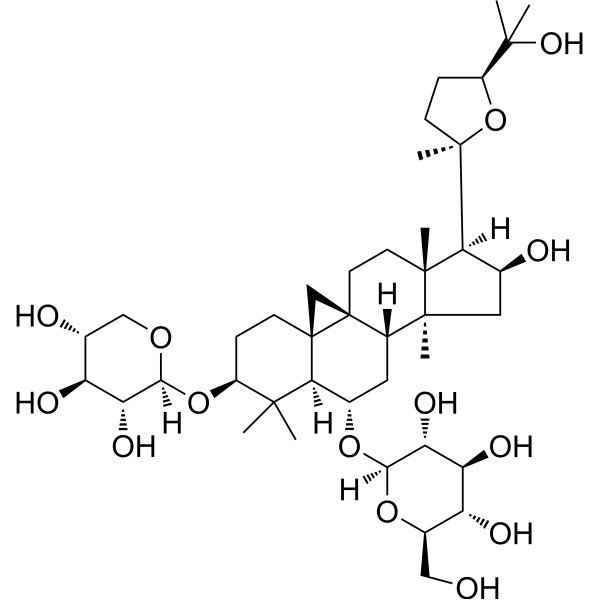
  • HY-N0431
    Astragaloside IV
    Maximum Cited Publications
    35 Publications Verification

    MMP ERK JNK Cancer
    Astragaloside IV, an active component isolated from Astragalus membranaceus, suppresses the activation of ERK1/2 and JNK, and downregulates matrix metalloproteases (MMP)-2, (MMP)-9 in MDA-MB-231 breast cancer cells.
    Astragaloside IV
  • HY-N0318
    Salvianolic acid A
    10+ Cited Publications

    MMP Inflammation/Immunology
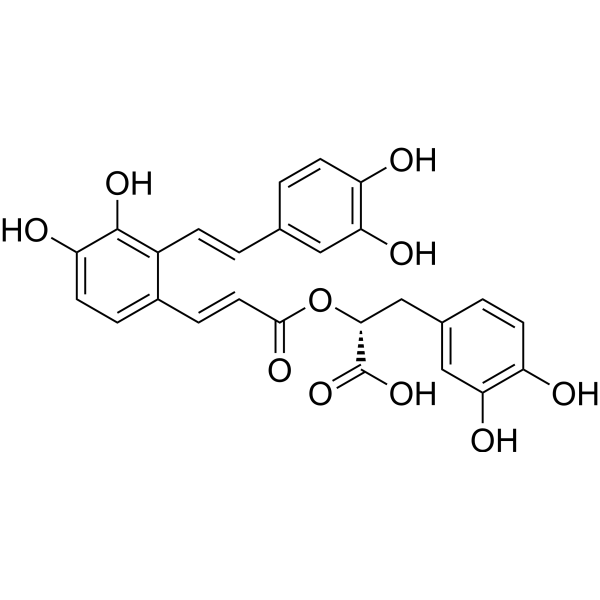
    Salvianolic acid A could protect the blood brain barrier through matrix metallopeptidase 9 (MMP-9) inhibition and anti-inflammation.
    Salvianolic acid A
  • HY-N2117
    Isoginkgetin
    15+ Cited Publications

    MMP Akt NF-κB Proteasome Apoptosis Autophagy Inflammation/Immunology Cancer
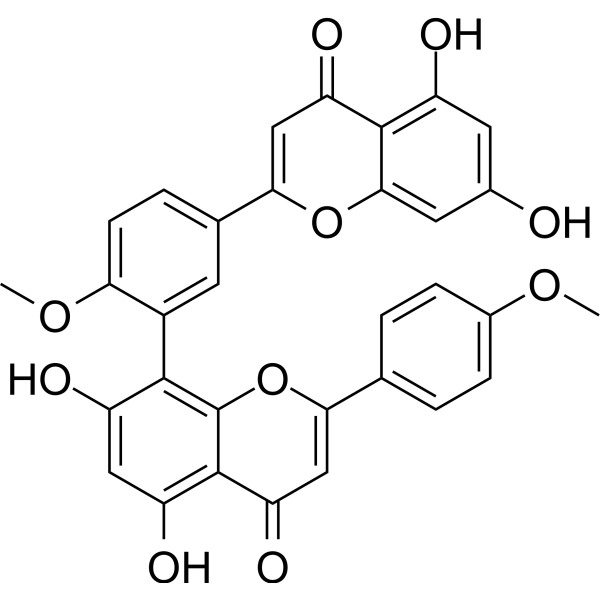
    Isoginkgetin is a pre-mRNA splicing inhibitor inhibitor. Isoginkgetin also inhibits activities of both Akt, NF-κB and MMP-9. Isoginkgetin inhibits the activity of the 20S proteasome, induces apoptosis and activates autophagy .
    Isoginkgetin
  • HY-B0633A
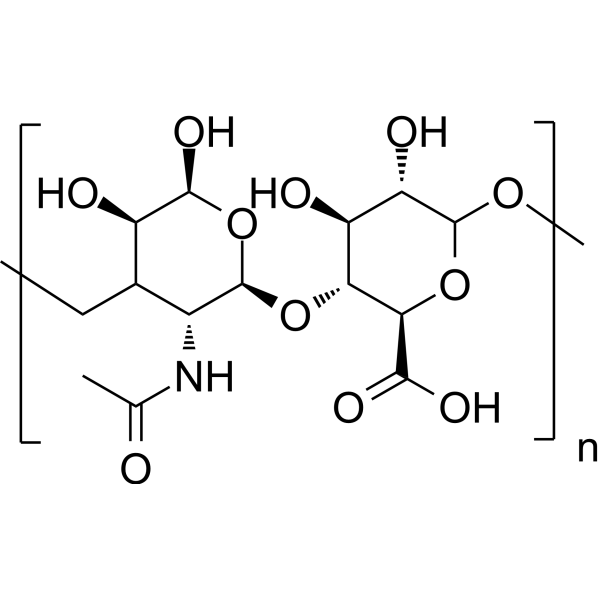
    Hyaluronic acid
    15+ Cited Publications

    Hyaluronan; Hyaluronate

    Endogenous Metabolite Bacterial Akt PI3K Infection Neurological Disease Inflammation/Immunology Cancer
    Hyaluronic acid is a biopolymer composed of repeating units of disaccharides with various applications. Hyaluronic acid is a major component of the extracellular matrix (ECM). Hyaluronic acid is synthesized at the plasma membrane. Increased hyaluronic acid levels are associated with tumor cell growth, adhesion, migration, invasion and angiogenesis in digestive cancers. Hyaluronic acid participates in tissue remodeling and rapid cell proliferation in some physiological processes including embryonic morphogenesis and wound-healing. Hyaluronic acid activates the PI3K-Akt signaling. Hyaluronic acid acts as a regulator of cancer-associated lymphangiogenesis. Hyaluronic acid also enhances cell invasion and angiogenesis by promoting proteolytic MMP-9 binding to cell surface or stimulating MMP-9 binding to cell surface. Hyaluronic acid can be used as drug delivery for sodium butyrate to improve the anti-proliferative activity on breast cancer cell line. Hyaluronic acid can be studied in joint diseases, wound healing and cancer .
    Hyaluronic acid
  • HY-B0633
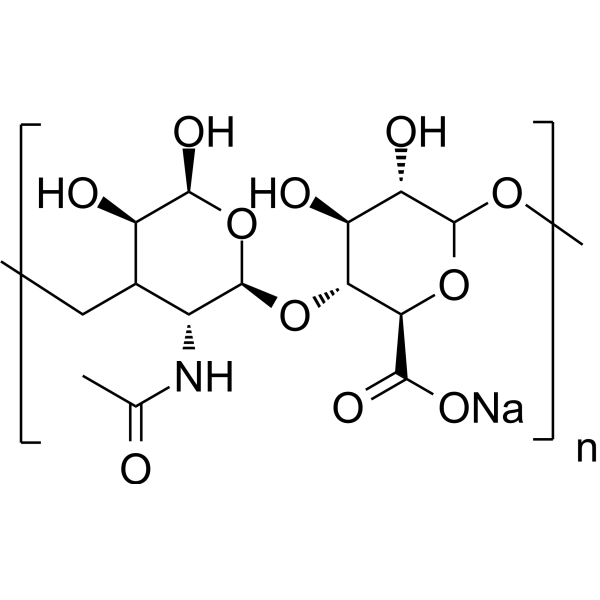
    Hyaluronic acid sodium
    15+ Cited Publications

    Sodium hyaluronate

    Endogenous Metabolite Bacterial PI3K Akt Inflammation/Immunology Cancer
    Hyaluronic acid sodium (Sodium hyaluronate) is a biopolymer composed of repeating units of disaccharides with various applications. Hyaluronic acid sodium is a major component of the extracellular matrix (ECM). Hyaluronic acid sodium is synthesized at the plasma membrane. Increased hyaluronic acid sodium levels are associated with tumor cell growth, adhesion, migration, invasion and angiogenesis in digestive cancers. Hyaluronic acid sodium participates in tissue remodeling and rapid cell proliferation in some physiological processes including embryonic morphogenesis and wound-healing. Hyaluronic acid sodium activates the PI3K-Akt signaling. Hyaluronic acid sodium acts as a regulator of cancer-associated lymphangiogenesis. Hyaluronic acid sodium also enhances cell invasion and angiogenesis by promoting proteolytic MMP-9 binding to cell surface or stimulating MMP-9 binding to cell surface. Hyaluronic acid sodium can be used as drug delivery for sodium butyrate to improve the anti-proliferative activity on breast cancer cell line. Hyaluronic acid sodium can be studied in joint diseases, wound healing and cancer .
    Hyaluronic acid sodium
  • HY-13564
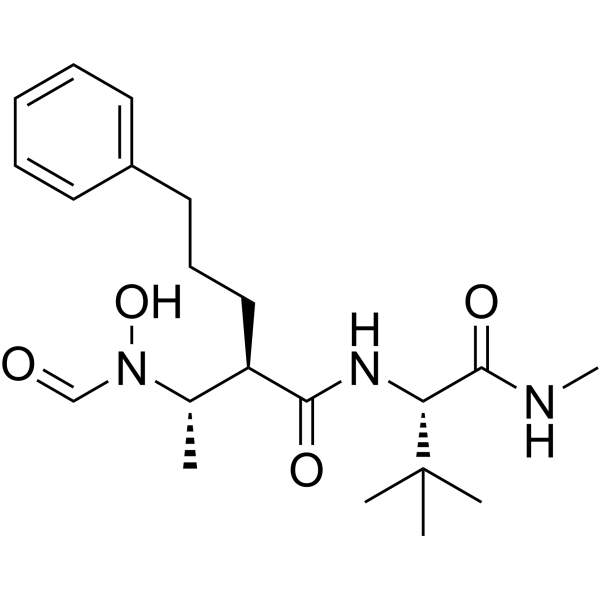
    Batimastat
    15+ Cited Publications

    BB94

    MMP Cancer
    Batimastat is a potent broad spectrum MMP inhibitor with IC50 of 3, 4, 4, 6, and 20 nM for MMP-1, MMP-2, MMP-9, MMP-7 and MMP-3, respectively.
    Batimastat
  • HY-135232
    MMP-9-IN-1
    5+ Cited Publications

    MMP Cancer
    MMP-9-IN-1 is a specific matrix metalloproteinase-9 (MMP-9) inhibitor, which selectively target the hemopexin (PEX) domain of MMP-9, but not other MMPs .
    MMP-9-IN-1
  • HY-19956
    GI254023X
    15+ Cited Publications

    GI4023; SRI028594

    MMP Cancer
    GI254023X is a potent MMP9 and ADAM10 inhibitor with IC50s of 2.5 and 5.3 nM, respectively.
    GI254023X
  • HY-E70005C

    MMP Others
    Collagenase, Type III is a microbially derived matrix metalloproteinases (MMPs) and zinc peptidase. Collagenase, Type III breaksdown collagens1, 4, 9, 10, 14, fibronectin, MMP-9, gelatin, plasminogen, aggrecan,perlecan osteonectin

    Collagenase, Type III
  • HY-N0069
    Solamargine
    10+ Cited Publications

    Solamargin; δ-Solanigrine

    P-glycoprotein Apoptosis Cancer
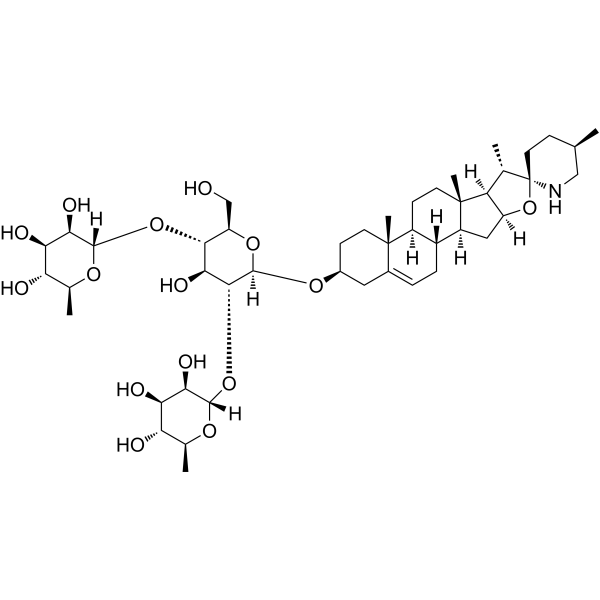
    Solamargine, a derivative from the steroidal solasodine in Solanum species, exhibits anticancer activities in numerous types of cancer. Solamargine induces non-selective cytotoxicity and P-glycoprotein inhibition. Solamargine significantly inhibits migration and invasion of HepG2 cells by down-regulating MMP-2 and MMP-9 expression and activity .
    Solamargine
  • HY-N1463
    Luteolin 7-O-glucuronide
    3 Publications Verification

    Luteolin 7-glucuronide

    MMP Neurological Disease Inflammation/Immunology
    Luteolin 7-O-glucuronide could inhibit Matrix Metalloproteinases (MMP) activities, with IC50s of 17.63, 7.99, 11.42, 12.85, 0.03 μM for MMP-1, MMP-3, MMP-8, MMP-9, MMP-13, respectively .
    Luteolin 7-O-glucuronide
  • HY-N1454
    Apigenin-7-glucuronide
    4 Publications Verification

    Apigenin 7-O-glucuronide

    MMP Cancer
    Apigenin-7-glucuronide could inhibit Matrix Metalloproteinases (MMP) activities, with IC50s of 12.87, 22.39, 17.52, 0.27 μM for MMP-3, MMP-8, MMP-9, MMP-13, respectively.
    Apigenin-7-glucuronide
  • HY-107394
    UK 356618
    5+ Cited Publications

    MMP Inflammation/Immunology Cancer
    UK 356618 (Compound 4j) is a potent and selective inhibitor of matrix metalloprotease-3 (MMP-3) with an IC50 of 5.9 nM. UK 356618 is less potent against MMP-1, MMP-2, MMP-9, MMP-13 and MMP-14 compared with MMP-3 .
    UK 356618
  • HY-P99351

    Anti-MMP9 Reference Antibody (andecaliximab)

    MMP Cancer
    Andecaliximab is a recombinant chimeric IgG4 monoclonal antibody (mAb) targets matrix metalloproteinase 9 (MMP9). Andecaliximab shows the antifibrotic efficacy in idiopathic pulmonary fibrosis mouse models. Andecaliximab can be used for the research of gastric adenocarcinoma and idiopathic pulmonary fibrosis (IPF) .
    Andecaliximab
  • HY-103482
    JNJ0966
    5+ Cited Publications

    MMP Cancer
    JNJ0966 is a highly selective MMP-9 zymogen inhibitor with an IC50 of 440 nM.
    JNJ0966
  • HY-12170
    Prinomastat
    4 Publications Verification

    AG3340; KB-R9896

    MMP Apoptosis Cancer
    Prinomastat (AG3340) is a broad spectrum, potent, orally active metalloproteinase (MMP) inhibitor with IC50s of 79, 6.3 and 5.0 nM for MMP-1, MMP-3 and MMP-9, respectively. Prinomastat inhibits MMP-2, MMP-3, MMP-13 and MMP-9 with Kis of 0.05 nM, 0.3 nM, 0.03 nM and 0.26 nM, respectively. Prinomastat crosses blood-brain barrier. Antitumor avtivity .
    Prinomastat
  • HY-106992

    MMP Cancer
    S 3304 is a novel matrix metalloproteinases (MMP) inhibitor specific for MMP-2 and MMP-9. S 3304 is a click chemistry reagent, it contains an Alkyne group and can undergo copper-catalyzed azide-alkyne cycloaddition (CuAAc) with molecules containing Azide groups.
    S 3304
  • HY-116626

    NF-κB p38 MAPK MMP Cancer
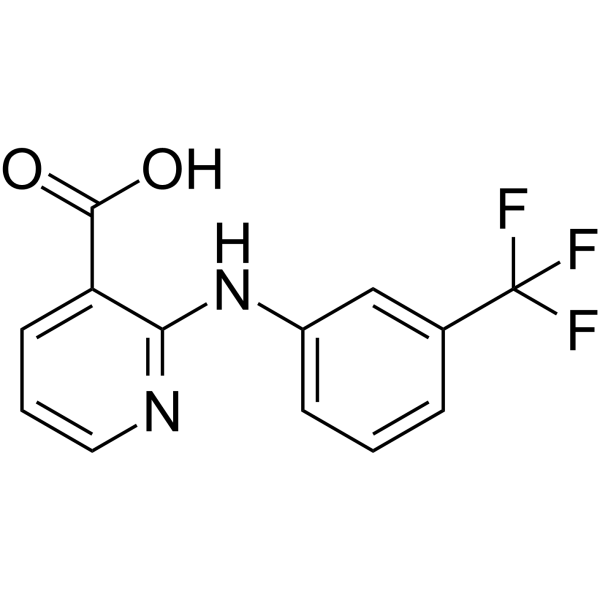
    SM-7368 is a potent NF-kB inhibitor that targets downstream of MAPK p38 activation . SM-7368 inhibits TNF-α-induced MMP-9 upregulation. SM-7368 can be used for the research of chemotherapies targeting TNF-α-mediated tumor invasion and metastasis .
    SM-7368
  • HY-N2497
    Isoliquiritin apioside
    2 Publications Verification

    NF-κB MMP p38 MAPK Cancer
    Isoliquiritin apioside significantly decreases PMA-induced increases in MMP9 activities and suppresses PMA-induced activation of MAPK and NF-κB. Isoliquiritin apioside auppresseses invasiveness and angiogenesis of cancer cells and endothelial cells .
    Isoliquiritin apioside
  • HY-B1451

    TA-6366

    Angiotensin-converting Enzyme (ACE) MMP JNK Cardiovascular Disease Neurological Disease Metabolic Disease Inflammation/Immunology
    Imidapril hydrochloride (TA-6366) is an orally active dual inhibitor of angiotensin-converting enzyme (ACE) and MMP-9. Imidapril hydrochloride inhibits lipopolysaccharide-induced phosphorylation of c-Jun, MKK4 and JNK in monocytes, and downregulates the production of specific inflammatory factors such as TNF-α and IP-10, thereby exerting anti-inflammatory activity. Imidapril hydrochloride also effectively ameliorates mesangial expansion and reduces urinary albumin excretion by inhibiting angiotensin AngII production, lowering glomerular pressure and oxidative stress, thus delaying disease progression. Imidapril hydrochloride can also directly bind to the active site of MMP-9 to inhibit gelatinase activity, and suppress the enlargement of cerebral aneurysms without altering systemic blood pressure. Imidapril hydrochloride is widely applicable to related studies on autoimmune glomerulonephritis, diabetic nephropathy, cerebral aneurysms and other conditions .
    Imidapril hydrochloride
  • HY-P2179

    Fluorescent Dye MMP Others
    MMP-1/MMP-9 Substrate, Fluorogenic is a fluorogenic substrate for MMP-1 and MMP-9 .Ex/Em = 340/440 nm
    MMP-1/MMP-9 Substrate, Fluorogenic
  • HY-116399

    MMP Cancer
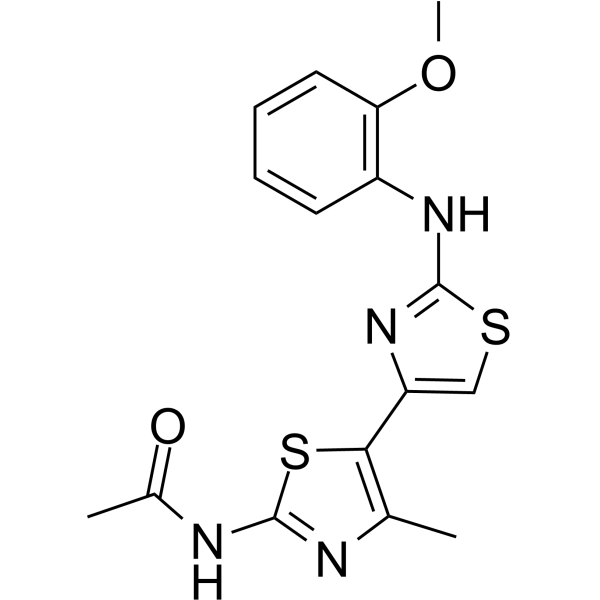
    MMP-2/MMP-9-IN-1 is a highly selective, orally active and potent type IV collagenase (MMP-9 and MMP-2) inhibitor with IC50s of 0.24 and 0.31 μM for MMP-9 and MMP-2, respectively. MMP-2/MMP-9-IN-1 is orally active in animal models of tumor growth and metastasis. MMP-2/MMP-9-IN-1 can be used for the research of cancer .
    MMP-2/MMP-9-IN-1
  • HY-12170A
    Prinomastat hydrochloride
    4 Publications Verification

    AG3340 hydrochloride; KB-R9896 hydrochloride

    MMP Apoptosis Cancer
    Prinomastat hydrochloride (AG3340 hydrochloride) is a broad spectrum, potent, orally active metalloproteinase (MMP) inhibitor with IC50s of 79, 6.3 and 5.0 nM for MMP-1, MMP-3 and MMP-9, respectively. Prinomastat hydrochloride inhibits MMP-2, MMP-3, MMP-13 and MMP-9 with Kis of 0.05 nM, 0.3 nM, 0.03 nM and 0.26 nM, respectively. Prinomastat hydrochloride can cross blood-brain barrier. Antitumor avtivity .
    Prinomastat hydrochloride
  • HY-124373

    MMP Metabolic Disease
    ND-336 is a selective inhibitor of matrix metalloproteinase (MMP)-2, MMP-9, and MMP-14, with Kis of 85, 150, and 120 nM, respectively. ND-336 accelerates diabetic wound healing in mice by lowering inflammation and by enhancing angiogenesis and re-epithelialization of the wound .
    ND-336
  • HY-19485
    XL-784
    2 Publications Verification

    MMP Cardiovascular Disease
    XL-784 is a selective matrix metalloproteinases (MMP) inhibitor, with IC50s of ~1900, 0.81, 120, 10.8, 18, 0.56 nM for MMP-1, MMP-2, MMP-3, MMP-8, MMP-9, MMP-13, respectively.
    XL-784
  • HY-111186

    WL 108366

    Glucocorticoid Receptor MMP VKOR Others
    Flocoumafen (WL 108366) is an orally active vitamin K epoxide reductase inhibitor and a multi-target ligand, which includes prostaglandin F synthase, serum albumin, glucocorticoid receptor 2, and MMP-9. Flocoumafen is a second-generation anticoagulant rodenticide (ARs) with a half-life of 177.4 hours and has deadly anticoagulant effects .
    Flocoumafen
  • HY-N0431R

    Reference Standards MMP ERK JNK Cancer
    Astragaloside IV (Standard) is the analytical standard of Astragaloside IV. This product is intended for research and analytical applications. Astragaloside IV, an active component isolated from Astragalus membranaceus, suppresses the activation of ERK1/2 and JNK, and downregulates matrix metalloproteases (MMP)-2, (MMP)-9 in MDA-MB-231 breast cancer cells.
    Astragaloside IV (Standard)
  • HY-14744
    Levamlodipine
    2 Publications Verification

    (S)-Amlodipine; Levoamlodipine

    Calcium Channel MMP Cardiovascular Disease Neurological Disease
    Levamlodipine ((S)-Amlodipine; Levoamlodipin) is an orally active L-type calcium channel blocker and MMP-9 modulator with high permeability and retention properties. Levamlodipine significantly enhances plaque stability and improves lipid profiles by reducing blood pressure, decreasing systolic blood pressure variability, and inhibiting MMP-9 expression in atherosclerotic plaques. Levamlodipine not only alleviates cardiac and aortic hypertrophy and prevents renal atrophy, but also produces synergistic effects in blood pressure reduction and organ protection when combined with bisoprolol (HY-129029). Levamlodipine exerts no significant inhibitory effect on abdominal aortic intimal hyperplasia. When excessively accumulated in the epidermis, Levamlodipine may induce changes in keratin structure, impair the skin barrier and trigger inflammation; long-term use further exacerbates skin irritation caused by local administration. Levamlodipine can be used in research related to hypertension and atherosclerosis .
    Levamlodipine
  • HY-128026

    MMP Inflammation/Immunology
    MMP-9/MMP-13 Inhibitor I is a potent MMP-9 and MMP-13 inhibitor with IC50s of both 0.9 nM. MMP-9/MMP-13 Inhibitor I shows >20-folds selectivity for MMP-9/MMP-13 over other MMPs .
    MMP-9/MMP-13 Inhibitor I
  • HY-N6862

    MMP Cancer
    Lucideric acid A is a natural compound isolated from Ganoderma lucidum, inhibits PMA-induced MMP-9 activity, with anti-invasive effect on hepatoma cells .
    Lucideric acid A
  • HY-162038

    MMP Others
    RXP03 is a MMPs inhibitor with the Ki of 20 nM, 2.5 nM, 10 nM, 5nM and 105 nM for MMP-2, MMP-8, MMP-9, MMP-11, MMP-14, respectively .
    RXP03
  • HY-13564A
    Batimastat sodium salt
    15+ Cited Publications

    BB-94 sodium salt

    MMP Cancer
    Batimastat sodium salt is a potent broad spectrum MMP inhibitor with IC50 of 3, 4, 4, 6, and 20 nM for MMP-1, MMP-2, MMP-9, MMP-7 and MMP-3, respectively.
    Batimastat sodium salt
  • HY-116302

    MMP Neurological Disease Inflammation/Immunology
    MMP-9-IN-9 (compound 4f) is a slective MMP-9 inhibitor with an IC50 of 5 nM. MMP-9-IN-9 shows selective for MMP-9 over MMP-1 and MMP-13. MMP-9-IN-9 shows strong anti-inflammatory and neuroprotective effects .
    MMP-9-IN-9
  • HY-119423

    MMP Cancer
    MMP Inhibitor II (compound 4e) is a potent, reversible pan-MMP inhibitor with IC50 values of 24 nM, 18.4 nM, 30 nM, and 2.7 nM for MMP-1,MMP-3, MMP-7, and MMP-9, respectively .
    MMP Inhibitor II
  • HY-P3513

    ERK MMP Neurological Disease
    β-Neo-Endorphin is an endogenous opioid peptide. β-Neo-Endorphin is a hypothalamic “big” Leu-enkephalin of porcine origin. β-Neo-Endorphin shows activation of the Erk1/2, MMP-2 and MMP-9 .
    β-Neo-Endorphin
  • HY-114785

    MMP Cancer
    BPHA is a potent and orally active MMP-2, MMP-9 and MMP-14 inhibitor with IC50s of 12 nM, 16 nM and 17 nM, respectively. BPHA does not inhibit MMP-1, -3, and -7 (the IC50s are 974, >1000, and 795 nM, respectively). BPHA has antiangiogenic and antitumor effects .
    BPHA
  • HY-B1451A

    TA-6366 free base

    Angiotensin-converting Enzyme (ACE) MMP JNK Cardiovascular Disease Metabolic Disease
    Imidapril (TA-6366 free base) is an orally active dual inhibitor of angiotensin-converting enzyme (ACE) and MMP-9. Imidapril inhibits lipopolysaccharide-induced phosphorylation of c-Jun, MKK4 and JNK in monocytes, and downregulates the production of specific inflammatory factors such as TNF-α and IP-10, thereby exerting anti-inflammatory activity. Imidapril also effectively ameliorates mesangial expansion and reduces urinary albumin excretion by inhibiting angiotensin AngII production, lowering glomerular pressure and oxidative stress, thus delaying disease progression. Imidapril can also directly bind to the active site of MMP-9 to inhibit gelatinase activity, and suppress the enlargement of cerebral aneurysms without altering systemic blood pressure. Imidapril is widely applicable to related studies on autoimmune glomerulonephritis, diabetic nephropathy, cerebral aneurysms and other conditions .
    Imidapril
  • HY-161285

    MMP Cancer
    MMP-9/10-IN-2 (compound 6e) is a potent inhibitor of MMP10 and MMP9, with IC50 of 0.076 μM for MMP10, and 93.18% inhibition at 0.5 μM for MMP9. MMP-9/10-IN-2 plays an important role in anti-tumor .
    MMP-9/10-IN-2
  • HY-RS08557

    Small Interfering RNA (siRNA) MMP Others

    MMP9 Human Pre-designed siRNA Set A contains three designed siRNAs for MMP9 gene (Human), as well as a negative control, a positive control, and a FAM-labeled negative control.

    MMP9 Human Pre-designed siRNA Set A
    MMP9 Human Pre-designed siRNA Set A
  • HY-RS08558

    Small Interfering RNA (siRNA) MMP Others

    Mmp9 Mouse Pre-designed siRNA Set A contains three designed siRNAs for Mmp9 gene (Mouse), as well as a negative control, a positive control, and a FAM-labeled negative control.

    Mmp9 Mouse Pre-designed siRNA Set A
    Mmp9 Mouse Pre-designed siRNA Set A
  • HY-P10143

    Ac-Pro-Leu-Gly-[(S)-2-mercapto-4-methyl-pentanoyl]-Leu-Gly-OEt

    MMP Others
    MMP-2/MMP-9 Substrate (Ac-Pro-Leu-Gly-[(S)-2-mercapto-4-methyl-pentanoyl]-Leu-Gly-OEt) is a synthetic chromogenic polypeptide substrate whose core structure mimics the cleavage sites of MMP-2 and MMP-9 (gelatinase A and B) in collagen. After being hydrolyzed by collagenase, MMP-2/MMP-9 Substrate reacts with 4,4'-dithiodipyridine or Ellman's Reagent via its thiol fragment to produce a product with ultraviolet absorption properties .
    MMP-2/MMP-9 Substrate
  • HY-N0318R

    Reference Standards MMP Inflammation/Immunology
    Salvianolic acid A (Standard) is the analytical standard of Salvianolic acid A. This product is intended for research and analytical applications. Salvianolic acid A could protect the blood brain barrier through matrix metallopeptidase 9 (MMP-9) inhibition and anti-inflammation.
    Salvianolic acid A (Standard)
  • HY-W011085
    CP-471474
    1 Publications Verification

    MMP Inflammation/Immunology
    CP-471474 is an orally active and pan MMP inhibitor, with IC50 values of 1170 nM (MMP-1), 0.7 nM (MMP-2), 16 nM (MMP-3), 13 nM (MMP-9) and 0.9 nM (MMP-13), respectively .
    CP-471474
  • HY-P3484

    MMP Cancer
    Dnp-PLGLWA-DArg-NH2 TFA is a fluorogenic substrate for MMP-1 and MMP-9. Dnp-PLGLWA-DArg-NH2 TFA can be used to quantify the activity of MMPs (Ex=280 nm, Em=360 nm) .
    Dnp-PLGLWA-DArg-NH2 TFA
  • HY-N7385

    MMP Apoptosis Cancer
    Nudol is a phenanthrene compound that has anti-cancer activity. Nudol inhibits cell proliferation, induces cell apoptosis. Nudol inhibits MMP-2M and MMP-9 activity (Ki: 988.9 nM, 1.76 μM, respectively). Nudol can be used in the research of cancers, such as osteosarcoma .
    Nudol
  • HY-N6860

    MMP Cancer
    Lucidenic acid C is a natural compound isolated from Ganoderma lucidum, inhibits PMA-induced MMP-9 activity, with anti-invasive effect on hepatoma cells .
    Lucidenic acid C
  • HY-P0273

    MMP Inflammation/Immunology
    Histatin 5 inhibits the activity of the host matrix metalloproteinases MMP-2 and MMP-9 with IC50s of 0.57 and 0.25 μM, respectively.
    Histatin 5
  • HY-P10359A

    TGF-beta/Smad MMP Neurological Disease
    TAT-QFNP12 acetate is a peptide that blocks the NDRG2-PPM1A binding and reduces Smad2/3 phosphorylation, decreases astrocytic MMP-9 production and BBB disruption after subarachnoid hemorrhage (SAH) .
    TAT-QFNP12 acetate
  • HY-N5136

    Apoptosis PI3K Akt mTOR Cancer
    Ruscogenin suppresses HCC metastasis by reducing the expression of MMP-2, MMP-9, uPA, VEGF and HIF-1α via regulating the PI3K/Akt/mTOR signaling pathway . And Ruscogenin alleviates LPS-induced pulmonary endothelial cell apoptosis by su
    25(R,S)-Ruscogenin

Inquiry Online

Your information is safe with us. * Required Fields.

Salutation


Country or Region *

Applicant Name *


Organization Name *

Department *


Email Address *


Product Name *

Cat. No.


Requested quantity *

Phone Number *


Remarks

Inquiry Online

Inquiry Information

Product Name:
Cat. No.:
Quantity:
MCE Japan Authorized Agent:

