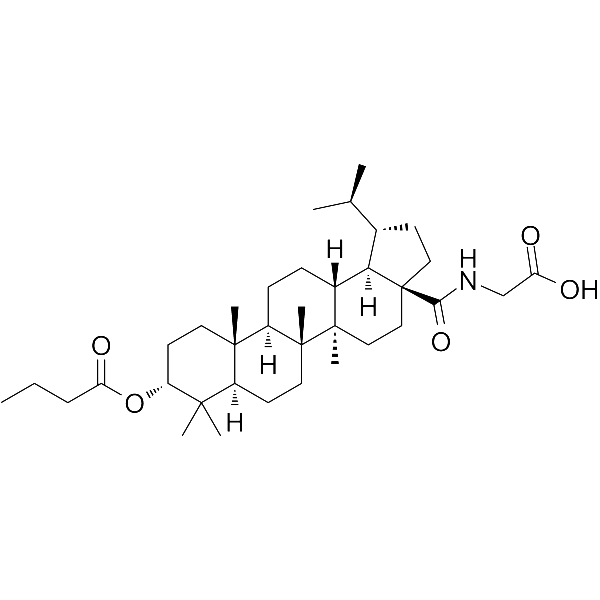
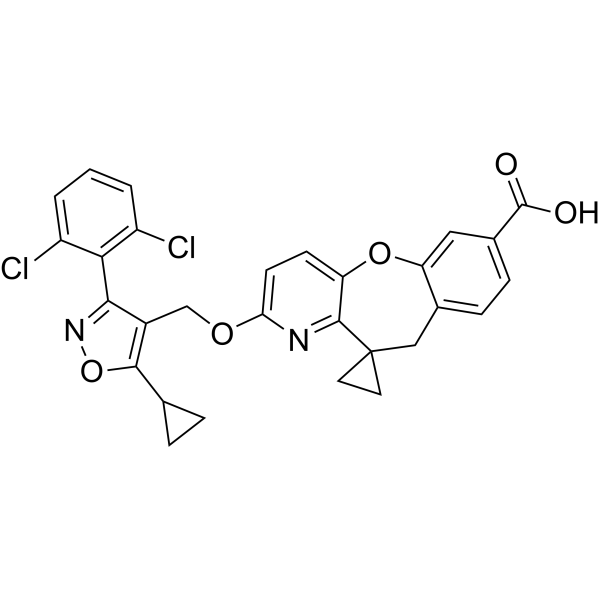
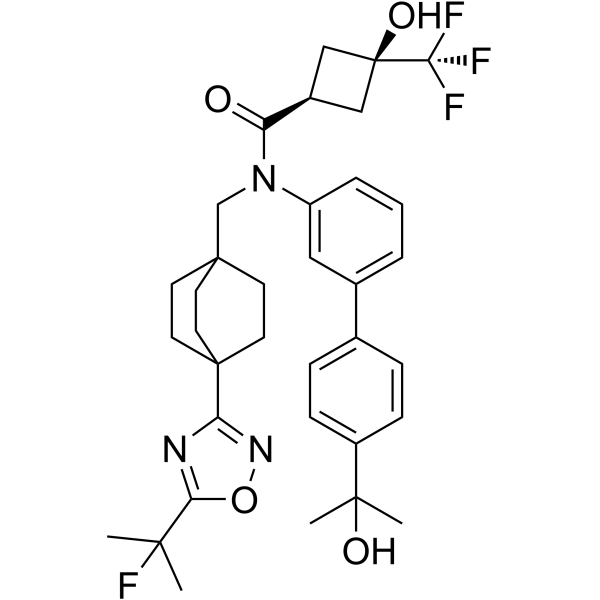
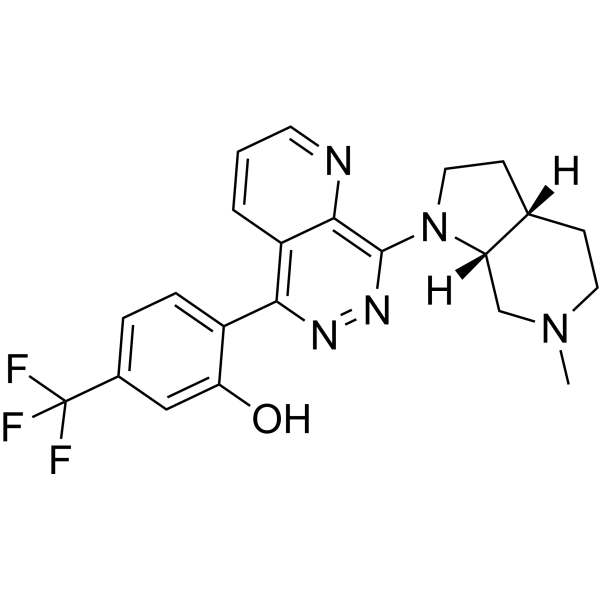
19 Results for "

NASH fibrosis

" in MedChemExpress (MCE) Product Catalog:
Products (19)

19 Results for "NASH fibrosis" in MCE Product Catalog:

  • Categories Recommended:
    More
1
1 Cited Publications
Cat. No.: HY-W011121
CAS No.: 3443-84-3
Synonyms: 2-OG
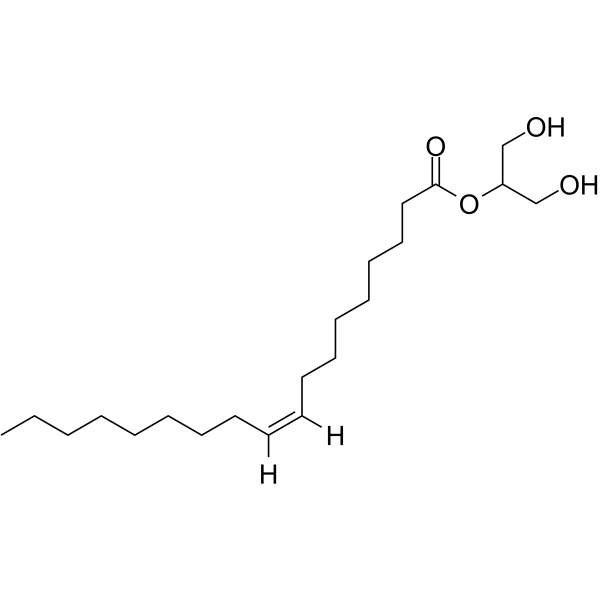
2-Oleoylglycerol (2-OG) is a lipid found in the diet. It is a GPR119 agonist, with an EC50 value of 2.5 μM in activating hGPR119 in transiently transfected COS-7 cells. 2-Oleoylglycerol enhances the inflammatory response of macrophages and promotes fibrosis by activating the GPR119/TAK1/NF-κB/TGF-β1 signaling pathway. It also stimulates glucagon-like peptide 1 (GLP-1) secretion in vivo. 2-Oleoylglycerol is expected to be used in the research of non-alcoholic steatohepatitis (NASH) .
loading...
    loading...
1
1 Cited Publications
Cat. No.: HY-119039
CAS No.: 1110873-99-8
Purity:  99.75%
Target:  

TAM Receptor

Research Areas:  

Inflammation/Immunology Cancer

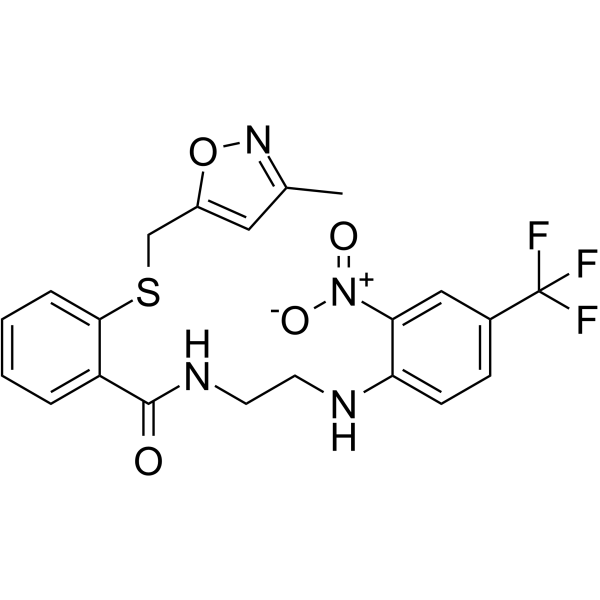
RU-301 is a pan TAM inhibitor that blocks Gas6-induced TAM activation and tumorigenicity. RU-301 significantly reduces nonalcoholic steatohepatitis (NASH) fibrosis, along with attenuates ERK activation and TGFβ1 expression. RU-301 can be used in studies of cancer and nonalcoholic steatohepatitis .
loading...
    loading...
1
1 Cited Publications
Cat. No.: HY-135644
CAS No.: 1383420-08-3
Purity:  90.29%
Synonyms: CRV431
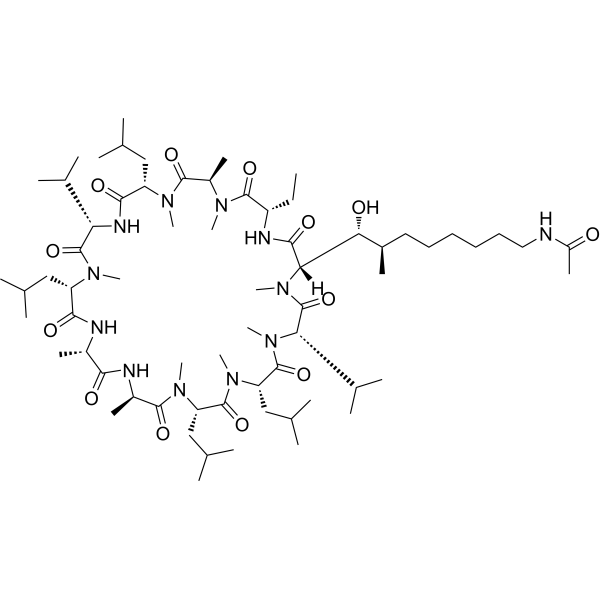
Rencofilstat (CRV431) is an orally active pan-cyclophilin inhibitor with IC50 values of 2.5 nM, 3.1 nM, 2.8 nM, 7.3 nM for Cyp A, CypB, Cyp D and Cyp G, respectively. Rencofilstat reduces fibrosis and tumor growth in models of chronic liver disease. Rencofilstat can be used for the study of nonalcoholic steatohepatitis (NASH), hepatocellular carcinoma and viral hepatitis-induced liver disease .
loading...
    loading...
1
1 Cited Publications
Cat. No.: HY-151932
CAS No.: 3037847-72-3
Purity:  95.94%
Target:  

FXR

Research Areas:  

Inflammation/Immunology

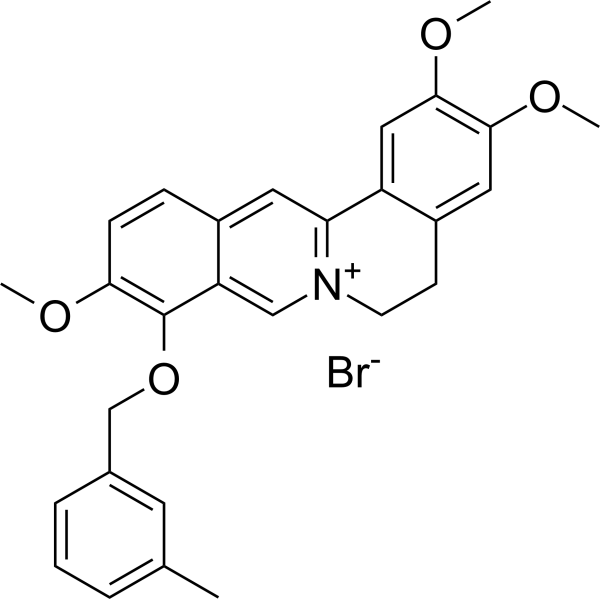
FXR agonist 3 is an anti-NASH agent, acting by activating FXR. FXR agonist 3 inhibits COL1A1, TGF-β1, α-SMA and TIMP1 expression with anti-fibrogenic activity. FXR agonist 3 significantly reduces liver steatosis and inflammation, improves liver fibrosis level .
loading...
    loading...
1
1 Cited Publications
Cat. No.: HY-19522C
CAS No.: 928821-40-3
Synonyms: MBX-8025 (lysine dihydrate); RWJ-800025 (lysine dihydrate)
Seladelpar Lysine dihydrate (MBX-8025 lysine dihydrate) is an orally active, selective PPAR-δ agonist with an EC50 of 2 nM against hPPAR-δ. Seladelpar Lysine dihydrate reduces serum IL-31 and bile acid levels. It alleviates pruritus symptoms. Seladelpar Lysine dihydrate enhances insulin sensitivity, normalizes levels of hyperglycemia, hyperinsulinemia, glucose disposal capacity, serum lipids and hepatic free cholesterol. It reduces steatosis, hepatic inflammation and improves liver fibrosis. Seladelpar Lysine dihydrate reverses the pathological changes of non-alcoholic steatohepatitis (NASH). It is applicable to research related to primary biliary cholangitis and non-alcoholic steatohepatitis (NASH) .
loading...
    loading...
Cat. No.: HY-W018587
CAS No.: 26040-51-7
TBPH is a brominated flame retardant. TBPH enhances hepatic steatosis, inflammation, and fibrosis in mice with nonalcoholic steatohepatitis (NASH). TBPH induces dysregulation of phospholipid metabolism, reducing cardiolipin (CL) and phosphatidylserine (PS) levels. TBPH leads to impaired endoplasmic reticulum-mitochondria (ER-Mito) contacts, subsequently causing mitochondrial dysfunction. TBPH induces lung injury through an inflammatory response mediated by mitochondria-derived ds-DNA. TBPH can be used to study the role of MFN2-mediated ER-mitochondria contacts in lipid metabolism homeostasis .
loading...
    loading...
Cat. No.: HY-151481
CAS No.: 2295804-68-9
Purity:  98.01%
Target:  

FXR

Research Areas:  

Metabolic Disease

FXR antagonist 1 (compound F6) is an orally active and selective intestinal FXR antagonist (IC50=2.1 μM). FXR antagonist 1 selectively inhibits intestinal FXR signalling through antagonism of intestinal FXR and feedback activation of hepatic FXR to improve hepatic steatosis, inflammation and fibrosis in NASH (nonalcoholic steatohepatitis) models. FXR antagonist 1 can be used in NASH studies .
loading...
    loading...
Cat. No.: HY-164799
CAS No.: 1831862-88-4
Target:  

FXR

Research Areas:  

Inflammation/Immunology

FXR agonist 12 (Compound C7) is the orally active agonist for FXR. FXR agonist 12 down-regulates bile acid synthesis-related genes, and up-regulates bile acid transport-related genes in HepG2 cells. FXR agonist 12 improves ANIT-induced cholestasis, ameliorates the liver damage and fibrosis in mouse NASH models .
loading...
    loading...
Cat. No.: HY-N16066
CAS No.: 81474-59-1
Synonyms: CHNQD-0803
Candidusin A (CHNQD-0803) (Compound 4) is a AMPK activator with a KD of 47.28 nM. Candidusin A can be isolated from marine fungus Aspergillus candidus. Candidusin A has cytotoxic activity and induces apoptosis in human prostate cancer cells (22Rv1, PC-3 and LNCaP cells). Candidusin A reduces adipogenesis genes expression and fat deposition, negatively regulates the NF-κB-TNFα inflammatory axis to suppress inflammation, and ameliorates liver injury and fibrosis. Candidusin A can be used for non-alcoholic steatohepatitis (NASH) research .
loading...
    loading...
Cat. No.: HY-16521
CAS No.: 800408-39-3
Target:  

Caspase

Research Areas:  

Inflammation/Immunology

VX-166, a pan caspase inhibitor, can be used for the research of Non- Alcoholic Fatty Liver Disease (NAFLD), nonalcoholic steatohepatitis (NASH), alcoholic steatohepatitis (ASH), and other diseases involving fibrosis, steatosis, or inflammation of the liver .
loading...
    loading...
Cat. No.: HY-153114
CAS No.: 2181834-03-5
Purity:  98.01%
Target:  

FXR

Research Areas:  

Inflammation/Immunology

HEC96719 is a selective and orally active tricyclic farnesoid X receptor (FXR) agonist with EC50 values of 1.37 and 1.55 nM by time-resolved fluorescence energy transfer (TR-FRET) and luciferase reporter assays, respectively. HEC96719 significantly improves non-alcoholic steatohepatitis (NASH) and liver fibrosis with favorable tissue distribution in liver and intestine. HEC96719 can be used for the research of non-alcoholic steatohepatitis .
loading...
    loading...
Cat. No.: HY-172105
CAS No.: 3028778-28-8
Target:  

PPAR

Anti-NASH agent 2 (compound 21) is an inhibitor of de novo adipogenesis activity and α-SMA gene expression. Anti-NASH agent 2 improves hepatic steatosis, edema, inflammatory infiltrates, and liver fibrosis in NASH mouse models .
loading...
    loading...
Cat. No.: HY-150787
CAS No.: 2477873-64-4
Target:  

FXR Cytochrome P450

Research Areas:  

Metabolic Disease

BMS-986339 is an orally active, potent FXR agonist. BMS-986339 forms H-bond with His298 and ASN287 residues. BMS-986339 can be used in the research of primary biliary cirrhosis (PBC), primary sclerosing cholangitis (PSC), and nonalcoholic steatohepatitis (NASH), anti-fibrosis .
loading...
    loading...
Cat. No.: HY-P6177
CAS No.: 855790-98-6
Target:  

Dipeptidyl Peptidase

Research Areas:  

Inflammation/Immunology

SGP8 (IAVPGEVA) is an octapeptide produced by hydrolysis of soybean 11S globulin, which has the effects of regulating lipid metabolism, inflammation and fibrosis. SGP8 (IAVPGEVA) exhibits inhibitory activity against DPP4 and inhibits the JNK-c-Jun signaling pathway, and has the ability to inhibit non-alcoholic steatohepatitis (NASH) .
loading...
    loading...
Cat. No.: HY-163498
CAS No.: 3033054-51-9
NLRP3-IN-37 (Compound 23) is a NLRP3 inhibitor (EC50: 5 nM). NLRP3-IN-37 can be used for NLRP3 related research, such as gout, pseudogout, CAPS, NASH fibrosis, heart failure, idiophathic pericarditis, atopic dermatitis, inflammatory bowel disease, Alzheimer's Disease, Parkinson's Disease and traumatic brain injury .
loading...
    loading...
Cat. No.: HY-W701772
CAS No.: 946524-37-4
Synonyms: 2-OG-d5
2-Oleoylglycerol-d5 (2-OG-d5) is the deuterium labeled 2-Oleoylglycerol (HY-W011121). 2-Oleoylglycerol (2-OG) is a lipid found in the diet. It is a GPR119 agonist, with an EC50 value of 2.5 μM in activating hGPR119 in transiently transfected COS-7 cells. 2-Oleoylglycerol enhances the inflammatory response of macrophages and promotes fibrosis by activating the GPR119/TAK1/NF-κB/TGF-β1 signaling pathway. It also stimulates glucagon-like peptide 1 (GLP-1) secretion in vivo. 2-Oleoylglycerol is expected to be used in the research of non-alcoholic steatohepatitis (NASH) .
loading...
    loading...
Cat. No.: HY-173504
Target:  

Others

Research Areas:  

Inflammation/Immunology

Anti-inflammatory agent 101 (Compound C04) is an orally active anti-inflammatory agent. Anti-inflammatory agent 101 has significant anti-lipid accumulation, anti-inflammatory and anti-fibrotic activities. Anti-inflammatory agent 101 works by reducing fatty acid uptake, stimulating fatty acid oxidation and alleviating inflammation. Anti-inflammatory agent 101 can be used in the study of NASH and its related liver fibrosis .
loading...
    loading...
Cat. No.: HY-L199
5,024 compounds

Non-alcoholic fatty liver disease (NAFLD) is one of the most common liver diseases worldwide and is the primary liver manifestation of metabolic syndrome. The growth of NAFLD has coincided with the obesity epidemic. NAFLD is composed of excess lipid accumulation in the liver, causing steatotoxicity, and shows a wide range of histopathological abnormalities. NAFLD may progress from simple steatosis to Non-alcoholic steatohepatitis (NASH) with or without fibrosis (NASH), and eventually to cirrhosis and hepatocellular carcinoma. To date, very few drugs have been approved for marketing specifically for the treatment of NAFLD, so increased efforts to develop NAFLD drugs are necessary.

MCE designs a unique collection of 5,024 small molecules with definite or potential anti-NAFLD activity, which is an important tool for studying the pathological mechanism of NAFLD and developing drugs for NAFLD.

Cat. No.: HY-179703
CAS No.: 2991276-14-1
Target:  

FXR

Research Areas:  

Inflammation/Immunology

FXR agonist 15 is a selective, potent and orally active farnesoid X receptor (FXR) agonist with EC50 of 0.76 μM. FXR agonist 15 exhibits no obvious activation on other nuclear receptors including LXRα/β, PXR, PPARα/β/γ, THR-β, with EC50 values all >10 μM. FXR agonist 15 can alleviate steatosis, lobular inflammation, hepatocyte ballooning and liver fibrosis. FXR agonist 15 can be used for the research of nonalcoholic steatohepatitis (NASH) .
loading...
    loading...
  • 1

