472 Results for "

OPG/RANKL axis

" in MedChemExpress (MCE) Product Catalog:
Products (472)

472 Results for "OPG/RANKL axis" in MCE Product Catalog:

24
24 Publications Verification
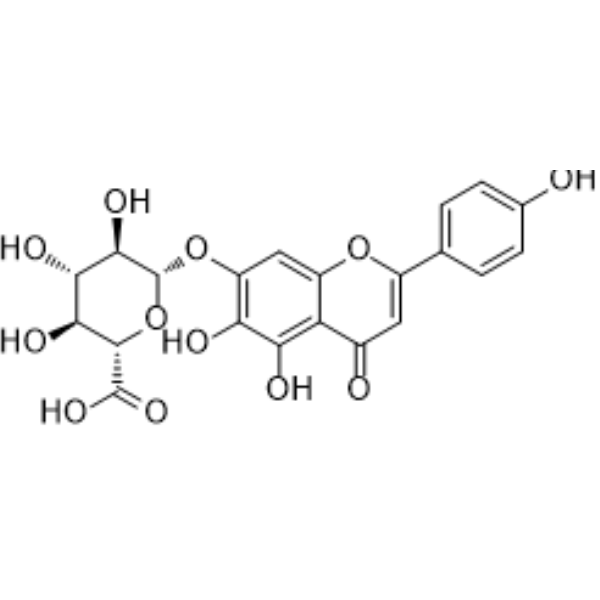
Cat. No.: HY-N0751
CAS No.: 27740-01-8
Scutellarin, an active flavone isolated from Scutellaria baicalensis, can down-regulates the STAT3/Girdin/Akt signaling in HCC cells, and inhibits RANKL-mediated MAPK and NF-κB signaling pathway in osteoclasts. Scutellarin is active against HIV-1IIIB, HIV-1(74V) and HIV-1KM018 with EC50s of 26 μM, 253 μM and 136 μM, respectively.
loading...
    loading...
18
18 Cited Publications
Cat. No.: HY-P7425
Purity:  ≥ 95%, as determined by reducing SDS-PAGE.
Synonyms: TNFSF11; Tumor Necrosis Factor (Ligand) Superfamily, Member 11; TNF Superfamily Member 11; Receptor Activator Of Nuclear Factor Kappa-B Ligand; TRANCE; TNLG6B; RANKL; Receptor Activator Of Nuclear Factor Kappa B Ligand; OPGL; Tumor Necrosis Factor Ligand Superfamily Member; ODF; Tumor Necrosis Factor Superfamily Member 11; Tumor Necrosis Factor Ligand Superfamily Member 11; Tumor Necrosis Factor Ligand 6B; TNF-Related Activation-Induced Cytokine; CD254 Antigen; Osteoclast Differentiation Factor; HRANKL2; Osteoprotegerin Ligand; OPTB2; CD254; SOdf
Species:  
Mouse
Source:  
E. coli
loading...
    loading...
18
18 Cited Publications
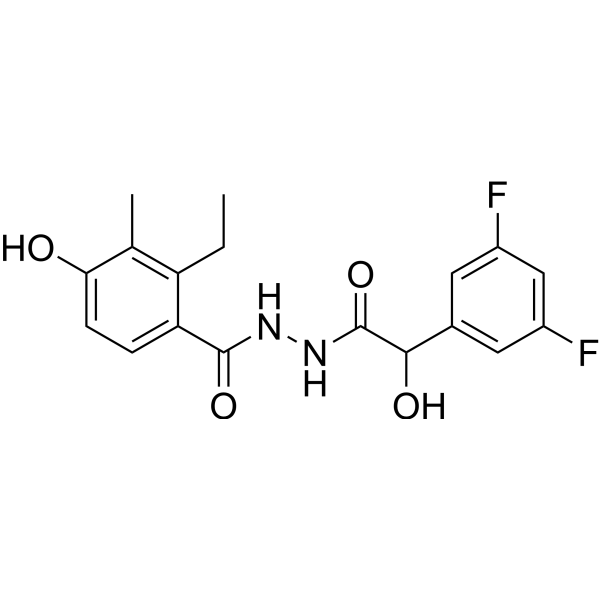
Cat. No.: HY-15193
CAS No.: 1181770-72-8
Purity:  99.94%
EMD638683 is an orally active SGK1 inhibitor with an IC50 of 3 μM. EMD638683 exhibits strong inhibition against SGK1, moderate inhibition against SGK2 and SGK3, and shows excellent selectivity for other AGC kinase family members. EMD638683 has antihypertensive activity by inhibiting SGK1, and independently of the blood pressure-lowering effect, it effectively prevents heart inflammation and fibrosis caused by hypertension by inhibiting the cardiac NLRP3 inflammation body/ IL-1β axis. EMD638683 promotes apoptosis of colon cancer cells and sensitizes radiotherapy. EMD638683 (S-Form) can be used in research related to hypertension, hypertensive heart damage, and colon cancer .
loading...
    loading...
16
16 Cited Publications
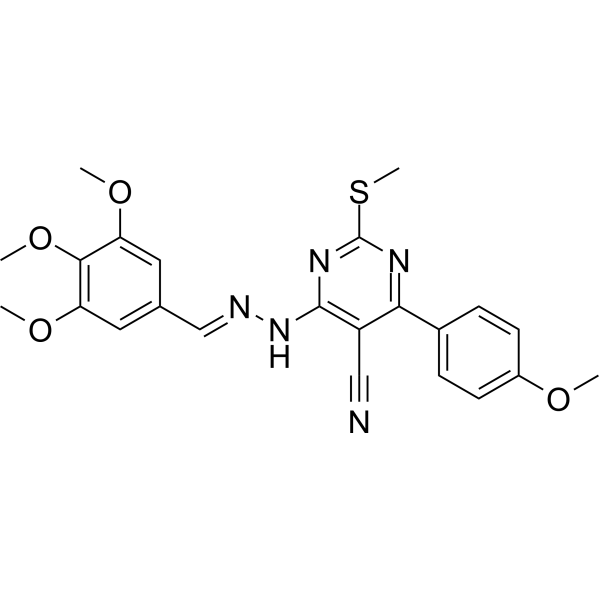
Cat. No.: HY-144806
CAS No.: 3033069-84-7
Purity:  99.64%
Target:  

PI3K Akt Apoptosis

연구분야:  

Cancer

PI3K/AKT-IN-1 is an effective PI3K/AKT dual inhibitor (IC50 of 6.99, 4.01 and 3.36 μM for PI3Kγ, PI3Kδ and AKT, respectively). PI3K/AKT-IN-1 has anticancer activity and acts by inhibiting PI3K/AKT axis and inducing caspase 3 dependent apoptosis .
loading...
    loading...
11
11 Cited Publications
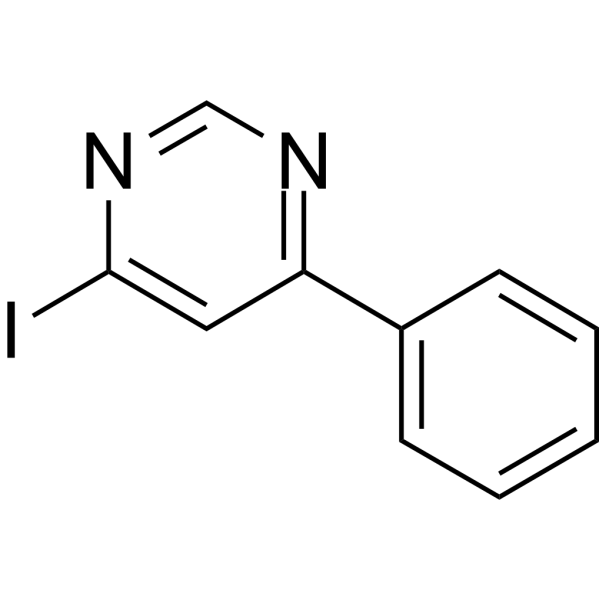
Cat. No.: HY-110063
CAS No.: 41270-96-6
Purity:  99.46%
Synonyms: 4-Iodo-6-phenylpyrimidine
4-IPP (4-Iodo-6-phenylpyrimidine) is a specific suicide substrate and irreversible inhibitor of macrophage migration inhibitory factor (MIF) .
loading...
    loading...
11
11 Cited Publications
Cat. No.: HY-P7424
Purity:  ≥ 90%, as determined by reducing SDS-PAGE.
Synonyms: TNFSF11; Tumor Necrosis Factor (Ligand) Superfamily, Member 11; TNF Superfamily Member 11; Receptor Activator Of Nuclear Factor Kappa-B Ligand; TRANCE; TNLG6B; RANKL; Receptor Activator Of Nuclear Factor Kappa B Ligand; OPGL; Tumor Necrosis Factor Ligand
Species:  
Human
Source:  
E. coli
loading...
    loading...
8
8 Cited Publications
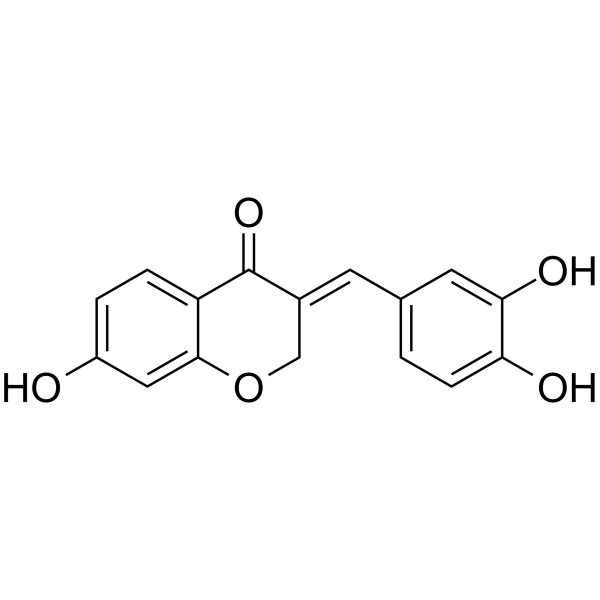
Cat. No.: HY-113556
CAS No.: 102067-84-5
Purity:  99.87%
Sappanone A is an orally active homoisoflavone found in sappan L. Sappanone A is a PDE4 and NF-κB inhibitor with anti-inflammatory and antioxidant effect. Sappanone A induces HO-1 expression through activation of Nrf2 pathway. Sappanone A also inhibits RANKL-induced osteoclastogenesis. Sappanone A has great potential in the research of inflammation-related and cardiovascular .
loading...
    loading...
8
8 Cited Publications
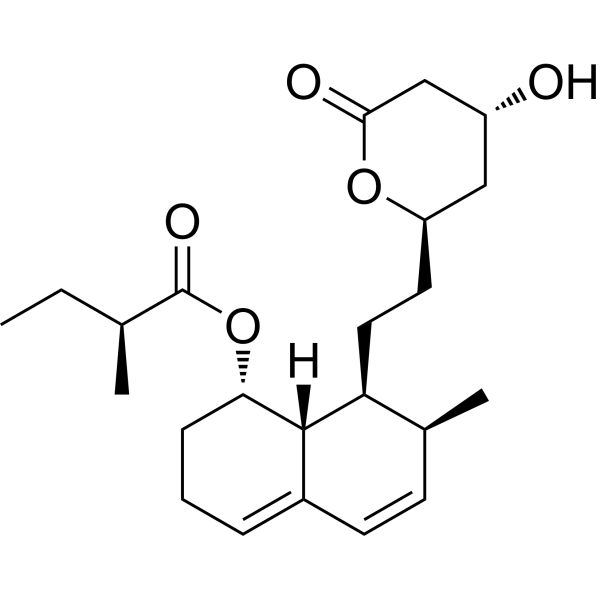
Cat. No.: HY-17408
CAS No.: 73573-88-3
Synonyms: Compactin; ML236B
Mevastatin (Compactin) is a first HMG-CoA reductase inhibitor that belongs to the statins class. Mevastatin is a lipid-lowering agent, and induces apoptosis, arrests cancer cells in G0/G1 phase. Mevastatin also increases endothelial nitric oxide synthase (eNOS) mRNA and protein levels. Mevastatin has antitumor activity and has the potential for cardiovascular diseases treatment .
loading...
    loading...
8
8 Cited Publications
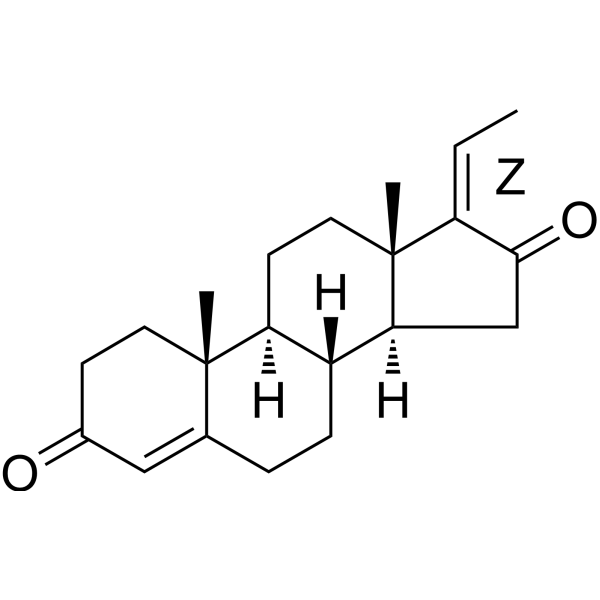
Cat. No.: HY-110066
CAS No.: 39025-23-5
Purity:  99.30%
(Z)-Guggulsterone, a constituent of Indian Ayurvedic medicinal plant Commiphora mukul, inhibits the growth of human prostate cancer cells by causing apoptosis. (Z)-Guggulsterone inhibits angiogenesis by suppressing the VEGF–VEGF-R2–Akt signaling axis . (Z)-Guggulsterone is also a potent FXR antagonist. (Z)-Guggulsterone reduces ACE2 expression and SARS-CoV-2 infection .
loading...
    loading...
8
8 Cited Publications
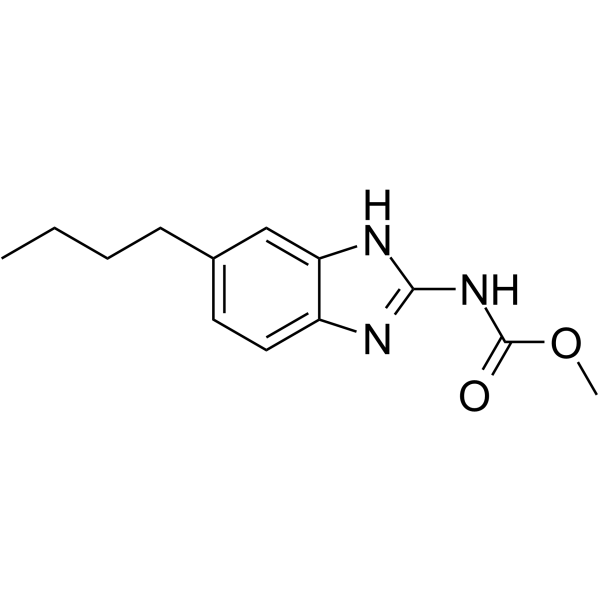
Cat. No.: HY-115364
CAS No.: 14255-87-9
Purity:  99.87%
Synonyms: SKF 29044
Parbendazole (SKF‑29044) is an orally active benzimidazole carbamate compound with multiple biological activities. Parbendazole binds to free tubulin and inhibits microtubule polymerization; it also activates the JNK/c‑Jun signaling axis and upregulates the expression of the downstream axonal repulsion factor Sema3A. Parbendazole upregulates KAL-1 mRNA expression, reduces nerve growth factor levels, and promotes the terminal differentiation of normal human epidermal keratinocytes. Parbendazole induces apoptosis in differentiated acute myeloid leukemia monocytes and exerts antileukemic activity in a mouse xenograft model of acute myeloid leukemia. Parbendazole exhibits broad-spectrum anthelmintic activity against various animal nematodes. Parbendazole is used in research related to acute myeloid leukemia and parasitic infections .
loading...
    loading...
7
7 Cited Publications
Cat. No.: HY-B1811
CAS No.: 11000-17-2
Synonyms: Arginine vasopressin; Antidiuretic hormone
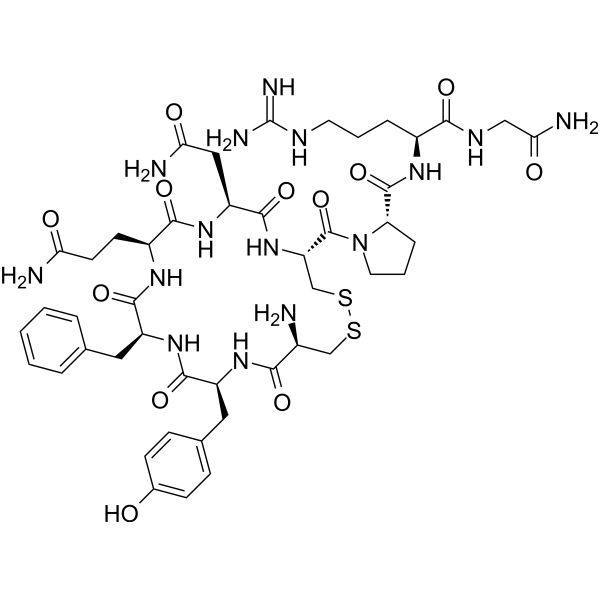
Vasopressin is a cyclic nonapeptide that is synthesized centrally in the hypothalamus. Vasopressin participates in the hypothalamic-pituitary-adrenal axis, and regulates pituitary corticotropin secretion by potentiating the stimulatory effects of corticotropin releasing factor. Vasopressin also can act as a neurotransmitter, exerting its action by binding to specific G protein-coupled receptors .
loading...
    loading...
7
7 Cited Publications
Cat. No.: HY-B0294
CAS No.: 31430-15-6
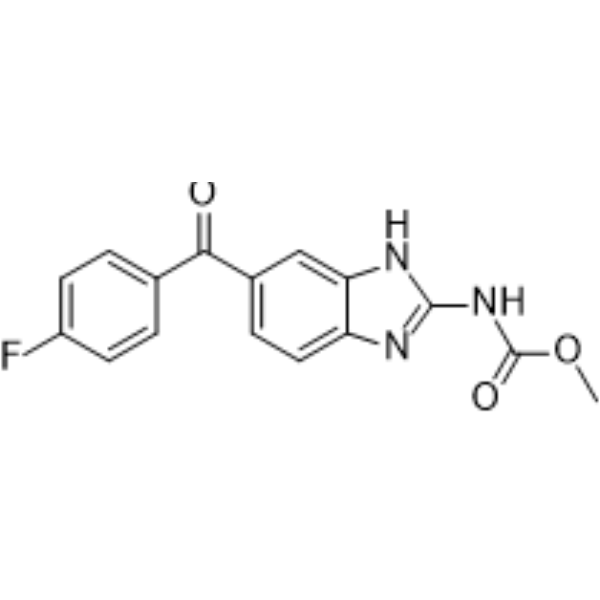
Flubendazole is an anthelmintic drug based on altering microtubule structure, inhibition of tubulin polymerization and disruption of microtubule function. Flubendazole induces apoptosis in human colorectal cancer (CRC) by blocking the STAT3 signaling axis and activation of autophagy. Flubendazole induces P53 expression and reduced Cyclin B1 and p-cdc2 expression. Flubendazole is an antitumor agent. Flubendazole can be used for worm and intestinal parasites .
loading...
    loading...
6
6 Cited Publications
Cat. No.: HY-P73388
Purity:  ≥ 90%, as determined by reducing SDS-PAGE.
Synonyms: TNFSF11; Tumor Necrosis Factor (Ligand) Superfamily, Member 11; TNF Superfamily Member 11; Receptor Activator Of Nuclear Factor Kappa-B Ligand; TRANCE; TNLG6B; RANKL; Receptor Activator Of Nuclear Factor Kappa B Ligand; OPGL; Tumor Necrosis Factor Ligand
Species:  
Mouse
Source:  
HEK293
loading...
    loading...
6
6 Cited Publications
Cat. No.: HY-B1246
CAS No.: 553-08-2
Target:  

Bacterial Proton Pump

연구분야:  

Infection

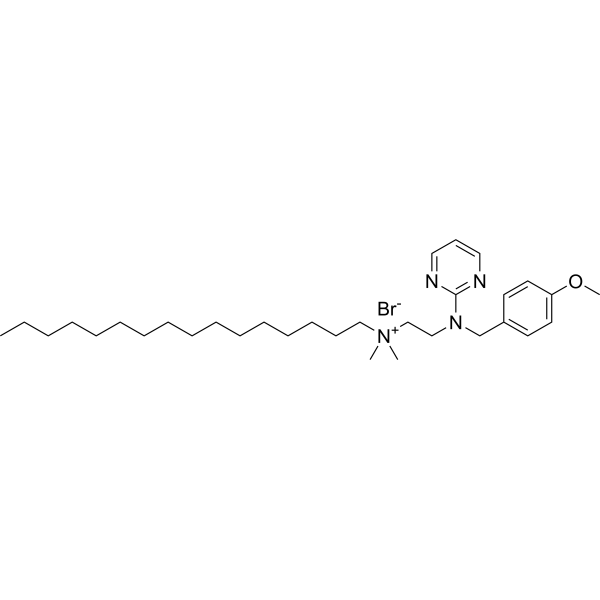
Thonzonium bromide is an antibacterial agent that is structurally similar to Farnesol (HY-Y0248A). Thonzonium bromide is also a monocationic surface-active agent, which inhibits RANKL-induced osteoclast formation and bone resorption in vitro and prevents LPS-induced bone loss in vivo. Thonzonium bromide inhibits proton transport in a dose-dependent manner (EC50=69 μM) .
loading...
    loading...
6
6 Cited Publications
Cat. No.: HY-N0816
CAS No.: 55916-51-3
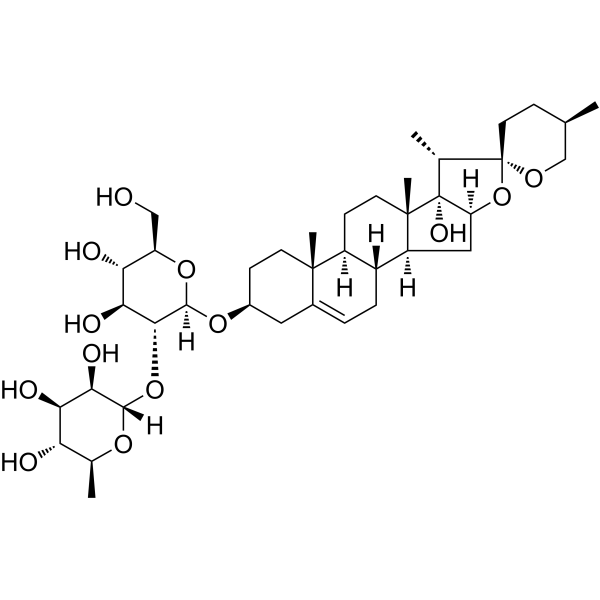
Polyphyllin VI, an active saponin, possess anti-cancer activities. Polyphyllin VI induces G2/M cell cycle arrest and triggers apoptosis. Polyphyllin VI induces caspase-1-mediated pyroptosis via the induction of ROS/NF-κB/NLRP3/GSDMD signal axis in non-small cell lung cancer .
loading...
    loading...
6
6 Cited Publications
Cat. No.: HY-N0762
CAS No.: 31524-62-6
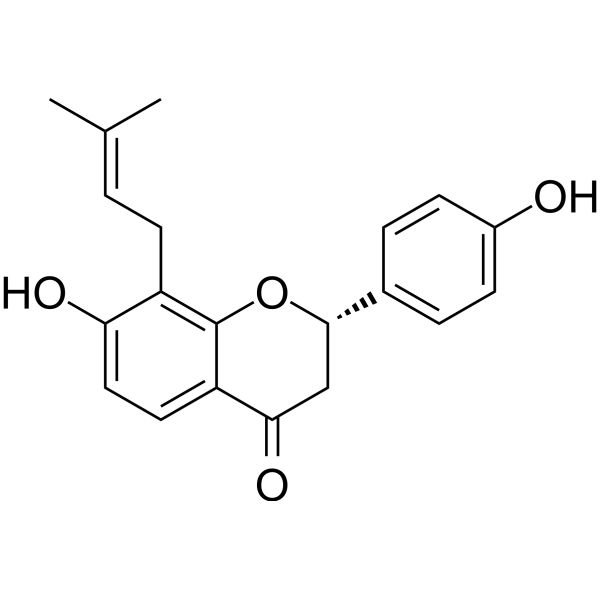
Isobavachin is an orally active, blood-brain barrier-penetrating prenylated flavonoid present in Psoralea corylifolia. Isobavachin inhibits human CYP2B6, CYP2C9, CYP2C19, UGT1A1, UGT1A9, and UGT2B7. Isobavachin suppresses MAPK activation, NF-κB nuclear translocation, overexpression of iNOS/COX-2, FcεRI-mediated signaling pathways, and RANKL-induced osteoclastogenesis. Isobavachin induces autophagy, cytotoxicity, neuronal differentiation, and NRF2 activation; it alleviates oxidative damage, inflammatory responses, apoptosis, iron accumulation, mitochondrial biogenesis, and mast cell degranulation. Isobavachin is applicable to research related to liver injury, inflammatory diseases, osteoporosis, liver cancer, prostate cancer, glioma, periodontitis-induced bone loss, and Alzheimer's disease .
loading...
    loading...
6
6 Cited Publications
Cat. No.: HY-113308
CAS No.: 516-90-5
Purity:  98.06%
Taurolithocholic acid is an orally active bile acid and antiviral agent. Taurolithocholic acid upregulates FADS2 by activating the TGR5-PI3K/AKT-SREBP2 signaling axis, inhibits SFTSV-induced ferroptosis (Ferroptosis), viral replication and viral entry of HBV/HDV, while reducing the release of IL-1β, lipid ROS and LDH. While exerting antiviral protective effects, Taurolithocholic acid also stimulates the recycling of hepatocellular membrane transporters, impairs canalicular bile acid secretion function, and induces hepatocyte cholestasis, apoptosis and acute hepatocellular injury. Taurolithocholic acid serves as an experimental model compound for hepatocellular cholestasis. At concentrations ≤200 μM, Taurolithocholic acid shows no cytotoxicity and does not activate the interferon pathway. Taurolithocholic acid not only protects mice from lethal SFTSV infection but also is suitable for studies related to severe fever with thrombocytopenia syndrome and cholestasis .
loading...
    loading...
6
6 Cited Publications
Cat. No.: HY-113308A
CAS No.: 6042-32-6
Purity:  99.81%
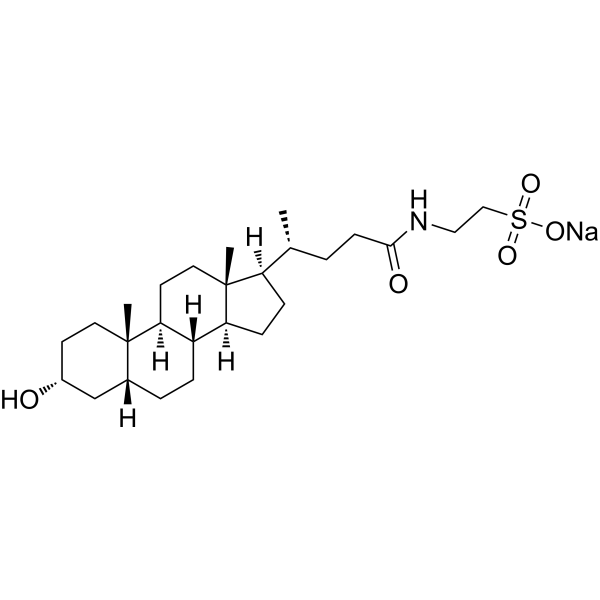
Taurolithocholic acid sodium salt is an orally active bile acid and antiviral agent. Taurolithocholic acid sodium salt upregulates FADS2 by activating the TGR5-PI3K/AKT-SREBP2 signaling axis, inhibits SFTSV-induced ferroptosis, viral replication and viral entry of HBV/HDV, while reducing the release of IL-1β, lipid ROS and LDH. While exerting antiviral protective effects, Taurolithocholic acid sodium salt also stimulates the recycling of hepatocellular membrane transporters, impairs canalicular bile acid secretion function, and induces hepatocyte cholestasis, apoptosis and acute hepatocellular injury. Taurolithocholic acid sodium salt serves as an experimental model compound for hepatocellular cholestasis. At concentrations ≤200 μM, Taurolithocholic acid sodium salt shows no cytotoxicity and does not activate the interferon pathway. Taurolithocholic acid sodium salt not only protects mice from lethal SFTSV infection but also is suitable for studies related to severe fever with thrombocytopenia syndrome and cholestasis .
loading...
    loading...
6
6 Cited Publications
Cat. No.: HY-138794
CAS No.: 2417089-74-6
Purity:  99.60%
연구분야:  

Cancer

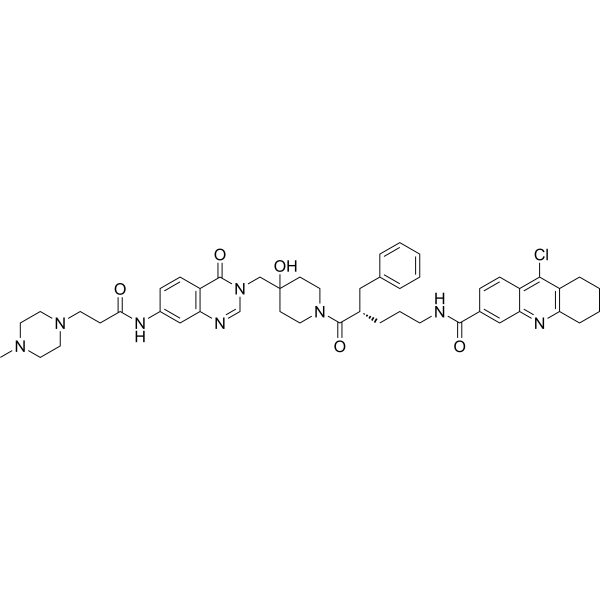
XL177A is a covalent USP7 inhibitor that blocks the deubiquitinase activity of USP7. XL177A destabilizes non-canonical PRC1 complexes or KDM6A and reduces chromatin deposition of H2AK119Ub, thereby relieving the repression of neuronal differentiation programs. Meanwhile, XL177A also regulates the ELOF1-UVSSA-USP7-nuclear β-catenin axis, decreasing the transcription levels of related proteins and the accumulation of nuclear β-catenin. XL177A exerts antiviral effects by reducing the expression levels of coronavirus receptors, and exhibits inhibitory activity against APC-mutated colorectal cancer cells, neuroblastoma, and coronaviruses including SARS-CoV-2 variants. XL177A is mainly used in studies related to colorectal cancer, neuroblastoma, and coronavirus infections .
loading...
    loading...
5
5 Cited Publications
Cat. No.: HY-N0259
CAS No.: 110623-73-9
Synonyms: Epmedin B
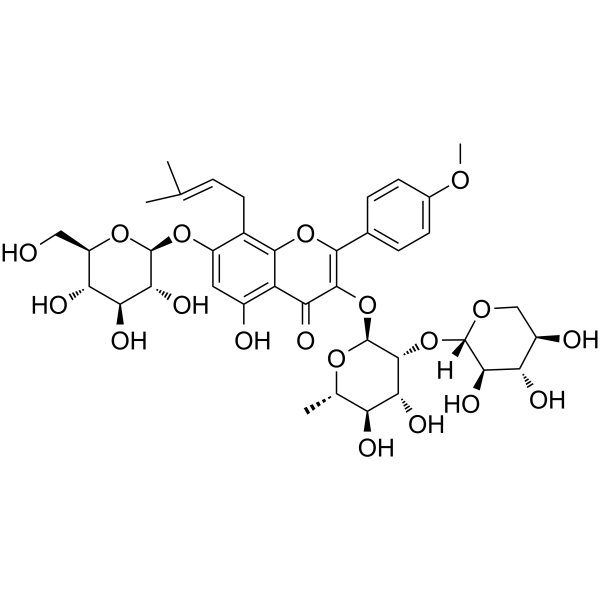
Epimedin B (Epmedin B) is a flavonoid active component found in Epimedium, with oral activity, and exhibits anti-osteoporotic and neuroprotective effects. Epimedin B inhibits RANKL-induced osteoclast differentiation, F-actin ring formation, and mature osteoclast bone resorption, inhibits the phosphorylation of JNK, p38 MAPK, PI3K, and AKT, activates the AMPK-Nrf2 antioxidant pathway, and reduces cellular and mitochondrial ROS. Epimedin B acts on ESR1 and exerts its effects via GPER. Epimedin B alleviates bone loss and improves bone microstructure in vivo, and in Parkinson's models protects dopaminergic neurons and maintains striatal dopamine levels through anti-apoptotic and anti-endoplasmic reticulum stress effects. Epimedin B can be used for research related to osteoporosis, diabetic osteoporosis, and Parkinson's disease .
loading...
    loading...

