







From 11:00 pm to 12:00 pm EST ( 8:00 pm to 9:00 pm PST ) on January 6th, the website will be under maintenance. We are sorry for the inconvenience. Please arrange your schedule properly.
Rocatinlimab (AMG 451) (KHK4083) is a fully human immunoglobulin G1 (IgG1) anti-OX40 monoclonal antibody. Rocatinlimab can be used for the research of atopic dermatitis (AD) .
Belantamab (GSK2857916) is a humanized IgG1 anti-BCMA/TNFRSF17 monoclonal antibody. Belantamab is linked to MMAF (HY-15579) through a non-cleavable ADC linker to synthesize the antibody-active molecule conjugate (ADC) Belantamab mafodotin (HY-P3239). After binding to BCMA on the surface of tumor cells, Belantamab mafodotin enters the cell through receptor-mediated endocytosis. After entering the cell, Belantamab mafodotin releases MMAF, blocks cell division by inhibiting tubulin polymerization, arrests the cell cycle and induces cell apoptosis. Belantamab can be used for the study of multiple myeloma, especially relapsed/refractory multiple myeloma .
Ivuxolimab is a fully human IgG2 agonist targeting OX40 (CD134), which selectively binds to the OX40 receptor on the surface of activated CD4 + and CD8 + T cells without inducing antibody-dependent cytotoxicity. Ivuxolimab can promote T cell proliferation, survival and cytokine (such as IFN-γ, IL-2) secretion, inhibit regulatory T cell function, and enhance anti-tumor immune response. Ivuxolimab can be used in the study of melanoma, hepatocellular carcinoma, head and neck squamous cell carcinoma, etc .
Vonlerolizumab (Pogalizumab; MOXR 0916) is a humanized IgG1 monoclonal antibody targeting OX40 (CD134). Pogalizumab partially blocks the interaction between OX40 and its natural ligand OX40L upon binding, thereby activating the NF-κB signaling pathway. Pogalizumab enhances T cell activation and proliferation and has shown antitumor activity in mouse models .
Ordastobart (INBRX-106; ES-102) is a hexavalent OX40 agonist antibody. Ordastobart enhances OX40 receptor clustering, signaling, and downstream activation, thereby increasing the proliferation and activation of CD4 + and CD8 + T cells in vitro and in vivo. Ordastobart exhibits anti-tumor effects and improves survival in mouse models of cancer. Ordastobart is indicated for research in cancers such as fibrosarcoma and colorectal cancer .
Cudarolimab (IBI101) is a completely human anti-OX40 (CD134, a co stimulating molecule expressed by activated immune cells) antibody. Cudarolimab inhibits the binding of OX40 to its ligand OX40L. Cudarolimab has antitumor activity and can be used in cancer related research .
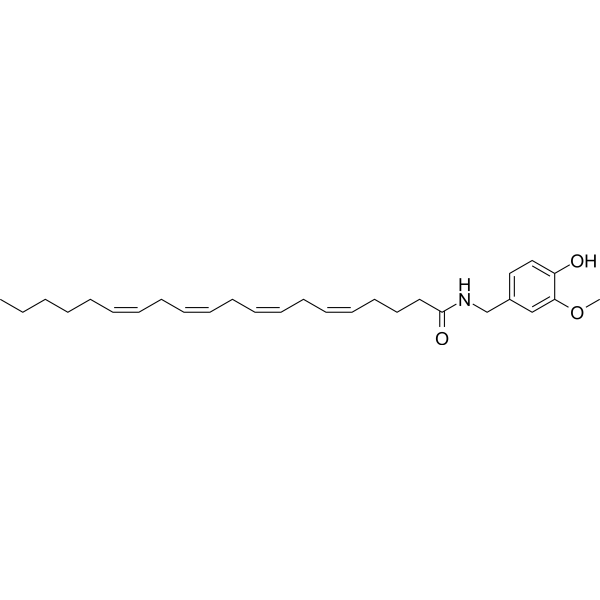
Arvanil (N-Vanillylarachidonamide) is a mixed agonist of CB1 and TRPV1 receptors. Arvanil downregulates CD25, HLA-DR, CD134/OX40, blocks G1/S phase transition, and induces phosphorylation of Akt. Arvanil does not induce apoptosis in cells. Arvanil inhibits lymphocyte activation and ameliorates autoimmune encephalomyelitis. Arvanil can be used in research related to Huntington's disease, vomiting, and multiple sclerosis .
Brivekimig (F-027300252; SAR-442970) is a bispecific nanobody targeting TNF/OX40L. Brivekimig is applicable to research related to hidradenitis suppurativa.
Anti-Mouse OX40L/CD134L Antibody (RM134L) is an anti-mouse OX40L/CD134L IgG2b monoclonal antibody. Anti-Mouse OX40L/CD134L Antibody (RM134L) reduces immune response by inhibiting the OX40/OX40L signaling pathway. Anti-Mouse OX40L/CD134L Antibody (RM134L) can inhibit plasma cell differentiation and antibody secretion. Anti-Mouse OX40L/CD134L Antibody (RM134L) can prolong the survival time of cell transplantation by inhibiting CD4 + T cells. Anti-Mouse OX40L/CD134L Antibody (RM134L) can be used for researches on inflammation and cancer such as graft versus host disease (GVHD), allergic reaction, lupus nephritis and hepatocellular carcinoma (HCC) .
Revdofilimab (ABBV-368) is a human IgG1 agonist monoclonal antibody against OX40. Among them, OX40 is a member of the TNF receptor superfamily expressed on activated and memory T cell subsets and T regulatory cells .
GSK-3174998 is a humanized IgG1 OX40/TNFRSF4 agonistic monoclonal antibody. GSK-3174998 has the potential for the study of advanced solid tumors. The isotype control for GSK-3174998 can refer to Human IgG1 kappa, Isotype Control (HY-P99001) .
Tavolixizumab (MEDI 0562; Tavolimab) is a human monoclonal antibody to TNFRSF4 (TNF receptor superfamily member 4) for use in cancer immunology research .
Anti-Mouse OX40/CD134 Antibody (OX-86) is an anti-mouse OX40/CD134 IgG1 monoclonal antibody. Anti-Mouse OX40/CD134 Antibody (OX-86) can enhance the anti-tumor function of CD8 + T cells. Anti-Mouse OX40/CD134 Antibody (OX-86) can reverse immune suppression, enhance antigen presentation and T cell activation. Anti-Mouse OX40/CD134 Antibody (OX-86) can be used for research on cancer such as papilloma and leukemia .
BMS-986178 is a humanized antibody expressed in CHO, targeting TNFRSF4/OX40/CD134. BMS-986178 has a huIgG1 heavy chain and a huκ light chain, with a predicted molecular weight (MW) of 150 kDa. The isotype control for BMS-986178 can refer to Human IgG1 kappa, Isotype Control (HY-P99001).
MEDI-6469 is a human monoclonal antibody (mAb) targeting TNFRSF4/OX40/CD134. MEDI-6469 targets the OX40 receptor on activated T cells to enhance the immune response against cancer cells. .
Anti-Mouse OX40/CD134 (LALA-PG) Antibody (OX86) is an anti-mouse OX40/CD134 (LALA-PG) IgG2a monoclonal antibody. Anti-Mouse OX40/CD134 (LALA-PG) Antibody (OX86) is a chimeric antibody of the original OX86 antibody (HY-P990115). Anti-Mouse OX40/CD134 (LALA-PG) Antibody (OX86) can significantly enhance the generation of antigen-specific effector T cells. Anti-Mouse OX40/CD134 (LALA-PG) Antibody (OX86) can be used for research on cancer .
Phospholipid PL1 is a phospholipid-derived nanoparticle, can deliver costimulatory receptor mRNA (CD137 or OX40) to T cells. Phospholipid PL1 could induce the activation of various immune cells, including T cells and dendritic cells (DCs) in order to boost antitumor immunity .
Efizonerimod alfa (MEDI-6383) is a recombinant human OX40L IgG4P Fc fusion protein that assembles into a hexameric structure and exerts potent agonist activity upon binding to OX40. The activity of Efizonerimod alfa is enhanced by Fcγ receptor-mediated aggregation. Efizonerimod alfa binds to OX40 on the surface of activated T cells, induces NF-κB promoter activity in OX40-expressing T cells, and triggers the production of Th1-type cytokines, T cell proliferation, and resistance to regulatory T cell (Treg)-mediated suppression. Efizonerimod alfa enhances the cytolytic activity of tumor-reactive T cells and slows tumor growth in immunodeficient mice. Efizonerimod alfa induces the proliferation of CD4, CD8, and B cells in the peripheral blood of healthy non-human primates. Efizonerimod alfa can be used in the research of advanced solid malignancies and melanoma .
Vonlerizumab is a CHO-expressed humanized antibody targeting TNFRSF4/OX40/CD134. Vonlerizumab carries a huIgG1 heavy chain and a huκ light chain, with a predicted molecular weight (MW) of 145.22 kDa. The isotype control for Vonlerizumab can refer to Human IgG1 kappa, Isotype Control (HY-P99001).
AGEN-2373 is a conditionally active agonist antibody targeting the co-stimulatory receptor CD137. GEN-2373 binds to CD137 without disruption of ligand binding. AGEN-2373 stimulates CD137 under receptor clustering conditions. AGEN-2373 can enhance T cell activity when combined with other checkpoint modulators (e.g. PD-1 antagonist and OX40 agonist). AGEN-2373 can be studied in research for human malignancies .
Amlitelimab (FUT8-KO) is Amlitelimab (HY-P99434) expressed in cells with the fucosyltransferase 8 gene (FUT8) knocked out. Amlitelimab (KY1005) is a monoclonal antibody (mAb) against OX40 ligand (OX40L). Amlitelimab inhibits the OX40-OX40L interaction and can be used for research on atopic dermatitis .
HLX51 is a regulatory T cell inhibitor and OX40/CD134/TNFRSF4 agonist with tumour growth inhibitory activity. HLX51 inhibits regulatory T cell differentiation and activity, relieves tumour microenvironment immunosuppression, enhances effector T cell function. HLX51 competitively binds OX40, activates OX40, promotes immune cell proliferation and T cell killing ability. HLX51 modulates immune cell function to inhibit tumour growth. HLX51 can be used for the research of advanced/metastatic solid tumours and lymphomas .
Solaprubart is a humanized IgG1-κ monoclonal antibody targeting TNFSF4/OX40L. Solaprubart regulates immune homeostasis by blocking the OX40L-OX40 signaling pathway and can be used for the research of autoimmune diseases such as atopic dermatitis .
Vedastotug is a human monoclonal antibody targeting TNFRSF4/OX40/CD134, with its corresponding isotype control being Human IgG1 kappa, Isotype Control (HY-P99001) .
SHR-1806 is a OX40 agonist and a NF-κB activator, with antitumor activity. SHR-1806 mediates ADCC and CDC effects, enhances the function and expansion of effector T cells, suppresses regulatory T cells, and increases γ-interferon secretion. SHR-1806 exhibits typical pharmacokinetic characteristics and favorable safety profiles. SHR-1806 can be used in studies related to solid tumors and colon cancer .
IBI356 is a humanized monoclonal antibody inhibitor targeting OX40L/CD134L/CD252. IBI356 can be used to study chronic inflammatory skin diseases, such as atopic dermatitis .
TNFRSF4 Human Pre-designed siRNA Set A contains three designed siRNAs for TNFRSF4 gene (Human), as well as a negative control, a positive control, and a FAM-labeled negative control.
OX118 is a fully human, ADCC-enhanced monoclonal antibody targeting OX40L, the recommended isotype control is HY-P99001. OX118 blocks OX40L, suppresses effector T-cell proliferation, expands regulatory T-cell populations, and reduces bystander activation across natural killer cells, B cells, and CD14+ monocytes. OX118 can be used for the research of graft-versus-host disease .
Tnfrsf4 Rat Pre-designed siRNA Set A contains three designed siRNAs for Tnfrsf4 gene (Rat), as well as a negative control, a positive control, and a FAM-labeled negative control.
Tnfrsf4 Mouse Pre-designed siRNA Set A contains three designed siRNAs for Tnfrsf4 gene (Mouse), as well as a negative control, a positive control, and a FAM-labeled negative control.
Phospholipid PL1 is a phospholipid-derived nanoparticle, can deliver costimulatory receptor mRNA (CD137 or OX40) to T cells. Phospholipid PL1 could induce the activation of various immune cells, including T cells and dendritic cells (DCs) in order to boost antitumor immunity .
Rocatinlimab (AMG 451) (KHK4083) is a fully human immunoglobulin G1 (IgG1) anti-OX40 monoclonal antibody. Rocatinlimab can be used for the research of atopic dermatitis (AD) .
Amlitelimab () is an anti-OX40 Ligand (OX40L) monoclonal antibody (mAb). Amlitelimab inhibits OX40-OX40L interaction, and can be used in the research of atopic dermatitis .
Belantamab (GSK2857916) is a humanized IgG1 anti-BCMA/TNFRSF17 monoclonal antibody. Belantamab is linked to MMAF (HY-15579) through a non-cleavable ADC linker to synthesize the antibody-active molecule conjugate (ADC) Belantamab mafodotin (HY-P3239). After binding to BCMA on the surface of tumor cells, Belantamab mafodotin enters the cell through receptor-mediated endocytosis. After entering the cell, Belantamab mafodotin releases MMAF, blocks cell division by inhibiting tubulin polymerization, arrests the cell cycle and induces cell apoptosis. Belantamab can be used for the study of multiple myeloma, especially relapsed/refractory multiple myeloma .
Telazorlimab (GBR-830) is a humanized monoclonal antibody against OX40 costimulatory receptor on activated T cells. Telazorlimab can be used for the research of autoimmune diseases .
Ivuxolimab is a fully human IgG2 agonist targeting OX40 (CD134), which selectively binds to the OX40 receptor on the surface of activated CD4 + and CD8 + T cells without inducing antibody-dependent cytotoxicity. Ivuxolimab can promote T cell proliferation, survival and cytokine (such as IFN-γ, IL-2) secretion, inhibit regulatory T cell function, and enhance anti-tumor immune response. Ivuxolimab can be used in the study of melanoma, hepatocellular carcinoma, head and neck squamous cell carcinoma, etc .
Vonlerolizumab (Pogalizumab; MOXR 0916) is a humanized IgG1 monoclonal antibody targeting OX40 (CD134). Pogalizumab partially blocks the interaction between OX40 and its natural ligand OX40L upon binding, thereby activating the NF-κB signaling pathway. Pogalizumab enhances T cell activation and proliferation and has shown antitumor activity in mouse models .
Ordastobart (INBRX-106; ES-102) is a hexavalent OX40 agonist antibody. Ordastobart enhances OX40 receptor clustering, signaling, and downstream activation, thereby increasing the proliferation and activation of CD4 + and CD8 + T cells in vitro and in vivo. Ordastobart exhibits anti-tumor effects and improves survival in mouse models of cancer. Ordastobart is indicated for research in cancers such as fibrosarcoma and colorectal cancer .
Cudarolimab (IBI101) is a completely human anti-OX40 (CD134, a co stimulating molecule expressed by activated immune cells) antibody. Cudarolimab inhibits the binding of OX40 to its ligand OX40L. Cudarolimab has antitumor activity and can be used in cancer related research .
Brivekimig (F-027300252; SAR-442970) is a bispecific nanobody targeting TNF/OX40L. Brivekimig is applicable to research related to hidradenitis suppurativa.
Anti-Mouse OX40L/CD134L Antibody (RM134L) is an anti-mouse OX40L/CD134L IgG2b monoclonal antibody. Anti-Mouse OX40L/CD134L Antibody (RM134L) reduces immune response by inhibiting the OX40/OX40L signaling pathway. Anti-Mouse OX40L/CD134L Antibody (RM134L) can inhibit plasma cell differentiation and antibody secretion. Anti-Mouse OX40L/CD134L Antibody (RM134L) can prolong the survival time of cell transplantation by inhibiting CD4 + T cells. Anti-Mouse OX40L/CD134L Antibody (RM134L) can be used for researches on inflammation and cancer such as graft versus host disease (GVHD), allergic reaction, lupus nephritis and hepatocellular carcinoma (HCC) .
Revdofilimab (ABBV-368) is a human IgG1 agonist monoclonal antibody against OX40. Among them, OX40 is a member of the TNF receptor superfamily expressed on activated and memory T cell subsets and T regulatory cells .
GSK-3174998 is a humanized IgG1 OX40/TNFRSF4 agonistic monoclonal antibody. GSK-3174998 has the potential for the study of advanced solid tumors. The isotype control for GSK-3174998 can refer to Human IgG1 kappa, Isotype Control (HY-P99001) .
Tavolixizumab (MEDI 0562; Tavolimab) is a human monoclonal antibody to TNFRSF4 (TNF receptor superfamily member 4) for use in cancer immunology research .
Anti-Mouse OX40/CD134 Antibody (OX-86) is an anti-mouse OX40/CD134 IgG1 monoclonal antibody. Anti-Mouse OX40/CD134 Antibody (OX-86) can enhance the anti-tumor function of CD8 + T cells. Anti-Mouse OX40/CD134 Antibody (OX-86) can reverse immune suppression, enhance antigen presentation and T cell activation. Anti-Mouse OX40/CD134 Antibody (OX-86) can be used for research on cancer such as papilloma and leukemia .
BMS-986178 is a humanized antibody expressed in CHO, targeting TNFRSF4/OX40/CD134. BMS-986178 has a huIgG1 heavy chain and a huκ light chain, with a predicted molecular weight (MW) of 150 kDa. The isotype control for BMS-986178 can refer to Human IgG1 kappa, Isotype Control (HY-P99001).
MEDI-6469 is a human monoclonal antibody (mAb) targeting TNFRSF4/OX40/CD134. MEDI-6469 targets the OX40 receptor on activated T cells to enhance the immune response against cancer cells. .
Anti-Mouse OX40/CD134 (LALA-PG) Antibody (OX86) is an anti-mouse OX40/CD134 (LALA-PG) IgG2a monoclonal antibody. Anti-Mouse OX40/CD134 (LALA-PG) Antibody (OX86) is a chimeric antibody of the original OX86 antibody (HY-P990115). Anti-Mouse OX40/CD134 (LALA-PG) Antibody (OX86) can significantly enhance the generation of antigen-specific effector T cells. Anti-Mouse OX40/CD134 (LALA-PG) Antibody (OX86) can be used for research on cancer .
Efizonerimod alfa (MEDI-6383) is a recombinant human OX40L IgG4P Fc fusion protein that assembles into a hexameric structure and exerts potent agonist activity upon binding to OX40. The activity of Efizonerimod alfa is enhanced by Fcγ receptor-mediated aggregation. Efizonerimod alfa binds to OX40 on the surface of activated T cells, induces NF-κB promoter activity in OX40-expressing T cells, and triggers the production of Th1-type cytokines, T cell proliferation, and resistance to regulatory T cell (Treg)-mediated suppression. Efizonerimod alfa enhances the cytolytic activity of tumor-reactive T cells and slows tumor growth in immunodeficient mice. Efizonerimod alfa induces the proliferation of CD4, CD8, and B cells in the peripheral blood of healthy non-human primates. Efizonerimod alfa can be used in the research of advanced solid malignancies and melanoma .
Vonlerizumab is a CHO-expressed humanized antibody targeting TNFRSF4/OX40/CD134. Vonlerizumab carries a huIgG1 heavy chain and a huκ light chain, with a predicted molecular weight (MW) of 145.22 kDa. The isotype control for Vonlerizumab can refer to Human IgG1 kappa, Isotype Control (HY-P99001).
AGEN-2373 is a conditionally active agonist antibody targeting the co-stimulatory receptor CD137. GEN-2373 binds to CD137 without disruption of ligand binding. AGEN-2373 stimulates CD137 under receptor clustering conditions. AGEN-2373 can enhance T cell activity when combined with other checkpoint modulators (e.g. PD-1 antagonist and OX40 agonist). AGEN-2373 can be studied in research for human malignancies .
Amlitelimab (FUT8-KO) is Amlitelimab (HY-P99434) expressed in cells with the fucosyltransferase 8 gene (FUT8) knocked out. Amlitelimab (KY1005) is a monoclonal antibody (mAb) against OX40 ligand (OX40L). Amlitelimab inhibits the OX40-OX40L interaction and can be used for research on atopic dermatitis .
HLX51 is a regulatory T cell inhibitor and OX40/CD134/TNFRSF4 agonist with tumour growth inhibitory activity. HLX51 inhibits regulatory T cell differentiation and activity, relieves tumour microenvironment immunosuppression, enhances effector T cell function. HLX51 competitively binds OX40, activates OX40, promotes immune cell proliferation and T cell killing ability. HLX51 modulates immune cell function to inhibit tumour growth. HLX51 can be used for the research of advanced/metastatic solid tumours and lymphomas .
Solaprubart is a humanized IgG1-κ monoclonal antibody targeting TNFSF4/OX40L. Solaprubart regulates immune homeostasis by blocking the OX40L-OX40 signaling pathway and can be used for the research of autoimmune diseases such as atopic dermatitis .
Vedastotug is a human monoclonal antibody targeting TNFRSF4/OX40/CD134, with its corresponding isotype control being Human IgG1 kappa, Isotype Control (HY-P99001) .
SHR-1806 is a OX40 agonist and a NF-κB activator, with antitumor activity. SHR-1806 mediates ADCC and CDC effects, enhances the function and expansion of effector T cells, suppresses regulatory T cells, and increases γ-interferon secretion. SHR-1806 exhibits typical pharmacokinetic characteristics and favorable safety profiles. SHR-1806 can be used in studies related to solid tumors and colon cancer .
IBI356 is a humanized monoclonal antibody inhibitor targeting OX40L/CD134L/CD252. IBI356 can be used to study chronic inflammatory skin diseases, such as atopic dermatitis .
OX118 is a fully human, ADCC-enhanced monoclonal antibody targeting OX40L, the recommended isotype control is HY-P99001. OX118 blocks OX40L, suppresses effector T-cell proliferation, expands regulatory T-cell populations, and reduces bystander activation across natural killer cells, B cells, and CD14+ monocytes. OX118 can be used for the research of graft-versus-host disease .
OX40 (TNFRSF4), is a receptor for OX40 Ligand. OX40 is preferentially expressed by T cells. OX40 can be activated by OX40 Ligand, thereby functioning as a T cell co-stimulatory molecule. The OX40-OX40 Ligand interaction promotes effector T-cell survival and effectively induces memory T-cell generation, as well as enhances the helper function of Tfh for B cells, and also promotes the differentiation and maturation of DCs. OX40/TNFRSF4 Protein, Mouse (His-Avi) is a recombinant mouse OX40 (V20-P211) with C-terminal Avi and His tag, which is produced in HEK293.
OX40 (TNFRSF4), is a receptor for OX40 Ligand. OX40 is preferentially expressed by T cells. OX40 can be activated by OX40 Ligand, thereby functioning as a T cell co-stimulatory molecule. The OX40-OX40 Ligand interaction promotes effector T-cell survival and effectively induces memory T-cell generation, as well as enhances the helper function of Tfh for B cells, and also promotes the differentiation and maturation of DCs. OX40/TNFRSF4 Protein, Human (Biotinylated, HEK293, Fc) is a biotinylated recombinant human OX40 (L29-A216) with C-terminal hFc tag, which is produced in HEK293.
OX40 (TNFRSF4), is a receptor for OX40 Ligand. OX40 is preferentially expressed by T cells. OX40 can be activated by OX40 Ligand, thereby functioning as a T cell co-stimulatory molecule. The OX40-OX40 Ligand interaction promotes effector T-cell survival and effectively induces memory T-cell generation, as well as enhances the helper function of Tfh for B cells, and also promotes the differentiation and maturation of DCs. OX40/TNFRSF4 Protein, Human (HEK293, His-Avi) is a recombinant human OX40 (L29-A216) with C-terminal Avi and His tag, which is produced in HEK293.
OX40 (TNFRSF4), is a receptor for OX40 Ligand. OX40 is preferentially expressed by T cells. OX40 can be activated by OX40 Ligand, thereby functioning as a T cell co-stimulatory molecule. The OX40-OX40 Ligand interaction promotes effector T-cell survival and effectively induces memory T-cell generation, as well as enhances the helper function of Tfh for B cells, and also promotes the differentiation and maturation of DCs. OX40/TNFRSF4 Protein, Human (Biotinylated, HEK293, His-Avi) is a recombinant biotinylated human OX40 (L29-A216) with C-terminal Avi and His tag, which is produced in HEK293.
OX40 (TNFRSF4), is a receptor for OX40 Ligand. OX40 is preferentially expressed by T cells. OX40 can be activated by OX40 Ligand, thereby functioning as a T cell co-stimulatory molecule. The OX40-OX40 Ligand interaction promotes effector T-cell survival and effectively induces memory T-cell generation, as well as enhances the helper function of Tfh for B cells, and also promotes the differentiation and maturation of DCs. OX40/TNFRSF4 Protein, Mouse (Biotinylated, HEK293, His-Avi) is a recombinant biotinylated mouse OX40 (V20-P211) with C-terminal Avi and His tag, which is produced in HEK293.
OX40 Ligand (TNFSF4) is a type II glycoprotein with a cytoplasmic tail of 23 aa and an extracellular domain of 133 aa. OX40 Ligand is a ligand for TNFRSF4 (CD134), belongs to tumor necrosis factor (TNF) family. OX40 Ligand can activate OX40 and thereby functioning as a T cell co-stimulatory molecule. The OX40-OX40 Ligand interaction promotes effector T-cell survival and effectively induces memory T-cell generation, as well as enhances the helper function of Tfh for B cells, and also promotes the differentiation and maturation of DCs. OX40 Ligand/TNFSF4 Protein, Rat (HEK293, Fc) is a recombinant rat OX40 Ligand (V20-P210) with C-terminal hFc tag, which is produced in HEK293.
OX40 Ligand (TNFSF4) is a type II glycoprotein with a cytoplasmic tail of 23 aa and an extracellular domain of 133 aa. OX40 Ligand is a ligand for TNFRSF4 (CD134), belongs to tumor necrosis factor (TNF) family. OX40 Ligand can activate OX40 and thereby functioning as a T cell co-stimulatory molecule. The OX40-OX40 Ligand interaction promotes effector T-cell survival and effectively induces memory T-cell generation, as well as enhances the helper function of Tfh for B cells, and also promotes the differentiation and maturation of DCs. OX40 Ligand/TNFSF4 Protein, Human (HEK293, Fc) is a recombinant human OX40 Ligand (Q51-L183) with N-terminal hFc tag, which is produced in HEK293.
OX40 Ligand (TNFSF4) is a type II glycoprotein with a cytoplasmic tail of 23 aa and an extracellular domain of 133 aa. OX40 Ligand is a ligand for TNFRSF4 (CD134), belongs to tumor necrosis factor (TNF) family. OX40 Ligand can activate OX40 and thereby functioning as a T cell co-stimulatory molecule. The OX40-OX40 Ligand interaction promotes effector T-cell survival and effectively induces memory T-cell generation, as well as enhances the helper function of Tfh for B cells, and also promotes the differentiation and maturation of DCs. OX40 Ligand/TNFSF4 Protein, Mouse (HEK293, Fc) is a recombinant mouse OX40 Ligand (Q49-L198) with N-terminal mFc tag, which is produced in HEK293.
OX40 Ligand (TNFSF4) is a type II glycoprotein with a cytoplasmic tail of 23 aa and an extracellular domain of 133 aa. OX40 Ligand is a ligand for TNFRSF4 (CD134), belongs to tumor necrosis factor (TNF) family. OX40 Ligand can activate OX40 and thereby functioning as a T cell co-stimulatory molecule. The OX40-OX40 Ligand interaction promotes effector T-cell survival and effectively induces memory T-cell generation, as well as enhances the helper function of Tfh for B cells, and also promotes the differentiation and maturation of DCs. OX40 Ligand/TNFSF4 Protein, Mouse (HEK293, rFc) is a recombinant mouse OX40 Ligand (Q49-L198) with N-terminal rFc tag, which is produced in HEK293.
OX40 Ligand (TNFSF4) is a type II glycoprotein with a cytoplasmic tail of 23 aa and an extracellular domain of 133 aa. OX40 Ligand is a ligand for TNFRSF4 (CD134), belongs to tumor necrosis factor (TNF) family. OX40 Ligand can activate OX40 and thereby functioning as a T cell co-stimulatory molecule. The OX40-OX40 Ligand interaction promotes effector T-cell survival and effectively induces memory T-cell generation, as well as enhances the helper function of Tfh for B cells, and also promotes the differentiation and maturation of DCs. OX40 Ligand/TNFSF4 Protein, Mouse (HEK293, His) is a recombinant mouse OX40 Ligand (S51-L198) with N-terminal 8*His tag, which is produced in HEK293.
The OX40 ligand/TNFSF4 protein is a cytokine that selectively binds to TNFRSF4 and serves as a key costimulator for T cell proliferation and cytokine production.As a homotrimer, this ligand plays a key role in modulating immune responses, particularly in enhancing T cell activation and function.Animal-Free OX40 Ligand/TNFSF4 Protein, Mouse (His) is the recombinant mouse-derived animal-FreeOX40 Ligand/TNFSF4 protein, expressed by E.coli , with N-His labeled tag.This product is for cell culture use only.
The OX40 ligand/TNFSF4 protein is an important member of the tumor necrosis factor family and is critical for regulating immune responses and inflammation. Its research enhances understanding of immune regulation and provides potential applications for immunotherapy and autoimmune disease management. OX40 Ligand/TNFSF4 Protein, Cynomolgus/Rhesus Macaque (HEK293, Fc) is the recombinant cynomolgus-derived OX40 Ligand/TNFSF4 protein, expressed by HEK293 , with N-mFc labeled tag.
OX40 (TNFRSF4), is a receptor for OX40 Ligand. OX40 is preferentially expressed by T cells. OX40 can be activated by OX40 Ligand, thereby functioning as a T cell co-stimulatory molecule. The OX40-OX40 Ligand interaction promotes effector T-cell survival and effectively induces memory T-cell generation, as well as enhances the helper function of Tfh for B cells, and also promotes the differentiation and maturation of DCs. OX40/TNFRSF4 Protein, Cynomolgus/Rhesus Macaque (HEK293, His) is a recombinant rhesus macaque OX40 with C-terminal His tag, which is produced in HEK293.
OX40 (TNFRSF4), is a receptor for OX40 Ligand. OX40 is preferentially expressed by T cells. OX40 can be activated by OX40 Ligand, thereby functioning as a T cell co-stimulatory molecule. The OX40-OX40 Ligand interaction promotes effector T-cell survival and effectively induces memory T-cell generation, as well as enhances the helper function of Tfh for B cells, and also promotes the differentiation and maturation of DCs. OX40/TNFRSF4 Protein, Cynomolgus/Rhesus Macaque (HEK293, Fc) is a recombinant rhesus macaque OX40 with C-terminal hFc tag, which is produced in HEK293.
OX40 Ligand (TNFSF4) is a type II glycoprotein with a cytoplasmic tail of 23 aa and an extracellular domain of 133 aa. OX40 Ligand is a ligand for TNFRSF4 (CD134), belongs to tumor necrosis factor (TNF) family. OX40 Ligand can activate OX40 and thereby functioning as a T cell co-stimulatory molecule. The OX40-OX40 Ligand interaction promotes effector T-cell survival and effectively induces memory T-cell generation, as well as enhances the helper function of Tfh for B cells, and also promotes the differentiation and maturation of DCs. OX40 Ligand/TNFSF4 Protein, Cynomolgus/Rhesus Macaque (HEK293, His) is a recombinant cynomolgus OX40 Ligand (Q51-L183) with N-terminal 8*His tag, which is produced in HEK293.
OX40 Ligand/TNFSF4 Protein is a cytokine that binds specifically to TNFRSF4 and acts as a potent T-cell co-stimulator when OX40 Ligand is expressed in trimer form, promoting proliferation and cytokine production. Interactions with TNFRSF4 contribute to complex regulation, which is essential for regulating T cell function and enabling effective and controlled immune activation. OX40 Ligand/TNFSF4 Protein, Human (HEK293) is the recombinant human-derived OX40 Ligand/TNFSF4 protein, expressed by HEK293, which is unlabeled and a monomeric protein.
OX40/TNFRSF4, a receptor for TNFSF4/OX40L/GP34, crucially acts as a costimulatory molecule in long-term T-cell immunity. Additionally, OX40 functions as a receptor for human herpesvirus 6B/HHV-6B during microbial infections, highlighting its dual role in the adaptive immune response and potential involvement in specific viral interactions. OX40/TNFRSF4 Protein, Human (HEK293, mFc) is the recombinant human-derived OX40/TNFRSF4 protein, expressed by HEK293, with C-mFc labeled tag.
OX40 (TNFRSF4), is a receptor for OX40 Ligand. OX40 is preferentially expressed by T cells. OX40 can be activated by OX40 Ligand, thereby functioning as a T cell co-stimulatory molecule. The OX40-OX40 Ligand interaction promotes effector T-cell survival and effectively induces memory T-cell generation, as well as enhances the helper function of Tfh for B cells, and also promotes the differentiation and maturation of DCs. OX40/TNFRSF4 Protein, Cynomolgus/Rhesus Macaque (187a.a, HEK293, His) is a recombinant cynomolgus OX40 (K28-A216) with C-terminal 6*His tag, which is produced in HEK293.
OX40 Ligand/TNFSF4 Protein, a cytokine, binds specifically to TNFRSF4, acting as a potent T-cell co-stimulator for proliferation and cytokine production. Operating as a homotrimer, its engagement enhances immune response by activating and expanding T-cells. The interaction with TNFRSF4 contributes to intricate regulation, crucial for modulating T-cell functions and achieving effective and controlled immune activation. OX40 Ligand/TNFSF4 Protein, Human (HEK293, mFc) is the recombinant human-derived OX40 Ligand/TNFSF4 protein, expressed by HEK293, with C-mFc labeled tag.
OX40 Ligand (TNFSF4) is a type II glycoprotein with a cytoplasmic tail of 23 aa and an extracellular domain of 133 aa. OX40 Ligand is a ligand for TNFRSF4 (CD134), belongs to tumor necrosis factor (TNF) family. OX40 Ligand can activate OX40 and thereby functioning as a T cell co-stimulatory molecule. The OX40-OX40 Ligand interaction promotes effector T-cell survival and effectively induces memory T-cell generation, as well as enhances the helper function of Tfh for B cells, and also promotes the differentiation and maturation of DCs. OX40 Ligand/TNFSF4 Trimer Protein, Human (HEK293, His-Flag) is a recombinant human OX40 Ligand (Q51-L183) with N-terminal His and Flag tag, which is produced in HEK293.
OX40 (TNFRSF4), is a receptor for OX40 Ligand. OX40 is preferentially expressed by T cells. OX40 can be activated by OX40 Ligand, thereby functioning as a T cell co-stimulatory molecule. The OX40-OX40 Ligand interaction promotes effector T-cell survival and effectively induces memory T-cell generation, as well as enhances the helper function of Tfh for B cells, and also promotes the differentiation and maturation of DCs. OX40/TNFRSF4 Protein, Human (HEK293, Fc) is a recombinant human OX40 (L29-A216) with C-terminal Fc tag, which is produced in HEK293.
OX40 Ligand (TNFSF4) is a type II glycoprotein with a cytoplasmic tail of 23 aa and an extracellular domain of 133 aa. OX40 Ligand is a ligand for TNFRSF4 (CD134), belongs to tumor necrosis factor (TNF) family. OX40 Ligand can activate OX40 and thereby functioning as a T cell co-stimulatory molecule. The OX40-OX40 Ligand interaction promotes effector T-cell survival and effectively induces memory T-cell generation, as well as enhances the helper function of Tfh for B cells, and also promotes the differentiation and maturation of DCs. OX40 Ligand/TNFSF4 Protein, Human (HEK293, His) is a recombinant human OX40 Ligand (Q51-L183) with N-terminal 6*His tag, which is produced in HEK293.
OX40 Ligand/TNFSF4 Protein, a cytokine, binds TNFRSF4, acting as a potent T-cell co-stimulator for proliferation and cytokine production. As a homotrimer, its pivotal interaction with TNFRSF4 enhances immune response by activating and expanding T-cells. This engagement contributes to intricate regulation, making OX40 Ligand a key mediator in modulating T-cell functions for effective and controlled immune activation. OX40 Ligand/TNFSF4 Protein, Rabbit (HEK293, hFc) is the recombinant Rabbit-derived OX40 Ligand/TNFSF4 protein, expressed by HEK293 , with C-hFc labeled tag.
OX40 Ligand/TNFSF4 Protein, a cytokine, binds TNFRSF4, acting as a potent T-cell co-stimulator for proliferation and cytokine production. As a homotrimer, its pivotal interaction with TNFRSF4 enhances immune response by activating and expanding T-cells. This engagement contributes to intricate regulation, making OX40 Ligand a key mediator in modulating T-cell functions for effective and controlled immune activation. OX40 Ligand/TNFSF4 Protein, Rabbit (HEK293, His) is the recombinant rabbit-derived OX40 Ligand/TNFSF4 protein, expressed by HEK293, with N-His labeled tag.
OX40 Ligand/TNFSF4 Protein, a cytokine, binds TNFRSF4, acting as a potent T-cell co-stimulator for proliferation and cytokine production. As a homotrimer, its pivotal interaction with TNFRSF4 enhances immune response by activating and expanding T-cells. This engagement contributes to intricate regulation, making OX40 Ligand a key mediator in modulating T-cell functions for effective and controlled immune activation. OX40 Ligand/TNFSF4 Protein, Rabbit (P. pastoris, His-Myc) is the recombinant Rabbit-derived OX40 Ligand/TNFSF4 protein, expressed by P. pastoris , with C-6*His, Myc labeled tag.
OX40 (TNFRSF4), is a receptor for OX40 Ligand. OX40 is preferentially expressed by T cells. OX40 can be activated by OX40 Ligand, thereby functioning as a T cell co-stimulatory molecule. The OX40-OX40 Ligand interaction promotes effector T-cell survival and effectively induces memory T-cell generation, as well as enhances the helper function of Tfh for B cells, and also promotes the differentiation and maturation of DCs. OX40/TNFRSF4 Protein, Mouse (HEK293, His) is a recombinant mouse OX40 (V20-P211) with C-terminal 6*His tag, which is produced in HEK293.
OX40 Ligand/TNFSF4 Protein, a cytokine, binds specifically to TNFRSF4, acting as a potent T-cell co-stimulator for proliferation and cytokine production. Operating as a homotrimer, its engagement enhances immune response by activating and expanding T-cells. The interaction with TNFRSF4 contributes to intricate regulation, crucial for modulating T-cell functions and achieving effective and controlled immune activation. OX40 Ligand/TNFSF4 Protein, Human (Biotinylated, HEK293, Fc-Avi) is the recombinant human-derived OX40 Ligand/TNFSF4 protein, expressed by HEK293 , with N-hFc, N-Avi labeled tag.
OX40 (TNFRSF4), is a receptor for OX40 Ligand. OX40 is preferentially expressed by T cells. OX40 can be activated by OX40 Ligand, thereby functioning as a T cell co-stimulatory molecule. The OX40-OX40 Ligand interaction promotes effector T-cell survival and effectively induces memory T-cell generation, as well as enhances the helper function of Tfh for B cells, and also promotes the differentiation and maturation of DCs. OX40/TNFRSF4 Protein, Human (HEK293, His) is a recombinant human OX40 (L29-A216) with C-terminal His tag, which is produced in HEK293.
OX40 (TNFRSF4), is a receptor for OX40 Ligand. OX40 is preferentially expressed by T cells. OX40 can be activated by OX40 Ligand, thereby functioning as a T cell co-stimulatory molecule. The OX40-OX40 Ligand interaction promotes effector T-cell survival and effectively induces memory T-cell generation, as well as enhances the helper function of Tfh for B cells, and also promotes the differentiation and maturation of DCs. OX40/TNFRSF4 Protein, Human (Biotinylated, HEK293, Fc-Avi) is a recombinant biotinylated human OX40 (L29-A216) with C-terminal Avi and hFc tag, which is produced in HEK293.
Phospholipid PL1 is a phospholipid-derived nanoparticle, can deliver costimulatory receptor mRNA (CD137 or OX40) to T cells. Phospholipid PL1 could induce the activation of various immune cells, including T cells and dendritic cells (DCs) in order to boost antitumor immunity .
TNFRSF4 Human Pre-designed siRNA Set A contains three designed siRNAs for TNFRSF4 gene (Human), as well as a negative control, a positive control, and a FAM-labeled negative control.
Tnfrsf4 Rat Pre-designed siRNA Set A contains three designed siRNAs for Tnfrsf4 gene (Rat), as well as a negative control, a positive control, and a FAM-labeled negative control.
Tnfrsf4 Mouse Pre-designed siRNA Set A contains three designed siRNAs for Tnfrsf4 gene (Mouse), as well as a negative control, a positive control, and a FAM-labeled negative control.
Inquiry Online
Your information is safe with us. * Required Fields.
Western blot analysis of extracts from THP-1(lane 2(20μg), Jurkat (lane 3(20μg) and NIH3T3(lane 4(20μg) using FOXO1A (HY-P80132) Rabbit mAb. Proteins were transferred
to a PVDF membrane and blocked with 5% non-fat milk in TBST for 2 hour at room temperature. The primary antibody (1/1000) and Loading control antibody (Beta Actin, HY-P80438, 1/10000) was
used in 5% non-fat milk in TBST at 4°C overnight. Goat Anti-Mouse/Rabbit IgG-HRP Secondary Antibody (1/10000) was used for 1 hour at room temperature.
Western blot analysis of extracts from THP-1(lane 2(20μg), Jurkat (lane 3(20μg) and NIH3T3(lane 4(20μg) using FOXO1A (HY-P80132) Rabbit mAb. Proteins were transferred
to a PVDF membrane and blocked with 5% non-fat milk in TBST for 2 hour at room temperature. The primary antibody (1/1000) and Loading control antibody (Beta Actin, HY-P80438, 1/10000) was
used in 5% non-fat milk in TBST at 4°C overnight. Goat Anti-Mouse/Rabbit IgG-HRP Secondary Antibody (1/10000) was used for 1 hour at room temperature.
Western blot analysis of extracts from THP-1(lane 2(20μg), Jurkat (lane 3(20μg) and NIH3T3(lane 4(20μg) using FOXO1A (HY-P80132) Rabbit mAb. Proteins were transferred
to a PVDF membrane and blocked with 5% non-fat milk in TBST for 2 hour at room temperature. The primary antibody (1/1000) and Loading control antibody (Beta Actin, HY-P80438, 1/10000) was
used in 5% non-fat milk in TBST at 4°C overnight. Goat Anti-Mouse/Rabbit IgG-HRP Secondary Antibody (1/10000) was used for 1 hour at room temperature.
Western blot analysis of extracts from THP-1(lane 2(20μg), Jurkat (lane 3(20μg) and NIH3T3(lane 4(20μg) using FOXO1A (HY-P80132) Rabbit mAb. Proteins were transferred
to a PVDF membrane and blocked with 5% non-fat milk in TBST for 2 hour at room temperature. The primary antibody (1/1000) and Loading control antibody (Beta Actin, HY-P80438, 1/10000) was
MedchemExpress Validation 03
Western blot analysis of extracts from THP-1(lane 2(20μg), Jurkat (lane 3(20μg) and NIH3T3(lane 4(20μg) using FOXO1A (HY-P80132) Rabbit mAb. Proteins were transferred
MedchemExpress Validation 04
Western blot analysis of extracts from THP-1(lane 2(20μg), Jurkat (lane 3(20μg) and NIH3T3(lane 4(20μg) using FOXO1A (HY-P80132) Rabbit mAb. Proteins were transferred
to a PVDF membrane and blocked with 5% non-fat milk in TBST for 2 hour at room temperature. The primary antibody (1/1000) and Loading control antibody (Beta Actin, HY-P80438, 1/10000) was
used in 5% non-fat milk in TBST at 4°C overnight. Goat Anti-Mouse/Rabbit IgG-HRP Secondary Antibody (1/10000) was used for 1 hour at room temperature.
MedchemExpress Validation
Western blot analysis of extracts from THP-1(lane 2(20μg), Jurkat (lane 3(20μg) and NIH3T3(lane 4(20μg) using FOXO1A (HY-P80132) Rabbit mAb. Proteins were transferred
to a PVDF membrane and blocked with 5% non-fat milk in TBST for 2 hour at room temperature. The primary antibody (1/1000) and Loading control antibody (Beta Actin, HY-P80438, 1/10000) was
used in 5% non-fat milk in TBST at 4°C overnight. Goat Anti-Mouse/Rabbit IgG-HRP Secondary Antibody (1/10000) was used for 1 hour at room temperature.
Western blot analysis of extracts from THP-1(lane 2(20μg), Jurkat (lane 3(20μg) and NIH3T3(lane 4(20μg) using FOXO1A (HY-P80132) Rabbit mAb. Proteins were transferred
to a PVDF membrane and blocked with 5% non-fat milk in TBST for 2 hour at room temperature. The primary antibody (1/1000) and Loading control antibody (Beta Actin, HY-P80438, 1/10000) was
used in 5% non-fat milk in TBST at 4°C overnight. Goat Anti-Mouse/Rabbit IgG-HRP Secondary Antibody (1/10000) was used for 1 hour at room temperature.
MedchemExpress Validation
Western blot analysis of extracts from THP-1(lane 2(20μg), Jurkat (lane 3(20μg) and NIH3T3(lane 4(20μg) using FOXO1A (HY-P80132) Rabbit mAb. Proteins were transferred
to a PVDF membrane and blocked with 5% non-fat milk in TBST for 2 hour at room temperature. The primary antibody (1/1000) and Loading control antibody (Beta Actin, HY-P80438, 1/10000) was
used in 5% non-fat milk in TBST at 4°C overnight. Goat Anti-Mouse/Rabbit IgG-HRP Secondary Antibody (1/10000) was used for 1 hour at room temperature.
MedchemExpress Validation
Western blot analysis of extracts from THP-1(lane 2(20μg), Jurkat (lane 3(20μg) and NIH3T3(lane 4(20μg) using FOXO1A (HY-P80132) Rabbit mAb. Proteins were transferred
to a PVDF membrane and blocked with 5% non-fat milk in TBST for 2 hour at room temperature. The primary antibody (1/1000) and Loading control antibody (Beta Actin, HY-P80438, 1/10000) was
used in 5% non-fat milk in TBST at 4°C overnight. Goat Anti-Mouse/Rabbit IgG-HRP Secondary Antibody (1/10000) was used for 1 hour at room temperature.
MedchemExpress Validation
Western blot analysis of extracts from THP-1(lane 2(20μg), Jurkat (lane 3(20μg) and NIH3T3(lane 4(20μg) using FOXO1A (HY-P80132) Rabbit mAb. Proteins were transferred
to a PVDF membrane and blocked with 5% non-fat milk in TBST for 2 hour at room temperature. The primary antibody (1/1000) and Loading control antibody (Beta Actin, HY-P80438, 1/10000) was
used in 5% non-fat milk in TBST at 4°C overnight. Goat Anti-Mouse/Rabbit IgG-HRP Secondary Antibody (1/10000) was used for 1 hour at room temperature.
MedchemExpress Validation
Western blot analysis of extracts from THP-1(lane 2(20μg), Jurkat (lane 3(20μg) and NIH3T3(lane 4(20μg) using FOXO1A (HY-P80132) Rabbit mAb. Proteins were transferred
to a PVDF membrane and blocked with 5% non-fat milk in TBST for 2 hour at room temperature. The primary antibody (1/1000) and Loading control antibody (Beta Actin, HY-P80438, 1/10000) was
used in 5% non-fat milk in TBST at 4°C overnight. Goat Anti-Mouse/Rabbit IgG-HRP Secondary Antibody (1/10000) was used for 1 hour at room temperature.
MedchemExpress Validation
Western blot analysis of extracts from THP-1(lane 2(20μg), Jurkat (lane 3(20μg) and NIH3T3(lane 4(20μg) using FOXO1A (HY-P80132) Rabbit mAb. Proteins were transferred
to a PVDF membrane and blocked with 5% non-fat milk in TBST for 2 hour at room temperature. The primary antibody (1/1000) and Loading control antibody (Beta Actin, HY-P80438, 1/10000) was
used in 5% non-fat milk in TBST at 4°C overnight. Goat Anti-Mouse/Rabbit IgG-HRP Secondary Antibody (1/10000) was used for 1 hour at room temperature.
MedchemExpress Validation
Western blot analysis of extracts from THP-1(lane 2(20μg), Jurkat (lane 3(20μg) and NIH3T3(lane 4(20μg) using FOXO1A (HY-P80132) Rabbit mAb. Proteins were transferred
to a PVDF membrane and blocked with 5% non-fat milk in TBST for 2 hour at room temperature. The primary antibody (1/1000) and Loading control antibody (Beta Actin, HY-P80438, 1/10000) was
used in 5% non-fat milk in TBST at 4°C overnight. Goat Anti-Mouse/Rabbit IgG-HRP Secondary Antibody (1/10000) was used for 1 hour at room temperature.
MedChemExpress values your privacy and your trust is important to us. We use cookies to enhance your website experience. Some cookies are necessary to run the website.
Privacy and Cookie Policy

