115 Results for "

Oxyria sinensis Hemsl.

" in MedChemExpress (MCE) Product Catalog:
Products (115)

115 Results for "Oxyria sinensis Hemsl." in MCE Product Catalog:

4
4 Cited Publications
Cat. No.: HY-N0708
CAS No.: 121-34-6
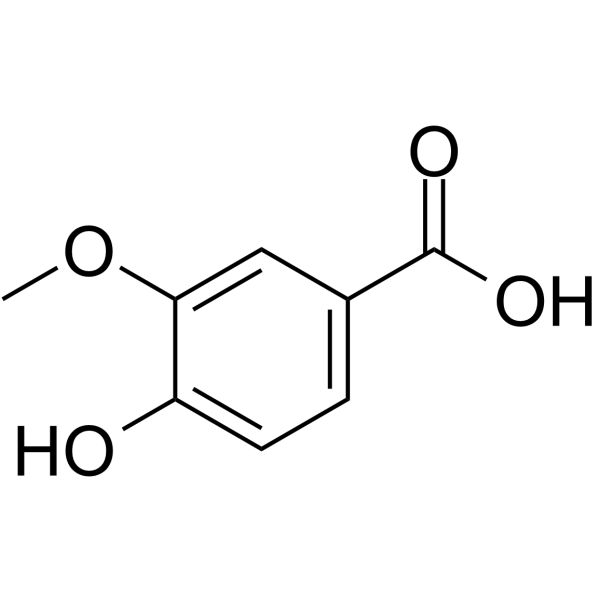
Vanillic acid is a flavoring agent found in edible plants and fruits, also found in Angelica sinensis. Vanillic acid inhibits NF-κB activation. Anti-inflammatory, antibacterial, and chemopreventive effects .
loading...
    loading...
3
3 Cited Publications
Cat. No.: HY-103430A
CAS No.: 99295-33-7
Purity:  99.82%
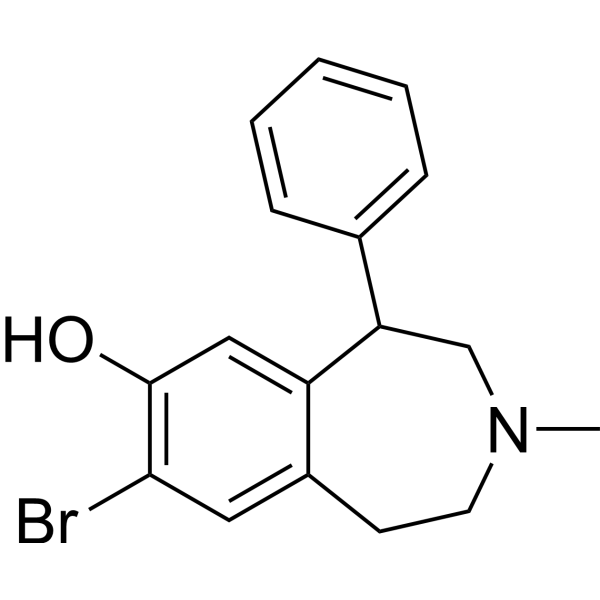
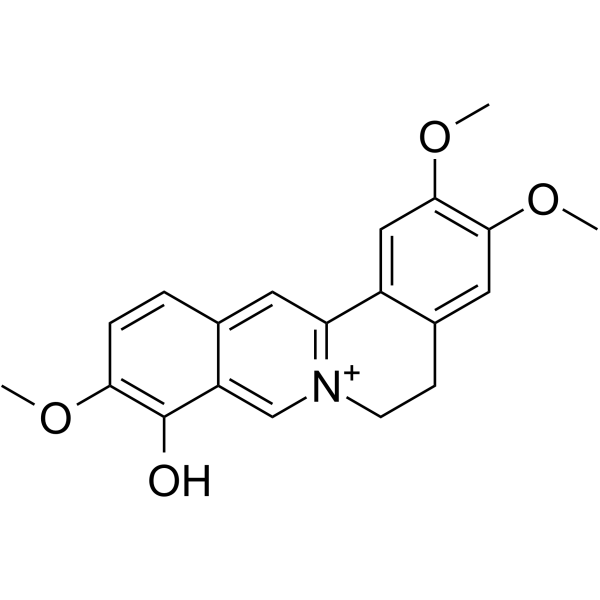
SKF-83566 is an orally active, blood-brain barrier-permeable D1/D5 dopamine receptor antagonist with a Ki value of approximately 0.4-0.56 nM. SKF-83566 modulates locomotor behavior and spatial memory by blocking D1 receptors and inhibits glioblastoma progression by targeting the DRD1/c-Myc/UHRF1 pathway. SKF-83566 acts as an inhibitor of the dopamine transporter (DAT) and adenylyl cyclase 2 (AC2). SKF-83566 competitively binds to DAT to inhibit dopamine reuptake and non-competitively inhibits AC2 activity, thereby reducing cAMP accumulation. SKF-83566 is used in research areas such as dopaminergic system mechanisms, learning and memory, targeted intervention for glioblastoma, AC2 pathophysiology, antiparasitic drug screening, and synaptic plasticity (the "gating effect") .
loading...
    loading...
2
2 Cited Publications
Cat. No.: HY-147360
CAS No.: 115103-15-6
Purity:  ≥98.0%
Target:  

nAChR

Research Areas:  

Infection

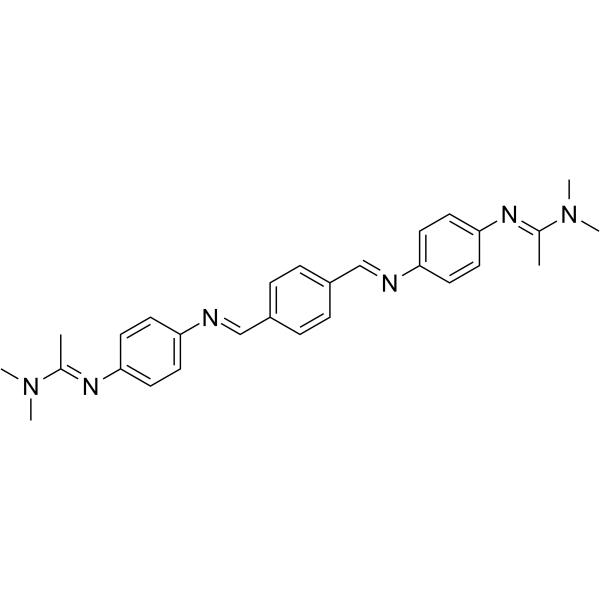
Tribendimidine is an orally active, broad-spectrum anthelmintic agent, with particularly high activity against A. lumbricoides and N. americanus. Tribendimidine is also an L-type nicotinic acetylcholine receptor (nAChR) agonist .
loading...
    loading...
1
1 Cited Publications
Cat. No.: HY-N0708R
CAS No.: 121-34-6
Vanillic acid (Standard) is the analytical standard of Vanillic acid. This product is intended for research and analytical applications. Vanillic acid is a flavoring agent found in edible plants and fruits, also found in Angelica sinensis. Vanillic acid inhibits NF-κB activation. Anti-inflammatory, antibacterial, and chemopreventive effects .
loading...
    loading...
1
1 Cited Publications
Cat. No.: HY-123467
CAS No.: 28957-08-6
Purity:  99.68%
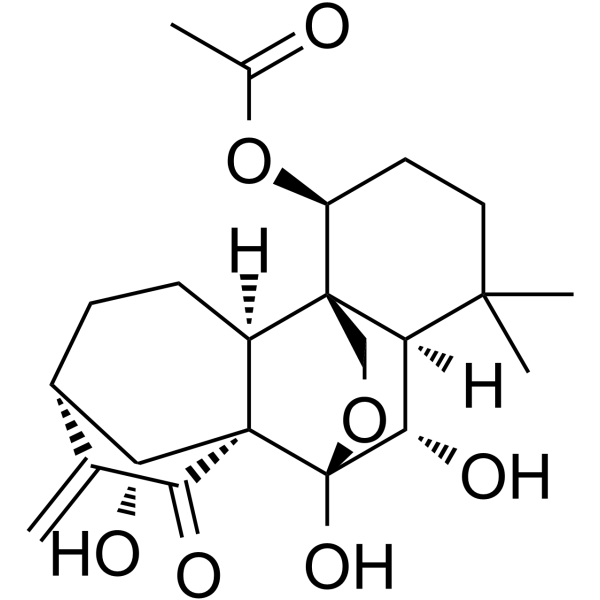
Lasiokaurin is an anticancer agent. Lasiokaurin can be isolated from Rabdosia rubescens (Hemsl.) H. Hara. Lasiokaurin inhibits the function of the PDPK1-AKT axis, with a Kd value of 75.93 μM for PDPK1. Lasiokaurin inhibits mTOR, STAT3, MAPK and NF-κB. Lasiokaurin reduces the mRNA and protein expression levels of PLK1. Lasiokaurin decreases DNA synthesis levels, induces cell Apoptosis, and regulates Autophagy processes. Lasiokaurin inhibits tumor growth in xenograft models. Lasiokaurin can be used in research related to nasopharyngeal carcinoma, triple-negative breast cancer .
loading...
    loading...
1
1 Cited Publications
Cat. No.: HY-W295873
CAS No.: 5037-75-2
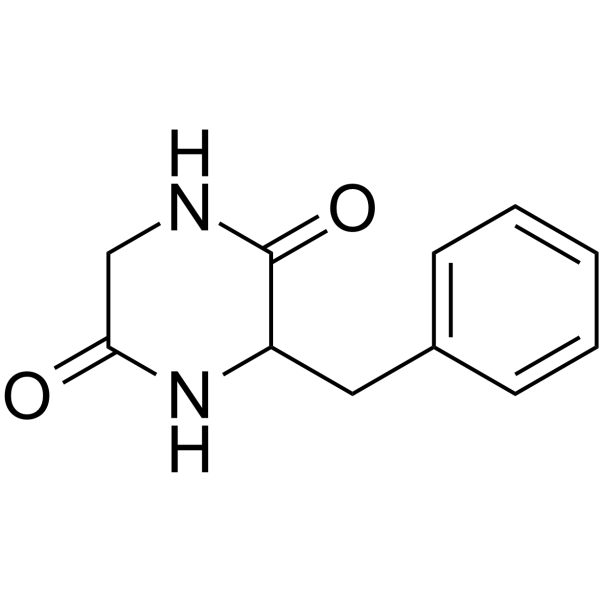
Cyclo(Phe-Gly) is a cyclodipeptides with antimicrobial and anticancer activities, isolated from broth culture of endophytic Streptomyces YIM 64018 associated with Paraboea sinensis .
loading...
    loading...
1
1 Cited Publications
Cat. No.: HY-N12153
CAS No.: 220114-30-7
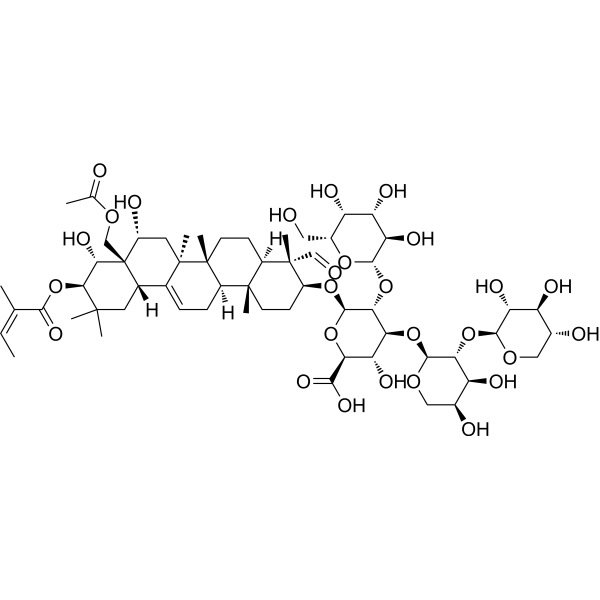
Theasaponin E2 shows cytotoxicity against K562 and HL60 cells (IC50: 14.7 μg/mL). Theasaponin E2 can be isolated from Camellia sinensis .
loading...
    loading...
1
1 Cited Publications
Cat. No.: HY-N0306
CAS No.: 36284-77-2
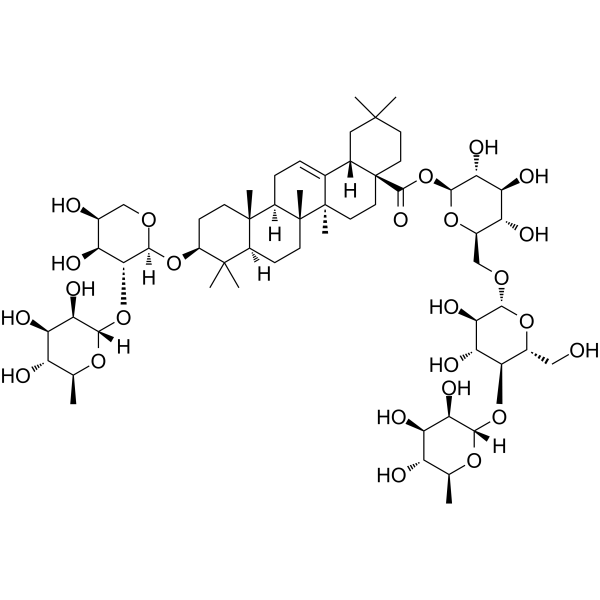
Hederasaponin B is an orally active oleanane-type triterpenoid saponin and antiviral agent. Hederasaponin B is isolated from the leaves of Acanthopanax senticosus, Hedera nepalensis var. sinensis, and the rhizomes of Souliea vaginata. Hederasaponin B inhibits the expression of the viral capsid protein VP2 and attenuates virus-induced cytopathic effects. Hederasaponin B exhibits activity against Enterovirus 71 subtypes C3 and C4a. Hederasaponin B shows no hepatoprotective effect against CCl4-induced hepatocyte injury. Hederasaponin B is used in research on hand, foot, and mouth disease .
loading...
    loading...
1
1 Cited Publications
Cat. No.: HY-121324
CAS No.: 7287-19-6
Purity:  99.79%
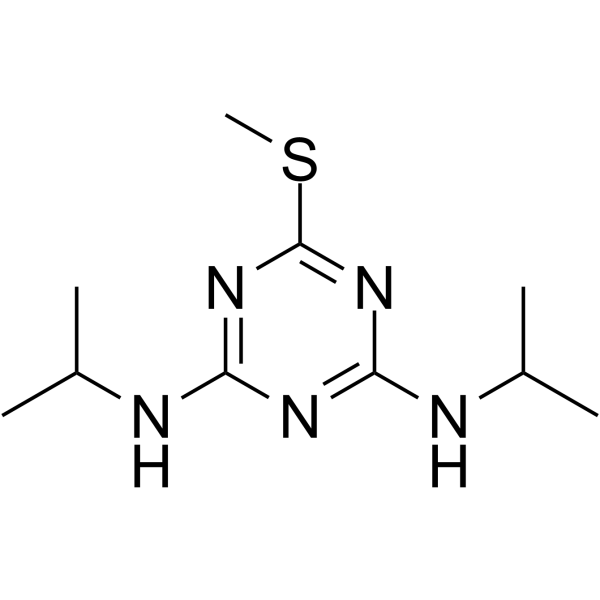
Prometryn is a triazine herbicide. Prometryn induces apoptosis and cell cycle arrest. Prometryn induces oxidative stress, DNA damage and autophagy-related gene expression, and non-specific immunity gene expression. Prometryn can be used for the research of herbicide, hepatopancreas injury, and intestinal stress and intestinal barrier dysfunction .
loading...
    loading...
1
1 Cited Publications
Cat. No.: HY-N7435
CAS No.: 54814-64-1
Synonyms: (±)-Massoia lactone
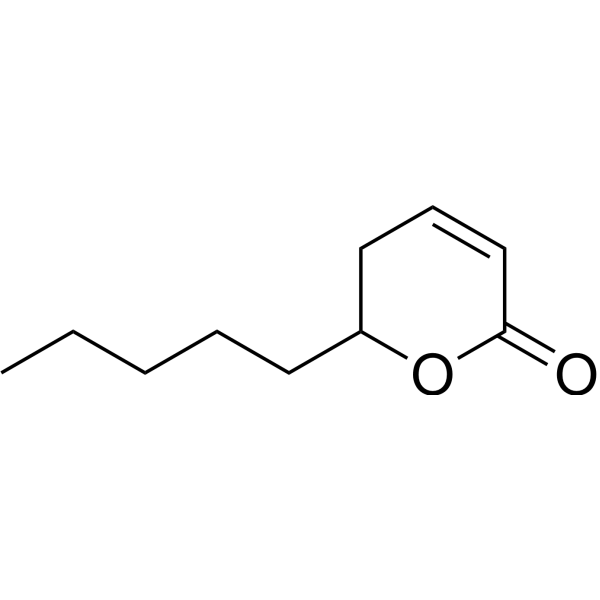
Massoia lactone ((±)-Massoia lactone) is a natural lactone-based biosurfactant with antifungal (fungal), antibiofilm, and cytotoxic activities. Massoia lactone inhibits fungal hyphal growth and spore germination, and induces fungal cell necrosis by forming membrane pores, reducing ergosterol, elevating ROS, and causing leakage of intracellular components. Massoia lactone inhibits the viability and proliferation of tumor cells. Massoia lactone degrades the extracellular polymeric substances of polymicrobial biofilms, penetrates the biofilm matrix, inhibits the growth of planktonic oral bacteria (bacterial), and reduces surface tension through its amphiphilic properties. Massoia lactone is a low-toxicity, biodegradable food additive with a coconut cream aroma, which can be used for flavor improvement and also serves as a quality control marker for Cs-4 mycelium. Massoia lactone can be used for research on Fusarium head blight, malignant tumors, and oral polymicrobial biofilm-associated dental diseases .
loading...
    loading...
Cat. No.: HY-N0401
CAS No.: 4431-01-0
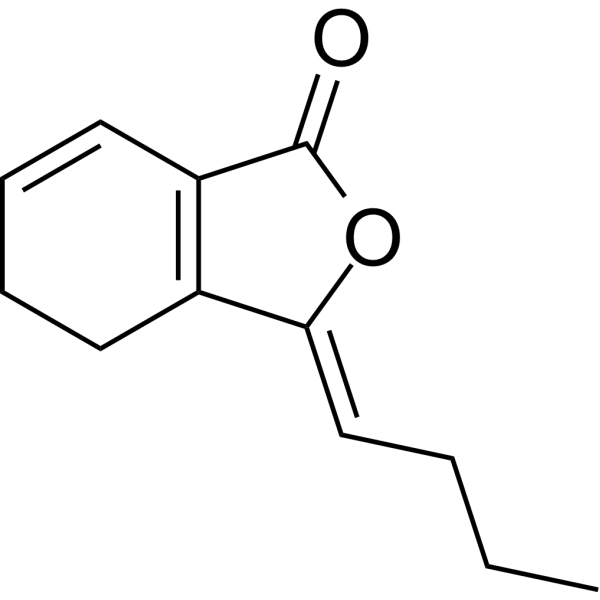
Ligustilide is is a bioactive phthalide derivative isolated from Angelica sinensis and Chuanxiong. Ligustilide exhibits neuroprotective, anti-cancer, anti-inflammatory, and vasodilator effects .
loading...
    loading...
Cat. No.: HY-N8220
CAS No.: 61828-53-3
Synonyms: Flidersiachromone
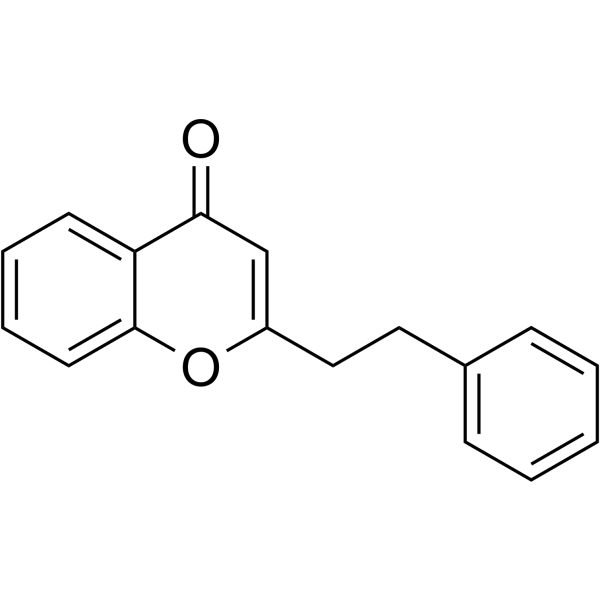
2-(2-Phenylethyl) chromone (Flidersiachromone) is a chromone derivative and antioxidant. 2-(2-Phenylethyl) chromone scavenges ABTS· + free radicals, and its derivatives exhibit diverse activities including anti-inflammatory, neuroprotective, anti-tumor, and α-glucosidase inhibitory effects. 2-(2-Phenylethyl) chromone is applicable to experimental research in fields such as inflammation-related diseases, tumors, and neurodegenerative diseases .
loading...
    loading...
Cat. No.: HY-N2618
CAS No.: 4339-72-4
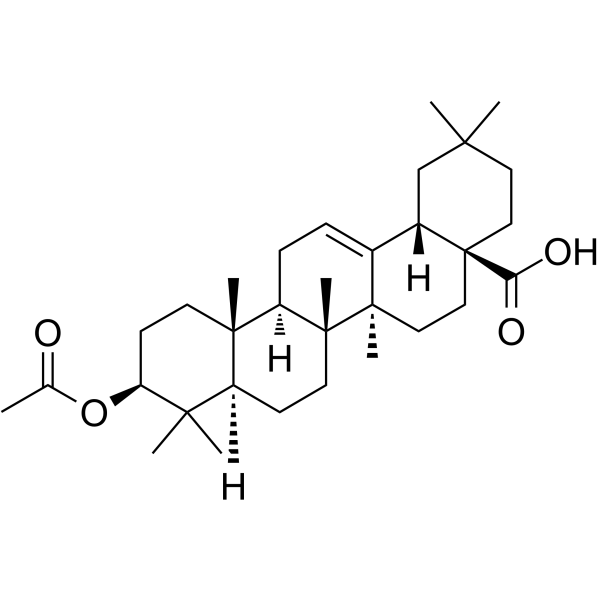
3-O-Acetyloleanolic acid (3AOA), an oleanolic acid derivative isolated from the seeds of Vigna sinensis K., induces in cancer and also exhibits anti-angiogenesis activity .
loading...
    loading...
Cat. No.: HY-168763
CAS No.: 844866-89-3
Target:  

Liposome

Research Areas:  

Metabolic Disease

C23 Phytoceramide is a long-chain sphingolipid, which is found in C. sinensis .
loading...
    loading...
Cat. No.: HY-144513
CAS No.: 19466-47-8
Purity:  98.52%
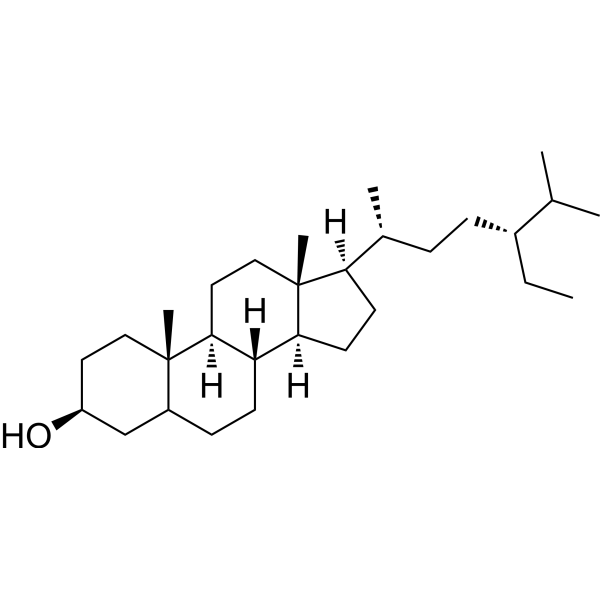
Stigmastan-3β-ol is a sterol that can be isolated from Tinospora sinensis and Ginkgo biloba L.. Stigmastan-3β-ol has antimicrobial activity .
loading...
    loading...
Cat. No.: HY-N6242
CAS No.: 92935-94-9
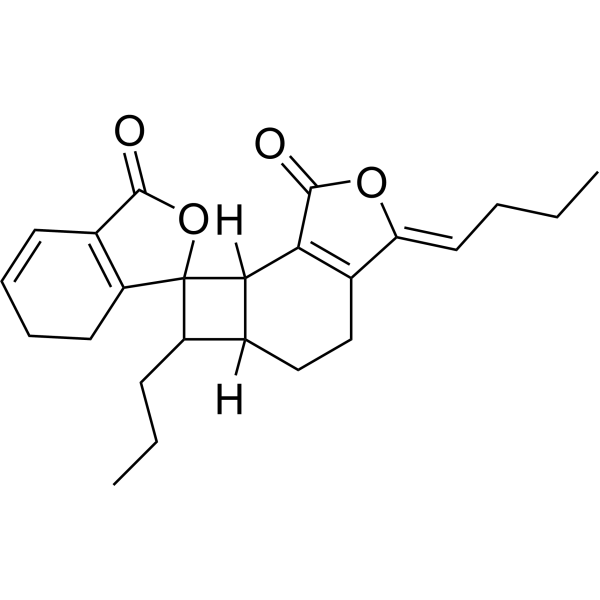
Angelicide is an active compound. Angelicide can be isolated from the medicinal plant dang-gui (A. sinensis) .
loading...
    loading...
Cat. No.: HY-W004287
CAS No.: 1731-88-0
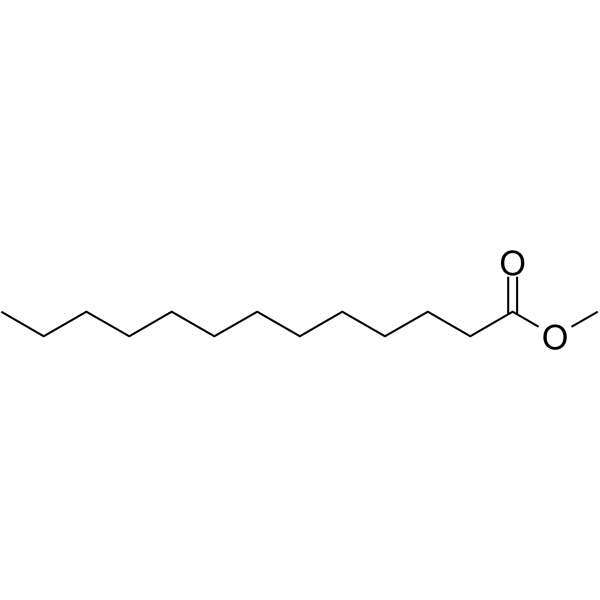
Methyl tridecanoate is a fatty acid methyl ester. Methyl tridecanoate exhibits an IC50 of 3.26 μM and a Ki of 2.30 μM against AsOBP21f in Anopheles sinensis. Methyl tridecanoate induces electroantennographic responses in female Anopheles sinensis. Methyl tridecanoate shows a dose-dependent attractive effect on Anopheles sinensis. Methyl tridecanoate weakly inhibits β-amyloid aggregation and AChE activity. Methyl tridecanoate can be used in the research of malaria and Alzheimer's disease .
loading...
    loading...
Cat. No.: HY-N4010
CAS No.: 52591-10-3
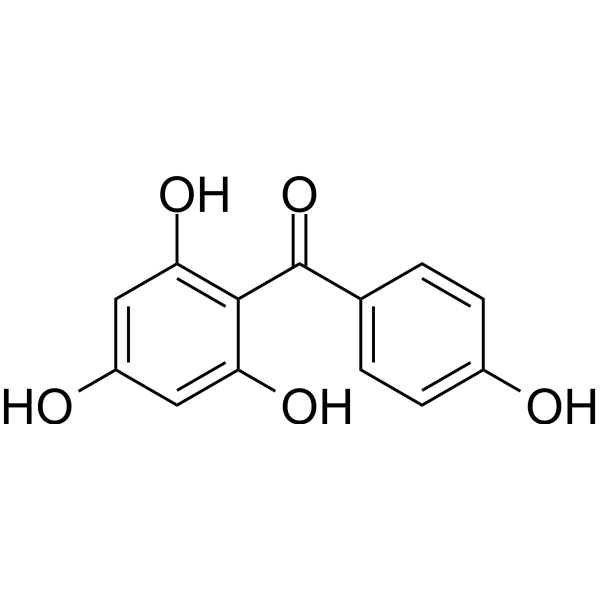
Iriflophenone, isolated from Aquilaria sinensis, stimulates MCF-7 and T-47D human breast cancer cells proliferation .
loading...
    loading...
loading...
    loading...
Cat. No.: HY-17517
CAS No.: 223580-51-6
Research Areas:  

Infection

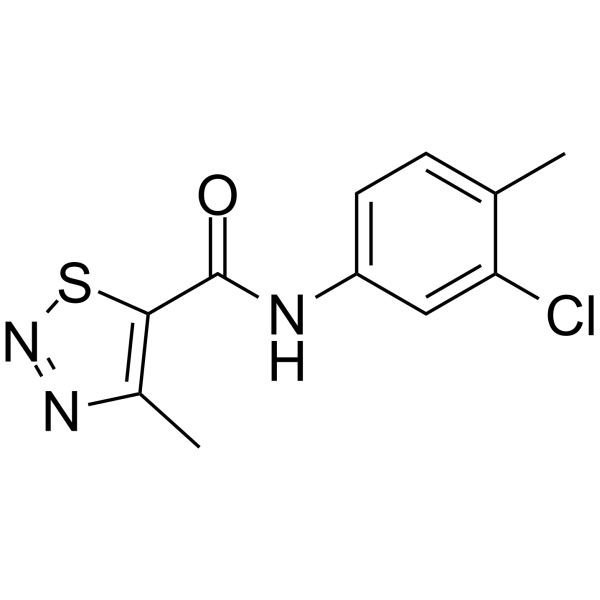
Tiadinil is a systemic acquired resistance (SAR) inducer, plant elicitor and antifungal agent. Tiadinil promotes the production of herbivore-induced plant volatiles in Camellia sinensis (tea plant). Tiadinil inhibits mycelial growth, spore germination and germ tube elongation of Stagonosporopsis citrulli in vitro. Tiadinil can be used in studies related to vine blight .
loading...
    loading...

