73 Results for "

PGE2 production

" in MedChemExpress (MCE) Product Catalog:
Products (73)

73 Results for "PGE2 production" in MCE Product Catalog:

6
6 Publications Verification
Cat. No.: HY-B0360
CAS No.: 90098-04-7
Synonyms: OPC12759; Proamipide
Target:  

COX

Research Areas:  

Inflammation/Immunology Cancer

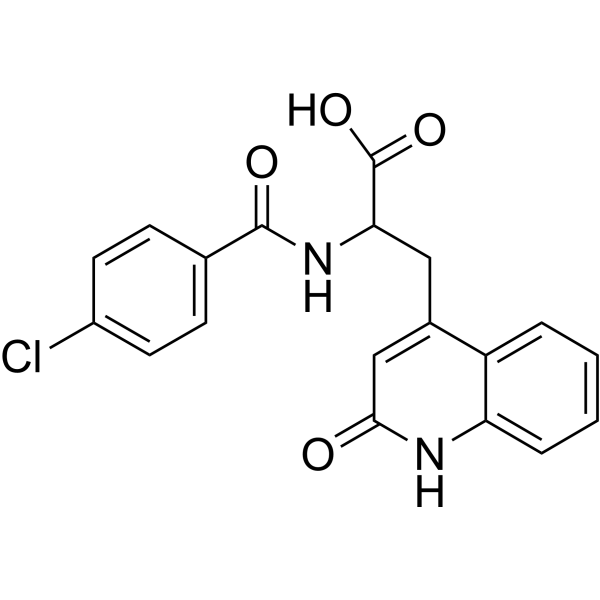
Rebamipide (OPC12759) is an orally active gastroprotective agent that enhances the production of endogenous PGs (especially intragastric PGE2) by inducing COX-2 expression, thereby protecting the gastric mucosa from injury. Rebamipide exerts anti-proliferative activity against gastric cancer cells. Rebamipide can be used in studies of mucosal protection, gastroduodenal ulcer, gastritis and gastric cancer .
loading...
    loading...
3
3 Cited Publications
Cat. No.: HY-N0314
CAS No.: 28978-02-1
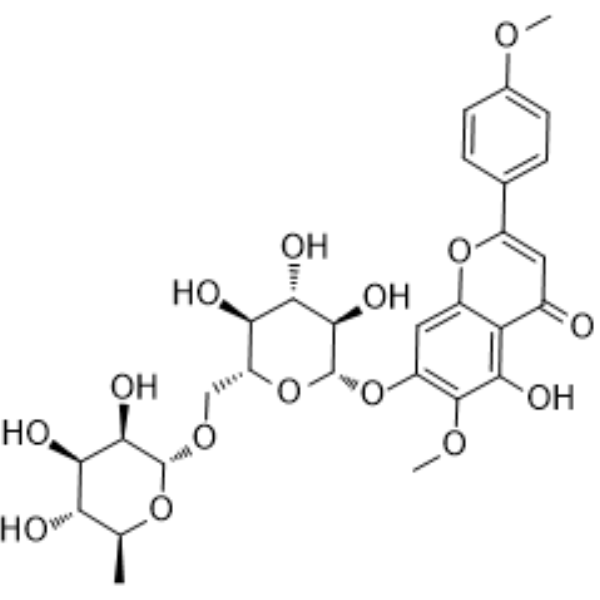
Pectolinarin possesses anti-inflammatory activity . Pectolinarin inhibits secretion of IL-6 and IL-8, as well as the production of PGE2 and NO. Pectolinarin suppresses cell proliferation and inflammatory response and induces apoptosis via inactivation of the PI3K/Akt pathway .
loading...
    loading...
3
3 Cited Publications
Cat. No.: HY-N6893
CAS No.: 54999-07-4
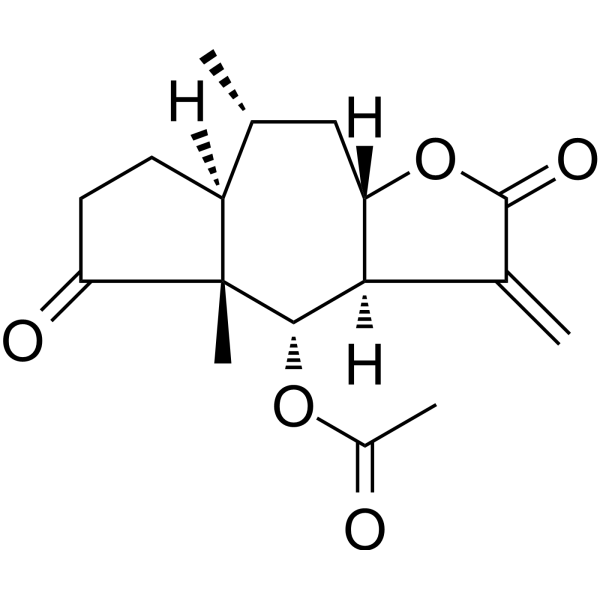
Ergolide is an orally active dual inhibitor targeting NF-κB/p65 and NLRP3. Ergolide blocks the NF-κB signaling pathway and the nuclear translocation of p65, and irreversibly binds to the NACHT domain of NLRP3 to inhibit inflammasome assembly. Ergolide significantly reduces the production of inflammatory mediators (e.g., NO, PGE2) and cytokines, induces cancer cell apoptosis, autophagy and ROS generation. Ergolide also enhances the anti-tumor effect of vincristine. Ergolide alleviates acute lung injury via an NLRP3-dependent mechanism, and effectively improves the survival rate and behavioral function of septic mice and inflammatory zebrafish models. Ergolide is used in the research of metastatic uveal melanoma, neurodegenerative diseases (such as Alzheimer's disease, Parkinson's disease), sepsis and acute lymphoblastic leukemia .
loading...
    loading...
2
2 Cited Publications
Cat. No.: HY-118119
CAS No.: 938069-71-7
Purity:  99.12%
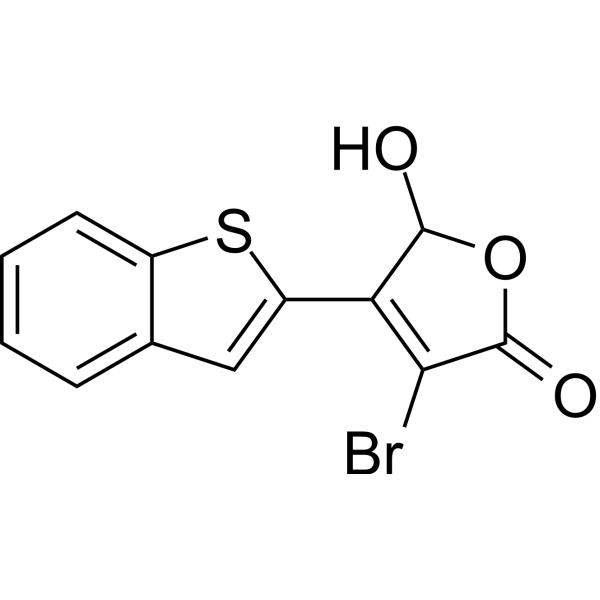
CAY10526 is an inhibitor of Y-box binding protein 1 (YB-1) and microsomal prostaglandin E2 synthase 1 (mPGES1). CAY10526 inhibits the production of PGE2 by suppressing YB-1 and mPGES1. CAY10526 induces cell apoptosis (apoptosis) and inhibits the JAK/STAT, TGF-β/Smad3 and PI3K/AKT signaling pathways. CAY10526 can be used in research related to melanoma, prostate cancer, esophageal adenocarcinoma, T-cell lymphoma, etc .
loading...
    loading...
1
1 Cited Publications
Cat. No.: HY-N2392
CAS No.: 75288-96-9
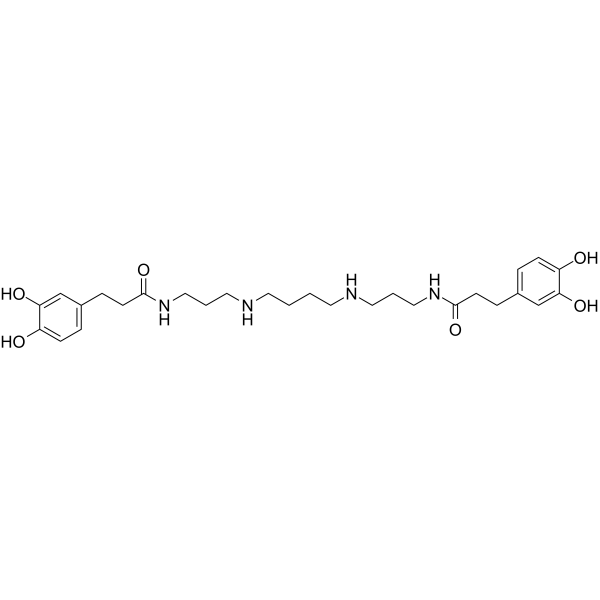
Kukoamine A, a spermine alkaloid, is an orally active and brain-penetrant component found in the root barks of Lycium chinense (L. chinense) Miller. Kukoamine A inhibits purified Crithidia fasciculata trypanothione reductase and soybean lipoxygenase, activates μ-opioid receptor. Kukoamine A can inhibt cancer cell proliferation, migration and invasion, cause G0/G1 phase cell cycle arrest and induce apoptosis. Kukoamine A exerts neuroprotective effect and can induce autophagy . Kukoamine A inhibits LPS (HY-D1056)-induced NO, ROS, PGE2, TNF-α, IL-1β, IL-6 production and COX-2 activity. Kukoamine A reverses palmitic acid-induced insulin resistance, lipid accumulation, and oxidative stress via downregulation of Srebp-1c. Kukoamine A can be used for the research of cancer, infection, inflammation, metabolic and neurological disease, such as glioblastoma and Parkinson's disease .
loading...
    loading...
1
1 Cited Publications
Cat. No.: HY-N0896
CAS No.: 33627-41-7
Synonyms: 1-O-Acetylbritannilactone
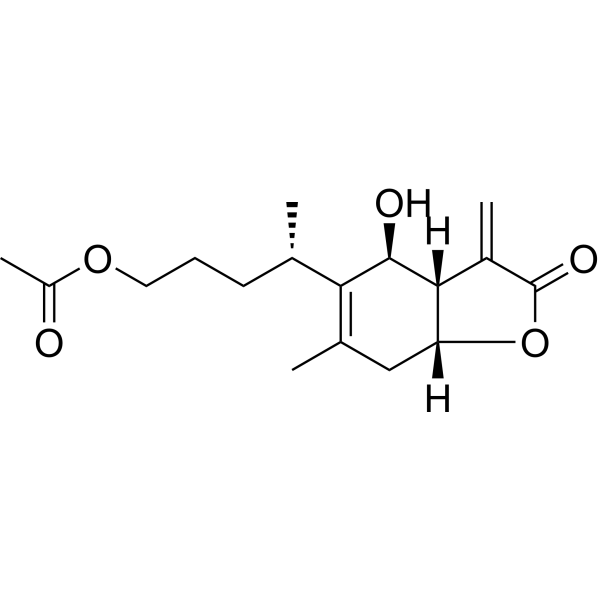
Inulicin (1-O-Acetylbritannilactone) is an active compound that inhibits VEGF-mediated activation of Src and FAK. Inulicin (1-O-Acetylbritannilactone) inhibits LPS-induced PGE2 production and COX-2 expression, and NF-κB activation and translocation.
loading...
    loading...
1
1 Cited Publications
Cat. No.: HY-N4237
CAS No.: 5573-16-0
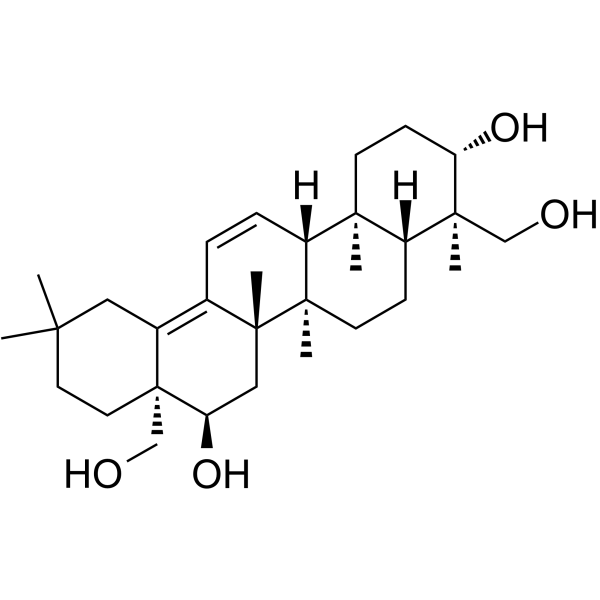
Saikogenin D is isolated from?Bupleurum chinense, has anti-inflammatory effects. Saikogenin D activates epoxygenases that converts arachidonic acid to epoxyeicosanoids and dihydroxyeicosatrienoic acids, and the metabolites secondarily inhibit prostaglandin E2 (PGE2) production. Saikogenin D results in an elevation of [Ca 2+]i due to Ca 2+ release from intracellular stores .
loading...
    loading...
Cat. No.: HY-133079
CAS No.: 183476-82-6
Purity:  ≥98.0%
Synonyms: tetra-isopalmitoyl Ascorbic acid; IPAA; Tetrahexyldecyl Ascorbate
Research Areas:  

Endocrinology

Ascorbyl tetra-2-hexyldecanoate (tetra-isopalmitoyl Ascorbic acid; IPAA) is a lipophilic derivative of vitamin C (L-ascorbic acid). Ascorbyl tetra-2-hexyldecanoate (100 μM ) can prevent the decrease in viability of HaCaT keratinocytes induced by UVB, hydrogen peroxide, or tert-butyl hydroperoxide, and reduce the production of IL-1α and prostaglandin E2 (PGE2). Topical application of ascorbyl tetra-2-hexyldecanoate (1%) increases epidermal viability thickness, stratum corneum water content, and skin smoothness, and reduces skin roughness in hairless mice. Ascorbyl tetra-2-hexyldecanoate can be used to develop skin whitening agents in the beauty industry.
loading...
    loading...
Cat. No.: HY-128039
CAS No.: 38315-43-4
Research Areas:  

Others

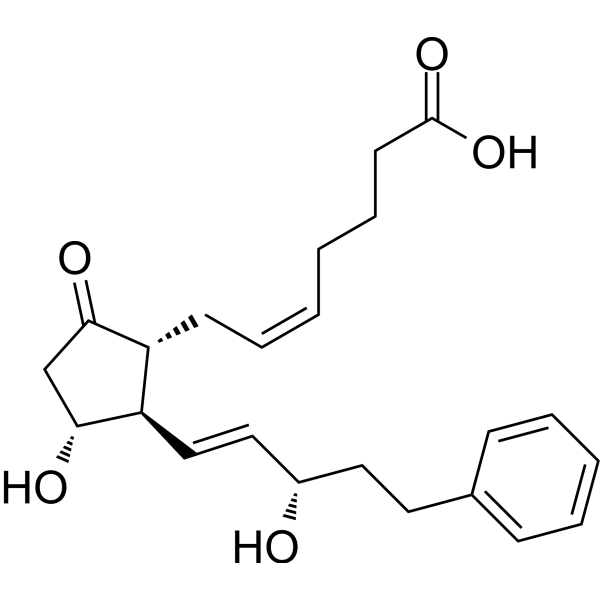
17-Phenyl-ω-trinor-PGE2 is a PGE2 (HY-101952) analog, which is an agonist for EP1 and EP3 receptor. 17-Phenyl-ω-trinor-PGE2 inhibits the PAF-induced aggregation of human platelet-rich plasma (PRP) and Cicaprost (HY-19583) induced Cyclic AMP (HY-B1511) production .
loading...
    loading...
Cat. No.: HY-123814
CAS No.: 29553-70-6
Purity:  99.64%
4-CPPC is a selective MIF-2 inhibitor with a Ki of 33 µM. 4-CPPC inhibits the COX2/PGE2 pathway, reduces the levels of COX2 and mPGES-1, and decreases the production of PGE2. 4-CPPC attenuates the formation of early atherosclerotic lesions in hyperlipidemic mice, and lowers the levels of circulating inflammatory cytokines and chemokines. 4-CPPC inhibits MIF-2-triggered cell migration. 4-CPPC improves hindlimb motor function in rats with contusion-induced spinal cord injury. 4-CPPC can be used in studies related to atherosclerosis and spinal cord injury .
loading...
    loading...
Cat. No.: HY-105005
CAS No.: 927685-43-6
Purity:  98.92%
Synonyms: AAD-2004
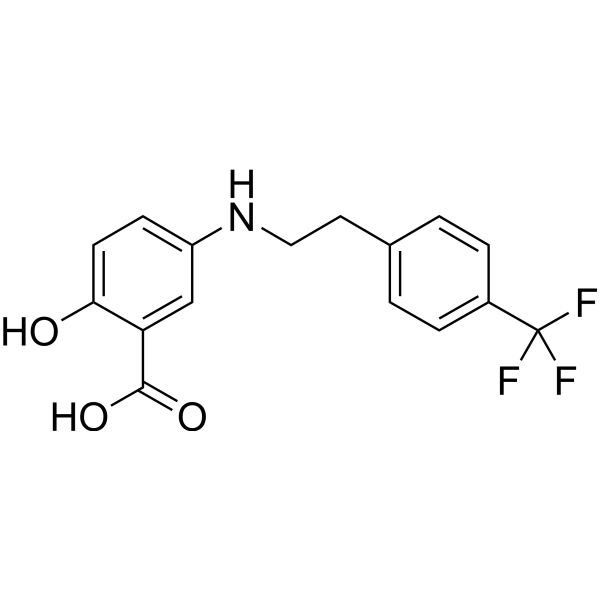
Crisdesalazine (AAD-2004) is a microsomal prostaglandin E2 synthase-1 (mPGES-1) inhibitor. Crisdesalazine acts as a potent free radical scavenger that directly neutralizes reactive oxygen species (ROS) including hydrogen peroxide, exerting neuroprotective effects against apoptosis and axonal damage. Crisdesalazine inhibits PGE2 production, mediates inflammatory responses, and promotes the conversion of macrophages from the pro-inflammatory M1 phenotype to the anti-inflammatory M2 phenotype. Crisdesalazine is applicable to neuroprotection research in multiple sclerosis and spinal cord injury .
loading...
    loading...
Cat. No.: HY-N11011
CAS No.: 57423-72-0
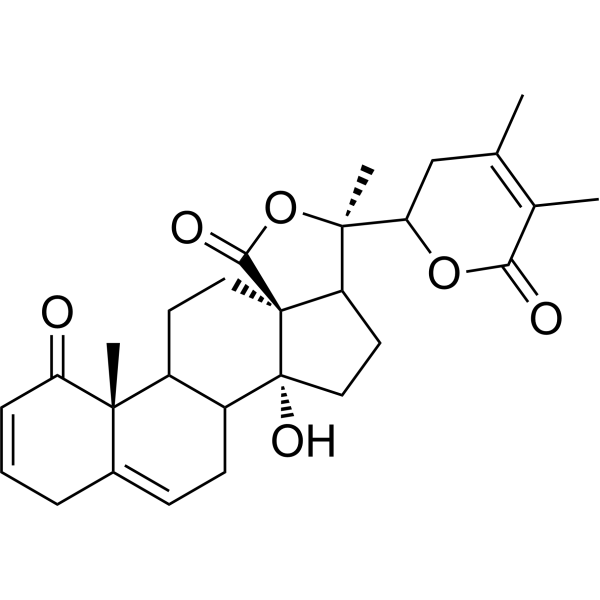
Withaphysalin A is a withanolide compound with anti-inflammatory and antioxidant activities. Withaphysalin A inhibits LPS (HY-D1056)-induced nuclear translocation of NF-κB p65, as well as phosphorylation of STAT3, ERK, JNK and p38 MAPK. Withaphysalin A upregulates the expression of HO-1. Withaphysalin A inhibits LPS-induced production of NO, PGE2, IL-1β, IL-6 and TNF-α. Withaphysalin A downregulates LPS-induced expression of iNOS and COX-2. Withaphysalin A interacts with B-cell activating factor protein (BAFF) to exert inhibitory effects. Withaphysalin A exhibits ELOVL6 inhibitory activity. Withaphysalin A can be used in the research of inflammatory diseases, nephrotic syndrome and chronic myeloid leukemia .
loading...
    loading...
Cat. No.: HY-N0223
CAS No.: 38736-77-5
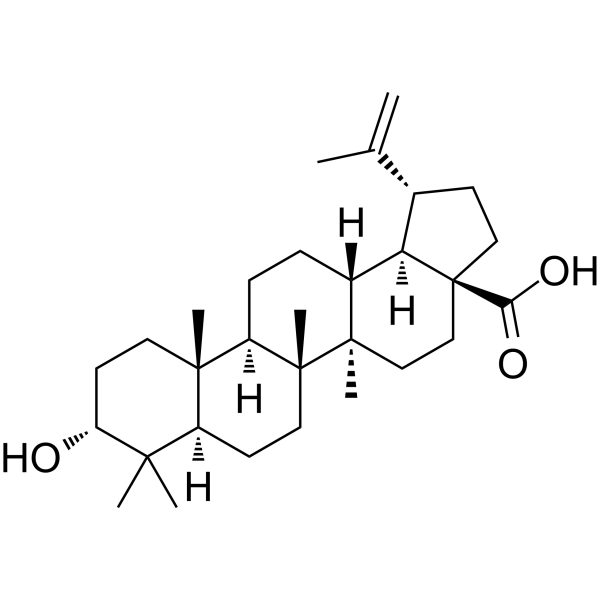
Epibetulinic acid exhibits potent inhibitory effects on NO and prostaglandin E2 (PGE2) production in mouse macrophages (RAW 264.7) stimulated with bacterial endotoxin with IC50s of 0.7 and 0.6 μM, respectively. Anti-inflammatory activity .
loading...
    loading...
Cat. No.: HY-149202
Purity:  99.62%
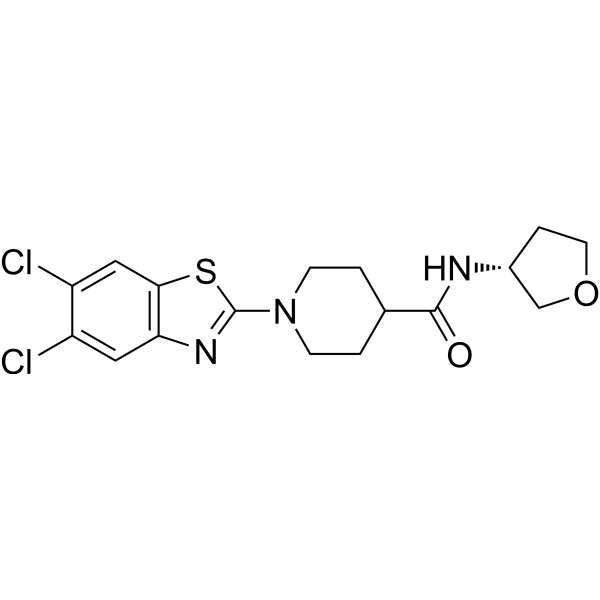
UT-11 is a potent and blood-brain barrier-permeable microsomal prostaglandin E synthase-1 (mPGES-1) inhibitor with IC50s of 0.10 μM and 2.00 μM for inhibiting PGE2 production in human (SK-N-AS) and murine (BV2) cells, respectively .
loading...
    loading...
Cat. No.: HY-N3364
CAS No.: 19956-53-7
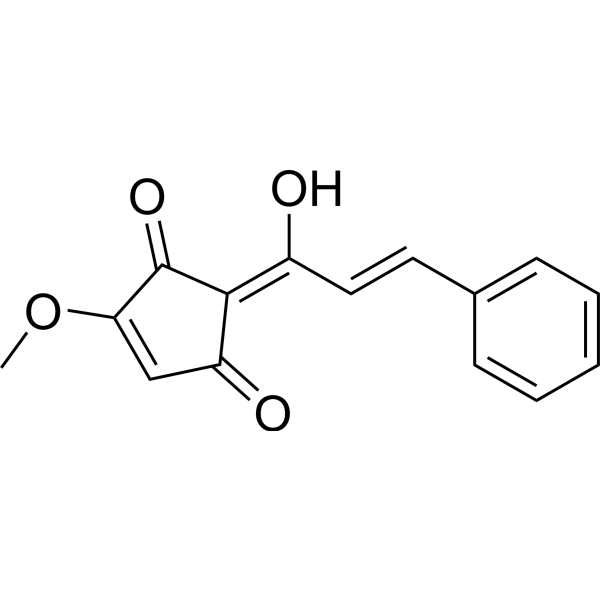
Lucidone, an anti-inflammatory agent that can be isolated from the fruit of Lindera erythrocarpa Makino. Lucidone inhibits LPS-induced NO and PGE2 production in RAW 264.7 mouse macrophages. Lucidone also decreases TNF-α secretion, iNOS and COX-2 expression. Lucidone prevents NF-κB translocation and inhibits JNK and p38MAPK signals. Lucidone also has inhibitory activity against Dengue virus (DENV) (EC50=25 μM) .
loading...
    loading...
Cat. No.: HY-N0761A
CAS No.: 25522-33-2
Synonyms: trans-3-Hydroxy-4-methoxycinnamic acid
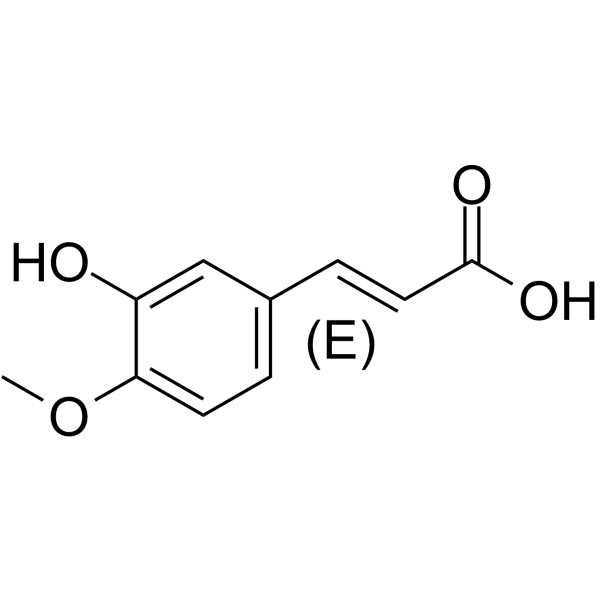
trans-Isoferulic acid (trans-3-Hydroxy-4-methoxycinnamic acid) is an aromatic acid that exhibits anti-inflammatory activity. trans-Isoferulic acid dephosphorylates PI3K/Akt, suppresses LPS (HY-D1056)-induced NF-κB activation, enhances Nrf2 activity, downregulates iNOS and COX-2 expression, induces HO-1 expression, inhibits NO and PGE2 production, and scavenges hydroperoxyl radical. trans-Isoferulic acid can be used for research of inflammatiory diseases .
loading...
    loading...
Cat. No.: HY-N8712
CAS No.: 43053-62-9
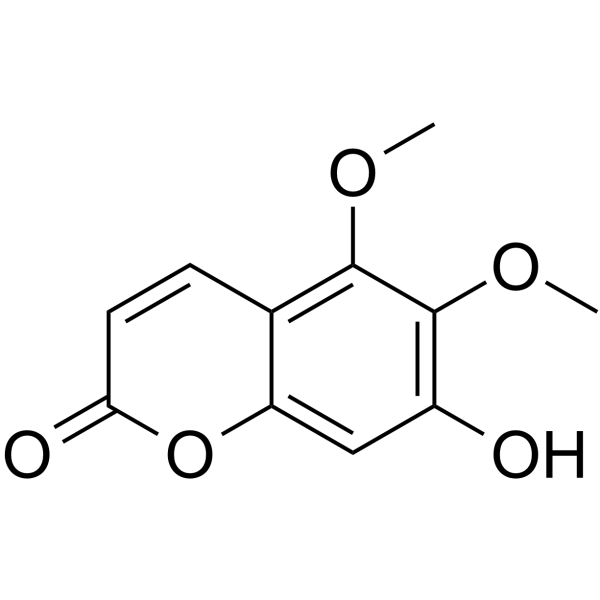
Umckalin is Coumarin (HY-N0709) derivative that exhibits anti-inflammatory properties. Umckalin reduces phosphorylation of p38 MAPK, JNK, and ERK, lowers TNF-α, IL-6, IL-1β, NO, and PGE2 production. Umckalin can be used for the research of chronic inflammatory diseases .
loading...
    loading...
Cat. No.: HY-118282
CAS No.: 1268709-57-4
Purity:  99.78%
Target:  

PGE synthase

Research Areas:  

Endocrinology

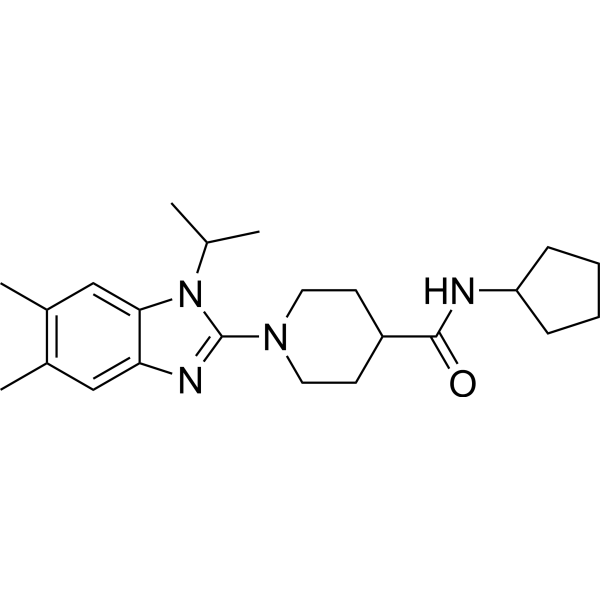
mPGES-1-IN-2 (compound III) is a benzimidazole-based mPGES-1 inhibitor that also inhibits adipophysin PGD synthase (I-PGDS) (5 μM, IR=60 %). mPGES-1-IN-2 reduces PGE2 production and tends to reduce levels of other prostaglandins. mPGES-1-IN-2 effectively inhibits acute inflammation in an air sac model stimulated by Carrageenan (HY-125474) in mice .
loading...
    loading...
Cat. No.: HY-179041
CAS No.: 924851-91-2
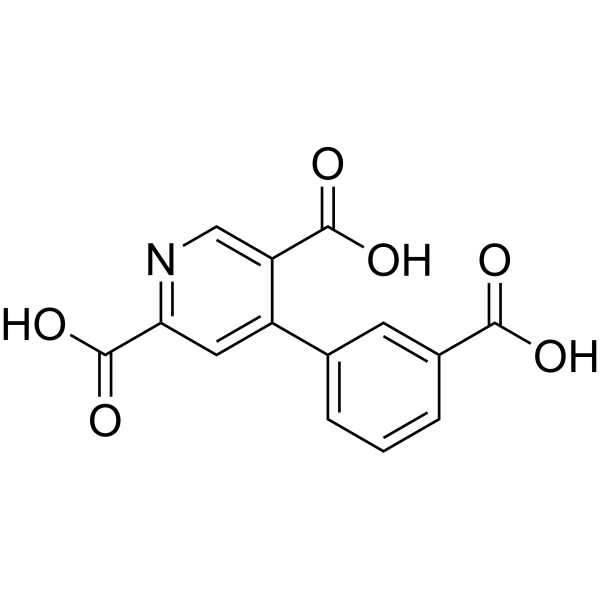
SZ0232 is a selective mPGES-2 inhibitor. SZ0232 binds to the active site of mPGES-2 via hydrogen bonds and π-π stacking, reduces the production of prostaglandin E2 (PGE2) and blocks the PGE2-EP3 pathway. SZ0232 regulates Ferroptosis by activating the heme-dependent p53/SLC7A11/GPX4 axis, inhibits lipid peroxidation, and protects renal tubules. SZ0232 enhances glucose-stimulated insulin secretion, inhibits β-cell senescence, and improves glucose homeostasis. SZ0232 reduces renal lipid accumulation, alleviates fibrosis, and ameliorates renal dysfunction in diabetic mice. SZ0232 inhibits renal cyst growth in polycystic kidney disease models. SZ0232 exhibits an insulinotropic effect that strengthens with the increase of animal age. SZ0232 can be used in studies related to type 2 diabetes, acute kidney injury, diabetic kidney disease, and autosomal dominant polycystic kidney disease .
loading...
    loading...
Cat. No.: HY-111140
CAS No.: 916482-17-2
Purity:  99.74%
Research Areas:  

Inflammation/Immunology

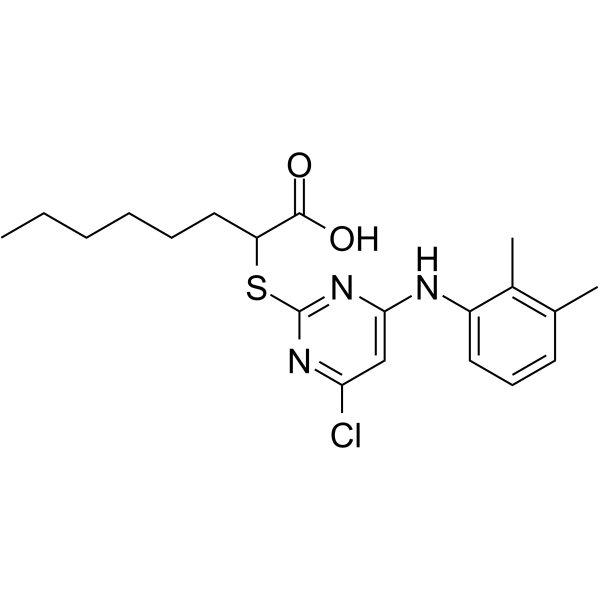
YS121 is a dual inhibitor of microsomal prostaglandin E2 synthase-1 (mPGES-1; IC50 = 3.4 μM) and 5-lipoxygenase (5-LOX; IC50 = 6.5 μM). YS121 exhibits direct, reversible, and specific binding to mPGES-1 (KD = 10-14 μM) . YS121 dose-dependently reduces PGE2 production with an EC50 of 12 μM in IL-1β-stimulated A549 cells . YS121 (compound 9) activates PPAR-α and -γ (EC50 = 1 and 3.6 μM, respectively) . YS121 exhibits anti-inflammatory efficiency in human whole blood as well as in vivo. YS121 can be used for pleurisy research .
loading...
    loading...

