60 Results for "

PLP

" in MedChemExpress (MCE) Product Catalog:
Products (60)

60 Results for "PLP" in MCE Product Catalog:

5
5 Cited Publications
Cat. No.: HY-W011727A
CAS No.: 41468-25-1
Synonyms: Pyridoxal phosphate monohydrate
Pyridoxal 5'-phosphate monohydrate, the active form of vitamin B6, is an essential cofactor for multiple enzymes, including aromatic l-amino acid decarboxylase that catalyzes the final stage in the production of the neurotransmitters dopamine and serotonin. Pyridoxal 5'-phosphate monohydrate is the most important coenzyme variant in the process of vitamin B6 intracellular phosphorylation and is interconvertible with other variants, including pyridoxine 5′‐phosphate (PNP) and pyridoxamine 5′‐phosphate (PMP) .
loading...
    loading...
1
1 Cited Publications
Cat. No.: HY-N8157
CAS No.: 1464-33-1
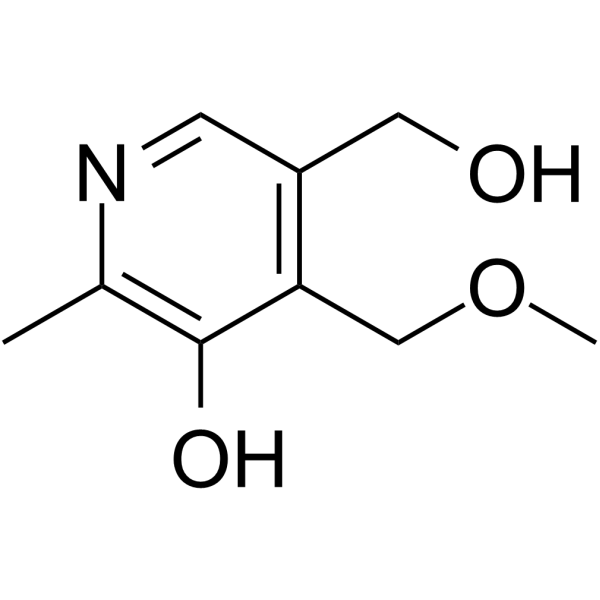
4'-O-Methylpyridoxine is an orally active antivitamin B6 compound found in Ginkgo biloba seeds and leaves. 4'-O-Methylpyridoxine inhibits pyridoxal kinase. 4'-O-Methylpyridoxine reduces brain pyridoxal-5'-phosphate (PLP) levels, decreases gamma-aminobutyric acid/glutamate (GABA/Glu) ratio. 4'-O-Methylpyridoxine increases plasma levels of pyridoxal-5'-phosphate and pyridoxal. 4'-O-Methylpyridoxine induces hyperactivity, convulsions, pathological tissue changes, organ damage in rodent brain and heart .
loading...
    loading...
1
1 Cited Publications
Cat. No.: HY-P0129
CAS No.: 131334-43-5
Target:  

Peptides

Research Areas:  

Inflammation/Immunology

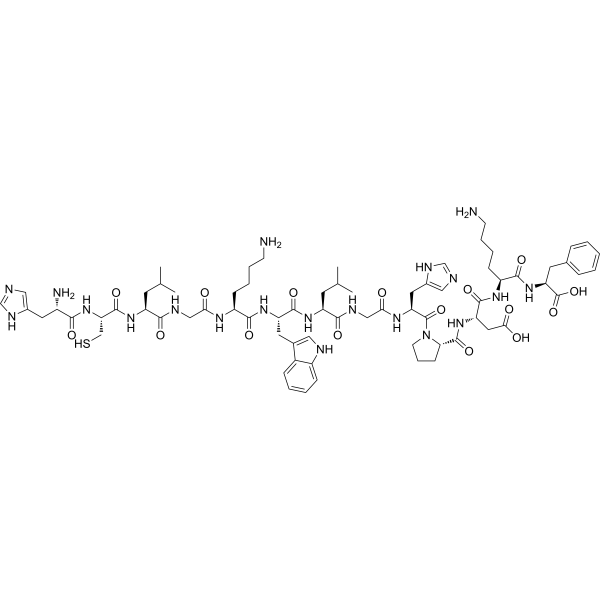
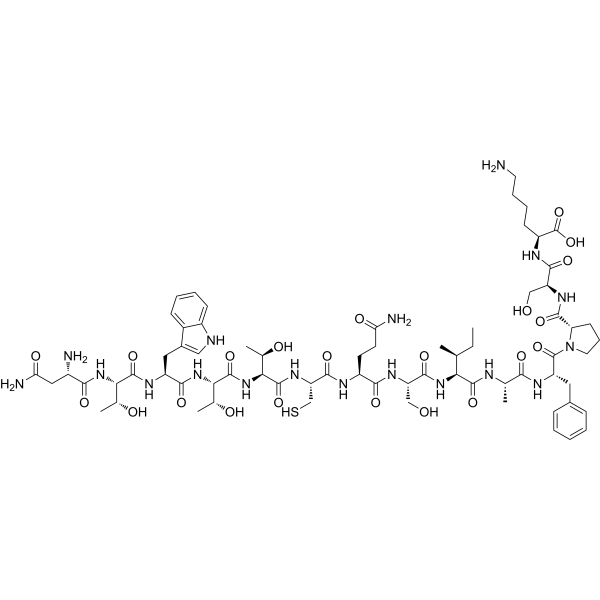
PLP (139-151) is amino acid residue 139 to 151 of myelin proteolipid protein (PLP) used to induce experimental autoimmune encephalomyelitis (EAE).
loading...
    loading...
1
1 Cited Publications
Cat. No.: HY-113085
CAS No.: 1637-75-8
Purity:  99.83%
3-Hydroxyhippuric acid is an acylglycine. 3-Hydroxyhippuric acid inhibits kynureninase (Ki=60 μM). The concentration of 3-Hydroxyhippuric acid in autistic experimental groups is higher than that in control groups. 3-Hydroxyhippuric acid is a biomarker for Clostridium and is positively correlated with the content of Clostridium. 3-Hydroxyhippuric acid is one of the major metabolites of catechin-rich and wine polyphenol-rich diets. 3-Hydroxyhippuric acid can be used in the research of neurodegenerative diseases and autism spectrum disorders .
loading...
    loading...
1
1 Cited Publications
Cat. No.: HY-B0952
CAS No.: 123-82-0
Synonyms: Tuaminoheptane
Target:  

Adrenergic Receptor

Research Areas:  

Neurological Disease

2-Aminoheptane (Tuaminoheptane) is a norepinephrine transporter inhibitor. 2-Aminoheptane binds to norepinephrine transporter via ionic and hydrophobic interactions to block norepinephrine uptake. 2-Aminoheptane deactivates ω-TAmla enzyme, reduces recombinant whole cell stability, and acts as an amino group donor substrate for ω-TA and ω-TAmla enzymes. 2-Aminoheptane can be used in research on depression and Alzheimer's disease .
loading...
    loading...
1
1 Cited Publications
Cat. No.: HY-20897A
CAS No.: 25197-99-3
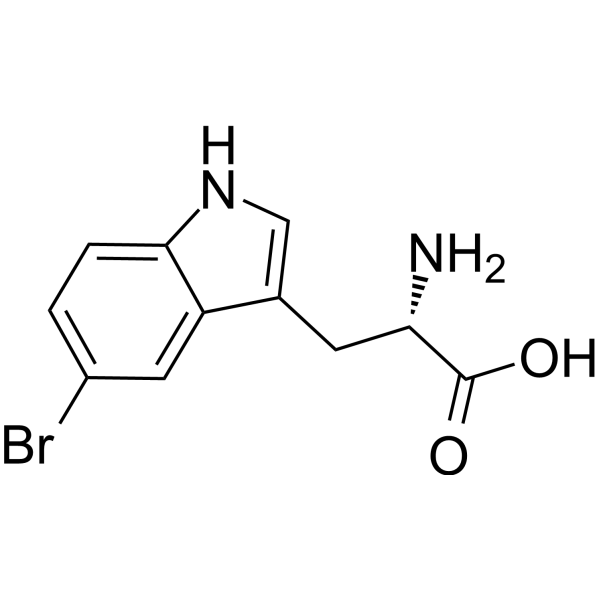
5-Bromo-L-tryptophan is a substrate of PLP-dependent enzyme AetE, as well as an indole alkaloid and Amino acid derivative. 5-Bromo-L-tryptophan can be isolated from Semenospongia sp. 5-Bromo-L-tryptophan can be converted into 5-bromoindole (HY-30236) via AetE-mediated catalysis. 5-Bromo-L-tryptophan is applicable to colon cancer research .
loading...
    loading...
1
1 Cited Publications
Cat. No.: HY-P73375
Purity:  ≥ 95%, as determined by reducing SDS-PAGE.
Synonyms: Peroxiredoxin-5; PLP; Prx-V; Prdx5; AOEB166
Species:  
Source:  
loading...
    loading...
Cat. No.: HY-W723152
CAS No.: 26780-50-7
Target:  

Drug Intermediate

Research Areas:  

Inflammation/Immunology

Poly(D,L-lactide-co-glycolide) is a biodegradable polymer copolymer. Poly(D,L-lactide-co-glycolide) undergoes degradation through ester bond hydrolysis into lactic acid and glycolic acid. These two products can be naturally eliminated through metabolism in the body (such as the tricarboxylic acid cycle), without the risk of long-term accumulation. Poly(D,L-lactide-co-glycolide) can be used in medical sutures, implants, and drug delivery systems .
loading...
    loading...
Cat. No.: HY-116073
CAS No.: 1113-41-3
Target:  

Acyltransferase

Research Areas:  

Infection Cancer

L-Penicillamine is an orally active serine palmitoyltransferase (SPT) inhibitor. L-Penicillamine inactivates the PLP cofactor by forming adducts, thereby inhibiting SPT activity and reducing sphingolipid biosynthesis. L-Penicillamine not only blocks tumor access to vitamin B6, but also stabilizes the human papillomavirus 16 E6 oncoprotein monomer and inhibits its polymerization, exhibiting a unique anticancer mechanism. L-Penicillamine effectively delays the growth of Sarcoma-180, induces tumor necrosis and prolongs survival (though long-term use may lead to Pyridoxine (HY-B1328) deficiency and weight loss) .
loading...
    loading...
Cat. No.: HY-112411
CAS No.: 216163-53-0
Purity:  98.35%
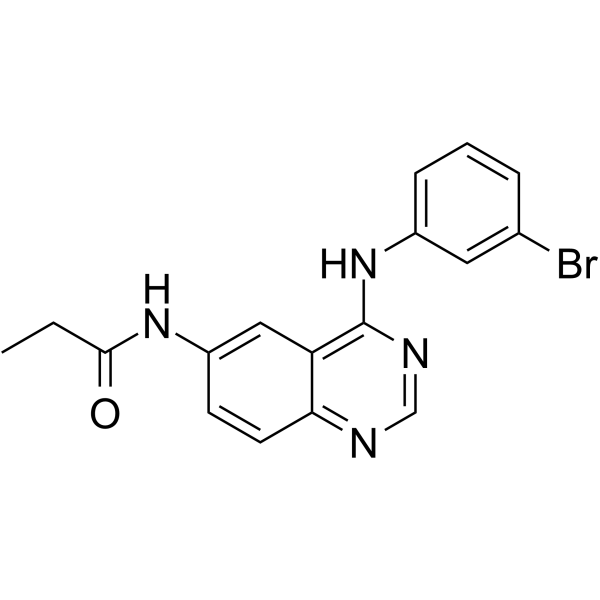
PD 174265 is a highly selective, reversible EGFR/ErbB2 tyrosine kinase inhibitor (IC50=0.45 nM) and cell differentiation inducer. By blocking receptor autophosphorylation and the downstream ERK signaling pathway (with an IC50 of 0.45 μM for full-length ERK), PD 174265 effectively inhibits tumor growth and exhibits antitumor activity without obvious toxicity in in vivo models. PD 174265 drives oligodendrocyte precursor cells to switch from a proliferative state to a differentiated state, significantly upregulates the expression of myelin proteins such as CNP, PLP and MBP, and induces neurite branching. PD 174265 shows no inhibitory effect on other kinases including insulin, PDGF and basic FGF receptors, and serves as a crucial tool molecule for investigating the treatment of human epidermoid carcinoma and the mechanism of myelin repair in multiple sclerosis .
loading...
    loading...
Cat. No.: HY-P5462A
Target:  

Peptides

Research Areas:  

Inflammation/Immunology

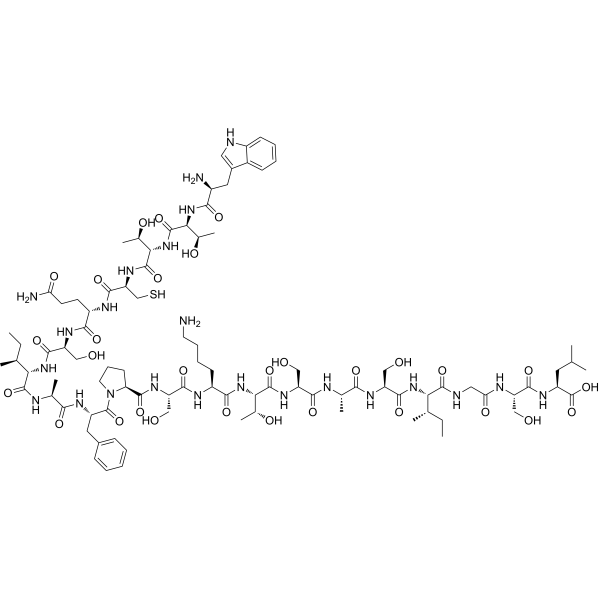
PLP (180-199) TFA is the TFA salt form of PLP (180-199) (HY-P5462). PLP (180-199) TFA induces the activation and differentiation of T cells, and induces the experimental autoimmune encephalomyelitis (EAE) in mouse model .
loading...
    loading...
Cat. No.: HY-128749A
CAS No.: 5793-89-5
Purity:  ≥98.0%
Synonyms: Calcium D-glucarate tetrahydrate
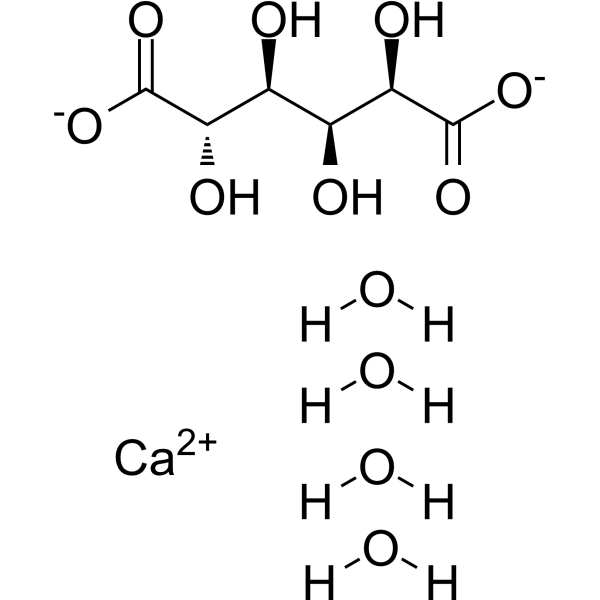
D-Glucaric acid tetrahydrate (Calcium D-glucarate tetrahydrate) is an orally active end product of the mammalian D-glucuronidation pathway. D-Glucaric acid tetrahydrate is found in a variety of fruits and vegetables. D-Glucaric acid tetrahydrate induces cell Apoptosis. D-Glucaric acid tetrahydrate reduces the expression of hippocampal myelin-related genes (Mbp, Plp1). D-Glucaric acid tetrahydrate has cholesterol-lowering and anti-tumor activities. D-Glucaric acid tetrahydrate can be used in the research of neurological diseases .
loading...
    loading...
Cat. No.: HY-P5451
CAS No.: 172228-98-7
Target:  

Peptides

Research Areas:  

Others

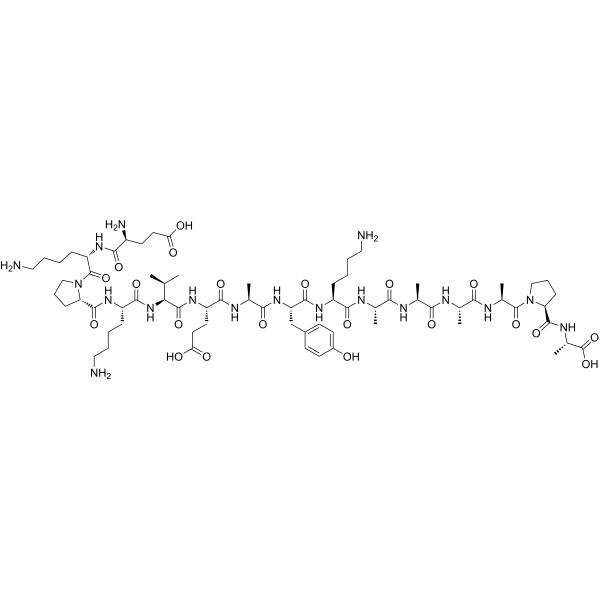
PLP (178-191) is a biological active peptide. (This is amino acids 178 to 191 fragment of the proteolipid protein (PLP), an immunodominant encephalitogenic epitope in SJL mice, one of two major encephalitogenic epitopes. PLP peptide 178 to 191 was compared with another encephalitogenic peptide, 139 to 151. The day of onset of disease induced by PLP 178 to 191 was earlier, but the incidence, severity, and histologic features were indistinguishable.)
loading...
    loading...
Cat. No.: HY-P1038
CAS No.: 122018-58-0
Target:  

Peptides

Research Areas:  

Others

[SER140]-PLP(139-151) is a fragment of myelin proteolipid protein.
loading...
    loading...
Cat. No.: HY-P2825
CAS No.: 9002-09-9
Synonyms: TDC; TyrDC
Target:  

Endogenous Metabolite

Research Areas:  

Others

Tyrosine decarboxylase, Microorganism (TDC) is a tyrosine decarboxylase produced by microorganisms. Tyrosine decarboxylase is a PLP-dependent enzyme that catalyzes the decarboxylation of L-tyrosine, L-phenylalanine, and L-dopa to produce tyramine, 2-phenethylamine, and dopamine, respectively. Tyrosine decarboxylase mediates acid stress resistance, maintains intracellular pH homeostasis, and generates proton motive force .
loading...
    loading...
Cat. No.: HY-P5462
CAS No.: 165549-58-6
Target:  

Peptides

Research Areas:  

Inflammation/Immunology

PLP (180-199) is a biological active peptide. (This is amino acids 180-199 fragment of myelin proteolipid protein (PLP). PLP, the most abundant myelin protein of the central nervous system, has been used in multiple sclerosis (MS) studies. MS is a chronic inflammatory demyelinating disease of the CNS.)
loading...
    loading...
Cat. No.: HY-P991210
CAS No.: 2746354-58-3
Synonyms: ALXN-1850

Target:  

Phosphatase

Research Areas:  

Cardiovascular Disease

Efzimfotase alfa (ALXN-1850) is enzyme replacement therapy agent targeting the deficiency of tissue-nonspecific alkaline phosphatase (TNSALP). Efzimfotase alfa functions by hydrolyzing the substrates of TNSALP, reducing the concentrations of substrates such as inorganic pyrophosphate (PPi) and pyridoxal 5′-phosphate (PLP). Efzimfotase alfa is promising for research of hypophosphatasia (HPP) .
loading...
    loading...
Cat. No.: HY-P3248
CAS No.: 444305-16-2
Synonyms: Myelin basic protein (85-99) antagonist
Research Areas:  

Inflammation/Immunology

J5 peptide is an MBP inhibitor that competitively inhibits the binding of MBP85-99 to HLA-DR2. J5 peptide alleviates PLP139-151/MBP85-99-induced experimental autoimmune encephalomyelitis (EAE) in mice. J5 peptide can be used in research on inflammatory and immune diseases .
loading...
    loading...
Cat. No.: HY-RS10731
Research Areas:  

Others

PLP1 Human Pre-designed siRNA Set A contains three designed siRNAs for PLP1 gene (Human), as well as a negative control, a positive control, and a FAM-labeled negative control.

loading...
    loading...
Cat. No.: HY-N9444
CAS No.: 2442-56-0
Synonyms: Triglyceride PLP,sn
1,3-Dipalmitoyl-2-linoleoyl glycerol is a triacylglycerol that contains Palmitic acid at the sn-1 and sn-3 positions and Linoleic acid.
loading...
    loading...