
Search Result
Results for "
S. faecalis
" in MedChemExpress (MCE) Product Catalog:
1
Biochemical Assay Reagents
| Cat. No. |
Product Name |
Target |
Research Areas |
Chemical Structure |
-
- HY-B1256A
-
Cefuroxime
Maximum Cited Publications
10 Publications Verification
Kefurox
|
Beta-lactamase
Bacterial
Antibiotic
|
Infection
Cancer
|
|
Cefuroxime is an orally active second-generation cephalosporin antibiotic with increased stability to β-lactamase. Cefuroxime has a broad spectrum activity against Gram-positive and Gram-negative bacteria .
|
-
-
- HY-B1256
-
|
|
Beta-lactamase
Bacterial
Antibiotic
|
Infection
Cancer
|
|
Cefuroxime sodium is an orally active second-generation cephalosporin antibiotic with increased stability to β-lactamase. Cefuroxime sodium has a broad spectrum activity against Gram-positive and Gram-negative bacteria .
|
-
-
- HY-N0656A
-
|
|
mTOR
Bacterial
Autophagy
|
Infection
Inflammation/Immunology
Cancer
|
|
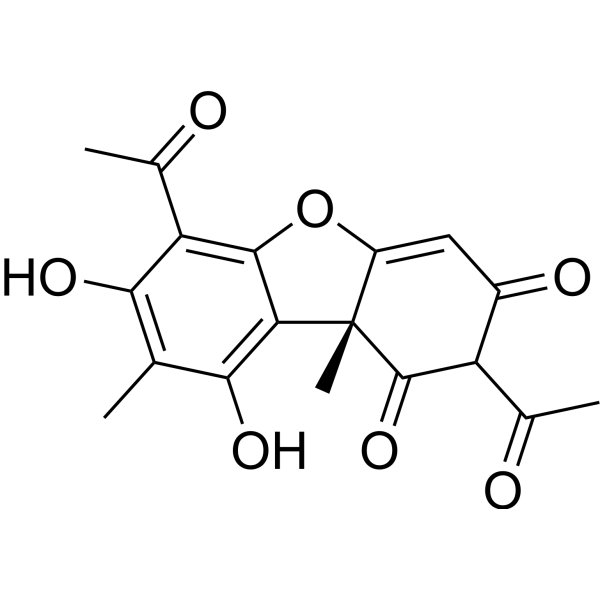
(+)-Usnic acid is isolated from isolated from lichens, binds at the ATP-binding pocket of mTOR, and inhibits mTORC1/2 activity. (+)-Usnic acid inhibits the phosphorylation of mTOR downstream effectors: Akt (Ser473), 4EBP1, S6K, induces autophay, with anti-cancer and anti-inflammatory activity. (+)-Usnic acid possesses antimicrobial activity against a number of planktonic gram-positive bacteria, including Staphylococcus aureus, Enterococcus faecalis, and Enterococcus faecium .
|
-
-
- HY-125733
-
|
|
Bacterial
Antibiotic
|
Infection
|
|
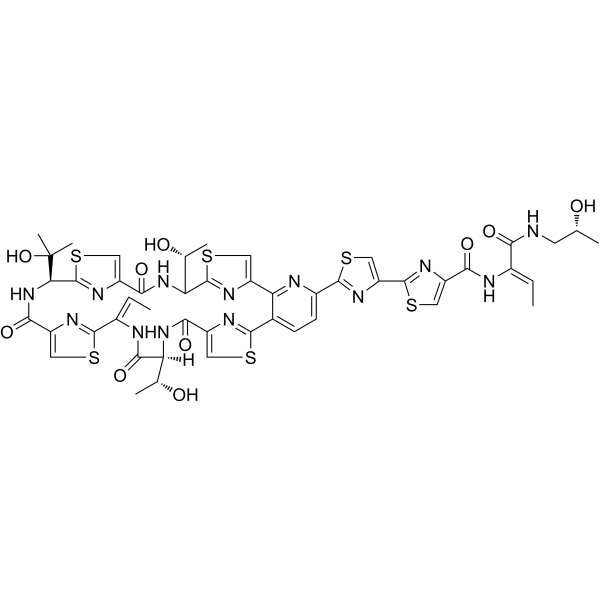
Thiocillin I is a thiopeptide antibiotic and has in vitro antibacterial activity against Gram-positive bacterial strains. The MIC values of Thiocillin I against S. aureus 1974149, E. faecalis 1674621, B. subtilis ATCC 6633 and S. pyogenes 1744264 are 2 μg/mL, 0.5 μg/mL, 4 μg/mL and 0.5 μg/mL, respectively .
|
-
-
- HY-125728
-
|
|
Bacterial
Parasite
HCV
|
Infection
|
|
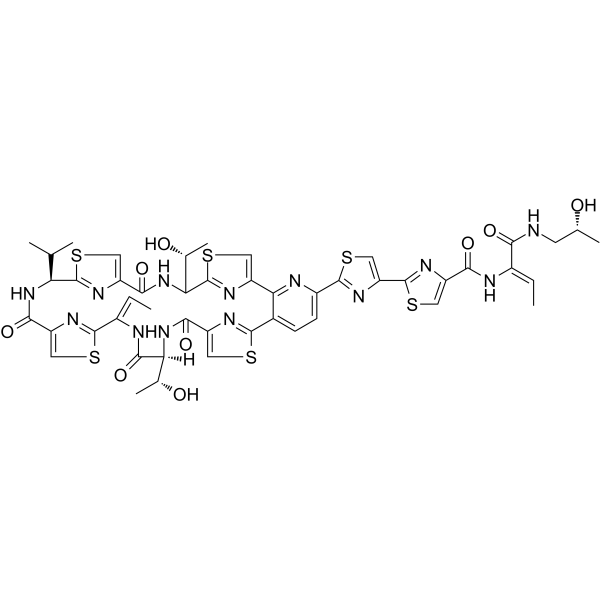
Micrococcin P1 is a macrocyclic peptide antibiotic and is a potent hepatitis C virus (HCV) inhibitor with an EC50 range of 0.1-0.5 μM . Micrococcin P1 has in vitro antibacterial activity against Gram-positive bacterial strains. The MIC values of Micrococcin P1 against S. aureus 1974149, E. faecalis 1674621 and S. pyogenes 1744264 are 2 μg/mL, 1 μg/mL and 1 μg/mL, respectively . Micrococcin P1 is also a potent inhibitor of the malaria parasite Plasmodium falciparum .
|
-
-
- HY-W099540
-
|
|
Bacterial
|
Infection
|
|
OES2-0017 shows potent synergy with polyamines and growth-inhibitory effects at the low micromolar range. OES2-0017 inhibits spermine/spermidine acetyltransferase (SpeG) (IC50: 34.82 μM ) and other polyamine detoxification enzymes in low concentrations, perturbed the bacterial membrane in higher concentrations .
|
-
-
- HY-175376
-
|
|
Antibiotic
Bacterial
|
Infection
|
|
QPyN16Th is an N-palmitoylated cationic thiazolidine antibiotic. QPyN16Th is selectively active against the Gram-positive bavteria E. faecalis, S. aureus and MRSA with an MIC of 1.95 μM over gram-negative bacteria. QPyN16Th can induce membrane permeabilization and depolarization and ROS production in MRSA. QPyN16Th increases the survival of zebrafish model of intramuscular MRSA infection .
|
-
-
- HY-168960
-
|
|
Reactive Oxygen Species (ROS)
Bacterial
|
Infection
|
|
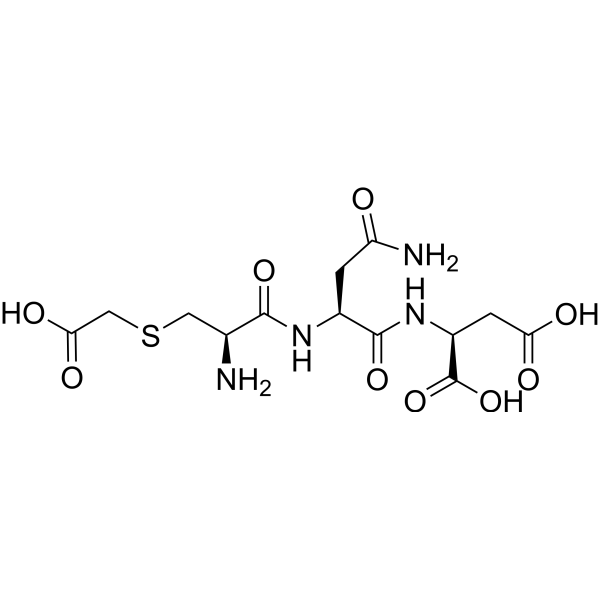
ROS inducer 8 (Compound 11g) is the inhibitor for glutathione (GSH), that induces the ROS accumulation in Enterococcus faecalis, thereby exhibiting antibacterial activity. ROS inducer 8 disrupts the biofilm, inhibits S. aureus and E. faecalis with MIC of 8 μg/mL and 2 μg/mL, exhibits post-antibiotic effect. ROS inducer 8 exhibits low hemolytic toxicity to sheep erythrocytes (HC50 > 1280 μg/mL) .
|
-
-
- HY-155282
-
-
-
- HY-N9477
-
|
Betulin-28-oxime
|
Drug Derivative
Bacterial
|
Infection
|
|
Betulinic aldehyde oxime (Compound 31) is a betulin (HY-N0083) derivative that has antimicrobial properties against E. aerogenes, E. coli, E. faecalis, P. aeruginosa, S. aureus, and C. albicans. Betulinic aldehyde oxime displays cytotoxicity towards hepatocytes, with an IC50 of 25 μM .
|
-
-
- HY-161922
-
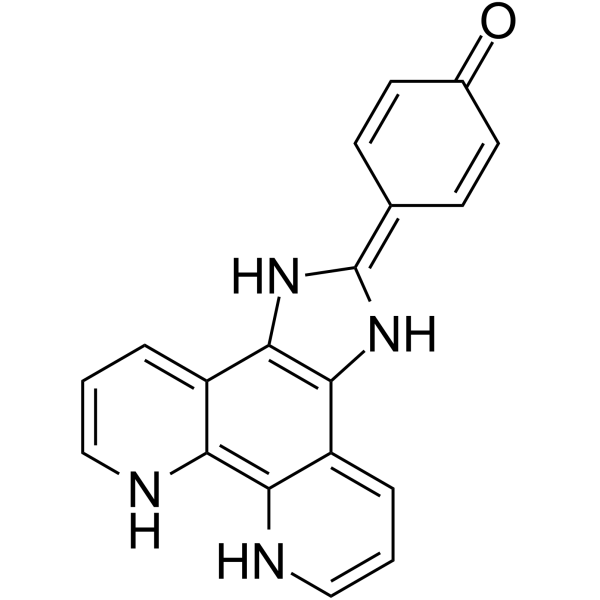
|
|
Bacterial
|
Infection
|
|
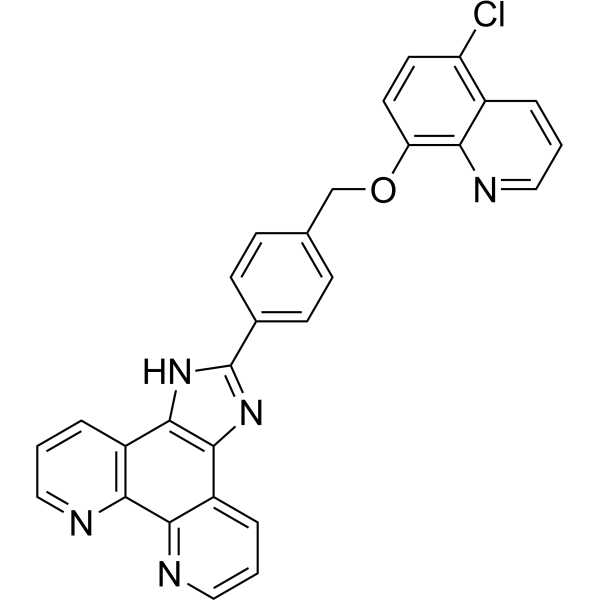
Antibacterial agent 235 (compound thy2I) shows antibacterial activity with minimum inhibitory concentration (MIC) values ranging from 0.5 μg/mL to 8 μg/mL. Antibacterial agent 235 could kill both gram-positive and gram-negative bacteria via a membrane-targeting mechanism of action with a low frequency of resistance .
|
-
-
- HY-N3199
-
|
|
Bacterial
|
Infection
|
|
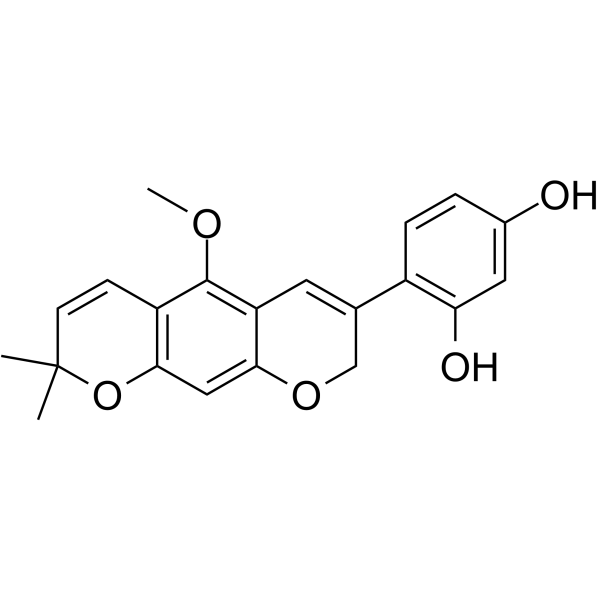
Neorauflavene is a phenolic neorautanenia isoflavanoid isolated from Neorautanenia edulis. Neorauflavene shows antibacterial activities against E. faecalis, S. suis, S. agalactiae, P. aeruginosa, B. subtilis, and R. anatipestifer .
|
-
-
- HY-B1256AR
-
|
Kefurox (Standard)
|
Beta-lactamase
Reference Standards
Bacterial
Antibiotic
|
Infection
Cancer
|
|
Cefuroxime (Standard) is the analytical standard of Cefuroxime. This product is intended for research and analytical applications. Cefuroxime is an orally active second-generation cephalosporin antibiotic with increased stability to β-lactamase. Cefuroxime has a broad spectrum activity against Gram-positive and Gram-negative bacteria .
|
-
-
- HY-B1256R
-
|
|
Beta-lactamase
Reference Standards
Bacterial
Antibiotic
|
Infection
|
|
Cefuroxime (sodium) (Standard) is the analytical standard of Cefuroxime (sodium). This product is intended for research and analytical applications. Cefuroxime sodium is an orally active second-generation cephalosporin antibiotic with increased stability to β-lactamase. Cefuroxime sodium has a broad spectrum activity against Gram-positive and Gram-negative bacteria .
|
-
-
- HY-147958
-
|
|
Bacterial
|
Infection
|
|
Antibacterial agent 113 (compound 3) is a potent antibacterial agent. Antibacterial agent 113 shows antibacterial activity against P.aeruginosa, S.mutans, B.subtilis, E.coli, E.faecalis, S.typhimuriumand, and S.aureus microorganisms, with MIC values all of 156.25 μM .
|
-
-
- HY-125569
-
|
|
Fungal
Antibiotic
|
Infection
|
|
Leucomycin A5 has antifungal activity, with the MIC for Staphylococcus pyogenes pen S, Staphylococcus pyogenes pen R, and Staphylococcus faecalis being 0.8, 3.2, and 0.8 μg/mL, respectively .
|
-
-
- HY-P5695
-
|
|
Bacterial
|
Infection
|
|
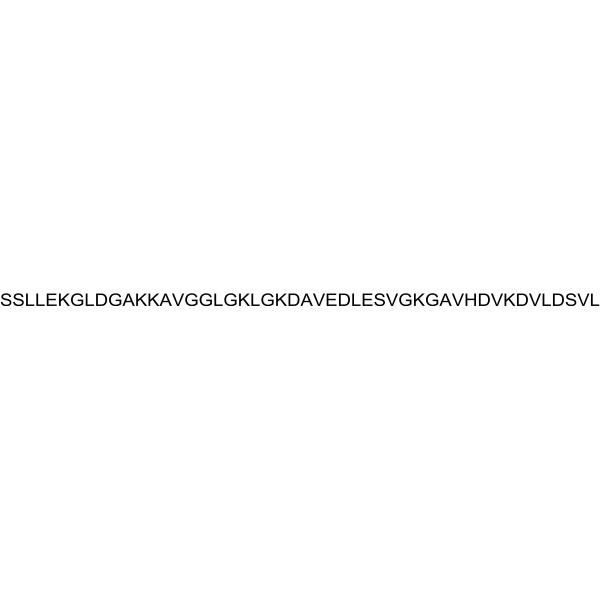
GP-2B is an antimicrobial peptide. GP-2B shows antibacterial activity against Gram-positive strain (MIC: 8-128 μg/mL for S. aureus and Enterococcus faecalis) .
|
-
-
- HY-113687
-
|
|
Bacterial
|
Infection
|
|
T145 is an oxazolidinone with antibacterial activity that inhibits growth of gram negatives (K. pneumoniae, A. baumannii, P. aeruginosa and E. cloacae), gram positives (E. faecalis and S. aureus) and acid fast pathogens (Mab, Mav and Mtb) .
|
-
-
- HY-147959
-
|
|
Bacterial
|
Infection
|
|
Antibacterial agent 114 (compound 1) is a potent antibacterial agent. Antibacterial agent 114 shows antibacterial activity against P.aeruginosa, B.subtilis, E.coli, E.faecalis, S.typhimuriumand, S.mutans, and S.aureus microorganisms, with MIC values of 625, 625, 625, 625, 625, 1250 and 1250 μM, respectively .
|
-
-
- HY-147957
-
|
|
Bacterial
|
Infection
|
|
Antibacterial agent 112 (compound 2) is a potent antibacterial agent. Antibacterial agent 112 shows antibacterial activity against P.aeruginosa, S.mutans, B.subtilis, E.coli, E.faecalis, S.typhimuriumand, and S.aureus microorganisms, with MIC values of 625, 625, 1250, 1250, 1250, 1250 and 1250 μM, respectively .
|
-
-
- HY-170367
-
|
|
Bacterial
|
Infection
|
|
Antimicrobial agent-35 (Compound c9) exhibits antibacterial agent, that inhibits S. aureus, E. coli, E. faecalis, and S. maltophilia with MIC of 0.5-2 μg/mL. Antimicrobial agent-35 exhibits cytotoxicity against HT-22 with IC50 of 130.4 μg/mL .
|
-
-
- HY-172109
-
|
|
DNA/RNA Synthesis
|
Infection
|
|
DNA Gyrase-IN-15 (Compound 11) is an antimicrobial agent and inhibitor of DHPS and DNA gyrase, with IC50s of 1.73 and 0.07 µM, respectively. DNA Gyrase-IN-15 shows antimicrobial activity against Enterococcus faecalis (MIC of 15.62 µg/mL), Acinetobacter baumannii, Enterobacter species (MIC of 7.81 µg/mL), Pseudomonas aeruginosa, Klebsiella pneumoniae and Staphylococcus aureus. DNA Gyrase-IN-15 also shows antibiofilm activity against Enterococcus faecalis .
|
-
-
- HY-P5690
-
|
|
Bacterial
|
Infection
|
|
Distinctin is an antimicrobial peptide. Distinctin can be isolated from frog skin. Distinctin has antibacterial activity against E. faecalis, P. aeruginosa, S. aureus and E. coli (MIC: 14.5, 28.0, 28.0, 14.5 μM) .
|
-
-
- HY-169105
-
|
|
DNA/RNA Synthesis
Bacterial
|
Infection
|
|
DNA Gyrase-IN-12 (Compound 6d) is a DNA gyrase inhibitor. DNA Gyrase-IN-12 has Antibacterial activity and MIC value of vancomycin-intermediate S. aureus (VISA) and Enterococcus faecalis strains is between 0.031 and 0.0625 μg/mL .
|
-
-
- HY-W781265
-
|
L-755,805
|
Endothelin Receptor
Bacterial
|
Infection
|
|
BE 24566B is a polyketide fungal metabolite originally isolated from S. violaceusniger. It is active against B. subtilis, B. cereus, S. aureus, M. luteus, E. faecalis, and S. thermophilus (MICs=1.56, 1.56, 1.56, 1.56, 3.13, and 3.13 μg/mL, respectively). BE 24566B is an endothelin (ET) receptor antagonist (IC50s=11 and 3.9 μM for ETA and ETB receptors, respectively).
|
-
-
- HY-P5697
-
|
|
Bacterial
|
Infection
|
|
Tilapia piscidin 3 is an antimicrobial peptide with antibacterial activity against gram-positive and -negative bacteria (MIC: 2.44, 2.44, 9.78, 19.55, 0.61 μg/mL for V. vulnificus 204, V. alginolyticus, S. agalactiae 819, E. faecalis BCRC 10066, S. agalactiae BCRC 10787). Tilapia piscidin 3 has hemolytic activity in fish red blood cells .
|
-
-
- HY-155127
-
|
|
Fungal
|
Cancer
|
|
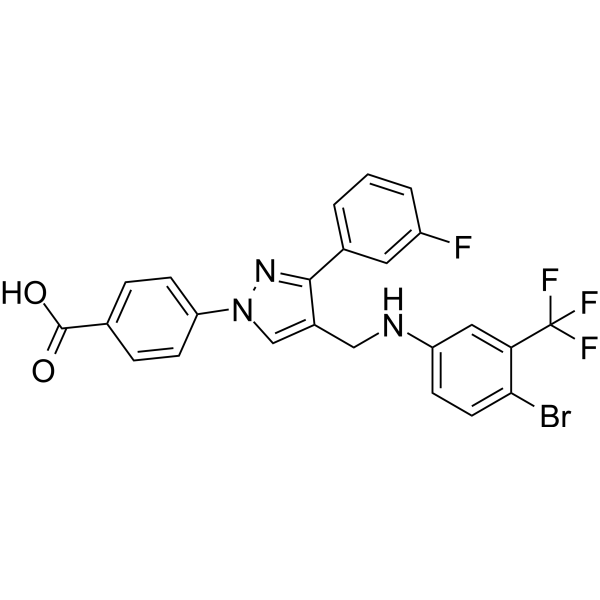
Antiproliferative agent-33 (Compound 2g) is an anti-proliferative, antifungal, and antibacterial agent. Antiproliferative agent-33 inhibits MDA-MB-231 cell proliferation (IC50: 16.38 μM). Antiproliferative agent-33 inhibits gram-negative bacteria growth, and inhibits S. faecalis with an MIC value of 8 μg/mL .
|
-
-
- HY-N1654
-
|
|
Bacterial
|
Infection
|
|
2',3'-Dehydrosalannol is a potent antibacterial agent. 2',3'-Dehydrosalannol shows antibacterial activity against K. pneumonia ATCC 13883, P. aeruginosa ATCC 27853, S. aureus ATCC 25922, E. coli ATCC 11775, and E. faecalis ATCC 10541, with MIC values of 0.78, 1.56, 1.56, 6.25, and 25 μg/mL, respectively .
|
-
-
- HY-N0656AR
-
|
|
Reference Standards
mTOR
Bacterial
Autophagy
|
Cancer
|
|
(+)-Usnic acid (Standard) is the analytical standard of (+)-Usnic acid. This product is intended for research and analytical applications. (+)-Usnic acid is isolated from isolated from lichens, binds at the ATP-binding pocket of mTOR, and inhibits mTORC1/2 activity. (+)-Usnic acid inhibits the phosphorylation of mTOR downstream effectors: Akt (Ser473), 4EBP1, S6K, induces autophay, with anti-cancer activity . (+)-Usnic acid possesses antimicrobial activity against a number of planktonic gram-positive bacteria, including Staphylococcus aureus, Enterococcus faecalis, and Enterococcus faecium .
|
-
-
- HY-151458
-
|
|
VEGFR
Bacterial
Dihydrofolate reductase (DHFR)
Fungal
|
Infection
Cancer
|
|
VEGFR-2/DHFR-IN-1 (compound 8b) is an inhibitor of VEGFR-2 and DHFR with IC50s of 0.384 and 7.881 μM, respectively. VEGFR-2/DHFR-IN-1 shows good antibacterial activities against Escherichia coli, Streptococcus faecalis, Salmonella enterica, MSSA and MRSA with MIC values of 16, 16, 16, 8, and 16 μg/mL, respectively. VEGFR-2/DHFR-IN-1 exhibits good cytotoxic activities against C26, HepG2, and MCF7 cancer cell lines with IC50 values of 2.97-7.12 μM. VEGFR-2/DHFR-IN-1 can be used for the research of cancer .
|
-
-
- HY-172390
-
|
|
Bacterial
|
Infection
|
|
Florfenicol-propanoate-piperidin (Compound 1) is the derivative of Florfenicol (HY-B1374). Florfenicol-propanoate-piperidin exhibits antibacterial activity, inhibits E. coli ATCC25922, Salmonella CICC110420, S. aureus ATCC29213, B. subtilis CMCC(B)63501, E. faecalis ATCC29212, S. suis CVCC606, and Haemophilus parasuis with MIC of 2-8 μM .
|
-
-
- HY-N8316
-
|
|
Others
|
Infection
|
|
Rugulotrosin A is an antibiotic originally isolated from Penicillium. It is active against the Gram-positive bacteria E. faecalis, B. cereus, B. subtilis, and S. aureus with 99% lethal dose (LD99) values of 1.6, 3.1, 5.5, and 200 μg/mL, respectively.1 Rugulotrosin A is inactive against Gram-negative bacteria.
|
-
-
- HY-108939R
-
|
IleSA (Standard)
|
Reference Standards
Bacterial
Aminoacyl-tRNA Synthetase
|
Infection
|
|
Aminoacyl tRNA synthetase-IN-1 (Standard) is the analytical standard of Aminoacyl tRNA synthetase-IN-1 (HY-108939). This product is intended for research and analytical applications. Aminoacyl tRNA synthetase-IN-1 is a bacterial aminoacyl tRNA synthetase (aaRS) inhibitor. Aminoacyl tRNA synthetase-IN-1 has inhibitory activity against S. aureus, E. faecalis and E.coli .
|
-
-
- HY-182022
-
|
|
Bacterial
Reactive Oxygen Species (ROS)
Drug Derivative
DNA/RNA Synthesis
|
Infection
|
|
ZLWH-67 is a β-Carboline derivative and Antibacterial agent. ZLWH-67 inhibits DNA synthesis, suppresses biofilm formation, and increases reactive oxygen species (ROS) levels. ZLWH-67 exhibits potent in vitro antibacterial activity against MRSA (MIC = 0.5-4 μg/mL), S. epidermidis (MIC = 4 μg/mL), E. faecalis (MIC = 4-8 μg/mL), and S. pneumoniae (MIC = 16 μg/mL). ZLWH-67 displays anti-MRSA effects in murine skin and pneumonia infection models .
|
-
-
- HY-P11659
-
|
|
Antibiotic
Bacterial
|
Infection
|
|
B26 peptoid is a ptoid antibiotic. B26 peptoid exhibits excellent broad-spectrum activity and high selectivity toward a panel of Gram-positive and Gram-negative bacterial strains. B26 peptoid disrupts bacterial membranes and has bactericidal activity. B26 peptoid shows low propensity for bacterial drug resistance. B26 peptoid can be used for the research of bacterial infection .
|
-
-
- HY-168729
-
|
|
Bacterial
|
Infection
|
|
Antibacterial agent 256 (Compound C09) is an inhibitor for type I signal peptidase (SPase I). Antibacterial agent 256 inhibits gram-positive bacteria, that inhibits S. aureus ATCC 29213, E. faecium QF31, E. faecalis SF23-1 and S. suis P1/7, with MIC of 1-16 μg/mL. Antibacterial agent 256 exhibits cytotoxicity in cancer cell HEp-2 and Caco-2 with CC50 of 14.65 μg/mL and 21.93 μg/mL. Antibacterial agent 256 exhibits a hemolytic activity on mouse RBCs, with an HC50 of 13.29 μg/mL. Antibacterial agent 256 ameliorates the MRSA skin infection in mouse model .
|
-
-
- HY-181075
-
|
|
Bacterial
Reactive Oxygen Species (ROS)
|
Infection
|
|
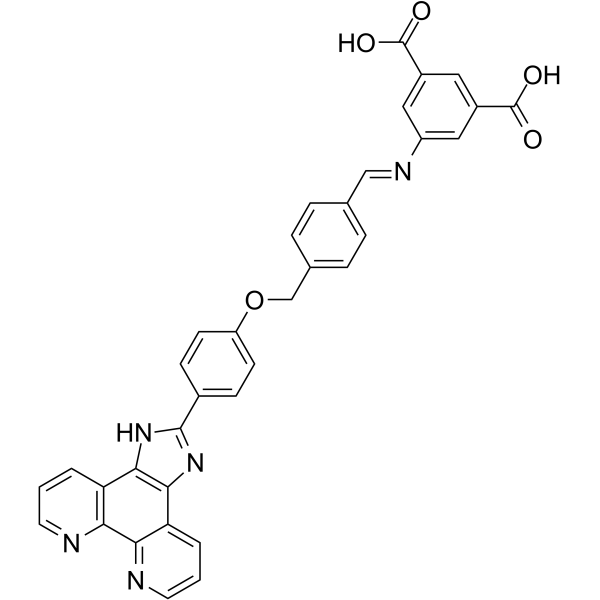
Antibacterial agent 318 is an antibacterial agent that binds to bacterial DNA, blocks its replication, and forms supramolecular complexes. Antibacterial agent 318 acts as an oxidative stress inducer, elevating intracellular reactive oxygen species (ROS) levels, oxidizing glutathione (GSH) to glutathione disulfide (GSSG), depleting cellular GSH reserves, and inducing bacterial cell death through oxidative damage. Antibacterial agent 318 disrupts the bacterial cell membrane and reduces bacterial metabolic activity. Antibacterial agent 318 exhibits rapid bactericidal activity, inhibits bacterial biofilm formation, and displays minimal cytotoxicity toward non-cancerous mammalian cells. Antibacterial agent 318 is applicable in research on drug-resistant bacterial infections .
|
-
-
- HY-180125
-
|
|
Bacterial
Reactive Oxygen Species (ROS)
|
Infection
|
|
Antibacterial agent 307 is an antibacterial agent. Antibacterial agent 307 shows MICs of 1-4 μg/mL against Gram-positive bacteria, moderate activity against Gram-negative bacteria, low hemolytic toxicity, and excellent plasma stability. Antibacterial agent 307 compromises bacterial membrane integrity via increased permeability and depolarization, induces endogenous ROS accumulation, causes cytoplasmic protein and nucleic acid leakage, and drives rapid bacterial cell death. Antibacterial agent 307 can be used for the research of bacterial infection .
|
-
-
- HY-180767
-
|
|
Drug Derivative
Bacterial
Topoisomerase
|
Infection
Cancer
|
|
Azithromycin-amide-C3-amide-quinoxaline (Compound 5f) is an Azithromycin (HY-17506) derivative and antibacterial agent. Azithromycin-amide-C3-amide-quinoxaline inhibits topoisoisomerase I with an IC50 of 120.7 μM. Azithromycin-amide-C3-amide-quinoxaline interacts with 70S E. coli ribosome with a Kd of 0.8 nM. Azithromycin-amide-C3-amide-quinoxaline inhibits bacterial translation with an IC50 of 0.7 μM. Azithromycin-amide-C3-amide-quinoxaline shows antibacterial potency against S. pneumonia ATCC 49619, S. aureus ATCC 29213, E. faecalis ATCC 29212 with MICs of 0.06 μg/mL, 2 μg/mL, 0.5 μg/mL, respectively. Azithromycin-amide-C3-amide-quinoxaline exhibits anticancer activity against prostate cancer, colon cancer .
|
-
-
- HY-N19290
-
|
|
Bacterial
|
Infection
|
|
Glenthmycin E is an antibacterial agent found in Australian sheep pasture-derived Streptomyces sp. CMB-PB041. Glenthmycin E inhibits growth of multiple bacterial and exhibits no detectable cytotoxicity to eukaryotic cells including fungal and human carcinoma cells. Glenthmycin E can be used for the research of bacterial infections .
|
-
-
- HY-P11583
-
|
|
Bacterial
|
Infection
|
|
N2W2 is a tryptophan- and lysine-rich β-hairpin antimicrobial peptide. N2W2 exhibits potent antimicrobial activity but also high toxicity. N2W2 is highly susceptible to trypsin or chymotrypsin. N2W2 can be used for the research of bacterial infection .
|
-
-
- HY-182798
-
|
|
Bacterial
Reactive Oxygen Species (ROS)
|
Infection
|
|
Antibacterial agent 337 is an antibacterial agent. Antibacterial agent 337 specifically interacts with PG in bacterial cell membranes, triggering membrane disruption, membrane depolarization, increased permeability, cytoplasmic leakage, ROS accumulation and rapid bacterial death. Antibacterial agent 337 inhibits biofilm formation and disrupts mature biofilms. Antibacterial agent 337 exhibits potent in vivo antibacterial efficacy in a mouse model of Staphylococcus aureus skin abscess. Antibacterial agent 337 can be used in studies of Gram-positive bacterial infections, including methicillin-resistant Staphylococcus aureus infections, vancomycin-resistant Enterococcus faecalis infections and bacterial biofilm infections .
|
-
-
- HY-N15140
-
|
|
Drug Isomer
Bacterial
Fungal
Carboxypeptidase
|
Infection
Cancer
|
|
α-Thujaplicin, the isomer of Hinokitiol (HY-B2230), is an antimicrobial agent. α-Thujaplicin can be isolated from Aomori Hiba (Thujopsis dolabrata SIEB. et ZUCC. var. hondai MAKINO). α-Thujaplicin shows inhibition of Carboxypeptidase A (IC50: 32.4 μM). α-Thujaplicin shows rather strong antifungal activity against seven kinds of plant-pathogenic fungi, their MICs being in the range of 12.0-50.0 μg/mL. α-Thujaplicin shows clear antibacterial activity against Legionella pneumophila SG 1 and L. pneumophila SG 3, and their MICs are in the range of 12.5-50 μg/mL. α-Thujaplicin shows antibacterial activity against Enterococcus faecalis IFO-12965 with a MIC of 1.56 μg/mL. α-Thujaplicin shows germination inhibition toward the seed of Echinochloa utilis Ohwi et Yabuno. α-thujaplicin inhibits lymphocytic leukemia, stomach cancer, Ehrlich’s ascites carcinoma .
|
-
| Cat. No. |
Product Name |
Type |
-
- HY-125569
-
|
|
Biochemical Assay Reagents
|
|
Leucomycin A5 has antifungal activity, with the MIC for Staphylococcus pyogenes pen S, Staphylococcus pyogenes pen R, and Staphylococcus faecalis being 0.8, 3.2, and 0.8 μg/mL, respectively .
|
| Cat. No. |
Product Name |
Target |
Research Area |
-
- HY-P5695
-
|
|
Bacterial
|
Infection
|
|
GP-2B is an antimicrobial peptide. GP-2B shows antibacterial activity against Gram-positive strain (MIC: 8-128 μg/mL for S. aureus and Enterococcus faecalis) .
|
-
- HY-P5690
-
|
|
Bacterial
|
Infection
|
|
Distinctin is an antimicrobial peptide. Distinctin can be isolated from frog skin. Distinctin has antibacterial activity against E. faecalis, P. aeruginosa, S. aureus and E. coli (MIC: 14.5, 28.0, 28.0, 14.5 μM) .
|
-
- HY-P5697
-
|
|
Bacterial
|
Infection
|
|
Tilapia piscidin 3 is an antimicrobial peptide with antibacterial activity against gram-positive and -negative bacteria (MIC: 2.44, 2.44, 9.78, 19.55, 0.61 μg/mL for V. vulnificus 204, V. alginolyticus, S. agalactiae 819, E. faecalis BCRC 10066, S. agalactiae BCRC 10787). Tilapia piscidin 3 has hemolytic activity in fish red blood cells .
|
-
- HY-P11659
-
|
|
Antibiotic
Bacterial
|
Infection
|
|
B26 peptoid is a ptoid antibiotic. B26 peptoid exhibits excellent broad-spectrum activity and high selectivity toward a panel of Gram-positive and Gram-negative bacterial strains. B26 peptoid disrupts bacterial membranes and has bactericidal activity. B26 peptoid shows low propensity for bacterial drug resistance. B26 peptoid can be used for the research of bacterial infection .
|
-
- HY-P11583
-
|
|
Bacterial
|
Infection
|
|
N2W2 is a tryptophan- and lysine-rich β-hairpin antimicrobial peptide. N2W2 exhibits potent antimicrobial activity but also high toxicity. N2W2 is highly susceptible to trypsin or chymotrypsin. N2W2 can be used for the research of bacterial infection .
|
| Cat. No. |
Product Name |
Category |
Target |
Chemical Structure |
-
- HY-N0656A
-
|
|
other families
Classification of Application Fields
Ketones, Aldehydes, Acids
Plants
Lichen
Disease Research Fields
Cancer
|
mTOR
Bacterial
Autophagy
|
|
(+)-Usnic acid is isolated from isolated from lichens, binds at the ATP-binding pocket of mTOR, and inhibits mTORC1/2 activity. (+)-Usnic acid inhibits the phosphorylation of mTOR downstream effectors: Akt (Ser473), 4EBP1, S6K, induces autophay, with anti-cancer and anti-inflammatory activity. (+)-Usnic acid possesses antimicrobial activity against a number of planktonic gram-positive bacteria, including Staphylococcus aureus, Enterococcus faecalis, and Enterococcus faecium .
|
-
-
- HY-125733
-
-
-
- HY-N9477
-
-
-
- HY-N3199
-
-
-
- HY-125569
-
-
-
- HY-P5695
-
-
-
- HY-N1654
-
|
|
Infection
Natural Products
Classification of Application Fields
Azadirachta indica A. Juss.
Plants
Meliaceae
Disease Research Fields
Source Classification
|
Bacterial
|
|
2',3'-Dehydrosalannol is a potent antibacterial agent. 2',3'-Dehydrosalannol shows antibacterial activity against K. pneumonia ATCC 13883, P. aeruginosa ATCC 27853, S. aureus ATCC 25922, E. coli ATCC 11775, and E. faecalis ATCC 10541, with MIC values of 0.78, 1.56, 1.56, 6.25, and 25 μg/mL, respectively .
|
-
-
- HY-N0656AR
-
|
|
Structural Classification
other families
Ketones, Aldehydes, Acids
Plants
Lichen
|
Reference Standards
mTOR
Bacterial
Autophagy
|
|
(+)-Usnic acid (Standard) is the analytical standard of (+)-Usnic acid. This product is intended for research and analytical applications. (+)-Usnic acid is isolated from isolated from lichens, binds at the ATP-binding pocket of mTOR, and inhibits mTORC1/2 activity. (+)-Usnic acid inhibits the phosphorylation of mTOR downstream effectors: Akt (Ser473), 4EBP1, S6K, induces autophay, with anti-cancer activity . (+)-Usnic acid possesses antimicrobial activity against a number of planktonic gram-positive bacteria, including Staphylococcus aureus, Enterococcus faecalis, and Enterococcus faecium .
|
-
-
- HY-N8316
-
-
-
- HY-N19290
-
-
-
- HY-N15140
-
|
|
Structural Classification
Natural Products
Cupressaceae
Ketones, Aldehydes, Acids
Plants
Thujopsis dolabrata (Thunberg ex L. f.) Sieb. et Zucc.
Source Classification
|
Drug Isomer
Bacterial
Fungal
Carboxypeptidase
|
|
α-Thujaplicin, the isomer of Hinokitiol (HY-B2230), is an antimicrobial agent. α-Thujaplicin can be isolated from Aomori Hiba (Thujopsis dolabrata SIEB. et ZUCC. var. hondai MAKINO). α-Thujaplicin shows inhibition of Carboxypeptidase A (IC50: 32.4 μM). α-Thujaplicin shows rather strong antifungal activity against seven kinds of plant-pathogenic fungi, their MICs being in the range of 12.0-50.0 μg/mL. α-Thujaplicin shows clear antibacterial activity against Legionella pneumophila SG 1 and L. pneumophila SG 3, and their MICs are in the range of 12.5-50 μg/mL. α-Thujaplicin shows antibacterial activity against Enterococcus faecalis IFO-12965 with a MIC of 1.56 μg/mL. α-Thujaplicin shows germination inhibition toward the seed of Echinochloa utilis Ohwi et Yabuno. α-thujaplicin inhibits lymphocytic leukemia, stomach cancer, Ehrlich’s ascites carcinoma .
|
-
Your information is safe with us. * Required Fields.
Inquiry Information
- Product Name:
- Cat. No.:
- Quantity:
- MCE Japan Authorized Agent:

