1. Search Result
Search Result
Results for "

S6K mRNAs,anti-proliferative

" in MedChemExpress (MCE) Product Catalog:

107

Inhibitors & Agonists

2

Biochemical Assay Reagents

8

Peptides

1

Inhibitory Antibodies

24

Natural
Products

13

Recombinant Proteins

3

Isotope-Labeled Compounds

32

Antibodies

Targets Recommended:
Cat. No. 상품명 Target 연구분야 Chemical Structure
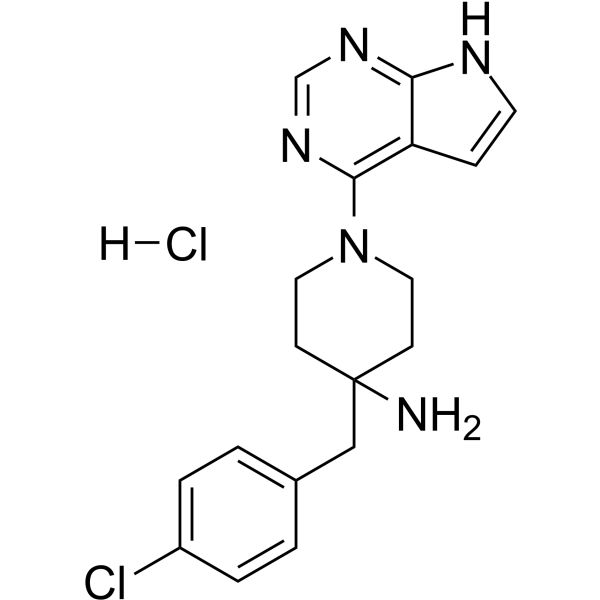
  • HY-10514
    BX795
    Maximum Cited Publications
    38 Publications Verification

    PDK-1 IKK Autophagy Cancer
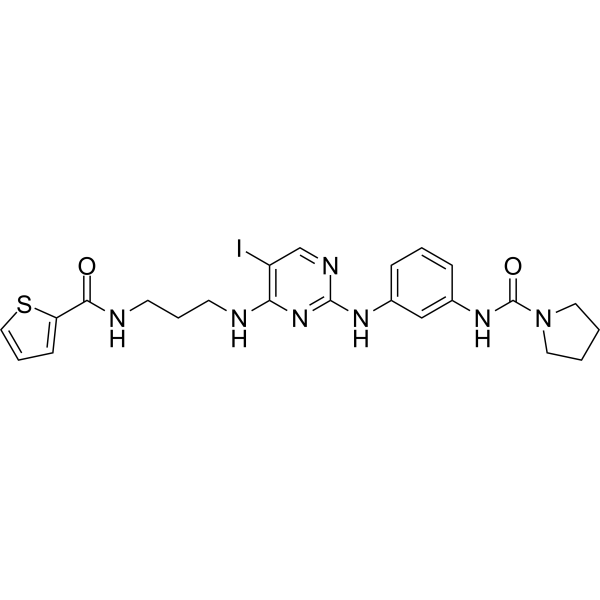
    BX795 is a potent and selective inhibitor of PDK1, with an IC50 of 6 nM. BX795 is also a potent and relatively specific inhibitor of TBK1 and IKKε, with an IC50 of 6 and 41 nM, respectively. BX795 blocks phosphorylation of S6K1, Akt, PKCδ, and GSK3β, and has lower selectivity over PKA, PKC, c-Kit, GSK3β etc. BX795 modulates autophagy .
    BX795
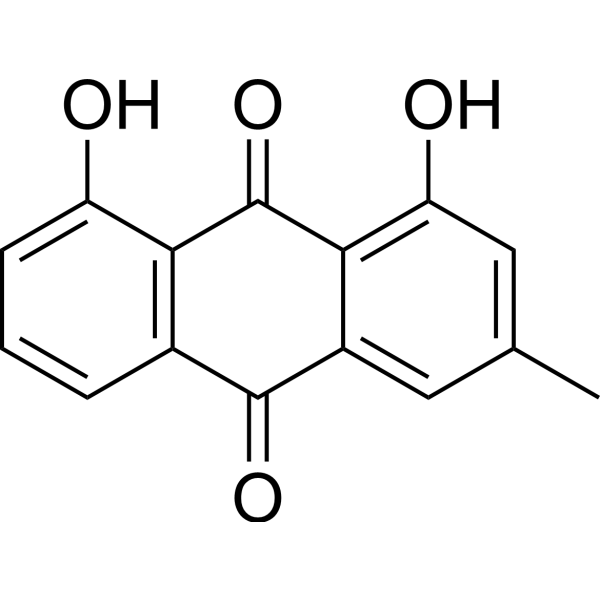
  • HY-13595
    Chrysophanol
    5+ Cited Publications

    Chrysophanic acid

    EGFR Cancer
    Chrysophanol (Chrysophanic acid) is a natural anthraquinone, which inhibits EGF-induced phosphorylation of EGFR and suppresses activation of AKT and mTOR/p70S6K.
    Chrysophanol
  • HY-15773
    PF-4708671
    25+ Cited Publications

    Ribosomal S6 Kinase (RSK) Autophagy Cancer
    PF-4708671 is a potent cell-permeable S6K1 inhibitor with a Ki of 20 nM and IC50 of 160 nM.
    PF-4708671
  • HY-N1437
    Hydroxycitric acid
    1 Publications Verification

    Apoptosis Ferroptosis mTOR DNA/RNA Synthesis Keap1-Nrf2 Ribosomal S6 Kinase (RSK) NF-κB ATP Citrate Lyase AMPK Cardiovascular Disease Metabolic Disease Cancer
    Hydroxycitric acid is an orally active, multi-target, multi-bioactive organic acid. activates Nrf2 and its downstream molecule GPX4, increases glutathione levels, and thereby inhibits ferroptosis. Hydroxycitric acid activates the Nrf2/Keap1 and ACLY/NF-κB signaling pathways, upregulates the activities of antioxidant enzymes such as superoxide dismutase, reduces MDA content, thereby alleviating oxidative stress and renal tubular epithelial cell apoptosis, and improves pulmonary vascular and right ventricular remodeling. Hydroxycitric acid activates both the AMPK and mTORC1/S6K pathways, triggers the unfolded protein response, arrests the cancer cell cycle, and induces DNA fragmentation .
    Hydroxycitric acid
  • HY-W021448
    Glycocyamine
    1 Publications Verification

    Guanidinoacetic acid

    Endogenous Metabolite Metabolic Disease
    Glycocyamine (Guanidinoacetic acid) is a direct precursor of creatine and an orally active energy metabolism regulator and myogenic differentiation inducer. Glycocyamine can activate the Akt/mTOR/S6K signaling pathway via miR-133a-3p and miR-1a-3p, and stimulate the mRNA expression of myogenic differentiation factor 1 (MyoD) and myopoietin (MyoG). Glycocyamine can increase muscle creatine concentration and maintain ATP homeostasis through the creatine phosphate/creatine kinase system. Glycocyamine can be used in research on feed additives for poultry farming .
    Glycocyamine
  • HY-B0167A
    Sodium Salicylate
    Maximum Cited Publications
    15 Publications Verification

    Salicylic acid sodium salt; 2-Hydroxybenzoic acid sodium salt

    Environmental Pollutants Ribosomal S6 Kinase (RSK) Endogenous Metabolite Apoptosis COX Autophagy NF-κB Inflammation/Immunology Cancer
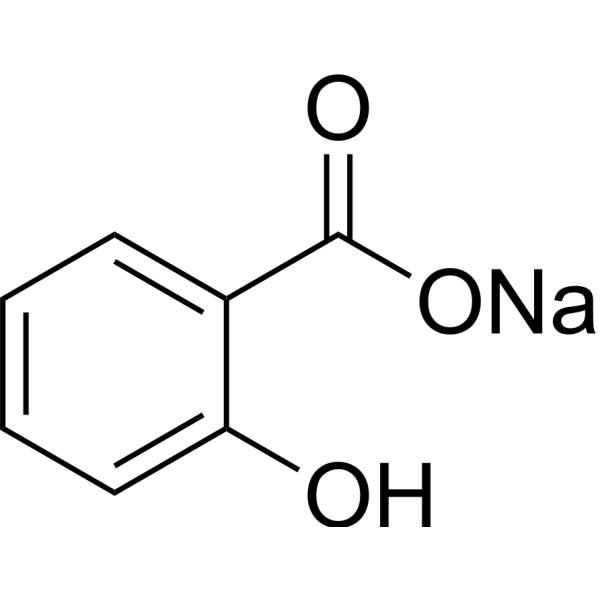
    Sodium Salicylate (Salicylic acid sodium salt) inhibits cyclo-oxygenase-2 (COX-2) activity independently of transcription factor (NF-κB) activation . Sodium Salicylate is also a S6K inhibitor.Sodium Salicylate is a NF-κB inhibitor that decreases inflammatory gene expression and improves repair in aged muscle .
    Sodium Salicylate
  • HY-158426
    2-APQC
    1 Publications Verification

    Sirtuin Cardiovascular Disease
    2-APQC is an orally active and selective agonist of Sirtuin-3 (SIRT3) (Kd=2.756 μM), antagonizes Isoproterenol/ISO (HY-B0468)-induced cytotoxicity. 2-APQC activates the SIRT3-PYCR1 axis to enhance mitochondrial proline metabolism and inhibit the ROS-p38MAPK pathway by inhibiting signaling pathways such as mTOR-p70S6K, JNK, and TGF-β/Smad3. 2-APQC also activates the AMPK-Parkin axis to alleviate myocardial hypertrophy and fibrosis and protect cardiac function. 2-APQC can be used in the study of heart failure .
    2-APQC
  • HY-112234
    L-Sepiapterin
    1 Publications Verification

    Sepiapterin

    Endogenous Metabolite Cancer
    L-Sepiapterin (Sepiapterin), is a phenylalanine hydroxylase activator, is a precursor of the endothelial nitric oxide synthase (eNOS) cofactor tetrahydrobiopterin (BH4). L-Sepiapterin improves endothelial dysfunction in small mesenteric arteries from db/db mice, and induces angiogenesis. L-Sepiapterin inhibits cell proliferation and migration of ovarian cancer cells via down-regulation of p70 S6K-dependent VEGFR-2 expression. L-Sepiapterin can be used for the study of hyperphenylalaninemia .
    L-Sepiapterin
  • HY-101963

    Raf Src Ribosomal S6 Kinase (RSK) RET Cancer
    AD80, a multikinase inhibitor, inhibits RET, RAF,SRCand S6K, with greatly reduced mTOR activity.
    AD80
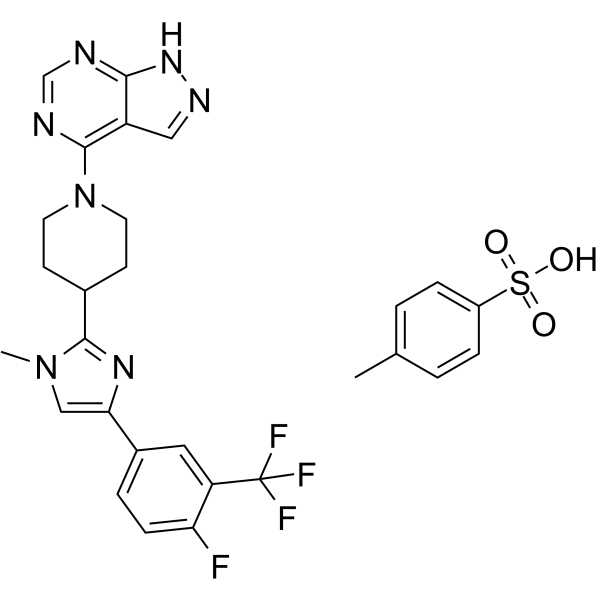
  • HY-12493A
    LY-2584702 tosylate salt
    5 Publications Verification

    Ribosomal S6 Kinase (RSK) Cancer
    LY-2584702 tosylate salt is a selective ATP competitive inhibitor of p70S6K with an IC50 of 4 nM. In S6K1 enzyme assay, the IC50 of LY-2584702 is 2 nM.
    LY-2584702 tosylate salt
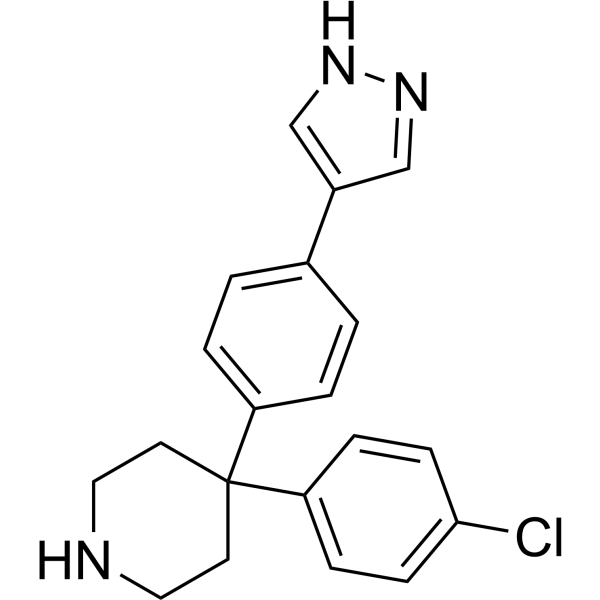
  • HY-16071
    AT13148
    2 Publications Verification

    Akt PKA ROCK Ribosomal S6 Kinase (RSK) Cancer
    AT13148 is an orally active and ATP-competitive, multi-AGC kinase inhibitor with IC50s of 38 nM/402 nM/50 nM, 8 nM, 3 nM, and 6 nM/4 nM for Akt1/2/3, p70S6K, PKA, and ROCKI/II, respectively.
    AT13148
  • HY-N0847
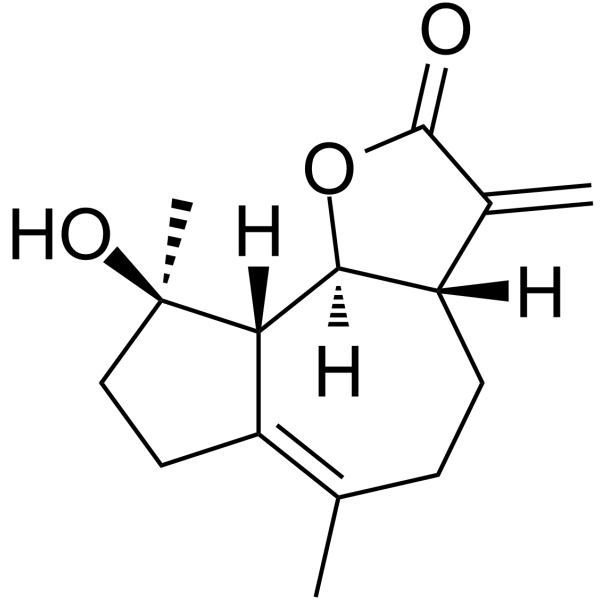
    Micheliolide
    5+ Cited Publications

    NF-κB PI3K Akt TGF-beta/Smad Inflammation/Immunology Cancer
    Micheliolide is a sesquiterpene lactone with anti-cancer and anti-inflammatory effects, which is derived from Michelia compressa and Michelia champaca. Micheliolide can attenuate high glucose-stimulated NF-κB activation, IκBα degradation, and the expression of MCP-1, TGF-β1, and FN in mouse mesangial cells. Micheliolide inhibits LPS (HY-D1056)-induced activation of NF-κB and PI3K/Akt/p70S6K pathways to play an anti-inflammatory role. Micheliolide inhibits dextran sodium sulphate (DSS) (HY-116282)-induced inflammatory intestinal disease, colitis-associated cancer and rheumatic arthritis .
    Micheliolide
  • HY-13866
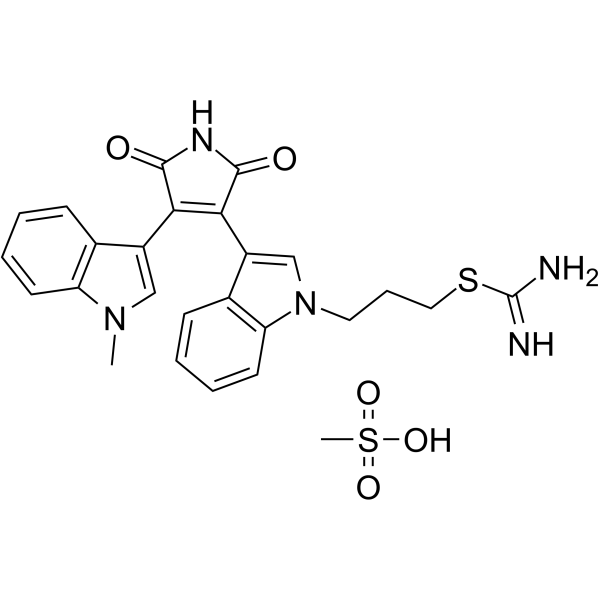
    Ro 31-8220 mesylate
    10+ Cited Publications

    Ro 31-8220 methanesulfonate; Bisindolylmaleimide IX mesylate

    PKC JNK Cardiovascular Disease Neurological Disease Cancer
    Ro 31-8220 mesylate is a potent PKC inhibitor, with IC50s of 5, 24, 14, 27, 24 and 23 nM for PKCα, PKCβI, PKCβII, PKCγ, PKCε and rat brain PKC, respectively. Ro 31-8220 also significantly inhibits MAPKAP-K1b, MSK1, S6K1 and GSK3β (IC50s, 3, 8, 15, and 38 nM, respectively), with no effect on MKK3, MKK4, MKK6 and MKK7. Ro 31-8220 mesylate can also inhibit the expression of MKP-1, induce the expression of c-Jun, and activate JNK, and these effects possess pharmacological properties independent of PKC .
    Ro 31-8220 mesylate
  • HY-P1925A
    GO-203 TFA
    2 Publications Verification

    PI3K Reactive Oxygen Species (ROS) Apoptosis Cancer
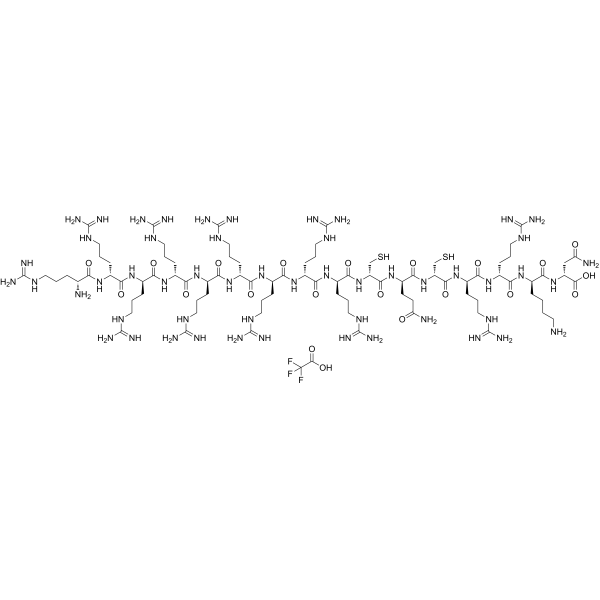
    GO-203 TFA is a potent MUC1-C oncoprotein inhibitor. GO-203 TFA is an all D-amino acid peptide that consists of a poly-R transduction domain linked to a CQCRRKN motif that binds to the MUC1-C cytoplasmic tail and blocks MUC1-C homodimerization. GO-203 TFA downregulates TIGAR (TP53-induced glycolysis and apoptosis regulator) protein synthesis by inhibiting the PI3K-AKT-S6K1 pathway. GO-203 TFA induces the production of ROS and loss of mitochondrial transmembrane potential. GO-203 TFA inhibits the growth of colon cancer cells in vitro and as xenografts in nude mice .
    GO-203 TFA
  • HY-14774
    Monepantel
    1 Publications Verification

    AAD1566; NUZ-001

    mTOR Parasite nAChR Autophagy Infection Neurological Disease Cancer
    Monepantel (AAD1566, NUZ-001), an antiparasitic agent, is an orally active mTOR inhibitor. Monepantel triggers autophagy through the deactivation of mTOR/p70S6K signalling pathway. Monepantel is a positive allosteric modulator of a nematode-specific clade of nAChR subunits. Monepantel can be used for the study of amyotrophic lateral sclerosis (ALS) and ovarian cancer .
    Monepantel
  • HY-132168
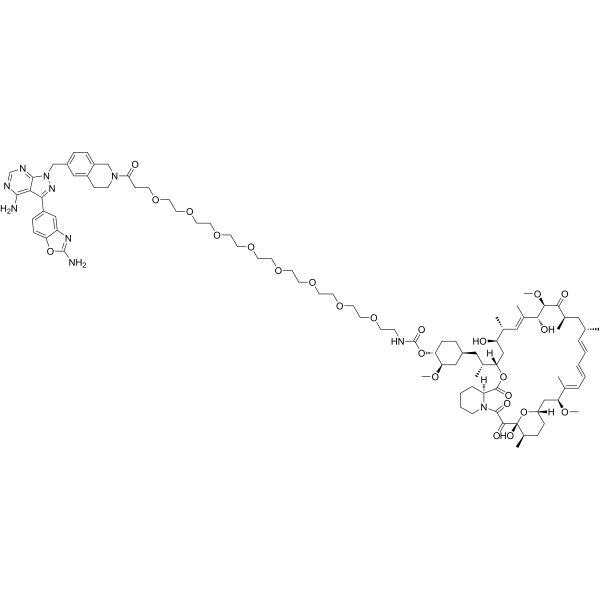
    RMC-5552
    5 Publications Verification

    mTOR Cancer
    RMC-5552 is a potent and selective mTORC1 inhibitor. RMC-5552 inhibits phosphorylation of mTORC1 pS6K and p4EBP1 with IC50s of 0.14 nM and 0.48 nM, respectively. RMC-5552 shows much lower pAKT inhibition (IC50 of 19 nM), resulting in mTORC1/mTORC2 selectivity approaching 40-fold. RMC-5552 has anti-cancer activity .
    RMC-5552
  • HY-13260
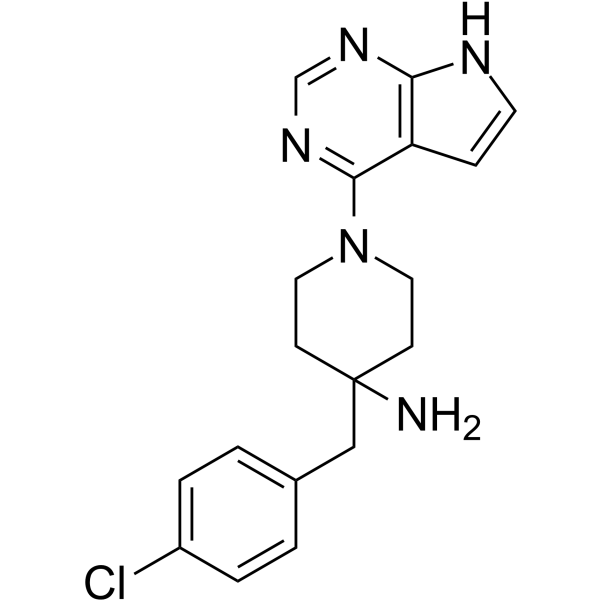
    CCT128930
    5+ Cited Publications

    Akt Autophagy Apoptosis Cancer
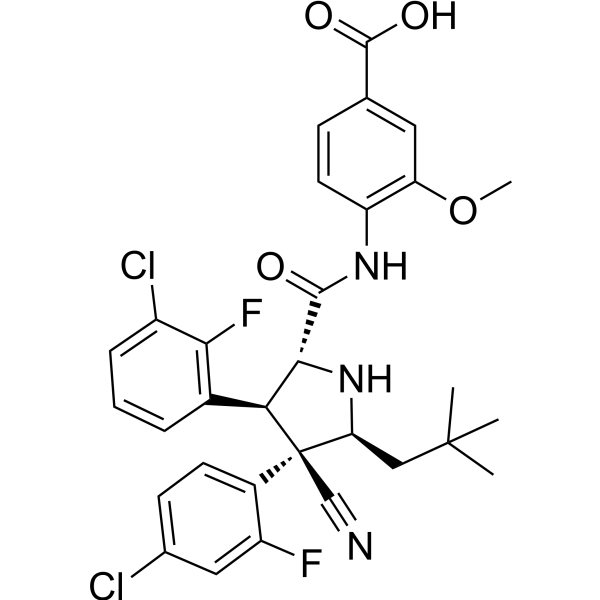
    CCT128930 is a ATP-competitive and selective inhibitor of AKT (IC50=6 nM for AKT2). CCT128930 has 28-fold selectivity over the closely related PKA kinase (IC50=168 nM) through the targeting of Met282 of AKT (Met173 of PKA-AKT chimera), as well as 20-fold selectivity over p70S6K (IC50=120 nM). Antitumor activity.
    CCT128930
  • HY-N0656A
    (+)-Usnic acid
    2 Publications Verification

    mTOR Bacterial Autophagy Infection Inflammation/Immunology Cancer
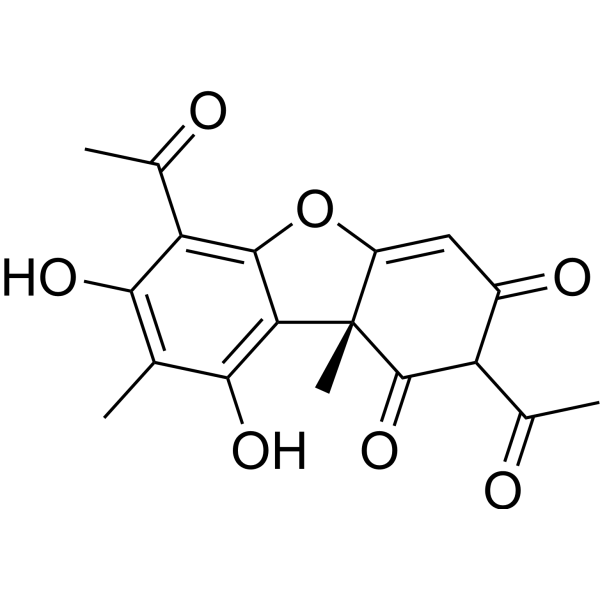
    (+)-Usnic acid is isolated from isolated from lichens, binds at the ATP-binding pocket of mTOR, and inhibits mTORC1/2 activity. (+)-Usnic acid inhibits the phosphorylation of mTOR downstream effectors: Akt (Ser473), 4EBP1, S6K, induces autophay, with anti-cancer and anti-inflammatory activity. (+)-Usnic acid possesses antimicrobial activity against a number of planktonic gram-positive bacteria, including Staphylococcus aureus, Enterococcus faecalis, and Enterococcus faecium .
    (+)-Usnic acid
  • HY-W011109
    CKI-7
    1 Publications Verification

    Casein Kinase CDK SGK Ribosomal S6 Kinase (RSK) Cancer
    CKI-7 is a potent and ATP-competitive casein kinase 1 (CK1) inhibitor with an IC50 of 6 μM and a Ki of 8.5 μM. CKI-7 is a selective Cdc7 kinase inhibitor. CKI-7 also inhibits SGK, ribosomal S6 kinase-1 (S6K1) and mitogen- and stress-activated protein kinase-1 (MSK1). CKI-7 has a much weaker effect on casein kinase II and other protein kinases .
    CKI-7
  • HY-121629

    PDK-1 Cancer
    PS210 is a potent and selective PDK1 activator with a Kd of 3 μM and targets the PIF-binding pocket of PDK1. PS210 is inactive against other protein kinases, including PDK1 downstream signaling components such as S6K, PKB/Akt or GSK3. In cells, the prodrug of PS210 (PS423) acts as a substrate-selective inhibitor of PDK1, inhibiting the phosphorylation and activation of S6K .
    PS210
  • HY-P10042

    Ribosomal S6 Kinase (RSK) Others
    S6K Substrate is a substrate for active protein kinases, including CLK2, MRCKalpha, MRCKbeta, p70S6K, ROCK1, ROCK2, RSK1, RSK3, PIM1 .
    S6K Substrate
  • HY-100501
    M2698
    1 Publications Verification

    MSC2363318A

    Ribosomal S6 Kinase (RSK) Akt Cancer
    M2698 (MSC2363318A) is an orally active, ATP competitive, selective p70S6K and Akt dual-inhibitor with IC50s of 1 nM for p70S6K, Akt1 and Akt3. M2698 can cross the blood-brain barrier and has anti-cancer activity .
    M2698
  • HY-18313

    Ribosomal S6 Kinase (RSK) JAK CDK Metabolic Disease
    S6K1-IN-1 is a selective S6K1 inhibitor with an IC50 value of 52 nM. S6K1-IN-1 can be used in the research of obesity and insulin resistance-related diseases .
    S6K1-IN-1
  • HY-110313
    SB-747651A dihydrochloride
    1 Publications Verification

    p38 MAPK Inflammation/Immunology
    SB-747651A dihydrochloride is an ATP-competitive mitogen- and stress-activated kinase 1 (MSK1) inhibitor with an IC50 of 11 nM. SB-747651A dihydrochloride also inhibits PRK2, RSK1, p70S6K and ROCK-II. SB-747651A dihydrochloride can be used for inflammation research .
    SB-747651A dihydrochloride
  • HY-W338584
    Hydroxycitric acid tripotassium
    1 Publications Verification

    Keap1-Nrf2 Ferroptosis Apoptosis mTOR NF-κB ATP Citrate Lyase AMPK Ribosomal S6 Kinase (RSK) DNA/RNA Synthesis Cardiovascular Disease Metabolic Disease Endocrinology Cancer
    Tripotassium hydroxycitrate is an orally active, multi-target, multi-bioactive organic acid. Tripotassium hydroxycitrate activates Nrf2 and its downstream molecule GPX4, increases glutathione levels, and thereby inhibits ferroptosis. Tripotassium hydroxycitrate activates the Nrf2/Keap1 and ACLY/NF-κB signaling pathways, upregulates the activities of antioxidant enzymes such as superoxide dismutase, reduces MDA content, thereby alleviating oxidative stress and renal tubular epithelial cell apoptosis, and improves pulmonary vascular and right ventricular remodeling. Tripotassium hydroxycitrate activates both the AMPK and mTORC1/S6K pathways, triggers the unfolded protein response, arrests the cancer cell cycle, and induces DNA fragmentation .
    Hydroxycitric acid tripotassium
  • HY-103100
    SB-699551
    1 Publications Verification

    5-HT Receptor Epigenetic Reader Domain Akt Ribosomal S6 Kinase (RSK) FOXO Neurological Disease Metabolic Disease Inflammation/Immunology Cancer
    SB-699551 is a selective and brain penetrant 5-HT5A receptor antagonist with a pKi of 8.2 nM. SB-699551 shows high selectivity over most other 5-HT receptor subtypes, dopamine receptors, and α1B adrenoceptor. SB-699551 disrupts Gαi/o-coupled and PI3K/AKT/mTOR signaling pathways, alters CREB, ATF1, AKT, PRAS40, S6K, and FOXO1 phosphorylation in breast tumor cells. SB-699551 can be used for the research of anxiety, breast cancer, and Alzheimer's disease .
    SB-699551
  • HY-N1677

    Akt mTOR Bacterial Fungal AMPK Infection Metabolic Disease Inflammation/Immunology Cancer
    2,6-Dimethoxy-1,4-benzoquinone is a 1,4-benzoquinone derivative. 2,6-Dimethoxy-1,4-benzoquinone promotes phosphorylation of AKT, S6K, mTOR, 4E-BP1, and AMPK, and attenuates mTORC1 activity as part of the AKT/mTOR pathway. 2,6-Dimethoxy-1,4-benzoquinone stimulates myoblast differentiation, increases myotube size, elevates MHC protein expression, enhances mitochondrial biogenesis, respiration, and DNA content, and increases skeletal muscle weights, fiber size, grip strength, and treadmill performance. 2,6-Dimethoxy-1,4-benzoquinone exerts anti-cancer, anti-inflammatory, anti-adipogenic, antibacterial, and antimutagenic effects, inhibits adipogenic transcription factors, nitric oxide production, skin tumor development, Magnaporthe oryzae growth, spore germination, appressorium formation, and growth of select bacterial species, induces H2O2 generation and rice defense gene expression, and reduces rice blast lesion formation. 2,6-Dimethoxy-1,4-benzoquinone can be used for the research of obesity, skin tumorigenesis, rice blast disease, and food-borne illness .
    2,6-Dimethoxy-1,4-benzoquinone
  • HY-157133

    Akt Ribosomal S6 Kinase (RSK) Apoptosis Cancer
    TAS0612 is the orally active inhibitor of RSKAKT and S6K. TAS0612 has antitumor activity .
    TAS0612
  • HY-N10303
    Withangulatin A
    1 Publications Verification

    COX Parasite Reactive Oxygen Species (ROS) Apoptosis p38 MAPK NF-κB Akt mTOR TGF-beta/Smad Inflammation/Immunology Cancer
    Withangulatin A is the inhibitor for COX-2. Withangulatin A inhibits MAPK, NF-κB, Akt/mTOR/p70S6K pathway, exhibits antitumor, anti-inflammatory and trypanocidal activities .
    Withangulatin A
  • HY-N2357

    (-)-Eudesmin; Eudesmine; (-)-Eudesmine

    Ribosomal S6 Kinase (RSK) Infection Metabolic Disease Inflammation/Immunology Cancer
    Eudesmin ((-)-Eudesmin) impairs adipogenic differentiation via inhibition of S6K1 signaling pathway. Eudesmin possesses diverse therapeutic effects, including anti-tumor, anti-inflammatory, and anti-bacterial activities .
    Eudesmin
  • HY-12059
    AT7867
    5 Publications Verification

    Akt PKA Ribosomal S6 Kinase (RSK) Cancer
    AT7867 is a potent ATP-competitive inhibitor of Akt1/Akt2/Akt3 and p70S6K/PKA with IC50s of 32 nM/17 nM/47 nM and 85 nM/20 nM, respectively.
    AT7867
  • HY-139188

    PI5P4K Metabolic Disease Cancer
    CC260 is a selective PI5P4Kα and PI5P4Kβ inhibitor with Kis of 40 nM and 30 nM, respectively. CC260 does not inhibit or weakly inhibits other protein kinases, such as Plk1 and RSK2. CC260 can be used for cell energy metabolism, diabetes and cancer research .
    CC260
  • HY-133028
    CKI-7 free base
    1 Publications Verification

    Casein Kinase CDK SGK Ribosomal S6 Kinase (RSK) Cancer
    CKI-7 free base is a potent and ATP-competitive casein kinase 1 (CK1) inhibitor with an IC50 of 6 μM and a Ki of 8.5 μM. CKI-7 free base is a selective Cdc7 kinase inhibitor. CKI-7 free base also inhibits SGK, ribosomal S6 kinase-1 (S6K1) and mitogen- and stress-activated protein kinase-1 (MSK1). CKI-7 free base has a much weaker effect on casein kinase II and other protein kinases .
    CKI-7 free base
  • HY-N1050

    mTOR Ribosomal S6 Kinase (RSK) Bacterial Infection Neurological Disease Cancer
    Zederone is a sesquiterpene. Zederone inhibits ovarian cancer cell proliferation through mTOR/p70s6K signalling pathway. Zederone inhibits CYP activities with IC50s of 2.9 μM (CYP2B6), 9.2 μM (CYP2C9), 11,2 μM (CYP2C19) and >30 μM (CYP1A2 and CYP2D6). Zederone is hepatotoxic with LD50 value at 24 hours in mice of approximately 223 mg/kg and cytotoxic against the KG1a cell line. Zederone shows antibacterial activity against a number of multi-drug resistant and Methicillin (HY-121544)-resistant Staphylococcus aureus strain. Zederone shows cognition improving capacity and assists in the modulation of gut bacterial dysbiosis [6].
    Zederone
  • HY-175646

    Acyltransferase mTOR Ribosomal S6 Kinase (RSK) Apoptosis Cancer
    AGPAT4-IN-1 (Compound CL26) is a covalent AGPAT4 inhibitor with an IC50 of 795 nM. AGPAT4-IN-1 covalently binds to AGPAT4 at Cys 228 and significantly inhibits acyltransferase activity, LPA-to-PA conversion and downstream mTOR/S6K pathways. AGPAT4-IN-1 sensitizes hepatocellular carcinoma (HCC) tumors to Sorafenib (HY-10201) and significantly induces apoptosis with a synergistic response. AGPAT4-IN-1 has antitumor activity and reduces tumorigenicity and stemness in HCC xenograft mouse models .
    AGPAT4-IN-1
  • HY-161275

    EGFR Akt ERK Ribosomal S6 Kinase (RSK) Cancer
    BI-4732 is an orally active, reversible, ATP-competitive EGFR inhibitor with blood-brain barrier penetration. BI-4732 inhibits the kinase activity of EGFR L858R, T790M and C797S with IC50 values of 1 nM while sparing EGFR wild-type. BI-4732 inhibits EGFR and reduces the phosphorylation of AKT, ERK, and S6K. BI-4732 demonstrates excellent intracranial anti-tumor efficacy in YU-1097 xenograft model harboring EGFR_E19del/T790M/C797S. BI-4732 can be used for the study of non-small cell lung cancer (NSCLC) .
    BI-4732
  • HY-112400

    BIM V

    Ribosomal S6 Kinase (RSK) Cancer
    Bisindolylmaleimide V is a cell-permeable negative control for protein kinase C inhibition studies with an IC50 value over 100 µM . Bisindolylmaleimide V blocks the activation of mitogen-stimulated protein kinase p70 s6k/p85 s6k (S6K) in vivo with an IC50 of 8 µM .
    Bisindolylmaleimide V
  • HY-18507

    RET Raf Ribosomal S6 Kinase (RSK) Src Cancer
    AD57 is an orally active multikinase inhibitor, inhibits RET, BRAF, S6K and Src, with greatly reduces mTOR activity .
    AD57
  • HY-P10042A

    Ribosomal S6 Kinase (RSK) Others
    S6K Substrate acetate is a substrate for active protein kinases, including CLK2, MRCKalpha, MRCKbeta, p70S6K, ROCK1, ROCK2, RSK1, RSK3, PIM1 .
    S6K Substrate acetate
  • HY-148877

    HSP HSV HIF/HIF Prolyl-Hydroxylase VEGFR NF-κB ERK Akt FAK Infection Inflammation/Immunology Cancer
    AT-533 is a potent Hsp90 and HSV inhibitor. AT-533 suppresses tumor growth and angiogenesis by blocking the HIF-1α/VEGF/VEGFR-2 signaling pathway. AT-533 also inhibits the activation of the downstream pathways, including Akt/mTOR/p70S6K, Erk1/2 and FAK. AT-533 inhibits the tube formation, cell migration, and invasion of human umbilical vein endothelial cells (HUVECs) .
    AT-533
  • HY-178042

    Ras Akt ERK Cancer
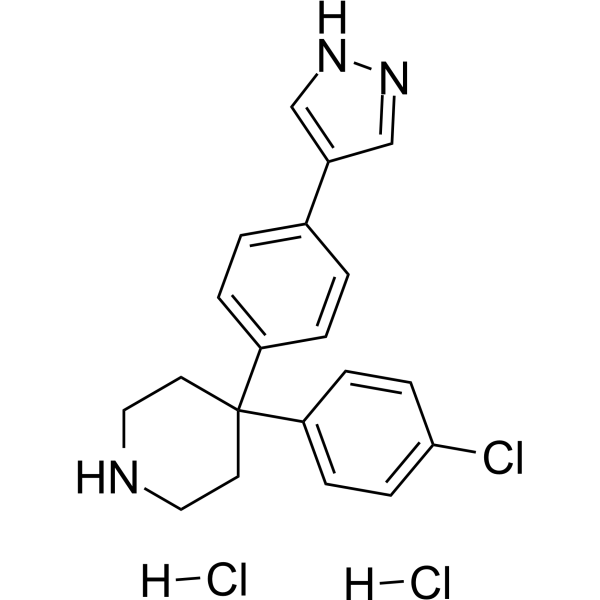
    SS-3091 is a pan-KRas inhibitor active across KRas G12D, KRas G12C, KRas G12V, KRas G12S mutants, with minimal effects on non-KRas-driven cancer cells. SS-3091 binds to the KRas·ARaf interaction interface, destabilizes the complex, and attenuates KRas activity. SS-3091 suppresses phosphorylation of S6K, Akt, and ERK. SS-3091 reduces proliferation and decreases colony formation of cancer cells bearing KRas G12 mutations. SS-3091 can be used for the research of KRas-driven cancers .
    SS-3091
  • HY-14362

    ROCK Ribosomal S6 Kinase (RSK) Cardiovascular Disease
    GSK-25 is a potent, selective and orally bioavailable ROCK1 inhibitor (IC50=7 nM). GSK-25 maintains good selectivity against a panel of 31 kinases (>100 fold), as well as RSK1 and p70S6K (RSK1: IC50=398 nM, p70S6K: IC50=1 μM). GSK-25 inhibits P450 profile (IC50s of 2.5, 5.2, 2.5 µM for CYP2C9, CYP2D6, CYP3A4, respectively) .
    GSK-25
  • HY-114645

    PDK-1 Cancer
    PDK1-IN-RS2 is a mimic of peptide docking motif (PIFtide) and is a substrate-selective PDK1 inhibitor with a Kd of 9 μM. PDK1-IN-RS2 suppresses the activation of the downstream kinases S6K1 by PDK1 .
    PDK1-IN-RS2
  • HY-152944

    Ribosomal S6 Kinase (RSK) Cancer
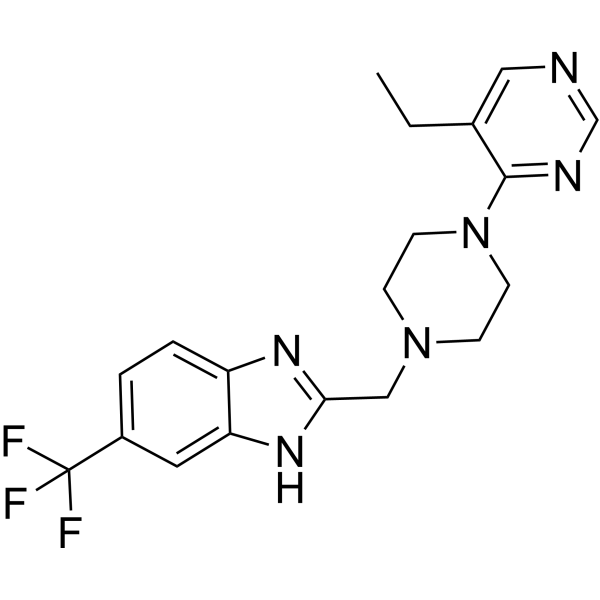
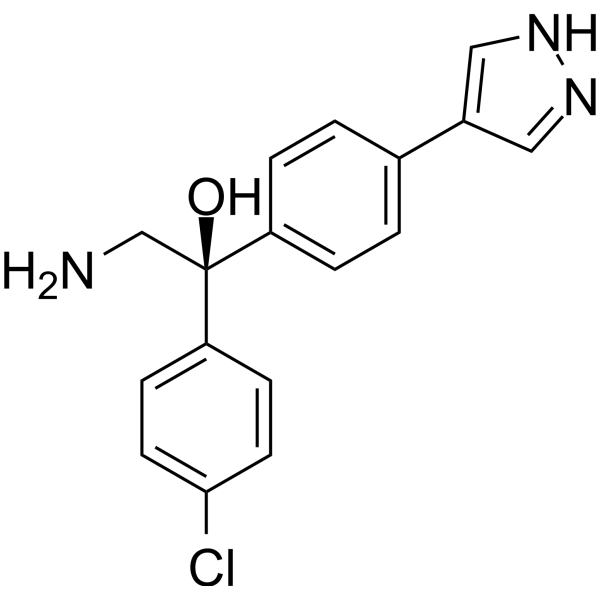
    S6K1-IN-DG2 (Compound 66) is a p70S6K inhibitor (IC50: < 100 nM) .
    S6K1-IN-DG2
  • HY-W070306

    PDK-1 FGFR Wee1 MARK Neurological Disease Cancer
    PDK1-IN-1 (Compound 2-11) is a PDK1 inhibitor. PDK1-IN-1 is also useful as inhibitor of other kinases such as FGFR3, NTRK3, RP-S6K and WEE1. PDK1-IN-1 selectively inhibits microtubule affinity regulating kinase (MARK). PDK1-IN-1 can be used for researches of myeloproliferative disorders, cancer and Alzheimer's disease .
    PDK1-IN-1
  • HY-N0597
    Panaxatriol
    3 Publications Verification

    Akt Insulin Receptor Apoptosis Reactive Oxygen Species (ROS) Cardiovascular Disease Metabolic Disease Cancer
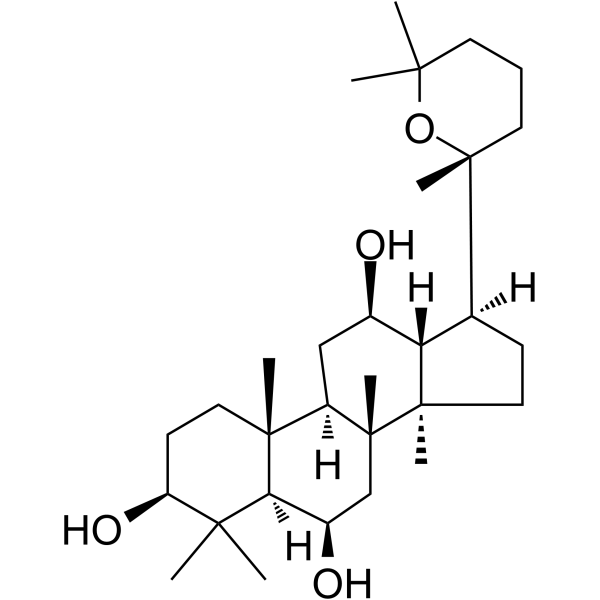
    Panaxatriol is an orally active dammarane-type tetracyclic triterpene sapogenin. Panaxatriol enhances the phosphorylation levels of Akt, insulin receptor and p70S6K in skeletal muscle. Panaxatriol reduces the mRNA expression level of Atrogin1 in skeletal muscle. Panaxatriol induces apoptosis, pre-G1 cell cycle arrest and increased intracellular ROS levels in prostate cancer cells, decreases mitochondrial membrane potential, inhibits cell migration and reduces colony formation. Panaxatriol can be used in research related to insulin resistance, myocardial ischemia/reperfusion injury and prostate cancer [1][2][3].
    Panaxatriol
  • HY-134903

    mTOR Cancer
    (32-Carbonyl)-RMC-5552 is a potent mTOR inhibitor. (32-Carbonyl)-RMC-5552 inhibits mTORC1 and mTORC2 substrate (p-P70S6K-(T389), p-4E-BP1-(T37/36), AND p-AKT1/2/3-(S473)) phosphorylation with pIC50s of > 9, >9 and between 8 and 9, respectively (patent WO2019212990A1, example 2) .
    (32-Carbonyl)-RMC-5552
  • HY-13866B
    Ro 31-8220 formic
    10+ Cited Publications

    Bisindolylmaleimide IX formic

    PKC JNK Cancer
    Ro 31-8220 formic is a potent PKC inhibitor, with IC50s of 5, 24, 14, 27, 24 and 23 nM for PKCα, PKCβI, PKCβII, PKCγ, PKCε and rat brain PKC, respectively. Ro 31-8220 formic also significantly inhibits MAPKAP-K1b, MSK1, S6K1 and GSK3β (IC50s, 3, 8, 15, and 38 nM, respectively). Ro 31-8220 formic can also inhibit the expression of MKP-1, induce the expression of c-Jun, and activate JNK, and these effects possess pharmacological properties independent of PKC .
    Ro 31-8220 formic
  • HY-156672

    FGFR Cancer
    S6K2-IN-1 (Compound 2) is a S6K2 inhibitor (IC50: 22 nM). S6K2-IN-1 also inhibits FGFR4 (IC50: 216 nM). S6K2-IN-1 has acceptable stability in mouse liver microsomes .
    S6K2-IN-1
  • HY-12059A
    AT7867 dihydrochloride
    5 Publications Verification

    Akt PKA Ribosomal S6 Kinase (RSK) Cancer
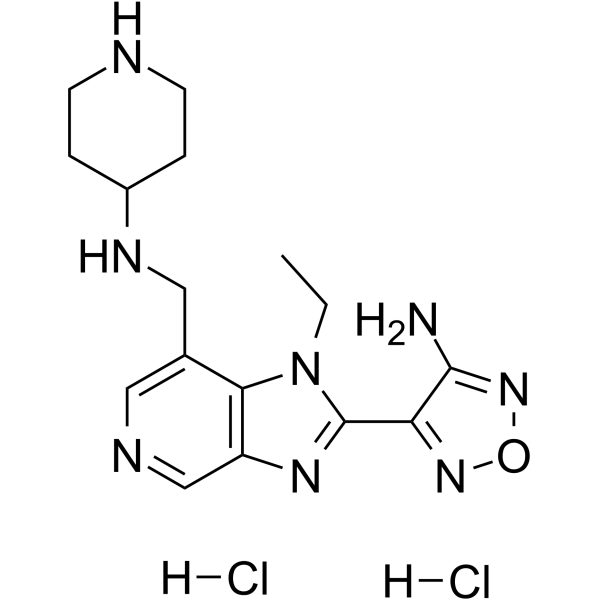
    AT7867 dihydrochloride is a potent ATP-competitive inhibitor of Akt1/Akt2/Akt3 and p70S6K/PKA with IC50s of 32 nM/17 nM/47 nM and 85 nM/20 nM, respectively.
    AT7867 dihydrochloride

온라인 문의

Your information is safe with us. * Required Fields.

호칭


Country or Region *

고객명 *


회사명 *

Department *


메일주소 *


상품명 *

Cat. No.


Requested quantity *

전화번호 *


비고

온라인 문의

Inquiry Information

상품명:
Cat. No.:
수량:
MCE Japan Authorized Agent:

